Georgia Ground Covers That Solve The Bare Slope Problem Without Any Irrigation After Year One
A steep slope can be one of the most frustrating parts of any yard. One heavy rain can leave exposed soil behind, and weeds seem to appear faster than plants can fill in.
Many people spend years watering, replanting, and trying different solutions, only to end up with the same problem season after season.
The challenge is finding plants that can do the hard work without needing constant attention. Some ground covers are much tougher than they look.
Once they establish strong roots, they spread across the slope, help hold soil in place, and keep growing through dry conditions with very little extra help.
That makes them a smart choice for difficult areas where irrigation is not practical or simply not wanted. For properties in Georgia, the right ground cover can transform a troublesome hillside into a more attractive and lower maintenance part of the yard.
1. Plant Sunshine Mimosa For Fast Ground Coverage
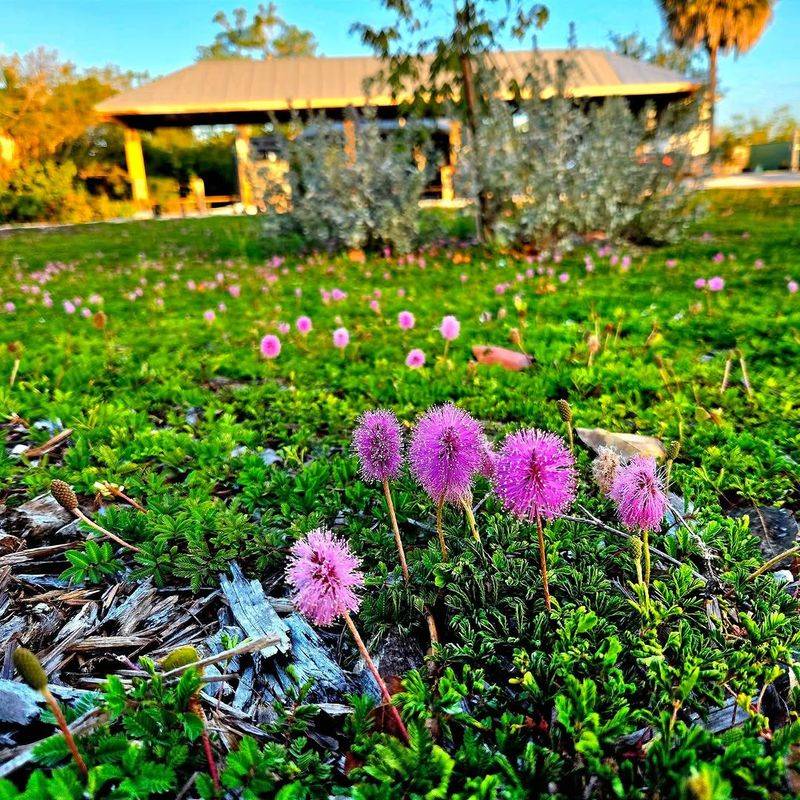
Feathery foliage spreads faster than most competitors across bare dirt. Sunshine mimosa creates living mats that stabilize soil within months rather than years.
Delicate leaves look fragile but tolerate foot traffic and summer heat without complaint.
Growth reaches only four inches tall but spreads several feet wide from single plants. This horizontal expansion covers large areas quickly, making it perfect for urgent erosion control.
Yellow flowers appear sporadically but foliage provides the main visual interest with its fine texture.
Drought tolerance develops rapidly after roots establish during the first season. Native to dry regions, this plant actually prefers neglect over coddling.
Excess water encourages weak growth that struggles through winter cold, while lean conditions produce tough plants that return reliably each spring.
Full sun to partial shade both work well, though flowering increases with more light exposure. Soil type matters little since roots adapt to clay, sand, or rocky conditions equally well.
Slopes too steep for mowing become maintenance-free zones once coverage fills in completely.
Spring installation gives plants maximum time to establish before winter dormancy. Space plugs eighteen inches apart for solid coverage by the second growing season.
This ground cover self-seeds moderately, filling gaps without becoming invasive or requiring removal from unwanted areas around property edges.
2. Use Frogfruit Where Grass Struggles To Grow
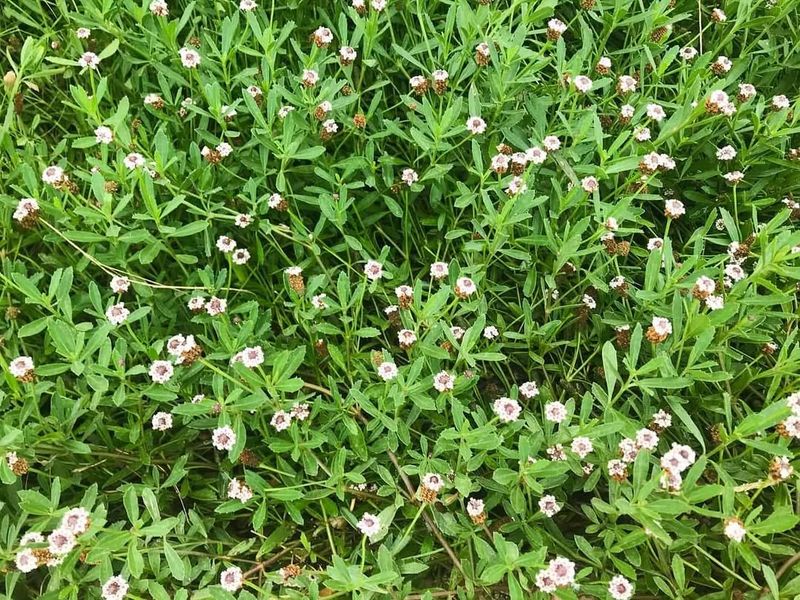
Grass failures disappear when this tough native replaces traditional turf. Frogfruit tolerates conditions that leave lawns patchy and thin, including compacted soil and inconsistent moisture.
Small white flowers attract butterflies while leaves create dense mats that prevent weed germination.
Height barely reaches three inches, making it perfect for areas needing low profile coverage. Stems root at nodes as they spread, creating interconnected networks that hold soil during heavy rains.
This rooting habit makes slopes more stable than grass ever could, even without regular watering after establishment.
Clay soil poses no problems for this adaptable plant. Roots penetrate hard-packed dirt that defeats other ground covers, making it ideal for disturbed areas around new construction.
Partial shade to full sun both support healthy growth, though flowering increases with more direct light exposure.
Your Georgia Garden Changes Every Week. Your Plan Should Too.
Gardening in Georgia changes quickly throughout the season. Every Friday you’ll receive a simple weekly plan showing exactly what to plant, prune, fertilize, harvest, and protect so you never miss the right timing.
Foot traffic tolerance makes this ground cover useful near pathways and play areas. Leaves bounce back after being stepped on repeatedly, unlike delicate alternatives that show damage immediately.
Mowing once or twice per season keeps growth tidy if desired, but plants look fine without any trimming.
Late spring planting works best for establishment before summer heat arrives. Space plants twelve to fifteen inches apart for complete coverage within one growing season.
Supplemental water helps during the first few months, but mature plants survive extended dry periods without irrigation or special care requirements throughout subsequent years.
3. Count On Allegheny Spurge In Shady Areas
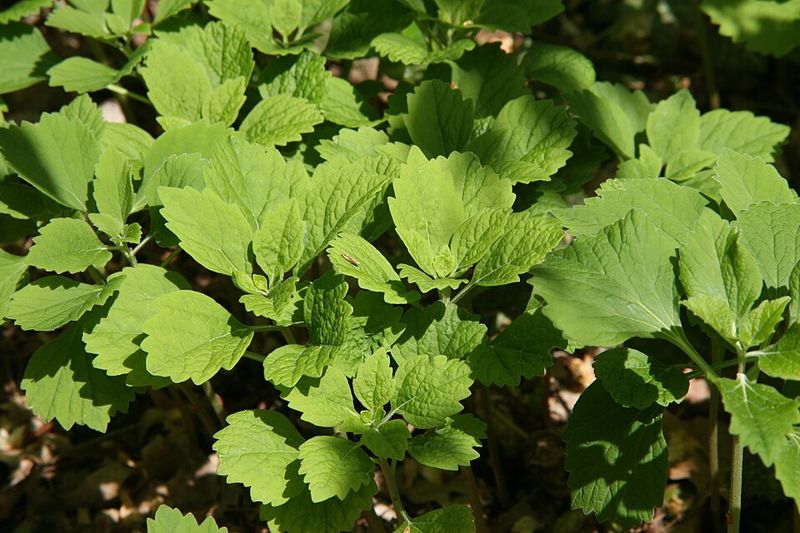
Shaded slopes become green carpets with this woodland native. Allegheny spurge thrives where sun-loving plants struggle, creating glossy evergreen coverage under trees and along north-facing hillsides.
White flower spikes emerge in spring, adding vertical interest to low-growing foliage.
Leaves stay attractive year-round, providing visual interest during winter months when most ground covers go dormant. This evergreen habit makes slopes look intentional rather than neglected during cold seasons.
Foliage develops bronze tints in winter, adding subtle color variation without looking damaged or stressed.
Rhizomes spread steadily underground, creating expanding colonies that fill bare spots without becoming aggressive. Growth rate stays moderate, giving you control over coverage areas while still providing reliable expansion.
Mature height reaches six to nine inches, creating substantial presence without blocking sight lines across slopes.
Dry shade conditions suit this plant perfectly once roots establish deeply. Competition from tree roots barely slows its spread, making it ideal for difficult spots under mature oaks and maples.
Clay or loamy soil both support healthy growth, though drainage should prevent standing water during winter rains.
Fall planting allows roots to develop before spring growth begins. Space plants fifteen inches apart for coverage within two years, or closer for faster results.
Initial watering supports establishment, but mature stands survive summer dry spells without irrigation. Mulch around new plants helps retain moisture and suppress weeds during the first growing season only.
4. Fill Thin Spots With Low-Growing Green And Gold
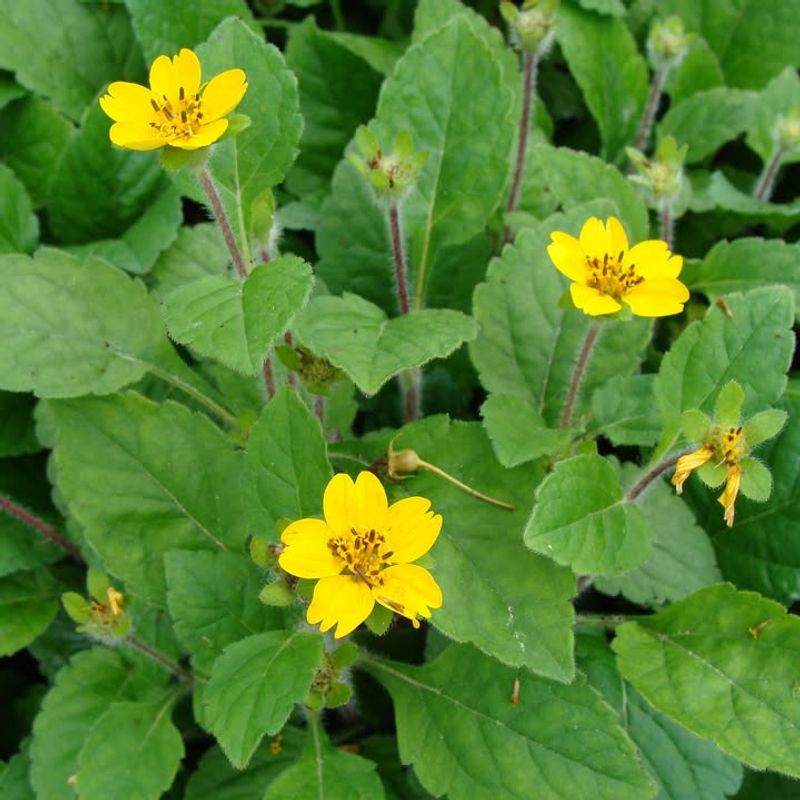
Yellow flowers brighten shaded slopes where color usually disappears. Green and gold creates cheerful displays in early spring, then maintains attractive foliage through summer and fall.
Heart-shaped leaves form spreading mats that fill gaps between other plants or cover entire hillsides independently.
Partial shade to full shade both support vigorous growth and reliable flowering. This native woodland plant actually performs better with less sun, making it perfect for slopes under tree canopies.
Height stays around six inches, creating uniform coverage that looks tidy without any trimming or maintenance.
Stolons spread across the ground surface, rooting at intervals to create interconnected colonies. This growth pattern stabilizes soil effectively while allowing easy removal if plants spread beyond desired boundaries.
Expansion rate stays moderate, providing reliable coverage without overwhelming other plantings nearby.
Dry conditions after establishment pose no problems for this adaptable native. Roots reach deep into soil, accessing moisture unavailable to shallow-rooted competitors.
Clay or loamy soil both work well, though plants appreciate organic matter mixed into planting areas during installation.
Spring or fall planting both succeed, though fall installation allows roots to develop before summer stress arrives. Space plants twelve inches apart for solid coverage within one growing season.
Water regularly during the first few months, then reduce frequency as plants establish.
Mature stands require no irrigation, even during extended dry periods. They are ideal for slopes that need low-maintenance ground cover.
5. Stabilize A Hillside With Spreading Juniper
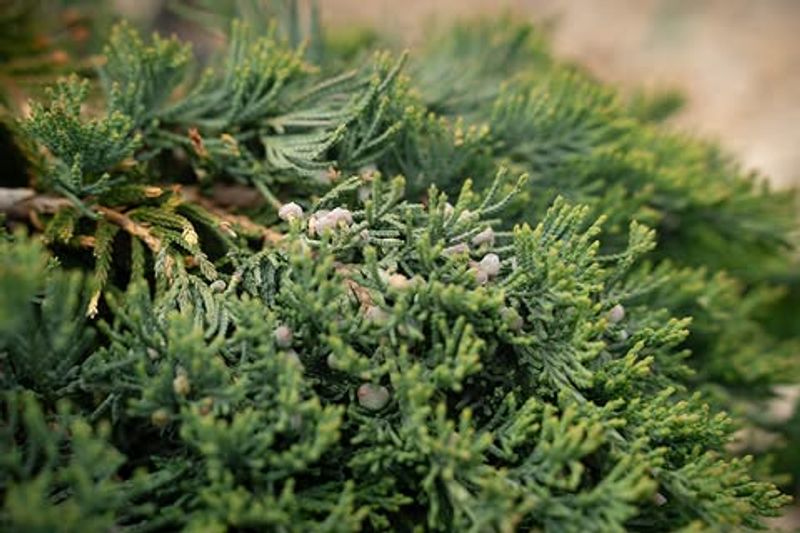
Evergreen needles create year-round coverage that never looks bare. Spreading juniper forms dense mats that cascade down slopes, holding soil while adding textural interest to landscapes.
Blue-green foliage provides color contrast against surrounding plants and remains attractive through all seasons.
Drought tolerance ranks among the best of all ground covers once roots establish deeply. This conifer survives extended dry periods without showing stress or requiring supplemental water.
Full sun locations produce the densest growth and most vibrant foliage color throughout the year.
Height varies by selection, ranging from six inches to two feet depending on cultivar choice. Lower-growing types work best for slopes needing tight coverage, while taller selections create more dramatic cascading effects.
Spread reaches six to eight feet from single plants, covering large areas efficiently.
Sandy or rocky soil suits this plant better than heavy clay. Drainage matters critically since roots rot in consistently wet conditions.
Slopes with excellent drainage and southern exposure provide ideal growing conditions for vigorous spreading and long-term survival without irrigation.
Fall planting gives roots time to establish before summer heat arrives. Space plants four to six feet apart for complete coverage within three years, or closer for faster results.
Water during the first growing season to support establishment, then stop completely. Mature plants require absolutely no irrigation, even during severe droughts.
Mulch around new plantings helps suppress weeds initially, but established junipers shade out competition naturally without additional help or maintenance requirements.
6. Carpet Uneven Ground With Native Partridgeberry
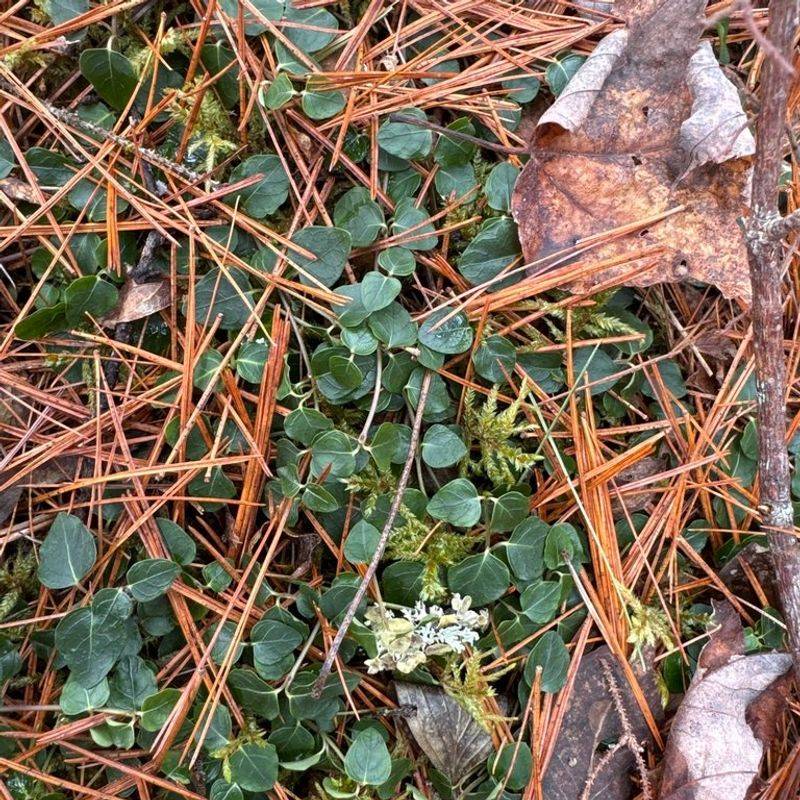
Tiny red berries add winter interest to shaded slopes where color typically vanishes. Partridgeberry creates delicate evergreen carpets that follow ground contours perfectly.
Small white flowers appear in pairs during summer, eventually forming bright red fruits that persist through cold months.
Shade tolerance makes this native ideal for slopes under dense tree canopy. Growth stays low at only two inches tall, creating fine-textured coverage that looks refined rather than wild.
Stems spread slowly but steadily, filling spaces between rocks and following uneven terrain naturally.
Acidic soil suits this woodland plant best, making it perfect for areas under pines or oaks. Clay content matters less than pH level, though drainage should prevent standing water.
Moisture retention helps, so slopes with some organic matter content support better growth than pure sand.
Establishment takes patience since growth rate stays moderate compared to aggressive spreaders. Once settled, plants survive dry periods by going semi-dormant rather than requiring irrigation.
Partial to full shade both work well, though deepest shade slows spreading somewhat.
Spring planting allows maximum growing time before winter dormancy. Space plants eight to ten inches apart for coverage within two to three years.
Water regularly during the first season, then reduce frequency as roots develop. Mature stands need no supplemental irrigation except during extreme drought conditions.
Mulch with pine needles or shredded leaves mimics natural forest floor conditions, supporting establishment while suppressing weed competition during initial growth periods before complete coverage develops naturally across uneven terrain.
7. Let Creeping Phlox Cover A Dry Slope With Color
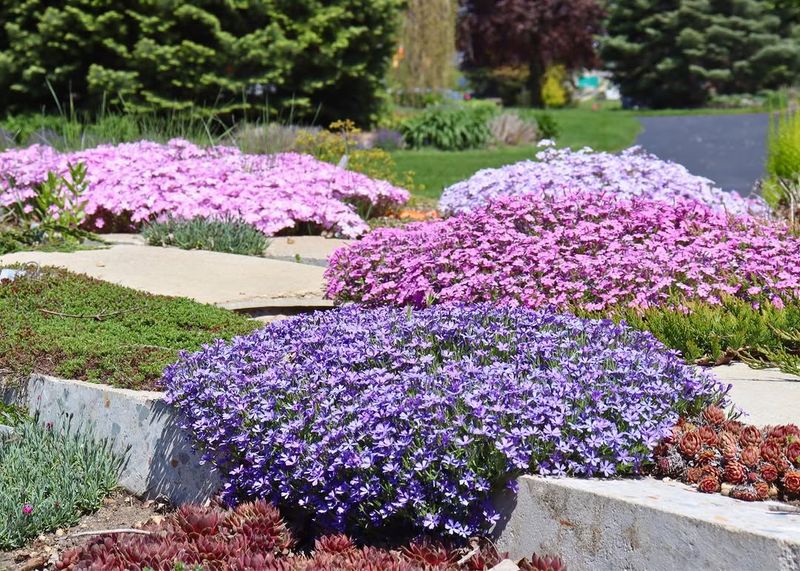
Bright blooms turn bare hillsides into spring spectacles without demanding constant moisture. Creeping phlox forms thick mats that choke out weeds while holding soil firmly against erosion.
Flowers arrive in pink, purple, white, or blue shades that blanket slopes for weeks each spring.
Roots dig deep once plants settle in during their first growing season. Watering helps establishment, but mature stands survive dry summers without supplemental irrigation.
Full sun locations produce the densest coverage and most abundant flowering displays.
Height stays under six inches, creating carpets rather than mounds. Stems spread horizontally across uneven terrain, filling gaps between rocks and following natural contours.
This growth habit makes slopes look intentionally designed rather than accidentally planted.
Fall planting works better than spring installation in most situations. Cooler temperatures and natural rainfall support root development without stress.
Space plants twelve inches apart for coverage within two growing seasons, or closer for faster results.
Sandy or rocky soil suits this plant better than heavy clay. Drainage matters more than fertility, since excess moisture causes more problems than nutrient deficiencies.
South and west-facing slopes provide ideal conditions for spreading and reliable flowering without irrigation or regular maintenance.
8. Hold Soil In Place With Barren Strawberry
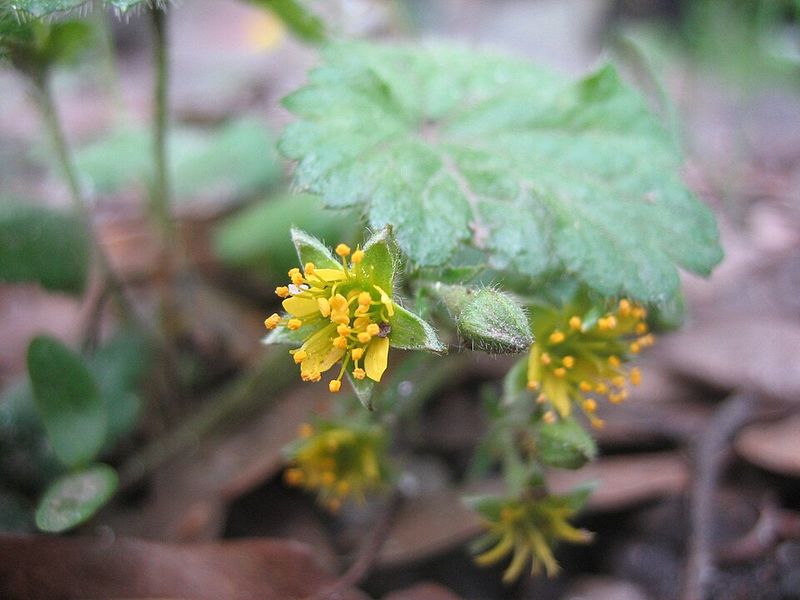
Yellow flowers replace the white blooms of true strawberries on this tough ground cover. Barren strawberry creates dense mats that stabilize slopes effectively without producing edible fruit.
Three-part leaves resemble familiar strawberry foliage, creating recognizable texture that looks intentional in landscape settings.
Partial shade to full sun both support healthy growth and reliable flowering. This adaptability makes it useful for slopes with variable light conditions throughout the day.
Height reaches four to six inches, creating substantial coverage without overwhelming smaller companion plants nearby.
Stolons spread across soil surfaces, rooting at nodes to form interconnected colonies. This growth habit holds soil firmly during heavy rains while allowing easy propagation for expanding plantings.
Spread rate stays moderate, providing coverage without becoming invasive or difficult to control around property boundaries.
Dry conditions after establishment pose minimal challenges for this adaptable plant. Roots penetrate deeply enough to access moisture during summer dry spells without irrigation.
Clay, loam, or sandy soil all support adequate growth, though plants perform best with moderate drainage rather than constantly wet conditions.
Fall or early spring planting both succeed well in most situations. Space plants twelve to fifteen inches apart for complete coverage within one to two growing seasons.
Water regularly during establishment, then gradually reduce watering as roots develop. Mature plants can survive extended dry periods without supplemental irrigation.
They are a good choice for slopes that need attractive ground cover with little maintenance.