How To Grow Ginger In North Carolina The Right Way And Harvest It At Peak Flavor
Many gardeners will grow just about anything, but ginger tends to get a suspicious look and a slow head shake. Too tropical, people say.
Too fussy. Too much like something that belongs in a greenhouse in another climate entirely. But those people are missing out on something genuinely special.
North Carolina’s warm summers, humid air, and rich soils give ginger plenty to like. With a little afternoon shade, it can settle into a Piedmont raised bed or a Coastal Plain garden surprisingly well.
The catch is timing. Ginger takes longer than most vegetables, and it asks for more patience than tomatoes or zucchini.
But what comes out of the ground at the end of that wait is nothing like the dried, fibrous root sitting in a store bin. It is fresher, more flavorful, and far more satisfying than anything you have ever bought.
The steps to get there are more straightforward than you might expect.
1. Start Ginger Indoors Before North Carolina Soil Warms
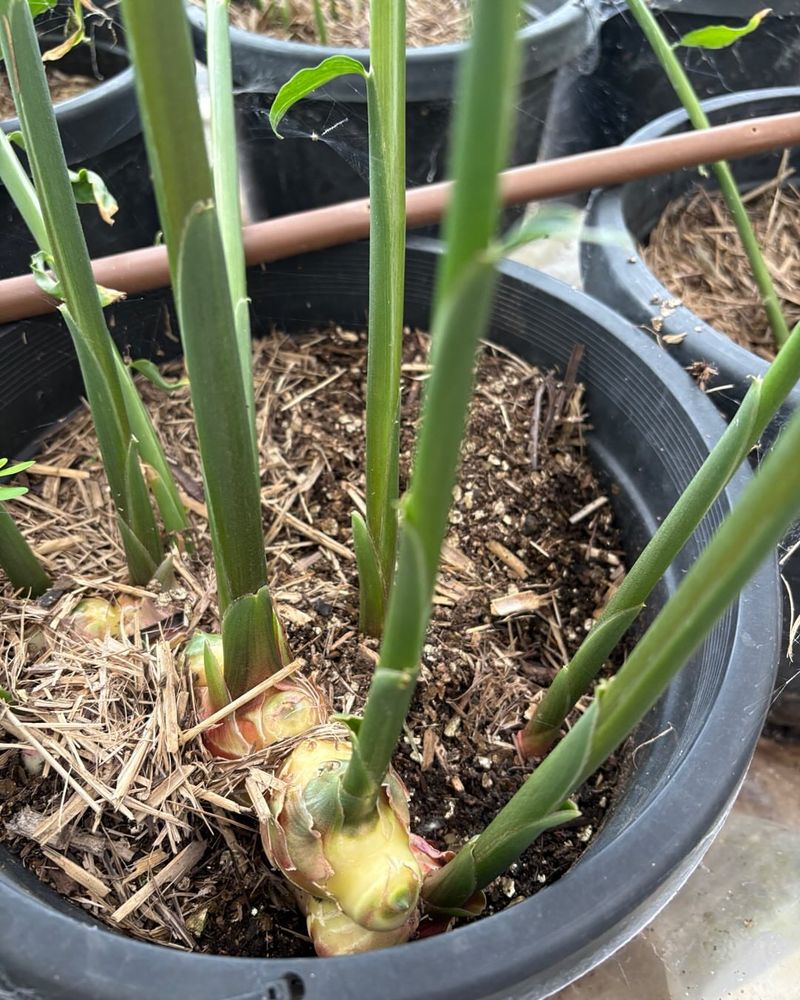
Ginger likes warmth from the very beginning. That is the first little secret. If you tuck it into cold outdoor soil too early, it may just sit there. No drama. No growth. Just a quiet root giving you absolutely nothing.
North Carolina spring can be tricky this way. The air may feel mild before the soil is truly warm.
Gardeners know that feeling well. You step outside in March and think, “Maybe it is time.” Well, ginger disagrees.
This is why starting it indoors can give you a helpful head start. Begin in late February or early March if you can. That gives the rhizomes time to wake up before outdoor planting season arrives.
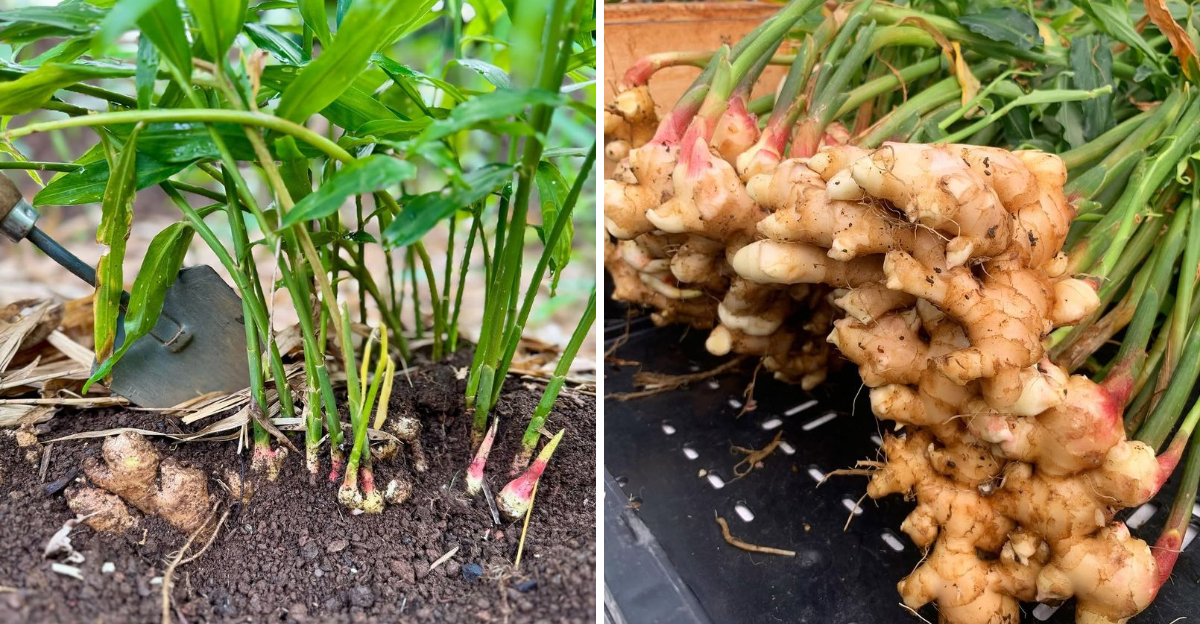
Choose firm, plump pieces of ginger with visible little buds. Those buds are often called eyes. They are the points where new shoots can form.
If a piece looks shriveled, moldy, or soft, skip it. You want ginger with some life in it. Think of it as choosing the roots with the best résumé.
Soak the rhizomes overnight in warm water. This may help refresh them before planting. Then place them in shallow containers filled with moist potting mix.
Do not bury them too deeply. An inch or two of cover is usually enough. The buds should face upward if you can tell where they are.
Now give them warmth. A sunny window may work if the area stays warm. Grow lights can help if your indoor light is weak. A seed-starting heat mat can also make a big difference.
Keep the mix lightly moist. Not soggy. Not dusty dry. Think damp sponge, not swamp. Shoots may appear in a few weeks, but ginger can be slow. Do not panic if it takes its sweet root-time.
By the time North Carolina soil warms, your plants may already have leafy growth. That early start can make the whole season feel less rushed.
You are not forcing ginger. You are simply giving it a warm invitation.
2. Plant Rhizomes Shallow Once Warm Weather Settles
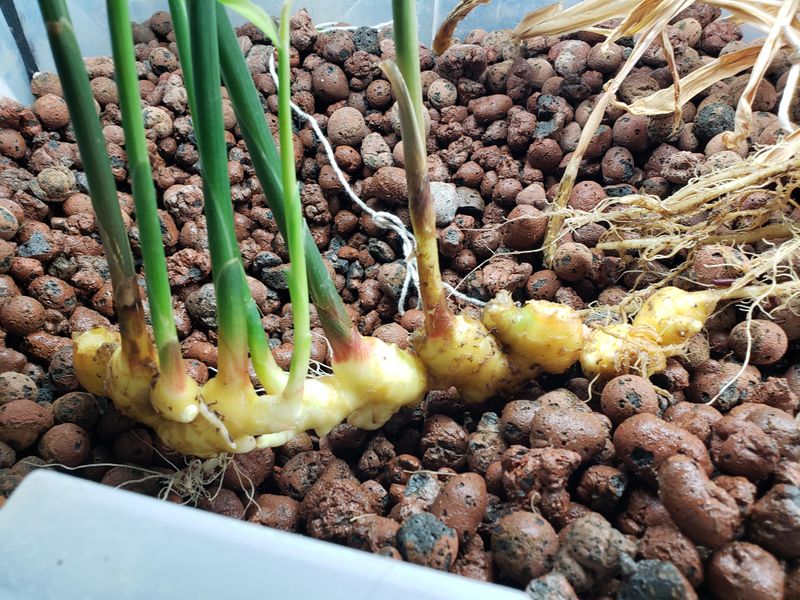
Here is where many gardeners get impatient. The ginger is sprouting indoors. The weather feels pleasant. The garden bed is calling your name.
Your North Carolina Garden Changes Every Week. Your Plan Should Too.
Gardening in North Carolina changes quickly throughout the season. Every Friday you’ll receive a simple weekly plan showing exactly what to plant, prune, fertilize, harvest, and protect so you never miss the right timing.
But ginger does not care about your excitement. It cares about warm soil. Before moving ginger outdoors, wait until the chill has truly moved on. In much of North Carolina, that may mean mid-May.
In cooler Piedmont or mountain areas, it may take longer. If the soil still feels cool and heavy, wait. A rushed planting can slow the plant down. Ginger prefers a warm welcome, not a cold handshake.
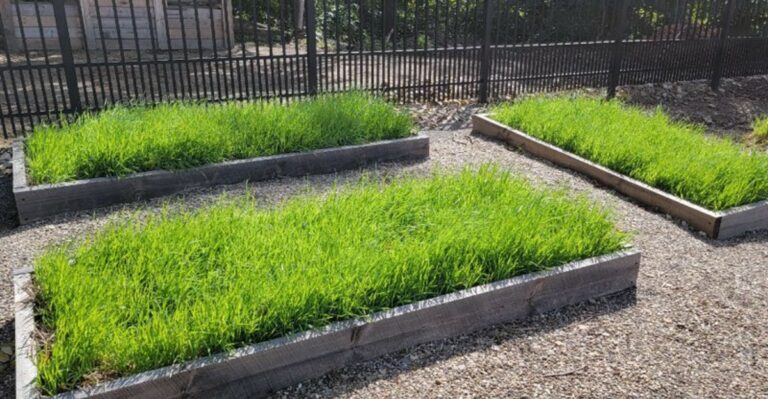
When the timing feels right, choose the planting spot carefully. Raised beds can work beautifully because they warm faster in spring. They also tend to drain better than compacted garden soil.
Containers are another good option. A large pot can make ginger easier to manage. It also lets you move the plant if sun or weather becomes a problem.
Plant the rhizomes shallowly. Set them about one to two inches below the soil surface. Keep the buds pointing upward when possible.
This shallow planting matters. Ginger rhizomes develop close to the surface. Burying them too deeply can make growth slower and more difficult.
Give each plant room to spread. About twelve to eighteen inches between plants can help. Ginger may look polite at first, but it expands underground as the season goes on.
If you are planting in a container, avoid crowding. One healthy plant in a five-gallon pot can often do better than several squeezed together. Roots like room, and rhizomes like space to stretch.
After planting, water gently but thoroughly. The soil should settle around the rhizome without becoming muddy. Keep moisture steady as the plant adjusts.
Watch the forecast after transplanting. Late cold snaps can still sneak in. If nights look chilly, a light cover may help protect young plants.
This step is all about timing. Think of it as ginger’s grand shallow-opening. Give it warmth, space, and a soft landing. Then let the growing season begin.
3. Give Ginger Rich Soil And Steady Moisture
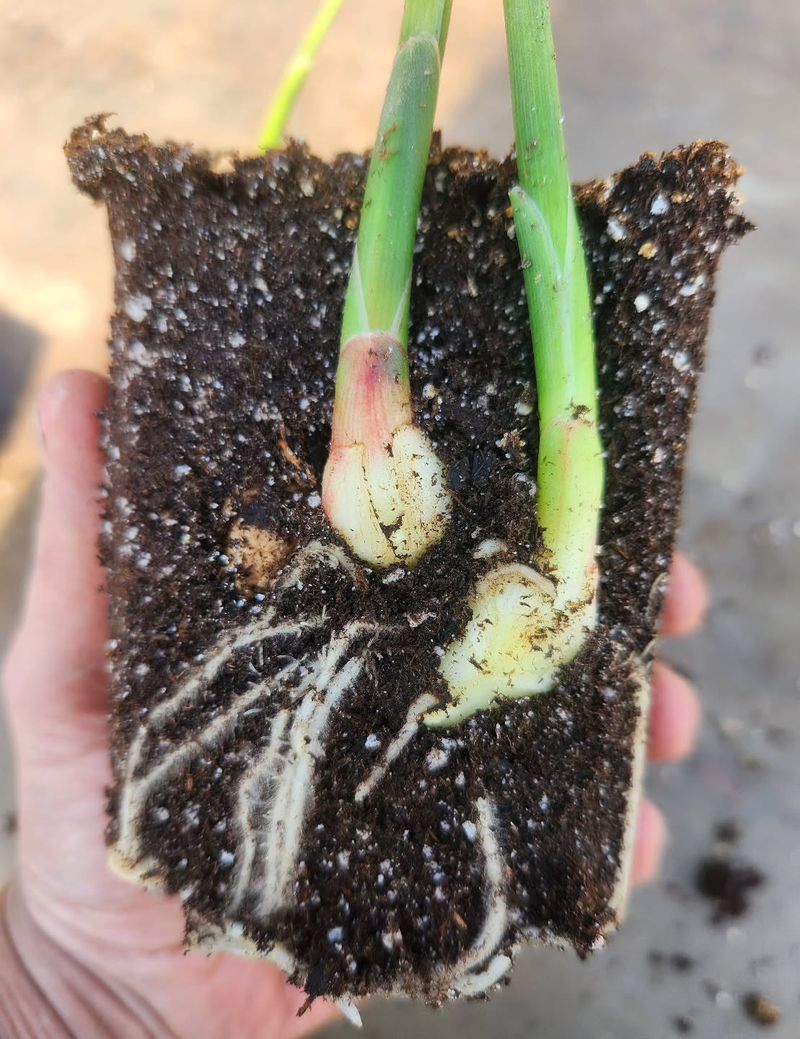
Ginger may look exotic, but its soil needs are easy to understand. It just wants comfort, good drainage and plenty of organic matter. Basically, ginger likes a bed that feels like a five-star root resort.
North Carolina soils can vary quite a bit. Some gardens have sandy soil that drains quickly. Others have red clay that holds water and compacts. Mountain soils may bring their own quirks too.
So before planting, take a good look at what you have. Grab a handful of soil. Does it crumble easily? Does it clump like modeling clay? Does water disappear too fast? Your ginger will notice.
Work in finished compost before planting. This can help sandy soil hold more moisture. It can also help clay soil feel looser and less dense.
Ginger rhizomes need oxygen around their roots. Soil that stays soggy can cause trouble. At the same time, dry soil can slow growth and reduce the harvest. That balance is the whole game.
Water deeply once or twice a week, depending on rain and heat. During hot dry spells, check more often.
Stick your finger into the soil near the plant. If it feels dry below the surface, it may be time to water.
Mulch can help here. Straw, shredded leaves, or fine bark can hold moisture longer. Mulch also helps keep weeds from stealing space and nutrients.
Keep mulch slightly away from the stems. Ginger likes moisture, but stems still need airflow. No plant wants a clingy mulch situation.
If you are growing in containers, moisture checks matter even more. Pots dry out faster than garden beds.
A hot patio can turn potting mix dry surprisingly quickly. Do not water by the calendar alone. Water by what the soil is telling you.
Healthy ginger growth usually begins underground. The leaves are the signal, but the rhizomes are the prize. So feed the soil, watch the moisture, and keep things steady. That is the root of the matter.
4. Use Partial Shade To Protect Tender Ginger Leaves
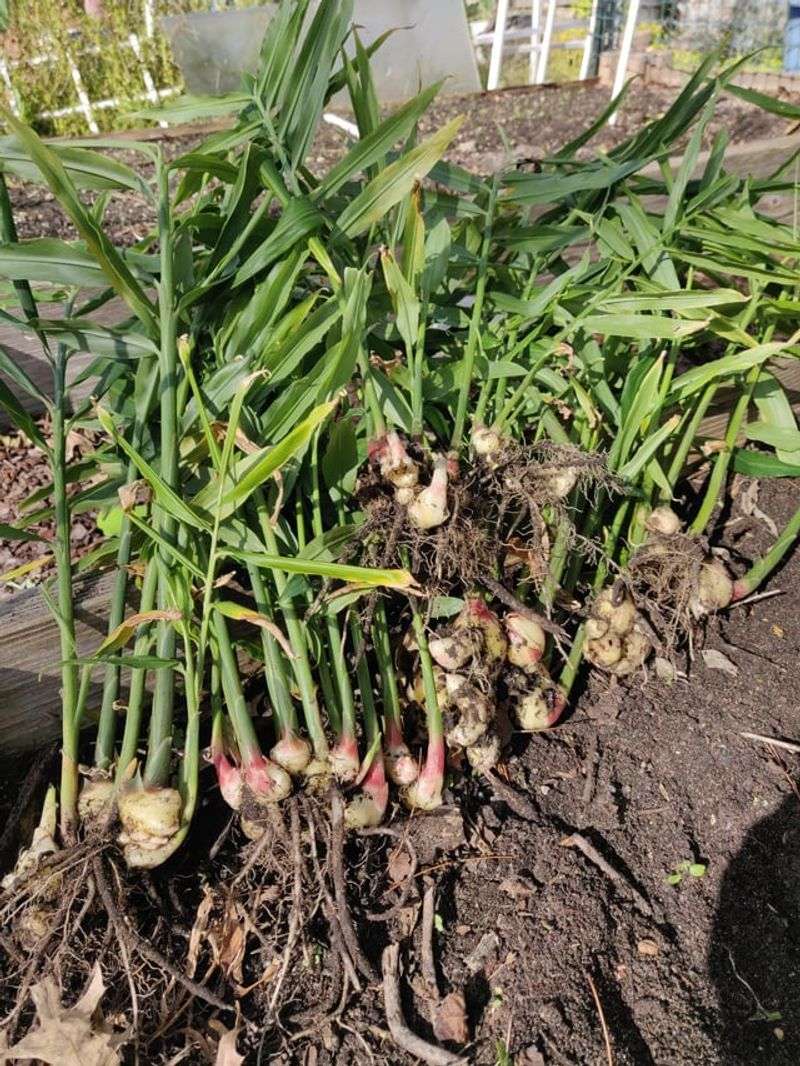
Ginger does not usually want to bake all day. That can surprise gardeners. After all, it loves warmth, but warm is not the same as scorched.
In North Carolina summers, afternoon sun can get intense. July and August may bring heat that makes broad ginger leaves look stressed.
Those leaves can scorch, curl, or lose their fresh green look. So give ginger a little shade strategy.
A spot with morning sun and afternoon shade can work well. Morning light is bright but gentler. Afternoon shade helps protect the plant when the heat gets bossy.
Look around your garden before planting. Do you have the east side of a fence, or a place where taller plants cast late-day shade? That may be ginger’s happy corner.
You do not need deep, gloomy shade, because ginger still needs light to grow well. Bright filtered light or a few hours of direct morning sun can often support strong growth.
In hotter parts of the Piedmont or Coastal Plain, shade can be especially helpful. Those areas may get long stretches of hot, humid weather. A little protection can keep leaves looking better and working longer.
Container growers have an advantage here. If the plant looks stressed, you can move the pot. Try shifting it a few feet and watch how it responds.
You can also use shade cloth. A light shade cloth over a simple frame can soften harsh sun. Just make sure air still moves around the leaves. Still air plus humidity can invite leaf problems. Ginger wants shade, not a sweaty little tent.
Watch the plant during the hottest part of the day. If leaves droop badly and recover at night, heat stress may be part of the story. If they stay limp, check moisture too.
Shade and water work together. Too much sun dries soil faster, and too little water makes sun stress worse. Think of partial shade as a leafy umbrella. Not a hiding place, but a comfort zone.
Your ginger is trying to build treasure underground. Protect the leaves, and you help power that hidden work. That is what I call a shade-made plan.
5. Hill Ginger To Keep Rhizomes Covered
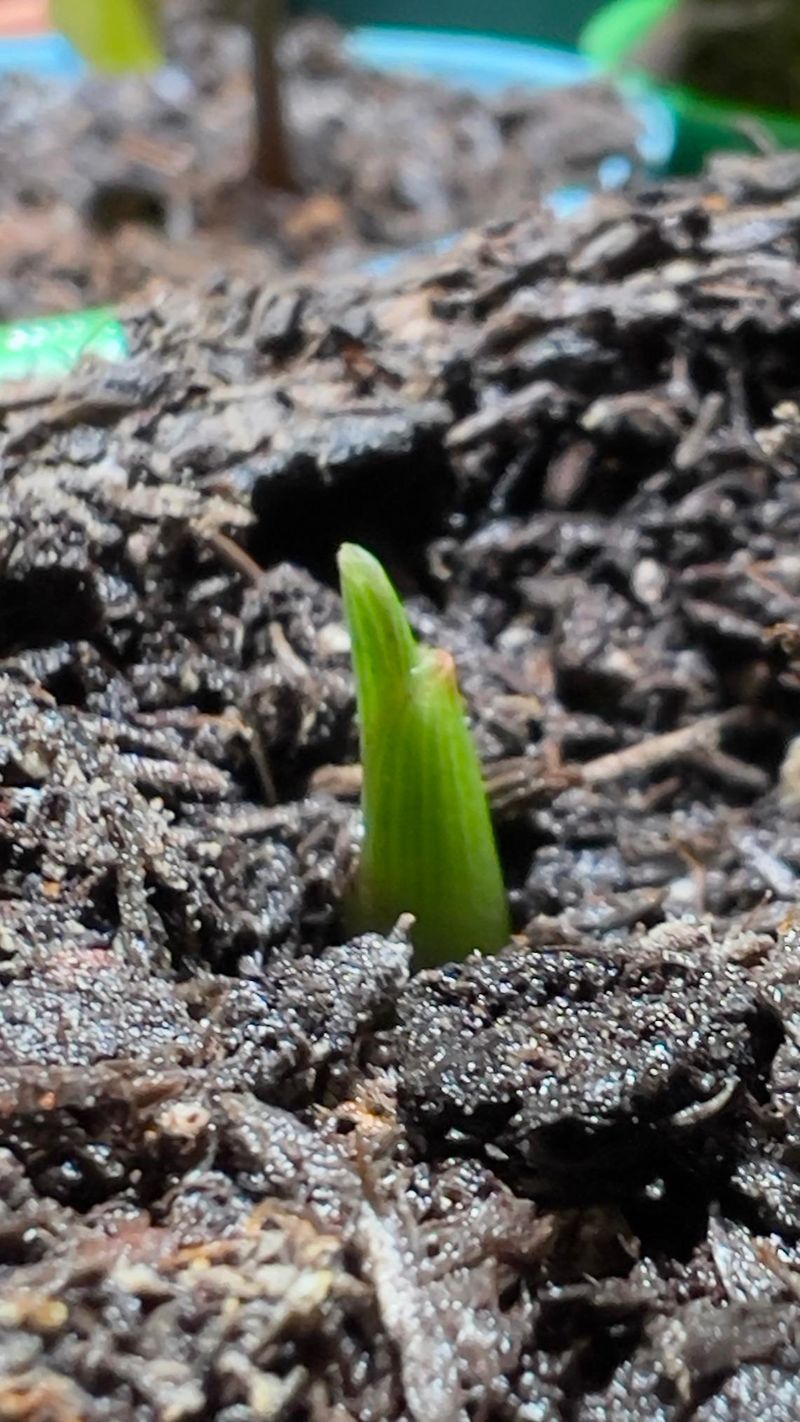
Ginger has a sneaky growing habit. While the leaves rise above ground, the rhizomes spread close to the surface.
As they grow, they may push upward or outward. Sometimes they even start peeking through the soil.
That little peek might look harmless, but exposed rhizomes can turn tougher. They may also lose some of the tender quality you are hoping for.
So when ginger starts lifting itself toward daylight, cover it gently. This is called hilling. And yes, ginger is worth making a hill over.
Start when plants are around twelve inches tall. In North Carolina, that may happen in late June or July. The exact timing depends on when you started and how warm the season has been.
Use loose soil, compost, or a compost-rich mix. Mound it gently around the base of the plant. Add only an inch or two at a time. Do not bury the stems too deeply. You are covering the rhizomes, not smothering the plant. Gentle is the goal.
Repeat every few weeks if rhizomes keep pushing outward. This creates a soft, protected zone where they can continue expanding.
Hilling also helps with moisture. The added layer can keep the growing rhizomes shaded and slightly cooler. It may also reduce drying near the surface.
If heavy summer rain washes soil away, check the plants afterward. North Carolina storms can rearrange a bed in one afternoon. A quick touch-up may keep rhizomes covered.
Mulch can help hold the hill in place. Straw or shredded leaves can reduce splash and erosion. Just keep the mulch airy and not packed tight.
This is a good time to involve yourself with the plant. Look closely around the base. Do you see pale knobby growth near the surface? Is soil pulling away after rain? If so, give it a little cover.
Think of hilling as tucking ginger in for underground success. Not too tight. Not too deep. Just cozy enough.
The rhizomes are the whole reason you are growing this plant. A little extra soil can help them develop with better texture. So go ahead. Pile on the kindness. This is one hill your ginger may actually want to climb under.
6. Feed Ginger Through The Growing Season
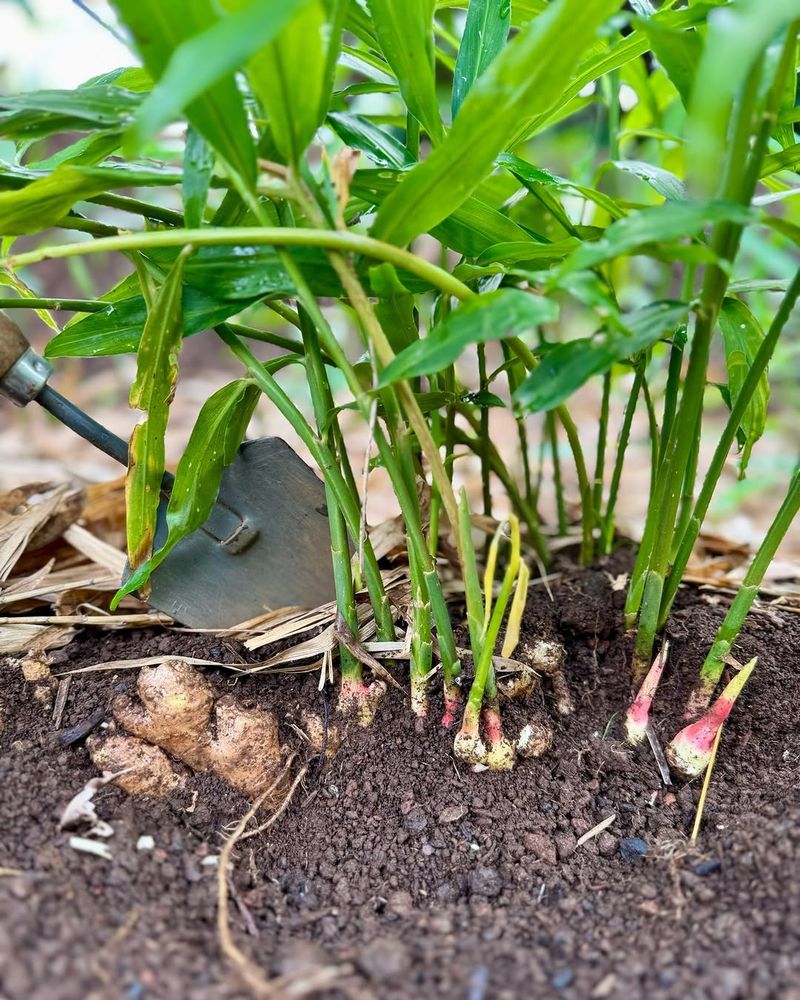
Ginger takes its time, and time takes energy. This is not a quick little herb that gives you a few leaves and calls it a day. Ginger spends months building leafy growth above ground.
Then it puts serious effort into swelling those rhizomes below. However, that kind of work needs fuel.
Start with compost at planting time. Compost helps improve soil texture and adds gentle nutrition. It also supports the kind of rich, living soil ginger tends to enjoy.
You can also mix in a balanced, slow-release fertilizer before planting. This gives the young plant a steady start without requiring constant attention.
Once ginger is actively growing, keep the feeding rhythm going. A side-dressing of compost every few weeks can help.
A balanced fertilizer every four to six weeks may also support strong growth. But do not overdo it. More fertilizer does not always mean more ginger. Too much can push leafy growth at the wrong time or create nutrient imbalances.
This is why watching the plant helps. Healthy leaves should look green and upright. Weak growth, pale leaves, or slow progress may suggest the plant needs support.
But before adding more, also check water and light. Nutrient problems can sometimes look like moisture or heat stress.
Liquid feeds can be useful during the busy growing stretch. Fish emulsion or seaweed-based products are common choices. They can give plants a gentle boost when growth is strong.
By late summer, start easing off heavy feeding. At that point, the plant may begin shifting more energy into maturing rhizomes. You do not need to keep pushing lush new leaves forever.
Think of feeding ginger like fueling a long road trip. You do not dump all the gas in one stop and hope for the best. You keep things steady along the way. That is the gingerbread trail to a better harvest.
Your job is to support the plant without smothering it with attention. Compost, balanced feeding, steady moisture, and good soil work together.
The reward waits underground. And with ginger, underground is where the good stuff happens.
7. Harvest Baby Ginger Around Six Months
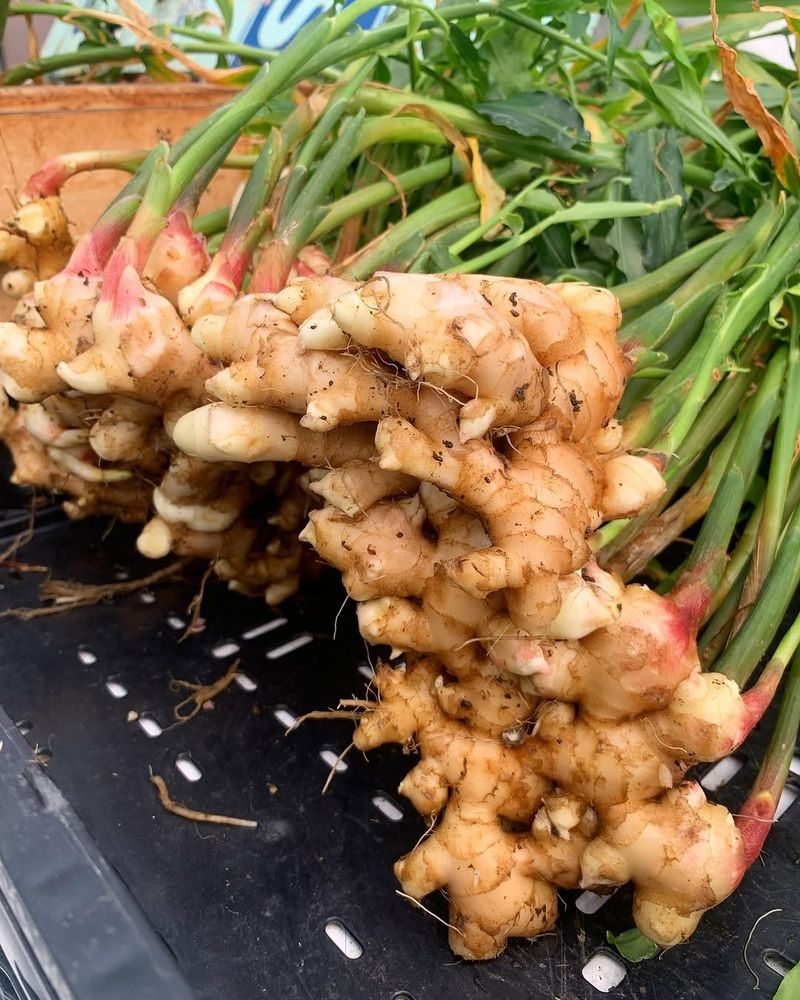
Baby ginger feels like a garden secret. It is tender, juicy, and fresh. If you have only used grocery-store ginger, baby ginger may surprise you. It has thinner skin and a milder bite.
The flavor can be bright, fresh, and almost citrusy. This is the harvest that makes the long wait feel exciting.
In North Carolina, baby ginger may be ready around six months after planting. If you started indoors in late February or March, that often points toward September or October.
You do not need to wait for the leaves to yellow. Baby ginger is harvested before full maturity. That means you can gently check while the plant is still green.
Use your hands or a small trowel to explore near the base of the plant. Move slowly. Rhizomes can break if you rush.
If you find a nice piece, you can harvest part of it and leave the rest growing. This lets the plant continue developing for a later mature harvest.
Baby ginger does not need peeling the same way mature ginger often does. The skin is thin and delicate. A quick wash may be enough for many uses.
Use it fresh in stir-fries, dressings, syrups, sauces, pickles, teas, or cocktails. It can also be sliced into salads for a bright little kick.
Because it is tender, it may not store as long as mature ginger. Keep it refrigerated and use it within a few weeks if possible. You can also freeze some if your harvest is generous.
This is a good moment to slow down and enjoy the win. You waited months. Now you get to pull treasure from the soil.
Gardeners talk about tomatoes a lot, and fair enough. But fresh baby ginger has its own quiet thrill. Once you taste it, you may start planning next year’s crop before this one is even finished.
8. Lift Mature Ginger Before Cold Weather Returns
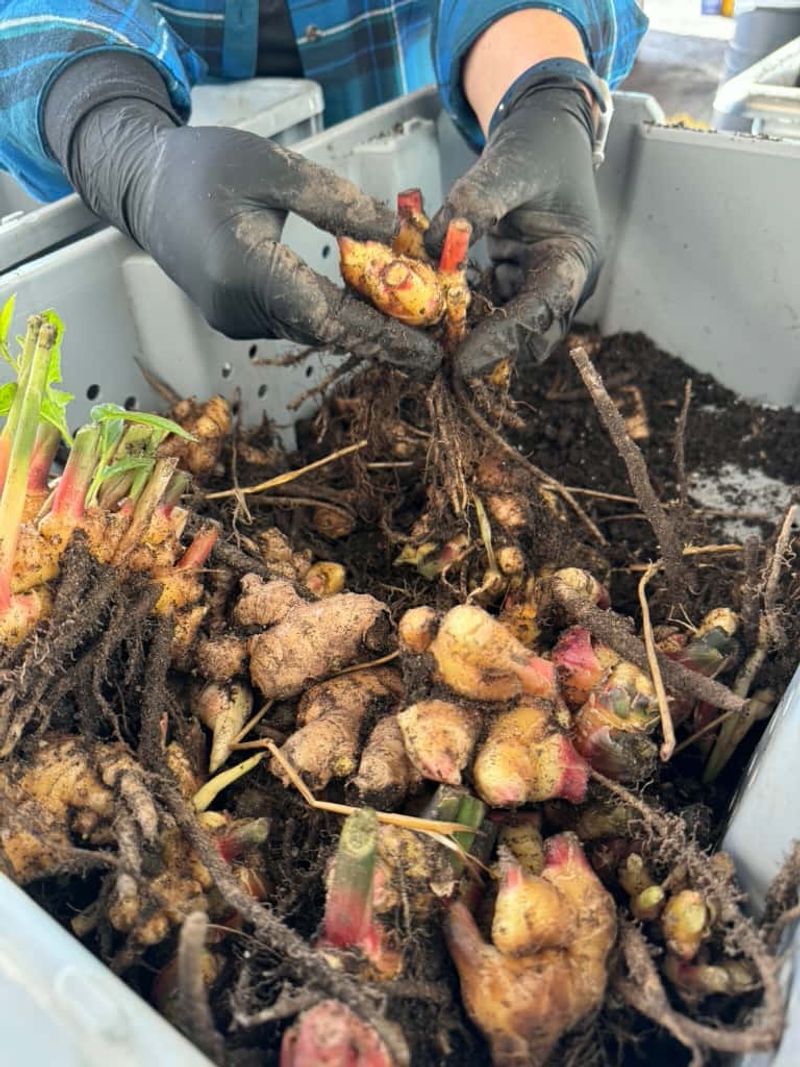
Ginger’s final harvest comes with a little suspense. When the days shorten, the leaves begin to yellow. and the plant starts looking tired. But remember, that is not failure. That is the curtain call.
Mature ginger is usually ready in fall, often around October or November in many North Carolina gardens. The exact timing depends on your region, planting date, and weather.
Watch the foliage. Yellowing and drying stalks can signal that the rhizomes are nearing maturity. But do not wait too long once cold weather threatens.
Ginger does not appreciate freezing soil. A hard frost can damage rhizomes and shorten storage life.
Mountain gardens may face frost earlier than Piedmont or coastal areas, so stay alert. Check your local forecast as fall approaches. When cold nights start showing up, it may be time to dig.
Use a garden fork or spade. Start several inches away from the plant base. Loosen the soil gently before lifting the clump. Do not stab right into the center. You worked too hard to turn your harvest into ginger confetti.
Once lifted, shake off loose soil. Cut back the stalks. Let the rhizomes dry and cure in a warm, airy place for a week or two. Curing helps the skin firm up. That can improve storage.
After curing, store mature ginger somewhere cool and dry. You can also freeze peeled pieces for later use. Some gardeners preserve ginger in vinegar, alcohol, syrup, or pickles.
Save a few healthy rhizomes with good buds for next season. Those pieces can become your indoor-starting stock in late winter. That is when the cycle begins again.
One harvest becomes next year’s planting. One root becomes a routine. One experiment becomes a garden tradition. And that, really, is the ginger snap ending.
You started with a suspicious-looking rhizome. You finished with fresh spice, a harvest story, and maybe a new favorite crop.