Florida Climbing Plants That Cover Fences Fast Without Damaging Foundations
A bare fence in a Florida yard is a missed opportunity. The right climbing plant turns that empty space into something lush and alive in a single growing season.
Florida’s heat and rainfall give climbers serious momentum, which is exactly what makes plant selection so important here. Some climbers that look manageable at the nursery become structural problems within a couple of years.
Roots that work into fence posts, tendrils that find their way into soffits, vines that add real weight to structures not built to carry it. Gardeners dealing with that situation know how fast a pretty plant can become an expensive headache.
But certain climbers cover ground quickly, look genuinely great doing it, and stay well-behaved around the structures they grow on. Fast coverage and foundation safety are not mutually exclusive in Florida.
You just need to start with the right plant.
1. Train Coral Honeysuckle On A Fence For Fast Native Color
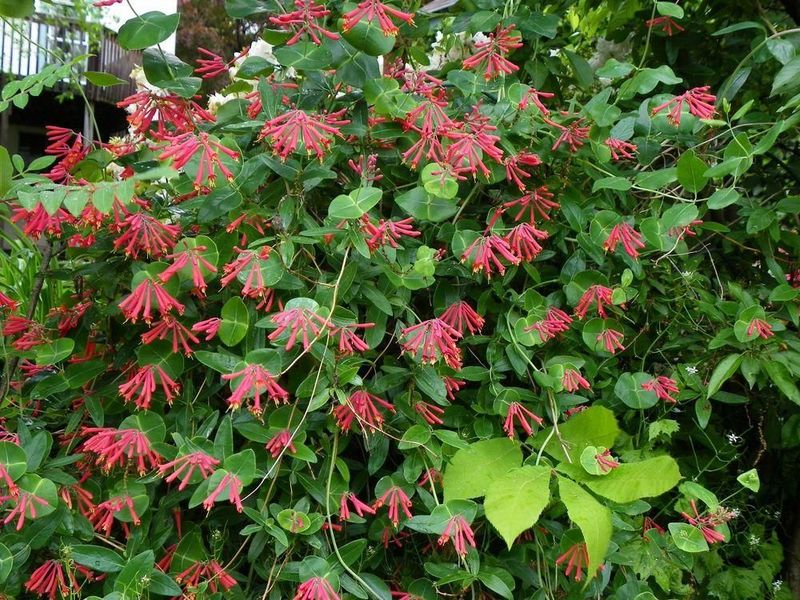
Picture a bare fence panel in spring suddenly covered with tubular red, coral, or orange flowers that hummingbirds visit all season long.
Coral honeysuckle is a native twining vine that can turn a plain fence into a colorful, wildlife-friendly screen without grabbing onto your house or foundation.
It climbs by wrapping its stems around supports, so it needs a fence, arbor, or trellis to grow on.
This vine thrives in full sun to part shade, and it flowers most heavily when it gets plenty of light. Young stems are flexible and easy to guide along fence wires or slats, so you can train the plant exactly where you want it.
Light pruning after the main flowering flush keeps it tidy and encourages more blooms.
Coral honeysuckle stays manageable with occasional trimming and does not send out aggressive suckers or root runners.
It provides nectar for hummingbirds and pollinators, and it stays evergreen in warmer regions while going semi-deciduous in cooler areas.
Keep it on the fence and away from siding, vents, and gutters.
This native vine is widely recommended by UF/IFAS and other Extension sources for Florida-Friendly landscapes. It grows well across the state and adapts to sandy soil, summer rain, and typical yard irrigation.
Use it where you want fast color, wildlife value, and a plant that stays put on its support.
2. Plant Carolina Jessamine For A Fence-Friendly Native Vine
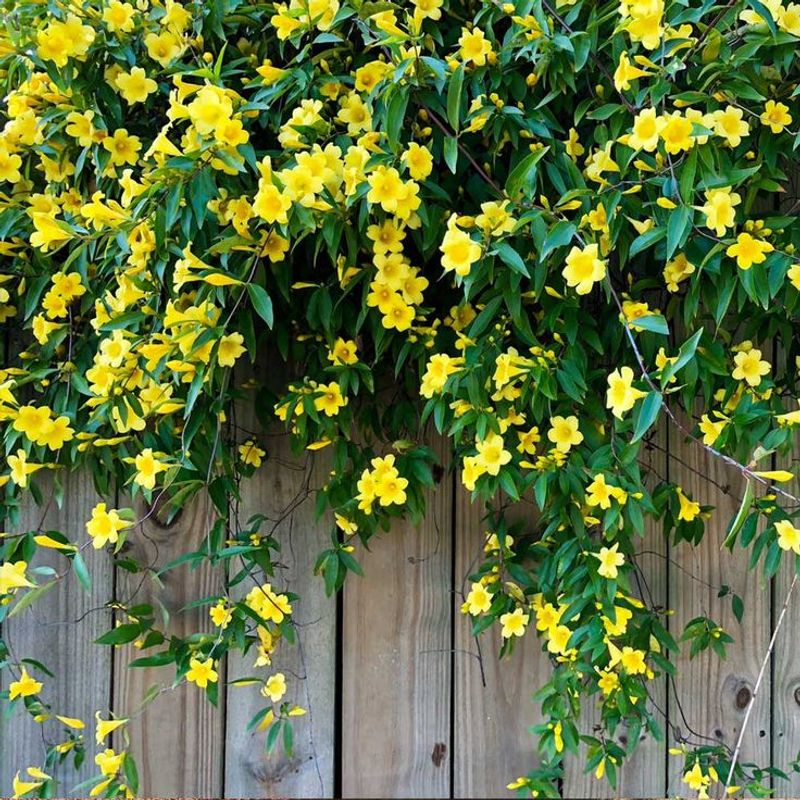
Imagine your fence glowing with bright yellow trumpet-shaped flowers in late winter and early spring, right when the rest of the yard is still waking up.
Carolina jessamine is a native evergreen vine that twines its way up fences, pergolas, arbors, and trellises when trained properly.
It provides fast coverage, seasonal color, and year-round green foliage.
This vine climbs by twining, so it needs a support structure instead of being left to ramble into shrubs, vents, gutters, or house openings. It grows well in sun to part shade and adapts to a range of soil types.
Once established, it needs little supplemental water beyond rainfall.
Carolina jessamine is toxic if eaten, so it should be planted thoughtfully in yards with pets, children, or curious visitors. Do not plant it near vegetable gardens or areas where leaves or flowers might be mistaken for something edible.
Your Florida Garden Changes Every Week. Your Plan Should Too.
Gardening in Florida changes quickly throughout the season. Every Friday you’ll receive a simple weekly plan showing exactly what to plant, prune, fertilize, harvest, and protect so you never miss the right timing.
Keep it on the fence and away from foundation cracks, siding, and rooflines.
Light pruning after flowering keeps it dense and contained. This native vine is widely recommended by UF/IFAS and other Extension sources for its reliability, seasonal beauty, and low maintenance.
Use it where you want early color and evergreen screening on a sturdy support.
3. Choose Crossvine For Quick Coverage On Strong Supports
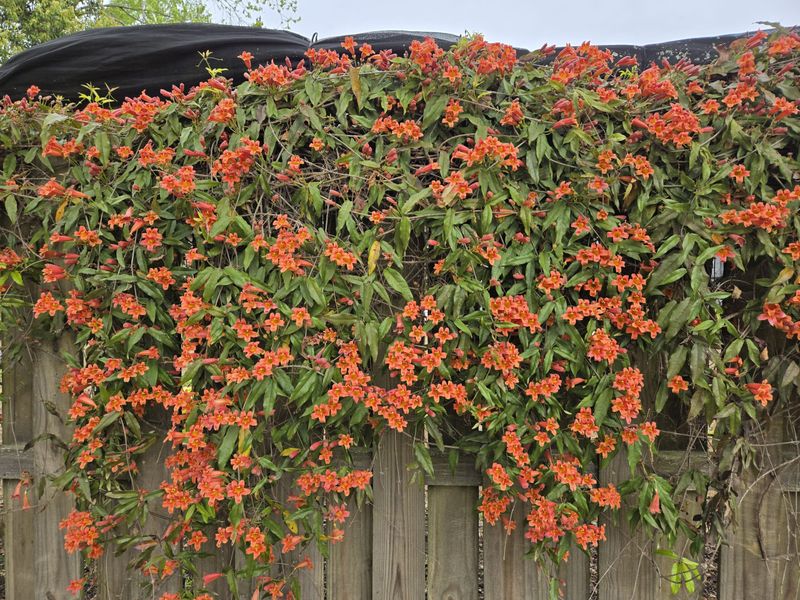
You need coverage fast, but you do not want a vine crawling onto your house or pulling down a flimsy fence. Crossvine is a native vine known for vigorous growth and showy trumpet-shaped flowers that appear in spring.
It can cover fences, arbors, and trellises quickly, but it needs a strong support because it can become heavy and dense over time.
Crossvine climbs by tendrils and twining stems, so it grabs onto whatever support you give it. Young stems are easy to train, and the plant fills in gaps rapidly once it gets established.
Flowers are typically orange, red, or bicolor, and they attract hummingbirds and pollinators.
This vine grows well in sun to part shade and adapts to a range of soil types. It stays evergreen in warmer regions and may drop some leaves in cooler areas.
Pruning after flowering keeps it from getting too heavy or sprawling into unwanted spaces.
Make sure your fence or support is sturdy before planting crossvine, and keep it trained away from house siding, vents, soffits, and rooflines.
This native vine is recommended by UF/IFAS and other Extension sources for its fast growth, wildlife value, and seasonal color.
Use it where you want quick coverage on a support that can handle the weight.
4. Use Star Jasmine Where Evergreen Screening Matters
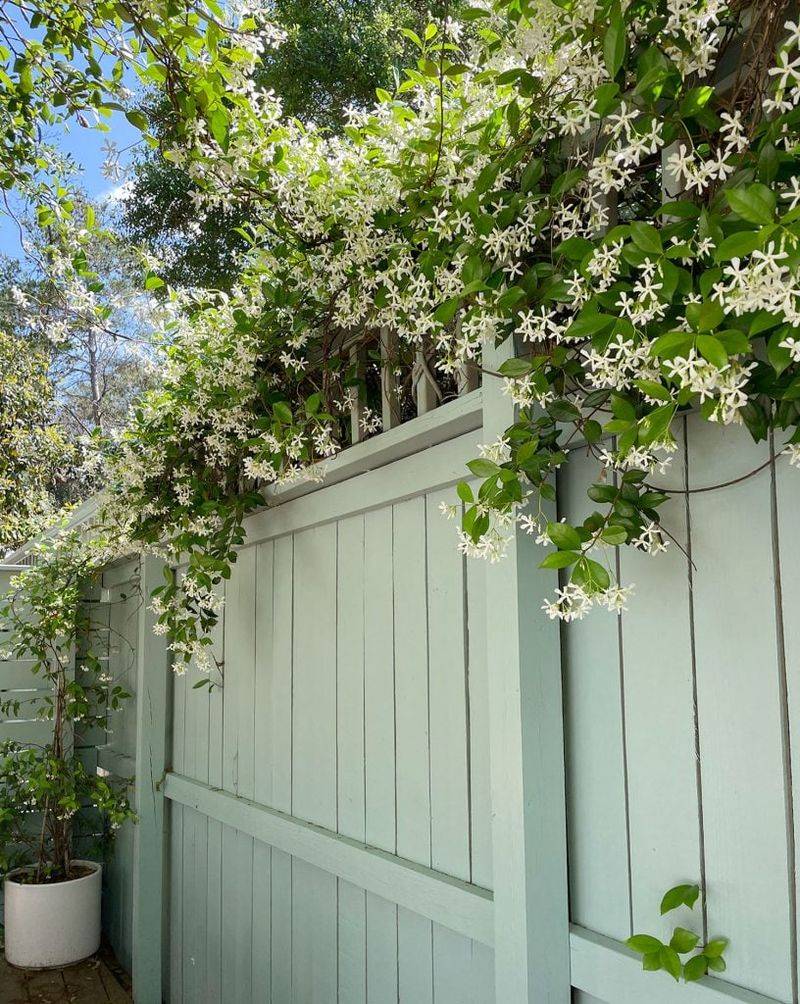
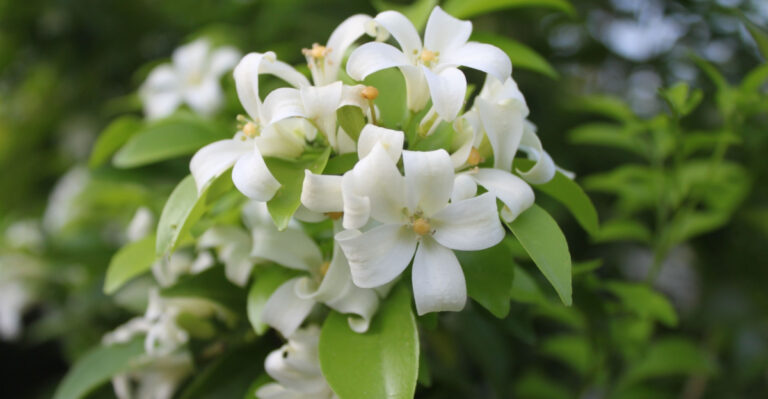
You want year-round privacy and maybe a touch of fragrance when you walk past the fence in spring. Star jasmine is commonly used as an evergreen vine or groundcover and can be trained on fences or trellises to create a dense, glossy screen.
It produces fragrant white flowers in spring and maintains its foliage through all four seasons.
Star jasmine is not native, so it should be used thoughtfully and kept maintained to prevent it from escaping into natural areas. It grows well in sun to part shade and adapts to a range of soil types.
Regular pruning keeps it dense, controlled, and confined to the fence.
This vine climbs by twining, so it needs a support structure like a fence, trellis, or arbor. Do not let it creep into foundation cracks, vents, siding, or gutters.
Keep it trimmed away from house openings and rooflines.
Star jasmine is widely available and performs reliably across the state when given adequate water and occasional fertilizer. It provides evergreen screening, seasonal fragrance, and a tidy appearance when maintained.
Use it where you want a dense, year-round fence cover that stays manageable with regular pruning.
5. Grow Bougainvillea On Sunny Fences In Warmer Regions
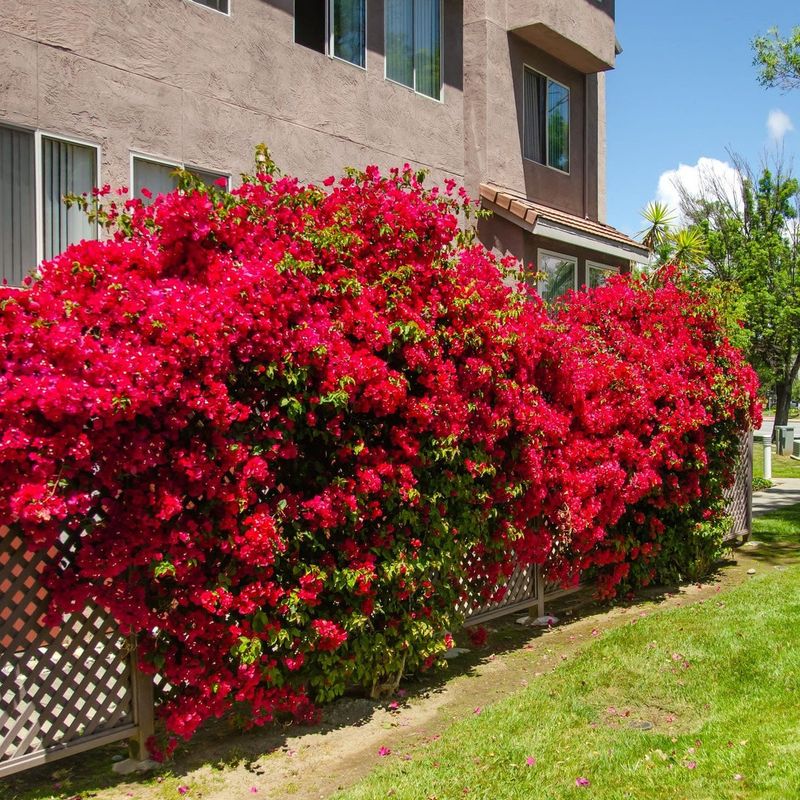
A sun-baked fence in a warm, protected yard can become a riot of color when you plant bougainvillea. This fast-growing vine produces showy bracts in shades of magenta, pink, red, orange, purple, or white.
It thrives in full sun, well-drained soil, and warm conditions. It is especially reliable in southern regions and protected coastal areas.
Bougainvillea has thorny stems, so it can be a poor choice beside narrow walkways, gates, play areas, or tight maintenance paths. Place it where the thorns will not snag clothing, pets, or children.
It needs a strong support like a fence, arbor, or trellis because it can become heavy and sprawling.
Cold weather can set bougainvillea back in northern regions, so placement and protection matter. In colder areas, consider container culture or planting in a protected spot near a south-facing wall.
Keep the plant on its support and away from siding, vents, gutters, and foundation cracks.
Bougainvillea needs minimal water once established and blooms most heavily when kept on the dry side. Prune lightly after flowering to control size and shape.
Use it where you want intense color, fast coverage, and a tropical look on a sunny fence in a warm region.
6. Train Wild Allamanda On A Freestanding Fence
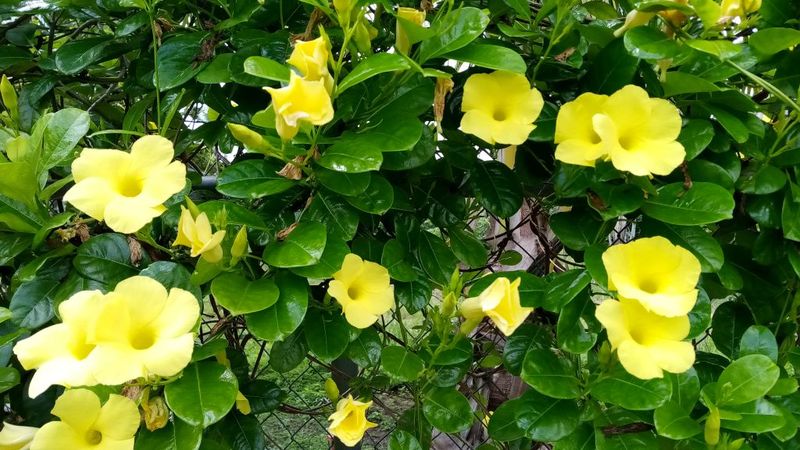
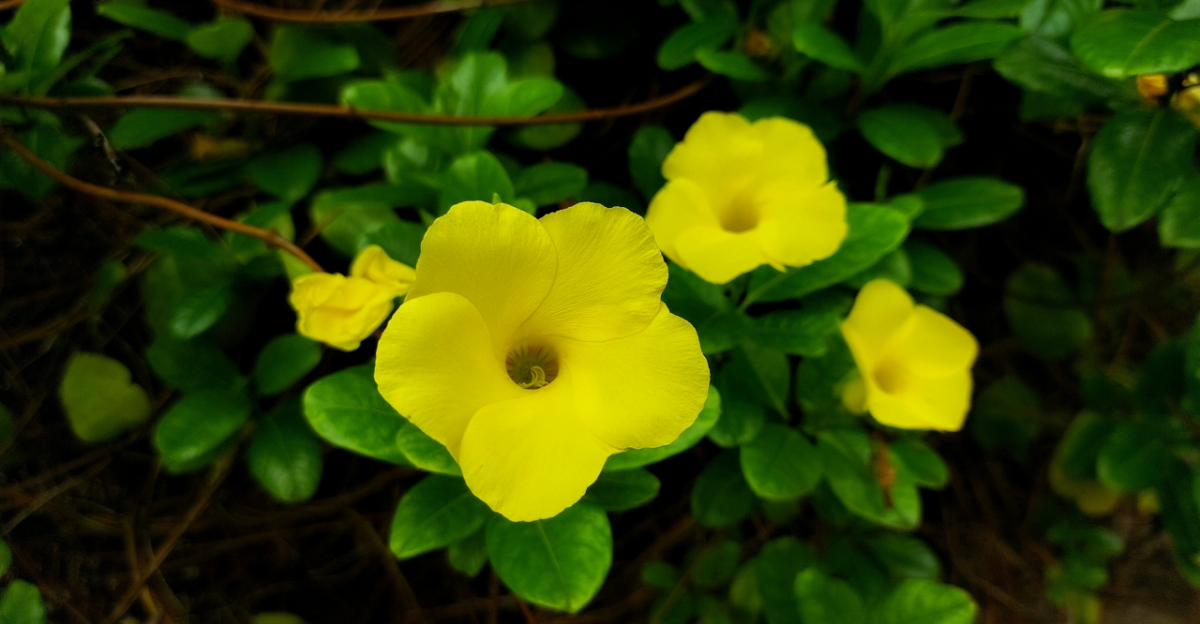
You love the look of tropical yellow flowers, but you do not want a sprawling plant leaning into the house or foundation. Wild allamanda can be used as a sprawling shrub or trained vine where the climate and site fit.
It produces bright yellow trumpet-shaped flowers and works well on a freestanding fence, trellis, or support where it has room to spread without causing problems.
This vine is better suited to warmer regions and protected sites, especially in southern areas and coastal zones. It may suffer setbacks from cold weather in northern regions, so placement matters.
Keep it on a freestanding fence or trellis, not planted directly against a foundation where stems can sprawl into unwanted spaces.
Wild allamanda grows well in full sun to part shade and adapts to sandy soil and typical yard irrigation. It benefits from occasional pruning to keep it tidy and trained on its support.
Do not let it ramble into vents, soffits, gutters, or house openings.
This vine provides tropical-looking color and fast coverage in the right climate. Use it where you want a bold, sunny display on a fence or support that stands away from the house.
Keep it maintained and confined to its support for best results.
7. Use Climbing Aster For Seasonal Coverage In Sunny Spots
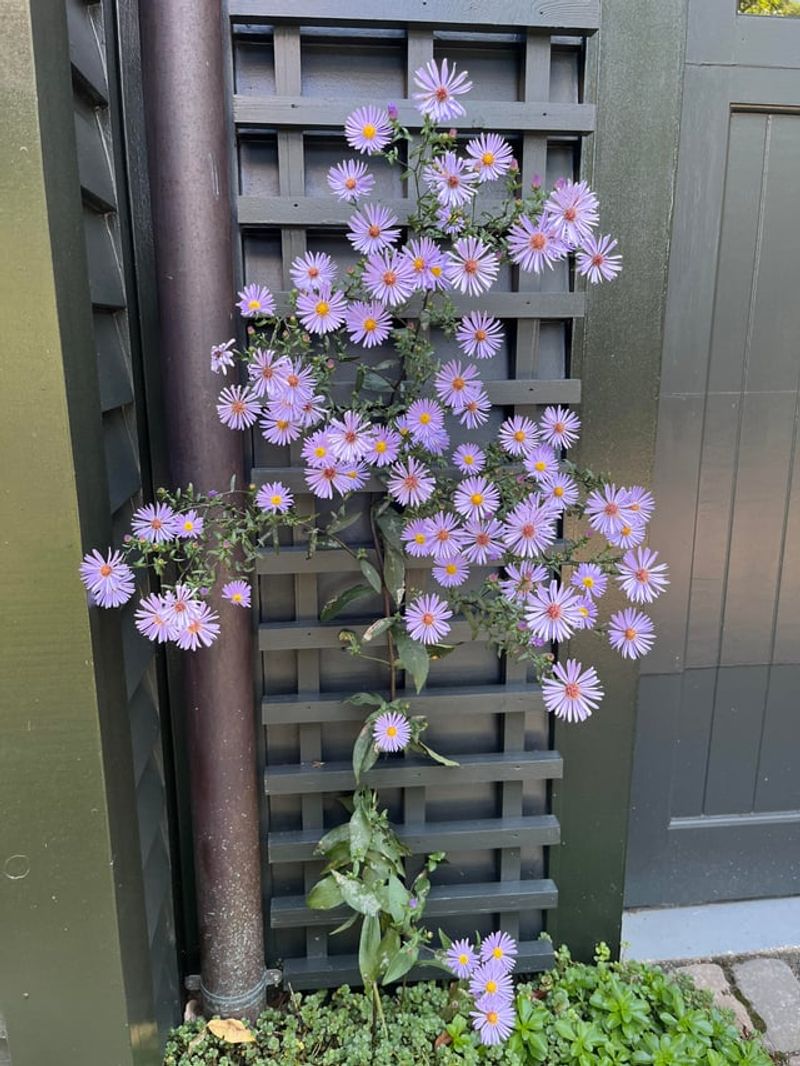
Late summer and fall can leave fence lines looking tired, but climbing aster brings a fresh wave of purple daisy-like flowers just when you need them. This native vine can provide seasonal coverage and late-season blooms in sunny areas.
It may scramble or lean rather than cling tightly, so it benefits from support, ties, or a fence it can be guided along.
Climbing aster grows well in full sun and adapts to a range of soil types. It provides nectar for pollinators and butterflies during a time when many other plants have finished flowering.
Use it where a softer, seasonal look is welcome, not where year-round dense screening is required.
This vine should be kept trimmed away from walls, windows, and rooflines. It can become rangy if left unpruned, so guide it along the fence and cut it back after flowering to keep it tidy.
It may go dormant or thin out in winter, then regrow vigorously in spring.
Climbing aster is recommended by UF/IFAS and other Extension sources for its native status, wildlife value, and late-season color. Use it where you want a naturalistic, seasonal vine on a sunny fence or trellis.
Keep it maintained and away from the house for best results.
8. Choose Mandevilla For Containers Near Fence Panels
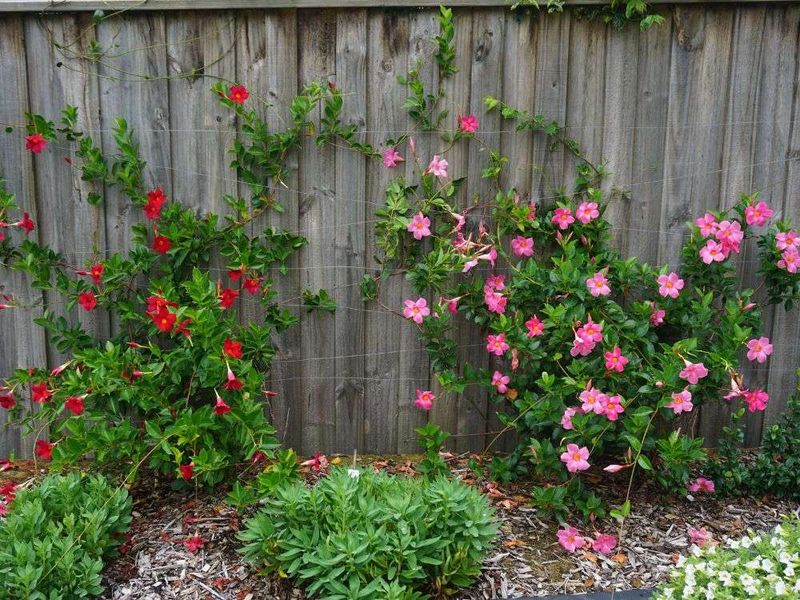
Renters, patio gardeners, and homeowners who want flexibility can get fast flowering coverage with mandevilla. Train it on a trellis, fence panel, or container support in warm conditions.
This tropical-looking ornamental vine produces showy trumpet-shaped flowers in shades of pink, red, or white. It grows quickly when given sun, warmth, and regular water.
Mandevilla is often used as a seasonal vine and may need protection during colder weather in northern regions. Containers are useful because they keep roots away from foundations and make seasonal protection easier.
You can move the pot indoors, into a garage, or against a warm wall when frost threatens.
Use a pot with drainage and place it near a fence panel or trellis. Train the vine upward instead of letting it sprawl into the house, siding, or foundation.
Mandevilla climbs by twining, so it needs a support to grab onto.
This vine thrives in full sun and benefits from regular watering and occasional fertilizer. Prune lightly to keep it shaped and confined to its support.
Use mandevilla where you want fast, colorful coverage on a container trellis near a fence panel, especially if you want the flexibility to move or protect the plant. Keep it trained away from walls and house openings.