This Underrated Evergreen Is Becoming A Popular Spruce Alternative In Michigan Front Yards
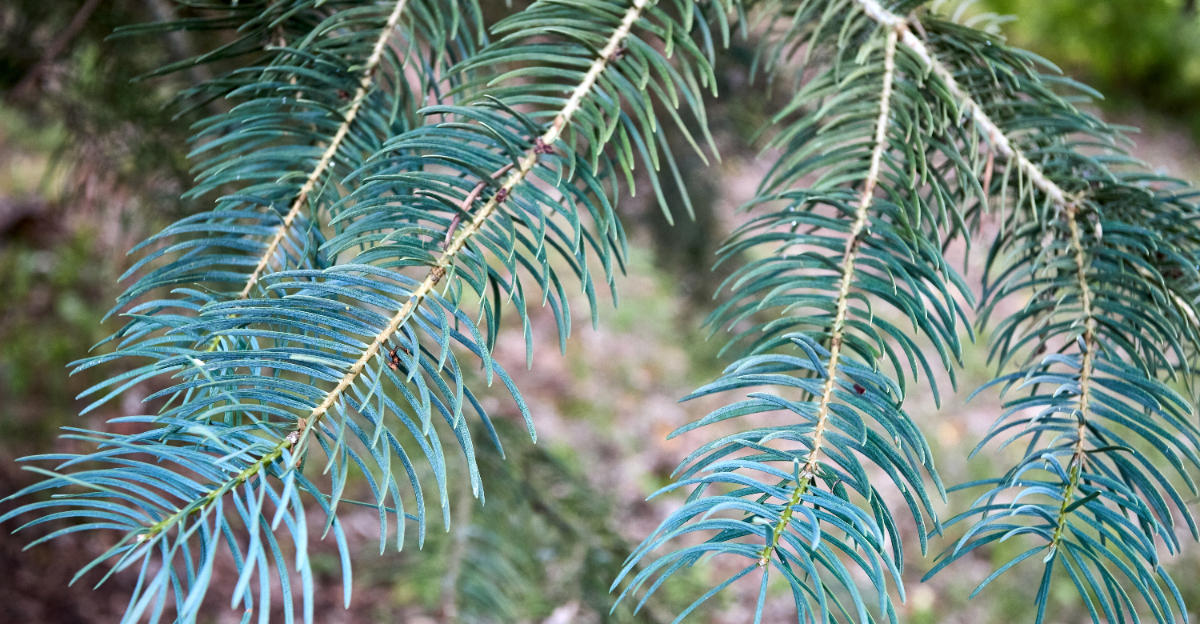
Blue spruce has been a Michigan front yard staple for decades, and it earned that spot honestly. The color is striking, the structure is strong, and it handles cold winters without any drama.
But a lot of those majestic trees that went in twenty years ago are now enormous, crowding foundations, blocking windows, and creating more shade than anyone originally planned for.
Homeowners replacing them are increasingly passing on planting another spruce and choosing something that offers similar year-round presence with better long-term manners.
One particular evergreen keeps coming up in those conversations, showing up in more Michigan front yards each season, and the reasons aren’t hard to understand.
It stays at a scale that works with the house, holds its color through winter beautifully, and brings a texture that feels fresh compared to the spruce silhouette everyone has seen a thousand times before.
1. Heat And Drought Tolerance Makes It Resilient
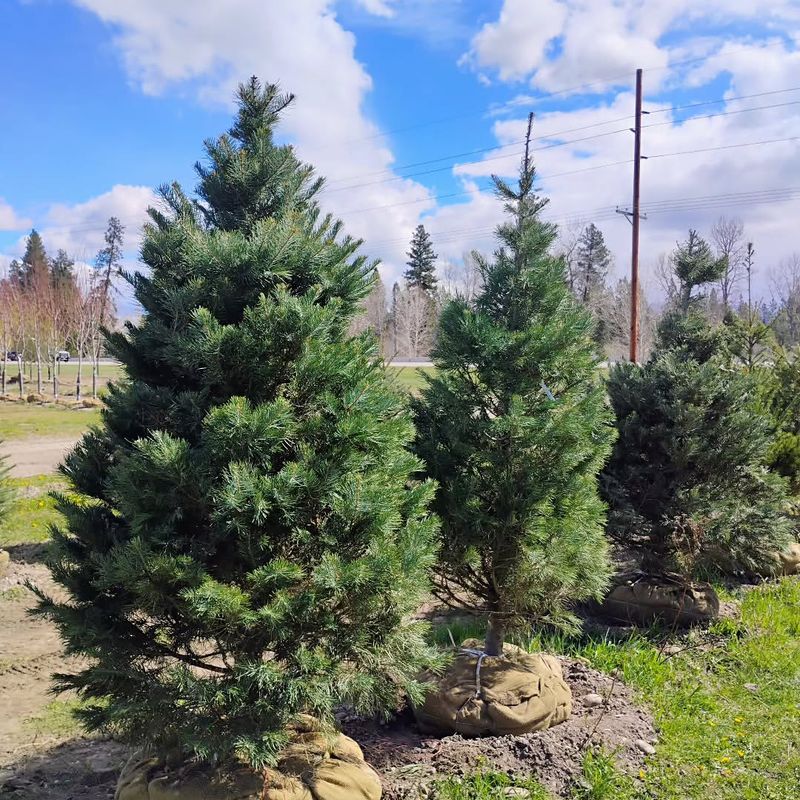
Most people assume evergreens need constant moisture to look their best, but concolor fir quietly breaks that rule.
Once this tree establishes its root system, it handles heat and occasional dry spells far better than many homeowners expect.
That is a big deal in Michigan, where summer temperatures can swing and rainfall is not always reliable.
Colorado blue spruce, one of the most popular evergreens in the state, often struggles when soil dries out. Its shallow roots make it vulnerable during hot stretches.
Concolor fir, on the other hand, develops a deeper root system that helps it access moisture lower in the soil profile. That difference alone makes it a smarter long-term choice for many yards.
Planting during fall or early spring gives the tree the best chance to settle in before summer stress arrives.
Adding a two to three inch layer of organic mulch around the base helps retain soil moisture and keeps roots cooler during hot months.
Watering consistently during the first two growing seasons builds the strong root structure this tree needs to thrive independently.
After that, most established concolor firs handle Michigan summers without much extra help, making them genuinely low-maintenance once they hit their stride.
2. Cold-Hardy Across Michigan Zones
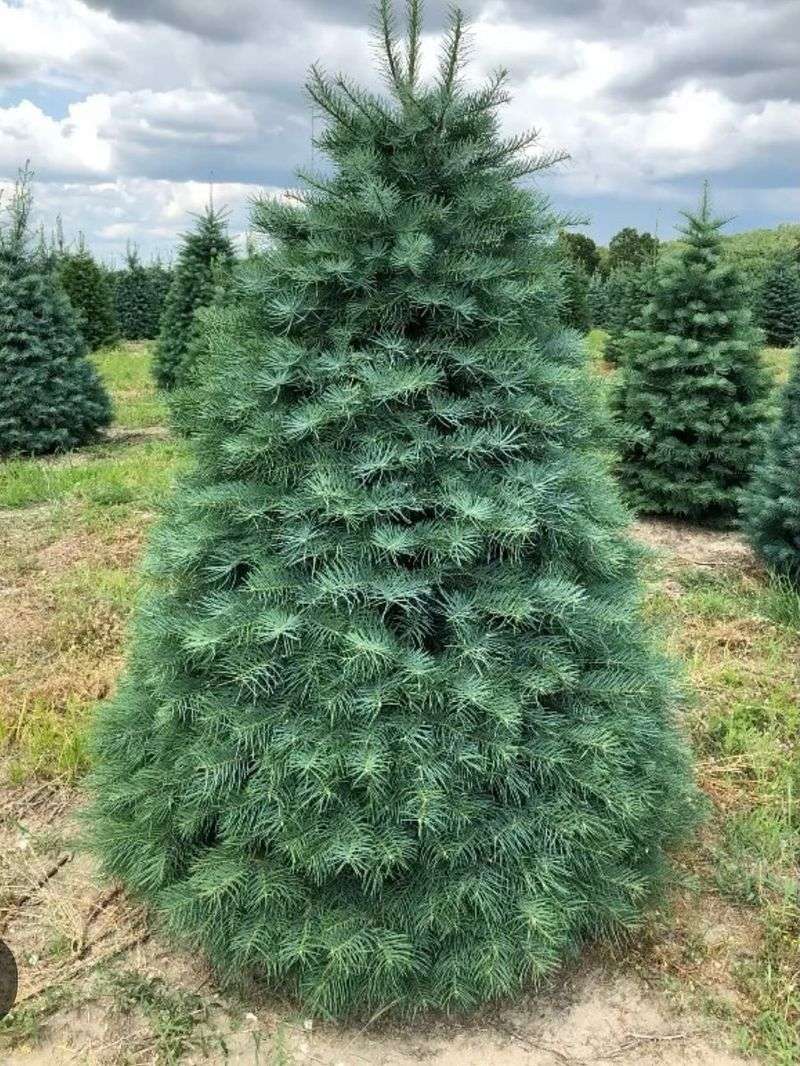
Winter in Michigan is no joke. From the Upper Peninsula down through the southern Lower Peninsula, temperatures can plunge hard and stay there for months.
Picking a tree that genuinely handles those conditions is not optional, it is essential.
Concolor fir thrives across USDA hardiness zones 3 through 7, which covers essentially all of Michigan from top to bottom. That kind of cold tolerance is impressive.
Zone 3 covers some of the harshest northern Michigan winters, where temperatures can drop well below zero.
The fact that concolor fir handles that range without significant damage makes it one of the more dependable evergreen options available to Michigan gardeners, regardless of where in the state they live.
Spruce trees are also cold-hardy, so this is not a category where concolor fir wins dramatically over the competition. But it holds its own completely, which matters when you are comparing alternatives.
Your Michigan Garden Changes Every Week. Your Plan Should Too.
Gardening in Michigan changes quickly throughout the season. Every Friday you’ll receive a simple weekly plan showing exactly what to plant, prune, fertilize, harvest, and protect so you never miss the right timing.
Knowing your tree will not suffer winter burn or branch damage year after year gives real peace of mind.
Planting in a location with some protection from harsh northwest winds can further reduce any cold stress, especially for younger trees still developing their root systems.
Overall, Michigan gardeners in every region can feel confident choosing concolor fir without worrying about winter hardiness becoming a problem down the road.
3. Soft, Blue-Green Needles Provide Long-Season Color
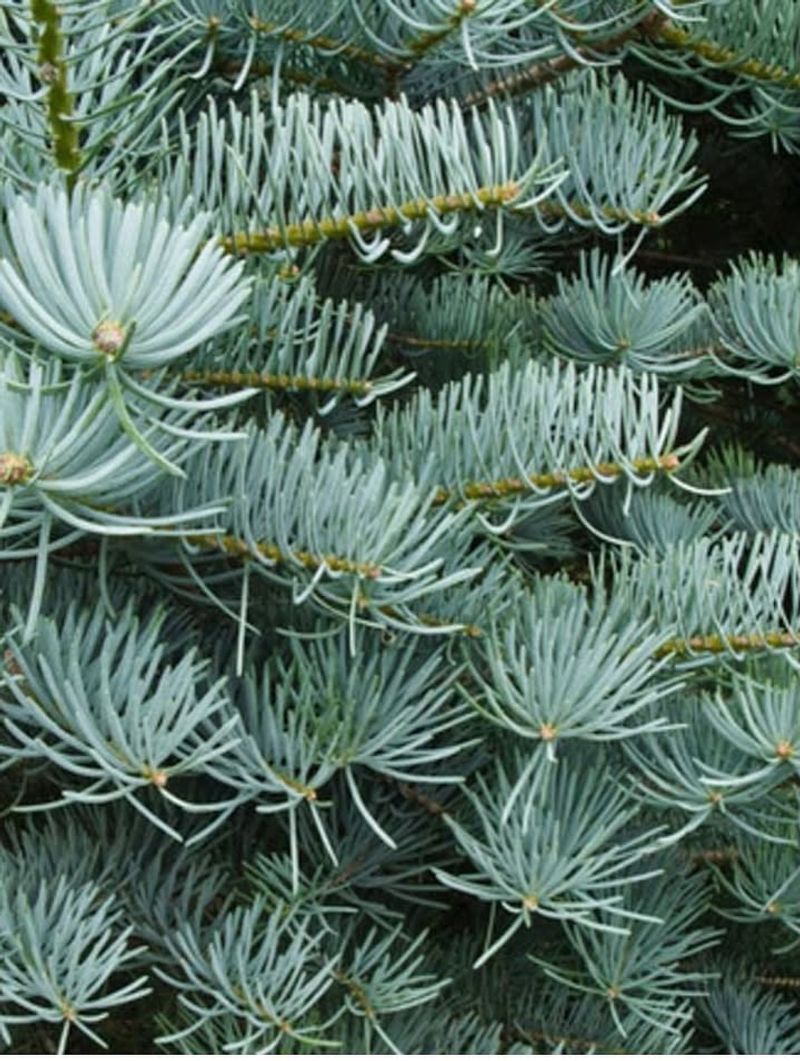
Run your hand along a concolor fir branch and you will immediately notice something different.
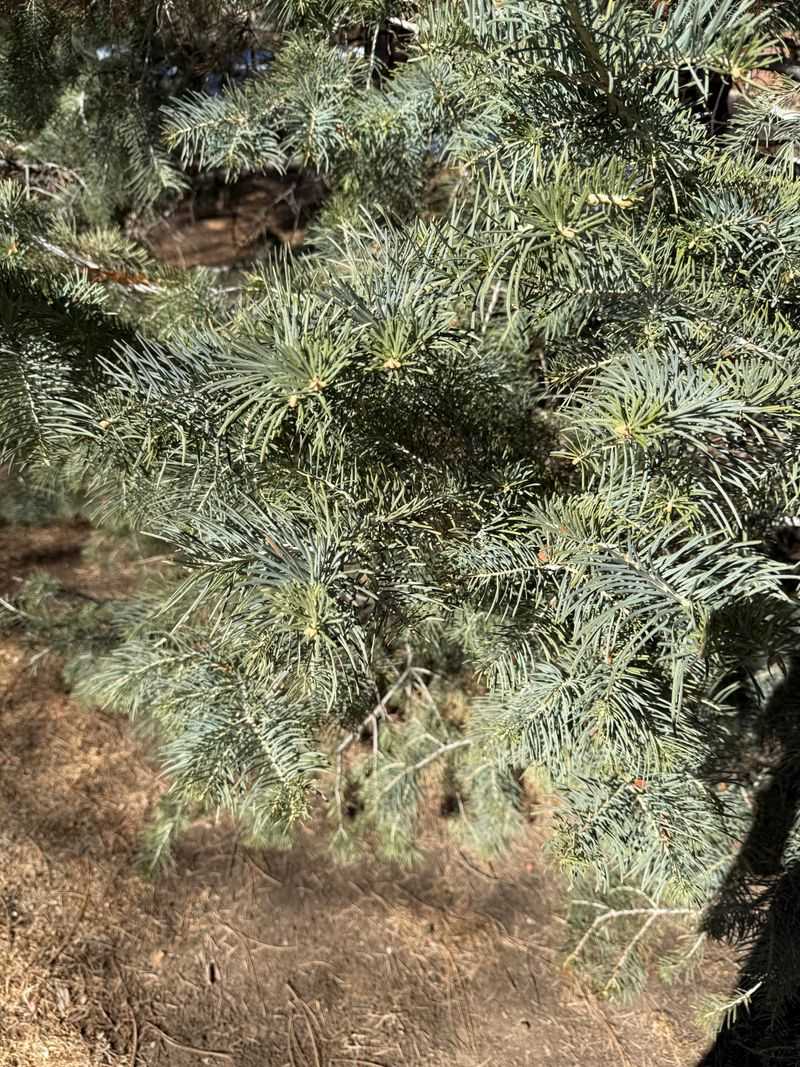
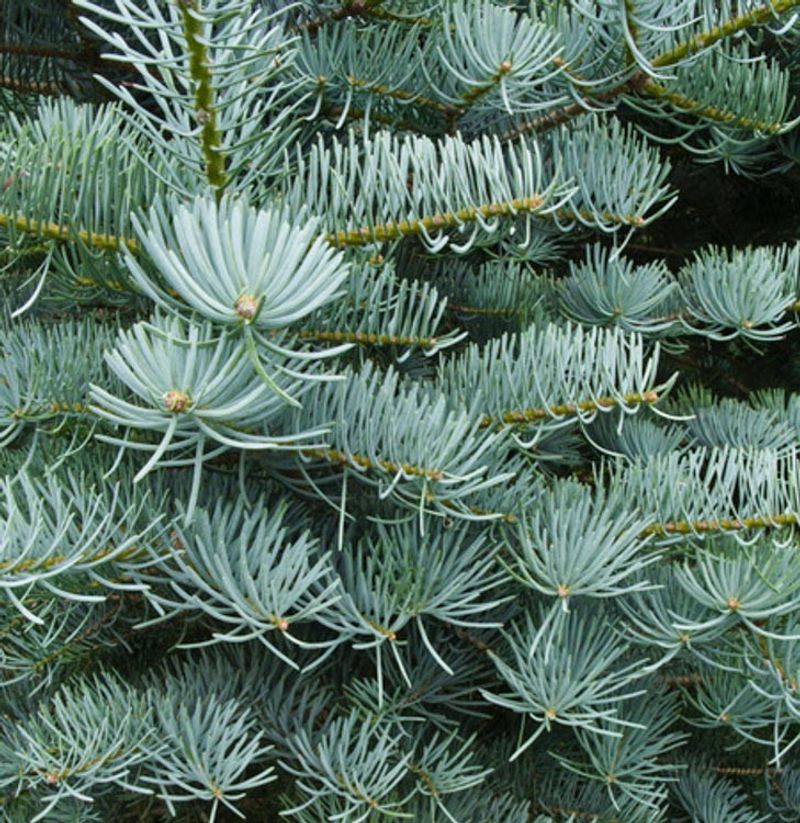
The needles are long, flat, and surprisingly soft, almost like touching a paintbrush.
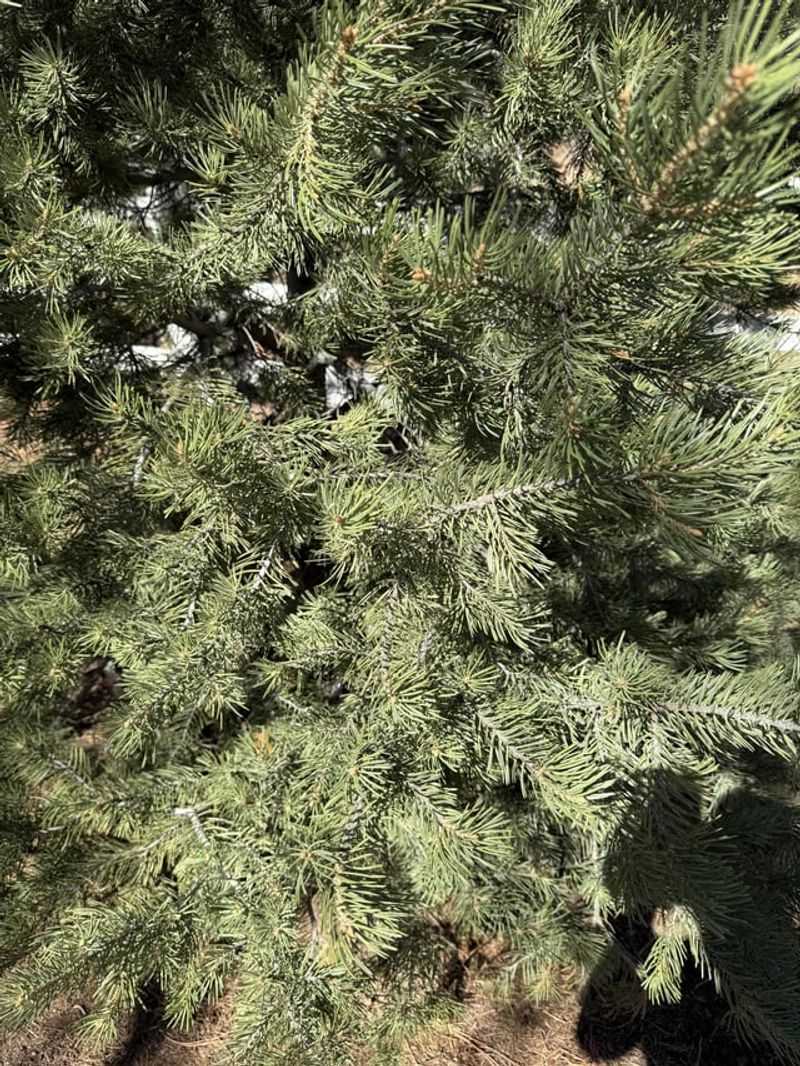
That texture alone sets it apart from the sharp, stiff needles of spruce trees, which can scratch and poke when you brush against them.
For families with kids playing in the front yard, that softer feel is genuinely appreciated. Beyond texture, the color is where this tree really shines.
Concolor fir needles carry a distinctive blue-green to silvery-blue hue that holds beautifully throughout every season.
Unlike deciduous trees that lose their leaves and leave yards looking bare in winter, this fir keeps its color when the landscape needs it most.
That consistent visual presence makes a front yard feel alive and well-tended even in January.
The needles also have a subtle citrus-like fragrance when crushed, which many gardeners find surprisingly pleasant.
It is one of those small details that makes spending time near the tree a genuinely enjoyable experience.
Landscapers often describe concolor fir as having a softer, more refined look compared to the denser, darker appearance of many spruce varieties.
For homeowners who want an evergreen that feels elegant rather than heavy, the needle color and texture of concolor fir deliver exactly that throughout the entire year.
4. Pyramidal Shape Creates Classic Landscape Structure
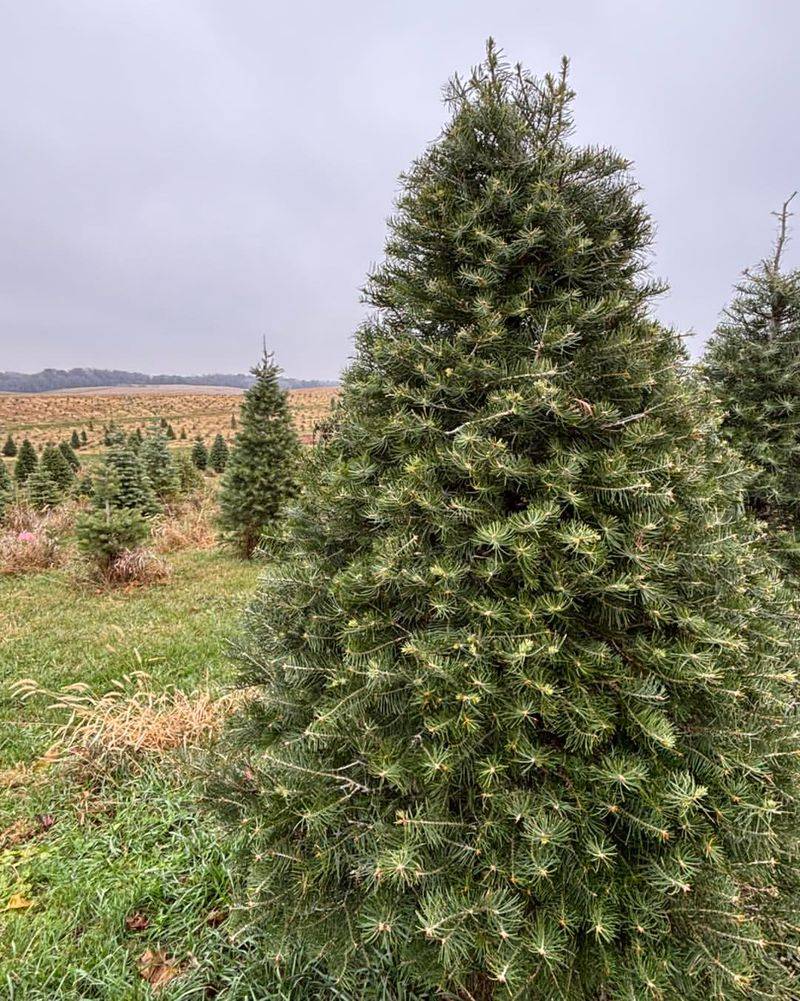
There is something timeless about a perfectly shaped evergreen standing tall in a front yard.
Concolor fir delivers exactly that kind of classic structure through its naturally symmetrical pyramidal form. It does not need heavy pruning or constant shaping to maintain its good looks.
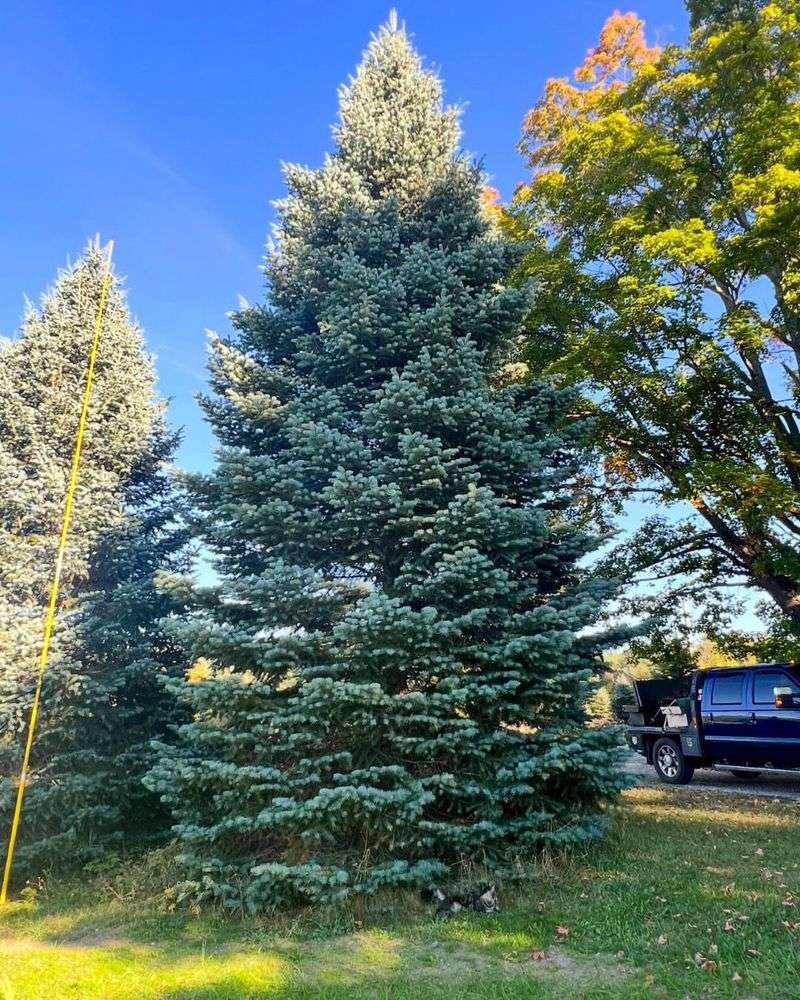
The tree simply grows the way a well-designed landscape tree should, wide at the base and tapering gracefully toward the top. That shape makes it incredibly versatile.
Homeowners use concolor fir as a standalone specimen tree where it becomes the visual anchor of the entire front yard.
Others plant them in rows to create a softened hedge effect or use them as backdrop trees behind lower flowering shrubs.
In every role, the pyramidal form provides vertical interest and a sense of intentional design that elevates the whole yard.
Many gardeners turn to blue spruce for this same structural quality, and concolor fir delivers it just as reliably. The difference is the texture.
Where spruce can feel stiff and a bit formal, concolor fir brings a slightly softer, more layered branching pattern that reads as elegant without being rigid.
Mature trees can reach 30 to 50 feet tall with a spread of 15 to 25 feet, so planting with enough space is important.
Given room to grow, this tree becomes a true long-term landscape investment that improves with every passing year.
5. Fewer Major Disease Problems Than Some Spruce Trees
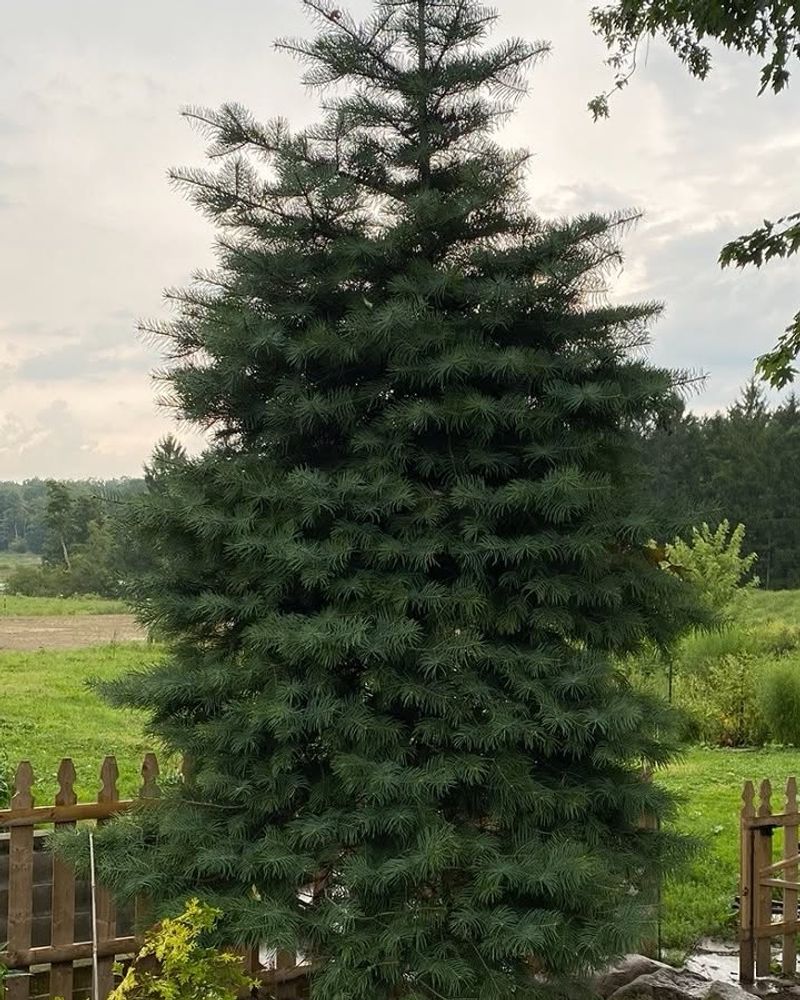
Ask any Michigan landscaper about Colorado blue spruce and you will likely hear a familiar frustration.
Rhizosphaera needle cast has become a widespread problem for blue spruce across the state, causing needles to brown and drop prematurely.
Over several years, affected trees can thin out dramatically, losing the lush, full appearance that made them attractive in the first place.
It is one of the main reasons gardeners have started looking for alternatives. Concolor fir does not carry the same vulnerability to Rhizosphaera.
While no tree is completely immune to every pest or disease, concolor fir generally faces fewer serious threats in Michigan landscapes.
It is not commonly affected by the needle cast diseases that plague blue spruce, and it tends to hold its foliage consistently over time without the progressive thinning that frustrates spruce owners.
That does not mean you ignore the tree entirely. Good planting practices still matter.
Giving concolor fir proper spacing allows air to circulate freely through the branches, which naturally reduces moisture buildup that can invite fungal problems.
Avoiding overhead irrigation and planting in well-drained soil also help keep the tree healthy long-term.
Compared to the ongoing disease management that struggling blue spruce often requires, concolor fir is simply a more dependable investment for homeowners who want lasting beauty without constant worry about their tree declining year after year.
6. Performs Well In Full Sun To Partial Shade
Not every front yard in Michigan gets blasted with full sun from morning to evening.
Mature street trees, neighboring homes, and natural site features can create pockets of partial shade that make growing certain evergreens tricky.
Blue spruce, for example, really wants full sun to maintain its density and color. Put it in too much shade and it stretches, thins out, and loses the compact look that makes it desirable.
Concolor fir handles that kind of variability with ease. It grows well in full sun but also tolerates partial shade without sacrificing too much of its form or color.
That flexibility opens up planting possibilities that spruce simply cannot match.
A yard with a large oak casting afternoon shade or a home with an east-facing front that misses the hottest afternoon sun becomes a perfectly reasonable location for concolor fir.
This adaptability is especially valuable in established neighborhoods where mature trees already shape the light conditions of every yard. Rather than fighting the site, concolor fir works with it.
Gardeners who have struggled to find an evergreen that fits a partially shaded front yard often find concolor fir to be the answer they have been searching for.
It maintains its attractive blue-green color even in lower light, which means it looks great in more challenging spots where other evergreens tend to disappoint over time.
7. Adaptable Soil PH Range Helps It Grow In Many Yard Soils
Soil chemistry might not be the most exciting topic, but it matters more than most homeowners realize when choosing a tree. Many evergreens are picky about pH.
Colorado blue spruce, for instance, strongly prefers acidic soil and can show signs of nutrient deficiency when planted in more alkaline conditions.
In parts of Michigan where soil naturally trends toward neutral or slightly alkaline, that preference creates real challenges. Concolor fir is noticeably more flexible.
It grows well across a broader pH range, handling slightly alkaline soils that would stress some competing evergreens.
That adaptability makes it a practical choice across more of Michigan’s varied soil landscapes, from the sandier soils of the northwest Lower Peninsula to the heavier clay-based soils found in many suburban neighborhoods around Detroit and Grand Rapids.
Getting a basic soil test before planting is still a smart move.
Most Michigan State University Extension offices offer affordable soil testing, and knowing your yard’s pH helps you make smarter planting and amendment decisions.
If your soil is extremely alkaline, adding sulfur can help bring it closer to the slightly acidic range that concolor fir prefers.
But in most typical Michigan yard soils, this tree adapts without needing dramatic intervention.
That straightforward compatibility with common local soil conditions is one more quiet reason why concolor fir keeps earning fans across the state every single planting season.
8. Dense Evergreen Growth Offers Year-Round Screening
Privacy is something a lot of Michigan homeowners think about more and more as neighborhoods fill in and houses sit closer together.
Fences work, but they can feel harsh and block airflow. A living evergreen screen feels completely different.
It softens the property edge, adds natural beauty, and provides year-round coverage that a fence simply cannot match in terms of visual warmth.
Concolor fir builds the kind of dense, full canopy that makes it genuinely effective as a screening tree.
Its branches layer outward from the central trunk in a way that fills space thoroughly rather than leaving gaps.
Unlike some spruce trees that can develop bare patches in their lower branches as they age, concolor fir tends to hold its lower foliage well when given adequate light and growing space.
That consistent fullness is exactly what you need from a screening tree. Planting multiple concolor firs in a staggered row creates an even more effective screen than a straight-line planting.
Staggering the trees by about five to eight feet gives each one room to develop fully while still creating a continuous visual barrier.
Over time, the overlapping canopies form a lush, natural wall of blue-green color that works beautifully in all four seasons.
For homeowners who want both privacy and genuine landscape beauty, concolor fir delivers on both counts without requiring the ongoing maintenance that formal hedges typically demand.
9. Distinctive Color And Texture Make It Stand Out In Landscapes
Walk down almost any Michigan suburban street and you will spot the same dark green evergreens repeating from yard to yard.
There is nothing wrong with tradition, but when every front yard looks identical, nothing really stands out. Concolor fir quietly changes that dynamic the moment you plant one.
Its silvery-blue to blue-green needle color catches the eye in a way that feels fresh and intentional rather than generic.
Beyond color, the tiered branching structure adds another layer of visual interest.
The branches spread outward in distinct horizontal layers, giving the tree a sculpted, almost architectural quality when viewed up close.
That detail makes concolor fir look thoughtfully chosen rather than simply planted by default.
Landscape designers often describe it as a tree that photographs beautifully in every season, which matters for homeowners who take pride in their curb appeal.
Paired against a red brick home, the blue-green needles create a stunning complementary contrast. Against white or gray siding, the silvery tones of the foliage pop with quiet elegance.
No matter the home style, concolor fir tends to enhance rather than compete with the architecture behind it.
As more Michigan gardeners discover what this tree offers visually, its popularity as a front yard showpiece continues to grow.
For anyone ready to move beyond the ordinary and plant something genuinely eye-catching, concolor fir is a choice worth making with complete confidence.