Texas Fence Plants That Stay Green And Full Even Through The Worst Summer Heat
A fence line in Texas takes a beating through summer that most plants simply cannot handle.
Full sun exposure, heat radiating off the fence itself, and dry soil along the perimeter create conditions that cause many popular choices to drop leaves, fade out, or look genuinely ragged by August.
The result is a fence that draws attention for the wrong reasons right when outdoor spaces should be at their most inviting.
Plants that stay green and full through the worst of Texas summer heat are not mythical, but they do require choosing with intention rather than defaulting to what is most available at the nursery.
The right fence plants for Texas are ones that embrace the heat rather than endure it, maintaining density and color through conditions that would exhaust less suitable options.
Finding those plants and getting them established along your fence line changes the look and feel of the entire yard through the hottest months.
1. Carolina Jessamine
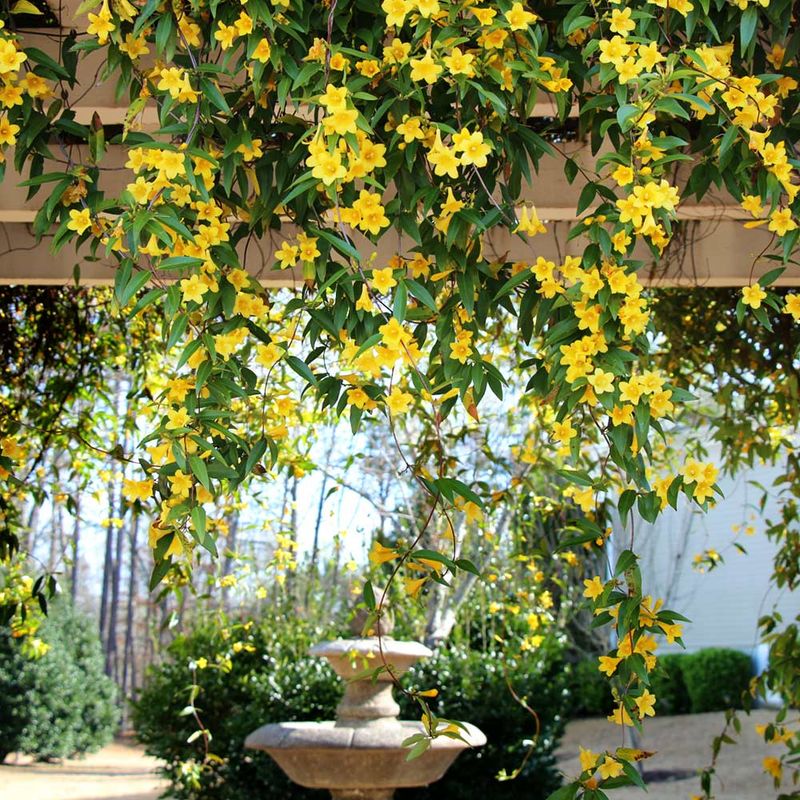
Few vines bring as much personality to a fence as Carolina Jessamine. This plant has been a Southern garden favorite for generations, and it earns that reputation every single year.
It grows fast, stays full, and keeps its glossy green leaves looking sharp even when the summer heat is at its worst.
Carolina Jessamine is a vigorous climber that will wrap itself around a fence with very little encouragement. It uses twining stems to grip onto wood, wire, or chain-link without needing special supports.
Once established, it fills in fence gaps quickly and creates a dense, layered look that looks professionally landscaped.
During late winter and early spring, it bursts into bright yellow, trumpet-shaped blooms that are absolutely stunning. The flowers fade as summer arrives, but the foliage stays attractive and full throughout the hottest months.
That is one of the reasons Texas gardeners love it so much. Watering needs are low once the plant is established. It handles drought reasonably well and does not demand rich soil.
Plant it in full sun to partial shade for the best results, and give it something sturdy to climb. One quick note for families: all parts of Carolina Jessamine are toxic if eaten. Keep that in mind if pets or small children spend time near the fence.
Other than that, it is a low-maintenance, high-impact vine that brings year-round greenery to any Texas fence line with minimal effort from you.
2. Crossvine
If speed and coverage are what you need, Crossvine is hard to beat. This native Texas vine can grow up to 50 feet long, and it wastes no time filling in a bare fence from top to bottom. Gardeners who want fast results love it for exactly that reason.
Crossvine gets its interesting name from the cross-shaped pattern you see when you cut through its stem. It is a small detail, but it is the kind of quirky fact that makes a plant feel more memorable.
The vine attaches itself to surfaces using adhesive discs, which means it clings tightly to wood, brick, and metal without needing extra help.
Your Texas Garden Changes Every Week. Your Plan Should Too.
Gardening in Texas changes quickly throughout the season. Every Friday you’ll receive a simple weekly plan showing exactly what to plant, prune, fertilize, harvest, and protect so you never miss the right timing.
The foliage is semi-evergreen to evergreen depending on how cold your winter gets. In most parts of Texas, it holds its dark green leaves right through summer and well into fall.
Even during heat waves that send other plants into survival mode, Crossvine keeps growing and looking full.
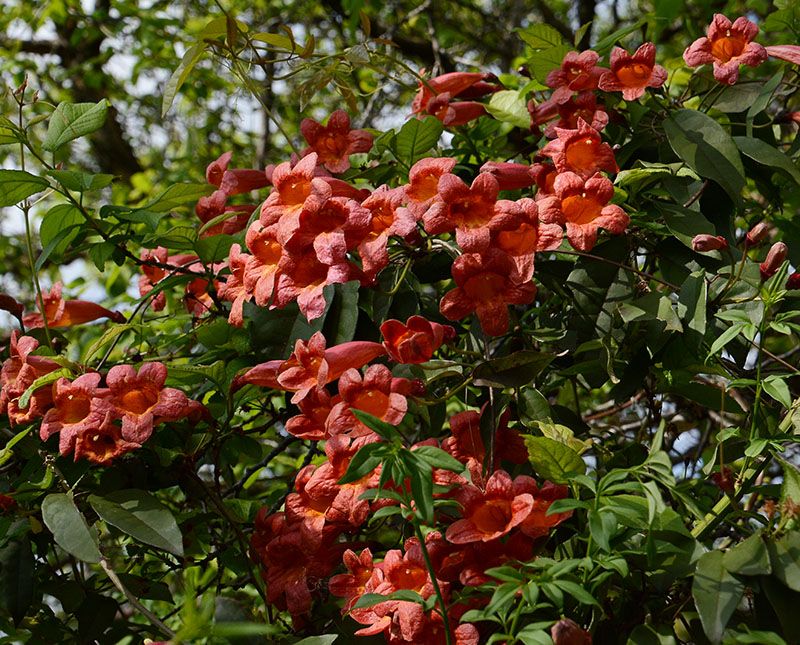
Spring brings clusters of orange and red tubular flowers that hummingbirds absolutely love. The blooms are showy and last for several weeks.
After flowering, the plant settles into steady green growth that continues through the hottest months without much fuss. Crossvine thrives in full sun to partial shade and handles both clay and sandy soils.
Water it regularly during the first season to help it get established, and then you can back off significantly. It is a dependable, beautiful, and genuinely tough plant for any Texas fence.
3. Coral Honeysuckle
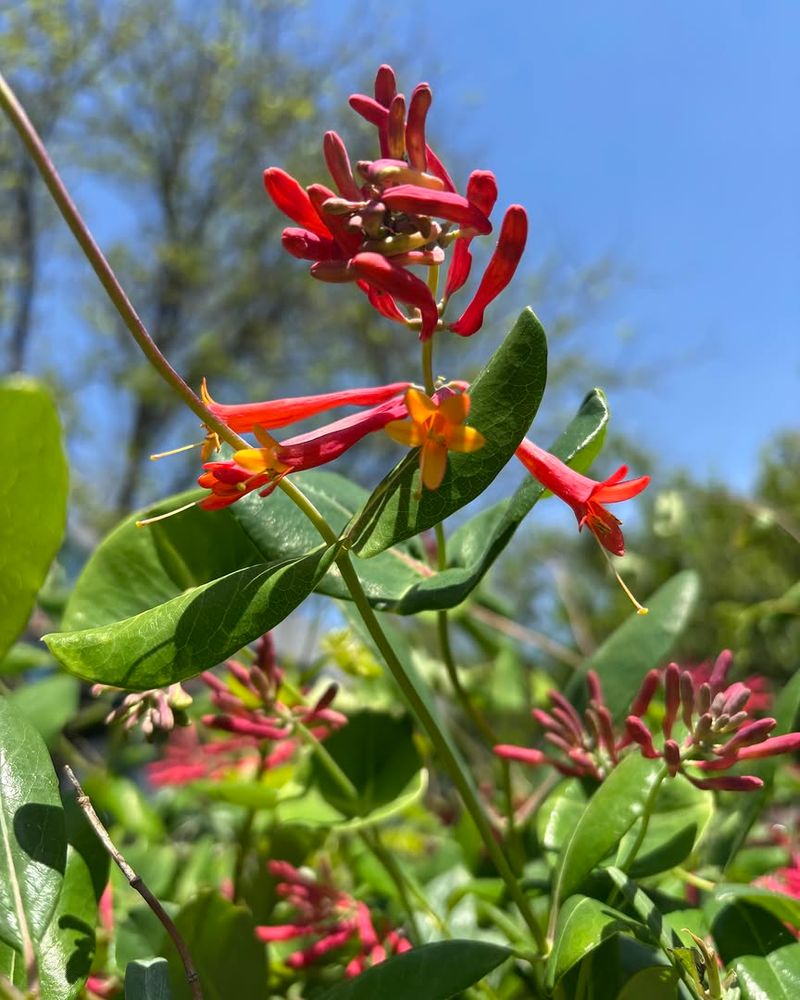
Native plants have a way of just fitting in, and Coral Honeysuckle is a perfect example of that. Unlike its invasive Japanese cousin, this native honeysuckle plays nicely in the garden.
It covers fences beautifully without taking over the whole yard, making it a smart and responsible choice for Texas homeowners.
The blooms are something special. Long, slender, coral-red tubes appear in spring and often continue blooming all the way through summer.
Hummingbirds and butterflies flock to the flowers, so planting Coral Honeysuckle along a fence turns your yard into a mini wildlife habitat. It is a win for you and for local pollinators.
As a semi-evergreen plant, Coral Honeysuckle holds most of its foliage through the summer and into fall. The leaves are a soft blue-green color that looks fresh and cool even on the hottest days.
When temps climb and other plants start looking tired, this one keeps its composure. It grows well in full sun or partial shade and adapts to a wide range of soil types. Once established, it is quite drought-tolerant and does not need a lot of extra care.
A good deep watering once a week during extreme heat is usually enough to keep it thriving.
Coral Honeysuckle tops out at around 15 to 20 feet, so it is a manageable size for most fences. Train it early by tying young stems to the fence, and it will take off from there. It is one of the most rewarding native vines you can grow in Texas.
4. Texas Sage
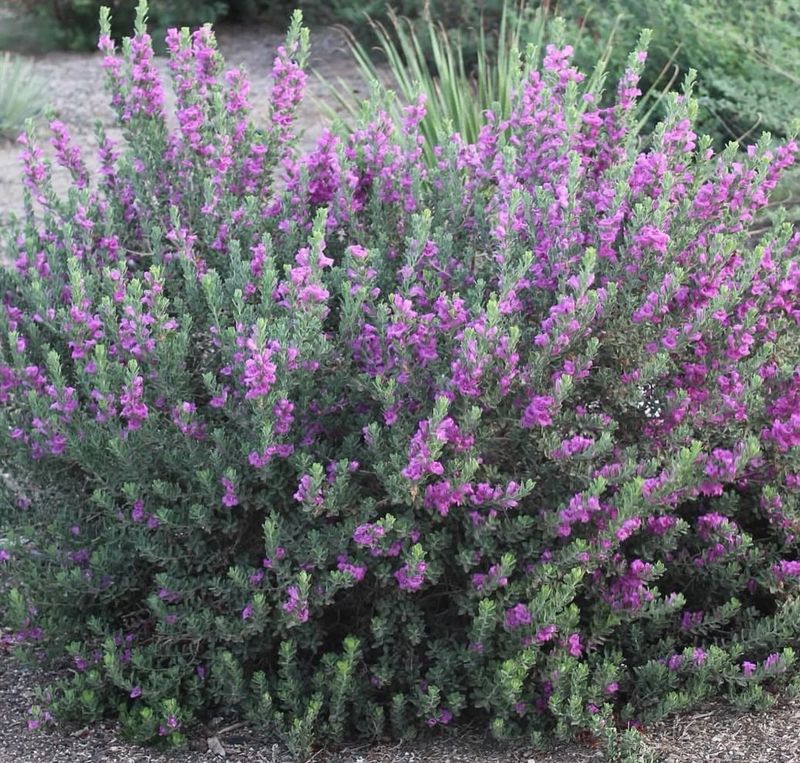
Walk through almost any Texas neighborhood and you will spot Texas Sage lining fences and borders with its silvery-green leaves and cheerful purple blooms. This plant is practically a symbol of Texas resilience.
It thrives in conditions that would stress most other shrubs, including intense heat, poor soil, and long dry spells.
Texas Sage, also called Cenizo or Purple Sage, is an evergreen shrub that grows in a naturally rounded shape. Planted along a fence, it creates a thick, attractive screen that looks great year-round.
The silvery foliage reflects sunlight beautifully and gives the plant an almost glowing appearance on bright summer days.
One of the most fun things about Texas Sage is that it blooms after rain. Gardeners have nicknamed it the Barometer Bush because it often flowers within a day or two of a good rain shower.
Suddenly your fence line lights up with lavender-purple blooms, and the effect is absolutely lovely.
This shrub grows best in full sun and well-drained soil. It actually struggles in soggy or heavily irrigated areas, so avoid overwatering.
Once established, it is extremely drought-tolerant and needs almost no supplemental water during the summer months.
Texas Sage typically grows 4 to 8 feet tall and wide, depending on the variety you choose. Compact varieties work well for shorter fences, while larger types fill in nicely behind a tall privacy fence.
Pruning is rarely necessary, but a light trim after blooming helps keep the shape tidy and full.
5. Wax Myrtle
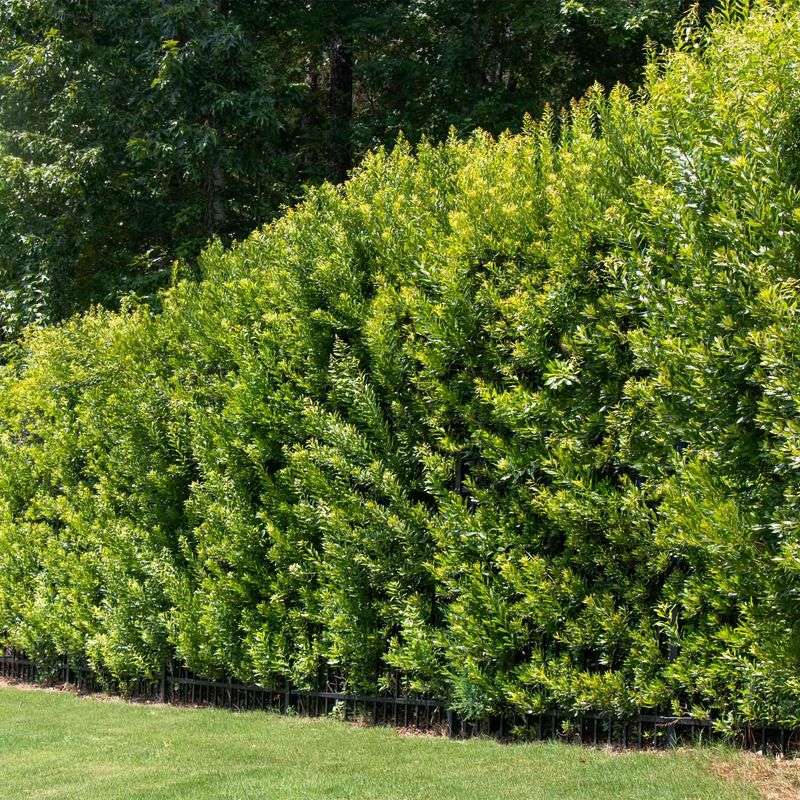
Speed matters when you are trying to build a privacy screen, and Wax Myrtle delivers faster than almost anything else you can plant. This native Texas shrub can grow 3 to 5 feet in a single year under good conditions.
Plant a row along your fence in spring, and by fall you will already have impressive coverage.
Wax Myrtle is an evergreen that stays green and full through all four seasons. Summer heat does not slow it down at all.
In fact, it seems to love the long, warm Texas growing season and uses every bit of it to put on new growth. The dark green, aromatic leaves stay looking fresh and healthy even during the most brutal heat waves.
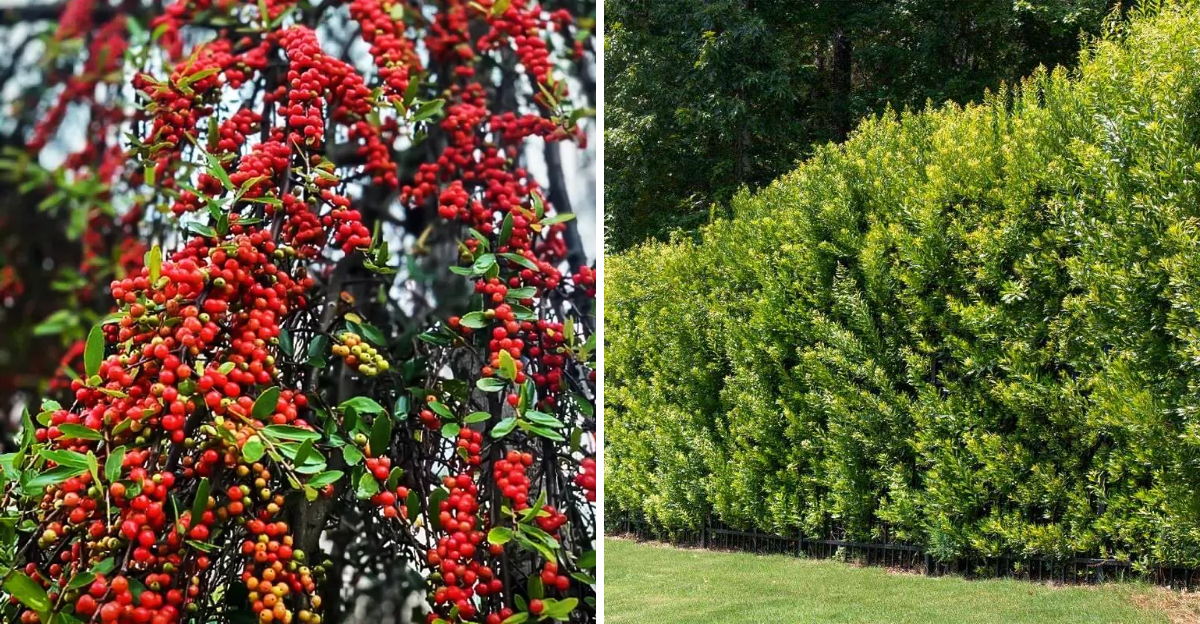
The plant gets its name from the waxy, grayish-blue berries it produces in late summer and fall. Birds love these berries, so a row of Wax Myrtles along your fence will attract cardinals, mockingbirds, and other native species.
It is a great way to add wildlife value to your landscape without extra effort. Wax Myrtle grows well in full sun or partial shade and tolerates a wide range of soils, including clay, sandy, and even slightly wet areas.
It handles both drought and occasional flooding better than most shrubs, which makes it incredibly versatile across different parts of Texas.
Left unpruned, it can reach 10 to 15 feet tall. Regular trimming keeps it at whatever height works best for your fence.
It responds well to pruning and quickly fills back in after a trim, maintaining a dense, tidy appearance all year long.
6. Yaupon Holly
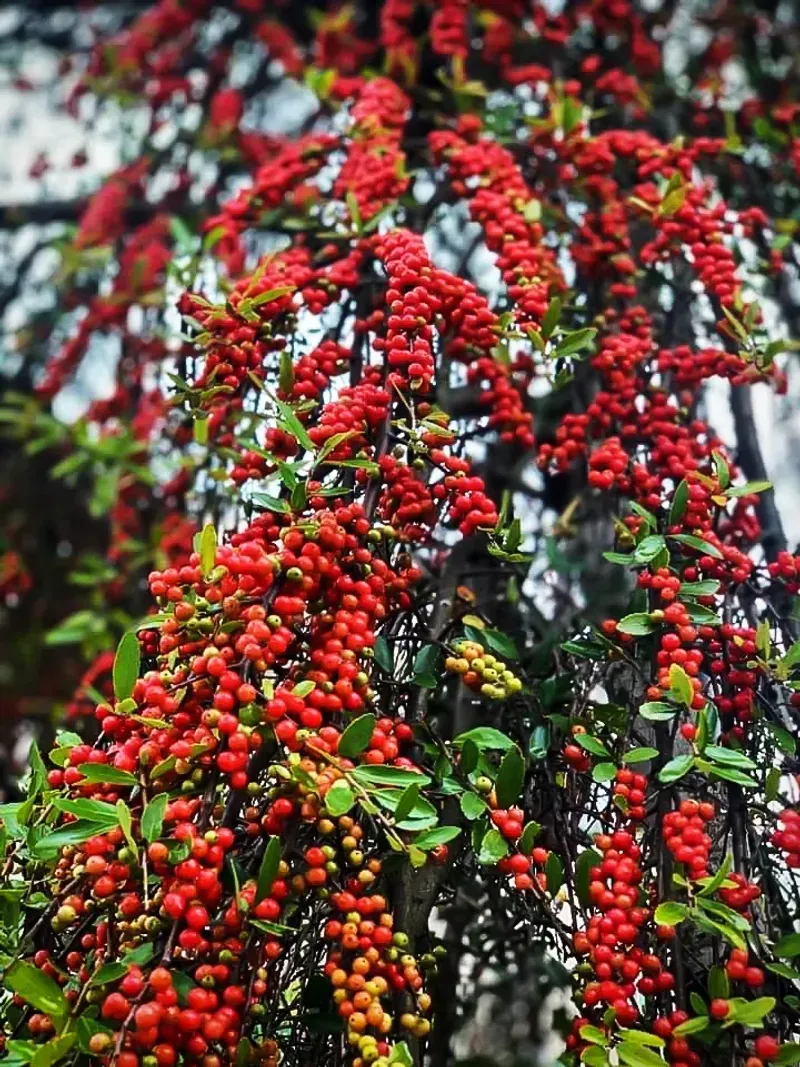
Tough is not a strong enough word for Yaupon Holly. This plant has survived in Texas for thousands of years without any help from gardeners, thriving in conditions ranging from coastal salt spray to rocky Hill Country soil.
When you plant it along your fence, you are working with one of the most adaptable natives in the entire state.
Yaupon Holly is a true evergreen that holds its small, glossy, dark green leaves through every season. Summer heat, winter cold, drought, flooding, poor soil, it handles all of it without complaint.
Gardeners who have struggled to keep other plants alive through a Texas summer often discover Yaupon and never look back.
Female plants produce bright red berries in fall and winter that are a favorite food for birds.
Cedar waxwings, robins, and mockingbirds will visit regularly once the berries appear. This makes Yaupon Holly a fence plant that does double duty as a wildlife garden feature.
It grows in full sun or shade, which gives it a major advantage over many other fence plants. If your fence runs along a shaded north side of the house, Yaupon will still perform well where other plants might struggle.
That kind of flexibility is genuinely valuable in a Texas landscape. Sizes range widely depending on the variety. Dwarf types stay under 3 feet and work well for low borders.
Upright varieties can reach 15 to 20 feet and create excellent tall screens. Weeping forms add a graceful, cascading look. No matter what your fence needs, there is a Yaupon Holly variety that fits the job perfectly.
7. Cherry Laurel
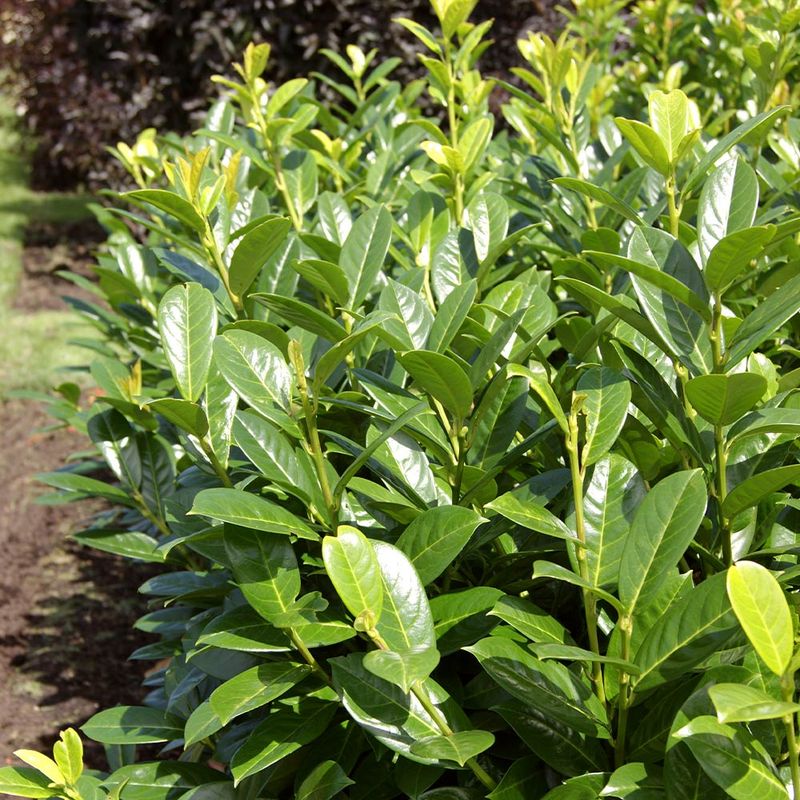
Big, bold, and beautifully green, Cherry Laurel is the kind of plant that makes a statement. The large, glossy leaves catch the light and give any fence line a lush, tropical feel.
Even in the middle of July when everything else looks parched, Cherry Laurel keeps its rich dark green color and stays looking full and healthy.
This evergreen shrub is one of the most popular privacy screen plants in Texas, and it is easy to understand why. It grows quickly, fills in densely, and holds its foliage through all four seasons.
Planted in a row along a fence, it creates a solid green wall that blocks views, muffles noise, and adds serious curb appeal.
Cherry Laurel handles Texas heat surprisingly well for a plant with such large leaves. It prefers a spot with morning sun and afternoon shade, which helps it avoid leaf scorch during the hottest parts of the day.
A little afternoon shade goes a long way in keeping the foliage looking its best through summer.
It grows best in well-drained soil with regular watering during the first year or two. Once established, it becomes much more drought-tolerant.
Deep watering once or twice a week during extreme heat is usually enough to keep it thriving through the summer months.
Cherry Laurel can reach 10 to 20 feet tall if left to grow naturally, but it responds very well to pruning.
Trimming it once or twice a year keeps it at the height you want and encourages dense, bushy growth. It is a reliable, handsome, and hardworking plant for any Texas fence line.