Texas Gardeners Are Growing These Unusual Fruits And Getting Amazing Results
Most Texas fruit gardens run on a fairly predictable list. Figs, peaches, citrus in the southern parts of the state, maybe blueberries with the right soil adjustments.
That list is reliable, but it barely scratches the surface of what is actually possible in Texas growing conditions.
A smaller but growing group of Texas gardeners has been experimenting with fruit varieties that rarely show up in mainstream garden advice, and the results have been genuinely impressive.
Some of these fruits are native or naturalized to Texas and have been growing here far longer than anything in the typical backyard orchard. Others come from climates similar enough to Texas that they thrive with almost no extra effort once established.
The common thread is that all of them produce well in Texas heat, and most of them are producing harvests that their growers were not fully expecting when they first took the chance on something unusual.
1. Pomegranate
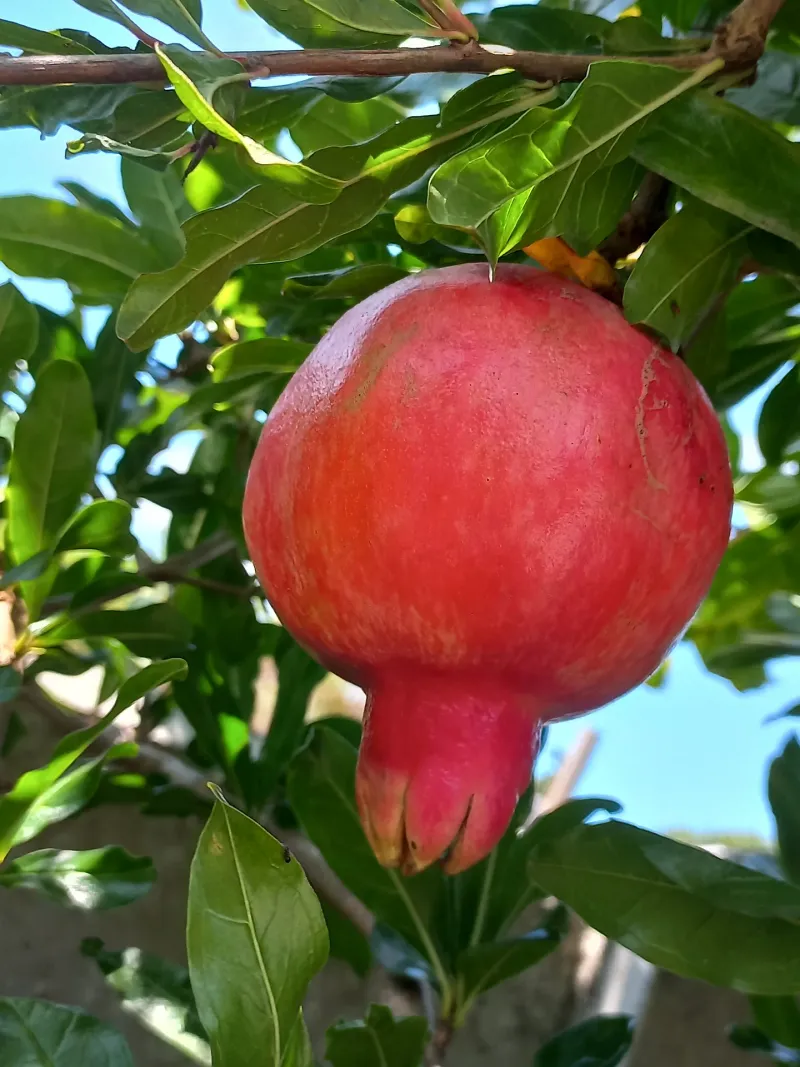
Few fruits are as tough and rewarding as the pomegranate. Originally from the Middle East, this ancient fruit has been grown for thousands of years, and it turns out it absolutely loves Texas weather.
The heat, the dry spells, and the long summers are basically everything a pomegranate tree dreams of.
Pomegranates are incredibly drought-tolerant once they get established. You do not need to water them constantly, which is a huge bonus for Texas gardeners who deal with water restrictions in the summer.
They can handle temperatures well above 100 degrees Fahrenheit without much fuss. Planting is straightforward. Choose a sunny spot with well-draining soil, and give your tree plenty of room to spread out.
Most pomegranate varieties grow into medium-sized shrubs or small trees, reaching about 10 to 15 feet tall. They start producing fruit within two to three years of planting.
The fruit itself is packed with antioxidants, vitamins, and a sweet-tart flavor that is hard to beat. Each pomegranate is filled with hundreds of jewel-like seeds called arils, which are great in salads, smoothies, or eaten straight from the fruit.
Varieties like Wonderful and Salavatski do especially well across Texas. Beyond the fruit, pomegranate trees are genuinely beautiful. They produce bright orange-red flowers in spring and early summer before the fruit develops.
Even in winters, the bark and structure of the tree look striking in a garden. For Texas gardeners looking for a low-maintenance, high-reward fruit tree, the pomegranate is a fantastic place to start.
2. Loquat
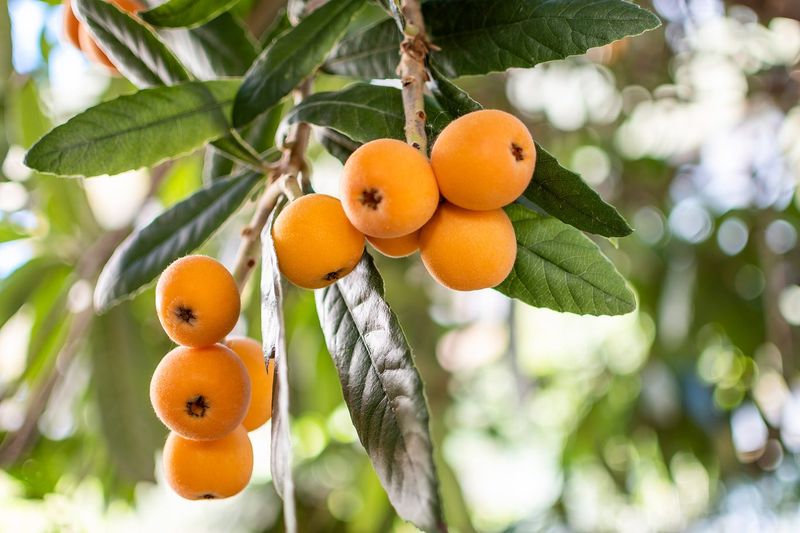
Walk through many older Texas neighborhoods and you might spot a loquat tree without even knowing it.
This evergreen beauty stays green all year, produces clusters of sweet, tangy fruit in late winter or early spring, and asks for very little in return. It is one of Texas’s best-kept gardening secrets.
Loquats are native to southeastern China but have adapted incredibly well to the Gulf Coast and central Texas regions. They prefer mild winters and warm summers, making cities like San Antonio, Houston, and Austin perfect growing spots.
In colder northern parts of Texas, they can still grow but may need some protection during hard freezes.
Your Texas Garden Changes Every Week. Your Plan Should Too.
Gardening in Texas changes quickly throughout the season. Every Friday you’ll receive a simple weekly plan showing exactly what to plant, prune, fertilize, harvest, and protect so you never miss the right timing.
One of the coolest things about loquats is their unusual fruiting season. While most fruit trees produce in summer, loquats ripen between February and April.
That means you get fresh fruit when almost nothing else is producing in the garden. The timing alone makes them worth planting.
The fruit tastes like a mix between a peach, a mango, and a mild citrus. It is soft, juicy, and slightly sweet with a hint of tartness.
You can eat loquats fresh off the tree, make jam, bake them into pies, or even ferment them into a light wine. The seeds inside are large and not edible, but the flesh more than makes up for it.
Loquat trees also grow fairly fast and can reach 15 to 25 feet tall. They work beautifully as shade trees or ornamental landscaping plants. Birds love the fruit too, so expect some friendly competition come harvest time.
3. Jujube
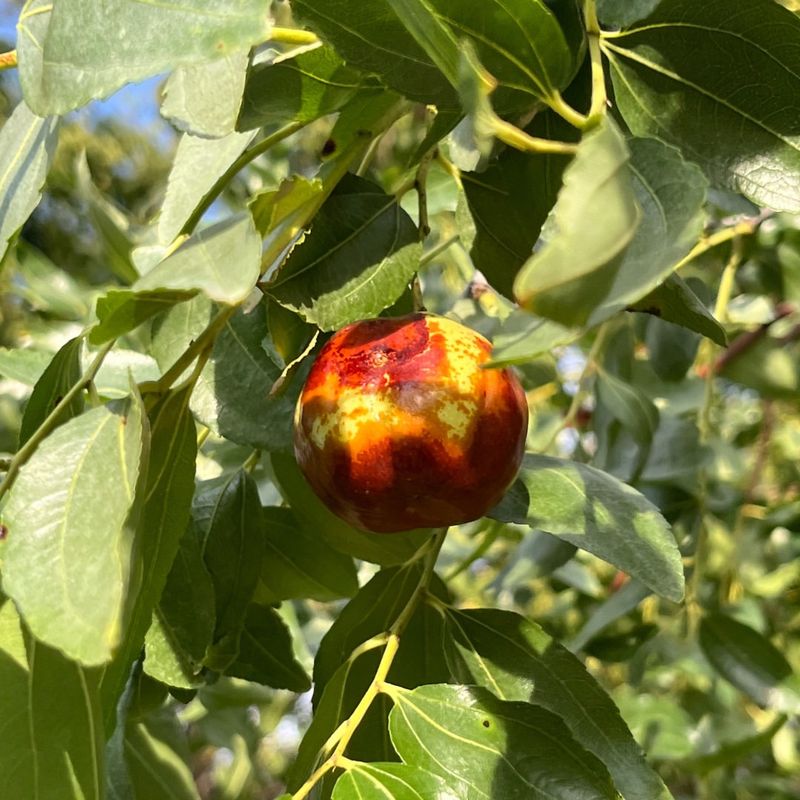
If you have never heard of jujube, get ready to be impressed. Sometimes called the Chinese date, this ancient fruit has been cultivated in Asia for over 4,000 years.
But here is the exciting part: jujube trees are practically built for Texas. They shrug off extreme heat, laugh at drought, and keep producing fruit even when other trees are struggling.
Jujubes can survive in temperatures above 110 degrees Fahrenheit and still produce a solid crop. They also handle poor, rocky, or alkaline soils that would challenge most fruit trees.
This makes them ideal for areas of Texas where gardening can feel like a battle against the environment.
The fruit starts out green and firm, almost like an apple in texture. As it ripens, it turns reddish-brown and develops a sweeter, date-like flavor with a slightly chewy texture.
Some gardeners prefer to eat them fresh when they are still crisp, while others let them dry out naturally on the tree for a raisin-like snack. Both stages are genuinely delicious.
Popular varieties for Texas include Li, Lang, and Sherwood. These tend to produce large, flavorful fruits and are widely available at Texas nurseries.
Jujube trees grow to about 15 to 30 feet tall and have an attractive, slightly weeping shape that looks great in a yard.
Care requirements are minimal. Once established, jujubes need very little water or fertilizer.
They rarely deal with serious pest or disease problems, which makes them one of the easiest fruit trees a Texas gardener can grow. The results speak for themselves every harvest season.
4. Passionfruit
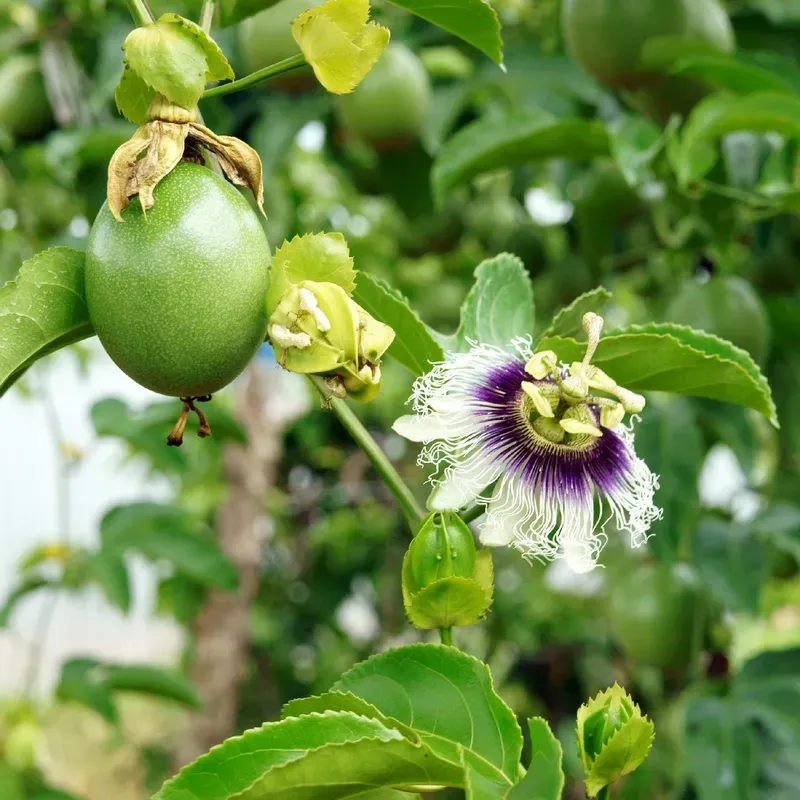
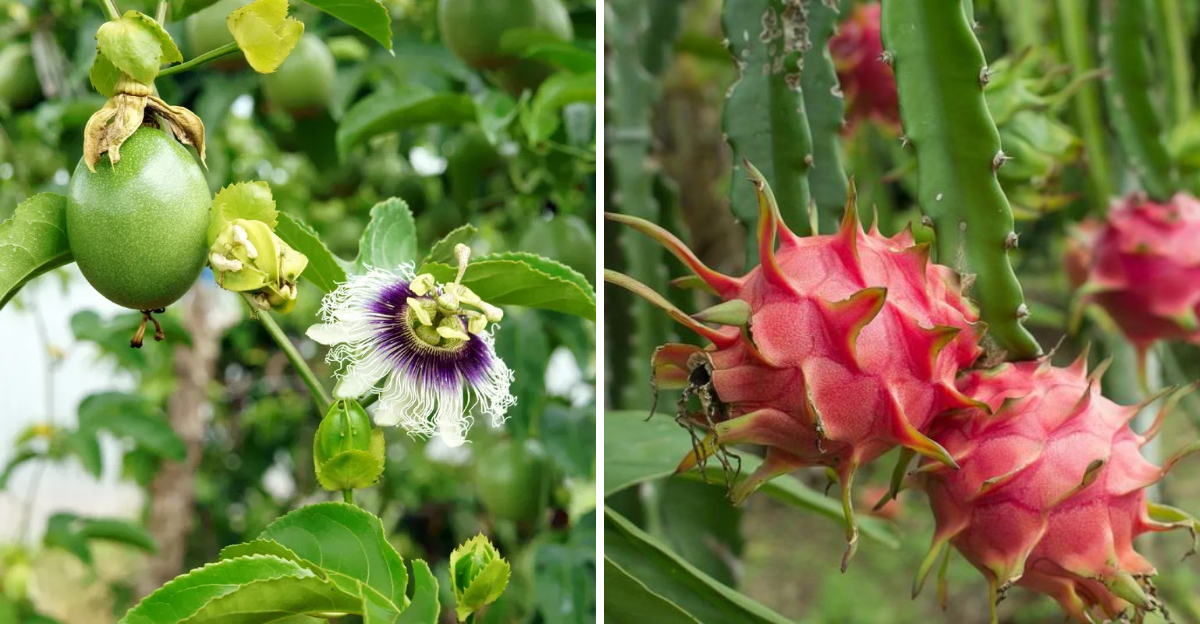
There is something almost magical about watching a passionfruit vine take off. Within just a few weeks of planting, it starts climbing, spreading, and flowering with some of the most stunning blooms you will ever see in a garden.
The flowers alone are worth growing this plant, but the fruit is what really seals the deal. Passionfruit vines love warm climates, and much of Texas delivers exactly that. In South Texas and the Houston area, vines can grow as perennials and come back year after year.
In central Texas, they often grow as warm-season annuals, producing fruit before cooler temperatures arrive. Either way, the growing season is usually long enough for a solid harvest.
Two main types work well in Texas. The purple passionfruit variety is the most common and produces egg-shaped fruits with a deeply aromatic, sweet-tart flavor.
The yellow variety tends to be slightly more tropical and may need a bit more warmth to thrive. Both are worth trying depending on your region.
Growing passionfruit requires a sturdy trellis or fence because the vines can get very long, sometimes reaching 20 feet or more in a single season.
They prefer well-draining soil and regular watering, especially during fruit development. A good layer of mulch around the base helps keep moisture in during hot Texas summers.
Harvest time is exciting. Ripe fruits will fall from the vine on their own or come off easily with a gentle twist.
The wrinkled skin is actually a sign of ripeness, not spoilage. Scoop out the golden, seed-filled pulp and enjoy it fresh, in drinks, or mixed into desserts for a flavor unlike anything else.
5. Dragon Fruit
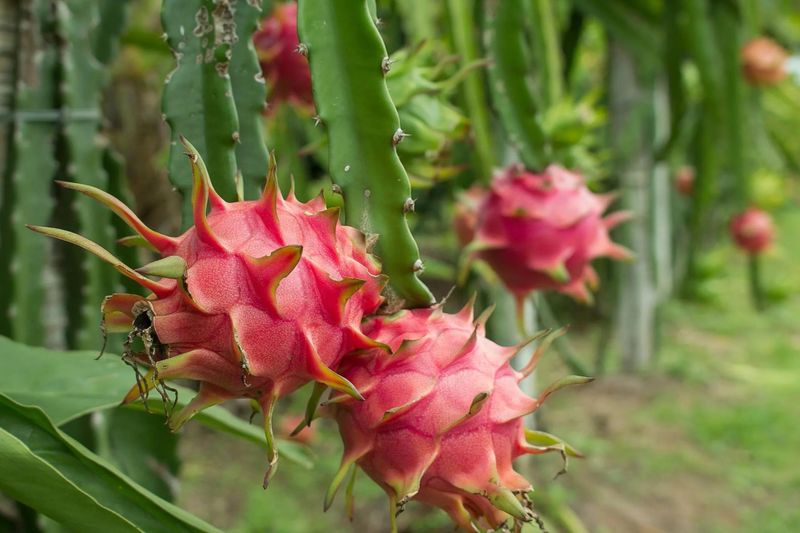
Dragon fruit looks like it belongs on another planet. With its hot-pink skin, green-tipped scales, and snow-white or deep-red interior speckled with tiny black seeds, it is one of the most visually dramatic fruits you can grow.
And believe it or not, warmer parts of Texas are perfectly suited for this exotic cactus fruit. Dragon fruit is actually a type of climbing cactus from Central America.
It thrives in warm, frost-free conditions and well-draining soil, which means South Texas and the Rio Grande Valley are natural fits.
In areas like Austin or San Antonio, gardeners can grow dragon fruit in containers and bring them indoors during the few cold weeks of winter.
One of the most unforgettable experiences in gardening is watching a dragon fruit bloom. The flowers open only at night and are enormous, white, and incredibly fragrant.
They last just one night before closing, so gardeners often stay up late to catch the show. Hand pollination can improve fruit set, especially if there are not enough nighttime pollinators around.
Dragon fruit plants grow as sprawling vines that need a strong support post or trellis. They can reach impressive heights and widths once established.
Watering should be moderate since overwatering is one of the most common mistakes with this plant. Treat it more like a cactus than a tropical vine.
The fruit takes about 30 to 50 days to ripen after flowering. Ripe dragon fruit has a mild, slightly sweet flavor similar to a blend of kiwi and pear.
It is packed with vitamin C, fiber, and antioxidants, making it as nutritious as it is beautiful. Growing it in Texas is a conversation starter every single time.
6. Pineapple Guava
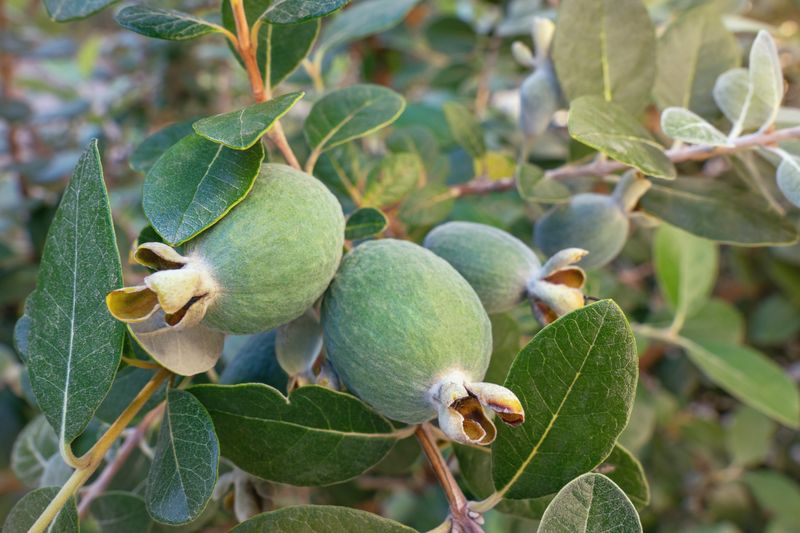
Pineapple guava, also known as feijoa, is one of those plants that surprises everyone who tries it.
Most people have never heard of it, but once they taste the fruit and see the flowers, they wonder why it is not in every Texas yard. It is attractive, productive, and surprisingly tough for such an exotic-sounding plant.
Native to South America, pineapple guava has adapted well to a wide range of Texas climates. It handles mild freezes, tolerates drought once established, and grows happily in both full sun and partial shade.
Central and South Texas are especially good regions for this plant, though gardeners in North Texas have also had success with a bit of winter protection.
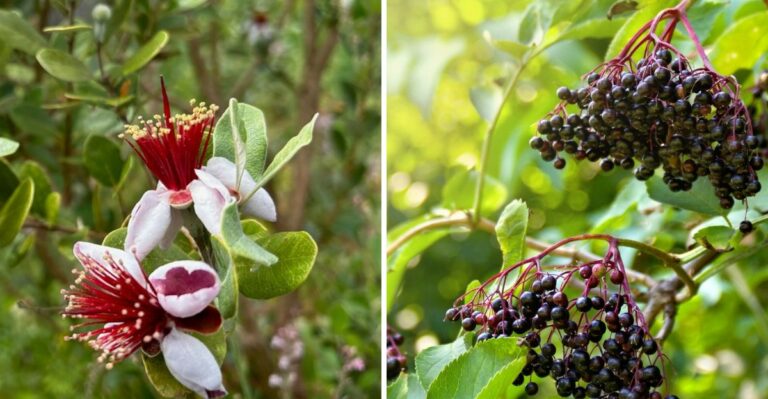
The flowers are genuinely stunning and completely edible. They are white and red with a sweet, floral flavor that tastes almost like a tropical candy.
Many gardeners snack on the petals straight from the bush while waiting for the fruit to develop. It is a rare treat that adds a fun, interactive element to the garden.
The fruit itself is oval, green, and about the size of a large egg. When ripe, the inside is creamy white with a jelly-like center.
The flavor is often described as a mix of pineapple, guava, and mint, which sounds unusual but tastes absolutely wonderful. You can eat it fresh by cutting it in half and scooping out the flesh with a spoon.
Pineapple guava shrubs grow slowly but steadily, reaching about 6 to 10 feet tall and wide. They make excellent hedges or privacy screens.
With minimal care and consistent water during establishment, this underrated gem rewards Texas gardeners with beauty and flavor season after season.