The Best Native Michigan Ground Covers For Slopes That Are Too Steep To Mow
Every Michigan homeowner with a steep slope has made peace with it at some point, usually right around the third time they nearly lost the mower on the way down. The turf never looks great up there anyway.
It thins out, washes away after a hard rain, and requires effort that the rest of the yard does not. At some point, a smarter plan starts to sound very appealing.
Native ground covers are that plan. Plants that spread naturally, anchor soil with deep roots, and handle Michigan’s spring rains without sending topsoil downhill are exactly what steep banks need.
They ask for a little extra care in the first season or two, and then they get on with the job quietly and reliably for years afterward.
1. Wild Strawberry Spreads Fast On Sunny Slopes
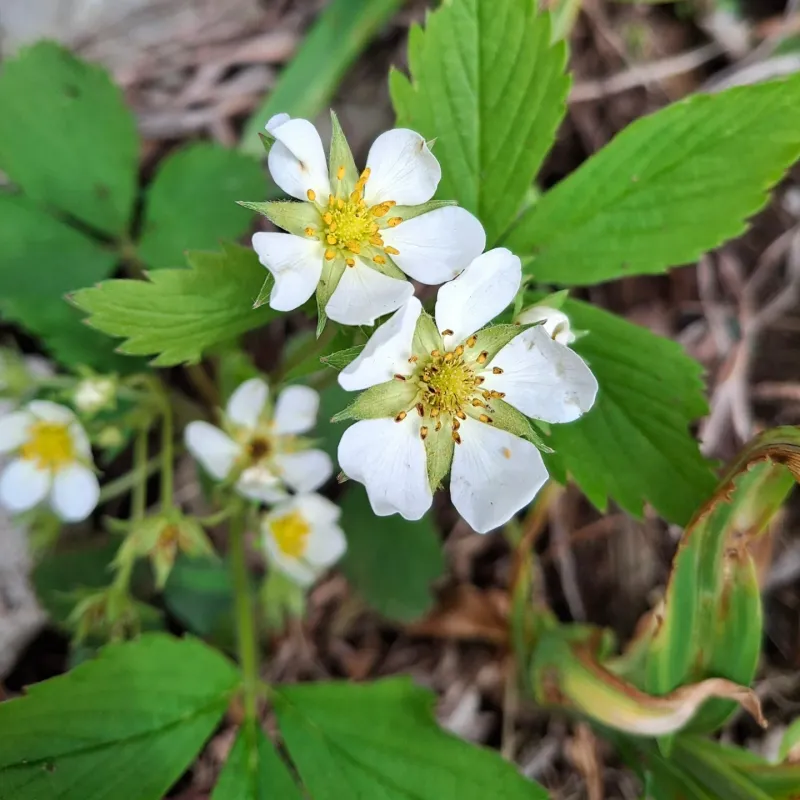
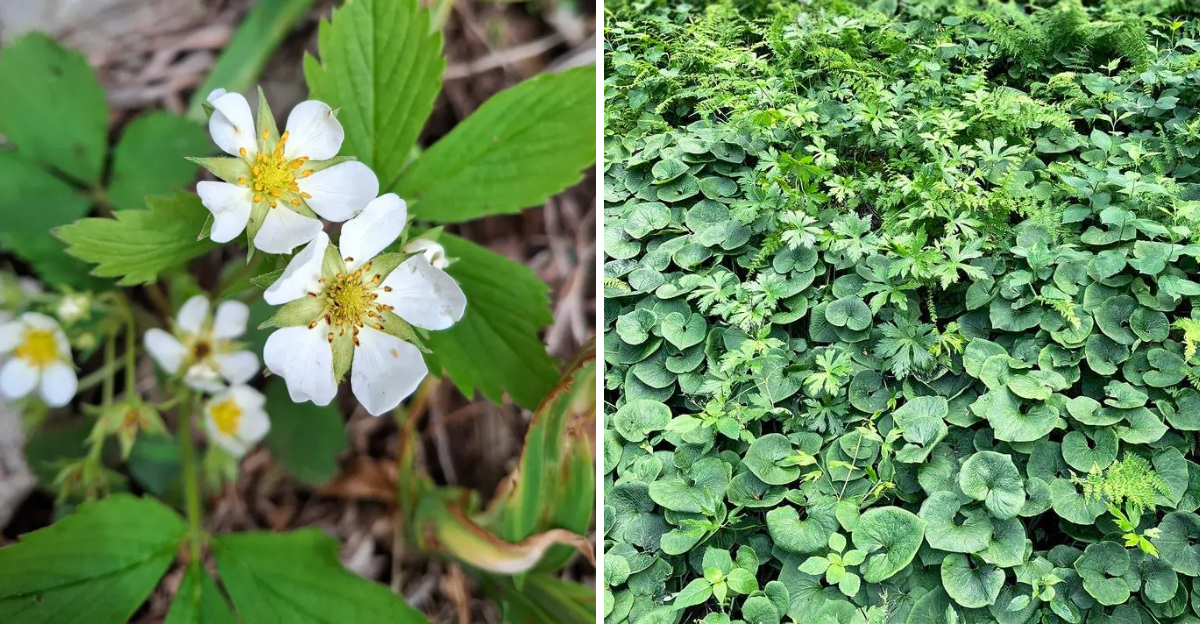
Few native plants cover ground as cheerfully as wild strawberry. On a sunny slope where mowing feels more like a workout than a chore, wild strawberry offers a low-growing, spreading mat that fills in steadily over a season or two.
It sends out runners that root as they go, stitching together a living carpet that can help hold loose or sandy soil in place.
Wild strawberry grows naturally in open meadows, woodland edges, and disturbed sites across Michigan, so it already knows how to handle the state’s cold winters and unpredictable spring weather.
It prefers full sun to light shade and does reasonably well in average to slightly dry soil. Overly wet or compacted ground can slow it down, so good drainage matters on a slope.
The small white flowers that appear in spring are a bonus, and the tiny red fruits that follow attract birds and other wildlife. For Michigan homeowners trying to naturalize a sunny bank, that kind of ecological value is hard to match.
Because wild strawberry does spread aggressively once it gets going, you may want to install edging or mow a border around the planting area to keep it from creeping into garden beds or lawn areas nearby.
Starting with plugs or nursery transplants rather than seed tends to speed things up. Mulching lightly between plants at installation helps reduce weed competition while the colony fills in.
On steeper or more erosion-prone banks, pairing wild strawberry with erosion-control fabric during establishment is worth considering.
2. Wild Ginger Carpets Shady Slopes
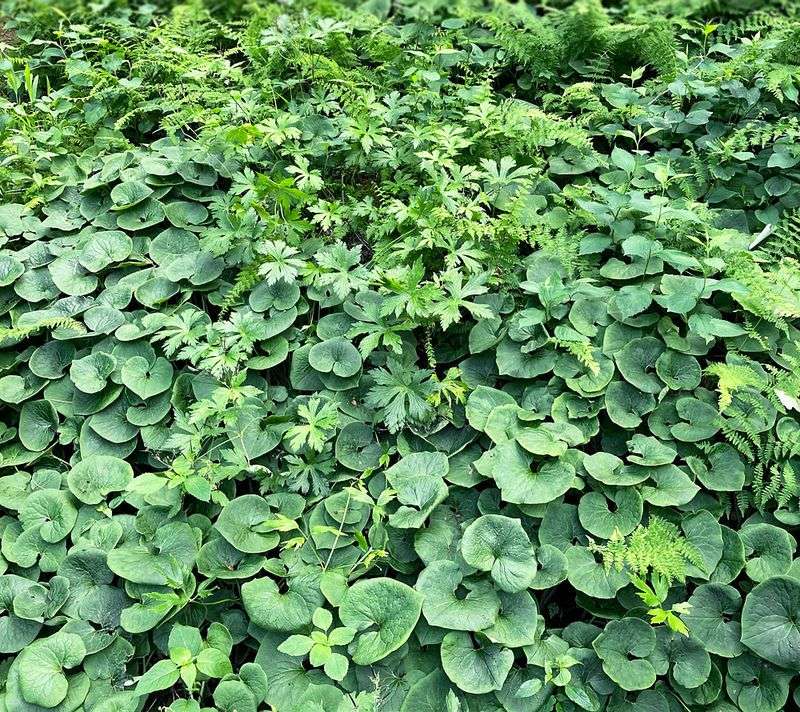
Shaded slopes can be even trickier than sunny ones. Grass rarely thrives under a tree canopy, and bare soil on a shaded bank is just as prone to washing away during spring rains as any exposed sunny hillside.
Wild ginger is one of the most reliable native ground covers for exactly this kind of situation.
The large, heart-shaped leaves overlap and form a dense, low carpet that shades out many weeds once established. Wild ginger spreads slowly by underground rhizomes, so it is not going to cover a large slope overnight.
Patience is part of the deal here. But over several years, a planting can fill in beautifully and require very little ongoing maintenance beyond occasional watering during dry stretches in the first year or two.
Your Michigan Garden Changes Every Week. Your Plan Should Too.
Gardening in Michigan changes quickly throughout the season. Every Friday you’ll receive a simple weekly plan showing exactly what to plant, prune, fertilize, harvest, and protect so you never miss the right timing.
It grows naturally in Michigan’s rich woodland understories, making it well suited to shaded slopes near mature trees. It prefers moist, well-drained, organically rich soil.
If your slope is on the drier side, amending with compost at planting time and mulching around new transplants can help improve moisture retention during establishment.
Wild ginger is not a fast fix for a badly eroding shaded slope, and steep sites may still benefit from erosion-control fabric or professional guidance while the plants settle in.
Starting with a generous number of plugs planted close together shortens the time it takes for the planting to knit together.
Its quiet, woodland character makes it one of Michigan’s most underused and underappreciated native ground covers.
3. Bearberry Handles Dry Sunny Banks
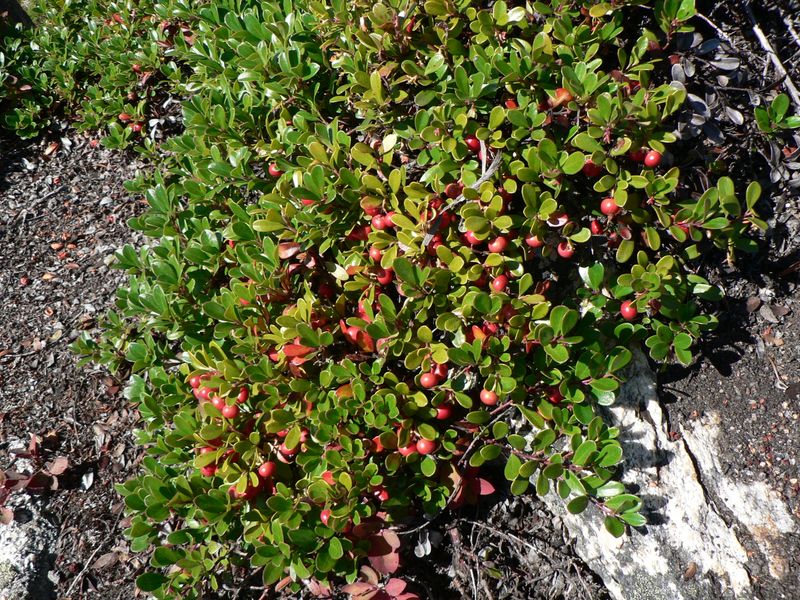
Sandy, dry, sun-baked slopes are some of the most challenging spots in a Michigan landscape. Grass struggles, weeds move in fast, and the soil can shift and erode after every heavy rain.
Bearberry is built for exactly these conditions. This low-growing, woody ground cover is native to Michigan’s sandy soils and open, exposed sites, and it handles drought and poor soil far better than most plants.
Bearberry stays low to the ground, typically reaching only about six to twelve inches in height, and its trailing stems root as they spread. Over time, it can form a dense, weed-suppressing mat that holds sandy or gravelly soil in place on a slope.
The small, glossy, evergreen leaves give it year-round appeal, and the bright red berries that appear in late summer and fall attract birds and other wildlife.
It grows best in full sun and well-drained, acidic, sandy or gravelly soil. It does not do well in heavy clay or consistently moist conditions, so site selection matters.
In Michigan, it is most at home on slopes with the kind of lean, open soil found in sandy regions of the Lower Peninsula and along lake-influenced areas.
Because bearberry grows slowly, especially in the first couple of seasons, patience and good weed control are essential. Mulching with pine bark or wood chips can help reduce weed pressure while the planting fills in.
On steeper banks, temporary erosion-control measures during establishment are a reasonable precaution worth discussing with a local extension office or landscape professional.
4. Virginia Creeper Grips The Ground As It Spreads
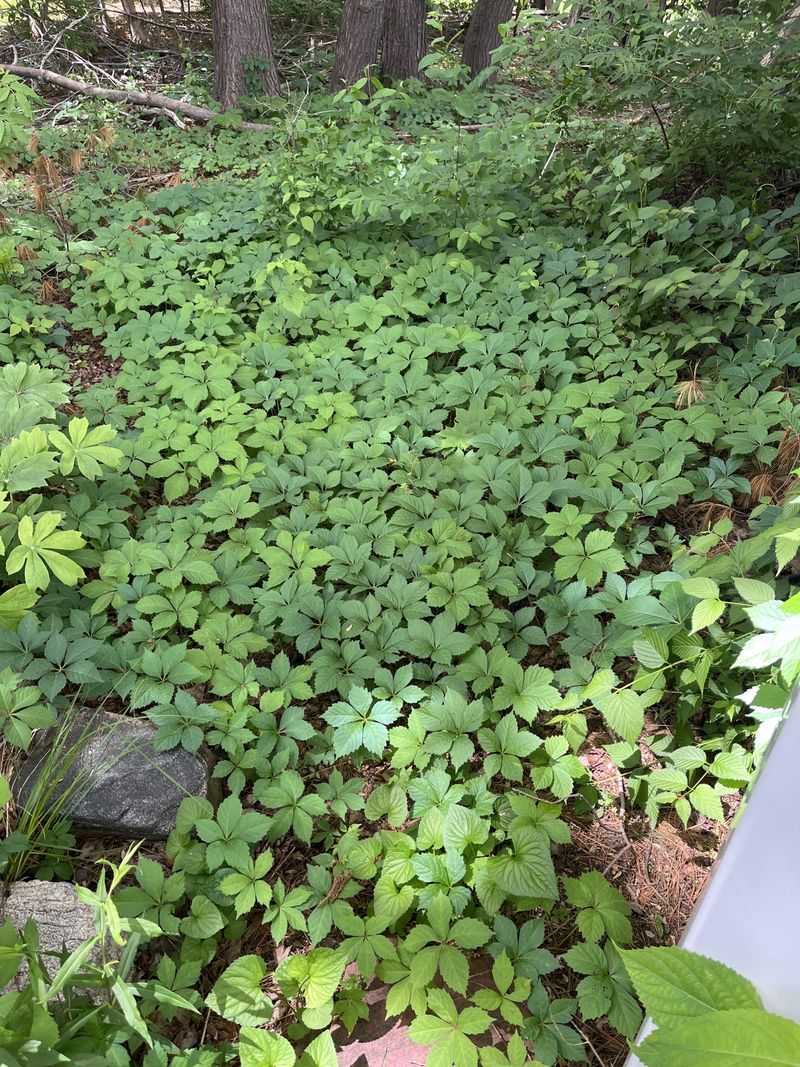
Steep banks that seem impossible to plant can sometimes meet their match with Virginia creeper.
This vigorous native vine is well known for climbing walls and fences, but on a slope it shifts roles and becomes a ground-hugging spreader that trails along the surface, rooting at nodes and covering ground quickly.
For homeowners dealing with a large, hard-to-manage bank, that kind of energy can be genuinely useful.
Virginia creeper tolerates a wide range of conditions, including sun, part shade, and even fairly deep shade. It handles Michigan’s cold winters without trouble and adapts to clay, loam, or sandy soil.
Its five-lobed leaves turn a brilliant red in fall, giving the slope a seasonal display that most ground covers cannot match.
The dark blue berries that appear in late summer provide food for birds, adding wildlife value to a naturalized slope planting.
However, the berries are not safe for people to eat, which is worth noting if children spend time in the yard.
The plant can also irritate skin in some people, so wearing gloves when planting or pruning is a sensible habit.
Virginia creeper spreads assertively, and on a slope without natural barriers it can move into neighboring areas faster than expected. Installing edging at the borders of the planting zone or mowing a clear edge around it each season helps keep it where you want it.
It is not an instant solution for serious erosion, but as part of a thoughtful slope planting plan, it can earn its place in a Michigan yard.
5. Barren Strawberry Covers Woodland Edges
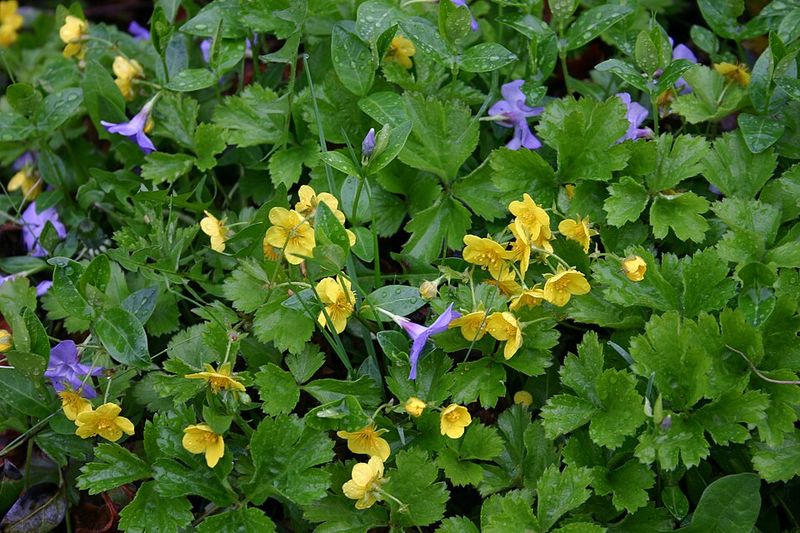
Barren strawberry fits the “ground cover” label better than many plants used in slope articles, but it still needs the right Michigan setting.
Michigan Flora lists Geum Fragarioides, also known by the older name Waldsteinia Fragarioides, in northern Michigan habitats such as open thickets, savannas, and forests, including thin soil over rock outcrops.
That makes it a sensible choice for woodland edges, lightly shaded banks, and naturalized slopes where turf is hard to manage.
It stays low, spreads gradually, and brings strawberry-like leaves with yellow spring flowers, giving a slope more life than bare soil or a plain layer of mulch.
For homeowners, the best use is usually not deep, dry shade under a dense canopy. Barren strawberry is more believable along the edge of trees, beside a wooded slope, or in open shade where it gets some filtered light.
It can help knit together small spaces over time, but it is not an instant erosion fix. On a steep slope, starter plants may need careful watering, light mulch between plugs, and protection from heavy runoff while they settle in.
It is also worth checking the botanical name when buying plants, since the native plant may be sold under either Geum Fragarioides or Waldsteinia Fragarioides. That small detail matters when the goal is a truly native planting.
6. Pennsylvania Sedge Softens Sloped Shade
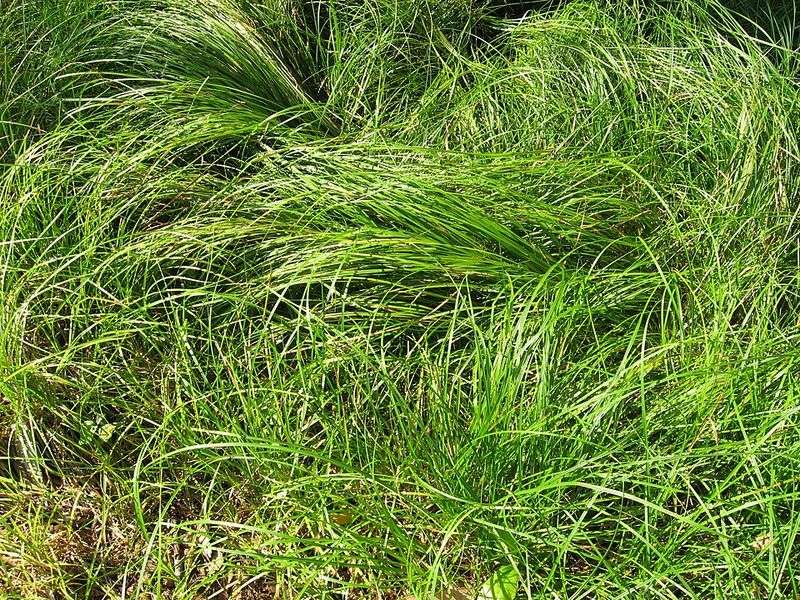
Pennsylvania sedge is a strong choice when a slope is too shady for regular turf but still needs a soft, low cover.
MSU Extension includes Carex Pensylvanica in its grasses and sedges guidance and describes native grasses and sedges as useful for improving soil health, water retention, and lower-input plantings in Michigan gardens.
University of Minnesota Extension-style guidance describes Pennsylvania sedge as a fine-textured, 6–12 inch sedge that can grow in average to dry soils, from full sun to heavy shade, and can be used as a ground cover on steep slopes and tough sites.
That makes it especially useful for sloped shade where mowing feels awkward, patchy grass struggles, and mulch keeps sliding downhill.
In a Michigan yard, Pennsylvania sedge works best when the goal is a natural, meadowy ground layer rather than a clipped lawn look. Its narrow leaves create a soft texture under trees, along shaded banks, or near woodland edges.
It spreads more gently than aggressive ground covers, so homeowners may need to plant it in groups or plugs if they want quicker coverage. On slopes, that slower pace can actually be helpful because it creates a calmer, more manageable planting.
During the first season, light mulch between plants can reduce erosion and help hold moisture without burying the sedge crowns.
Once established, Pennsylvania sedge can make a shaded slope look intentional, softer, and easier to care for than a strip of struggling grass.