These California Yard Mistakes Can Attract More Black Widows To Your Home
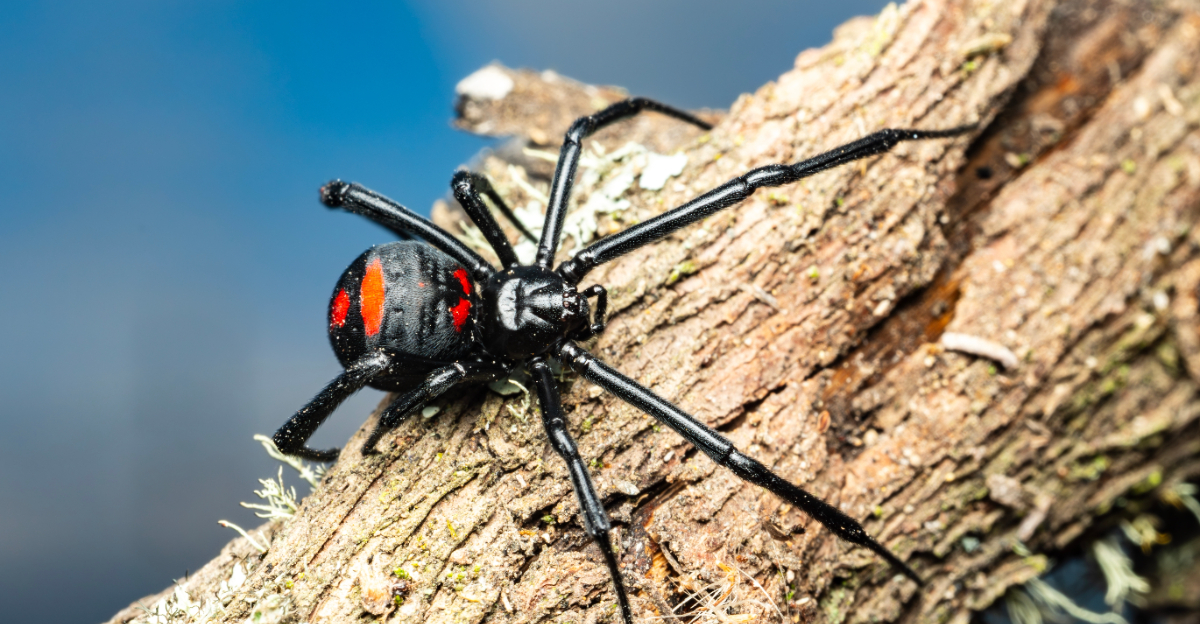
Black widows do not show up in a yard by accident. They are drawn to quiet, cluttered spaces where they can hide, build webs, and stay out of the way.
That is what makes certain California yard habits more inviting than homeowners realize.
A few stacked pots, messy wood piles, thick groundcover, or dark corners near the house can create the kind of shelter these spiders prefer.
The good news is that small changes can make your yard feel less welcoming to them without turning it bare or boring.
Clean edges, better storage, smarter plant spacing, and regular checks around outdoor furniture can all help.
Once you know which mistakes attract black widows, it becomes easier to keep your outdoor spaces safer, cleaner, and much more comfortable.
1. Yard Clutter Gives Black Widows Undisturbed Shelter
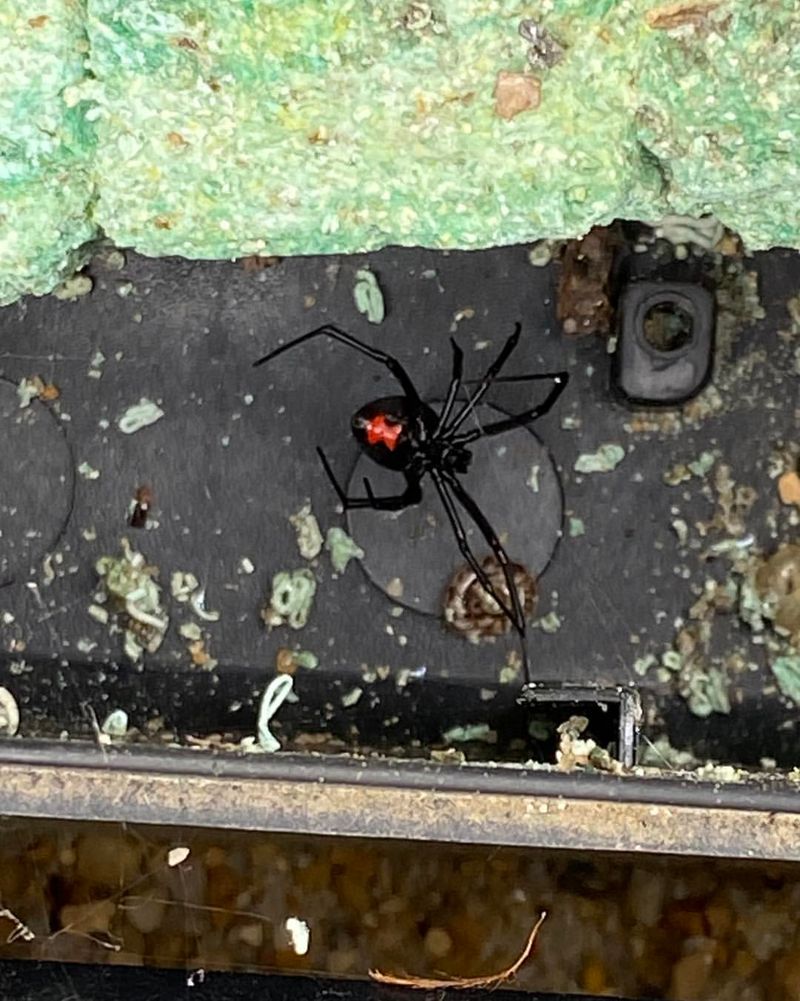
Clutter is one of the biggest favors you can do for a black widow spider. When your yard is filled with old wood scraps, unused equipment, or random piles of stuff, you are essentially building a spider hotel.
Black widows thrive in spaces where they are left alone, and a messy yard gives them exactly that.
These spiders spin irregular, tangled webs low to the ground. They tuck themselves into tight corners, under boards, and behind forgotten items.
The longer clutter sits undisturbed, the more attractive it becomes as a nesting spot.
Clearing out your yard regularly is one of the most effective things you can do. Walk through your outdoor space every few weeks and remove items you no longer use.
Stack anything you need to keep in organized piles off the ground when possible.
Wearing gloves when moving old items is a smart habit. Black widows can be hiding underneath without any visible warning.
A quick inspection before picking something up can save you from an unpleasant surprise.
Try to store yard tools in a closed shed or garage rather than leaving them outside. Open storage areas with lots of gaps and shadows are prime real estate for these spiders.
Keeping your yard neat and organized removes the sheltered hiding spots they depend on.
A tidy yard is not just about looks. It is one of the simplest and most reliable ways to make your property less welcoming to black widows throughout the year.
2. Stacked Pots And Patio Items Can Hide Webs Underneath
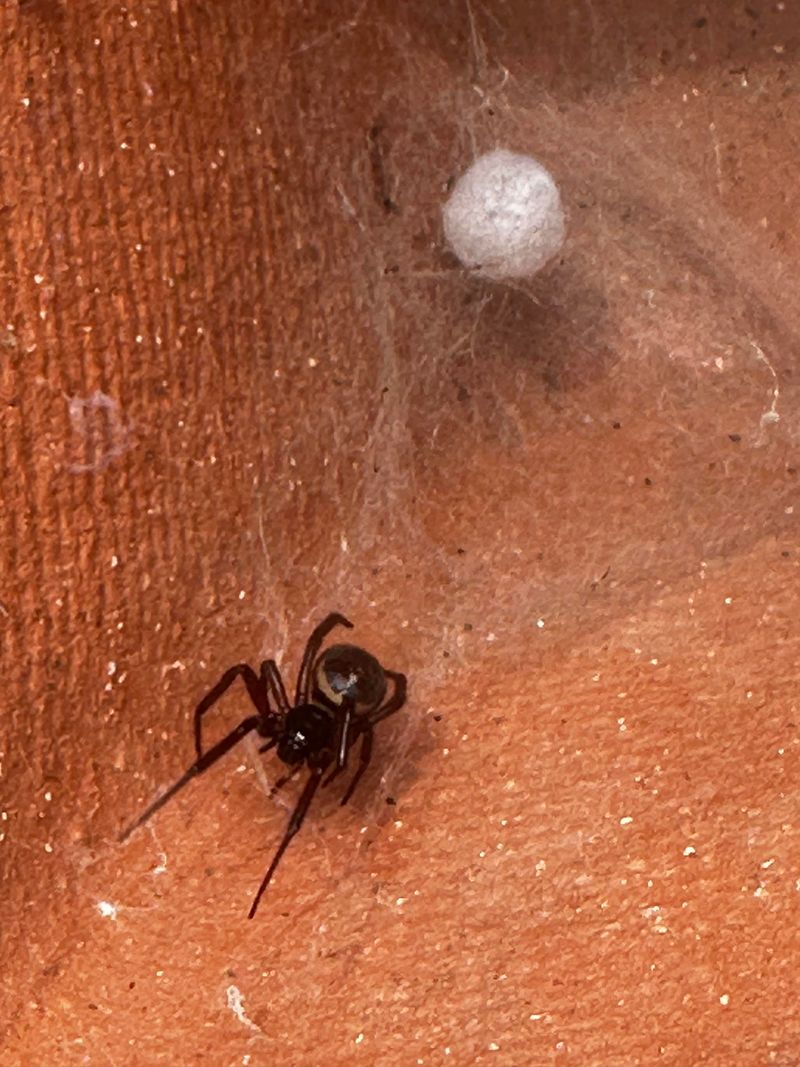
Most people never think twice about stacking their garden pots in a corner of the patio. It seems harmless enough, but those dark gaps between stacked containers are exactly the kind of sheltered spots black widows love.
They do not need much space to set up a web and start laying eggs. Patio furniture, decorative planters, and outdoor storage boxes all share the same problem.
When items are grouped together and left alone for weeks, the undisturbed spaces between them become attractive nesting zones.
Black widows are patient spiders and will happily wait in those spots for prey to wander by.
A good habit is to flip over and inspect your pots before handling them. This is especially important if they have been sitting in the same place for a long time.
Your California Garden Changes Every Week. Your Plan Should Too.
Gardening in California changes quickly throughout the season. Every Friday you’ll receive a simple weekly plan showing exactly what to plant, prune, fertilize, harvest, and protect so you never miss the right timing.
The underside of a pot rim is a favorite hiding spot for black widows in warm climates like ours.
Try not to leave pots stacked directly on the ground. Raising them on a rack or shelf makes it harder for spiders to nest underneath them undisturbed.
It also makes it easier for you to spot any webs that may have formed.
When you bring potted plants inside for the season, inspect them carefully first. A spider hiding in the soil or along the rim can easily come indoors with the plant.
Taking a few extra seconds to check can prevent a very unwelcome houseguest from moving in with you.
3. Garages And Sheds Need Regular Web Checks
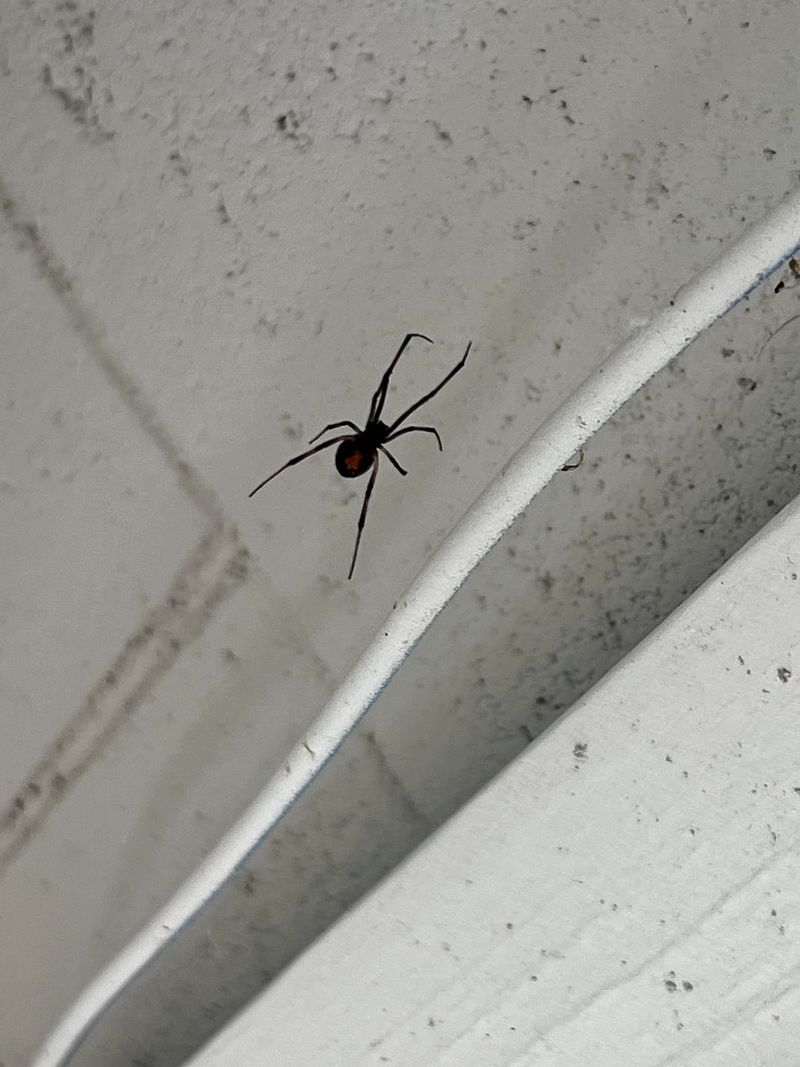
Garages and sheds might be the most overlooked black widow hot spots on any property.
These structures offer everything a black widow needs: low foot traffic, dark corners, ground-level hiding spots, and plenty of clutter to stay hidden in.
Many people go weeks or even months without disturbing certain corners of their garage.
Black widows are commonly found behind stored boxes, under shelving units, along baseboards, and in the gaps around garage door frames.
They tend to stay close to the floor, which makes their webs easy to miss if you are not actively looking for them.
Making a habit of doing a monthly web check inside your garage or shed can go a long way. Use a flashlight to look into corners and along the floor where boxes or bins are stored.
A long-handled broom can help you sweep away webs safely from a comfortable distance.
Sealing cracks and gaps in the walls, foundation, and around the door frame also helps reduce entry points. Black widows do not need a large opening to squeeze through.
Even small gaps near the base of a wall can serve as a welcome mat.
Organizing your storage so that boxes are not sitting directly on the floor is another smart move. Using sealed plastic bins instead of open cardboard boxes removes easy nesting sites.
Cardboard is particularly attractive to spiders because it holds warmth and provides cover.
A well-maintained garage is far less inviting to black widows than one that rarely gets attention.
4. Brush Piles Near Doors Bring Spiders Too Close
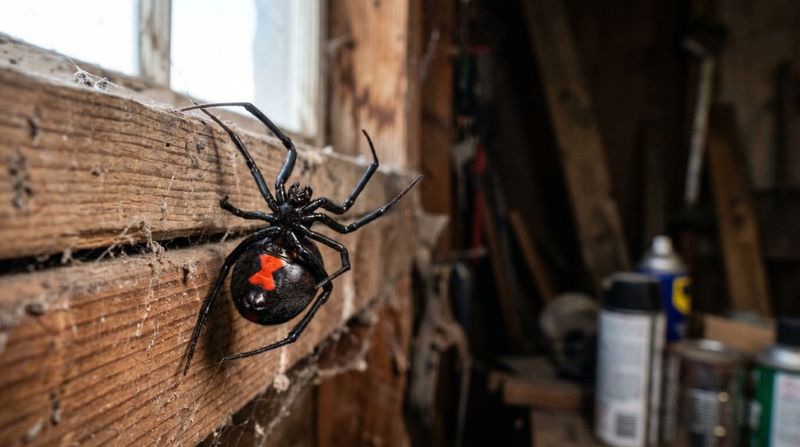
Yard work often produces a lot of leftover material: trimmed branches, pulled weeds, raked leaves, and clipped shrubs.
Many homeowners pile this debris near the house for convenience, planning to haul it away later.
But leaving brush piles close to your doors creates a direct bridge between spider habitat and your home’s entry points.
Black widows are drawn to organic debris because it attracts the insects they feed on. When prey is plentiful and shelter is nearby, they have no reason to move far.
A brush pile sitting just a few feet from your back door puts them uncomfortably close to the places you and your family walk through every day.
The fix is straightforward: move debris piles away from the house as soon as possible after yard work.
If you need to store them temporarily, place them at the far edge of your property rather than against the wall or near a doorway.
Keeping a clear zone of at least a few feet around all entry points helps reduce the risk of spiders wandering inside.
This means no plant pots, no stacked wood, and no debris piles directly next to doors or low windows.
It is also worth checking door frames and thresholds regularly. Spiders sometimes build webs right at ground level in the gap between the door and the step.
A quick look before you reach down to pick something up near the door can make a real difference in avoiding an unexpected encounter with a black widow.
5. Dense Plants Against Walls Create Protected Corners
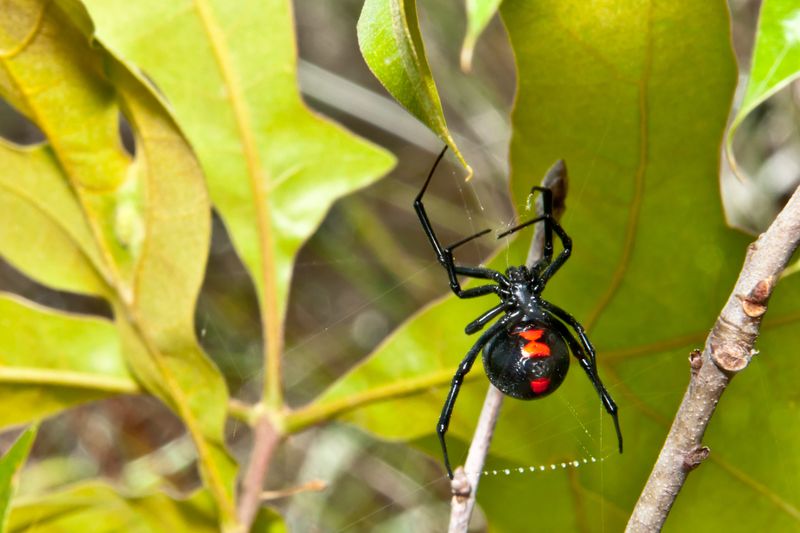
Lush, dense landscaping can make a yard look beautiful, but when plants grow thick and close against the walls of your home, they create a hidden world behind them.
That narrow, shaded gap between a dense shrub and the wall is warm, protected, and rarely disturbed. For a black widow, that sounds perfect.
Ground-covering plants, overgrown shrubs, and thick ornamental grasses planted directly against the foundation are common culprits.
They block sunlight, hold moisture, and create layers of shadowy shelter that spiders move into without hesitation.
The more tangled and dense the growth, the harder it is to spot any webs forming inside.
Trimming plants so they do not press directly against the wall makes a noticeable difference.
Aim to keep at least six inches of clear space between your plants and the exterior of your home.
That small gap allows light and air to reach the wall and removes the protected microhabitat spiders rely on.
Pruning low-hanging branches and thinning out ground cover near the foundation also helps. Spiders prefer dense, layered environments where they feel concealed.
Opening up the plant structure removes some of that cover and makes the area less appealing.
When you are doing yard maintenance near dense plantings, wear long sleeves and gloves. Black widows may be resting inside the shrubs or along the base of the plants.
Moving vegetation without protection leaves your hands and arms exposed to spiders you cannot see until it is too late.
6. Debris Piles Let Webs Go Unnoticed For Weeks
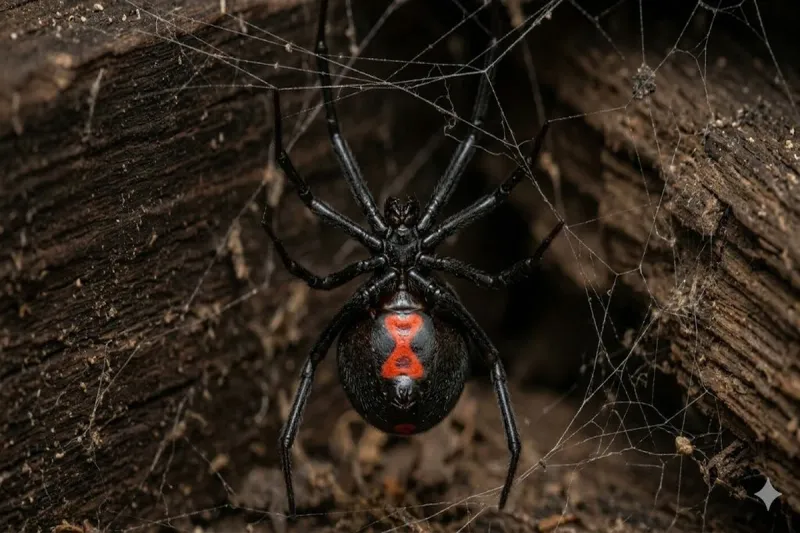
Fallen leaves, old mulch, broken branches, and general yard waste have a way of piling up quietly in corners and along fence lines.
When that debris sits untouched for weeks, it becomes a thriving ecosystem for insects and the spiders that feed on them.
Black widows are very good at taking advantage of these forgotten spaces.
What makes debris piles especially tricky is that the webs inside them are almost impossible to see. Black widow webs are not the neat, circular designs you might picture.
They are messy, irregular, and built low to the ground where they blend right into the surrounding material.
Clearing debris on a regular schedule is the most effective way to prevent these hidden webs from forming in the first place. Do not wait until the pile has been sitting for a month.
Try to remove yard waste within a few days of it accumulating, especially near the house.
Composting is a great option, but keep your compost bin away from the house and check it regularly. Compost piles attract insects, and insects attract spiders.
Placing the bin at the edge of your yard reduces the chance of spiders migrating toward your home.
When cleaning up debris, always use a rake or tool rather than your bare hands. Reaching into a pile of leaves or old mulch without protection is risky.
Black widows can be resting just beneath the surface, and disturbing their space without warning is when most accidental bites happen in home yards.
7. Meter Boxes And Irrigation Boxes Should Be Checked Carefully
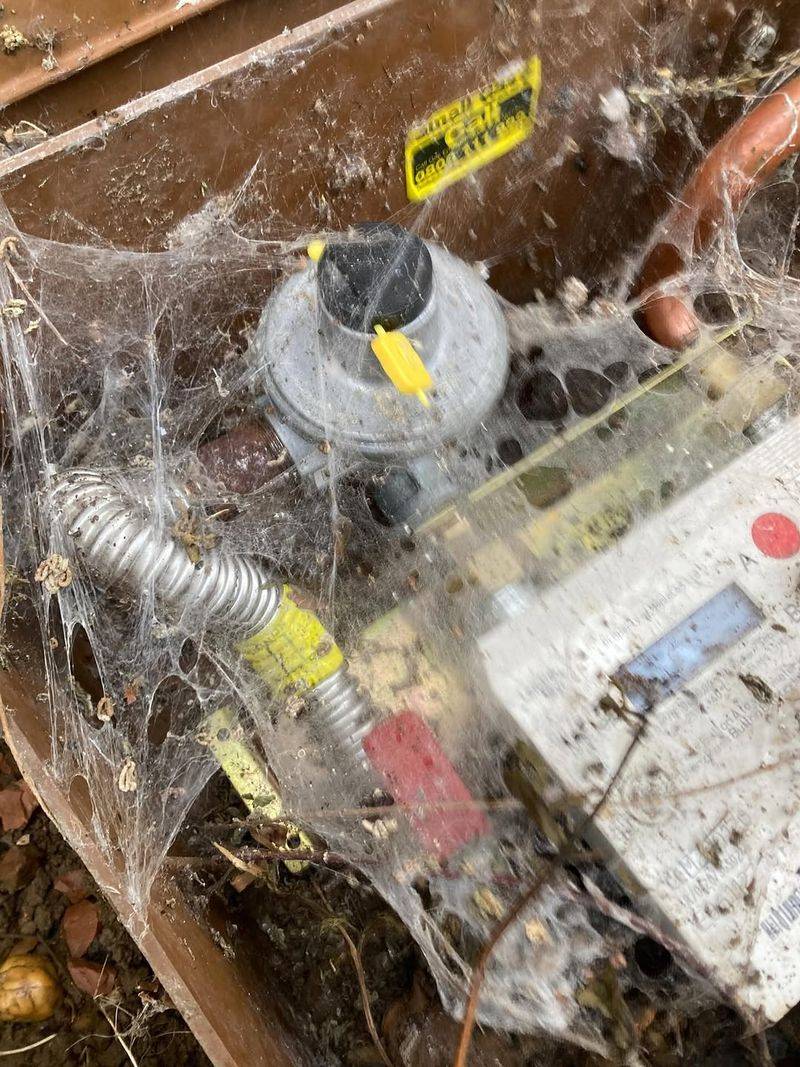
Utility boxes are one of the most commonly overlooked black widow habitats in a residential yard.
Gas meter boxes, electrical panels, and in-ground irrigation control boxes all share the same qualities that make them attractive.
They are dark, rarely opened, and completely undisturbed for long stretches of time. That combination is ideal for a black widow looking for a permanent address.
Pest control professionals in our state consistently report finding black widows inside meter boxes and irrigation valve boxes. These spiders can establish themselves inside a box and go completely unnoticed for months.
By the time someone opens the box for maintenance or a reading, the spider has had plenty of time to settle in.
Get into the habit of using a flashlight before putting your hand inside any utility box. Look along the edges, corners, and around any wiring or pipes inside.
Black widow webs have a distinctive coarse, tangled texture that feels rough and strong compared to ordinary spider silk.
If you find a web inside one of these boxes, use a long stick or tool to remove it rather than your hand. Removing the web disrupts the spider and encourages it to relocate.
Repeated web removal over time can make a box less attractive as a nesting site.
Reporting findings to your utility company is also worth doing. Many providers have protocols for dealing with spiders in their equipment boxes.
Staying aware of these often-ignored spots is one of the smartest habits a homeowner in our state can develop.