8 Things Newly Planted Ohio Shrubs Need When June Heat Arrives
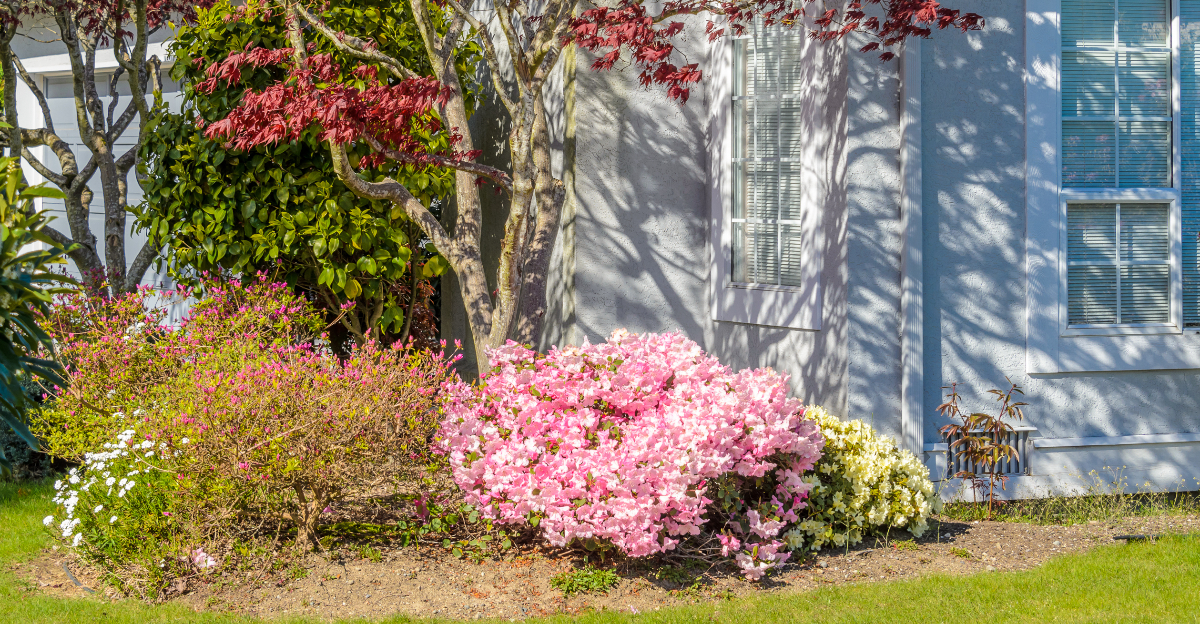
June in Ohio arrives with full confidence and starts testing everything you planted in spring.
One week, your newly planted shrubs look settled and promising. The next, they are sending signals that something is not quite right.
Most gardeners respond by doing more. More water, more fertilizer, more fussing. That instinct makes sense, but it can sometimes push a stressed shrub in the wrong direction.
What newly planted shrubs need in June heat is not always obvious. Some of the most helpful steps cost almost nothing. Some of the riskiest moves come from advice you may have heard for years.
Right now, a lot is happening underground. Roots are trying to stretch, settle, and keep up with what the leaves are losing above the soil.
The decisions you make over the next few weeks can shape how those shrubs look by September. So before you reach for the hose, fertilizer bag, or pruning shears, here’s what your shrubs need right now instead.
1. Deep, Consistent Watering
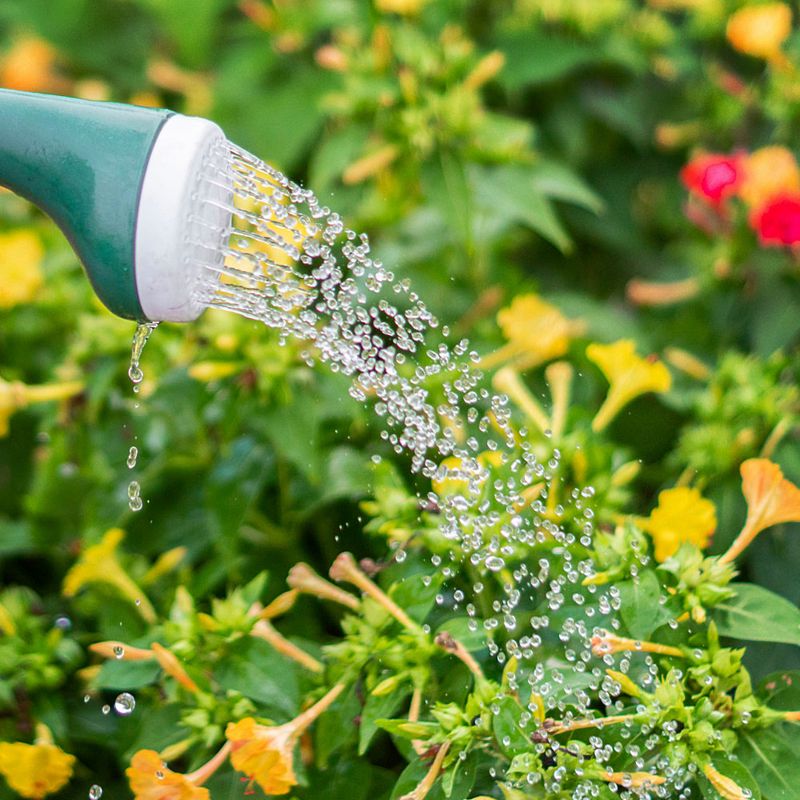
New shrubs may look settled above ground, but below the soil, the story is still developing. Their roots are usually much smaller than the plant’s top growth. That matters when June heat arrives in Ohio.
The leaves are losing moisture every day. The roots are still trying to stretch into the surrounding soil. That mismatch can make a shrub wilt fast, even if you watered it recently.
A quick splash from the hose rarely solves the problem. It may wet the surface but leave the deeper root zone dry. Deep watering is the better move.
Let water soak slowly into the soil around the shrub. A gentle hose trickle near the base for twenty to thirty minutes can work well.
Soaker hoses or drip lines can also help because they deliver moisture slowly. The goal is to moisten the soil several inches down, not just shine up the top layer.
Check before watering. Push your finger about two inches into the soil near the root ball. If it feels dry, the shrub may need water. If it still feels moist, wait and check again later. This small check keeps you from guessing.
Ohio weather can make watering tricky. A storm may pass nearby and skip your yard completely. A weather app might say rain happened, while your soil says otherwise. A simple rain gauge can help you know what your garden actually received.
New shrubs often need about an inch of water per week. During hot, dry stretches, they may need more. But too much water can also create trouble, especially in heavy soil.
Roots need moisture and air. Soggy soil can crowd out oxygen and make establishment harder. The best rhythm is steady, deep, and thoughtful.
This works like a slow refill for the root zone. The shrub gets moisture where it matters, and you avoid the drama of daily surface sprinkling.
2. Mulching For Moisture And Root Protection
Mulch may look simple, but it does a lot for a newly planted shrub. In June, that matters.
Your Ohio Garden Changes Every Week. Your Plan Should Too.
Gardening in Ohio changes quickly throughout the season. Every Friday you’ll receive a simple weekly plan showing exactly what to plant, prune, fertilize, harvest, and protect so you never miss the right timing.
Ohio sun can warm the soil quickly. Wind can dry the surface. A few hot days can pull moisture away faster than new roots can chase it. Mulch helps slow that down.
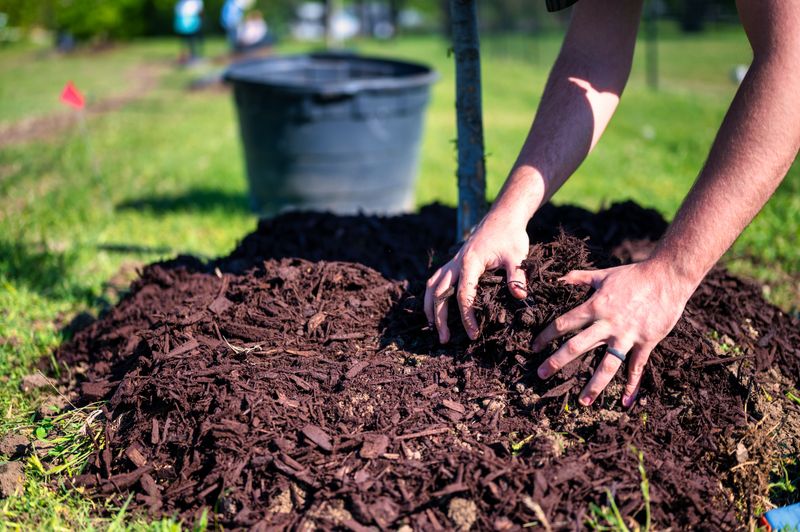
A two-to-three-inch layer of organic mulch can shade the soil, reduce evaporation, and soften temperature swings. That gives the root zone a more comfortable place to settle.
Use shredded bark, wood chips, leaf compost, or another organic mulch that fits your bed. Spread it in a wide circle around the shrub. If possible, extend it toward the drip line, where outer roots will eventually grow.
A tiny ring around the stem does not help as much as a wider protected area. But mulch placement matters.
Do not pile it against the trunk or stems. That can hold moisture too close to the bark and invite problems. Leave a clear gap of a few inches around the base. The shape should look more like a donut than a volcano.
Depth matters too. More is not always better. A thick pile can block air movement and hold too much moisture near the surface. Two to three inches is usually enough for most new shrubs.
If you mulched in spring, check the layer again in June. Rain, wind, settling, and decomposition can make it thinner than you remember. Refresh bare or thin patches before the hottest weeks settle in.
Mulch also reduces weed competition. That helps because weeds can steal moisture from a shrub that is still trying to establish.
You still need to water. Mulch is not a replacement for irrigation. It simply helps your watering last longer.
This gives the shrub a calmer root zone during a noisy weather month. It keeps the soil cooler, steadier, and less quick to dry.
A good mulch ring is a small chore with a big root-zone payoff. That is mulch appreciated in June.
3. Shade Cloth And Temporary Sun Protection
Some newly planted shrubs are not ready for full June sun. They may be planted in the right spot long-term.
But right now, their roots are still limited. Their leaves may be losing moisture faster than the roots can replace it. That is when afternoon sun can feel like too much.
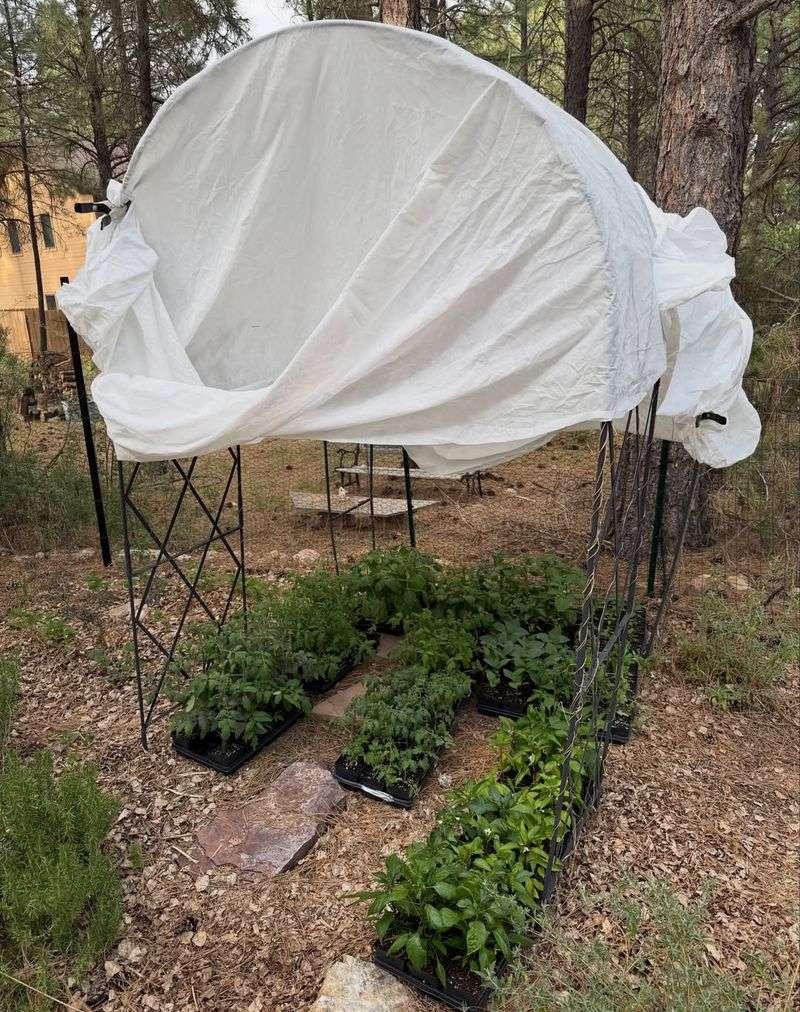
Temporary shade can help bridge the gap. Shade cloth is one useful option. It filters the strongest light without making the shrub sit in darkness.
A cloth rated around thirty to fifty percent shade can reduce stress during the hottest part of the day. You do not need an elaborate setup.
Use stakes, bamboo poles, tomato cages, or a simple frame to hold the cloth above the shrub. Keep it from pressing directly on the leaves. Air should still move around the plant. The goal is filtered relief, not a stuffy tent.
Focus on afternoon protection. Morning sun is usually gentler. The hottest stretch often arrives later, when leaves and soil are already warm. Even a few hours of shade during heat waves can help new shrubs look less strained.
Remove or open the covering in the evening if airflow seems limited. Good air movement matters, especially during humid Ohio weather.
This is not usually a permanent solution. Most shrubs only need short-term help while roots expand into the surrounding soil.
Watch for signs of adjustment. If the plant starts pushing healthy new growth and wilting decreases, it may be ready for less protection.
You can also use nearby patio umbrellas, lawn chairs, or temporary screens in a pinch. Gardeners get creative when the thermometer climbs.
Just avoid plastic sheeting in direct contact with foliage. It can trap heat and make the situation worse.
This works like a temporary sun break while the shrub settles in. It buys time without changing the planting plan. For a new shrub facing a fierce June afternoon, a little shade can be a real leaf-saver.
4. Avoiding Fertilizer During Peak Heat

Feeding a struggling shrub feels helpful. But in June heat, fertilizer can be the wrong kind of encouragement.
New shrubs are focused on root establishment. They need to spread roots into the surrounding soil before they can support much new top growth.
A strong fertilizer push, especially one high in nitrogen, can encourage leafy growth the roots are not ready to support. That extra growth uses water. During hot weather, that can increase stress instead of easing it.
So resist the fertilizer fix when heat is the main issue. If the shrub was planted in decent soil and watered well, it may not need feeding right away.
Most new shrubs can spend their first season settling in rather than racing upward. Patience often helps more than a quick product.
If you suspect a real nutrient problem, look closely before acting. Is the soil dry? Is the plant getting harsh afternoon sun? Was it planted too deeply? Those issues can look like “hunger,” but fertilizer will not solve them.
A soil test can be useful before adding anything major. It tells you what the soil actually needs instead of making you guess.
If feeding is truly needed, wait for a cooler stretch. Use a gentle, slow-release, balanced product and follow the label carefully. Less is usually safer during the first growing season.
Avoid quick liquid feeds during heat waves. They can push growth too fast and may also stress tender roots if overapplied.
Compost can be a softer way to support the soil. A light topdressing around the mulch ring can improve the bed over time without forcing a sudden growth spurt.
This gives the shrub room to settle before asking it to perform. June is for root building, not speed growing. That is where restraint becomes smart shrub care.
5. Recognizing And Responding To Transplant Shock
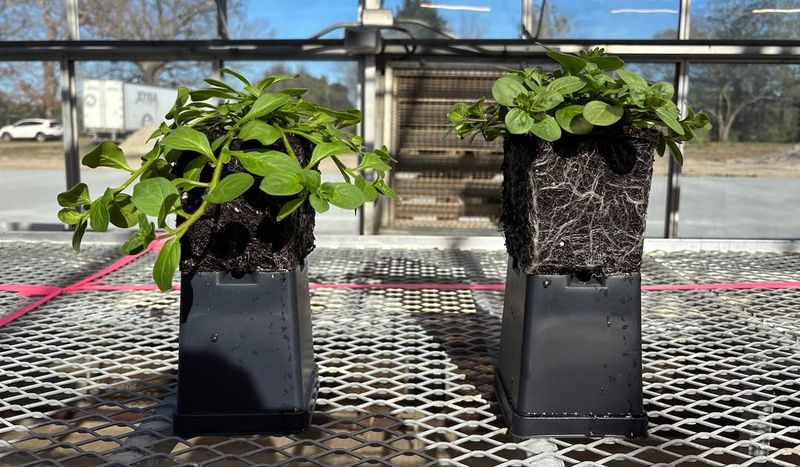
A newly planted shrub can have a rough adjustment period. Different soil. New light. Changed moisture. Roots that were disturbed during planting.
Then June heat arrives and makes everything feel more intense. That is when transplant shock may show up.
The signs can include wilting, yellowing leaves, leaf drop, slow growth, or a general “not quite right” look.
It can be frustrating because the plant may have looked fine just days earlier. Before you assume the worst, check the basics.
Start with soil moisture. Push your finger into the soil near the root ball and just outside it. Sometimes the surrounding soil is moist while the root ball is dry. Sometimes the root ball stays wet while the surrounding soil dries. Both situations can stress a new shrub.
Water slowly if the root zone is dry. Make sure moisture is reaching the original root ball and the nearby soil. That helps roots move outward. If the soil is already wet, pause. More water may not help.
Next, look at sun exposure. A shrub planted in full afternoon sun may need temporary shade while it adjusts. This is especially true during heat waves.
Avoid moving the shrub again unless the location is clearly unsuitable. Another relocation can add more stress.
Also avoid heavy pruning. A stressed shrub still needs healthy leaves to make energy. Remove broken or badly affected pieces if needed, but do not reshape the whole plant.
Give it time. Many shrubs need several weeks of steady care before they look settled again. Watch for new buds, firmer leaves, or small signs of fresh growth. Those are encouraging clues.
This is where your role becomes part gardener, part detective. The plant is giving signals. Your job is to respond gently, not overcorrect.
A calm routine of moisture checks, mulch, and temporary heat relief can help the shrub find its footing. That is transplant shock handled with less panic and more patience.
6. Smart Pruning Timing and Technique
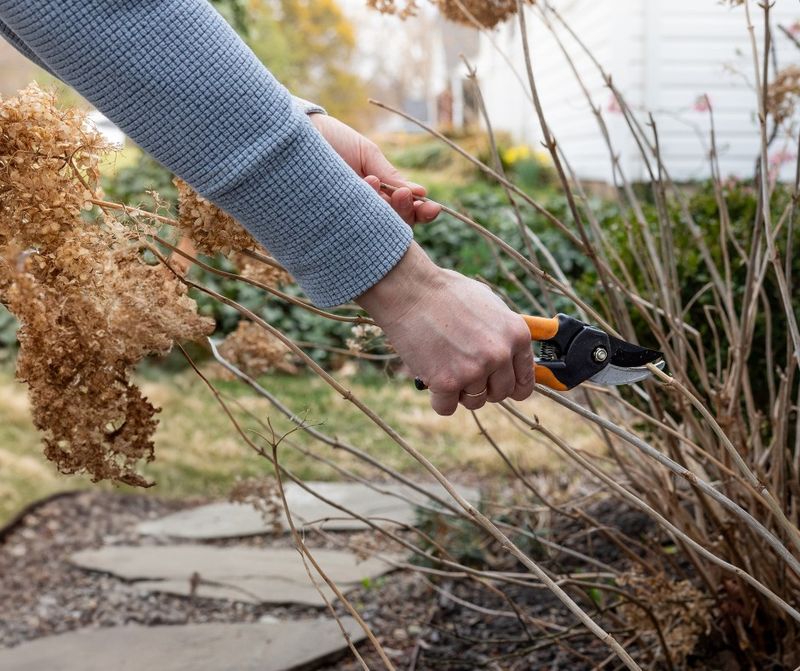
Pruning can feel productive when a new shrub looks stressed. You see drooping leaves or uneven branches. The pruners start calling your name. But June is not usually the time for a big shaping session.
New shrubs need their leaves. Every healthy leaf helps make energy, and that energy supports root growth.
Remove too many leaves too soon, and you may slow the very process the plant needs most. Keep pruning minimal during hot weather.
Remove broken branches, crossing stems that are rubbing badly, or growth with clear disease symptoms. Leave healthy foliage in place, even if the shrub looks a little awkward for now.
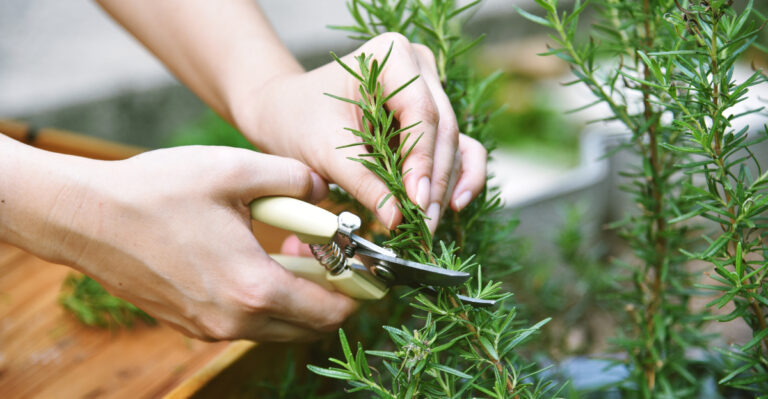
When you do prune, use clean, sharp tools. Dull blades crush stems instead of making clean cuts. That can make recovery harder for the plant.
Wipe pruners between plants, especially if you are removing questionable growth. A little rubbing alcohol on the blades can help reduce the chance of spreading problems.
Make cuts just above a bud, branch, or natural junction. Avoid leaving long stubs. Also avoid cutting too close to the trunk or main stem.
Early morning is often a better time for small pruning tasks in summer. Temperatures are cooler, and the plant is not dealing with peak afternoon stress.
Save major shaping for a better season. Late winter or early spring is often a more suitable time for many shrubs, depending on type and bloom timing.
Flowering shrubs may need special timing. Some bloom on old wood, while others bloom on new growth. If you are unsure, look up the shrub’s bloom habit before making larger cuts.
A careful snip here and there is fine. A heavy haircut in June can be too much. For new shrubs, smart pruning is mostly about knowing when to put the pruners down.
7. Soil Moisture Monitoring With Simple Tools
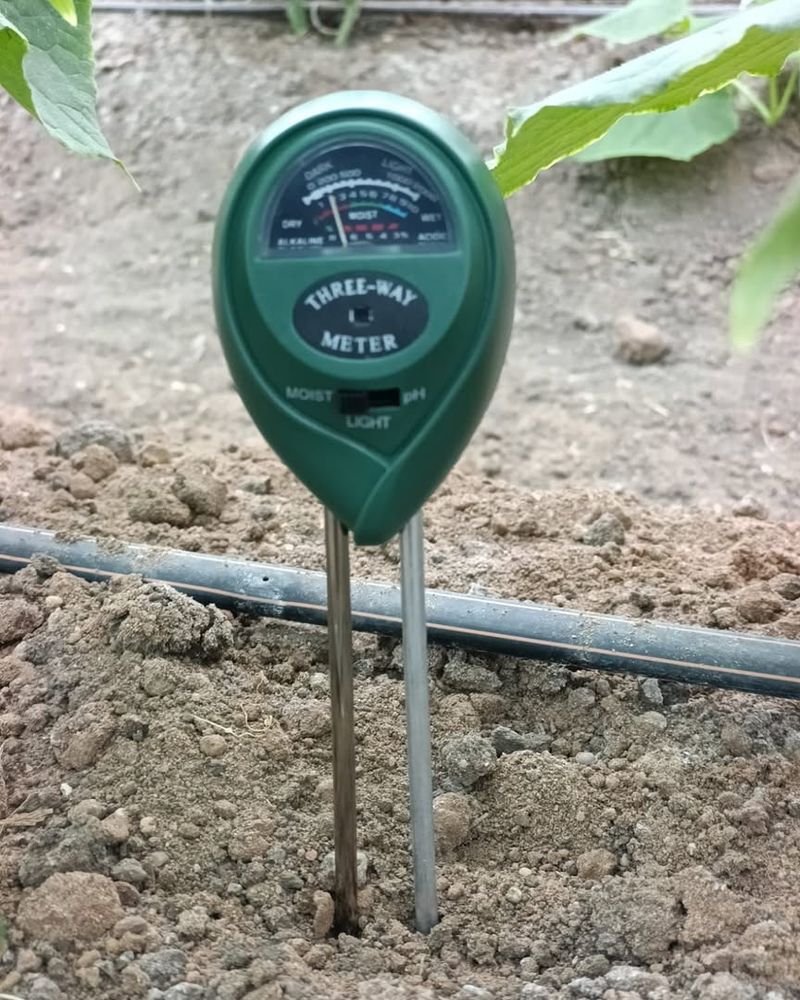
Guessing soil moisture can lead you in circles. New shrubs do not need guesses. They need a clearer read. These simple tools can help.
A soil moisture meter is inexpensive and easy to use. Push the probe into the soil near the root zone, usually several inches deep. The dial gives you a quick idea of whether the area is dry, moist, or wet.
Use it in more than one spot. Check near the original root ball and just outside it. New plantings can dry unevenly, especially if the potting mix differs from your garden soil.
The goal is moist, not saturated. If the meter reads wet for days, hold off and check drainage. If it reads dry soon after watering, you may need to water more slowly.
Water can run off compacted soil or slide around a dry root ball. Slower watering usually helps moisture soak in more evenly.
You can also use a low-tech method. Push a wooden dowel or long screwdriver into the soil. Pull it out and check what comes with it. Cool, darker soil clinging to the tool suggests moisture. Dry, dusty soil suggests the shrub may need water.
Your finger works too for shallow checks, but tools help you reach deeper.
A rain gauge is another useful helper. Ohio storms can be patchy. One neighborhood gets a soaking while another gets almost nothing.
A gauge tells you what your yard actually received. This gives you better decisions with less second-guessing.
Moisture monitoring may not look exciting, but it can prevent both overwatering and underwatering. That is a pretty good “soil-ution” for June shrub care.
8. Choosing The Right Watering Schedule For Ohio’s June Weather
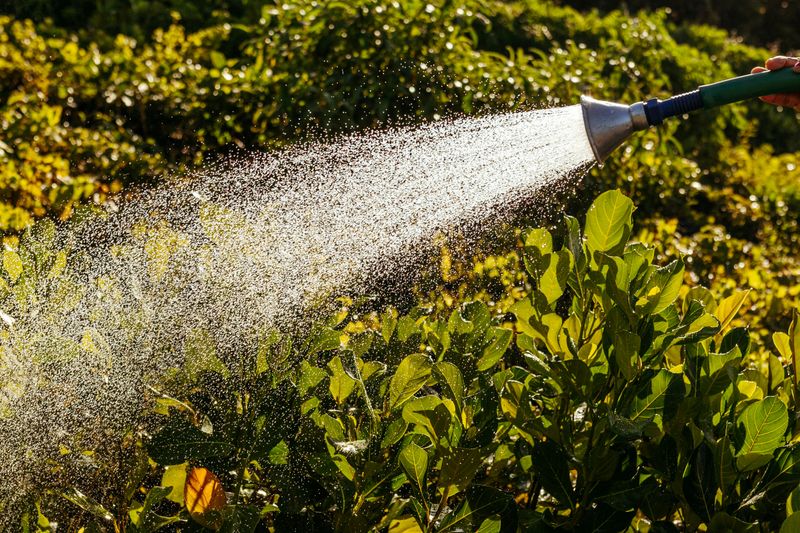
Watering time matters more than many gardeners realize. In Ohio’s June heat, the same amount of water can help more or less depending on when you apply it.
Morning is usually the best window. The soil gets moisture before the hottest part of the day. Leaves that get splashed have time to dry. The shrub starts the day with a better moisture reserve.
If mornings are not possible, early evening can work as a backup. Just try to keep water focused on the soil, not the foliage. Wet leaves sitting overnight can invite leaf problems, especially during humid weather.
Midday watering is usually less efficient. More water can evaporate before it reaches the root zone. Hot sun and wet foliage can also be a rough combination for tender leaves. A watering schedule should still be flexible.
Do not water only because the calendar says so. Check the soil first. A shrub in clay soil may stay moist longer than one in sandy or loose soil. A shrub in full sun may dry faster than one with afternoon shade.
Heat waves change the rules too. When temperatures stay high for several days, check new shrubs daily. They may not need water every day, but they need attention. The soil will tell you what is happening.
Rainfall can be misleading. A quick storm may wet the leaves and barely reach the roots. A slow soaking rain may cover the week’s needs.
Water deeply when needed. Then give the soil time to breathe before watering again. This gives new shrubs a steady rhythm instead of random rescue drinks.
A good schedule is not rigid. It responds to heat, rain, soil, and the plant’s signals. That is how June watering becomes less of a chore and more of a smart summer routine.