9 Ground Covers That Hold Up To Foot Traffic On New Jersey Garden Paths
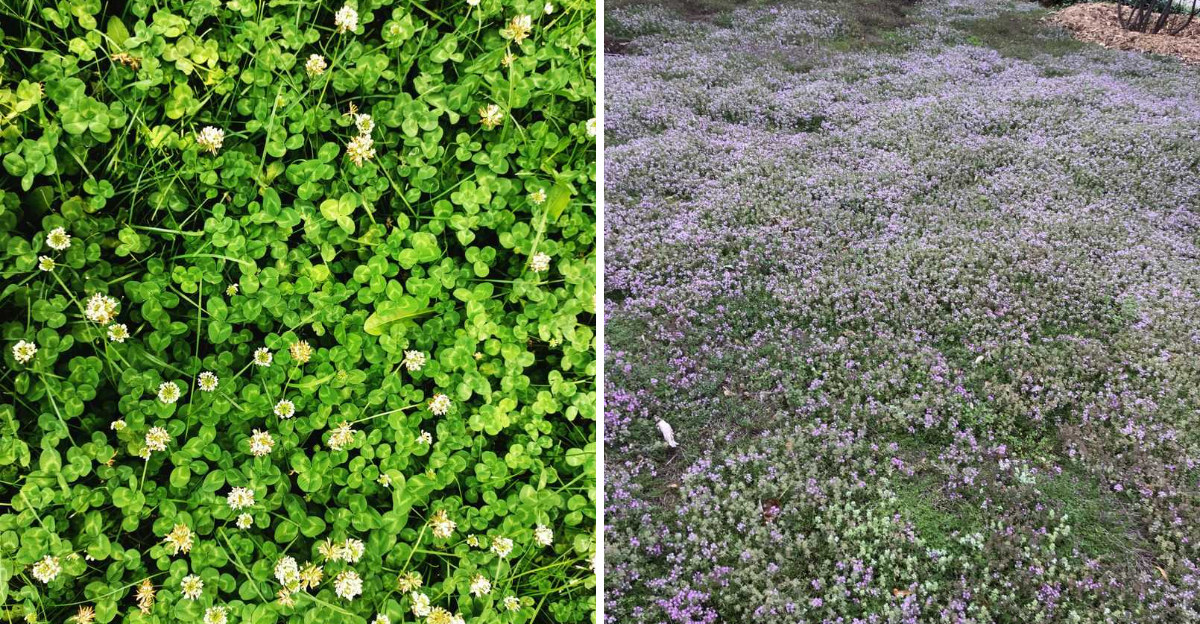
Your garden path takes a beating. Kids cut across it, dogs race over it, and you walk it every single day. If it looks rough by midsummer, the plants doing the work just aren’t right for the job.
The good news: New Jersey gardeners have plenty of options that hold up to real foot traffic without turning into a muddy mess or a patchy disaster.
From the sandy soils of the Pine Barrens to the clay-heavy yards of Bergen County, the right ground cover can make a path look intentional instead of just worn.
These plants stay low, spread steadily, and come back strong year after year. Some even smell great when you step on them.
Your path is about to get a serious upgrade !
1. Irish Moss
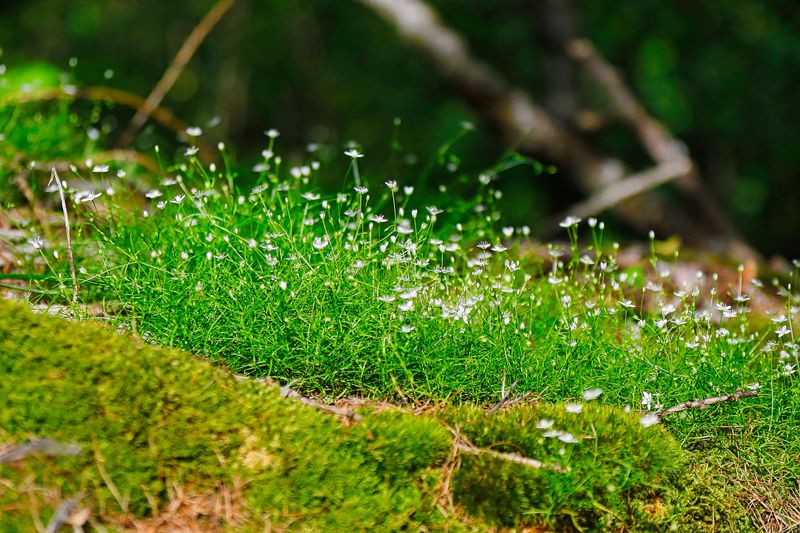
Soft as a cushion and green as a shamrock, Irish moss gives every garden path a clean, polished look. It forms a tight, velvety mat that feels almost luxurious underfoot.
This plant handles moderate foot traffic with ease, compressing slightly when stepped on and then bouncing right back to shape. That resilience makes it a smart pick for lightly used paths and patio edges.
Irish moss prefers partial shade and consistently moist soil, which suits many shaded New Jersey backyards perfectly. It stays evergreen through mild winters, keeping your path looking tidy even in the off-season.
Tiny white flowers appear in spring, adding a delicate charm to the dense green mat. The blooms are small but numerous, giving the whole plant a delicate, frosted appearance for a few weeks each year.
Planting is simple. Space plugs about six inches apart and water regularly until established. After that, Irish moss largely takes care of itself with minimal input from you.
Irish moss also works well as a filler between stepping stones, where its dense growth gradually crowds out weeds without spreading aggressively into surrounding beds. Once it settles in, it holds its shape season after season.
Pairing it with Scotch moss creates a two-tone effect that adds visual interest to even the simplest path design. The contrast between deep green and chartreuse is subtle but striking in the right light.
For shaded spots where other ground covers struggle, this plant steps up and delivers exactly what a beautiful path needs.
2. Scotch Moss

Imagine a path edged in gold. Scotch moss brings a warm, chartreuse glow to garden walkways that makes the whole yard feel brighter and more alive on even an overcast day.
Like its Irish cousin, Scotch moss forms a dense, cushiony mat that tolerates light to moderate foot traffic. The difference is color. Where Irish moss stays deep green, Scotch moss glows yellow-green, creating a striking contrast alongside darker plants or stone.
It grows best in full sun to partial shade and prefers soil that drains well but stays slightly moist. In New Jersey summers, a little extra watering during heat waves keeps it looking its best.
This ground cover stays low, typically under an inch tall, which means it never obscures the stepping stones or path edges you want to highlight. It defines a path without competing with it.
Your New Jersey Garden Changes Every Week. Your Plan Should Too.
Gardening in New Jersey changes quickly throughout the season. Every Friday you’ll receive a simple weekly plan showing exactly what to plant, prune, fertilize, harvest, and protect so you never miss the right timing.
Scotch moss spreads at a manageable pace and rarely causes problems with neighboring plants. A little trimming around the edges once or twice a season keeps things looking sharp.
Scotch moss also holds up reasonably well through New Jersey winters. It may brown slightly in hard freezes but bounces back quickly once temperatures rise in early spring, keeping your path from looking bare during the colder months.
3. Corsican Mint

The smallest mint you have ever seen packs the biggest punch. Corsican mint grows barely a quarter inch tall, spreading between pavers and stones like a fragrant green film that smells of fresh peppermint with every step.
This plant is a conversation starter. Guests always stop and ask what that incredible scent is, and you get to smile and point down at the ground beneath their feet.
Foot traffic actually works in Corsican mint’s favor. Light stepping releases the oils in its leaves, intensifying the fragrance. For a sensory garden path, nothing else comes close to matching that experience.
It thrives in partial shade with regular moisture, making it a strong candidate for paths that run alongside fences or under trees. Full scorching sun can stress it, so pick placement carefully in hotter parts of the yard.
Corsican mint spreads slowly and stays tidy, rarely requiring any trimming or management. It fills gaps between pavers gradually without ever taking over surrounding beds.
Plant it where you walk most often. The reward is a garden path that engages all your senses, not just your eyes, every single morning you step outside.
4. Creeping Thyme
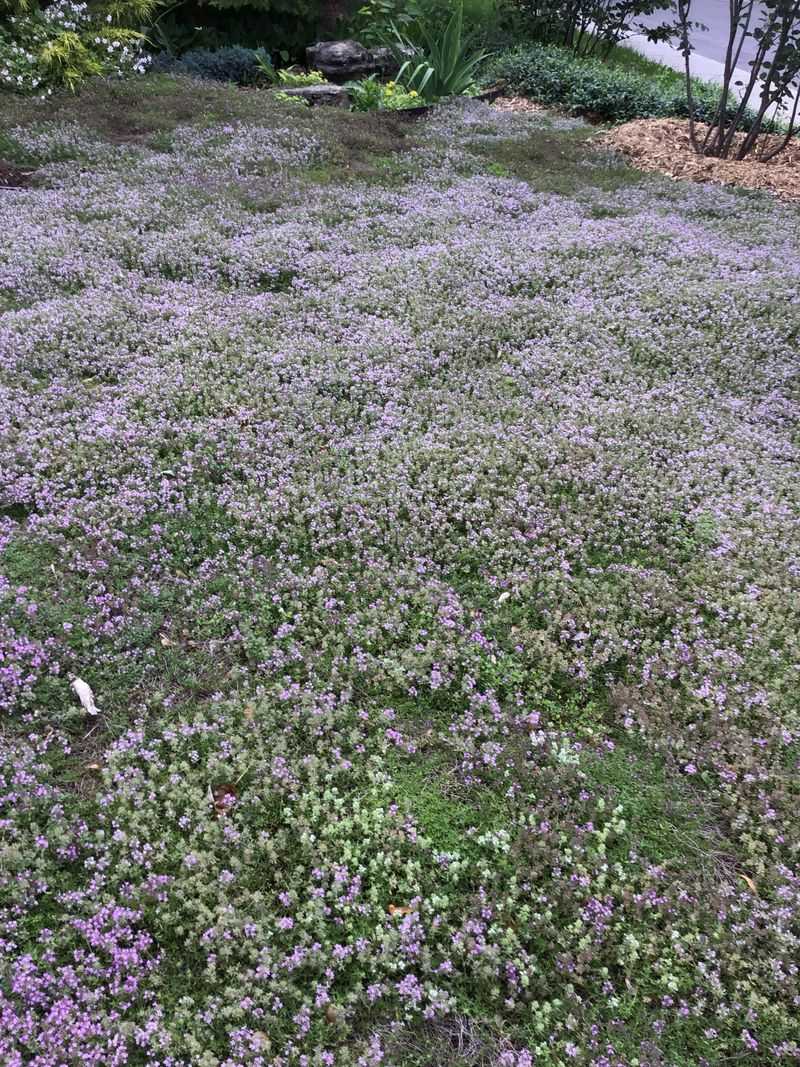
Step on it and it smells like your kitchen. Creeping thyme is one of the most rewarding ground covers you can plant along a garden path, releasing a warm herbal scent every time a foot brushes over it.
This low-growing plant stays tight to the ground, rarely reaching more than three inches tall. It handles foot traffic surprisingly well, bouncing back after being stepped on without much fuss.
In New Jersey gardens, creeping thyme thrives in full sun and well-drained soil. It blooms in shades of pink and purple each summer, drawing pollinators throughout the season.
Plant it between stepping stones or along path edges where grass struggles to grow. Once established, it needs almost no watering and handles dry spells without issue.
Creeping thyme spreads slowly but steadily, filling gaps without becoming invasive. It handles cold winters well and comes back strong each spring without any coaxing from you.
If you want a path that looks polished and smells incredible, this plant earns its spot every single season.
5. Blue Star Creeper
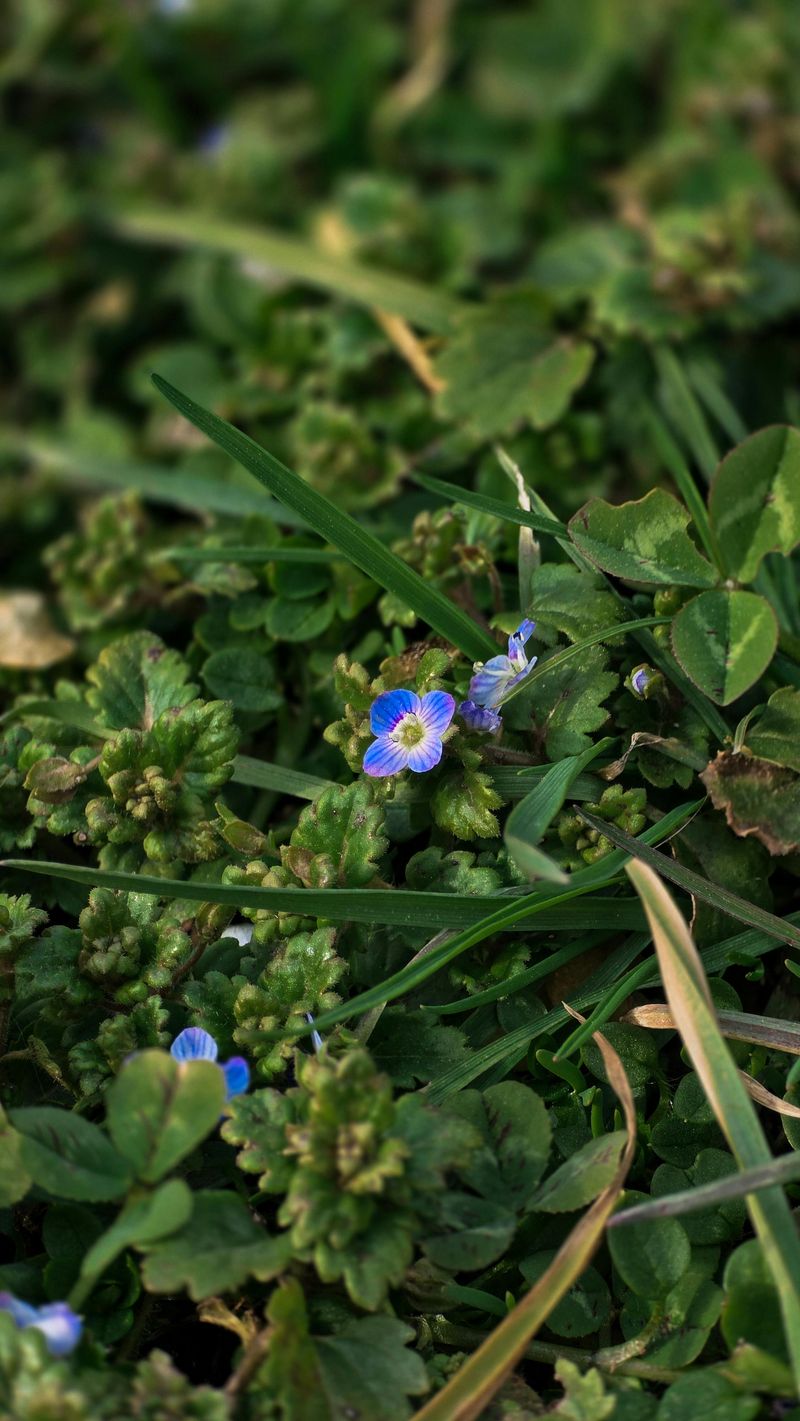
Tiny blue stars scattered across a sea of green. Blue Star Creeper earns its name every spring when it erupts into a constellation of small sky-blue flowers that make any path look far more interesting.
Beyond its good looks, this plant is genuinely tough. It handles regular foot traffic better than many delicate-looking ground covers, spreading flat against the soil and recovering quickly after being walked on.
Blue Star Creeper prefers full sun to partial shade and adapts well to the varied conditions found across New Jersey gardens. It tolerates clay-heavy soils better than most low-growing plants, which is a real advantage in many suburban yards.
The plant spreads at a moderate rate, filling in gaps between stepping stones within a season or two of planting. Once established, it forms a dense mat that suppresses weeds without the need for much mulch or maintenance.
Watering needs are moderate. A good soak once or twice a week during dry spells keeps it healthy and blooming. Cutting back lightly after the first bloom often encourages a second flush of flowers.
Ground covers that look this good while taking a beating are rare, and Blue Star Creeper delivers both without compromise.
6. Brass Buttons
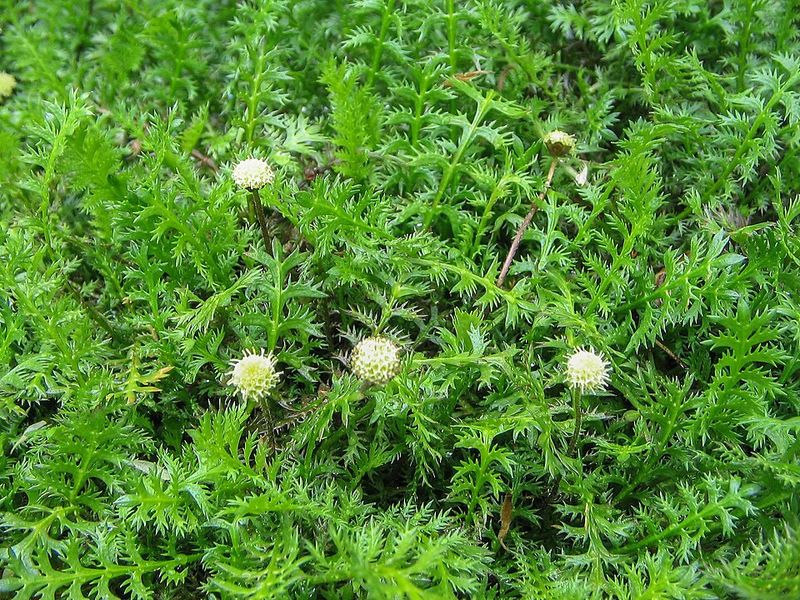
Small, bronze, and built tough. Brass Buttons is one of those ground covers that earns its place on a high-traffic path without making any fuss about it.
This low-growing plant spreads into a dense, ferny mat that stays close to the ground. It rarely exceeds an inch in height.
The finely textured foliage looks elegant between stepping stones and along path edges. In cooler months, the leaves turn deep bronze when most other plants have faded.
Foot traffic is handled without complaint. Brass Buttons compresses under pressure and rebounds quickly, maintaining a tidy, even surface on frequently used paths. It knits together firmly enough to suppress weeds without becoming aggressive or invasive.
It grows best in full sun to partial shade and prefers consistently moist, well-drained soil. In New Jersey, that makes it a strong candidate for paths that receive morning sun and afternoon shade, a common condition in many suburban backyards.
Brass Buttons spreads at a moderate pace, filling gaps steadily over one to two seasons. Once established, it needs very little attention. Water during dry spells, trim any stray runners, and the plant largely manages itself.
For gardeners who want something a little different from the usual thyme or moss, Brass Buttons delivers texture, color, and real durability in equal measure.
7. Mazus
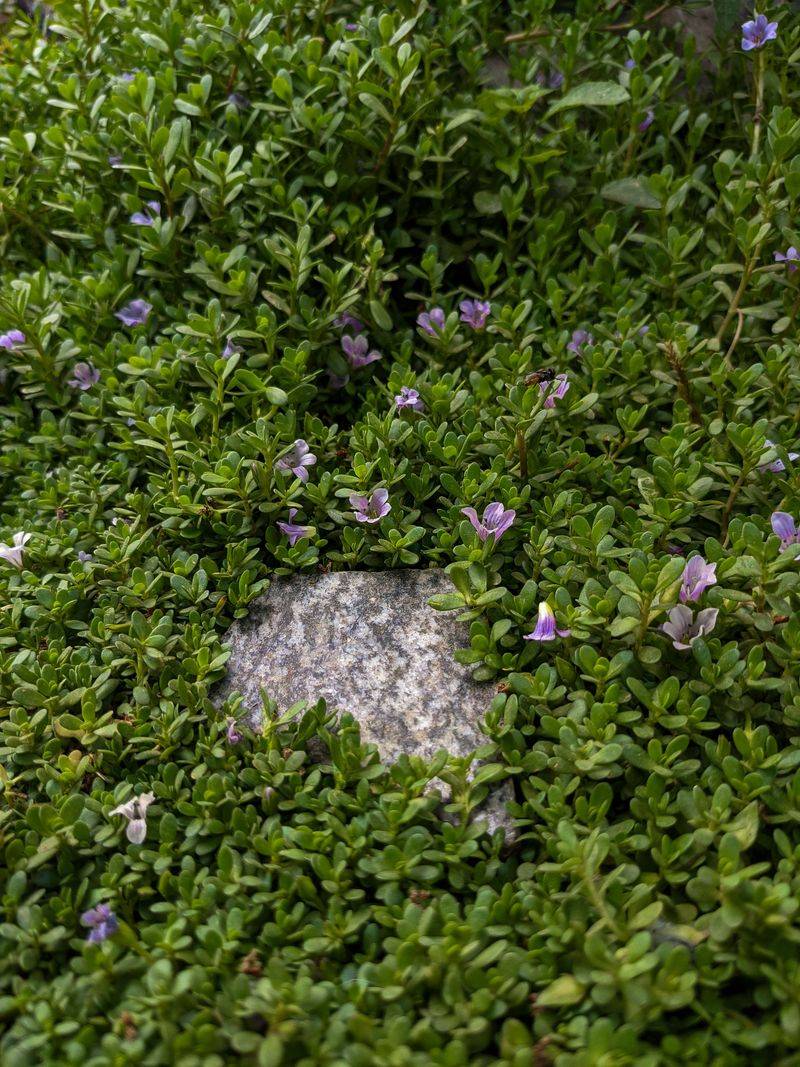
Purple flowers popping between stone pavers is a sight worth slowing down for. Mazus reptans produces a cheerful flush of small blooms each spring that transforms an ordinary path into something genuinely eye-catching.
What makes Mazus special for high-traffic areas is its toughness. It tolerates being stepped on regularly, bouncing back with minimal damage and continuing to spread steadily throughout the growing season.
This ground cover grows well in full sun to partial shade and handles a range of soil types, including the heavier clay soils common across many parts of the state. Good drainage helps, but Mazus is more forgiving than most.
It stays extremely low, barely reaching half an inch in height, which means it nestles perfectly between stepping stones without ever looking overgrown or untidy. The plant does the work of filling gaps so you do not have to.
Mazus spreads by creeping stems that root as they go, slowly knitting together into a dense, weed-suppressing mat. Once established, it requires very little attention beyond occasional watering during dry stretches.
For gardeners who want a path that handles foot traffic and still looks like it belongs in a botanical garden, Mazus checks every box.
8. Sedum
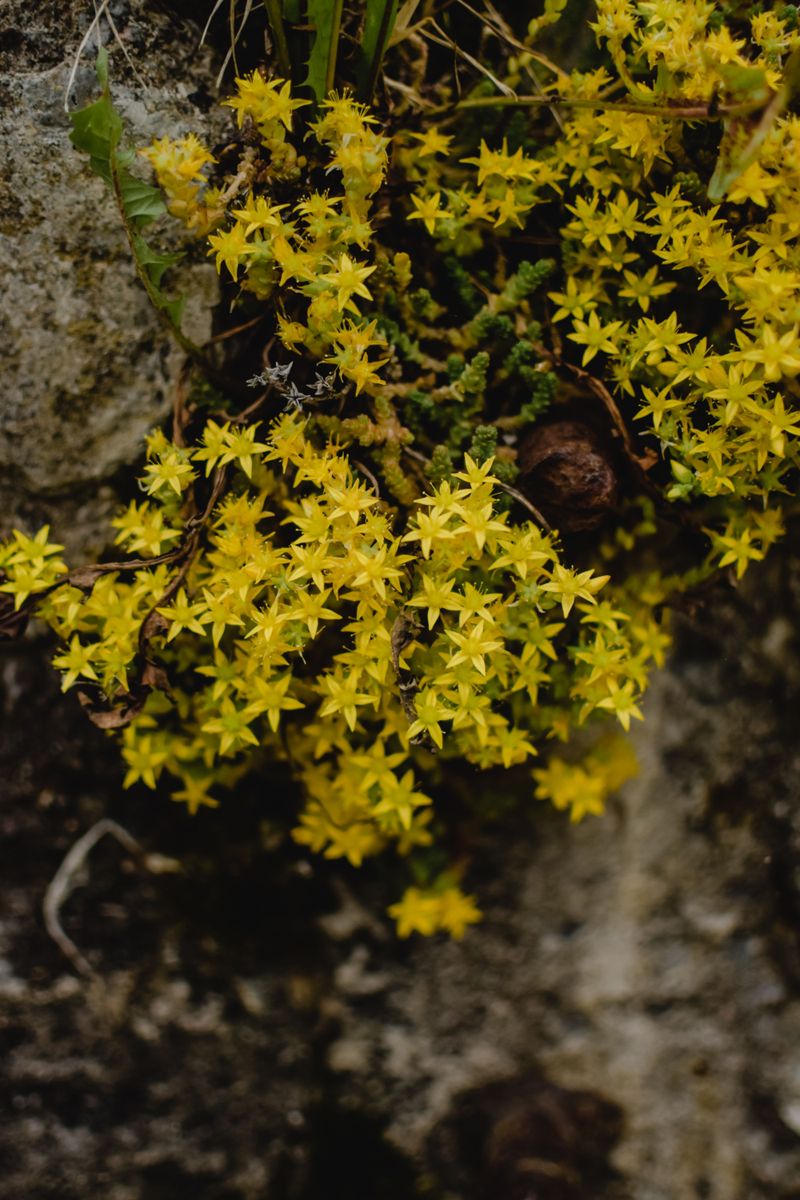
Built for tough love. Sedum thrives with minimal care, in poor soil and blazing sun, making it one of the most reliable options for sunny, well-drained garden paths in New Jersey.
Low-growing varieties like Sedum acre and Sedum spurium spread flat and dense between stones with minimal care. Their succulent leaves store water, so dry spells are rarely a problem.
Foot traffic compresses them briefly, but they spring back within hours. Few ground covers recover that fast.
The plant does best in full sun and lean, well-drained soil. Adding compost or fertilizing heavily can actually work against it, encouraging floppy, weak growth instead of the tight, compact habit you want on a path.
Sedum blooms in late summer, producing clusters of small yellow or pink flowers that attract bees and add seasonal interest to the path. The foliage often takes on reddish tones in fall, giving you a second round of color.
Sedum is also a strong choice for slopes and uneven ground along path edges. The spreading stems root as they go, stabilizing loose soil without any extra effort on your part.
For gardeners dealing with rocky or sandy patches where other plants struggle, Sedum fills those gaps reliably. It asks for little and delivers a lot, season after season.
Low maintenance, high performance, and genuinely attractive. Sedum earns every inch of space it covers.
9. Micro Clover
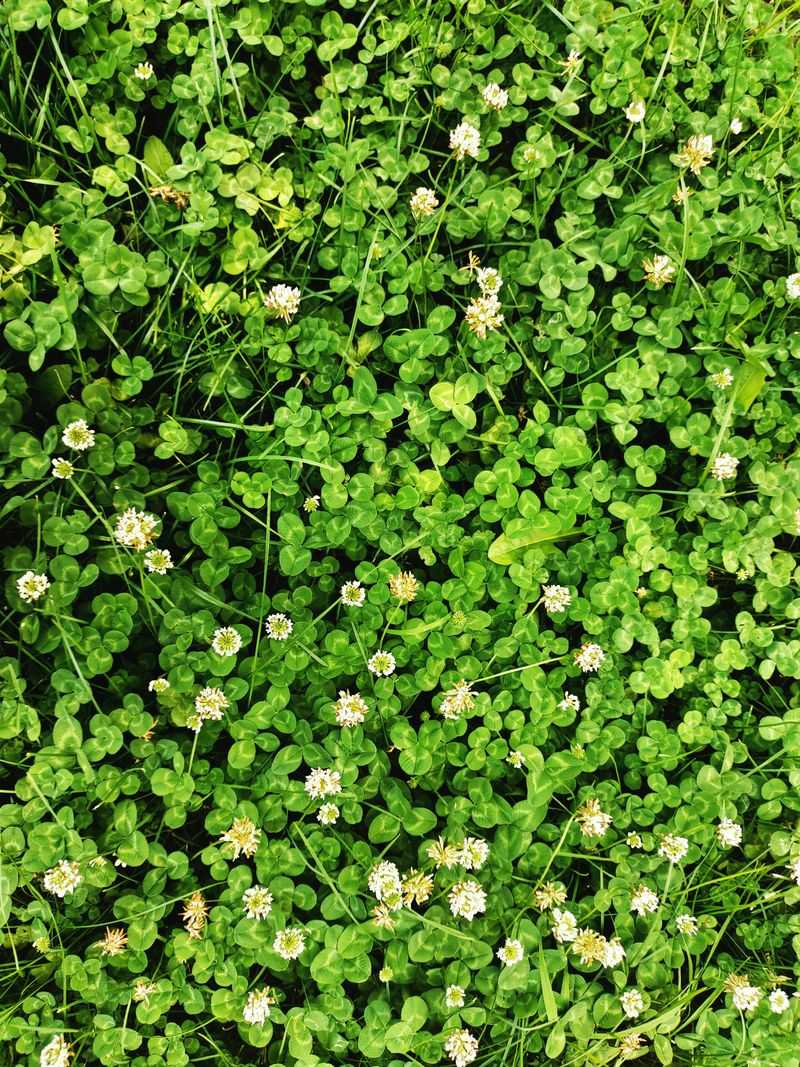
Image Credit: © Andy Chi / Pexels
Forget everything you thought you knew about clover being a weed. Micro clover is a refined, miniature version of white clover that creates a dense, soft green mat built to handle serious foot traffic without skipping a beat.
It grows about half the size of regular clover, staying low and tight to the ground. That compact habit makes it ideal for garden paths where you need coverage without bulk crowding out the edges of your stones.
Micro clover fixes nitrogen in the soil naturally, feeding itself and improving soil health over time. Regular fertilizing is rarely needed, which simplifies your garden routine and keeps maintenance costs low throughout the year.
It tolerates full sun and partial shade, adapts to a range of soil types, and handles New Jersey’s humid summers without much complaint. Drought resistance improves once the plant is well established after its first full season.
The tiny white flowers that appear occasionally attract pollinators, adding quiet ecological value to your path. If you prefer a cleaner look, a quick mow keeps blooms in check without harming the plant.
For ground covers that hold up to foot traffic on garden paths and give back to the soil at the same time, micro clover is the smartest choice you can make.