The Tomato Watering Mistakes That Can Ruin A California Harvest
Tomatoes can look strong one day and stressed the next. California heat makes that shift even faster, especially when watering turns into a guessing game.
Many gardeners think the problem is not watering enough, but the real mistake is often less obvious. A rushed splash at the surface can leave roots thirsty while the soil looks damp on top.
Then the plant struggles right when it should be setting fruit, filling tomatoes, and staying steady through hot afternoons. Water too often in the wrong way, and the roots may stay shallow.
Wait too long, and the plant can swing between stress and recovery. That back and forth can affect the whole harvest.
Once you understand the watering habit that causes the most trouble, it becomes much easier to grow tomatoes that stay healthier and produce better all season.
1. Inconsistent Watering Stresses Tomatoes Fast
Few things knock a tomato plant off track faster than a watering schedule that changes every few days. Tomatoes are creatures of habit.
When they get water one day and nothing for the next four, their roots start to panic, and that panic shows up all over the plant.
Wilting leaves are usually the first sign. Then you might notice yellowing, stunted growth, or flowers that drop before they ever become fruit.
None of those things happen overnight, but they all trace back to the same problem: uneven water supply.
Roots need consistent moisture to pull nutrients from the soil. When the soil swings between soaking wet and bone dry, the plant cannot absorb calcium and other minerals properly.
That leads to problems like blossom-end rot and poor fruit development.
Setting a watering schedule and sticking to it makes a huge difference. Most tomatoes in warm climates need water every two to three days during the growing season.
During heat waves, that number can drop to daily watering.
A simple way to check if your plant needs water is to stick your finger about two inches into the soil near the base. If it feels dry at that depth, it is time to water.
If it still feels moist, wait another day and check again. Consistency truly is everything when it comes to healthy tomatoes.
2. Dry Soil Can Trigger Blossom-End Rot
Blossom-end rot is one of the most discouraging things a tomato grower can find in the garden.
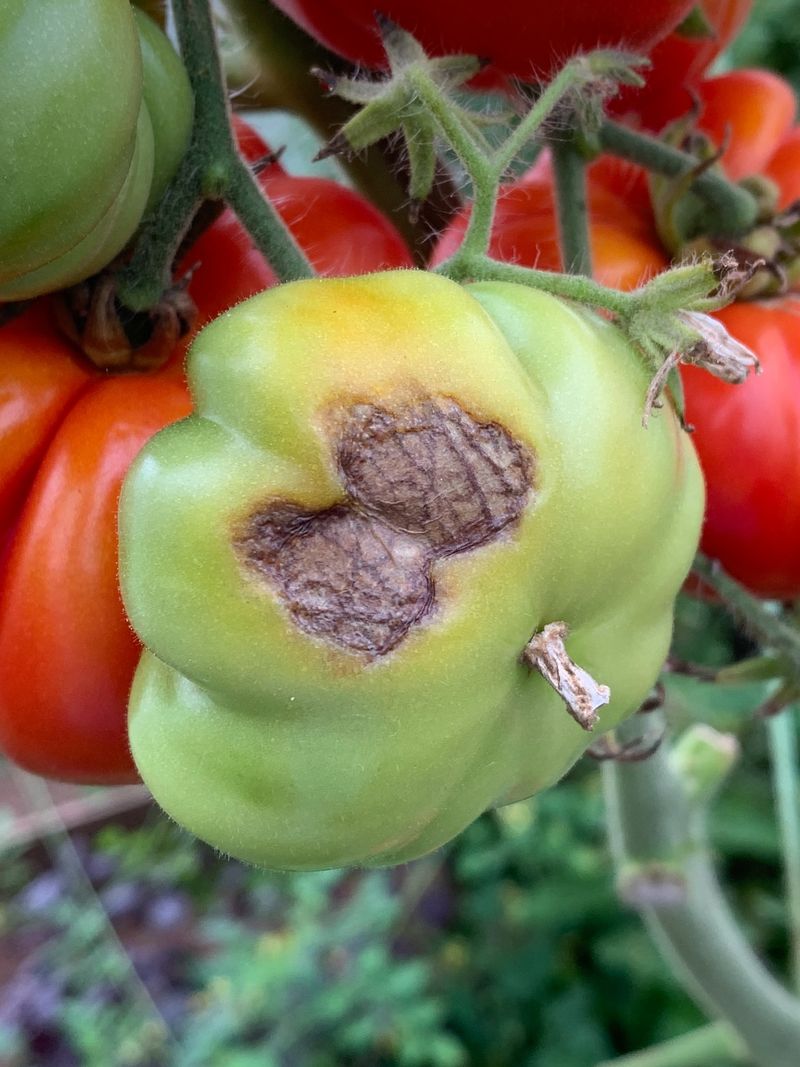
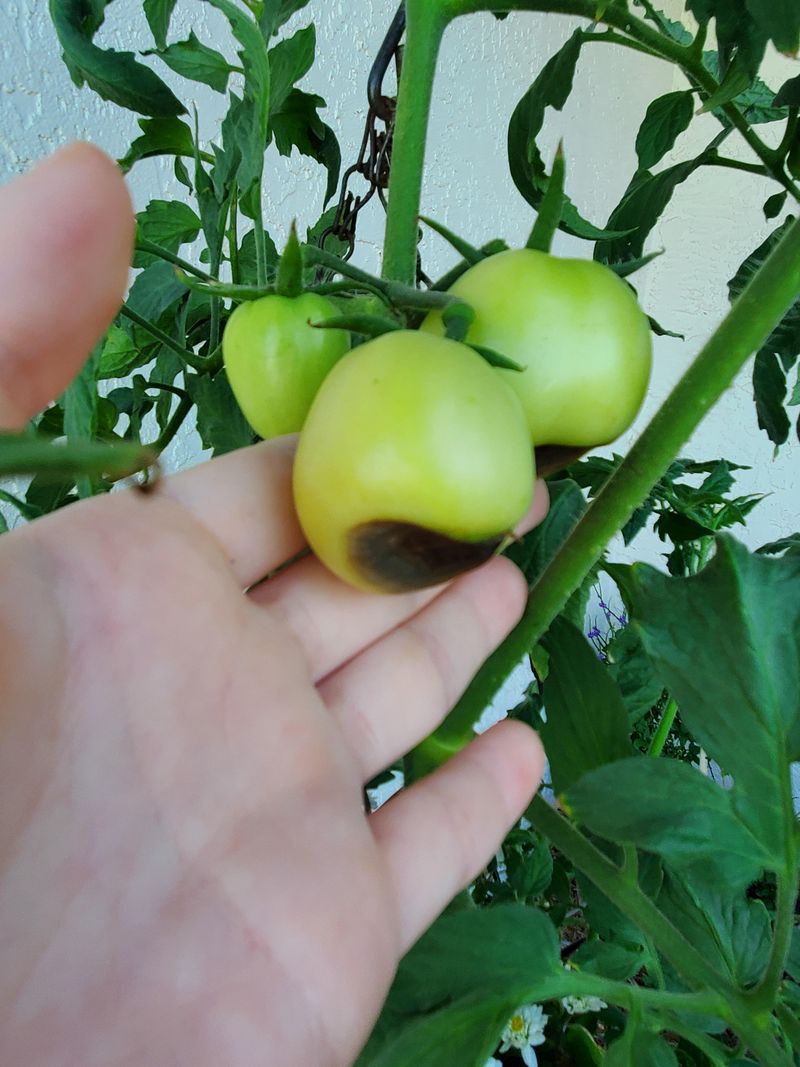
You walk out expecting to pick a ripe, juicy tomato, and instead the bottom of the fruit looks dark, sunken, and almost leathery. It is not a pretty sight.
Many people assume blossom-end rot is caused by a disease or a bug. Actually, it comes down to calcium.
Tomatoes need calcium to build strong fruit walls, and they pull that calcium from the soil through water.
When the soil dries out too much, the plant simply cannot move calcium fast enough to the developing fruit.
The damage shows up at the blossom end, which is the bottom of the tomato, because that part grows last and gets calcium last.
Your California Garden Changes Every Week. Your Plan Should Too.
Gardening in California changes quickly throughout the season. Every Friday you’ll receive a simple weekly plan showing exactly what to plant, prune, fertilize, harvest, and protect so you never miss the right timing.
Once the rot appears, there is no reversing it on that fruit. The goal is to prevent it from happening to the next batch.
Keeping your soil evenly moist is the most reliable fix. Watering deeply and consistently gives roots steady access to both water and the minerals dissolved in it.
Adding calcium sprays can help in some cases, but they work best as a backup, not a replacement for good watering habits.
Raised beds and containers are especially prone to this problem because they dry out faster.
Checking the soil every day during hot weather is a smart habit worth building early in the season.
3. Big Soaks After Drought Can Split Fruit
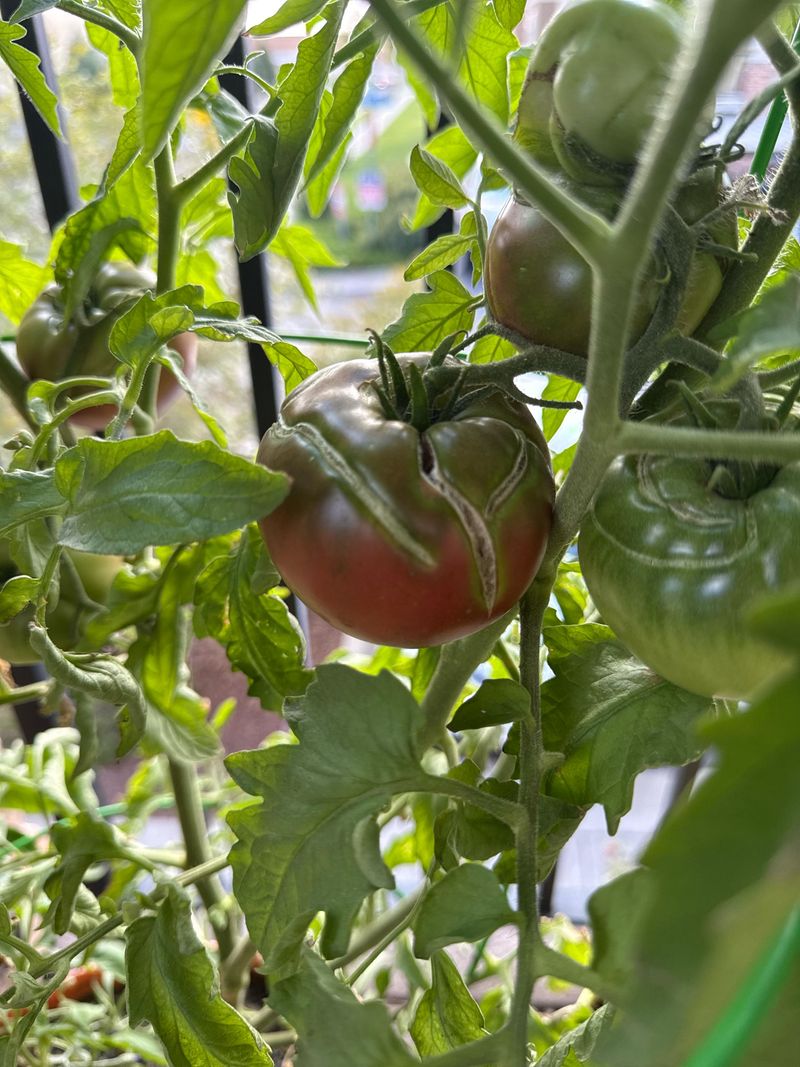
Picture this: your tomatoes have gone without water for several days during a dry stretch. Then you finally give them a long, heavy soak.
Within a day or two, you notice the skin of your tomatoes is splitting right open. That is fruit cracking, and it happens more often than most gardeners expect.
When a tomato is thirsty for days and then suddenly gets a flood of water, the inside of the fruit swells up quickly.
The outer skin, which has already tightened from the dry spell, cannot stretch fast enough to keep up. So it cracks.
Cracked tomatoes are not just ugly. They become entry points for mold, bacteria, and insects.
A tomato that cracks on the vine often rots before you even get to pick it. Even if you catch it early, the flavor and texture are usually off.
The fix is straightforward but requires patience. Water your tomatoes on a regular schedule so the soil never gets completely dry between sessions.
If you know a heat wave is coming, water a little extra in the days leading up to it rather than trying to make up for lost time all at once.
Mulching around the base of your plants also helps buffer moisture swings.
A two-inch layer of straw or wood chips slows evaporation and keeps the soil from going from soaked to dry too quickly.
That steady moisture level is what keeps tomato skins smooth and intact.
4. Shallow Sprinkling Leaves Roots Weak
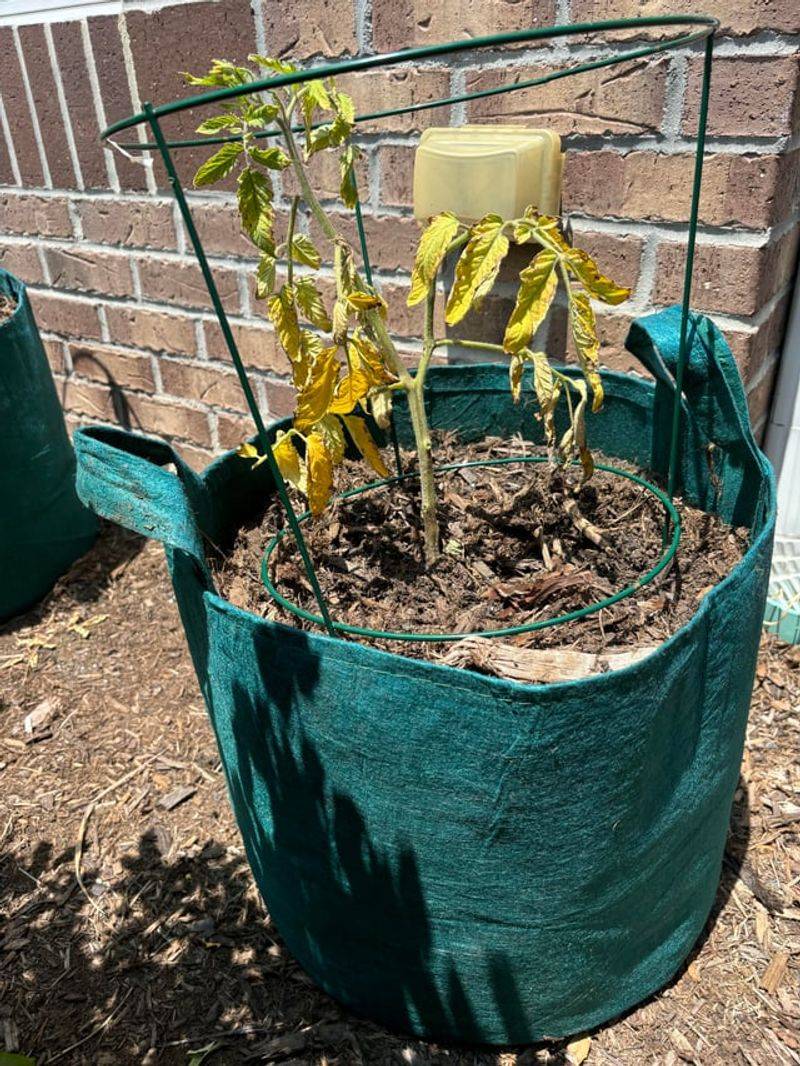
Grabbing the hose and giving tomato plants a quick spray for a few minutes feels like you are doing the right thing.
But light surface watering is one of the most common mistakes in the vegetable garden, and the damage it causes happens underground where you cannot see it.
Roots follow water. When you only wet the top inch or two of soil, roots have no reason to grow deeper.
They stay shallow, clustering near the surface where the moisture is. Shallow roots are fragile roots.
They dry out faster, they cannot reach deeper nutrients, and they struggle badly when a heat wave rolls through.
Deep roots, on the other hand, anchor the plant firmly and tap into cooler, moister soil layers.
A tomato with deep roots can handle a hot afternoon much better than one with roots hovering at the surface.
The difference in plant health is noticeable once you understand what is happening below ground.
To encourage deep root growth, water slowly and deeply. Let water soak down at least six to eight inches into the soil.
A drip irrigation system or a soaker hose does this job well. If you are hand watering, slow down and let the water pool slightly at the base before moving on.
Watering deeply every two to three days is far better than watering lightly every single day.
Your plants will reward you with stronger stems, bigger fruit, and better resistance to heat stress throughout the season.
5. Hot June Weather Makes Water Swings Worse
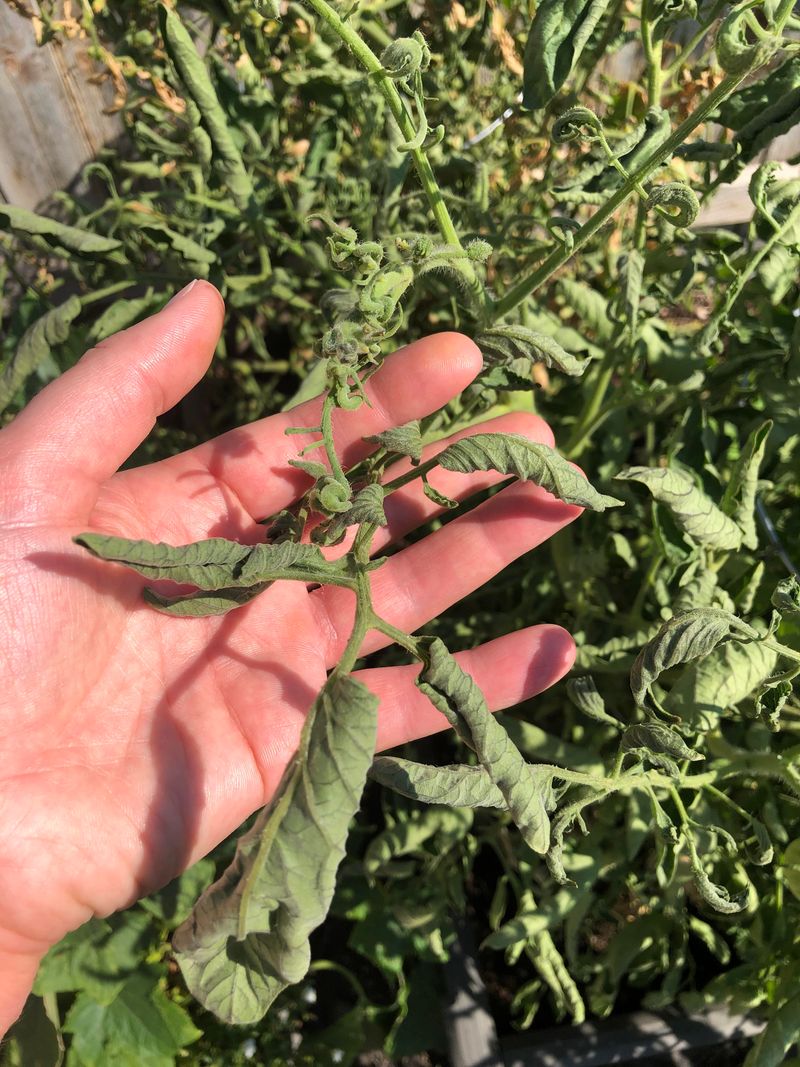
June in our state can feel like someone flipped a switch from spring to full summer overnight.
Temperatures climb fast, and tomato plants that were doing just fine in May suddenly look stressed and unhappy.
The heat is only part of the problem. The bigger issue is what heat does to your watering routine.
When temperatures push past 90 degrees, soil moisture evaporates much faster than usual.
A plant that needed water every three days in May might need water every single day by mid-June.
If you do not adjust your schedule, the plant starts suffering without you realizing it.
Heat stress and water stress often hit at the same time, which makes the situation worse. Tomatoes that are already struggling with heat cannot handle dry roots on top of it.
Blossoms drop, fruit development slows, and the plant shifts its energy toward survival rather than production.
Watering in the early morning is one of the best adjustments you can make during hot stretches. Morning watering gives the soil time to absorb moisture before the heat peaks.
It also keeps leaves dry, which reduces the risk of fungal problems that thrive in warm, damp conditions.
Avoid watering in the afternoon when the sun is strongest. Water can evaporate before it even reaches the roots.
Evening watering is better than afternoon, but morning is best. Staying ahead of the heat with a proactive watering schedule is the key to keeping your plants productive all summer long.
6. Containers Dry Out Faster Than Garden Beds
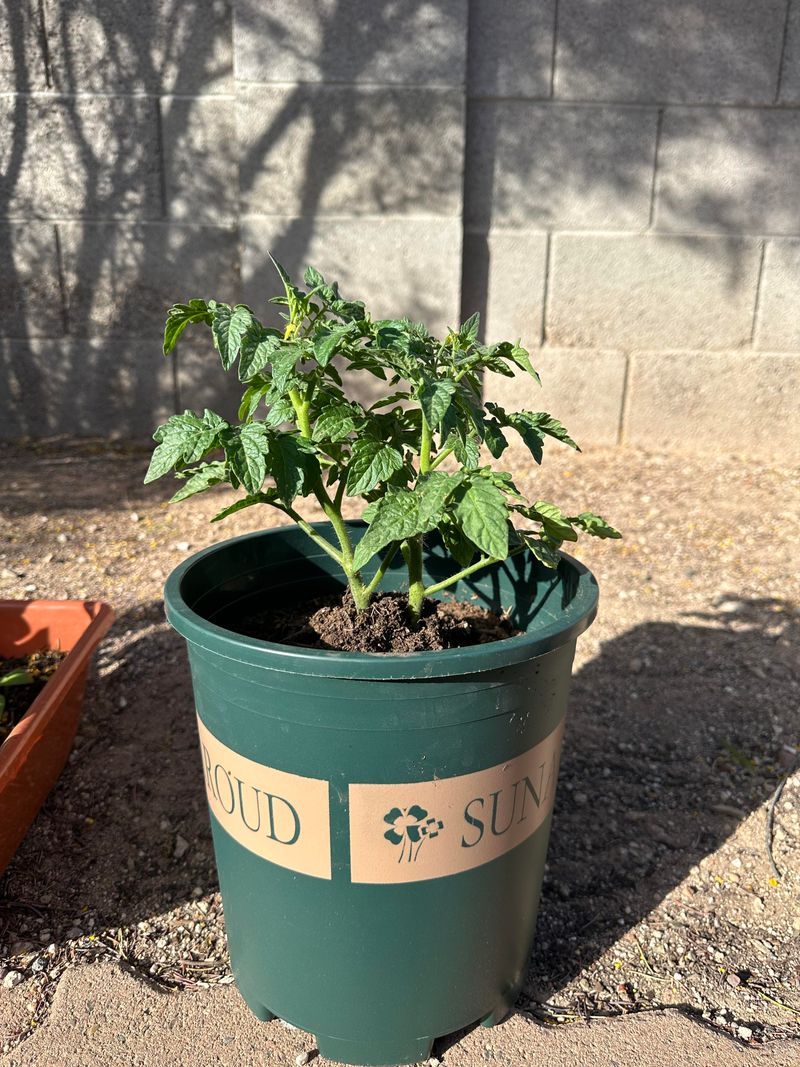
Container gardening is popular for a good reason. You can grow tomatoes on a patio, a balcony, or anywhere with decent sunlight.
But containers come with a hidden challenge that catches many first-time growers off guard: they dry out surprisingly fast.
Unlike garden beds, containers have a limited amount of soil. That smaller volume heats up quickly in the sun and loses moisture much faster.
A container in direct sunlight on a hot day can go from moist to bone dry in less than 24 hours. That is a dramatic swing for any plant to handle.
Terracotta pots are especially prone to rapid drying because the material is porous and pulls moisture right out through the walls.
Dark-colored containers absorb more heat and speed up evaporation even further.
Plastic or glazed ceramic pots hold moisture a bit longer, which makes them a better choice for tomatoes in hot climates.
Checking your containers at least once a day during warm weather is a smart habit. Stick your finger into the soil up to your second knuckle.
If it feels dry, water thoroughly until water drains from the bottom holes. That drainage is important because it means the whole root zone got a good drink.
Adding a layer of mulch on top of the container soil also slows evaporation noticeably.
Even a thin layer of straw or shredded bark can buy your plant several extra hours of moisture on a hot afternoon, giving you a little more flexibility in your watering schedule.
7. Mulch Helps Keep Moisture Steady
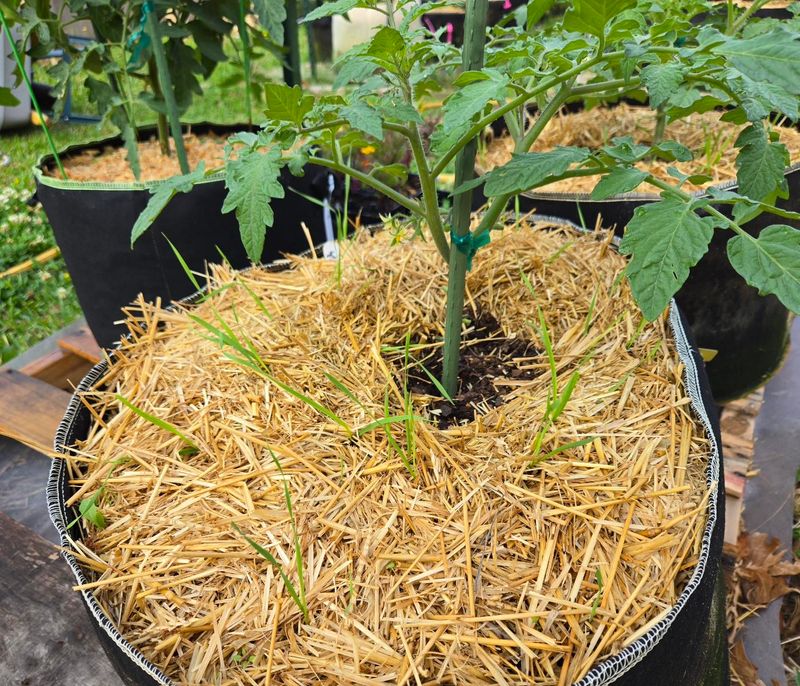
One of the easiest upgrades you can make to your tomato garden costs almost nothing and takes about ten minutes to do.
Spreading a layer of mulch around the base is one of the highest-return habits in vegetable gardening, and it directly solves the moisture problem that causes so many headaches.
Mulch acts like a blanket over the soil. It blocks the sun from hitting the ground directly, which slows evaporation dramatically.
On a hot summer day, mulched soil can stay moist two to three times longer than bare soil. That means fewer emergency waterings and a more stable environment for your roots.
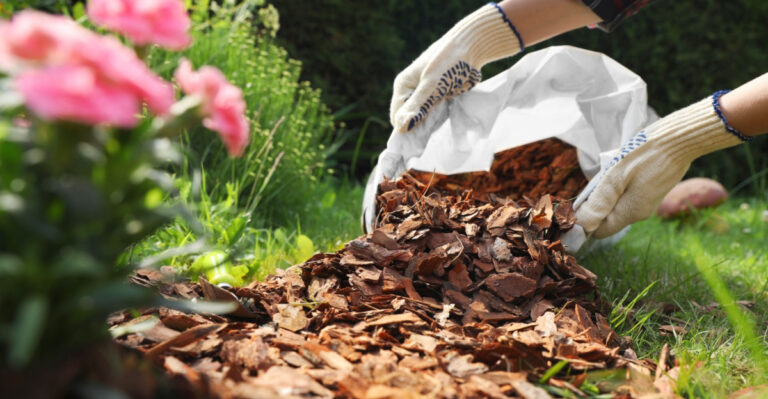
Straw is one of the most popular mulch choices for tomatoes because it is lightweight, affordable, and easy to spread. Wood chips, shredded leaves, and even grass clippings work well too.
Aim for a layer about two to three inches thick around each plant, but keep the mulch from touching the main stem directly to avoid moisture buildup that can lead to rot.
Beyond holding in water, mulch also keeps the soil temperature cooler.
Tomato roots prefer cooler conditions, and mulch helps protect them from the intense ground heat that builds up during long summer afternoons.
Cooler roots mean a calmer, more productive plant overall. Reapply mulch as the season goes on because it breaks down over time.
Keeping that layer fresh throughout summer is one of the simplest ways to protect your harvest from the moisture swings that cause so many common tomato problems.
8. Deep Watering Beats Daily Surface Sprinkles
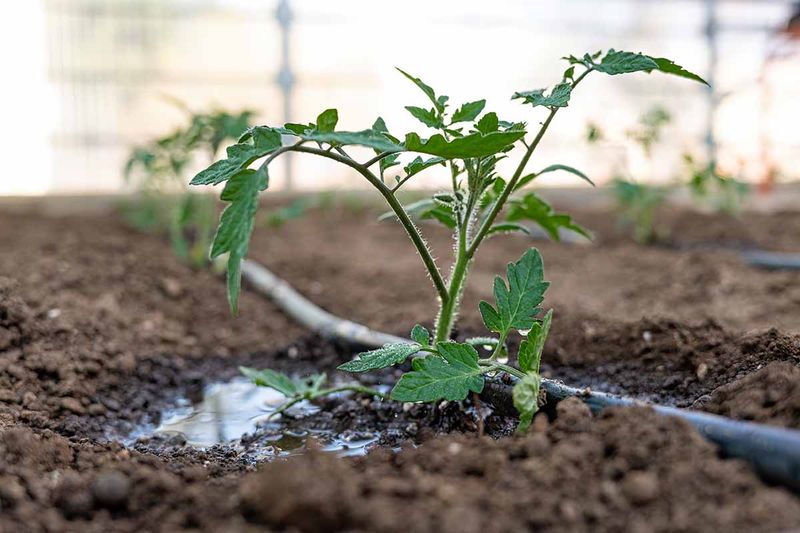
There is a watering approach that experienced tomato growers swear by, and it might go against what feels natural.
Watering deeply a few times a week is far more effective than giving your plants a light sprinkle every single day.
The difference in plant health is remarkable once you switch your method.
Daily surface sprinkles wet the top layer of soil, which feels productive but does very little for the roots below.
The soil surface dries out within hours, and the roots never get a real drink.
Over time, the plant adjusts by keeping its roots near the surface, which makes it more vulnerable to heat and drought.
Deep watering, on the other hand, pushes moisture down into the soil where roots actually live. When water reaches six to eight inches below the surface, roots grow downward to follow it.
Those deep roots tap into cooler, more stable soil that stays moist longer between watering sessions.
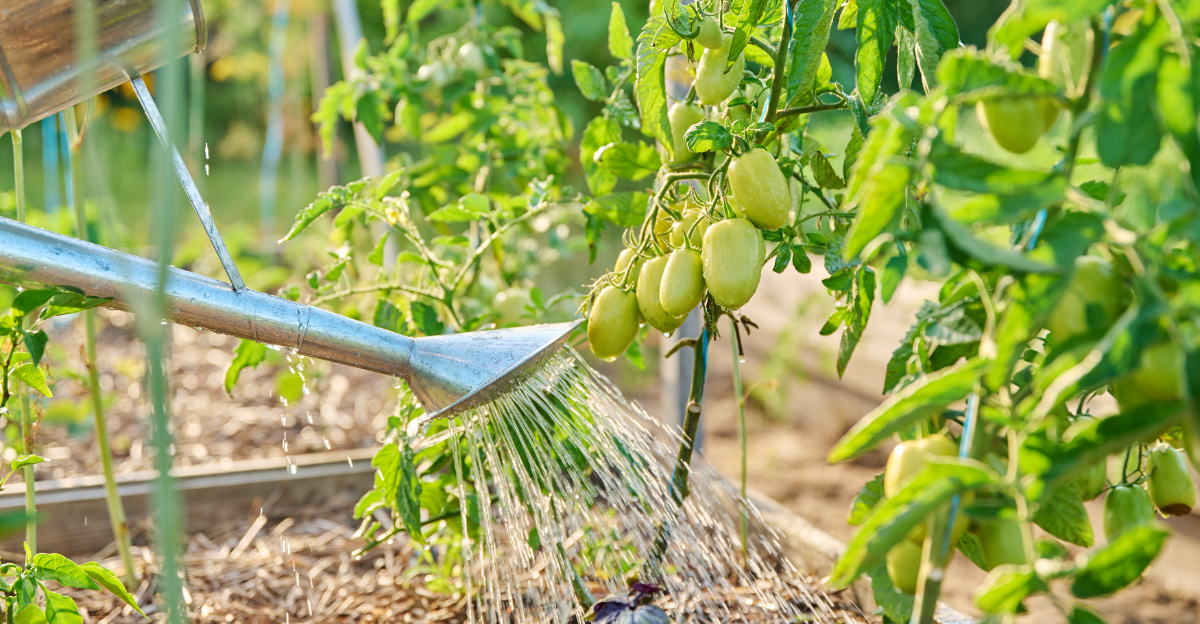
Drip irrigation and soaker hoses are the gold standard for deep watering. They deliver water slowly right at the base of the plant, giving the soil time to absorb it rather than letting it run off.
If you do not have a drip system, try using a hose set to a slow trickle and letting it run at the base for ten to fifteen minutes.
Making this one change to how you water can reduce fruit problems, improve flavor, and help your plants handle the inevitable heat waves that come every summer in this state. Fewer waterings, better results, and stronger plants overall.