9 Rat-Repelling Plants That Work Well In Illinois Gardens
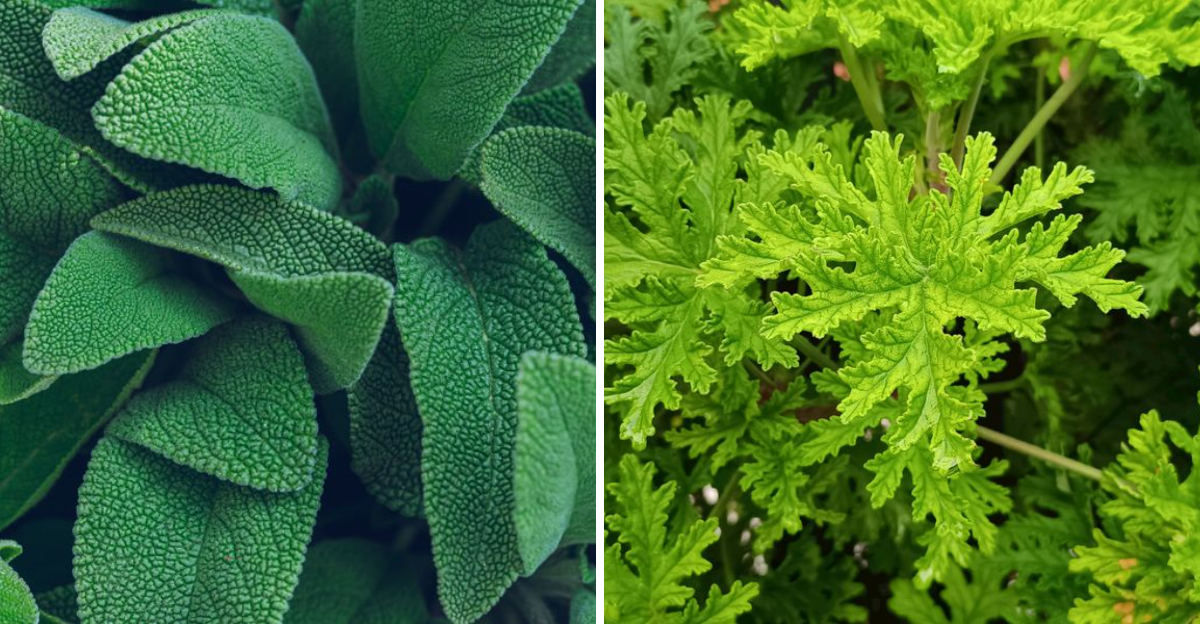
Nobody wants to find a rat in their garden. But if you grow food, keep compost, or simply have a yard that stays warm and sheltered, you are already on their radar. Rats do not need an invitation. They just need an opportunity.
The good news is that certain plants send them the other way without traps, poison, or anything you would feel uneasy using around kids and pets. Some of these are herbs sitting in your kitchen right now.
Others are flowers Illinois gardeners already grow for completely different reasons. A few will genuinely catch you off guard.
Illinois yards deal with enough challenges between the winters, the humidity, and the critters that come with both.
Adding a handful of the right plants can quietly solve one of the most frustrating problems without changing much about how you garden.
1. Chrysanthemums Are Pretty To You And Uninviting To Rats
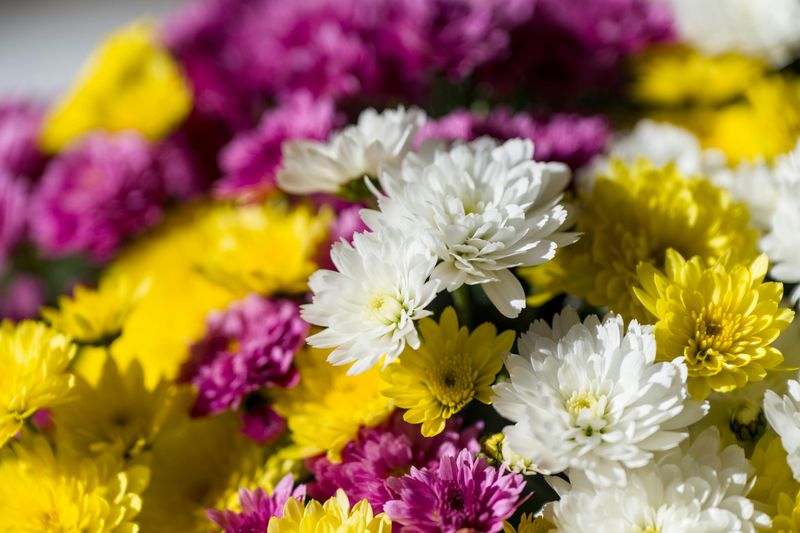
Rats cannot stand chrysanthemums, and honestly, that alone is reason enough to plant them everywhere.
These bold, full-bloomed flowers contain a natural compound called pyrethrin. Pyrethrin is so effective at repelling pests that it is actually used in commercial insecticides and rodent deterrents.
Planting mums along your garden border creates a natural barrier that rats tend to avoid. They do not like the scent, and they definitely do not like getting close to the source.
In Illinois, chrysanthemums thrive in full sun and well-drained soil. They bloom beautifully in late summer through fall, which is exactly when rats start searching for warm shelter before winter arrives.
You get a gorgeous seasonal display and a pest deterrent all wrapped into one plant. That is a pretty solid deal for any homeowner.
Plant them near your compost bins, vegetable beds, or garage entry points where rats tend to sneak through. The more concentrated the planting, the stronger the scent barrier becomes.
Mums are also low-maintenance once established, making them perfect for gardeners who want results without a ton of extra effort. Pick up a few pots from your local nursery and get them in the ground before the first frost hits.
Among all the rat-repelling plants available to Illinois gardeners, chrysanthemums might just be one of the most beautiful rat-repelling plants you can grow in Illinois.
2. Rosemary Does Double Duty In Your Garden
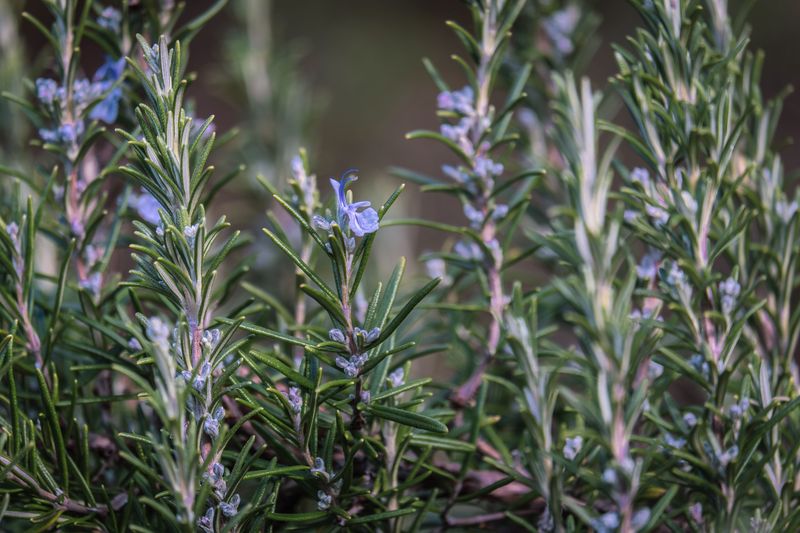
Rosemary smells like Sunday dinner to you, but to a rat, it smells like a reason to leave.
This woody herb releases a sharp, piney scent that overwhelms rodent senses. Rats rely heavily on their noses to navigate, find food, and feel safe, so a strong aromatic plant like rosemary genuinely disrupts their comfort zone.
The best part about growing rosemary in your garden is that it serves two purposes at once. You get a fresh herb for cooking and a natural rat deterrent working around the clock with very little effort on your part.
Plant it near your kitchen garden or along pathways where rats are known to travel. Rosemary grows well in containers too, so heavy clay soil is not a dealbreaker.
Your Illinois Garden Changes Every Week. Your Plan Should Too.
Gardening in Illinois changes quickly throughout the season. Every Friday you’ll receive a simple weekly plan showing exactly what to plant, prune, fertilize, harvest, and protect so you never miss the right timing.
Keep in mind that rosemary is a tender perennial and not winter-hardy in Illinois. Bring it indoors before the first frost and treat it as a houseplant through the colder months.
Trim it regularly to keep it bushy and fragrant. A well-shaped rosemary plant releases more scent and covers more ground as a deterrent.
Pairing rosemary with other rat-repelling plants creates a layered defense that is much harder for rodents to ignore. It is one of the most practical and versatile herbs you can grow in any Illinois garden space.
3. Peppermint Is Fresh For You And Awful For Rats
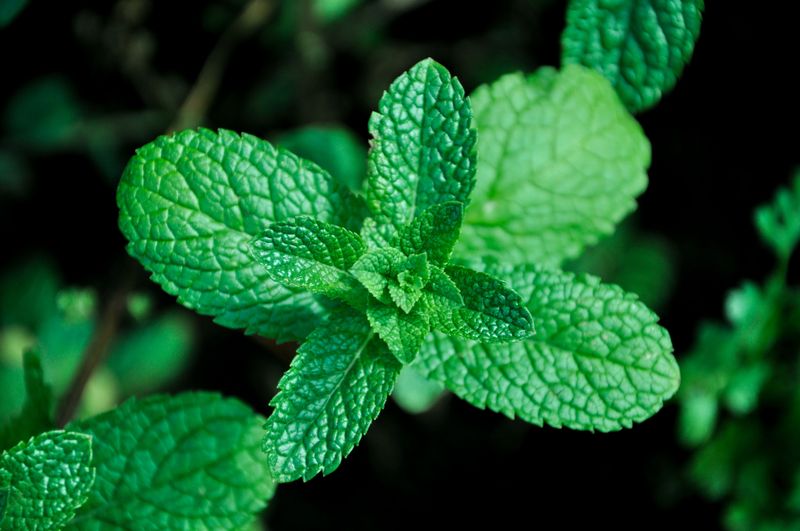
Few plants pack as much punch per leaf as peppermint does.
The menthol in peppermint is overwhelming to rodents who have sensitive noses. Where you smell something refreshing and clean, a rat smells something so intense it physically repels them from the area.
Peppermint spreads aggressively, which is usually considered a downside for gardeners. But when you are trying to create a wide scent barrier around your yard, that spreading habit suddenly becomes a major advantage.
Plant peppermint along fence lines, near garden beds, or around the foundation of your home. It will fill in gaps quickly and establish a fragrant perimeter that rats find deeply unpleasant to cross.
One smart trick is to grow peppermint in containers and then place those pots strategically near entry points, sheds, or compost areas. You get control over the spread while still getting full deterrent benefits.
In Illinois, peppermint grows easily in partial to full sun and handles both heat and cooler temperatures without much fuss. It is one of the most forgiving herbs you can grow, even if you do not have a lot of gardening experience.
Crush a few leaves between your fingers and the scent alone will convince you this plant means business. Peppermint is one of the more consistent rat-repelling options available to home gardeners.
4. Sage Is One More Reason To Love This Herb
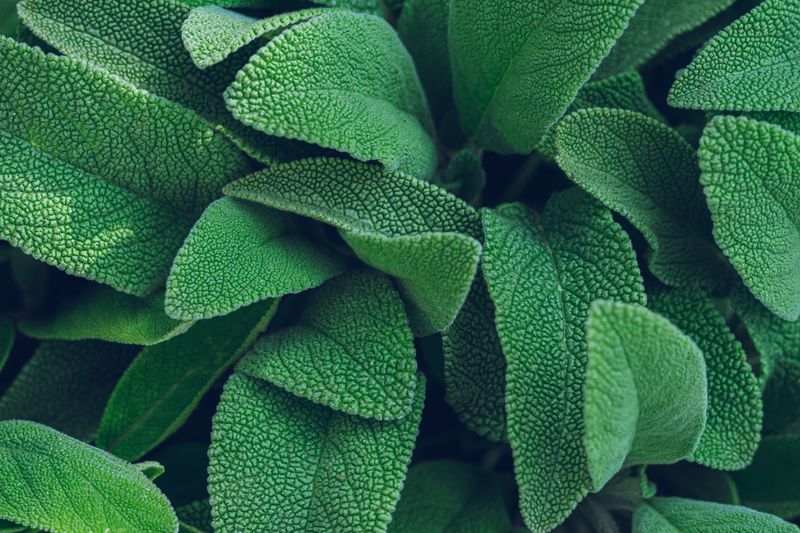
Image Credit: © Ylanite Koppens / Pexels
Sage already has a loyal fan base in the kitchen, but its talents extend well beyond the Thanksgiving stuffing.
This herb produces a strong, earthy, slightly medicinal aroma that rats find genuinely off-putting. The scent comes from natural oils in the leaves, and those oils stay active even when the plant is not freshly cut.
Growing sage around your garden edges or near vegetable beds creates a scent zone that discourages rats from settling in nearby. They prefer to set up camp somewhere that smells neutral and safe, and sage is neither of those things to them.
Sage thrives in full sun and well-drained soil, which makes it well-suited for many Illinois garden conditions. In Illinois, sage can overwinter in milder zones, but it may need some protection in colder parts of the state.
Pair sage with rosemary or peppermint to create a herb border that works overtime as a natural deterrent. The combination of multiple strong scents makes it even harder for rodents to feel comfortable anywhere near your garden.
Sage is also drought-resistant and deer-tolerant, so it handles the full range of Midwestern garden challenges without skipping a beat. It is a plant that earns its space in any yard.
If you have ever needed an excuse to grow more herbs, keeping rats away from your garden is a pretty convincing one.
5. Lavender Repels The Last Thing You Want In Your Garden
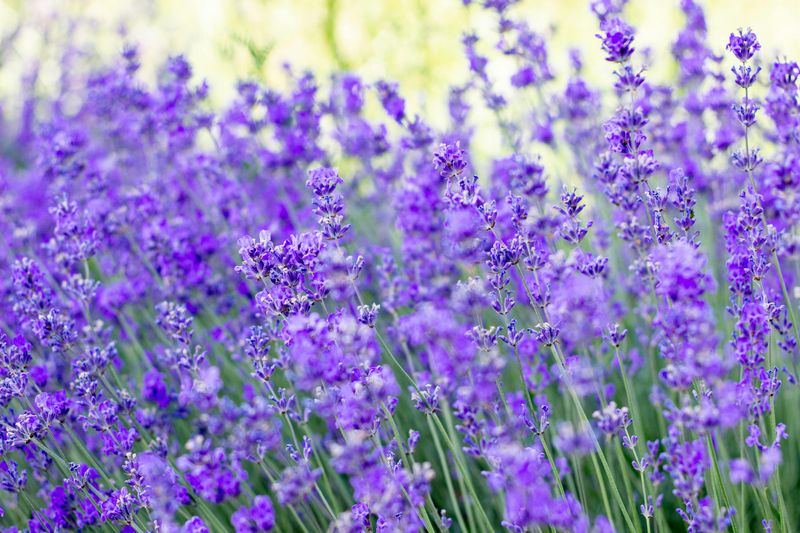
Lavender is the kind of plant that fills your yard with a strong, pleasant floral scent, and rats find that deeply unpleasant.
The strong floral and herbal scent that humans find so soothing is a serious problem for rodents. Their highly sensitive olfactory system makes lavender almost unbearable to be around, which is exactly what you want from a natural deterrent.
Plant lavender along walkways, near windows, or around the perimeter of your garden for the best results. The taller it grows, the more scent it releases into the air around it.
In Illinois, lavender grows best in full sun with well-drained or slightly sandy soil. It is not a fan of soggy roots, so avoid low-lying areas where water tends to pool after heavy rain.
Lavender is also a perennial, so your initial planting investment keeps paying off year after year. As the plant matures, it becomes woodier and tends to produce more fragrance over time.
Bonus points for attracting pollinators like bees and butterflies while simultaneously pushing rats out of the picture. It creates a healthier, more balanced garden ecosystem overall.
Lavender stands out as one of the most beloved rat-repelling plants because it protects your space while genuinely making it more beautiful every single season.
6. Daffodils Hide A Rat-Repelling Secret
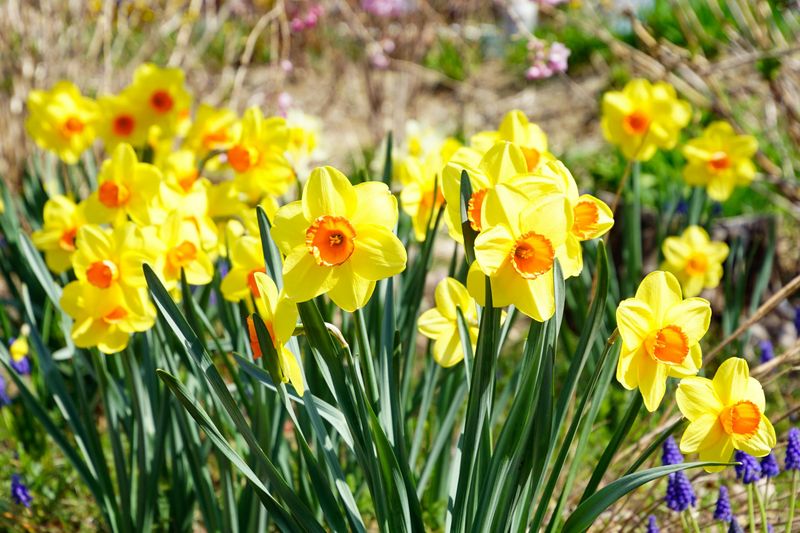
Daffodils look like the friendliest flowers in your garden, but they are hiding something rats do not want to find out about.
The bulbs and leaves of daffodils contain toxic alkaloids called lycorine and calcium oxalate. These compounds make the entire plant unpalatable and dangerous to rodents, who learn quickly to avoid anything that smells like daffodil.
Planting daffodil bulbs around the border of your garden creates a natural boundary that rats rats tend to stay away from. They will not chew through the bulbs, and they will not linger near the foliage once they recognize the scent.
One of the biggest advantages of daffodils is how early they bloom. In Illinois, they pop up in early spring when rats are most active after winter, making them a perfectly timed first line of defense.
Mix daffodils with tulips or other spring flowers to create a colorful border that also pulls double duty as pest control. The visual impact is stunning, and the protective benefit is completely invisible to anyone who does not know to look for it.
Daffodils are also incredibly easy to grow. Plant bulbs in fall, forget about them, and let spring do the rest.
Daffodils do the work without you even noticing.
7. Onions Earn Their Place Outside The Kitchen Too
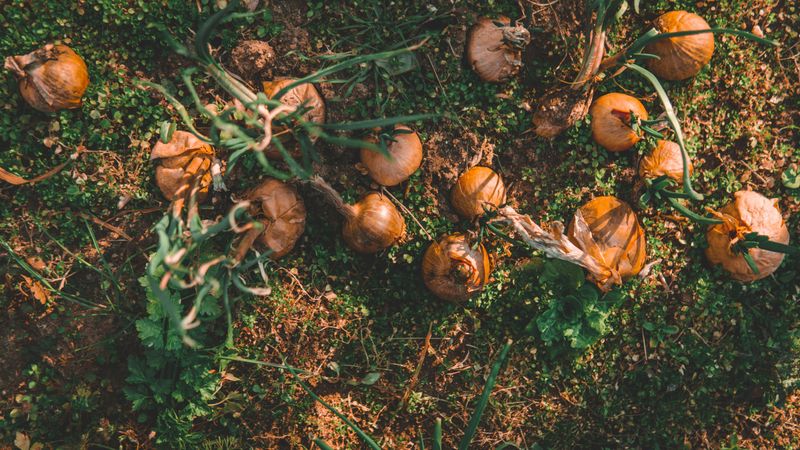
Onions make you cry, and apparently, they have the same effect on rats.
Onions get their sharp smell from sulfur compounds, and that is exactly what sends rats the other way. Rats rely heavily on scent to feel safe, and onion odor throws them completely off.
Planting onions around the edges of your vegetable garden creates a barrier that works around the clock. And unlike synthetic repellents, they just keep growing and doing the job on their own.
In Illinois, onions grow well in full sun with loose, fertile soil. They are a cool-season crop, which means you can get them in the ground in early spring or fall, right when rat activity tends to peak.
Plant onion sets or transplants in rows along the perimeter of your garden beds. The closer together you space them, the denser the scent barrier becomes, giving you stronger protection across a wider area.
As a bonus, you get to harvest fresh onions for cooking when the season ends. That makes them one of the most practical and rewarding plants on this entire list.
Onions prove that the most effective rat-repelling plants are sometimes the most ordinary ones, already sitting in your kitchen waiting to be put to work outside.
8. Citronella Repels More Than Just Mosquitoes
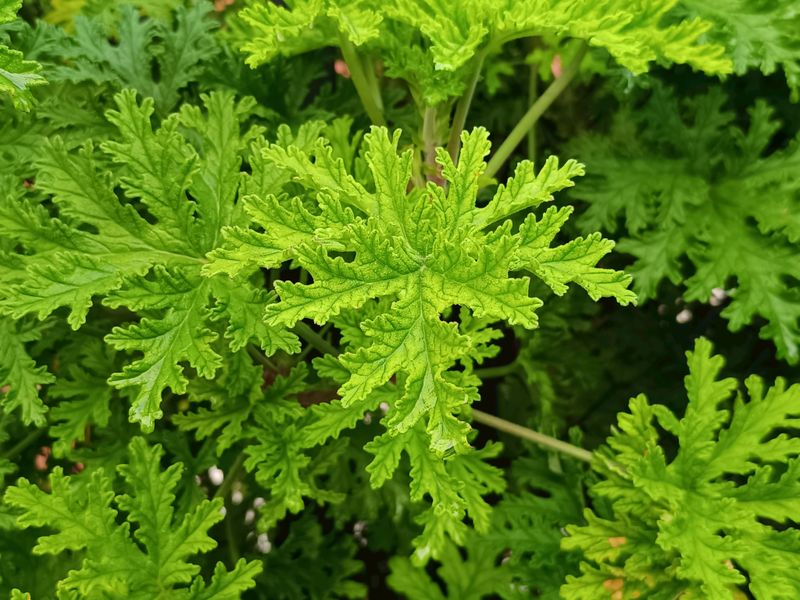
Image Credit: © Antonio Garcia Prats / Pexels
Most people know citronella as the mosquito fighter, but this plant has a much bigger job description than that.
The same lemony scent that drives mosquitoes away works just as well on rats. Rodents find it disorienting enough to avoid any area where citronella is growing.
In Illinois, plant it in containers since it cannot survive the winters in the ground. Move large pots near your patio or garden entrance during warmer months for the best coverage.
The plant thrives in full sun and warm temperatures. Water it regularly, give it room to grow, and it will reward you with dense, fragrant foliage that keeps multiple types of pests away simultaneously.
One citronella plant can grow quite large over a single season, which means you get impressive coverage from a single purchase. Move it around your yard strategically to target areas where you have noticed rat activity before.
Citronella also pairs well with lavender and peppermint in a container garden setup. Grouping scent-heavy plants together creates a strong scent barrier that many common pests tend to avoid.
Combining citronella with other rat-repelling plants in your Illinois garden gives you a natural, chemical-free pest control system that works beautifully from spring straight through to fall.
9. Garlic Is The Garden Guardian You Never Knew You Needed
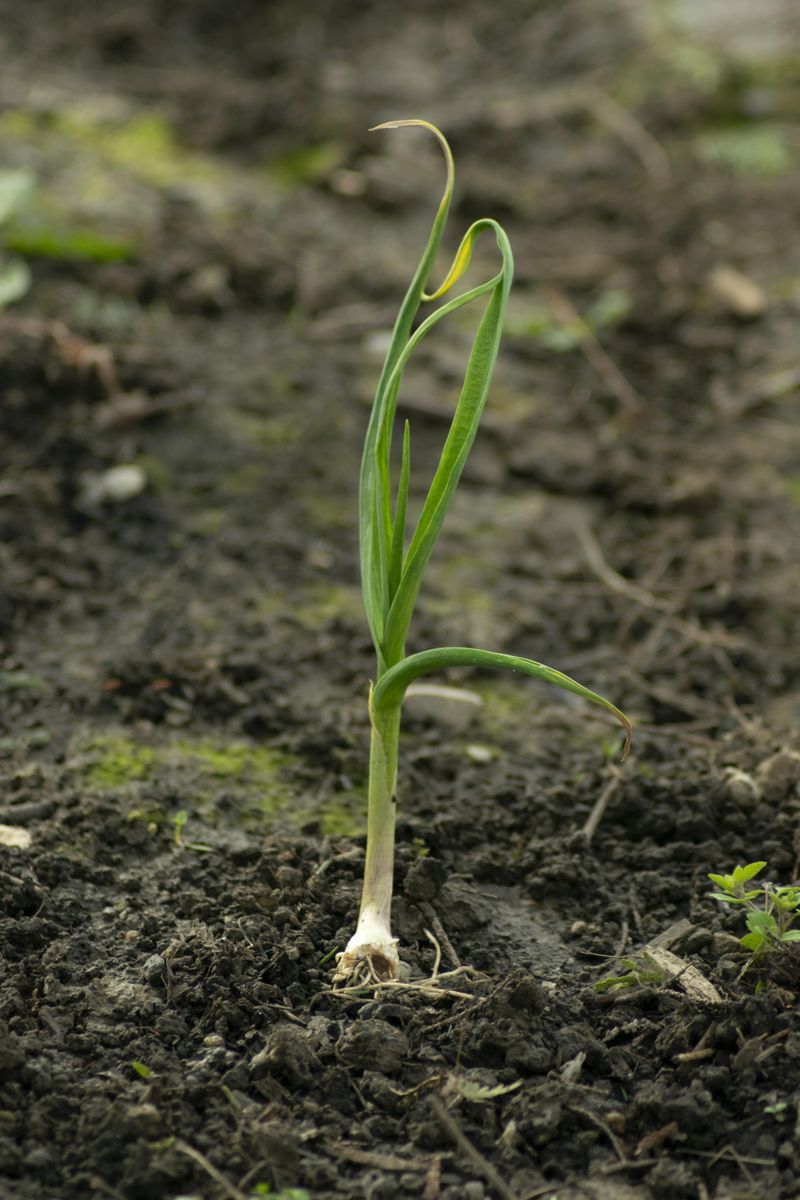
Garlic has been used for centuries to keep all kinds of unwanted things away, and rats are firmly on that list.
The allicin compound in garlic produces a sulfurous, pungent odor that is so strong it actively repels rodents. Rats that encounter garlic in a garden will avoid the entire area, not just the plant itself, because the scent spreads into the air around the plant.
Plant garlic cloves throughout your garden beds for one of the easiest natural deterrents available. Space them near compost bins, vegetable rows, or along fence lines where rats tend to travel.
In Illinois, garlic is planted in fall and harvested the following summer. That timing works in your favor since fall is exactly when rats start pushing into yards looking for warmth.
Garlic grows in most soil types and needs very little attention once planted. It is one of those plants that basically takes care of itself while quietly doing important work underground and above it.
Harvest your garlic in midsummer, then replant fresh cloves in autumn to keep the cycle going and maintain year-round protection in your garden beds.
Among all the rat-repelling plants covered here, garlic might be one of the most well-known natural deterrents for keeping rodents out of your Illinois garden for good.