10 Pruning Moves That Keep Minnesota Basil From Bolting And Fading
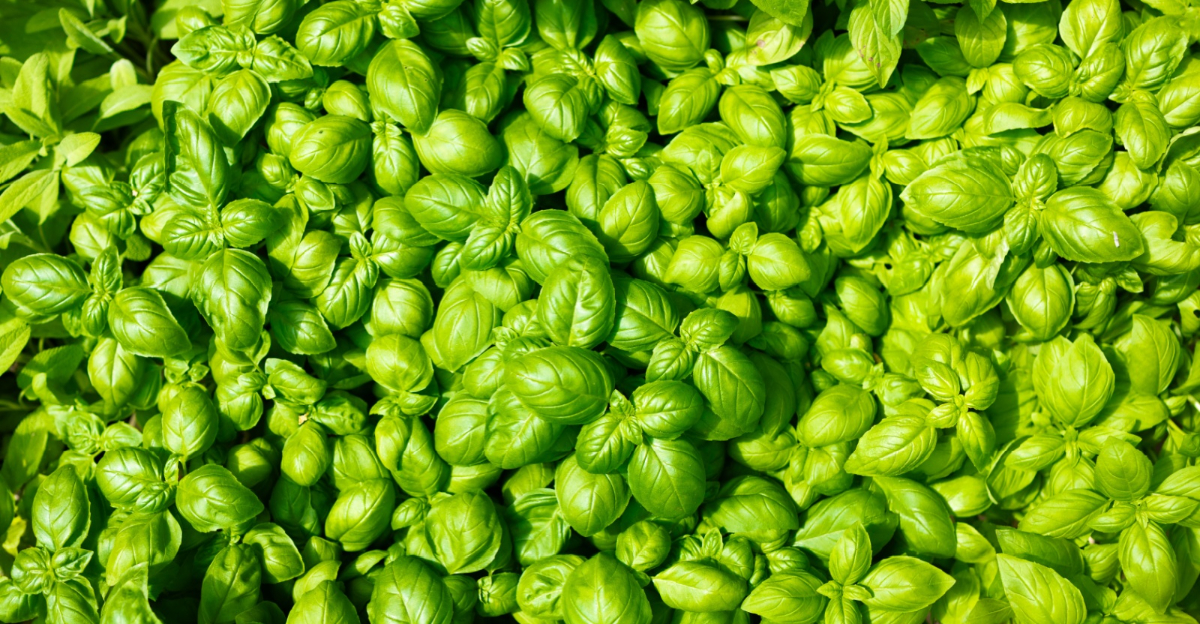
Basil will surprise you. It will also test you. Minnesota summers move fast, and so does this plant. Look away for a week and that beautiful, fragrant pot of Genovese you were so proud of turns woody and tasteless.
It happened to me my first summer here. One week of neglect was all it took. I never forgot it. Basil is always in a hurry.
It pushes toward flowering constantly, and the moment it gets there, the sweetness disappears. The leaves toughen.
The flavor goes flat. But stay ahead of it and something shifts. The right cuts at the right time keep the plant low, bushy, and generous. It responds fast.
New growth appears almost immediately. Energy goes back into the leaves instead of flowers nobody needs. A little regular attention early in the season changes everything that comes after.
1. Start Pruning Early
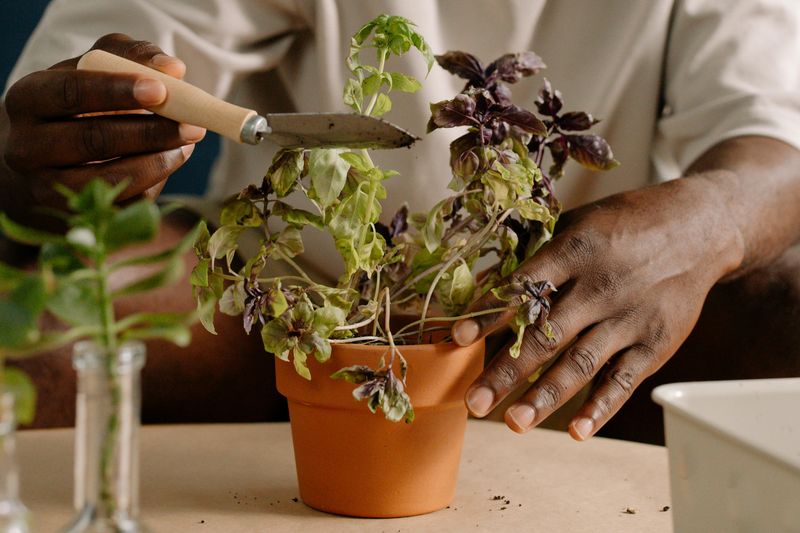
Your basil plant is practically begging you to prune it the moment it hits six inches tall. Most gardeners wait too long, watching their plant stretch toward the sky before making a single cut.
Starting early is one of the biggest favors you can do for your basil all season long.
In Minnesota, the growing season runs roughly from late May through mid-September, which gives you a tighter window than gardeners in warmer states. That makes early pruning even more valuable here.
Every week counts. When a basil seedling reaches about six inches, it typically has three to four sets of leaves. That is the perfect moment to step in and shape its future.
Pinching the top set of leaves right at this stage signals the plant to stop growing upward and start branching outward instead.
Think of it like trimming a young tree to encourage a fuller canopy. The plant responds by sending energy into side shoots, which means more stems and more leaves for you to harvest later.
Each early pinch you make now can multiply your harvest potential over the coming weeks. Skipping this step means your basil spends its energy climbing instead of spreading. A tall, thin plant bolts faster, flowers sooner, and produces far fewer usable leaves.
Start pruning basil early, and you are essentially programming it to stay bushy, productive, and full of that incredible fresh flavor you planted it for.
2. Always Cut Above A Leaf Node
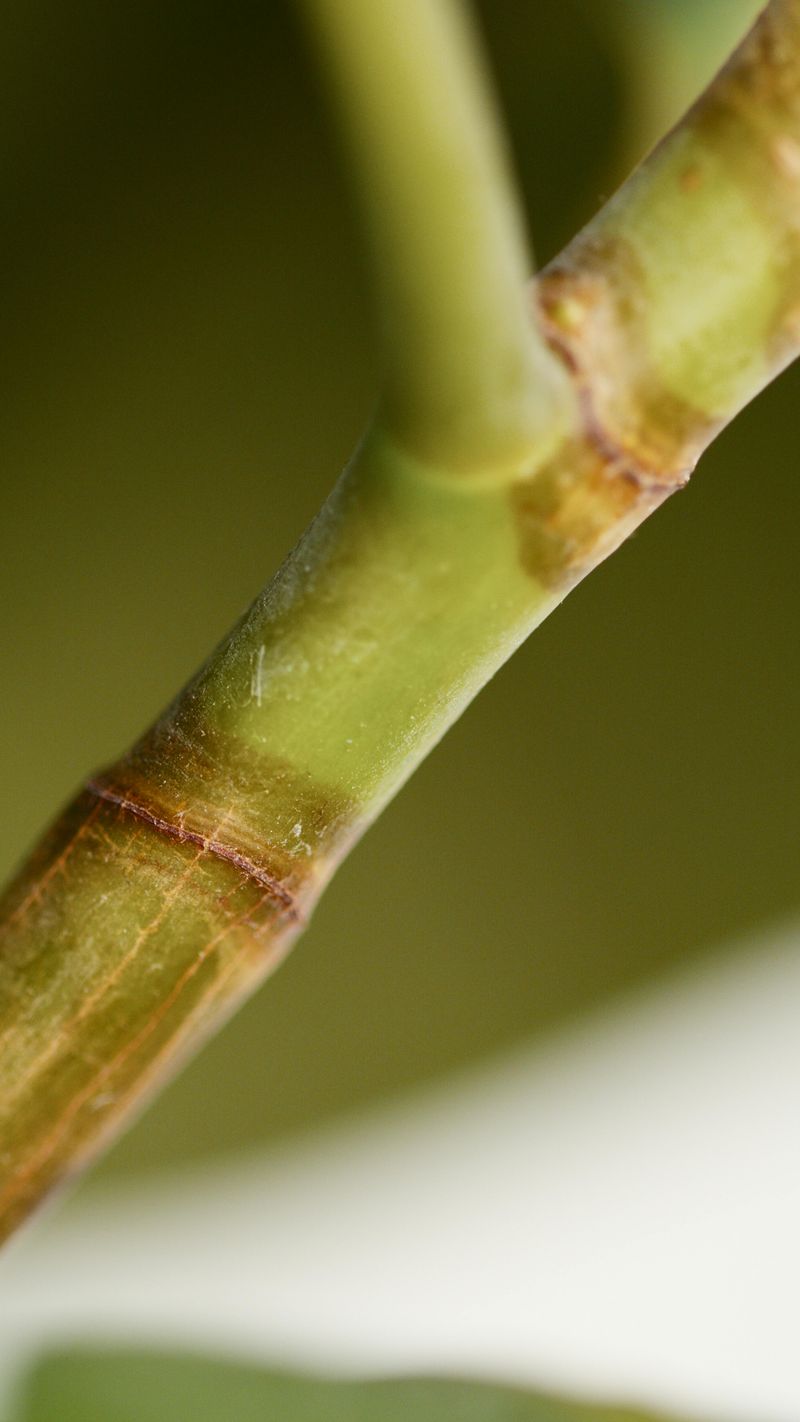
Cutting in the wrong spot on a basil stem can set your plant back by weeks without you even realizing it.
The leaf node is the small bump or joint on the stem where a pair of leaves grows out. Every cut you make should land just above one of these nodes, never below it and never in the middle of a bare stem.
Here is why this matters so much. When you cut above a leaf node, the plant recognizes that spot as a natural branching point.
It responds by pushing out two new shoots right from that node, effectively doubling the number of stems growing from that cut.
Your Minnesota Garden Changes Every Week. Your Plan Should Too.
Gardening in Minnesota changes quickly throughout the season. Every Friday you’ll receive a simple weekly plan showing exactly what to plant, prune, fertilize, harvest, and protect so you never miss the right timing.
Cut below a node or in an awkward spot, and the plant is left with a stub it cannot use. That stub often dies back, wastes the plant’s energy, and sometimes invites disease into the stem.
In Minnesota’s humid July and August, those open wounds can be particularly welcoming to fungal problems. A precise cut above the node closes faster and keeps the plant healthier through the most demanding stretch of summer.
Once you train your eye to spot leaf nodes, pruning basil becomes almost intuitive. You will start to see the plant as a map of future growth, with every node representing a potential new branch.
Make every cut count by placing it deliberately, just above a node, and watch your plant respond with vigorous new growth.
3. Never Remove More Than One-Third At A Time
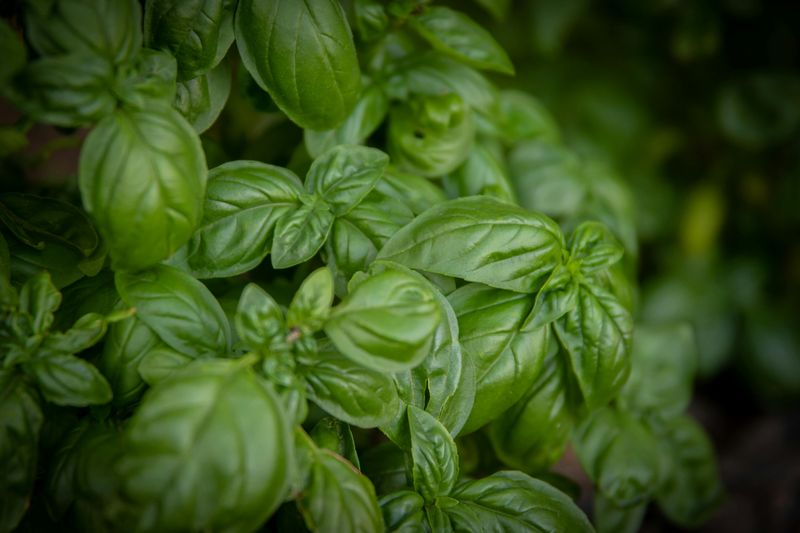
The more basil you hack off, the faster you lose it. Removing too much at once sends the basil into a kind of survival mode.
It redirects all its energy toward recovery instead of producing the lush new growth you want.
The one-third rule is simple and it works. No matter how overgrown your basil looks, limit each pruning session to removing no more than one-third of the plant’s total size.
This keeps enough foliage in place to allow the plant to continue photosynthesizing and feeding itself while it regrows.
In Minnesota, where the season is already compressed, a stressed and stalled plant can lose two or three precious weeks of productivity. That is time you simply do not have much to spare.
Basil that gets pruned too aggressively can stall for weeks. Leaves may yellow, stems may thin out, and the plant may rush to flower as a stress response.
That is the exact opposite of what you are trying to prevent. Sticking to the one-third guideline keeps your basil calm, productive, and consistently green.
If the plant is seriously overgrown, break the pruning into two or three sessions spread a week or two apart.
Patience here pays off in armloads of fragrant leaves rather than a struggling plant fighting just to survive.
4. Pinch Flower Buds Immediately
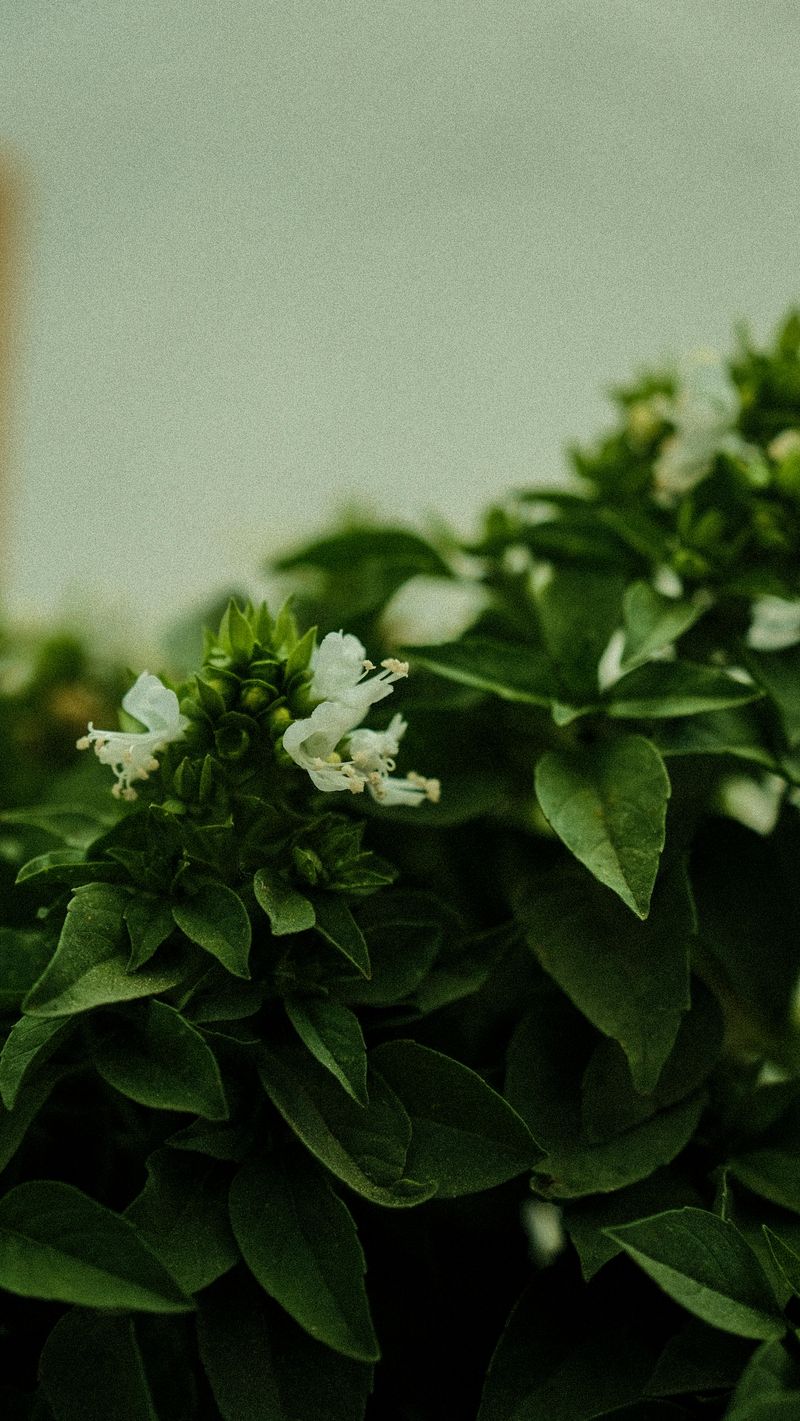
The moment you spot a flower bud on your basil plant, pinch it off. That little cluster of tiny buds signals that your plant has shifted its focus from leaf production to reproduction.
Once bolting starts, the flavor of the leaves deteriorates quickly and the plant becomes much harder to manage. Basil flowers are actually quite pretty, and it can feel wrong to remove them.
But keeping those blooms on the plant tells it that its job is done for the season. Leaf growth slows dramatically, stems get woody, and the oils that give basil its signature aroma start to fade.
Minnesota summers tend to bring intense heat spikes in July and August, and basil responds to that heat by bolting faster than most gardeners expect. During those stretches, buds can appear quickly.
Pinching buds is genuinely easy once you make it a habit. Just snap or cut the flower spike off right where it meets the nearest set of leaves.
The plant will redirect that reproductive energy back into producing more foliage, which is exactly what you want.
Check your basil every few days during peak summer and remove any flower spikes as soon as you spot them. Staying ahead of the bolting cycle is one of the most useful pruning moves in your entire toolkit, and it costs you about thirty seconds per plant.
5. Harvest From The Top Down
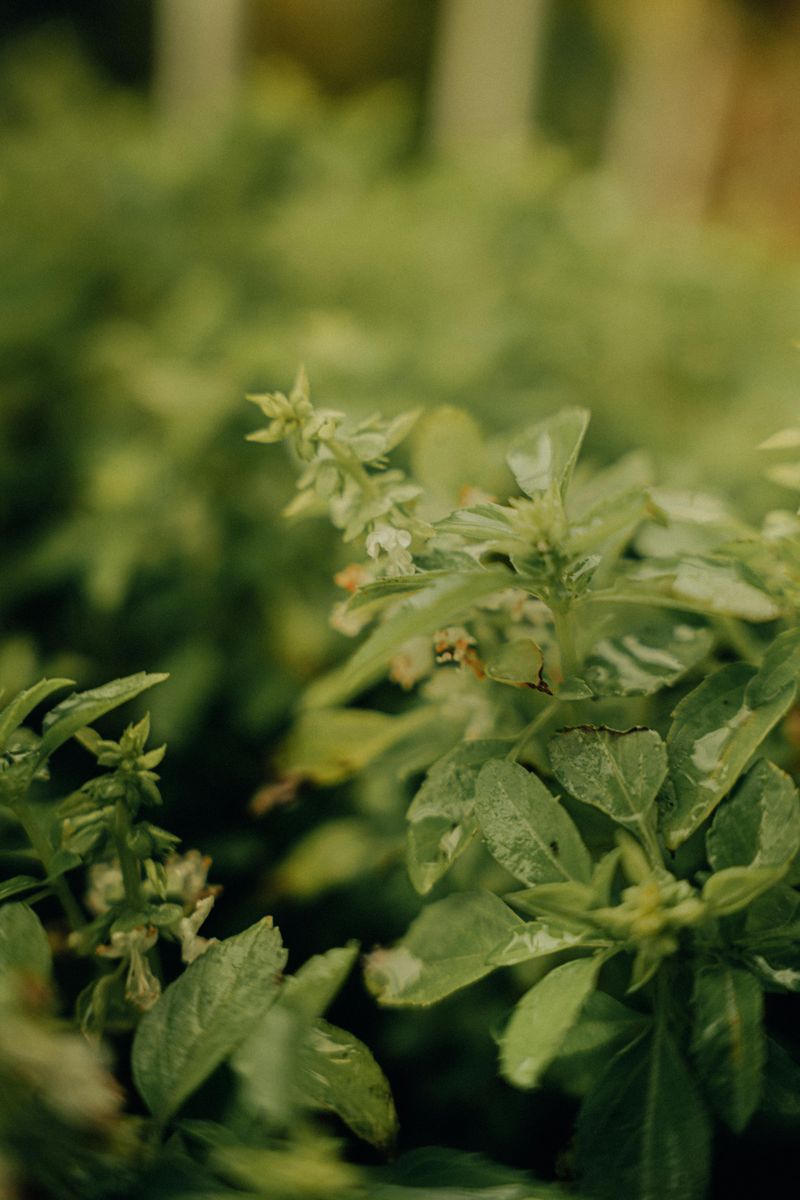
Raiding the heart of your basil plant feels harmless. It isn’t. Basil grows from the top, and that is exactly where your harvesting should begin.
Top-down harvesting works hand in hand with good pruning to keep the plant shaped, bushy, and constantly generating new growth.
When you remove stems from the top, the lower and side branches receive more light and airflow. They respond by growing more vigorously and producing thicker, more aromatic leaves.
You end up with a plant that looks fuller and stays flavorful with consistent harvesting. Picking randomly from the bottom or middle keeps the top intact, which encourages the plant to keep stretching upward.
That upward growth is the first step toward bolting, and in Minnesota’s short season it can happen faster than you expect.
Take whole stems rather than individual leaves when possible, cutting just above a leaf node as you go. This keeps your plant compact, your pruning routine efficient, and your kitchen stocked with fresh, fragrant leaves all season.
6. Use Clean, Sharp Scissors Or Pruning Shears
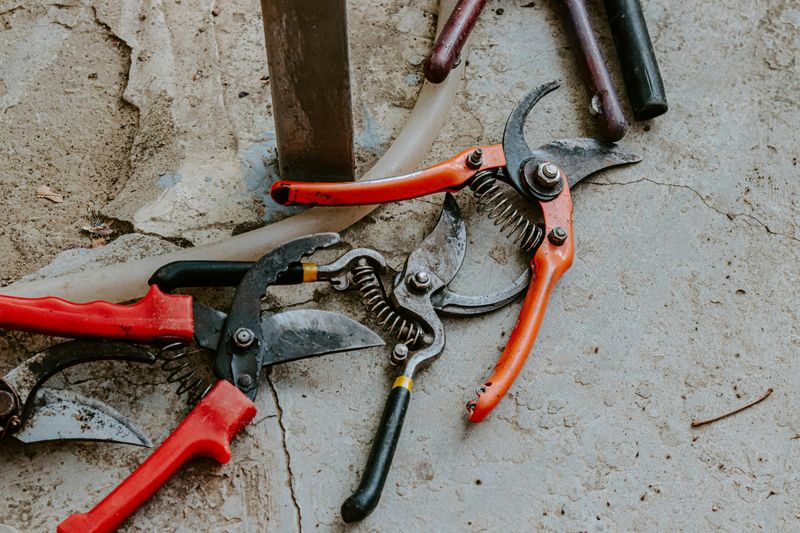
Tearing basil stems with your fingers or using dull scissors does more damage than most people realize.
Ragged cuts create wounds that take longer to heal, leaving the plant more vulnerable to bacteria and fungal infections. The tool you use is just as important as where and when you cut.
Sharp scissors or small pruning shears make a clean, precise cut that the plant can seal quickly.
That fast sealing protects the stem and allows the plant to redirect its energy into new growth almost immediately.
A clean cut also reduces the bruising that causes those dark, unpleasant spots you sometimes see on freshly cut stems.
Sanitation matters just as much as sharpness. Minnesota summers bring enough humidity to encourage fungal issues in herb gardens, so wiping your blades with rubbing alcohol between plants is a simple step worth taking.
It prevents the spread of any disease or pest that might be lurking on one plant from reaching another. This is especially important if you are growing multiple varieties of basil or mixing herbs in a container garden.
Keeping a dedicated pair of small scissors near your herb garden makes the whole process faster and more automatic.
When the right tool is always within reach, you are far more likely to prune consistently and correctly. Sharp, clean tools turn a good pruning habit into a genuinely great one.
7. Prune Every 2 To 3 Weeks
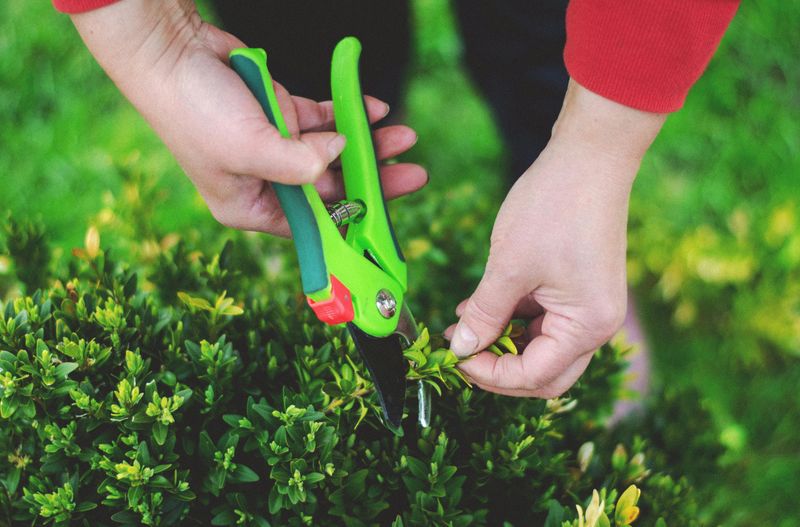
Minnesota’s July and August will push your basil faster than one pruning session can handle. Building a regular schedule of cutting every two to three weeks is the rhythm your plant thrives on.
Consistency here is the difference between a plant that stays lush for months and one that bolts prematurely during a summer heat spike.
Think of it like a haircut. One trim keeps things tidy for a few weeks, but skip a few appointments and suddenly everything is out of control.
Regular pruning sessions prevent the plant from ever getting far enough along to think about flowering. Every time you prune on schedule, you reset the plant’s growth clock.
New side shoots emerge, old woody growth gets removed, and the plant stays focused on producing tender, flavorful leaves rather than seeds.
In Minnesota, where the first frost can arrive as early as late September in some areas, keeping that schedule tight means you squeeze every possible week of productivity out of the season.
Set a reminder on your phone if you need to. Mark it on the kitchen calendar, tie it to another weekly chore, whatever makes it stick.
A two-to-three-week pruning rhythm takes about five minutes per plant and returns weeks of extra harvest time that a neglected basil rarely offers.
8. Harvest In The Morning
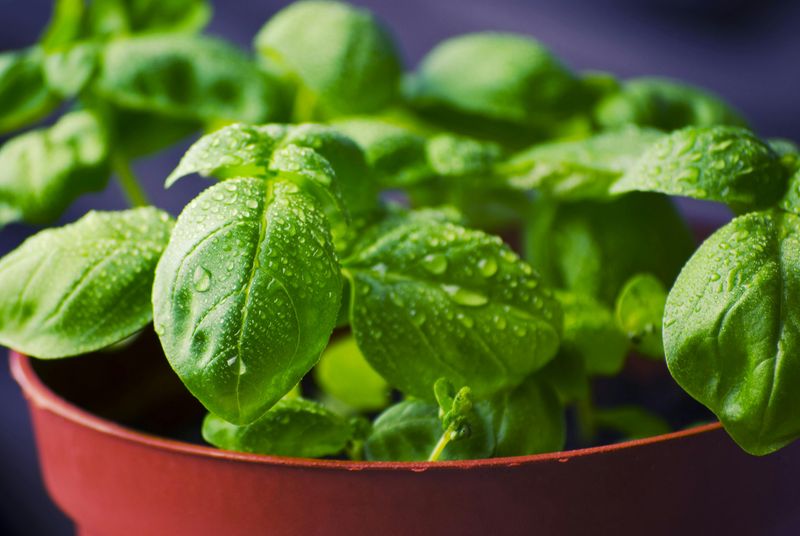
Harvest basil in the morning, before midday heat pulls the essential oils right out of the leaves. That small timing shift delivers noticeably fresher, more flavorful cuttings every single time.
Leaves picked in the morning tend to taste more intense and stay fresh longer once they are cut.
There is also a practical reason to head out early. The cooler morning temperatures reduce stress on both the plant and the freshly cut stems.
Minnesota summers can bring surprising afternoon heat, and basil wilts quickly once temperatures climb. Harvesting during the hottest part of the day shortens the window you have to use or store your leaves before they start to droop.
Morning harvesting also pairs well with a regular pruning routine. The plant has had the entire night to rest and rehydrate, so stems are firm, leaves are perky, and cutting is clean and easy.
You get better quality leaves and leave the plant in good condition to recover and regrow. Try stepping outside with your scissors right after your morning coffee. Make it a small ritual rather than a chore.
That five-minute morning habit will reward you with basil that smells and tastes like it came straight from a professional herb farm.
9. Leave At Least Two Sets Of Leaves On Each Stem
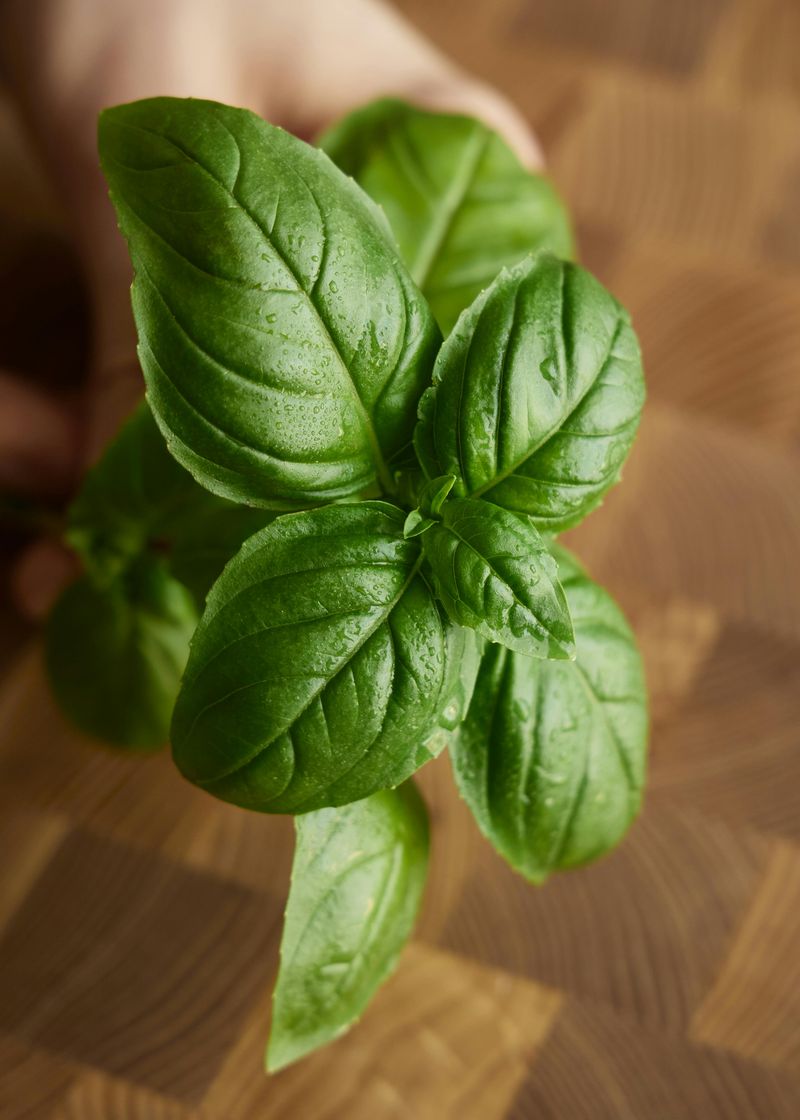
Never strip a stem bare. You are actually working against the plant’s ability to bounce back. Every stem needs a minimum of two sets of leaves left in place after pruning.
Those remaining leaves are the plant’s solar panels, capturing light and producing the energy needed to generate new growth.
Without at least two leaf sets, a stem has nothing to work with. It cannot photosynthesize, it cannot feed itself, and it may struggle to recover without them.
In a Minnesota season that already starts late and ends early, losing even one branch to an overzealous cut is a setback worth avoiding.
Leaving two sets of leaves also gives the plant clear branching points to work from. New shoots will emerge right from the nodes just below your cut, and those shoots will develop into the next round of harvestable stems.
You are essentially building the plant’s future while taking from its present. Once this rule becomes second nature, you will notice your basil recovering faster after every pruning session. The plant stays dense and full rather than sparse and struggling.
Protecting those bottom leaf sets is one of the simplest and most effective strategies for keeping your pruning game strong all the way through the season.
10. Bring Pots Indoors Before First Frost
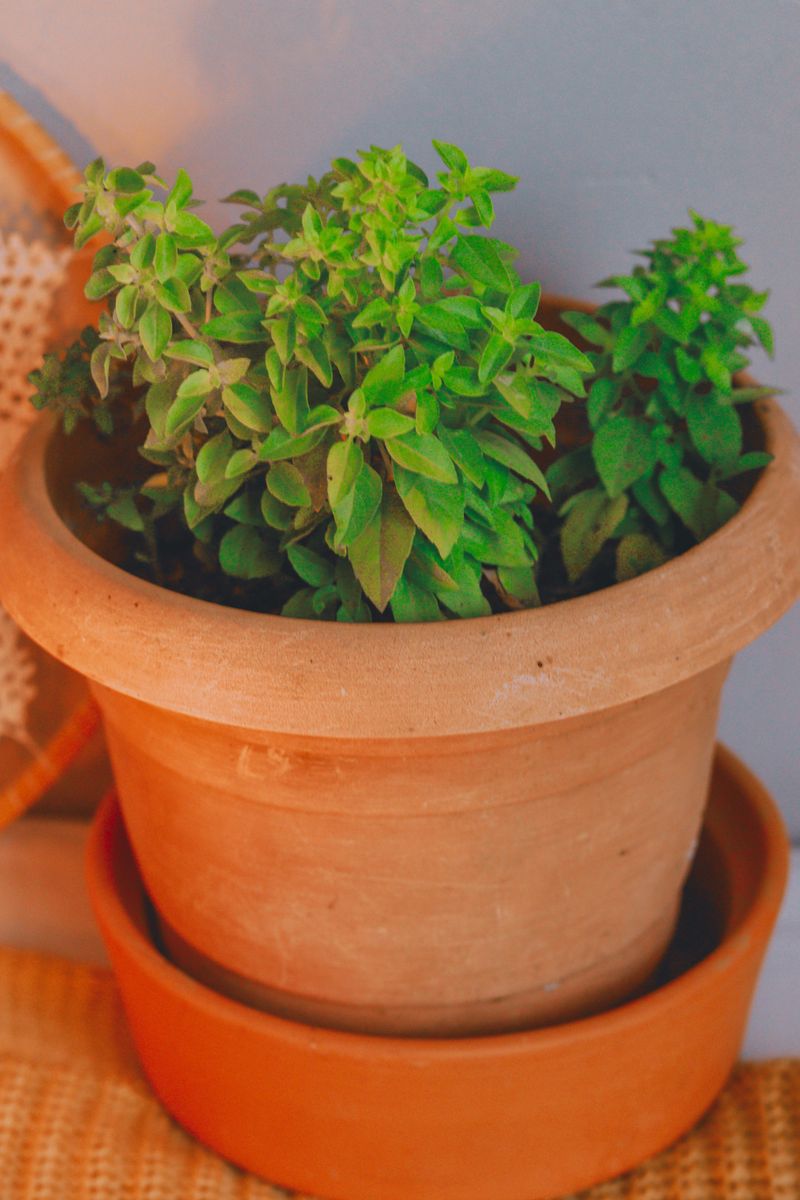
Basil and cold temperatures are not compatible. Even a light frost, or temperatures that dip below 50 degrees Fahrenheit for extended periods, can blacken leaves and shut the plant down almost overnight.
In Minnesota, the first frost typically arrives somewhere between late September and mid-October depending on where you live, so keeping an eye on the forecast from early fall is genuinely worthwhile.
Moving potted basil indoors before that first frost arrives is the final and most protective move you can make for your plant.
Before you bring it inside, give the plant a thorough pruning session. Remove any yellowing leaves, cut back any leggy stems, and pinch off any remaining flower spikes.
This cleanup reduces stress on the plant during the transition and removes anything that might attract pests indoors.
Place the pot near the sunniest window you have, ideally a south-facing one that gets at least six hours of light daily. Minnesota winters being what they are, natural light through a window may not always be enough once the days get short.
A grow light works well if your windows do not quite deliver enough natural brightness. Bringing basil inside before frost is the move that extends your entire season by weeks or even months. It protects everything you have worked for all summer long.
With consistent pruning care continued indoors, that same plant can keep your kitchen smelling like summer long after the garden outside has gone quiet for the year.
If you have cats or dogs that spend time near your herb garden, keep in mind that basil can cause mild stomach upset if eaten in larger amounts.