Native Georgia Ground Covers That Suppress Weeds Better Than Mulch
Bare patches of soil rarely stay empty for long. Give them a little moisture, a bit of sunlight, and before long, unwanted growth starts showing up where it is least wanted.
Many gardeners try to stay ahead of the problem with mulch, but the results do not always last as long as expected.
Some areas seem to need constant refreshing, while others quickly become a regular maintenance project. That frustration has led more people to look for options that do more than simply cover the ground.
Living plants can provide a very different solution.
The appeal becomes clear once they begin to spread and fill open spaces on their own. In Georgia, several native ground covers are known for forming thick coverage that helps limit competition naturally.
A few of them are especially good at turning difficult spots into areas that require far less attention.
1. Creeping Phlox Spreads Into A Colorful Living Carpet
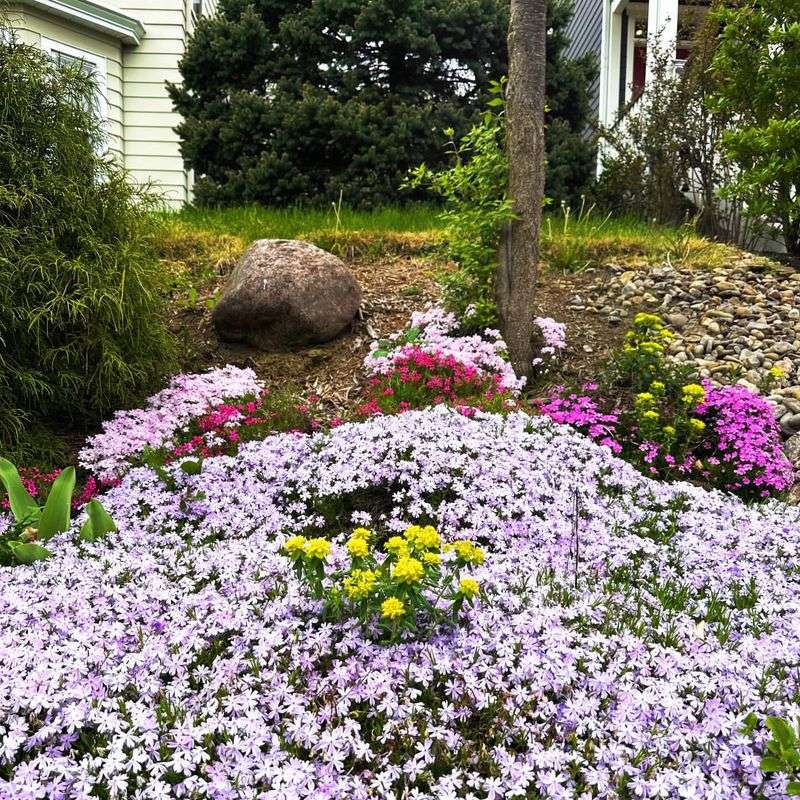
Few plants put on a show like creeping phlox does in early spring. Cascading sheets of pink, purple, and white flowers cover slopes and beds before most weeds even wake up.
It forms a tight, needle-like mat that smothers bare soil completely.
Creeping phlox thrives in full sun and handles dry, rocky, or sandy soil without complaint. Once rooted, it spreads steadily outward each season.
No tilling, no fuss.
Weed seeds struggle to germinate under that dense foliage. Even after blooming ends, the evergreen leaves stay low and thick through summer, fall, and winter.
Bare patches never get a chance to form.
Plant it along borders, driveways, or sloped areas where mulch slides away. Space plants about 18 inches apart at first.
Within two or three growing seasons, gaps fill in completely.
Watering needs drop dramatically once established. Creeping phlox handles summer heat well in the Southeast, though it prefers good drainage.
Soggy roots cause problems, so avoid low-lying areas with standing water.
Splitting clumps every few years keeps growth vigorous. A light trim after flowering encourages denser spreading.
It rewards minimal care with maximum coverage.
2. Green And Gold Fills Gaps Before Weeds Move In
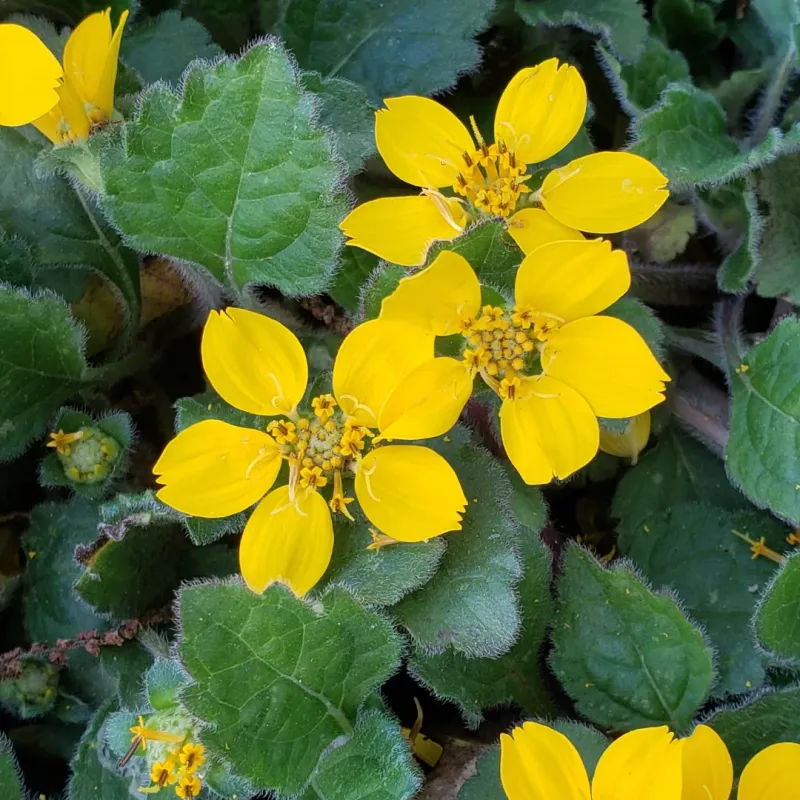
Green and gold earns its reputation fast. Yellow star-shaped flowers appear from early spring through fall, making it one of the longest-blooming native ground covers available in the Southeast.
Pollinators love it, and weeds hate it.
Chrysogonum virginianum spreads through both runners and self-seeding. New plants pop up around the parent plant within one season.
Coverage builds quickly without any help from you.
Partial shade suits it best, though it tolerates full sun with enough moisture. Woodland edges, shaded borders, and spots under trees are ideal placements.
It handles clay soil reasonably well, which matters a lot in the Piedmont region.
Leaf coverage stays dense even when flowers are not present. Weed seeds landing on a green and gold mat rarely find enough light to sprout.
Ground-level competition stays almost nonexistent.
Water regularly during the first growing season. After that, established plants manage moderate drought without visible stress.
Mulching around new transplants helps retain moisture until roots settle in.
Your Georgia Garden Changes Every Week. Your Plan Should Too.
Gardening in Georgia changes quickly throughout the season. Every Friday you’ll receive a simple weekly plan showing exactly what to plant, prune, fertilize, harvest, and protect so you never miss the right timing.
Spacing plants 12 to 15 inches apart speeds up coverage. Avoid heavy foot traffic, since stems are delicate.
Otherwise, green and gold asks for very little once settled into a spot it likes.
3. Allegheny Spurge Creates Dense Evergreen Coverage
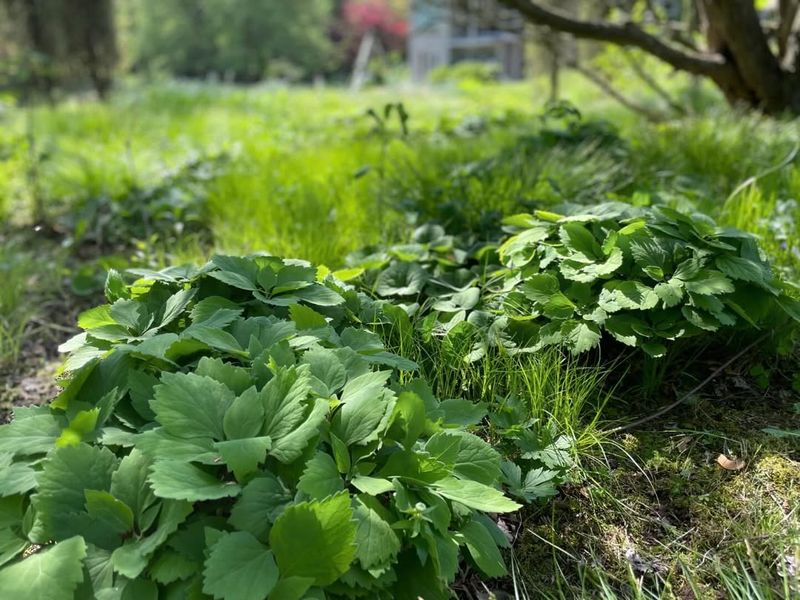
Allegheny spurge is the native answer to Japanese pachysandra. It looks similar but belongs here, supports local insects, and actually improves with age instead of becoming invasive.
Gardeners across the Southeast are making the switch.
Patterned, mottled leaves form a thick carpet that stays green through most of winter. Fragrant white flower spikes appear in late winter or early spring, right when the garden needs color most.
After blooming, foliage takes over completely.
Shade is where Allegheny spurge performs best. Under large trees, along north-facing walls, or in spots where grass refuses to grow, it fills in steadily.
Clay or loamy soil suits it fine.
Weed pressure drops sharply beneath its canopy. Leaves overlap enough to block sunlight at ground level.
Seeds landing on top rarely find conditions they need to sprout.
Growth is slow at first, so patience pays off. Spacing plants 12 inches apart and watering regularly during the first two summers helps establish coverage faster.
After that, very little intervention is needed.
Avoid planting in areas with full afternoon sun. Leaf scorch appears quickly in hot, exposed spots.
Given the right conditions, Allegheny spurge builds a reliable, long-lasting mat that competes effectively with almost any weed.
4. Wild Ginger Shades Soil At Ground Level
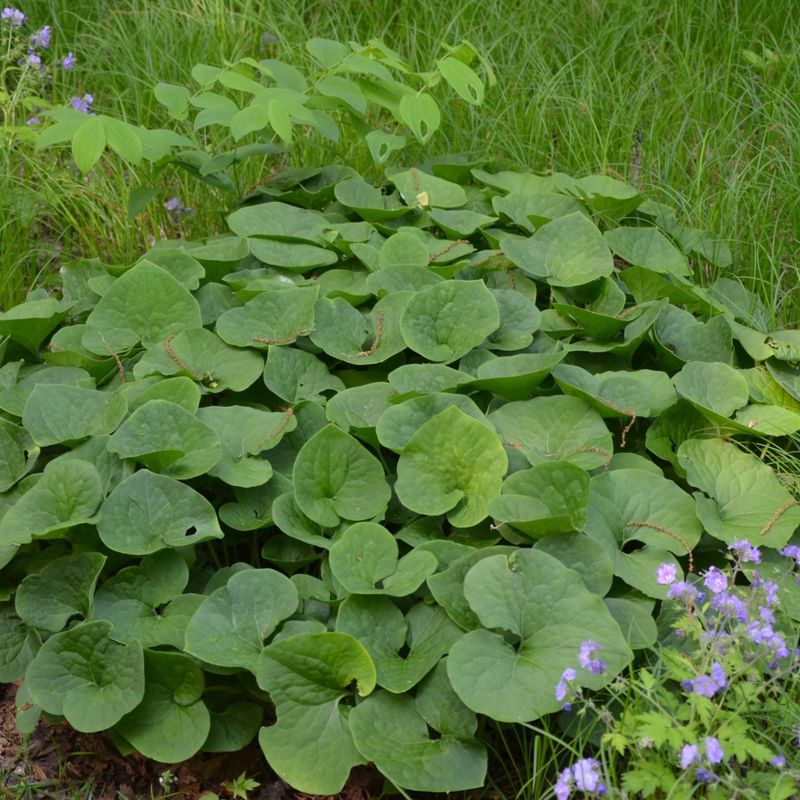
Wild ginger does not look like a typical ground cover, but those large, heart-shaped leaves are exactly what weed seeds fear most. Coverage builds leaf by leaf, season by season, until bare soil simply disappears.
Shade gardens transform with almost no effort.
Asarum canadense spreads through slow rhizome growth. Colonies expand outward each year, filling in gaps naturally.
No runners shoot out aggressively, so neighboring plants stay safe.
Deep shade is no problem. Wild ginger grows happily under dense tree canopies where almost nothing else survives.
Moist, rich, well-drained soil produces the best results, though average woodland soil works fine.
Leaves stay low, usually under six inches tall. That canopy sits right at soil level, blocking light from reaching weed seeds below.
Fewer weeds sprout, and the ones that do are easy to pull from soft woodland soil.
Water new plantings consistently through the first growing season. Once roots establish, wild ginger handles moderate dry spells without much visible stress.
Avoid areas with standing water or compacted clay.
Deer sometimes browse the foliage, so keep that in mind for rural properties. Division every few years keeps colonies vigorous.
Wild ginger rewards patient gardeners with a carpet that gets better every single year.
5. Frogfruit Expands Quickly Across Open Areas
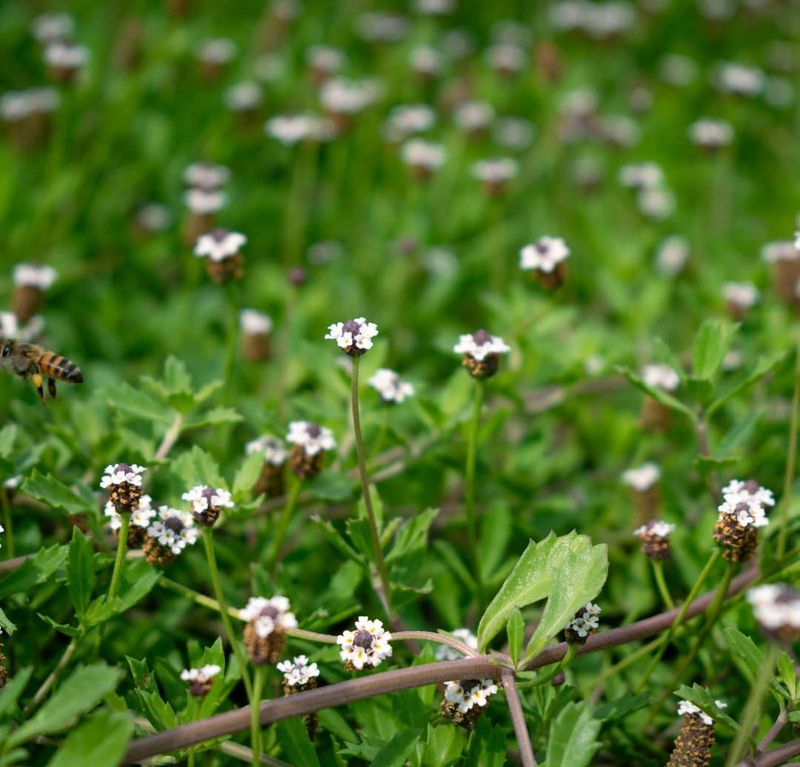
Frogfruit moves fast. Once established, it spreads across open ground through creeping stems that root at every node.
Bare patches fill in within a single growing season. Few native ground covers match its speed in full sun locations.
Phyla nodiflora handles heat, drought, and foot traffic better than most plants its size. Lawns, pathways, and open slopes are all fair game.
Tiny white and pink flower clusters bloom from spring through fall, supporting butterflies and bees constantly.
Weed suppression happens because frogfruit leaves no open soil behind. Stems weave together into a tight mat that blocks light completely at ground level.
Weed seeds simply cannot compete once coverage is established.
Full sun is essential. Performance drops in shaded spots, and stems thin out noticeably.
Sandy, well-drained soil suits it best, though it tolerates average garden soil without problems.
Water regularly during the first growing season to encourage fast rooting. After that, established frogfruit handles dry stretches without irrigation.
Occasional mowing keeps growth tidy if needed, but it is not required.
Avoid planting near slow-growing natives, since frogfruit can crowd smaller plants over time. Given open space and sunshine, it builds dense, reliable coverage that holds weeds back season after season.
6. Woodland Stonecrop Covers Soil In Shady Spots
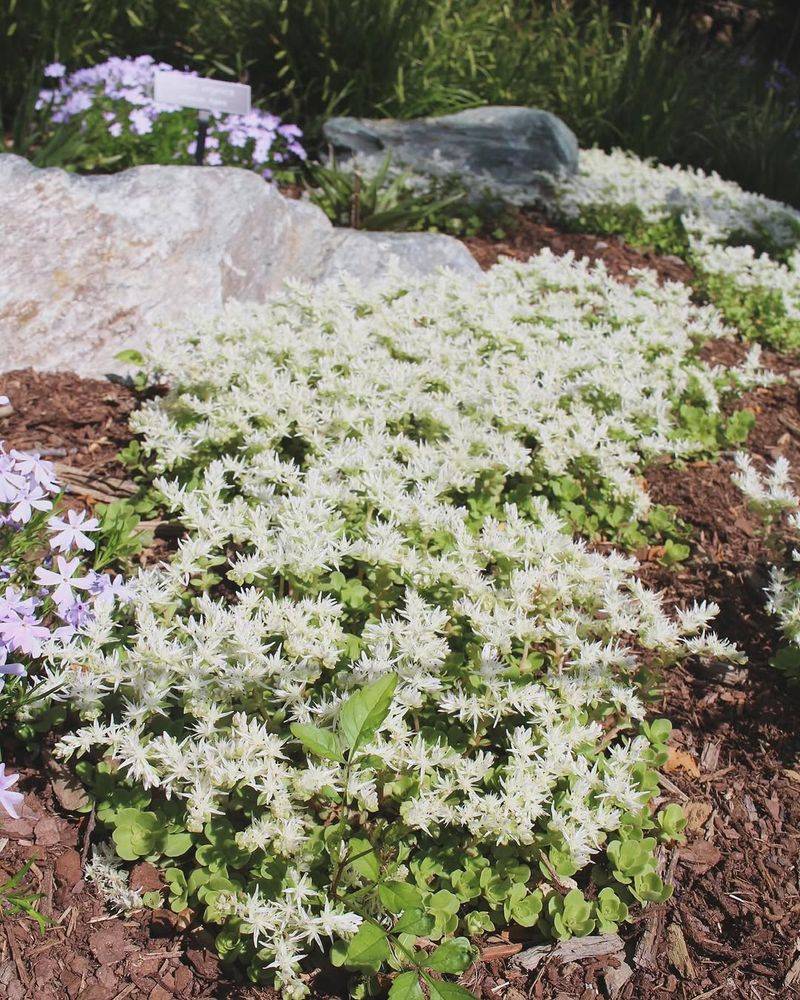
Woodland stonecrop surprises people. Most sedums need full sun, but this one thrives in shade.
Fleshy, rounded leaves form a low mat that covers rocky or rooty soil where other plants give up completely. It is one of the few succulents native to eastern woodlands.
Sedum ternatum stays under four inches tall. White star-shaped flowers open in spring and cover the plant completely for several weeks.
After blooming, the thick foliage takes back over and holds its ground through summer and fall.
Rocky outcrops, slopes, and areas with thin soil are perfect placements. Roots grip shallow soil tightly and prevent erosion.
Weed seeds landing on the mat rarely find enough loose soil to take hold.
Drainage is non-negotiable. Wet, soggy conditions cause root problems quickly.
Well-drained, average to poor soil actually produces healthier plants than rich, amended beds.
Watering needs are minimal once established. Established plants handle dry stretches well, even in summer heat.
Planting under deciduous trees gives it the dappled light it prefers most.
Spacing plants 12 inches apart allows spreading without overcrowding. Division every few years keeps colonies looking fresh.
Woodland stonecrop fills in slowly but builds a genuinely tough mat that holds difficult spots together across multiple seasons.
7. Partridgeberry Keeps Bare Soil Covered Year-Round
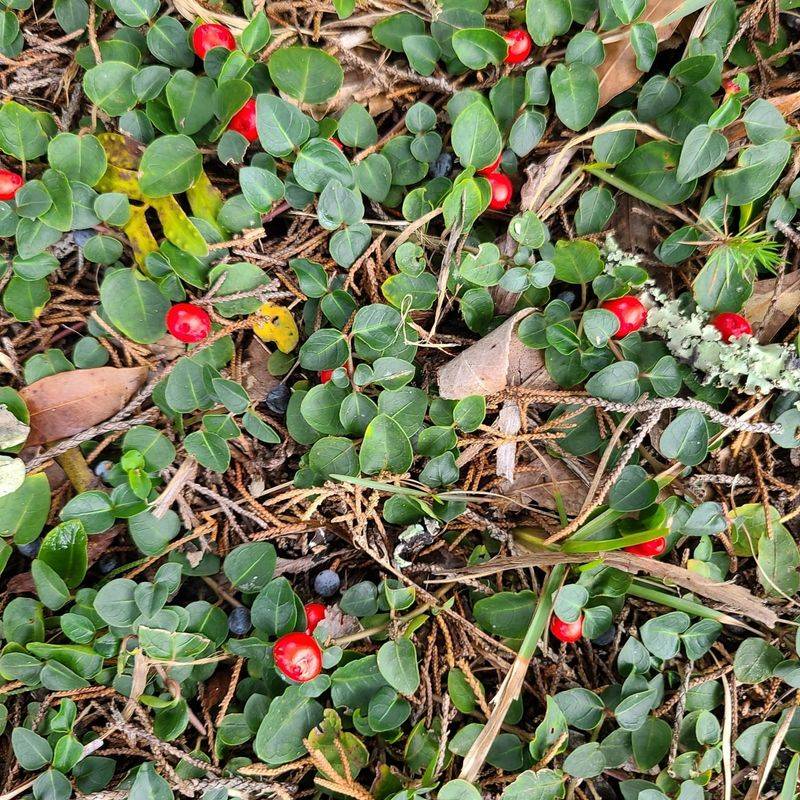
Partridgeberry never takes a break. Evergreen stems stay green through every season, meaning bare soil never appears.
Bright red berries add color in fall and winter when most plants look dull and lifeless. It is a compact, reliable workhorse for shaded spots.
Mitchella repens grows in true deep shade. Under hemlocks, oaks, and other dense canopy trees, it spreads quietly through trailing stems that root where they touch the ground.
Coverage builds without any help from gardeners.
Leaves stay small and close to the soil. Weed seeds landing on a partridgeberry mat find almost no open ground and very little light.
Ground-level competition stays extremely low once the plant establishes itself.
Moist, acidic, well-drained soil is ideal. Sandy loam or woodland soil with organic matter supports the best growth.
Avoid heavy clay or areas with poor drainage.
Water new transplants consistently through the first growing season. After that, partridgeberry handles average rainfall well.
Supplemental watering during extended dry spells keeps foliage looking its best.
Foot traffic is not something it handles well, so keep it in undisturbed areas. Birds eat the berries enthusiastically, which helps spread seeds naturally.
For year-round, low-maintenance coverage in deep shade, partridgeberry is genuinely hard to beat.
8. Pennsylvania Sedge Forms A Thick Low-Growing Cover
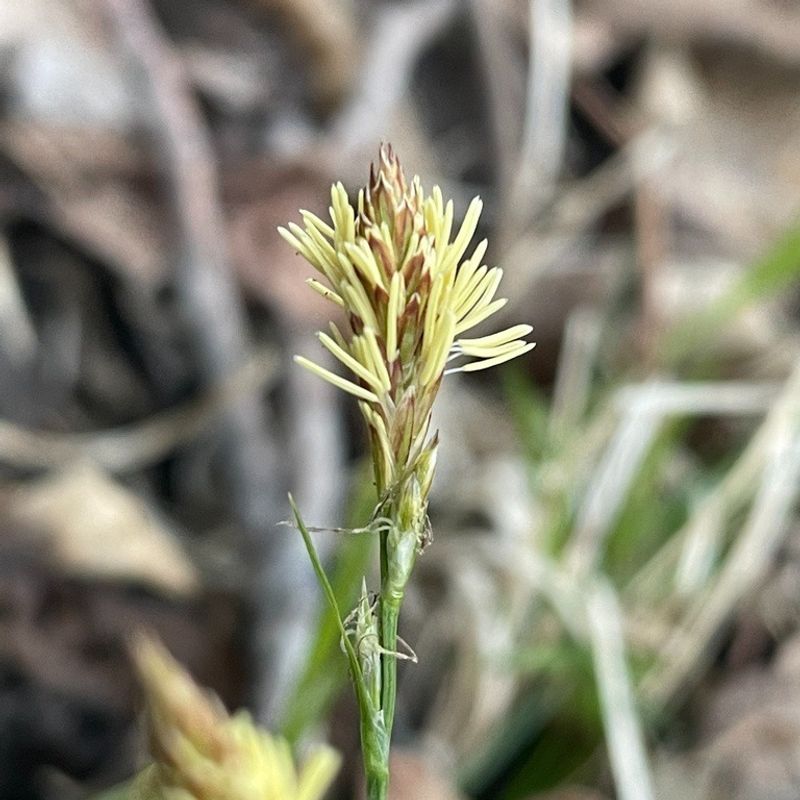
Pennsylvania sedge looks like a lawn but grows without mowing, fertilizing, or irrigation. Fine, arching blades stay under eight inches tall and spread through rhizomes into a soft, grass-like carpet.
Shaded areas under trees that defeat regular turf grass are where it truly shines.
Carex pensylvanica handles dry shade better than almost any other native ground cover. Under mature oaks and pines, where soil moisture is low and competition is fierce, it still establishes and spreads reliably.
That combination is genuinely rare.
Dense rhizome networks fill soil so completely that weed seeds find no open gaps. Light never reaches bare soil beneath the blades.
Weed pressure drops significantly within the first full growing season after planting.
Spacing plugs about six to eight inches apart produces faster coverage. Planting in fall or early spring gives roots time to establish before summer heat arrives.
Watering during the first season is important for success.
Once settled in, Pennsylvania sedge needs almost nothing. No fertilizer, no irrigation, no mowing unless you want a tidier look.
A single annual trim in late winter keeps growth fresh and tidy.
Avoid compacted or waterlogged soil. Given reasonable drainage and shade, this sedge builds a durable, long-lasting mat that holds up across years of low-maintenance use in the Southeast.
9. Golden Ragwort Forms Thick Colonies Over Time
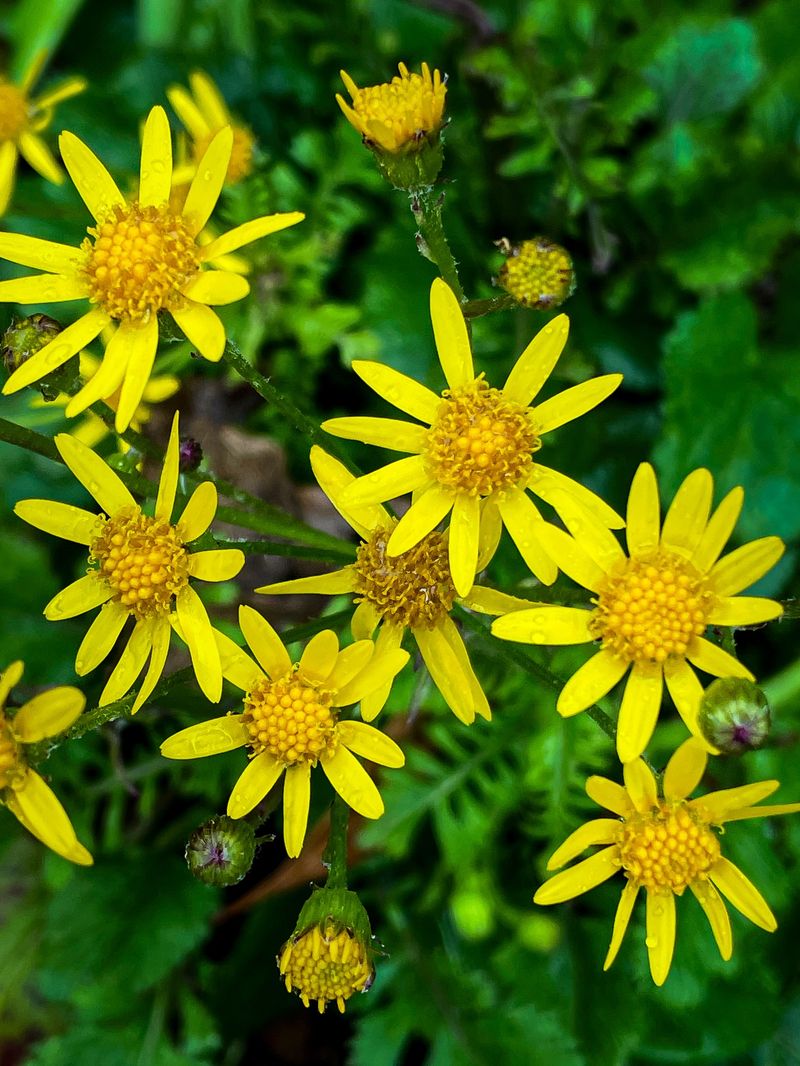
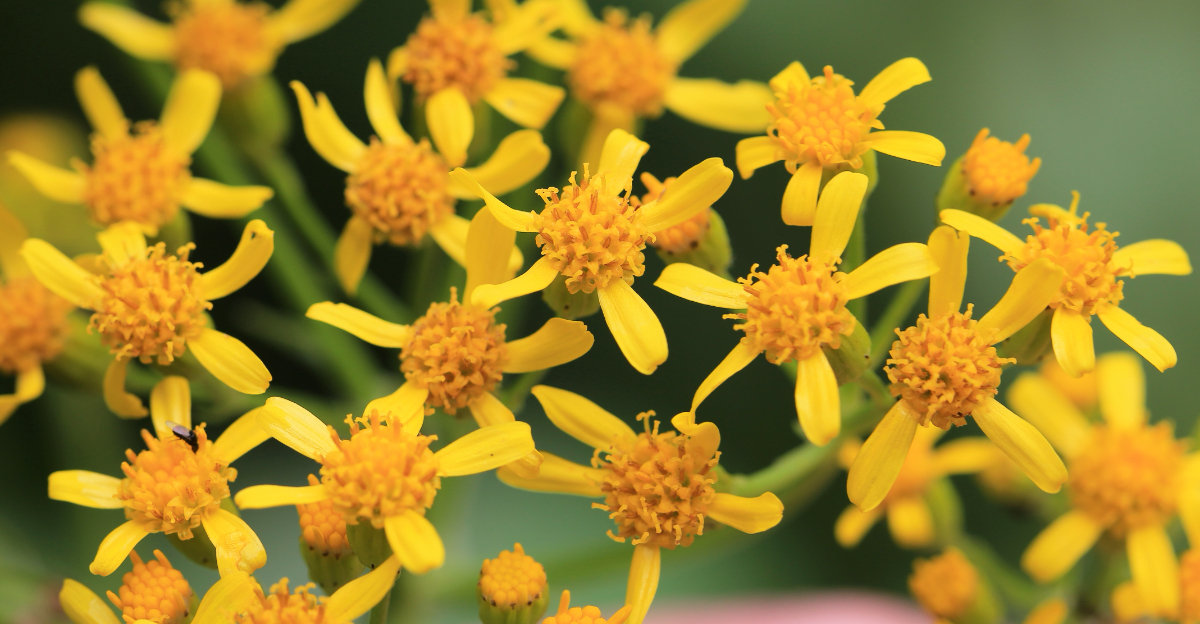
Golden ragwort gets overlooked, and that is a mistake. Bright yellow flowers blanket the plant in early spring when the rest of the garden is still waking up.
Below those flowers, rounded basal leaves form a dense mat that holds soil and blocks weeds all season.
Packera aurea self-seeds freely and spreads through rhizomes. Colonies thicken year after year without any intervention.
What starts as a few transplants turns into a solid patch within two or three growing seasons.
Moist, shaded spots suit it best. Stream banks, low-lying areas, and spots under deciduous trees are ideal.
It tolerates seasonal flooding better than most ground covers, which is useful in low areas of the yard.
Leaf coverage stays dense from late winter through summer. Even after flowers fade, the basal rosettes remain and keep light from reaching the soil below.
Weed pressure stays minimal throughout the growing season.
Water new plants regularly until roots are established. After that, golden ragwort handles average rainfall without supplemental irrigation.
Avoid hot, dry, exposed spots where leaves scorch quickly.
Butterflies and native bees visit the flowers heavily in spring. Beyond weed suppression, golden ragwort pulls real ecological weight.
It is a practical and rewarding choice for naturalized areas across the Southeast.