These Heat-Tolerant Arizona Plants Bloom Longer Than Geraniums In Summer
Some flowers look incredible at first, then seem to lose their momentum just when the garden needs color the most.
After weeks of intense sunshine and high temperatures, the difference between average performers and truly reliable bloomers becomes much easier to see.
One plant may slow down noticeably, while another continues producing flowers and keeping the garden bright through the toughest part of the season.
That is often what separates a good summer garden from a memorable one. Long lasting blooms help beds, borders, and containers hold their appeal even when conditions become challenging.
Choosing the right plants can mean the difference between constantly replacing fading color and enjoying flowers that continue putting on a show.
Arizona is known for demanding summer weather, but some plants are perfectly suited to those conditions. They continue blooming through extended heat and keep gardens looking lively long after many familiar favorites begin slowing down.
1. Desert Marigold Carries Color Through Harsh Summer Weather
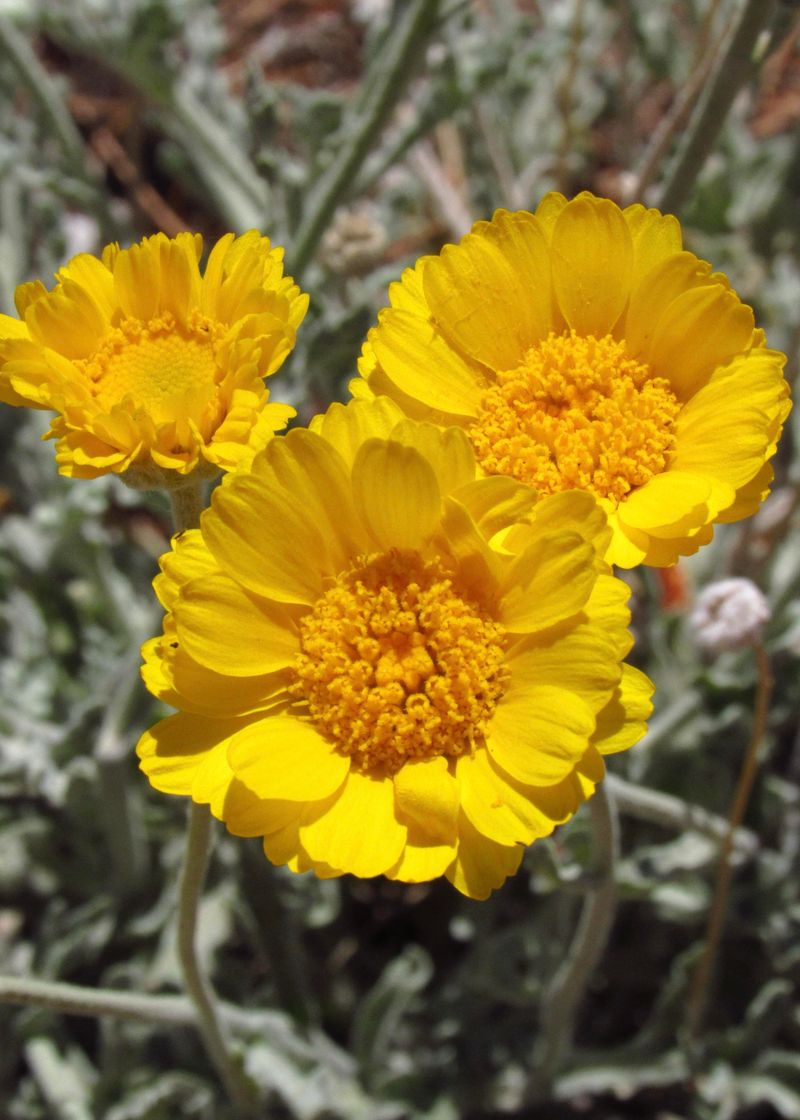
Bright yellow blooms in 110-degree heat? Desert marigold pulls it off without much help at all.
This plant pushes out cheerful, daisy-like flowers from spring all the way through fall, rarely pausing even during the harshest weeks. Geraniums can only dream of that kind of stamina.
Desert marigold grows naturally across the Sonoran and Chihuahuan deserts. It thrives in rocky, sandy, and well-drained soil.
Poor soil quality does not slow it down.
Overwatering, though, can cause root rot, so less is genuinely more with this one.
Plants grow about one to two feet tall. They spread into soft, rounded clumps covered in silvery-green foliage.
That pale leaf color reflects sunlight, which helps the plant stay cooler during intense afternoon exposure. It is a smart adaptation worth appreciating.
Deadheading spent blooms encourages faster reblooming. Even without deadheading, new flowers appear regularly throughout the season.
Pollinators, especially native bees and butterflies, visit constantly. Adding desert marigold to a dry garden bed creates a living landing pad for beneficial insects all summer long.
Seed propagation is easy. Plants often self-sow, filling gaps in gravel gardens naturally over time.
Once established, they need almost no supplemental irrigation in most desert climates. Replacing struggling geraniums with desert marigold is one of the smartest low-effort swaps any desert gardener can make.
2. Chuparosa Outlasts Many Early-Season Bloomers
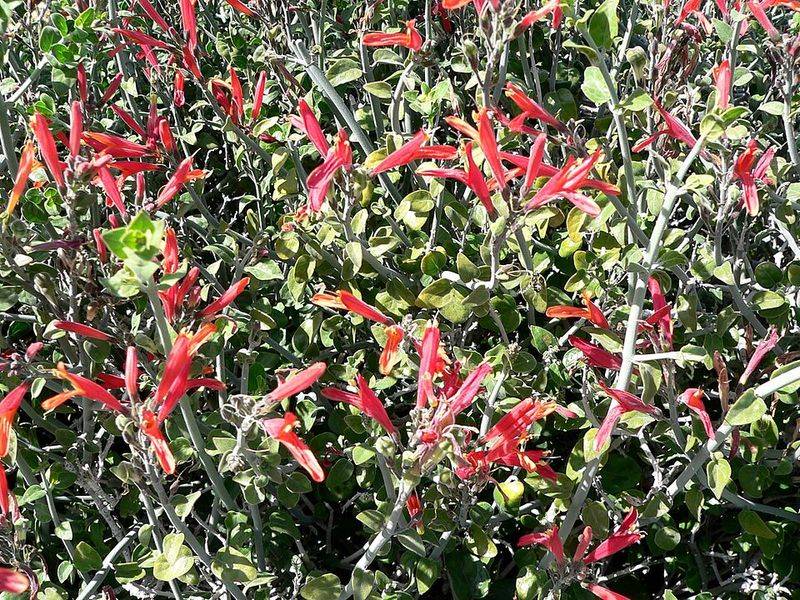
Hummingbirds find chuparosa before most gardeners even notice it blooming.
The tubular red and orange flowers appear on bare or leafy stems depending on rainfall, and they keep coming back through summer heat that would shut down most flowering shrubs entirely.
It is a tough, reliable performer.
Chuparosa, also called Justicia californica, grows natively across low desert regions of the Southwest. It handles reflected heat from walls and pavement better than almost any other flowering shrub.
Planting it near a south-facing wall gives it the warmth it loves without causing any visible stress.
Height ranges from three to five feet. Spread can reach similar dimensions with enough space and water.
Your Arizona Garden Changes Every Week. Your Plan Should Too.
Gardening in Arizona changes quickly throughout the season. Every Friday you’ll receive a simple weekly plan showing exactly what to plant, prune, fertilize, harvest, and protect so you never miss the right timing.
In dry years, the plant drops leaves to conserve moisture but keeps producing flowers on bare stems. That behavior surprises new gardeners, but it is completely normal and healthy.
Established plants need very little supplemental water. Deep, infrequent irrigation works far better than frequent shallow watering.
Roots push down to find moisture on their own once the plant settles in. Overwatering in heavy soil is the one situation that causes real problems.
Chuparosa pairs well with desert willow, brittlebush, and other native shrubs. It fills mid-height gaps in a mixed desert planting beautifully.
For hummingbird gardeners especially, this shrub offers months of reliable nectar production without demanding much attention in return.
3. Mexican Honeysuckle Handles Heat With Steady Color
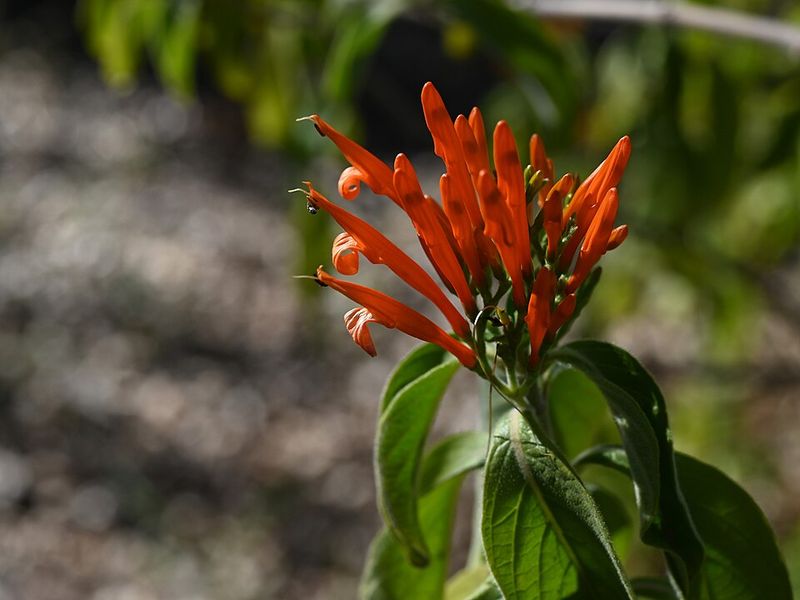
Orange blooms pouring out through June, July, and August is not a fantasy in the desert Southwest. Mexican honeysuckle makes it happen.
Justicia spicigera pushes clusters of tubular orange flowers almost continuously through summer, even when temperatures stay above 100 degrees for weeks at a stretch.
Unlike true honeysuckle vines, this plant grows as a soft-stemmed shrub reaching about three to four feet tall. It fills containers beautifully and works just as well in raised beds or mixed borders.
The lush green foliage provides a cooling visual contrast against hot-colored blooms.
Partial shade extends the bloom season noticeably. Full sun works in mild climates, but afternoon shade in hotter locations keeps the plant looking fresher and producing more flowers.
A spot with morning sun and afternoon shade is genuinely ideal for peak performance.
Watering once or twice a week during summer keeps plants vigorous and floriferous. Reducing irrigation in winter prevents root problems.
Occasional light pruning in late winter shapes the plant and encourages dense new growth before the bloom season begins again in spring.
Hummingbirds and orioles visit regularly. The plant attracts pollinators throughout its long bloom period, adding wildlife activity to any garden space.
Mexican honeysuckle is not native to Arizona but adapts well to desert conditions and earns its place in summer-focused desert plantings with consistent, dependable color.
4. Goodding’s Verbena Works Well In Dry Garden Beds
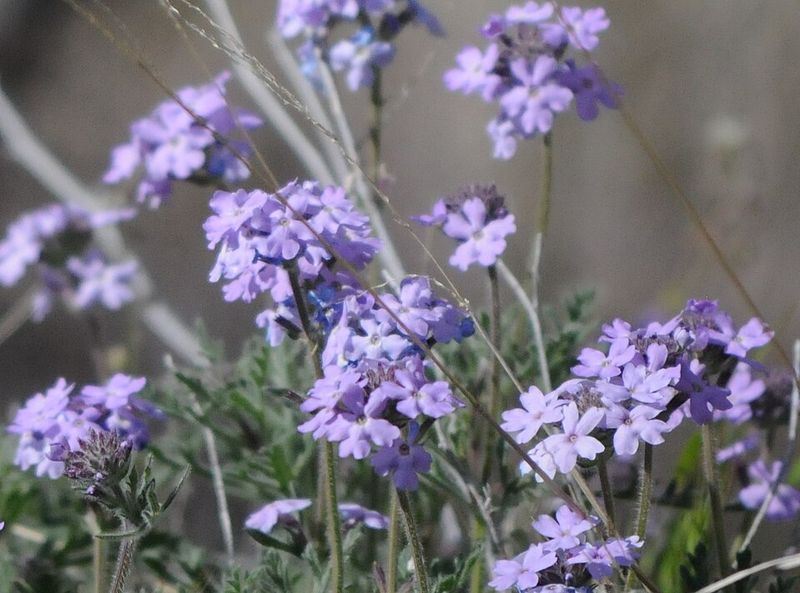
Purple flowers spreading low across a gravel bed with almost zero irrigation is exactly what Goodding’s verbena offers.
Glandularia gooddingii blooms heavily in spring, then continues producing scattered clusters of lavender-purple flowers well into summer when given a little supplemental water.
It earns its space quickly.
Plants stay low, typically under one foot tall, but spread two to three feet wide. That spreading habit makes Goodding’s verbena excellent for filling gaps between rocks, cacti, or larger shrubs.
Ground-level color in a desert garden is harder to find than most people expect, which makes this plant genuinely useful.
Full sun is preferred. Well-drained soil is essential.
Heavy clay soil causes problems, but amended beds or native sandy soil suits this plant perfectly. Raised beds work especially well for gardeners dealing with compacted or poorly draining soil conditions in their landscape.
Supplemental watering once or twice a week during summer keeps plants blooming longer than they would on rainfall alone. Letting plants dry slightly between waterings reduces the risk of crown rot, which can occur in humid or overwatered conditions.
Balance is key with this one.
Bees absolutely love Goodding’s verbena. The flowers provide accessible nectar, and plants in full bloom often buzz with activity all morning long.
Pairing it with desert marigold or penstemon creates a low-growing, pollinator-rich border that delivers season-long color without demanding constant care or heavy irrigation.
5. Desert Four O’Clock Opens New Blooms Near Sunset
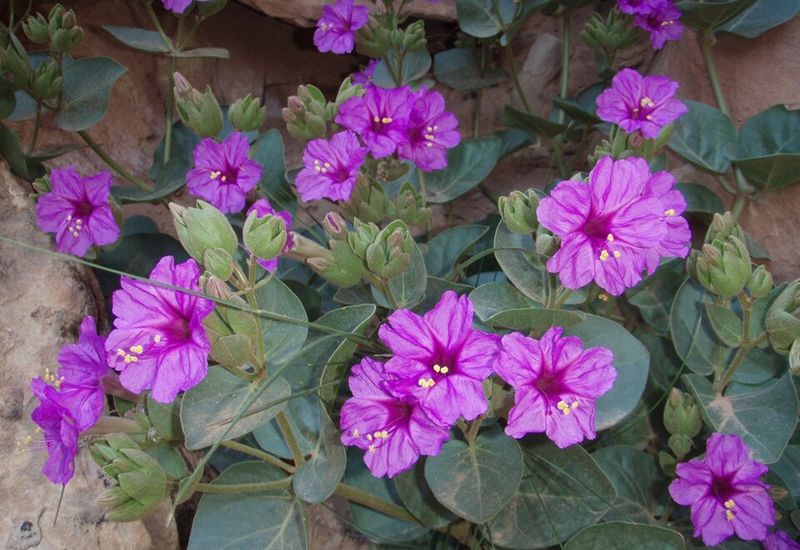
Right around sunset, something shifts in the desert garden. Desert four o’clock, Mirabilis multiflora, opens its bright magenta blooms as afternoon heat begins to ease.
Flowers stay open through the night and close again by mid-morning. It is one of the most uniquely timed bloomers in any desert planting.
Plants grow from a large, deep taproot that stores water and nutrients effectively. Above ground, they form rounded mounds two to three feet tall and wider than they are tall.
The deep taproot makes transplanting difficult, so choosing the right spot before planting matters more than it does with most plants.
Bloom season runs from late spring through summer and sometimes into early fall. Hot weather does not stop the flowers from appearing.
Each plant produces dozens of blooms nightly, and the magenta color is vivid enough to see clearly in low evening light. It creates a genuinely striking display.
Water needs are low once established. The taproot accesses deeper soil moisture that surface-rooted plants cannot reach.
A few deep waterings per month during summer keeps plants looking full and vigorous. Young plants need more frequent irrigation during their first season to develop that deep root system properly.
Pollinators active at dusk, including hawk moths, visit desert four o’clock regularly. Planting it near a seating area makes evening garden time noticeably more interesting.
Watching the flowers open as the sun drops is one of those simple garden moments that never gets old.
6. Autumn Sage Returns With Color After Hot Spells
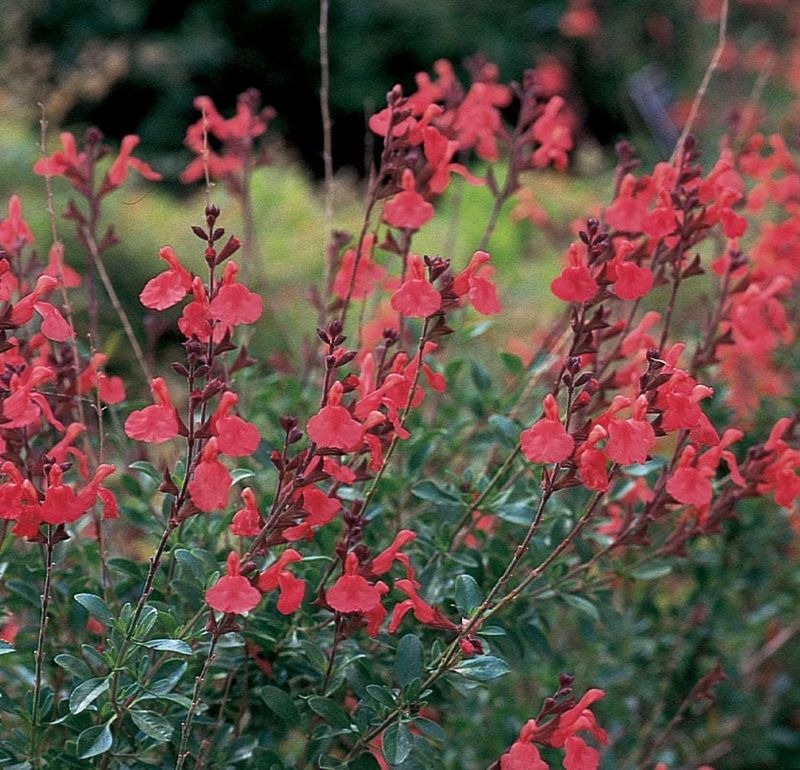
Autumn sage has a trick most plants lack. After a brutal heat wave, it bounces back with fresh blooms faster than almost anything else in the garden.
Salvia greggii earns real loyalty from desert gardeners because it does not just survive summer heat, it actually recovers from it with visible enthusiasm.
Red is the classic color, but cultivars come in pink, coral, white, and bicolor forms. All of them share the same heat and drought tolerance that makes this salvia so valuable.
Bloom cycles repeat throughout summer and into fall, with brief pauses during peak heat that rarely last more than a week or two.
Plants grow one to three feet tall depending on variety and pruning. Cutting plants back by about one-third after each bloom cycle encourages compact growth and faster reblooming.
Skipping pruning results in a leggier plant that still blooms but produces fewer flowers per stem over time.
Water deeply but infrequently. Established plants handle dry stretches well, though they look and perform better with occasional summer irrigation.
Sandy or loamy soil drains fast enough to prevent root problems. Heavy or poorly drained soil is the main condition to avoid when planting autumn sage.
Hummingbirds treat autumn sage like a favorite rest stop. Plants in full bloom attract multiple birds throughout the day.
Pairing autumn sage with yellow bells or Mexican honeysuckle creates a hummingbird-focused planting that delivers color and wildlife activity from spring straight through the first cool nights of fall.
7. Chocolate Flower Needs Little Water Once Established
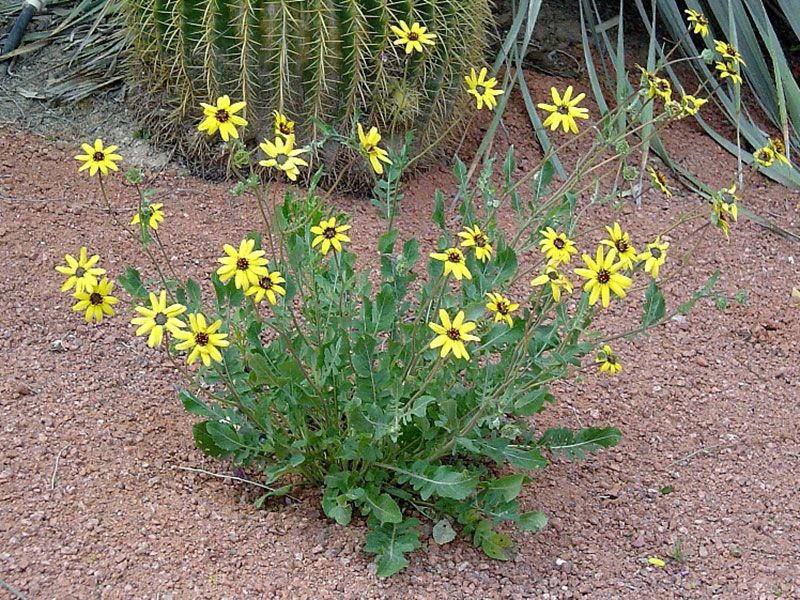
Lean in close to a chocolate flower on a warm morning and you will catch a faint, genuine chocolate scent rising from the blooms. Berlandiera lyrata is not just a novelty.
It blooms reliably through summer heat with almost no irrigation once roots are established, and it does it with real charm.
Yellow ray petals surround a reddish-brown center disk, creating a simple but attractive flower that opens in the morning and closes by afternoon. Bloom production is steady from late spring through fall.
Plants growing in full sun tend to produce the most flowers with the strongest fragrance.
Height stays modest, typically one to two feet. Plants spread slowly by seed and root crowns, gradually forming loose colonies in undisturbed areas.
In managed garden beds, occasional thinning keeps growth contained without much effort. A light hand with pruning works better than aggressive cutting for this plant.
Soil drainage matters more than soil fertility. Chocolate flower grows well in native sandy or rocky soils without any amendment.
Rich, moist soil actually reduces performance and increases vulnerability to root problems. Planting in a spot with excellent drainage is the single most important setup decision.
Butterflies and native bees visit consistently throughout the bloom season. The plant works beautifully as a low border filler or as a natural companion to desert marigold and Goodding’s verbena.
For gardeners wanting a low-maintenance, genuinely fragrant summer bloomer, chocolate flower delivers without asking for much in return.
8. Yellow Bells Flower Best During Long Warm Months
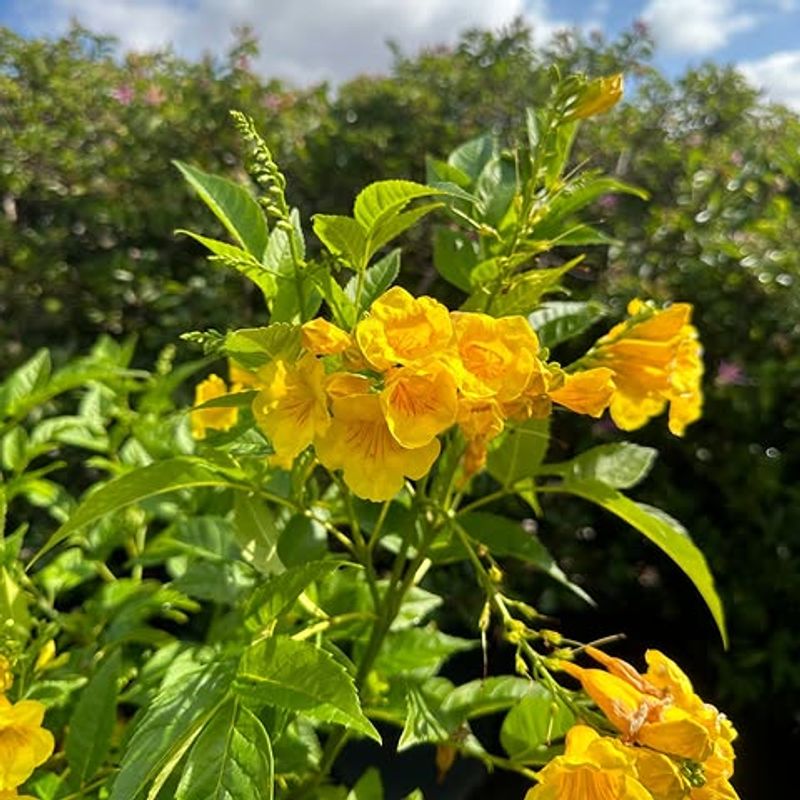
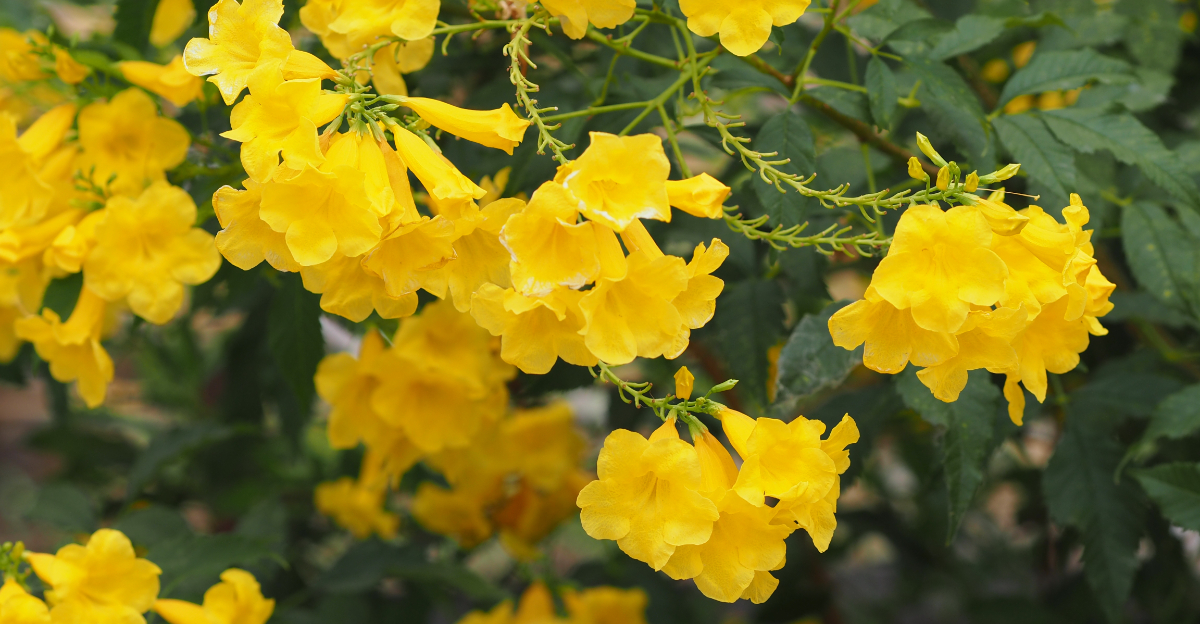
Few plants match yellow bells for sheer summer presence. Tecoma stans explodes with clusters of bright yellow trumpet flowers right when most other plants are struggling to survive the heat.
Bloom production actually increases as temperatures rise, which makes it one of the most rewarding plants in any desert garden.
Yellow bells can grow into a large shrub or small tree depending on how it is pruned. Left alone, it reaches eight to ten feet tall.
Regular trimming keeps it compact and encourages more branching, which directly leads to more flower clusters. A well-pruned plant looks spectacular from late spring through early fall.
Water needs are moderate compared to many ornamentals. Deep watering every one to two weeks during summer keeps the plant healthy and blooming steadily.
Once established, it handles drought stretches reasonably well, though consistent irrigation during peak heat produces noticeably better flowering.
Seed pods appear after flowers fade. Removing them redirects the plant’s energy back into flower production.
Some gardeners skip this step and still get excellent bloom coverage. Experimenting both ways helps determine what works best in a specific yard or microclimate.
Yellow bells attracts hummingbirds, bees, and butterflies in large numbers. Planting it near a patio creates constant wildlife activity all summer long.
It grows vigorously in the low desert and earns its reputation as one of the boldest, most heat-tolerant flowering shrubs available to desert gardeners anywhere.