The One Thing You Must Do To North Carolina Loropetalum Before Summer Or It Will Look Scraggly
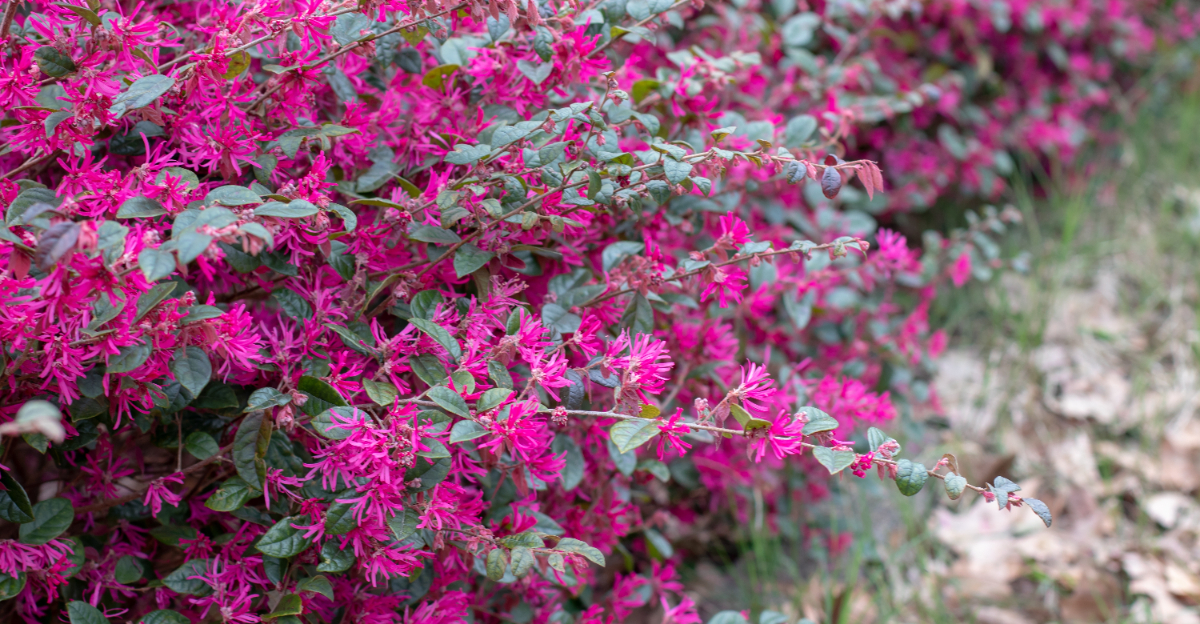
Loropetalum is one of those shrubs that looks absolutely spectacular when it’s well maintained and surprisingly rough when it isn’t.
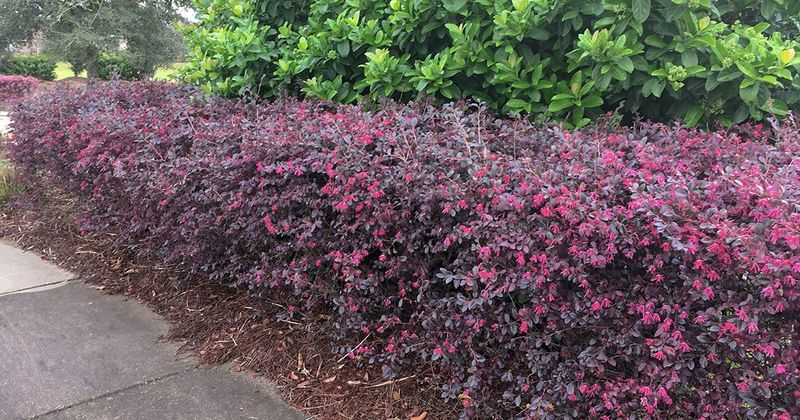
That deep burgundy foliage and those wispy pink flowers make it one of the more striking plants in a North Carolina landscape, but left to its own devices through a full summer, it develops a rangy, uneven look that no amount of watering or feeding will fix.
There’s one specific task that makes the difference between a loropetalum that holds its shape and color through the season and one that spends summer looking like it needs attention.
The timing matters just as much as the task itself, and right now, before the heat fully arrives, is the right moment to get it done.
Wait too long and you’re either stuck with the scraggly look or forcing the plant to push new growth during the most stressful weeks of the year.
1. Prune Right After Spring Bloom Ends
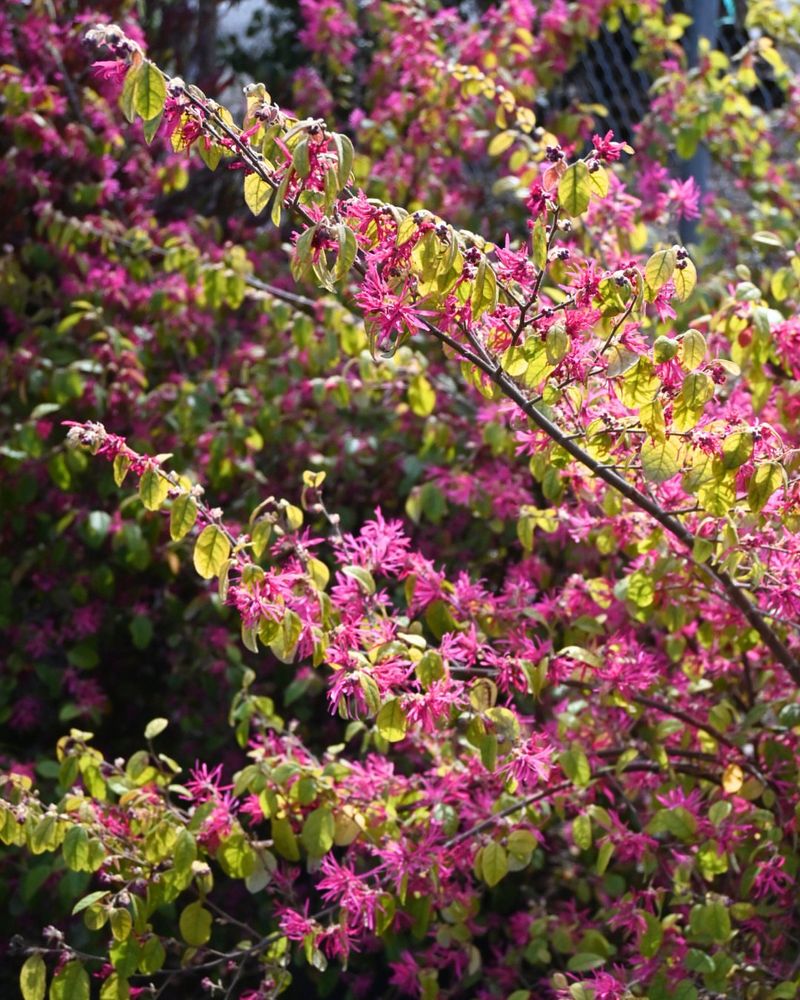
Timing is everything with loropetalum, and the window right after the last spring flower fades is genuinely the sweet spot.
Most North Carolina gardeners do not realize the plant begins setting next season’s flower buds almost immediately after blooming wraps up.
If you wait too long, even by two or three weeks, you risk cutting off the very buds that were going to give you that gorgeous pink or burgundy display next spring.
The rule of thumb is simple: once the flowers look tired and the petals start dropping, grab your pruning shears within the next week or two.
Loropetalum typically finishes its main spring bloom cycle somewhere between late March and mid-May in North Carolina, depending on your specific location and the year’s weather pattern.
Watching for that moment takes very little effort but pays off enormously. Pruning at this exact time also lines up perfectly with the plant’s natural growth surge.
After blooming, loropetalum pushes out vigorous new shoots, and those are the stems that will carry next year’s buds.
Shaping the plant now means all that fresh energy goes into strong, well-directed growth rather than wild, random branching.
Missing this window does not ruin the plant forever, but it does mean trading next spring’s blooms for the satisfaction of pruning at the wrong time, which is a trade almost no gardener wants to make.
2. Why Loropetalum Gets Scraggly Without Pruning

Loropetalum is a naturally enthusiastic grower, and that energy is part of what makes it so appealing in the landscape.
But left completely unchecked, that same vigor turns against the plant’s appearance fast.
By August in North Carolina, an unpruned loropetalum often looks like it is reaching for something just out of grasp, with long arching shoots poking out in every direction and the center of the plant thinning out from lack of light.
This scraggly look trips up a lot of new gardeners who assume something must be wrong.
Fungal issues, pests, and nutrient problems all get blamed before people realize the plant is simply doing exactly what its genetics tell it to do.
Your North Carolina Garden Changes Every Week. Your Plan Should Too.
Gardening in North Carolina changes quickly throughout the season. Every Friday you’ll receive a simple weekly plan showing exactly what to plant, prune, fertilize, harvest, and protect so you never miss the right timing.
Loropetalum wants to grow wide, arching, and layered. Without guidance, it layers itself right into an unruly tangle that blocks airflow and shades out its own interior foliage.
North Carolina’s heat and humidity speed this process up considerably. The long, warm growing season gives loropetalum plenty of time to put on several feet of new growth between spring and fall.
A shrub that looked tidy in May can genuinely look wild and uneven by late July. The good news is that this is a cosmetic issue, not a health crisis.
The plant is thriving in its own chaotic way, and one good pruning session after bloom resets everything neatly. Understanding that scrappiness is normal helps take the worry out of the whole situation.
3. What Tools To Use And How To Prepare Them
Sharp tools make a real difference when pruning loropetalum. A clean cut heals far faster than a ragged one, and in North Carolina’s humid summer heat, slow-healing cuts become entry points for problems you would rather avoid.
For smaller, younger shrubs, a quality pair of bypass pruning shears handles most of the work comfortably.
Larger, more established plants with thicker stems may need loppers for the bigger branches near the base. Before you start cutting anything, take a few minutes to clean your tools properly.
Wiping the blades with rubbing alcohol or a diluted bleach solution removes any residue from previous plants.
This step matters more than most people think because fungal spores and bacteria can hitch a ride on dirty blades and travel from one plant to another across your yard.
It takes about thirty seconds per tool and saves a lot of headaches later in the season. Sharpening is just as important as cleaning.
Dull blades crush and tear stems rather than slicing cleanly, and loropetalum stems are tough enough that a dull tool will wear out your hands quickly.
A simple hand sharpener or a whetstone works perfectly for home garden tools. After pruning, wipe the blades down again and apply a light coat of oil to prevent rust.
Keeping your tools in good shape means every future pruning session goes faster and the plant recovers better each time. Good tools truly are a gardener’s best investment.
4. How Far Back To Actually Cut
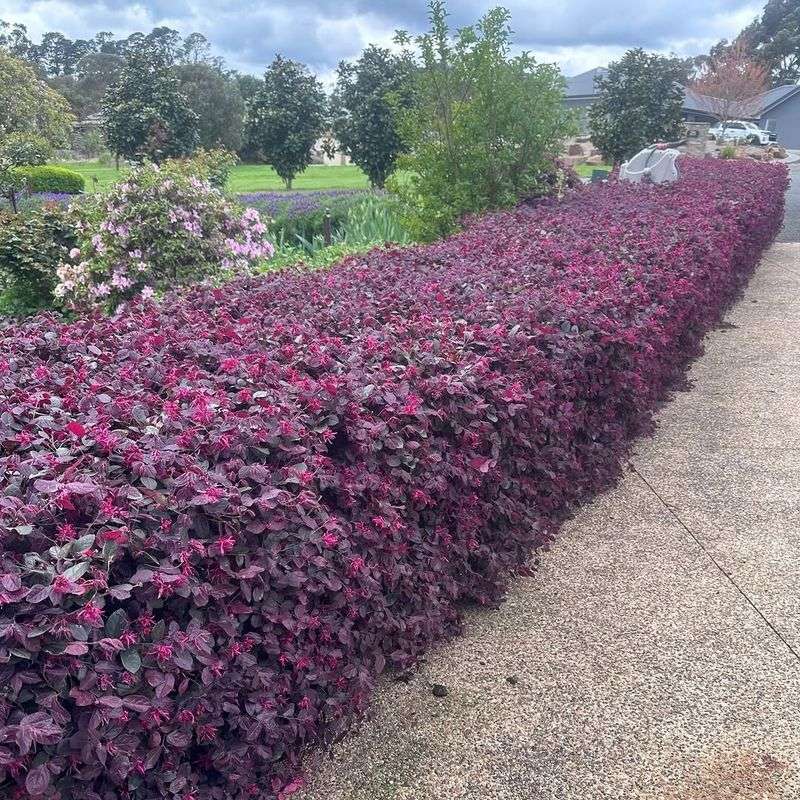
One of the most common questions gardeners ask about loropetalum is how much to actually remove. The answer depends on what the plant looks like before you start.
A shrub that has been pruned regularly and just needs a quick tidy-up calls for a light shaping cut, which means removing the outermost few inches of each shoot to encourage bushier growth without dramatically changing the overall size or silhouette.
A plant that has been ignored for several years and grown completely out of its space is a different conversation.
Renewal pruning, which involves cutting stems back more significantly, can help reshape an overgrown loropetalum over time.
However, hard pruning should mostly be avoided unless absolutely necessary.
Loropetalum tolerates more cutting than most gardeners expect, but repeatedly cutting it back to stubs stresses the plant and reduces flowering for a longer period than a gentler approach would.
When making any cut, always aim just above a leaf node or a side branch. That small detail encourages the plant to push new growth from exactly the right spot rather than leaving a bare, awkward stub.
For light shaping, removing about one-quarter to one-third of the current season’s new growth is usually plenty.
Reading the plant before you cut, meaning actually walking around it and noting where the longest, most unruly shoots are, takes two minutes and helps you make smarter decisions with every snip.
A thoughtful approach always beats an aggressive one with loropetalum.
5. The Shape To Aim For And Why It Matters

Picture stepping back from your loropetalum after pruning and seeing a shrub that looks intentional.
Rounded on the outside, slightly open through the middle, and balanced from every angle. That is the target shape, and it is not just about looks.
A well-structured loropetalum allows air to move freely through the interior, which matters enormously during North Carolina’s sticky, humid summers when fungal issues thrive in dense, stagnant foliage.
Opening up the center of the plant is a step many gardeners skip because it feels counterintuitive to remove growth from the inside.
But crossing branches and crowded interior stems block light and hold moisture against the bark.
Removing a few of those interior branches during your post-bloom pruning session dramatically improves the plant’s overall health and appearance without reducing its fullness from the outside.
The shape you establish now also determines what the plant looks like when new growth fills in by late summer.
A loropetalum pruned into a clean, rounded form pushes new shoots evenly across its surface, resulting in a full, lush appearance by August.
One that was pruned unevenly or left with awkward stubs fills in patchily, with some areas dense and others thin.
Spending an extra five minutes stepping back and evaluating the silhouette as you work makes a visible difference in the final result.
Think of it less like cutting a plant and more like sculpting something you will enjoy looking at for the next several months.
6. What To Do Right After Pruning To Support Recovery
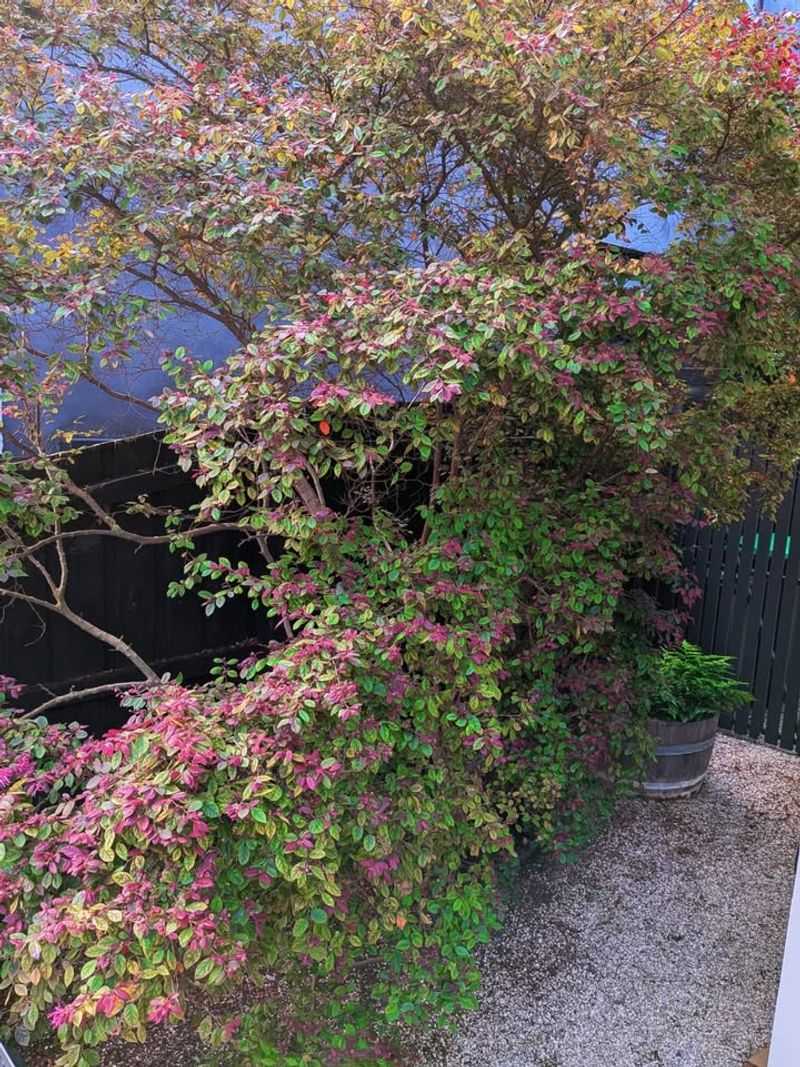
Right after pruning, the loropetalum is ready to push a flush of new growth, and giving it a little support at this stage makes that flush stronger and more even.
Start with a deep, thorough watering immediately after you finish cutting.
Freshly pruned plants lose moisture more easily through the cut stems, and in North Carolina’s spring warmth, the soil can dry out faster than you expect.
A good soak right away helps the plant settle and signals it to start growing. Fertilizing after pruning is optional but genuinely helpful when done correctly.
A slow-release, balanced fertilizer applied around the drip line of the shrub feeds the roots steadily over several weeks without overwhelming the plant with a sudden nutrient surge.
Avoid high-nitrogen fertilizers at this point since they push excessive leafy growth at the expense of the flower bud development you are working to encourage.
A product formulated for flowering shrubs or acid-loving plants works well for loropetalum.
Mulching around the base of the plant is one of the most underrated aftercare steps in any garden.
A two-to-three-inch layer of shredded wood mulch keeps soil moisture consistent, moderates soil temperature as the heat builds, and slowly feeds the soil as it breaks down.
Within the first two weeks after pruning, watch for small, bright green new leaf buds beginning to emerge along the cut stems.
That fresh burst of color is the plant telling you everything went exactly as planned, and it is honestly one of the most satisfying sights in gardening.
7. What Happens If You Skip It This Year
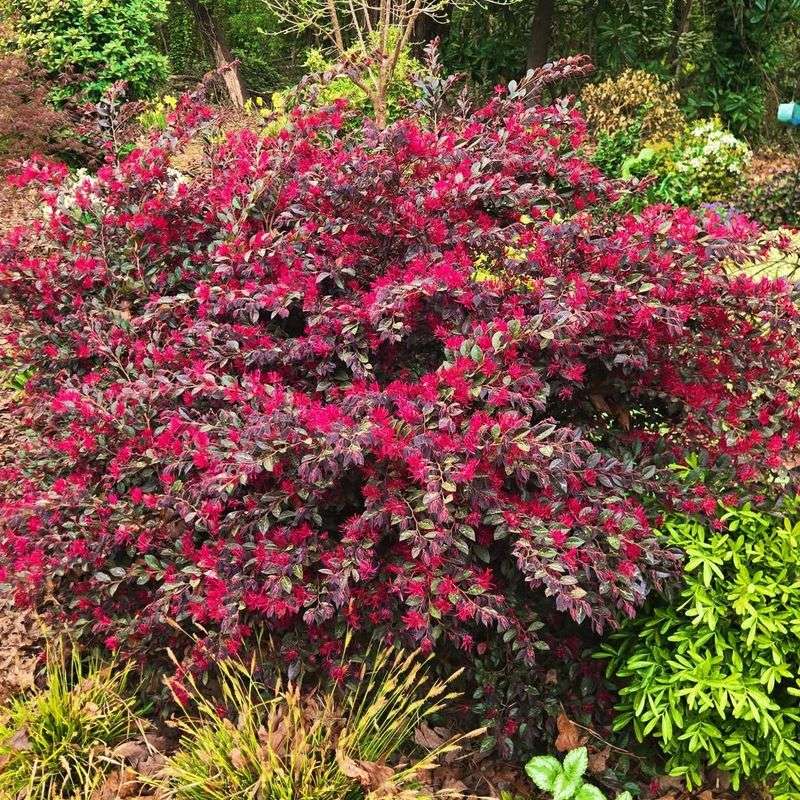
Skipping pruning for one season will not cause lasting harm to a healthy loropetalum, but the plant will absolutely let you know something was missed.
By late summer, an unpruned shrub tends to look tall and leggy, with most of its foliage clustered at the tips of long, arching shoots and the interior looking bare and open in an unflattering way.
It does not look like a cared-for garden plant. It looks like a shrub that got away from someone. The bigger consequence shows up next spring.
Because you did not prune after this year’s bloom, the plant spent the summer putting energy into extending those long shoots rather than building up dense, bud-rich new growth.
Flowering next year may be noticeably lighter or patchier, with blooms concentrated at the outer tips rather than spread evenly across the whole shrub.
It is not a disaster, but it is a disappointment after waiting all winter for that color. If this year’s pruning window has already passed, the best move is simply to wait.
Avoid cutting the plant in late summer or fall, since that removes the buds already set for next spring.
Let it grow through the season, enjoy whatever blooms appear next year, and commit to pruning right after that bloom fades.
One focused pruning session the following spring gets the plant back on a good schedule quickly.
Loropetalum is forgiving and resilient, and a single missed year is easy to correct with a little patience and the right timing going forward.