Texas Garden Changes That Bring More Dragonflies Back Every Summer
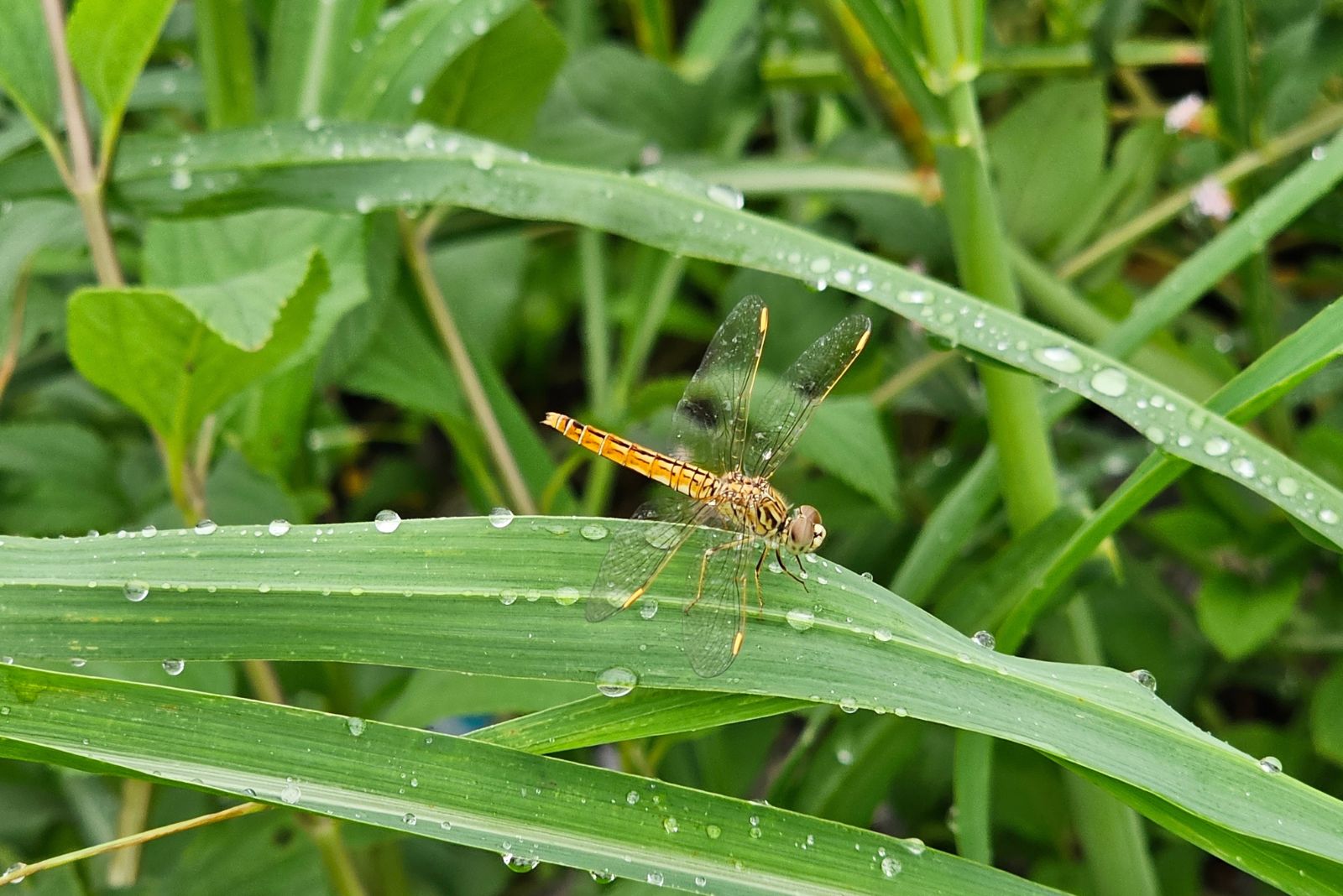
Dragonflies are one of the most effective natural mosquito hunters in existence, and a Texas yard that attracts them consistently is a yard that is working for you through the entire summer.
The challenge is that dragonflies do not just appear because conditions are warm and bugs are plentiful.
They have specific habitat requirements, and most standard Texas backyards fall short of meeting them without some intentional adjustment.
The good news is that the changes that bring dragonflies in are the same ones that make a yard more interesting and ecologically active overall.
Water features, specific plant choices, and a few shifts in how you manage the ground and edges of your property can tip the balance significantly.
Texas summers are long enough that once dragonflies establish a presence in your yard, they can be a consistent part of the outdoor experience from late spring all the way into fall.
1. Add A Water Feature Like A Pond Or Water Garden
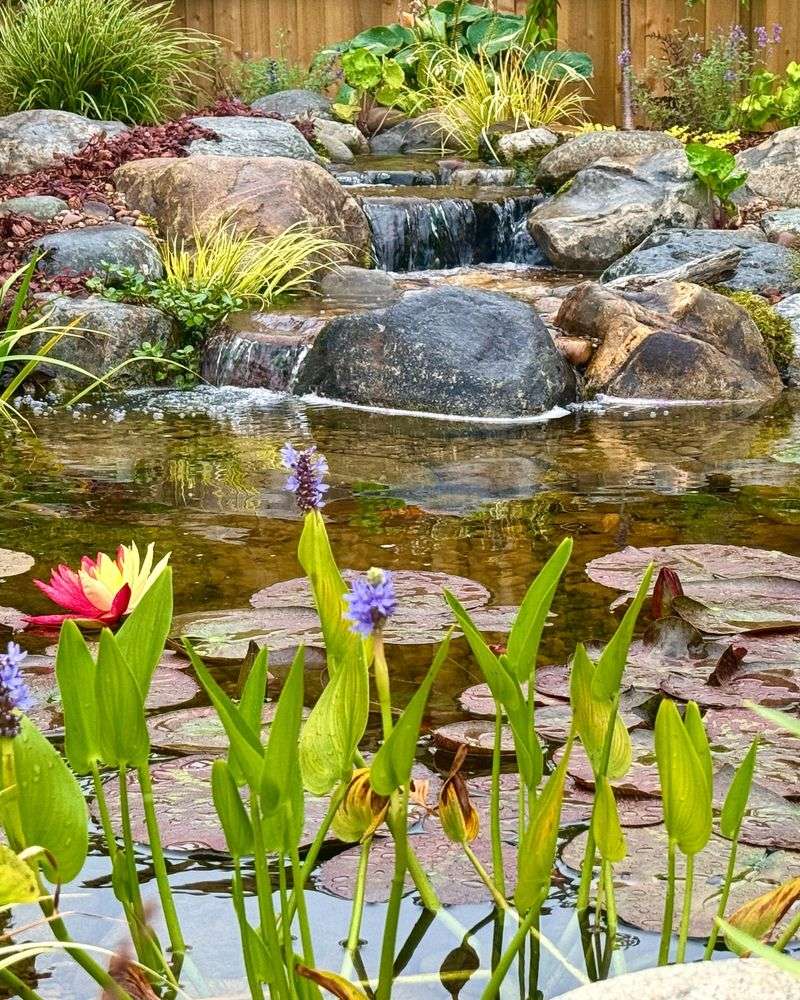
Picture this: a warm Texas evening, the sun starting to set, and a dozen dragonflies hovering just above the surface of a small backyard pond.
That image can be your reality, and it all starts with adding water to your garden. Dragonflies do not just visit water. They need it to complete their life cycle.
Female dragonflies lay their eggs directly in or near water. Once the eggs hatch, the young dragonflies, called nymphs, live underwater for months and sometimes even years.
They breathe through gills and hunt small creatures beneath the surface. Without water, none of that can happen in your yard.
A pond does not have to be massive. Even a container pond or a small dug-out water feature about four feet wide can work well.
The key is to have both shallow areas and deeper sections. Shallow edges allow nymphs to crawl out when they are ready to become adults. Deeper water gives them a safe place to grow and hide from predators.
In Texas, the heat can cause water to evaporate quickly, so check your water level often during summer. Topping it off with a hose every few days keeps things stable.
A simple recirculating pump also helps keep the water moving, which prevents it from becoming stagnant. Moving water is healthier for dragonfly nymphs and also reduces mosquito breeding, which is a bonus.
Once your water feature is established, you may start seeing dragonflies within just a few weeks.
2. Plant Emergent And Aquatic Vegetation Around Water
Most people think a pond alone is enough to attract dragonflies, but the plants around and inside that water are just as important.
Emergent plants are those that grow with their roots in the water but their stems and leaves rising above the surface. They are absolutely essential for dragonfly activity.
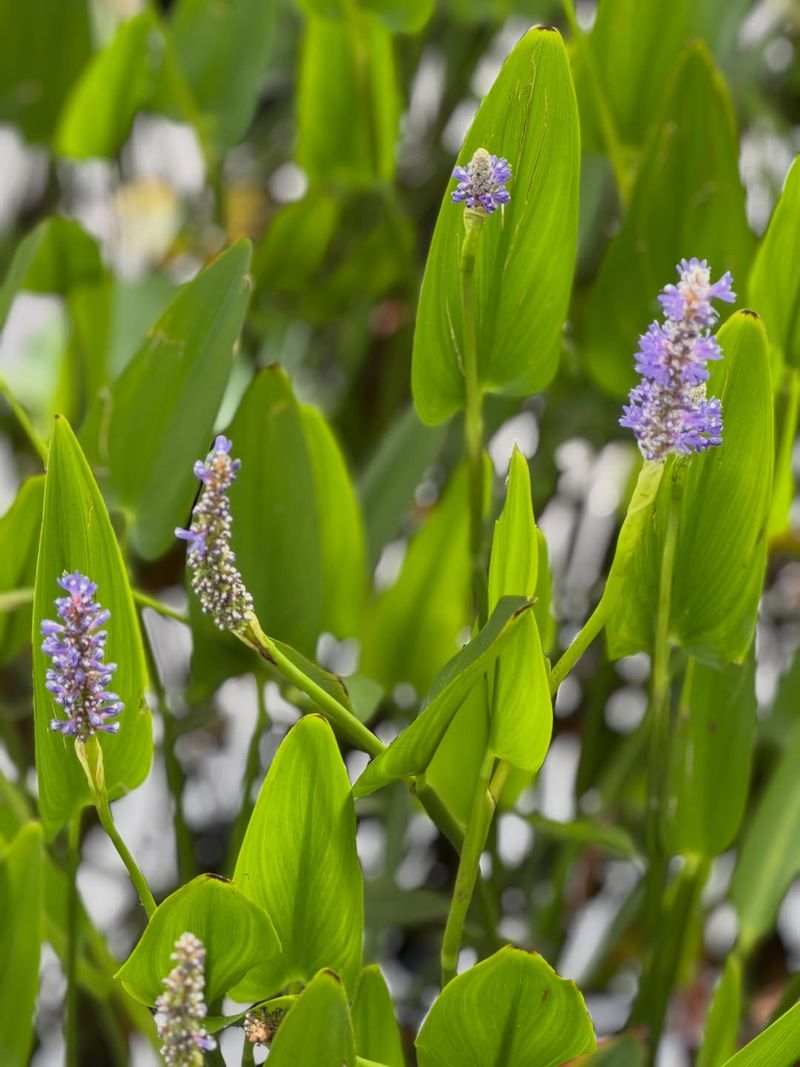
Plants like cattails, pickerelweed, and bulrushes give dragonfly nymphs something to grab onto when they are ready to leave the water for the first time. When a nymph crawls out, it needs a firm vertical surface to cling to while its wings expand and dry.
Your Texas Garden Changes Every Week. Your Plan Should Too.
Gardening in Texas changes quickly throughout the season. Every Friday you’ll receive a simple weekly plan showing exactly what to plant, prune, fertilize, harvest, and protect so you never miss the right timing.
Without plants, that process becomes much harder and more dangerous for the young dragonfly.
Adult dragonflies also use tall aquatic plants as perches. From the tip of a cattail, a dragonfly has a clear view of the surrounding area, making it easy to spot and chase down flying insects.
Pickerelweed produces beautiful purple flowers that also attract the butterflies and small insects that dragonflies love to eat.
In Texas, native aquatic plants tend to handle the heat better than non-native species. Blue flag iris, softstem bulrush, and Texas sedge are all excellent choices.
Plant them in clusters rather than spreading them out thinly. Clusters create better shelter and give dragonflies more options for perching and hunting.
You can find many of these plants at local native plant nurseries or even online. Adding just three or four different species around your water feature can dramatically increase the number of dragonflies that visit and stay in your garden throughout the summer season.
3. Keep The Water Chemical-Free
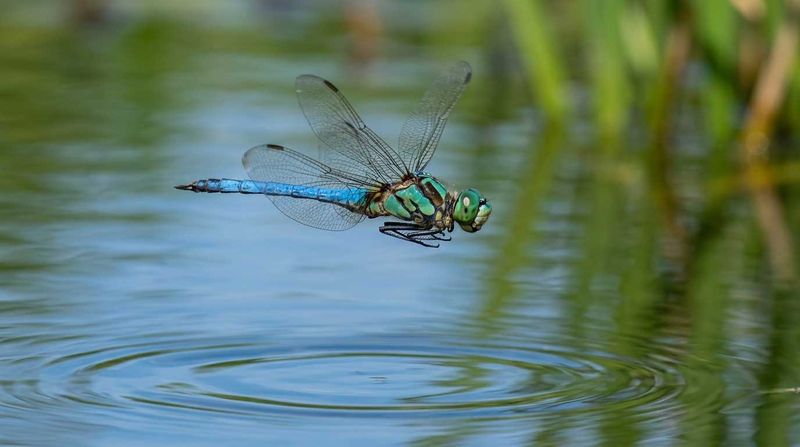
Clean water sounds simple enough, but many gardeners accidentally harm their water features by adding the wrong things.
Algaecides, chlorine tablets, and other chemical treatments that are common in swimming pools or decorative fountains can seriously hurt dragonfly nymphs. These tiny creatures are extremely sensitive to water quality.
Dragonfly nymphs absorb oxygen directly through the water around them. When chemicals are present, that process gets disrupted.
Even low levels of certain substances can weaken nymphs or prevent eggs from hatching at all. Keeping your pond natural is one of the most important things you can do to make your water feature truly dragonfly-friendly.
So how do you keep algae under control without chemicals? Start with balance. A pond that has too many nutrients, often from fertilizer runoff or decaying leaves, will grow too much algae. Remove fallen leaves regularly and avoid fertilizing plants right next to the water.
Adding native aquatic plants also helps because they compete with algae for nutrients, naturally keeping it in check.
Barley straw is a popular natural option that many pond owners use. When barley straw decomposes slowly in water, it releases compounds that slow algae growth without harming wildlife.
You can find barley straw extract or bales at garden centers. Another helpful trick is adding a small pump or aerator to keep water circulating.
Moving, oxygen-rich water supports healthy nymphs and naturally discourages algae blooms. Rainwater is ideal for topping off your pond since it contains no chlorine.
If you use tap water, let it sit uncovered for at least 24 hours before adding it, so the chlorine can dissipate naturally on its own.
4. Create Sun-Filled Open Spaces
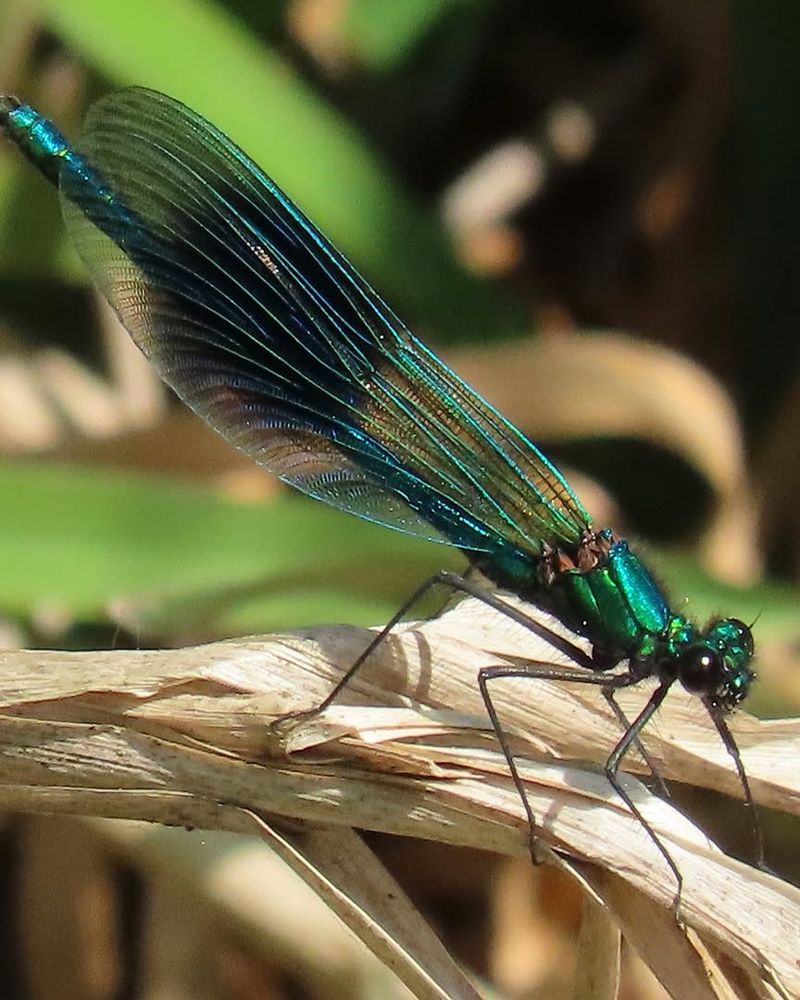
Dragonflies are sun lovers through and through. On a bright Texas morning, you will often spot them hovering in open patches of light, soaking up warmth before they begin their daily hunt.
That behavior is called thermoregulation, which basically means they use the sun to control their body temperature. A shady, cluttered garden simply does not give them what they need.
Opening up your yard does not mean removing everything. It means creating clear zones where sunlight reaches the ground for most of the day.
Even a patch of lawn about ten feet wide near your water feature can make a big difference. Dragonflies use these open areas to patrol for prey, chase rivals, and find mates during the breeding season.
Flat, sun-warmed rocks placed in open areas are especially appealing. Dragonflies will land on them to warm up quickly, especially on slightly cooler mornings.
Placing a few smooth, dark-colored stones around your pond or garden beds gives them perfect basking spots. Dark stones absorb heat faster, which dragonflies seem to prefer.
Try to position your water feature in a spot that gets at least six to eight hours of direct sunlight each day. Ponds that sit in deep shade tend to stay cooler and attract fewer dragonflies.
If your yard is heavily wooded, consider trimming back a few lower branches to let more light reach the ground near the water. Texas sunshine is one of your biggest advantages when it comes to attracting dragonflies.
Use it wisely, and your garden will become one of their favorite spots to patrol and rest all season long.
5. Include Plenty Of Insect-Friendly Plants
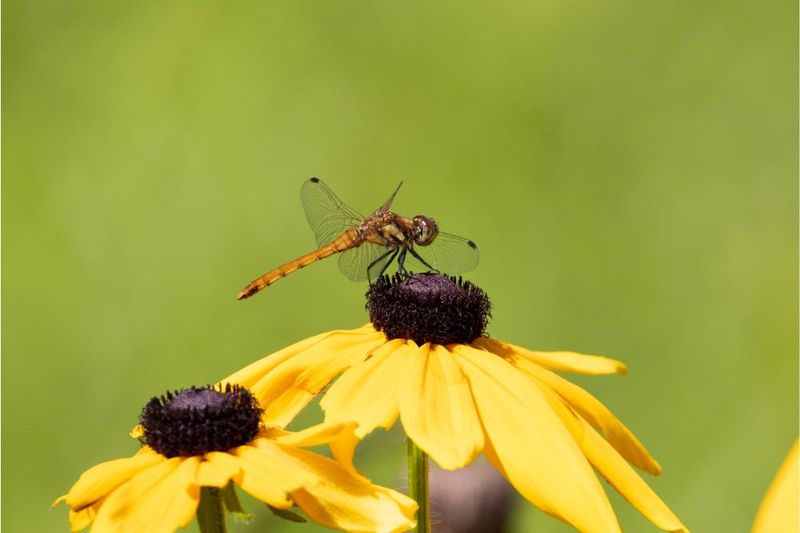
Here is a fun fact that might change how you think about garden pests: dragonflies are some of the most effective hunters in the insect world, catching up to 95 percent of the prey they chase. But they need a steady supply of insects to hunt.
That means your garden needs to attract small flying insects to keep dragonflies coming back regularly.
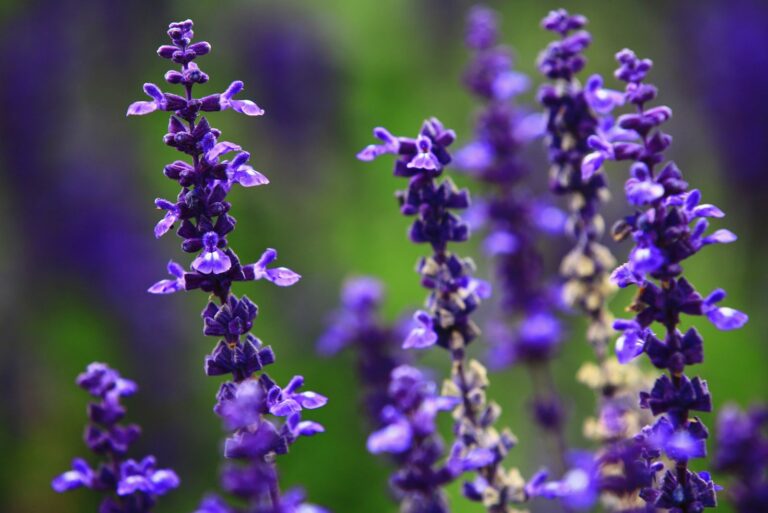
Planting flowers that attract mosquitoes, gnats, midges, and small flies is actually a smart strategy. Native Texas wildflowers like black-eyed Susans, purple coneflowers, and native salvias do exactly that.
These plants produce nectar and pollen that bring in a wide variety of small insects, which then become food for visiting dragonflies. It is a natural food chain working in your favor.
Avoid using pesticides in your garden if possible. Spraying for mosquitoes or other insects might seem helpful, but it removes the very prey that dragonflies rely on.
A garden with fewer insects is a garden that dragonflies will skip. Keeping some wild, slightly unkempt areas with tall grasses or native shrubs also encourages insect diversity.
Herbs like fennel, dill, and parsley attract small flies and beneficial wasps that are part of the broader insect ecosystem dragonflies depend on. Grouping plants together in large patches rather than scattering them individually creates a denser insect habitat.
Native Texas plants are always the best choice because they evolved alongside local insects and support more biodiversity.
Visit a local native plant society or nursery to find species that thrive in your specific region of Texas and naturally support the insect community dragonflies need most.
6. Add Perches Like Rocks, Sticks, Or Garden Stakes
Watch a dragonfly for a few minutes and you will notice something interesting. It does not just fly constantly.
It lands, looks around, and then launches into a quick chase before returning to the same spot. That behavior is called perch-and-pursue hunting, and it is how dragonflies catch most of their meals. Your garden needs to support that style of hunting.
Adding perches is one of the easiest and least expensive changes you can make. Simple wooden garden stakes, bamboo poles, or even natural branches pushed into the ground near your water feature give dragonflies exactly what they need.
The best perches are vertical, slightly above the surrounding plants, and placed in sunny spots with a clear view of the surrounding area.
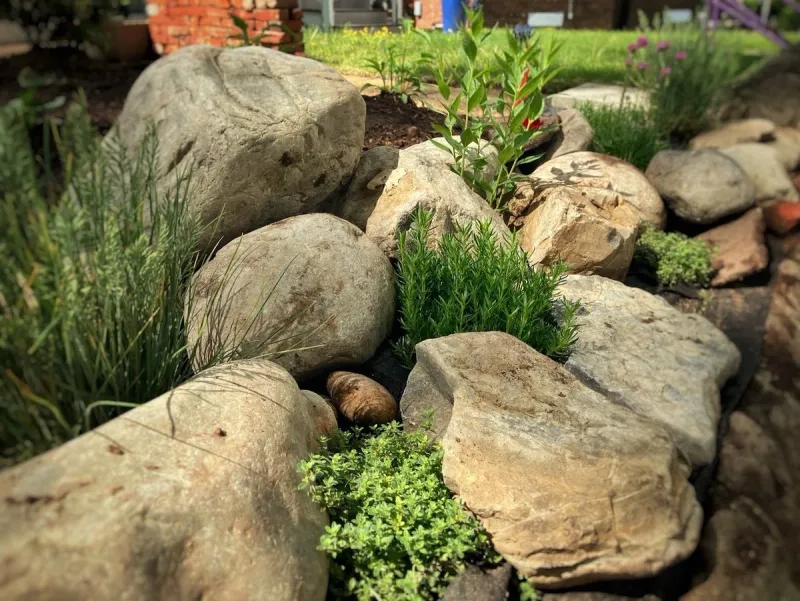
Rocks also work wonderfully as perches, especially flat ones that can be stacked or arranged at different heights.
A rock placed at the edge of your pond gives a dragonfly both a perch and a front-row seat to the water below, where it watches for insects hovering at the surface.
Vary the heights of your perches. Some dragonfly species prefer to perch low, while others like to sit higher up.
Spacing perches about three to five feet apart around the garden and near water creates a network of hunting stations. You might even notice territorial males claiming a favorite stake and returning to it day after day.
That is actually a good sign because it means they feel safe and comfortable in your yard. Adding just five or six well-placed perches around your water feature and garden beds can noticeably increase how long dragonflies stick around each visit.