Do This To Your Texas Mealy Blue Sage Now And It Will Bloom Until November
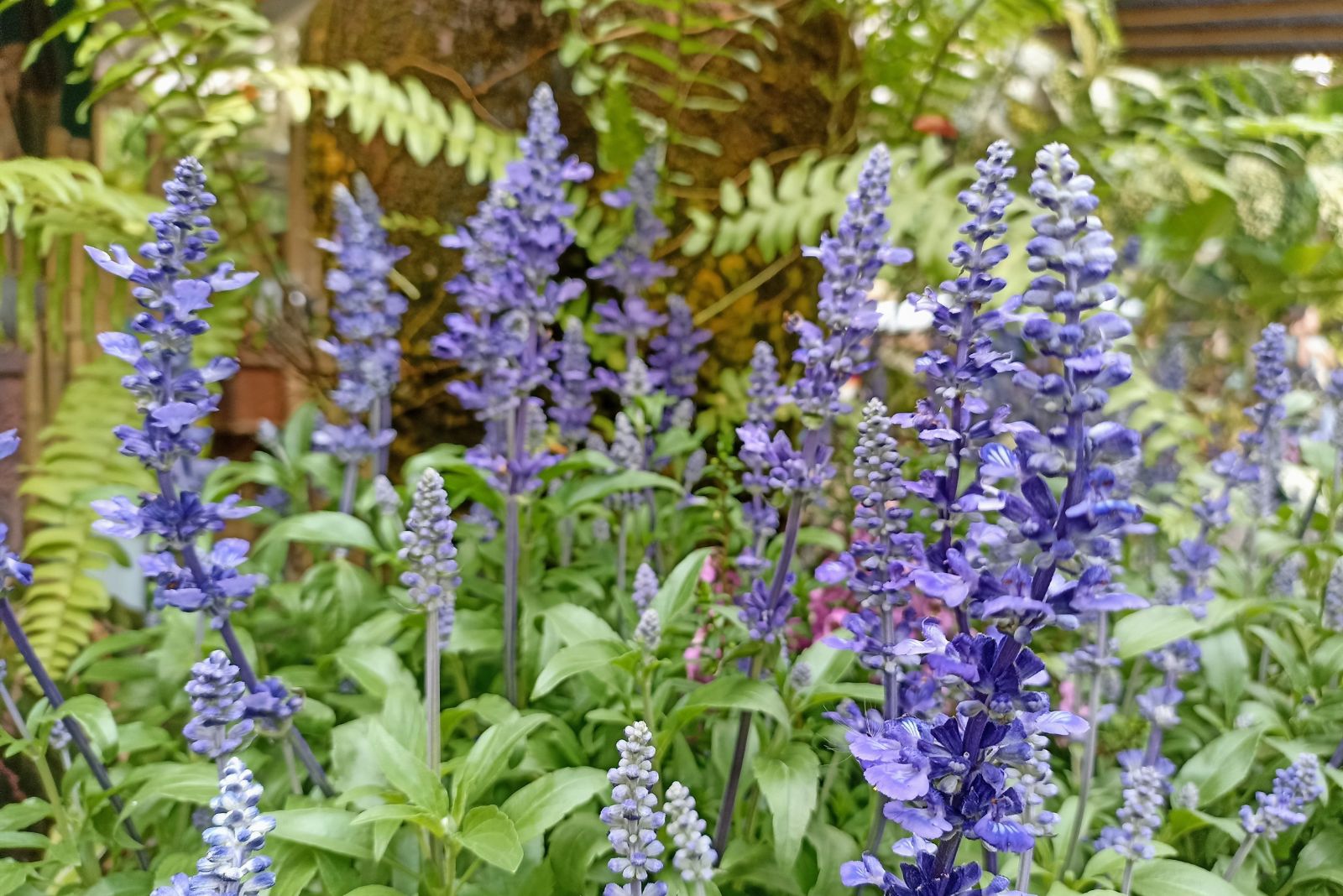
Mealy blue sage is one of the most reliable bloomers in a Texas garden, and when it is managed well, it can carry color from spring all the way into November without much fuss.
The key word is managed, because there is a specific window right now where a little focused attention makes an enormous difference in how this plant performs through the rest of the season. Left completely alone, mealy blue sage does fine.
Handled with intention at the right time, it does something closer to exceptional, pushing out dense spikes of blue-purple blooms consistently through the heat rather than peaking early and gradually fading out by midsummer.
The steps that make the difference are not complicated, but timing matters, and getting them done now rather than later is what separates a plant that blooms well from one that blooms remarkably.
If your mealy blue sage has been underperforming, this is exactly the right moment to change that.
1. Plant It In Full Sun (At Least 6-8 Hours Daily)
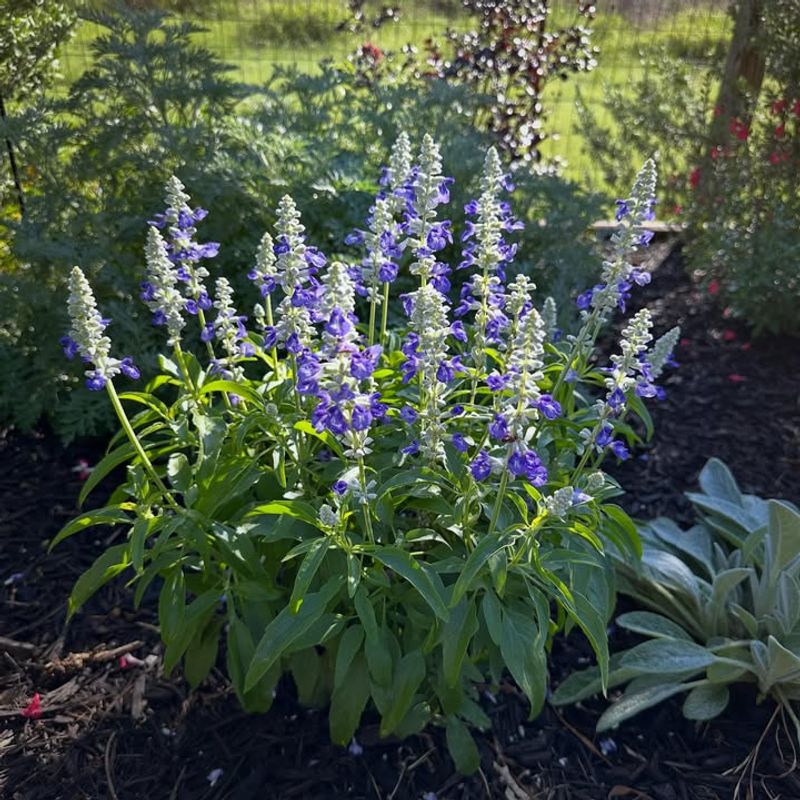
Sunshine is everything to Texas mealy blue sage. This tough native wildflower was born for open, sun-drenched landscapes, and it rewards gardeners who give it the bright light it craves.
Without enough sun, the plant tends to get leggy, produce fewer blooms, and generally look unhappy.
Aim for at least six to eight hours of direct sunlight every single day. Morning sun is great, but afternoon sun is even better for this heat-loving plant. A south-facing or west-facing garden bed is often the perfect spot in most Texas yards.
If your sage is planted in a shadier corner, you might notice the flower spikes getting shorter and the plant stretching awkwardly toward any available light. That is a clear sign it needs to be moved.
Transplanting to a sunnier location can turn things around surprisingly fast. Full sun also helps dry out the soil between waterings, which mealy blue sage absolutely loves. Soggy roots in shady, damp spots are one of the quickest ways to stress this plant out.
Bright light keeps the foliage healthy, the stems strong, and the blooms coming in wave after beautiful wave.
Did you know? Mealy blue sage gets its quirky name from the fine, powdery coating on its flower calyxes that makes them look dusted with flour.
That natural coating actually helps the plant handle intense Texas heat without missing a beat. Plant it where the sun shines hardest, and it will reward you generously all the way through fall.
2. Provide Well-Drained Soil
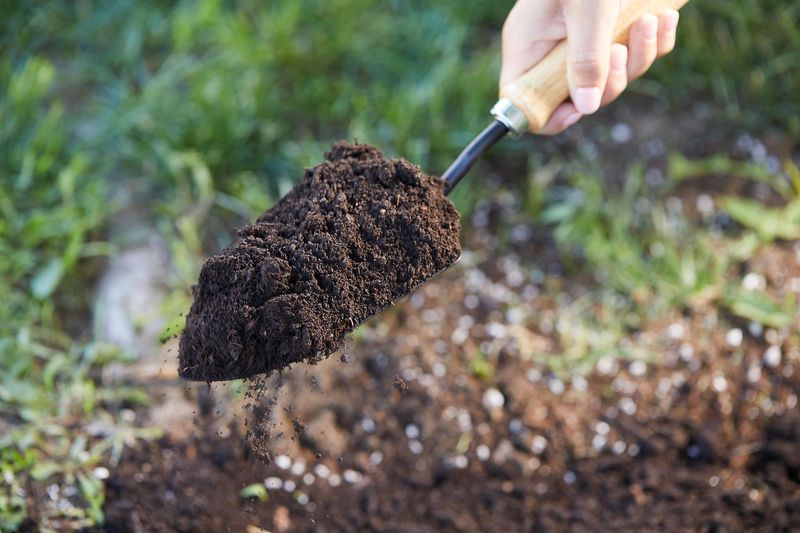
Rocky, sandy, or loamy soil that drains quickly is the secret handshake between you and a thriving mealy blue sage. This plant is native to the limestone hills and rocky outcrops of central Texas, so it evolved to handle soils that most other plants would complain about.
Rich, heavy clay soil that stays wet after rain is actually more of a problem than a gift for this tough native.
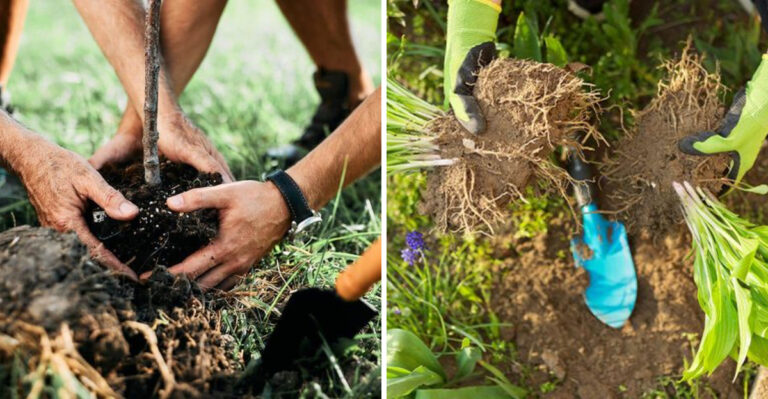
If your garden has clay-heavy soil, work in some coarse sand or crushed granite before planting. Raised beds are another excellent option because they naturally provide the drainage this plant craves.
Your Texas Garden Changes Every Week. Your Plan Should Too.
Gardening in Texas changes quickly throughout the season. Every Friday you’ll receive a simple weekly plan showing exactly what to plant, prune, fertilize, harvest, and protect so you never miss the right timing.
Even adding a layer of gravel at the bottom of a planting hole can make a noticeable difference.
Good drainage encourages roots to grow deep and strong. Deep roots mean the plant can access moisture and nutrients even during dry stretches, which helps it stay in bloom for longer.
Shallow, waterlogged roots, on the other hand, make the plant struggle to produce those gorgeous flower spikes.
Container gardeners should use a cactus or succulent potting mix blended with regular potting soil for the best results. Make sure your pot has at least one large drainage hole at the bottom.
Water sitting at the root zone in a container can cause problems just as fast as it would in the ground.
Healthy, well-drained soil is truly the foundation of long-lasting blooms. Get the soil right from the start, and your mealy blue sage will practically take care of itself through the hottest Texas summers and beyond.
3. Deadhead Spent Flowers Regularly
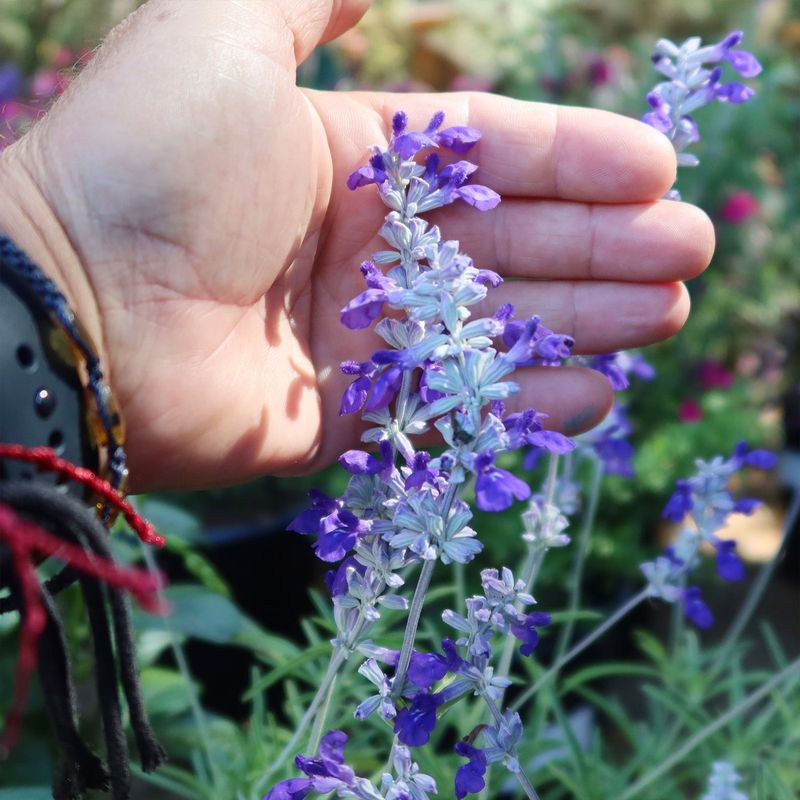
Here is a gardening trick that feels almost too simple to be true: snipping off old, faded flower spikes actually tells your mealy blue sage to make more. When a plant produces seeds, it thinks its job is done for the season.
Removing spent blooms before seeds fully form keeps the plant in active flowering mode, pushing out fresh spikes week after week.
Grab a clean pair of garden scissors or pruning shears and cut the faded flower stalks back to just above a set of healthy leaves. You do not need to be overly precise about it.
A general trim of the spent stalks every week or two is usually all it takes to keep the blooms rolling.
Many gardeners are surprised by how quickly new flower spikes emerge after a good deadheading session.
Within a week or so, you will often see fresh buds forming right where you made your cuts. That rapid response is one of the most satisfying things about growing this plant.
Regular deadheading also keeps your plant looking neat and tidy throughout the season. A mealy blue sage that is covered in brown, dried-out stalks can look tired and unkempt even if the rest of the plant is perfectly healthy.
Staying on top of spent blooms keeps the whole garden looking polished and vibrant. Make deadheading part of your weekly garden walk. Just bring your snips along and trim as you go.
It takes only a few minutes, and the payoff is weeks of extra color that will carry your garden all the way into November.
4. Water Appropriately During Heat Waves
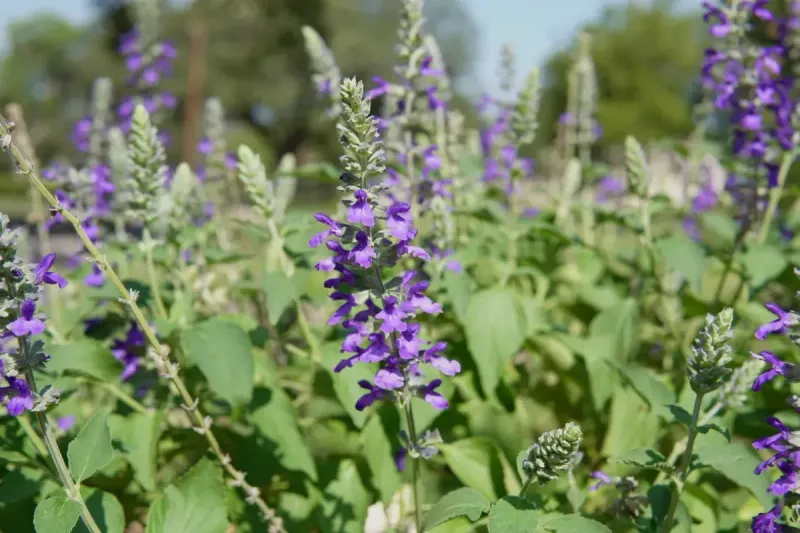
Once mealy blue sage gets settled into your garden, it becomes impressively tough about handling dry conditions. Established plants can go weeks without rain and still look presentable.
But during the brutal heat waves that Texas summers are famous for, even drought-tolerant plants appreciate a helping hand with water.
The key word here is deep watering. Instead of a quick, shallow sprinkle every day, water slowly and thoroughly at the base of the plant every one to two weeks during extreme heat.
Deep watering encourages roots to grow further down into the soil where moisture stays cooler and more consistent.
Avoid overhead watering whenever you can. Getting the foliage wet, especially during hot afternoons, can invite fungal problems and stress the plant unnecessarily.
A soaker hose or drip irrigation system works beautifully for mealy blue sage because it delivers water right where it is needed most, directly to the root zone.
Newly planted sage, on the other hand, needs more frequent watering until it establishes a strong root system. Plan to water young plants every two to three days for the first few weeks after planting, then slowly back off as roots take hold.
Overwatering a newly planted sage is actually a more common mistake than underwatering it.
Paying attention to your plant during heat waves makes a real difference in how long it stays in bloom.
A well-hydrated mealy blue sage during summer stress keeps producing those vivid violet spikes right through the heat and on into the cooler days of fall. Consistent, thoughtful watering is a small effort with a big reward.
5. Space For Airflow To Reduce Disease Stress
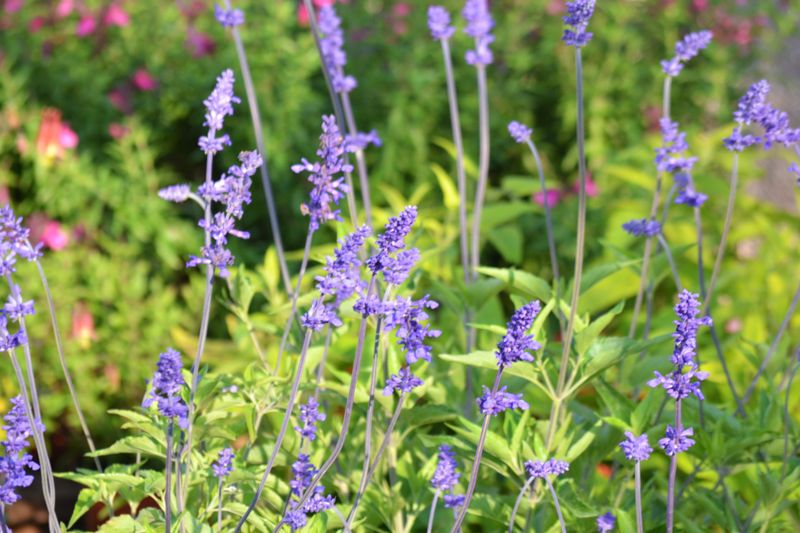
Crowded plants are stressed plants, and stressed plants struggle to bloom their best. Mealy blue sage grows into a fairly bushy mound, often reaching two to three feet tall and wide at full size.
Planting them too close together traps humidity around the foliage and creates the kind of warm, still air that powdery mildew and other fungal issues love.
Space your mealy blue sage plants at least eighteen to twenty-four inches apart. That gap might look a little wide when plants are young, but they fill in quickly and the airflow between them keeps everyone healthier.
Good spacing is one of those small decisions that pays off enormously over the life of the plant.
If your sage is already planted too close to other plants or structures, you have options. Pruning back neighboring plants to open up some breathing room is a good first step.
Thinning out some of the inner stems of the sage itself can also improve airflow without requiring you to move anything.
Powdery mildew, a common issue in hot and humid conditions, shows up as a grayish-white powder on leaves.
It rarely causes serious harm to mealy blue sage, but it does make the plant look less attractive and can slow down blooming. Proper spacing dramatically reduces the chances of this showing up in the first place.
Think of airflow as invisible armor for your plants. When air moves freely through your garden beds, moisture evaporates faster from leaf surfaces and disease organisms struggle to get a foothold.
Healthy, well-spaced mealy blue sage blooms more freely and stays looking gorgeous from spring all the way through November.
6. Feed Lightly If Soil Is Poor Or Container-Grown
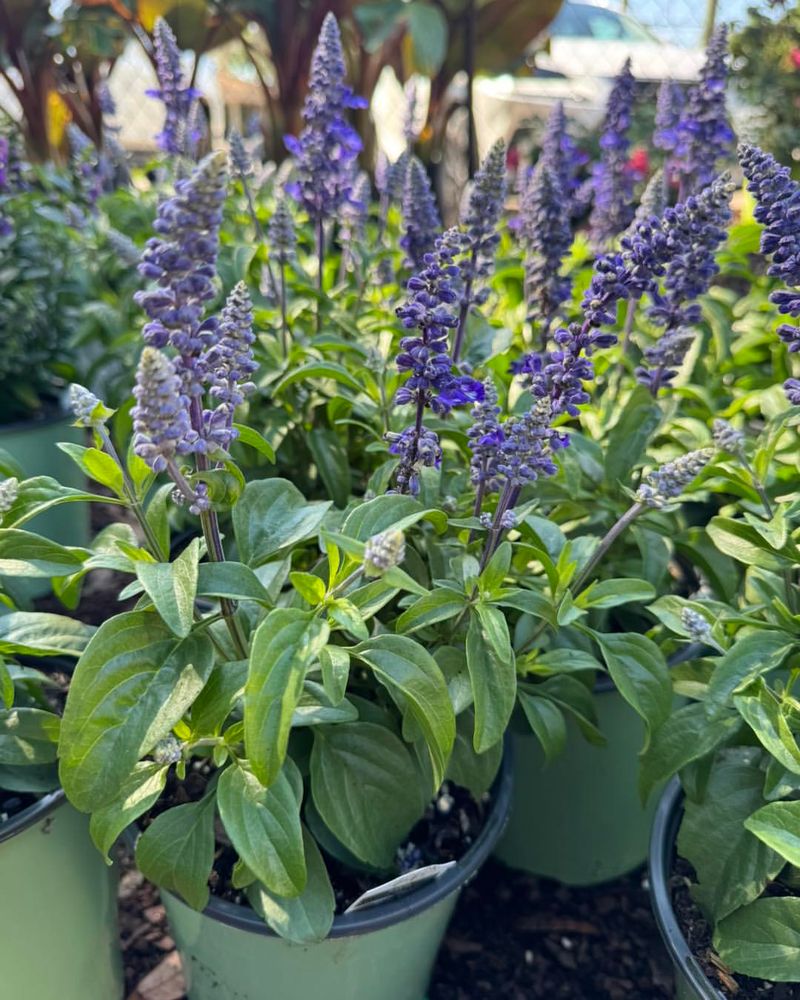
Mealy blue sage is not a hungry plant by nature. In fact, soil that is too rich in nitrogen can push the plant into producing lots of lush green leaves while cutting back on flowers, which is the exact opposite of what you want.
But if your soil is genuinely poor or you are growing sage in a container, a little light feeding goes a long way.
Choose a balanced, slow-release fertilizer with equal or lower nitrogen numbers, something like a 5-5-5 or 10-10-10 formula. Apply it every four to six weeks during the active growing season, which runs roughly from spring through early fall.
Always follow the package directions and resist the urge to add extra, thinking more is better.
Container-grown mealy blue sage needs more attention to feeding than in-ground plants because nutrients wash out of pots every time you water. A light liquid fertilizer applied monthly keeps container plants vigorous and blooming without overdoing it.
Look for fertilizers designed for flowering plants, as they tend to have a slightly higher phosphorus content that encourages blooms over leafy growth.
If your in-ground sage is planted in decent native soil, you may not need to fertilize at all. Many Texas gardeners skip feeding entirely and still enjoy spectacular blooms from spring through fall.
The plant is remarkably self-sufficient when given the right growing conditions. Over-fertilizing is a real risk with this plant. Too much nitrogen pushes green growth at the expense of those lovely violet spikes you are working so hard to keep going.
Feed lightly, observe how your plant responds, and adjust from there. Less truly is more when it comes to fertilizing mealy blue sage.