These Ohio Plants Are One Of The Reasons Firefly Numbers Are Dropping (And What To Replace Them With)
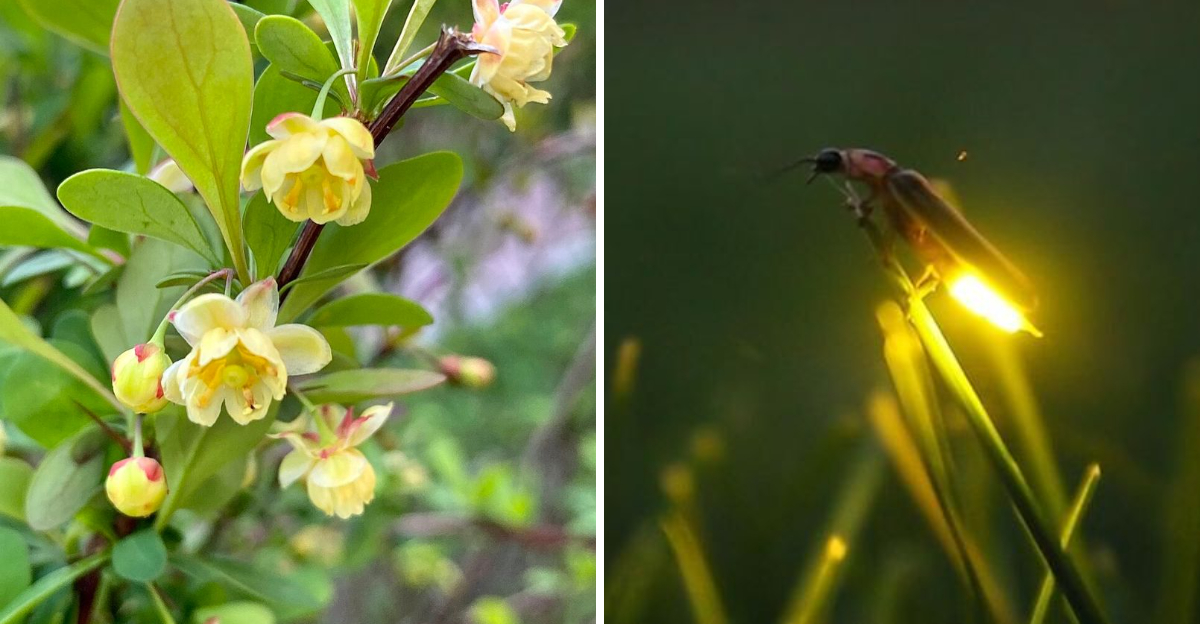
Firefly season in Ohio used to mean something. Yards full of blinking lights from dusk until well past dark, kids chasing them across lawns, that particular kind of summer evening that feels impossible to recreate.
Those nights are getting harder to find and the reasons are closer to home than most people realize. Habitat loss and light pollution take most of the blame in headlines but something much more specific is happening in Ohio yards right now.
Certain common landscape plants are quietly working against firefly populations at a stage of their life cycle that most gardeners never think about. These are not obscure plants.
They are sitting in nurseries right now, planted in beds across the state every single season, chosen without any idea of the tradeoff involved. Replacing them does not require a landscape overhaul.
It just requires knowing which ones are the problem and what actually belongs in their spot.
1. Turfgrass Lawns Replace The Damp Cover Fireflies Need
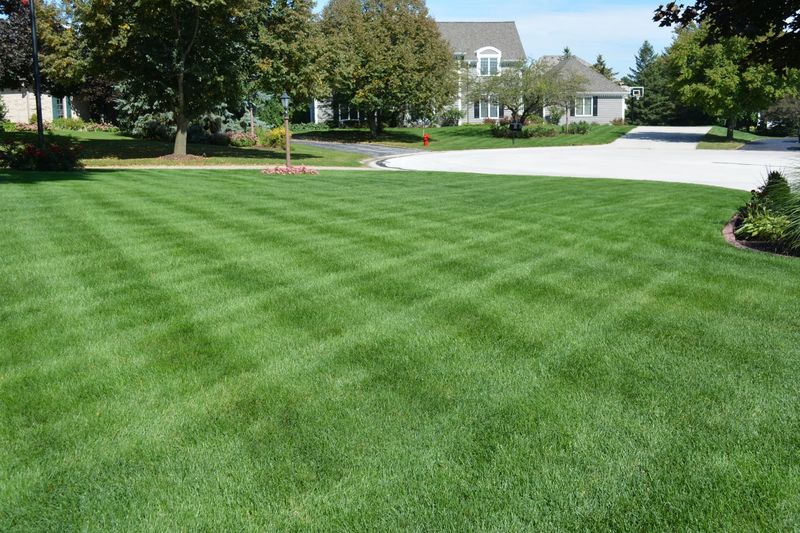
Short, uniform lawns are the single most common planting choice in our yards, and they offer very little for fireflies. Mowed turf removes the layered, moist, leafy cover that firefly larvae depend on for shelter and hunting.
Compacted, dry soil under turf is far less hospitable than the soft, damp ground under native plantings or leaf litter.
Frequent mowing also eliminates the taller grasses and wildflowers that adult fireflies use as perches during mating. Ohio State University Extension notes that reducing mowing frequency in selected yard zones can support a wider range of beneficial insects.
You do not have to remove your entire lawn to make a difference.
Start small by converting a lawn edge or shaded corner into a native plant bed. Low-mow native sedge meadow strips work well along fences or property lines.
Pennsylvania sedge stays short naturally and handles shade well. Native grasses like prairie dropseed or little bluestem add structure without needing constant maintenance.
Adding a shady woodland bed with ferns, wild ginger, or foamflower near a tree line gives fireflies a place to shelter. Leave a soft, unmowed buffer between your lawn and any wooded edge.
Even a narrow strip of taller growth makes a real difference for firefly habitat over time.
2. English Ivy Creates Dense Cover Without Native Habitat Value
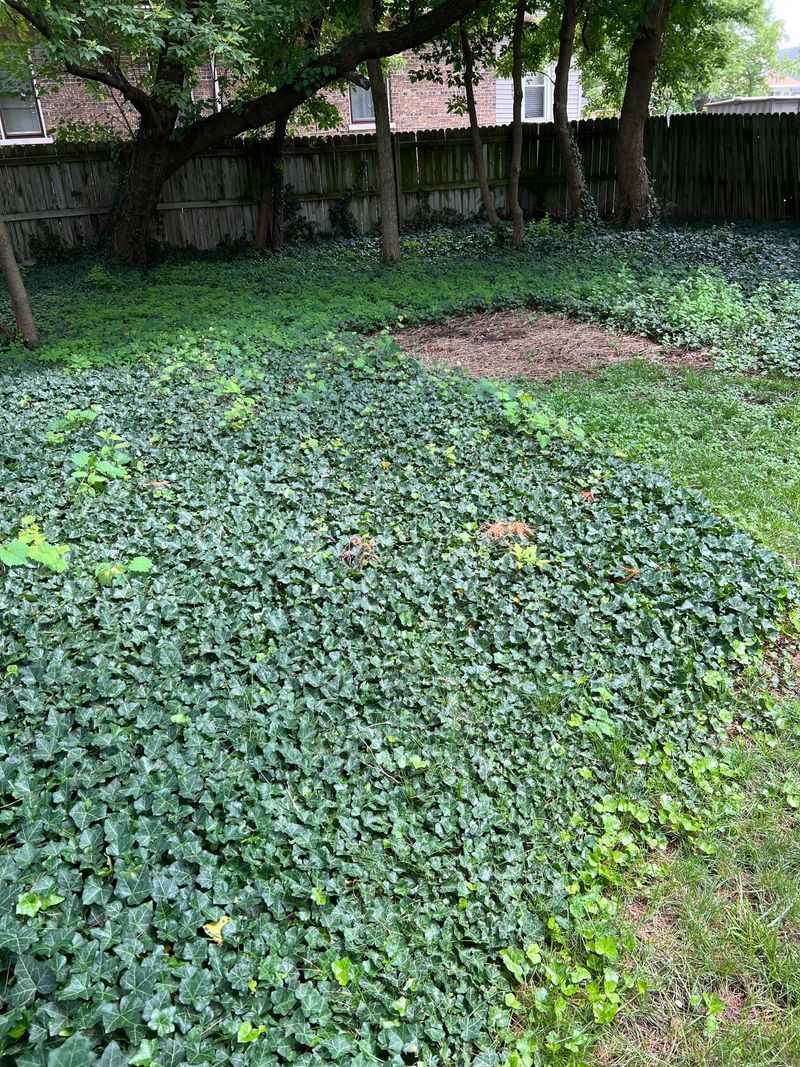
English ivy looks lush and tidy, but beneath that glossy carpet the story is less appealing. It forms such a thick, uniform mat that native spring wildflowers, sedges, and woodland plants simply cannot grow through it.
That loss of plant diversity matters because firefly-friendly yards need layered, varied plantings, not a single dominant ground cover.
The Buckeye State has seen English ivy escape yards and spread into woodland edges, where it can smother native understory plants. State University Extension and other sources flag it as a plant that can reduce native diversity when left unchecked.
The problem for fireflies is not the ivy itself, but what it replaces: diverse shade plantings with leaf litter, moist soil, and structural variety.
Your Ohio Garden Changes Every Week. Your Plan Should Too.
Gardening in Ohio changes quickly throughout the season. Every Friday you’ll receive a simple weekly plan showing exactly what to plant, prune, fertilize, harvest, and protect so you never miss the right timing.
Replacing ivy with native shade plants gives you ground cover that actually builds habitat complexity. Wild ginger spreads slowly and handles dry shade well.
Foamflower works beautifully under trees with dappled light. Woodland phlox adds spring color while supporting insects.
Pennsylvania sedge stays low and green through most of the year.
Native ferns like Christmas fern or cinnamon fern fill shaded beds with texture. Mixing several of these plants creates the kind of layered, diverse planting that supports fireflies, pollinators, and other beneficial yard wildlife.
Avoid replacing ivy with another aggressive non-native ground cover.
3. Wintercreeper Crowds Out Better Firefly-Friendly Plantings
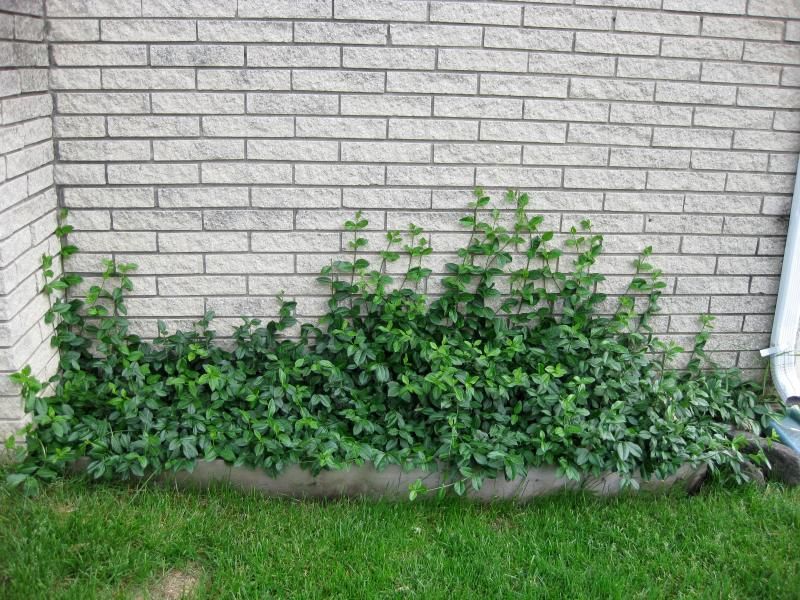
Wintercreeper is one of the most aggressive plants in our landscapes, and many homeowners do not realize how far it can travel.
It crawls across the ground, climbs tree trunks, and slowly overtakes the shaded beds where native woodland plants once grew.
Ohio invasive plant sources, including Ohioline, recognize it as a problematic plant in this state’s natural areas.
The connection to firefly habitat comes down to what wintercreeper replaces. A shaded yard filled with native woodland plants, soft leaf litter, and diverse ground covers offers far more to fireflies than a mat of one aggressive vine.
Firefly larvae need moist, organic-rich soil with structural variety, and wintercreeper does not provide that.
Removing wintercreeper takes patience, but the rewards are worth the effort. Once it is cleared, replant with native alternatives that fit your shade and moisture conditions.
Pennsylvania sedge is a reliable low-maintenance replacement. Native violets spread gently and support specialist bees as well.
Wild ginger tolerates dry shade under maples, which is a tough spot for many plants.
Foamflower and foamy bells are good choices where soil stays slightly moist. For taller structure, consider adding native shrubs like spicebush along the back of a bed.
Check with your local county Extension office for site-specific planting advice before starting a large removal project.
4. Periwinkle Turns Shady Soil Into A Poor Native Plant Zone
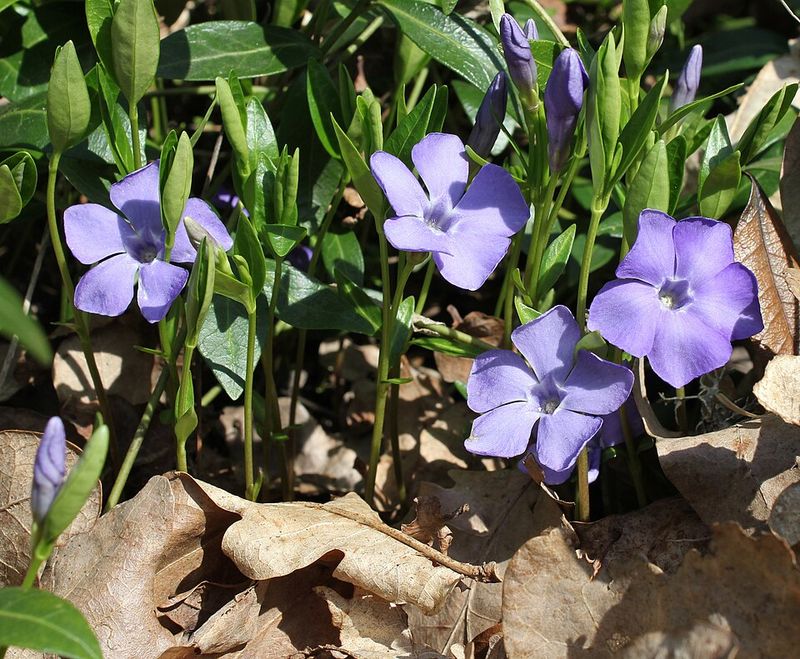
Periwinkle has been a popular shade ground cover for decades, and it is easy to see why. It stays green, spreads without much help, and produces cheerful purple flowers in spring.
The problem is that those same qualities make it difficult for native plants to share the space. Over time, a dense periwinkle mat can crowd out spring ephemerals, native sedges, and woodland plants that build richer habitat layers.
For fireflies, the issue is habitat simplification. A shaded bed with only periwinkle offers far less structural variety than one with ferns, sedges, wildflowers, and native shrubs.
Firefly larvae need soft, moist, organic soil with places to hunt and shelter. A tight, uniform mat of non-native vines does not build that kind of environment.
Replacing periwinkle with native shade plants takes a few seasons, but results are noticeable. Woodland phlox blooms in spring and provides nectar for early insects.
Wild geranium fills gaps with attractive foliage and soft pink flowers. Native ferns add vertical texture that periwinkle never provides.
Wild ginger handles dry, rooty shade under large trees where little else grows well. Foamflower spreads at a moderate pace and stays tidy enough for most home landscapes.
Choose two or three compatible species and plant them in drifts for the most natural look and the best habitat results.
5. Japanese Pachysandra Spreads Where Leafy Native Beds Belong
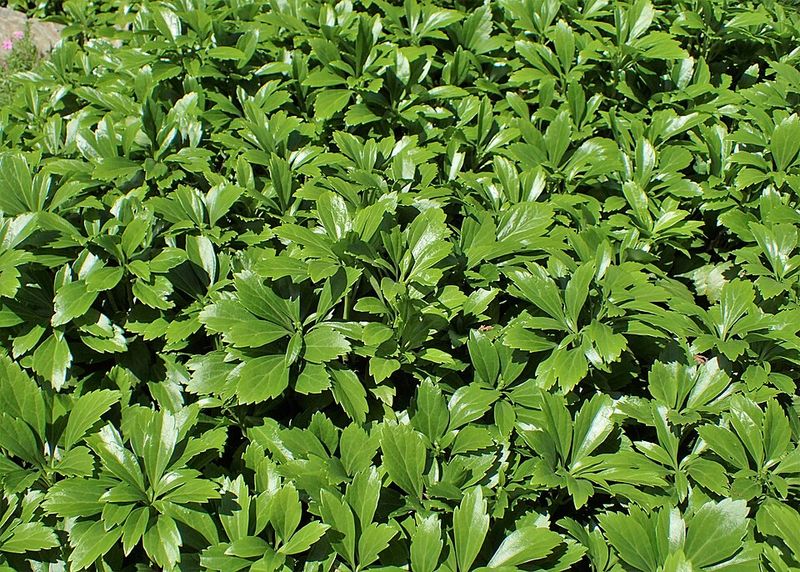
Walk through almost any older neighborhood and you will find Japanese pachysandra blanketing shaded beds under trees and along foundations.
It is evergreen, low-maintenance, and tolerates deep shade, which makes it a go-to choice for difficult spots.
However, its tendency to spread into a single-species carpet is exactly the kind of habitat simplification that works against fireflies and other yard wildlife.
Firefly-friendly yards benefit from moist soil, leaf litter, and varied plantings at different heights. A uniform patch of Japanese pachysandra offers little of that variety.
Native Allegheny spurge is the American relative. It behaves more predictably and supports local plant communities better, though it is less commonly sold in nurseries.
Replacing large patches of Japanese pachysandra gives you a chance to rebuild a more layered planting. Native ferns like maidenhair fern or Christmas fern add graceful texture.
Wild violets spread naturally and support specialist native bees. Spring ephemerals like bloodroot or trout lily add early-season interest before the canopy leafs out.
Native sedges fill in gaps reliably and handle the root competition under mature trees. Where space allows, add a native shrub like spicebush or native viburnum at the back of the bed.
It creates the kind of vertical structure that makes a shaded yard useful for fireflies, birds, and insects alike.
6. Barberry Thickets Create The Wrong Kind Of Backyard Cover
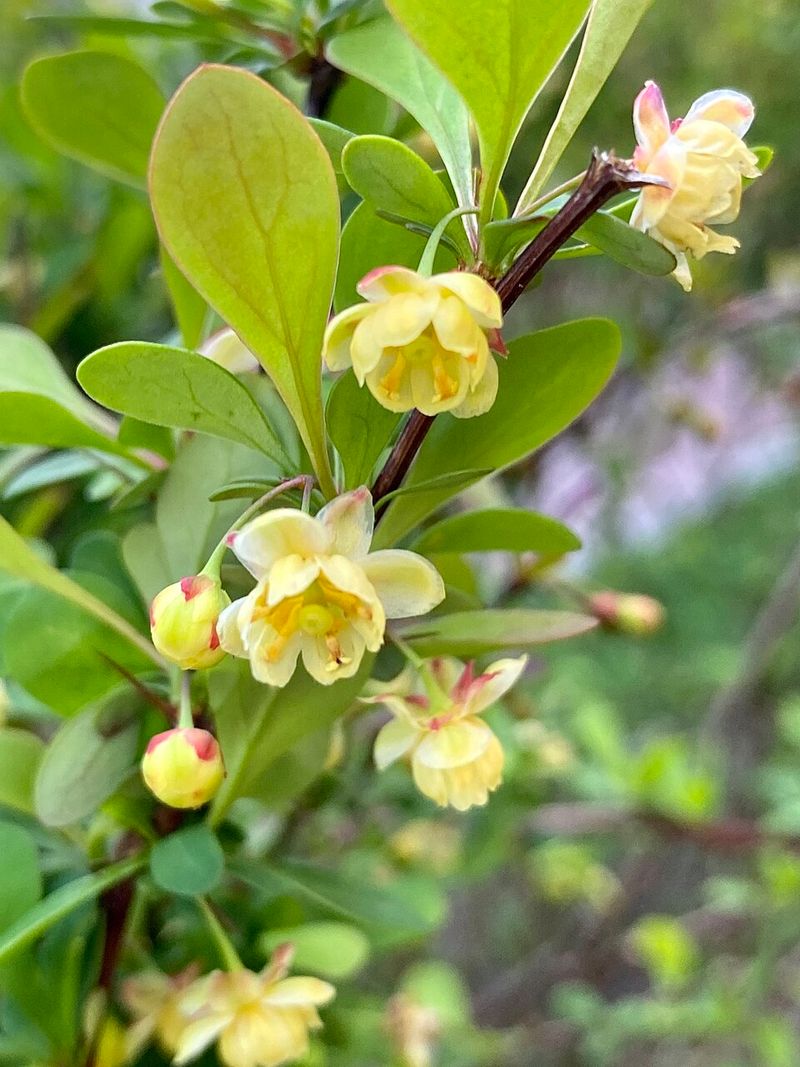
Japanese barberry is one of those plants that seems harmless until it takes over. Its thorny branches form dense, impenetrable thickets that can spread from a yard into woodland edges and natural areas.
State University Extension and Ohioline both recognize non-native barberries as invasive plants that reduce native plant diversity in this state.
For backyard firefly habitat, the concern is structural. Fireflies need layered cover, but the right kind.
A barberry thicket crowds out native shrubs, wildflowers, and ground covers that would otherwise build diverse, moist, habitat-rich planting zones.
Research has also linked dense barberry patches to increased tick populations, which is another reason to reconsider this shrub.
Replacing barberry with native shrubs is one of the most impactful changes a homeowner can make. Ninebark is a tough, adaptable native shrub that handles a range of soil types and adds multi-season interest.
Spicebush thrives in moist, shaded spots and provides berries for birds. Elderberry grows fast and supports dozens of native insects.
Serviceberry works well as a small tree or large shrub, offering spring flowers, summer fruit, and fall color. Native viburnums like arrowwood viburnum fill similar landscape roles to barberry without the invasive spread.
Match your shrub choice to your site conditions, and check with a local nursery for regionally sourced plants.
7. Overmulched Beds Remove The Leaf Litter Fireflies Use

Thick, tidy mulch deserts are one of the most overlooked habitat problems in our yards. A three-inch layer of wood chips can be helpful for retaining moisture and suppressing weeds.
But when beds are piled high with mulch and stripped of leaf litter, something important disappears. Firefly larvae often live in the soft, organic layer between soil and fallen leaves, hunting for prey in the damp debris.
Overcleaned beds with no plant diversity and no leaf litter leave very little for firefly larvae to work with. Mulch volcanoes piled against tree trunks are bad for the trees and do nothing for ground-level habitat.
The Xerces Society and other insect conservation sources note that leaving some natural leaf litter in low-traffic areas helps. It supports ground-dwelling insects through the season.
The fix does not require a messy yard. Leave leaf litter in shaded beds that are away from paths, foundations, and play areas.
Let fallen leaves accumulate under shrubs and in woodland corners. Plant living ground covers between mulched areas to add structure and reduce bare soil.
Native perennials like asters, goldenrods, and wild ginger hold organic matter around their roots and create natural micro-habitats. Skip the leaf blower in back corners of the yard where it is safe to do so.
A little messiness in the right places goes a long way for firefly larvae looking for a home.
8. Native Sedges And Woodland Plants Restore Better Backyard Habitat
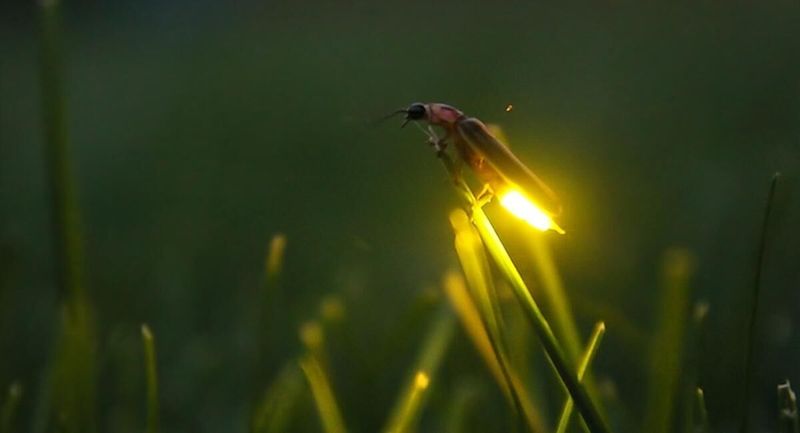
Pulling out invasive ground covers and replacing them with native plants is the most direct thing a homeowner can do to rebuild firefly-friendly yard habitat.
The goal is not a perfectly wild space, but a thoughtfully planted one that offers shade, moisture, leaf litter, and plant diversity in the right spots.
Native plants are the foundation of that kind of yard.
Pennsylvania sedge is one of the most versatile choices for shaded or partly shaded spots. It stays low, spreads slowly, and keeps soil covered without crowding out other plants.
Wild ginger handles dry shade under maples and oaks. Foamflower brightens up moist, shaded beds with white spring flowers and attractive foliage.
Woodland phlox adds color and supports early pollinators. Native violets spread gently and serve as larval host plants for some fritillary butterflies.
Golden ragwort blooms in early spring and naturalizes well in moist, open shade. Native ferns like Christmas fern stay evergreen and add texture through the year.
For more structure, add shrubs like spicebush or native viburnums at the back of beds. Goldenrods and native asters at sunny edges extend the season for insects into fall.
Reduce pesticide use near planted beds, turn off unnecessary outdoor lights at night, and mow less often along yard edges. Small changes, layered together, make yards genuinely better for fireflies over time.