This Is The Native Ohio Shrub That Cedar Waxwings Depend On In Late Summer
Cedar waxwings move through Ohio in flocks that are hard to miss when they show up. Dozens of birds landing in a single shrub, stripping berries in minutes, gone almost as fast as they arrived.
People who witness it for the first time tend to remember it. What most Ohio yard owners never figure out is why those flocks passed their property completely and landed three houses down.
It comes down to one native shrub that cedar waxwings return to reliably every late summer when the fruit is at peak ripeness. Yards that have it become a genuine destination during migration.
Yards without it get a flyover at best. This shrub is not hard to grow, not fussy about soil, and not particularly demanding once established.
It just never gets the attention it deserves because it does not bloom in a way that catches anyone’s eye at the nursery. The birds know exactly what it is though.
1. American Elderberry Ripens When Cedar Waxwings Want Fruit
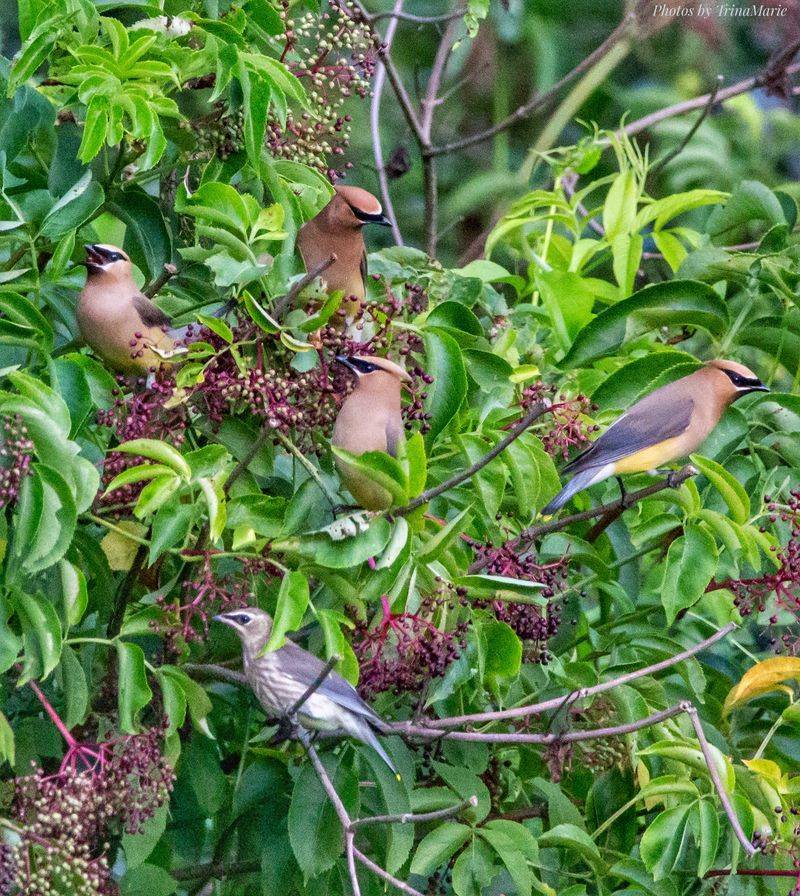
Picture a late-August afternoon when the yard goes from quiet to electric in minutes. A flock of cedar waxwings drops in, and suddenly every ripe berry cluster is getting attention.
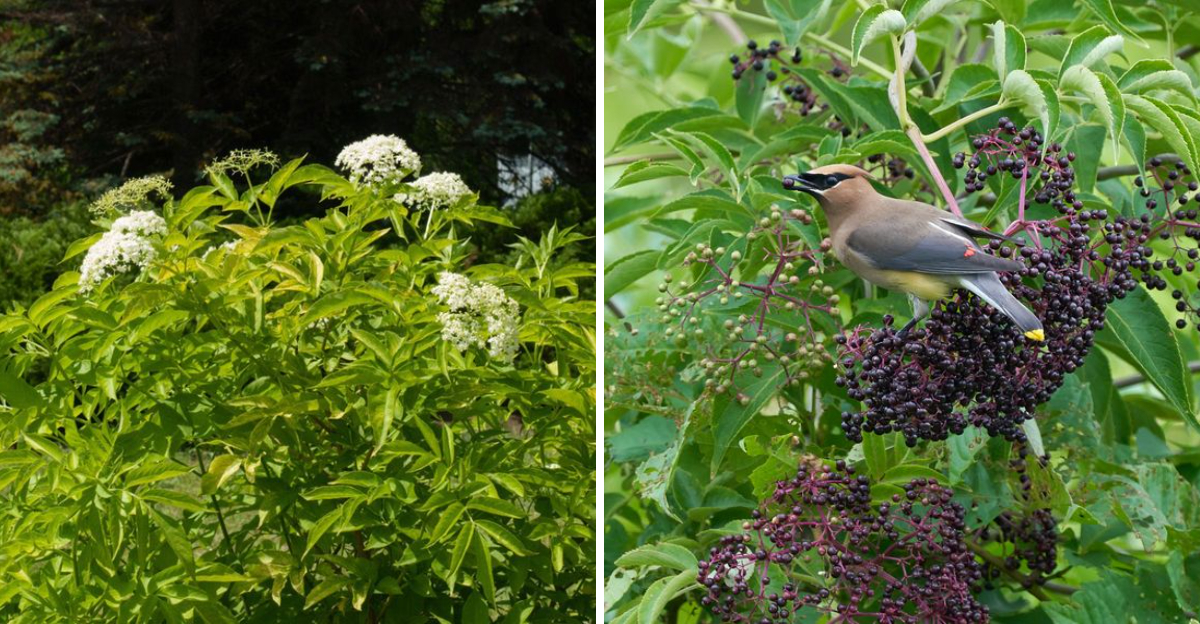
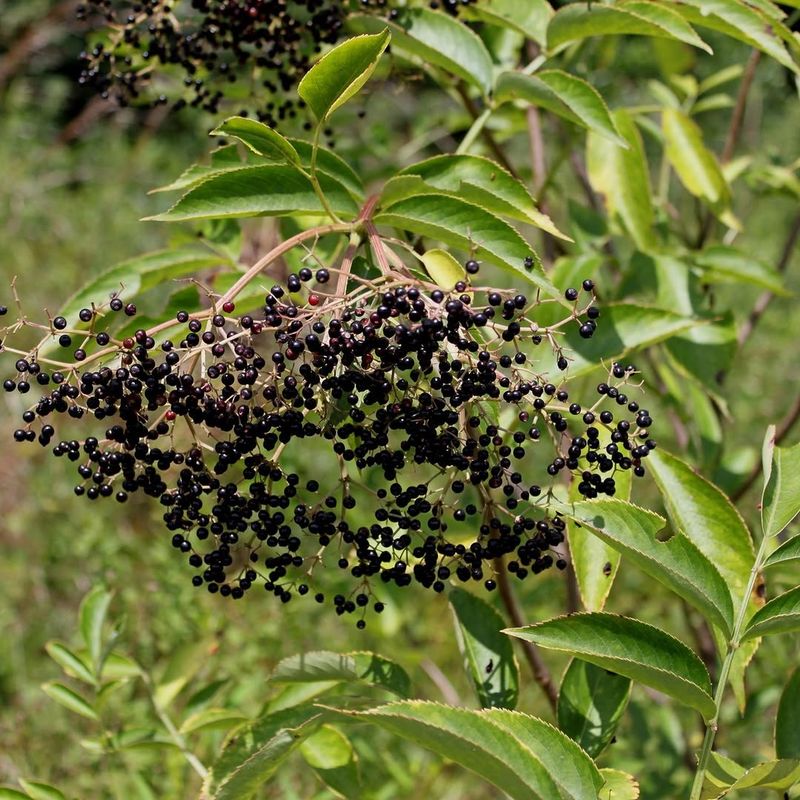
American elderberry earns its place in this scene because its dark, glossy berry clusters ripen in late summer. Across much of Ohio, they usually peak in August into early September.
Cedar waxwings are well-known fruit eaters. The Cornell Lab of Ornithology notes that fruit makes up a large part of their diet, and they often travel in flocks to find ripe sources.
Elderberry is one native fruit that matches that search perfectly in terms of timing.
That said, elderberry is one valuable food source, not the only one. Waxwings move through yards that offer a variety of ripe fruits, safe perches, and low disturbance.
Planting elderberry where birds can reach the fruit without flying close to windows or busy walkways reduces the risk of window collisions.
Give the shrub enough space to mature fully, because a well-established plant produces far more fruit than a young or crowded one.
Fruit volume matters when you want to draw a flock.
2. Late Summer Berries Make This Shrub A Backyard Magnet
By the time August arrives, most of the spring berry crop is long gone. Serviceberries finished weeks ago.
Many early fruiting shrubs have been stripped clean. That gap is exactly where American elderberry earns its reputation as a late-season standout.
Elderberry flowers in late spring and early summer, then spends the rest of the season developing those heavy, flat-topped berry clusters. By late summer, the clusters droop with the weight of dark fruit, and birds notice fast.
Robins, gray catbirds, and cedar waxwings commonly visit elderberry during this window. That comes from wildlife gardening guidance from Ohio State University Extension.
Do not expect the berries to last long once a flock finds them. Cedar waxwings in particular can move through a shrub quickly, especially when traveling in a group.
Planting more than one elderberry, or pairing it with other native fruiting shrubs that ripen at slightly different times, can extend the activity in your yard. Timing is everything with fruit-eating birds.
Your Ohio Garden Changes Every Week. Your Plan Should Too.
Gardening in Ohio changes quickly throughout the season. Every Friday you’ll receive a simple weekly plan showing exactly what to plant, prune, fertilize, harvest, and protect so you never miss the right timing.
Elderberry’s late ripening schedule gives Buckeye State gardeners a native option that fills a real gap in the seasonal food calendar.
3. Moist Soil Helps Elderberry Grow Strong And Fruit Well
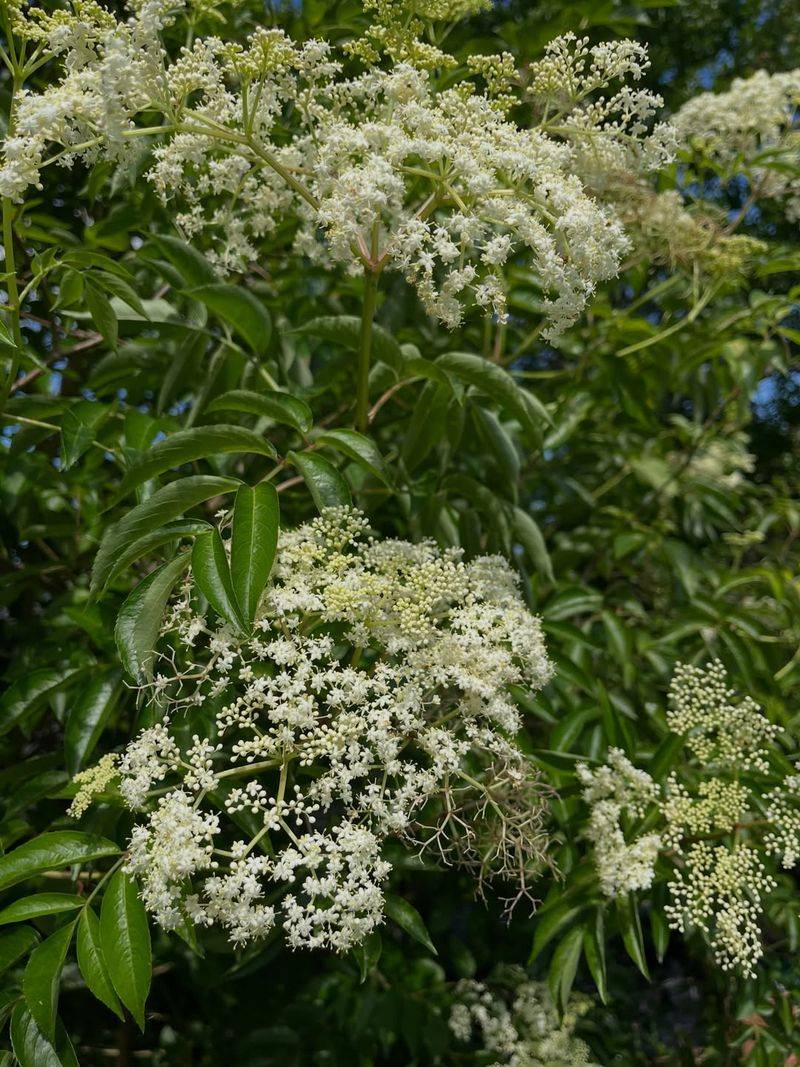
Getting the planting site right makes a bigger difference with elderberry than with almost any other native shrub. American elderberry naturally grows along stream edges, woodland borders, and low-lying areas where moisture is reliable.
Ohio State University Extension notes that it performs well in moist, fertile soils and can handle occasional wet conditions. That makes it a good candidate for rain garden edges and low spots in the yard.
Full sun to part sun is the sweet spot. Shrubs planted in too much shade tend to produce fewer flowers and, by extension, less fruit.
If your yard has a sunny low area that stays moist after rain, that could be an ideal location. Avoid dry, rocky, or compacted spots where the shrub will struggle to establish and fruit production will suffer.
During the first growing season, consistent watering helps roots get established before summer heat sets in. After that, elderberry is fairly low-maintenance in a site that suits it.
Avoid planting near impervious surfaces that drain heat onto the roots. A well-chosen site means less intervention from you and more fruit for birds.
Match the shrub to the spot rather than forcing it into a difficult location.
4. Big White Flowers Feed Pollinators Before Berries Arrive
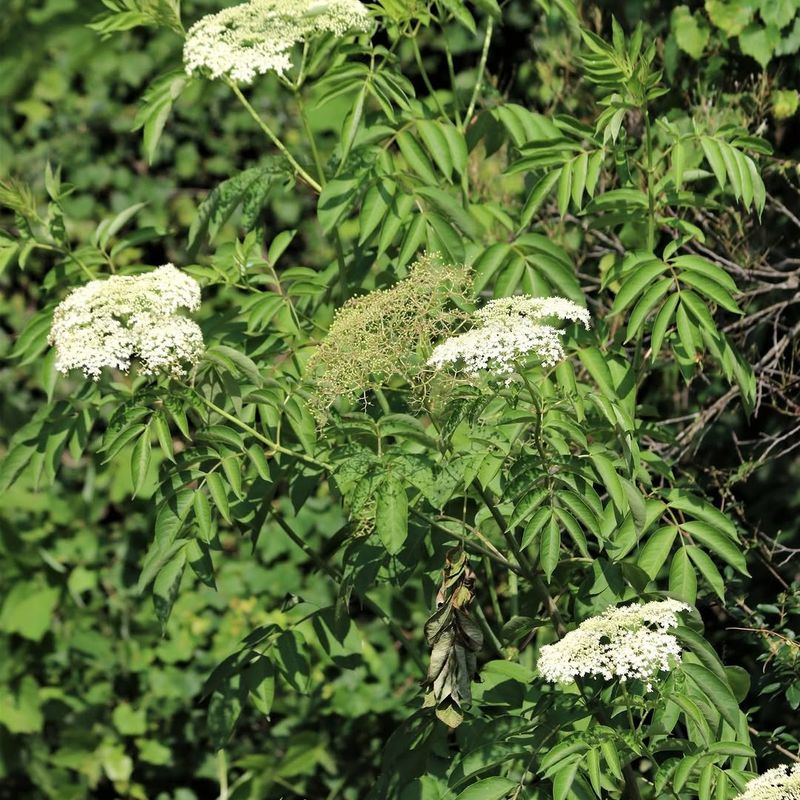
Before a single berry appears, elderberry is already doing useful work in the yard. The broad, flat-topped white flower clusters, called cymes, open in late spring to early summer and can attract a range of native bees and other pollinators.
This early-season value means the shrub is not just a late-summer bird plant but a multi-season contributor to a healthier wildlife garden.
Healthy flowering directly supports fruiting. The more flowers that get properly pollinated, the more berry clusters develop.
That connection is practical for anyone who wants maximum fruit production for birds. Planting two or more elderberry shrubs nearby can improve cross-pollination, which some sources suggest leads to better fruit set.
Protecting those flowers from pesticide exposure is worth taking seriously. Spraying insecticides near blooming elderberry can reduce the pollinator visits that lead to fruit.
Ohio State University Extension recommends reducing pesticide use in wildlife gardens generally, and elderberry bloom time is a particularly sensitive window. Skip the spray near flowering shrubs and let pollinators do their job.
The reward shows up a few months later when the berry clusters ripen and the birds arrive. Flowers first, fruit later, that is the elderberry sequence that makes it worth planting.
5. Wildlife May Harvest The Fruit Before You Do
Elderberry has a long history of human use, and people across this state still harvest the berries for jams, juices, and other preparations.
But anyone who plants elderberry for personal harvest and also wants to support birds should know upfront: wildlife often wins the race to ripe fruit.
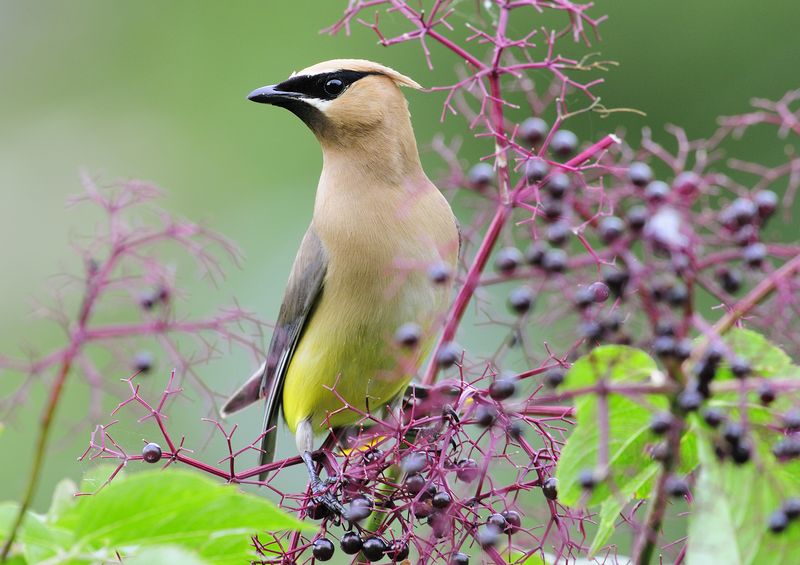
Cedar waxwings, robins, catbirds, and other fruit-eating birds can strip a shrub in a surprisingly short time once berries reach peak ripeness. If attracting birds is your main goal, that rapid harvest is the whole point.
If you want to share the fruit between wildlife and the kitchen, planting multiple shrubs gives everyone a better chance.
One important caution for anyone interested in human use: raw elderberries and other parts of the plant can cause stomach upset if consumed improperly. Cooking is generally required to make the fruit safe for people.
The University of Missouri Extension and similar food-safety sources make this clear. For wildlife gardening purposes, the birds handle the raw fruit without any problem.
Keep the focus on planting elderberry as a wildlife resource first, and check reliable Extension guidance before planning any personal harvest. The birds will not wait for you to decide.
6. Pruning Keeps Elderberry Productive Without Making It Fussy
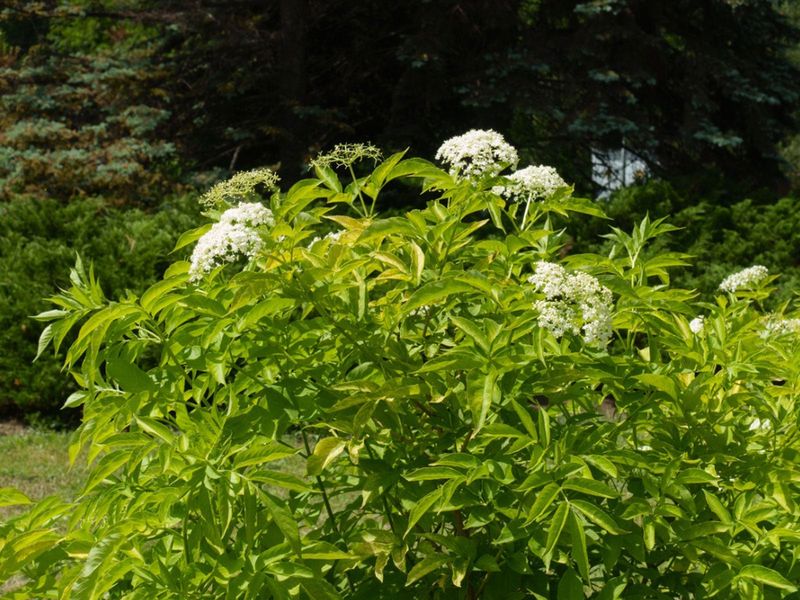
Left completely alone, American elderberry can grow into a wide, multi-stemmed shrub reaching six to twelve feet tall and nearly as wide. For wildlife gardening, that natural form is often an asset because it creates dense cover and plenty of fruiting branches.
But in a home yard, some management helps keep the plant healthy and productive over time.
Ohio State University Extension recommends removing weak, damaged, or very old canes periodically to encourage vigorous new growth. Elderberry fruits best on younger canes, so letting older stems dominate can reduce your fruit crop over time.
The key is to prune selectively rather than shearing the whole shrub into a tight, unnatural shape. Shearing removes the branch tips where flowers and fruit form, which is exactly the opposite of what you want.
Timing matters for pruning. Late winter or very early spring, before new growth begins, is generally the recommended window.
Avoid heavy pruning in late summer or fall when the shrub is finishing its fruiting cycle and preparing for dormancy. Give the shrub enough space from the start so you are not constantly cutting it back to fit a spot that is too small.
A well-sited, lightly managed elderberry will reward you with more fruit than one that is constantly wrestled into shape.
7. Native Shrub Borders Give Waxwings Safer Places To Land
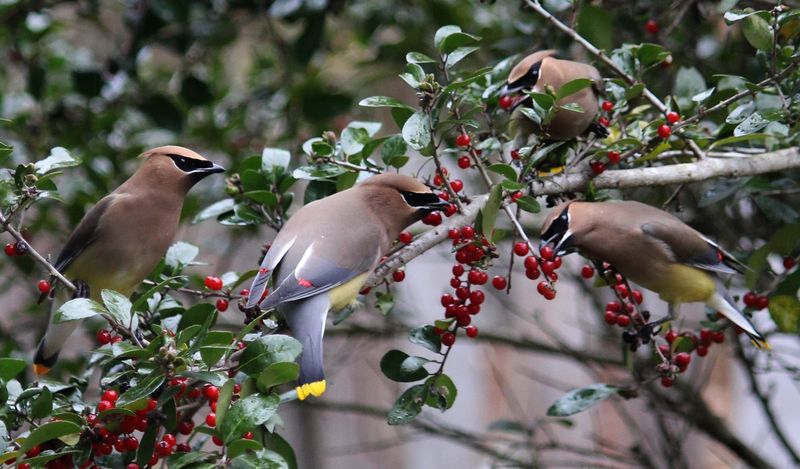
A single elderberry planted in the middle of a lawn is a start, but cedar waxwings are more likely to use a yard that offers structure. These birds like to perch in nearby trees or tall shrubs before dropping down to fruit.
A layered border that combines elderberry with other native shrubs and small trees gives them the kind of habitat they feel comfortable using.
Good companion natives for this state include serviceberry for earlier fruit, native dogwoods, viburnums, and chokeberry. Winterberry holly is another option where wet conditions allow.
Spicebush works well in shadier spots. Each of these plants offers fruit at slightly different times.
That means birds can find food across a longer stretch of the season rather than just during the elderberry peak.
Avoid filling the border with invasive fruiting shrubs like burning bush, autumn olive, or multiflora rose. These plants spread aggressively and crowd out the native plants that local wildlife has evolved with.
Placement matters too. Shrub borders near windows can create collision risks for birds moving quickly between perches.
Use window treatments or keep fruiting shrubs at least ten feet from large glass surfaces. A well-planned native border does more for birds than any single plant ever could.
8. Elderberry Works Best As Part Of A Bigger Bird-Friendly Yard
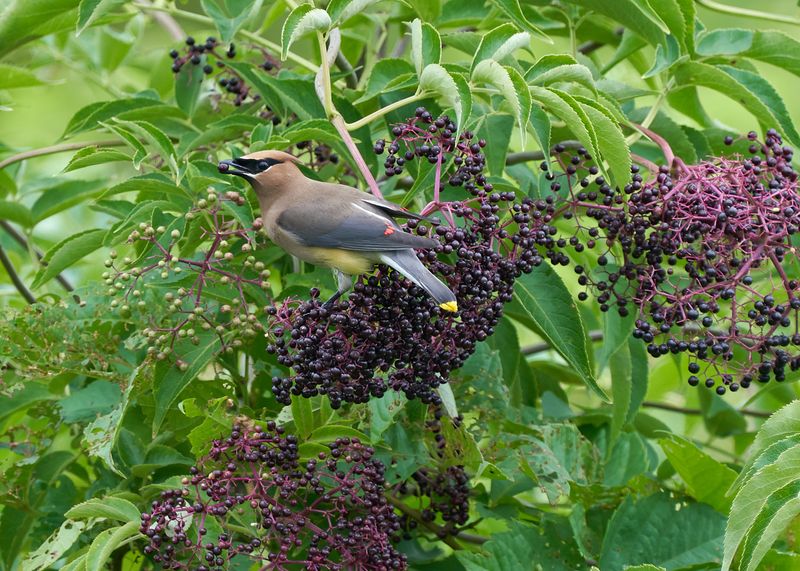
Elderberry is a strong native choice, but no single shrub turns a yard into a full wildlife habitat on its own. Cedar waxwings need more than one food source.
They respond to the whole picture: safe cover, fresh water, reduced disturbance, and a sequence of fruit from one season into the next.
A bird-friendly yard pairs elderberry with other native fruiting plants that ripen at different times. Serviceberry comes early in the season.
Native dogwoods and viburnums offer mid-season fruit. Winterberry and native hollies carry food into fall.
Stringing these plants together means your yard stays relevant to fruit-eating birds for months rather than just a few weeks.
Reducing pesticide use across the whole yard matters too. Insecticides can affect the insects that birds also eat, especially during nesting season when adults are feeding young.
A cleaner yard supports the whole food web, not just the berry eaters. Fresh water in a bird bath, changed regularly, adds another draw.
Window collision prevention is worth addressing if shrubs are near glass. Plant elderberry in the right spot, keep the site moist and sunny, and let the berries ripen without interference.
Then watch what arrives when late summer fruit peaks across your native garden.