8 Texas Natives That Outcompete Weeds In Garden Beds
Weeds have a system. They find bare soil, they move in fast, and they make themselves completely at home before you even notice what happened.
Many gardeners respond by pulling, spraying, and mulching, then doing it all over again next season. What if the garden itself could do the work instead?
There is a group of Texas natives that compete with weeds the same way weeds compete with everything else. Aggressively, efficiently, and without much help from you.
They spread across bare soil before weeds get the chance. Once established, these plants reduce weed pressure. And they do all of this while looking genuinely beautiful.
Texas has spent thousands of years producing plants built for exactly this climate. Hot summers, dry spells, clay soil, and all. These are the plants that evolved to win in those conditions.
The weeds in your garden beds have been counting on you not knowing about them. Now you will.
1. Buffalograss Creates A Lawn-Like Mat That Starves Weeds Of Space
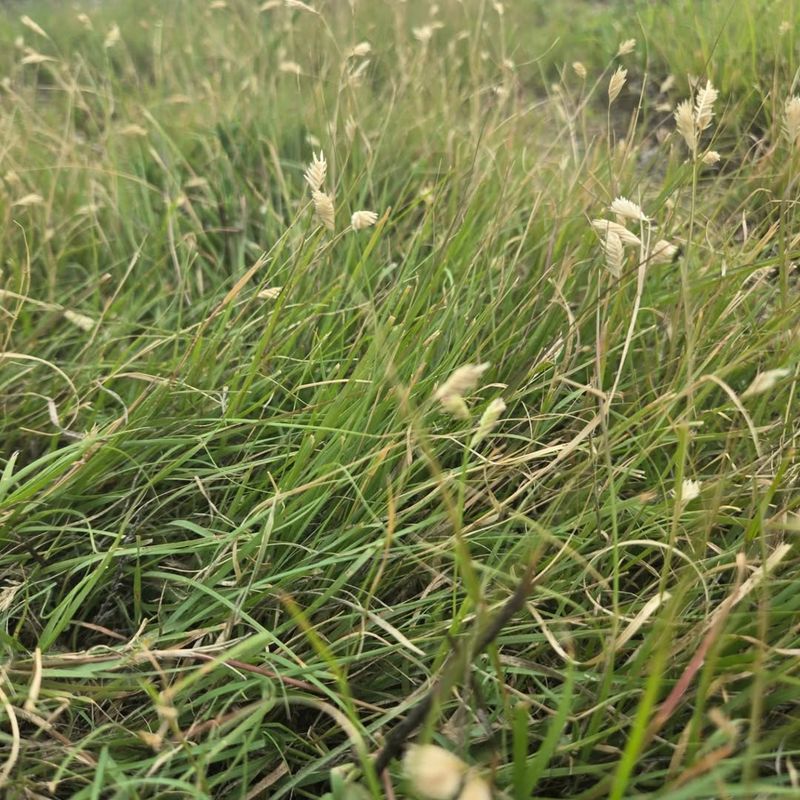
Buffalograss does not just grow in Texas. It belongs here, and the difference shows. This native prairie grass stays low, only three to six inches tall, and spreads by stolons across the soil surface.
Those runners move quickly, filling gaps and leaving almost no bare ground exposed. No bare ground means no opportunity for weeds to establish.
The real work happens in two directions at once. Above the soil, the stolons knit together into a tight, dense mat.
Below the soil, shallow roots pack the ground so thoroughly that weed seedlings simply cannot find room to push through.
Buffalograss thrives in full sun and clay-heavy soils, which describes a large portion of Texas garden beds accurately. Once it fills in, water needs drop significantly.
During summer, roughly one inch every two to three weeks is usually sufficient. During cooler months, it needs almost nothing at all.
Starting with plugs rather than seed gives you faster coverage. Plant plugs six to eight inches apart in late spring. They spread and connect within a season or two.
Mow only once or twice a season to keep things tidy. Avoid overwatering, because too much moisture actually weakens the grass and creates the exact conditions weeds prefer.
Patience is the only real requirement here. Buffalograss rewards it with a weed-resistant surface that looks neat without constant management.
Weeds wanted your yard. Buffalograss showed up and said otherwise.
2. Blue Grama Forms Dense Clumps That Shade Out Emerging Seeds
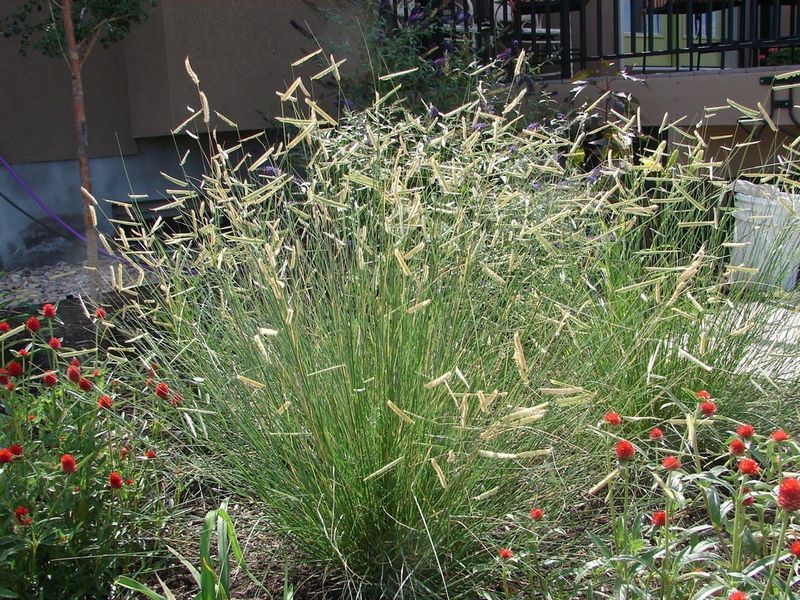
Blue grama has one of the more distinctive looks in the Texas native grass world. Those eyelash-shaped seed heads curve like tiny commas above fine-textured clumps, making it immediately recognizable in any planting.
But the visual appeal is just the beginning. Blue grama is a serious weed suppressor, and it earns that reputation through shade.
Dense bunching clumps shade the soil directly beneath and around each plant. Most weed seeds need light to germinate. When soil stays consistently shaded, those seeds stay dormant rather than sprouting into a problem.
Your Texas Garden Changes Every Week. Your Plan Should Too.
Gardening in Texas changes quickly throughout the season. Every Friday you’ll receive a simple weekly plan showing exactly what to plant, prune, fertilize, harvest, and protect so you never miss the right timing.
Blue grama performs well in full sun and well-drained soil. It tolerates poor, rocky, or sandy conditions that other grasses find difficult.
That adaptability makes it useful across a wide range of Texas landscapes, from central regions to the drier west.
Space clumps about twelve inches apart. As they mature over one to two growing seasons, they knit together and the shading effect multiplies. Each new season makes it progressively harder for weeds to break through.
Water newly planted blue grama weekly for the first month, then taper off. Established plants handle Texas summers on rainfall alone in most parts of the state.
Avoid heavy mulch around young clumps since it can trap moisture and slow the establishment process.
Small, densely packed, and quietly relentless. Blue grama does not look intimidating, but weeds seem to get the message anyway.
3. Horseherb Covers Bare Soil With Spreading Green Groundcover
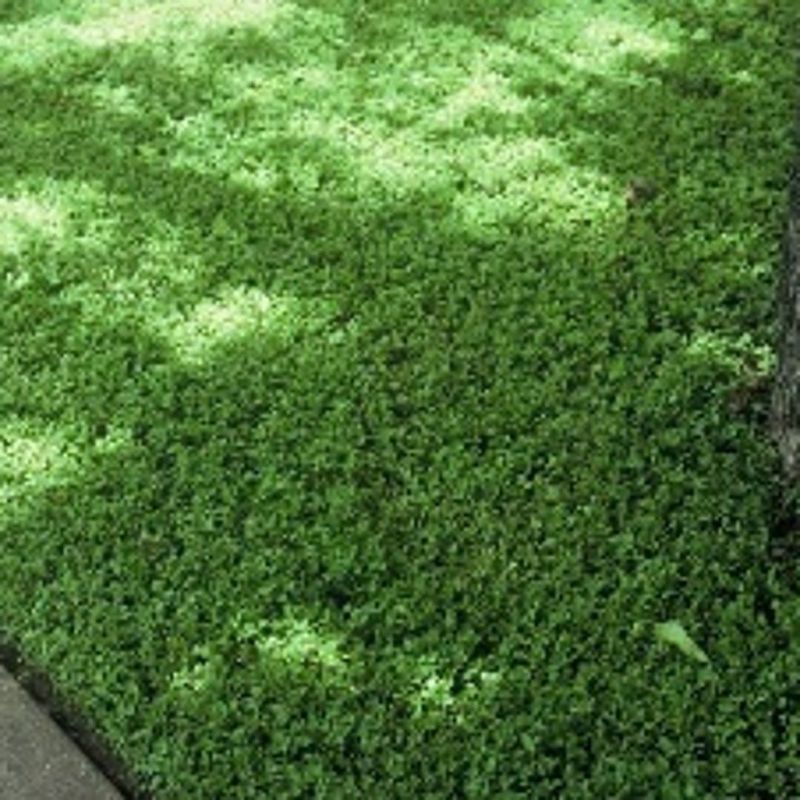
Bare soil is an open invitation for weeds, and they never decline it. Horseherb, also called straggler daisy, has spent a very long time perfecting the art of closing that invitation before anything unwanted can respond.
This native groundcover thrives in shade and partial shade, which makes it particularly useful under trees where other plants struggle to establish.
It spreads through both seeds and rooting stems, creating a soft, low-growing carpet that rarely exceeds six inches in height.
Tiny yellow flowers appear nearly year-round in warmer parts of Texas. The plant looks cheerful and low-key while quietly outcompeting everything trying to share its space.
Drought tolerance is one of its strongest qualities. Once established, horseherb survives on minimal supplemental water and relies mostly on natural rainfall to keep going.
It performs well in loamy or clay soils with some organic matter, which covers a wide range of Texas conditions.
To establish it quickly, plant transplants or divisions in early spring and water consistently for the first few weeks. After that, pull back and let it spread.
Horseherb moves assertively, so give it room where full coverage is the goal. It handles foot traffic better than most groundcovers and recovers quickly after being walked on.
Low maintenance, shade tolerant, weed suppressing, and covered in tiny yellow flowers for most of the year. Horseherb is out here doing everything and asking for almost nothing. Respect the straggler daisy.
4. Frogfruit Spreads Quickly And Fills In Before Weeds Can Sprout
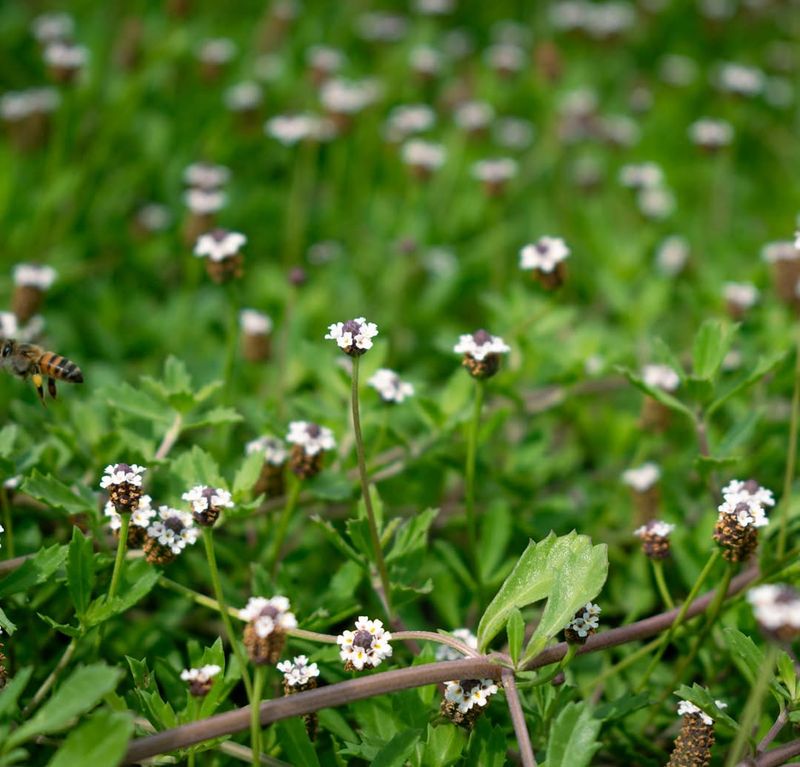
Speed is one of the most important qualities in a weed-fighting plant. The faster bare ground gets covered, the less opportunity weeds have to claim it.
Frogfruit is one of the quickest spreaders in the Texas native toolkit, and it brings pollinators along for the effort.
This low groundcover grows only two to four inches tall and spreads by rooting at stem nodes wherever they touch the soil.
That trailing habit creates a dense, interlocking mat that blocks weed seedlings from reaching the light and water they need to establish.
Small white and lavender flowers bloom from spring through fall. Native bees, butterflies, and other beneficial insects visit consistently throughout the season.
Frogfruit also serves as a larval host plant for several butterfly species, which means planting it contributes to garden ecology while suppressing weeds at the same time.
Plant transplants in spring, spacing them twelve to eighteen inches apart. Water regularly for the first month, then reduce irrigation as roots settle in.
Frogfruit tolerates clay, sandy loam, and occasionally wet soils, which gives it broad adaptability across Texas regions.
Mow or trim once or twice a year to keep growth tidy and encourage fresh spreading stems.
Very few groundcovers manage to look good, suppress weeds, survive Texas summers, and support wildlife simultaneously. Frogfruit does all four without being asked twice. Honestly, it is overqualified for the job.
5. Lyreleaf Sage Brings Foliage And Flowers That Block Weeds
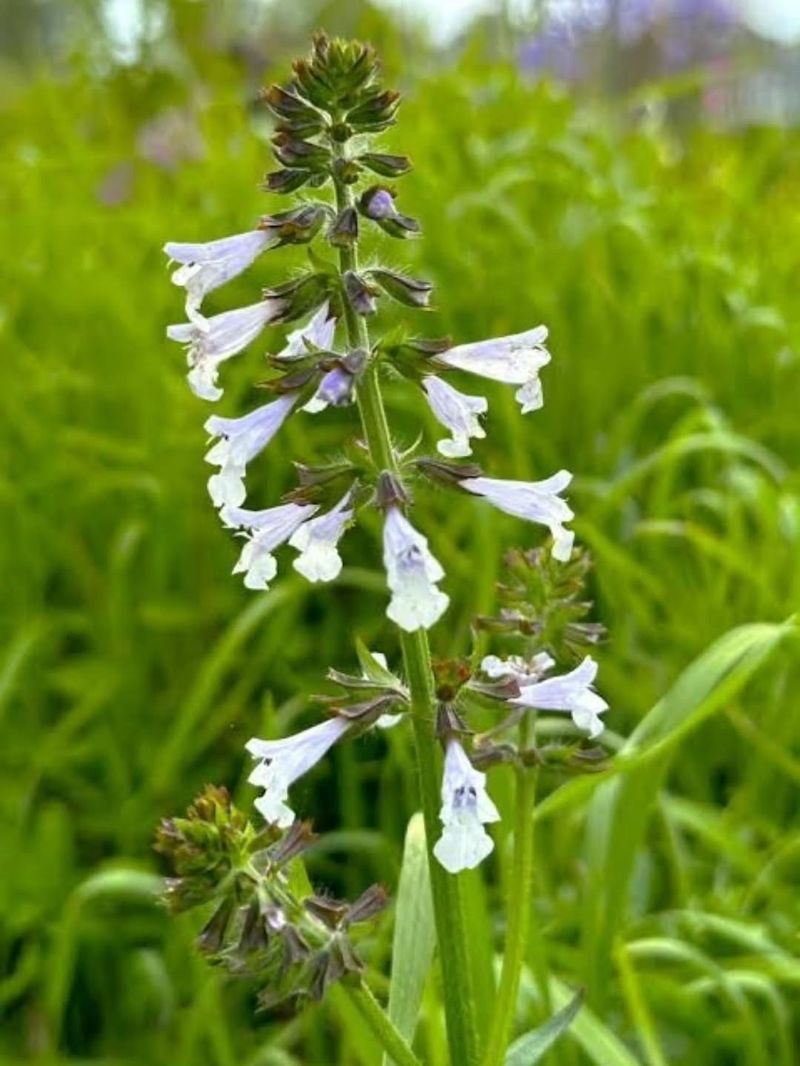
Not every weed fighter needs to be a grass. Lyreleaf sage proves that bold foliage and tall purple flower spikes can do the job just as effectively, and look considerably more interesting while doing it.
Through fall and winter, lyreleaf sage grows as a low rosette of deeply lobed, textured leaves that hug the ground closely.
That basal rosette spreads wide enough to shade surrounding soil and block light from reaching weed seeds beneath it.
In spring, flower stalks shoot up twelve to twenty-four inches and cover themselves in vivid violet-blue blooms. Bees and hummingbirds arrive quickly.
The display is genuinely striking for a plant that most people walk past at the nursery without a second glance.
Lyreleaf sage reseeds readily, which means a small initial planting can expand into a dense colony over two to three seasons.
That self-expanding habit is exactly what makes it so effective at filling gaps where weeds would otherwise move in.
It tolerates a range of soil types, from sandy loam to clay, and performs well in both full sun and partial shade. Once established, it handles dry spells comfortably and needs supplemental water only during extended drought.
Plant transplants or seeds in fall for spring flowering. Allow spent flower stalks to drop seeds naturally before cutting them back.
The expanding colony handles the weeding work while you take the credit. That is a gardening arrangement most people would happily agree to.
6. Texas Sedge Makes A Thick Carpet That Leaves Little Room For Unwanted Plants
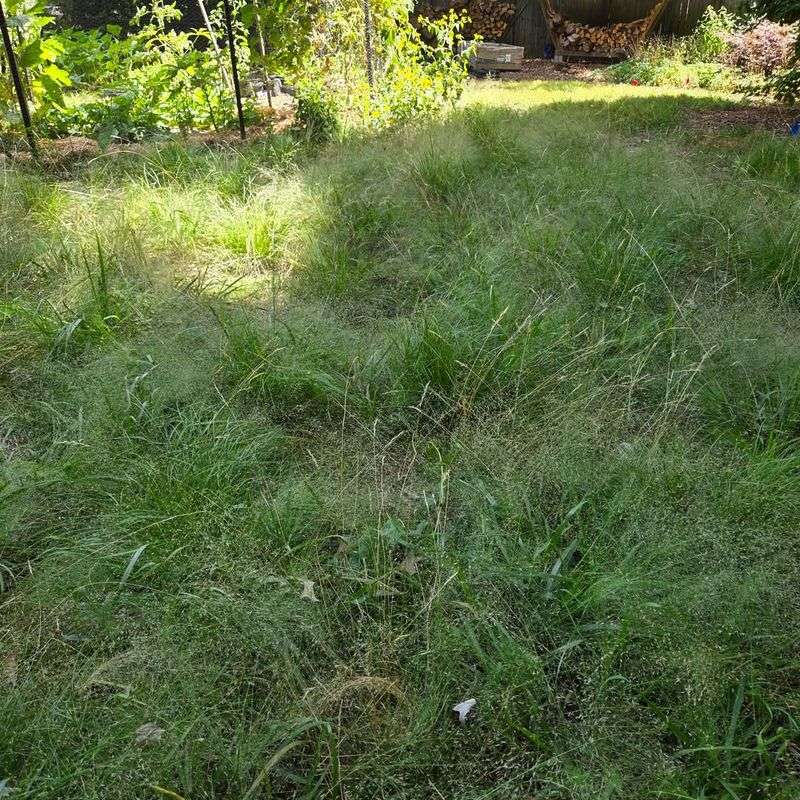
Most groundcovers take a break in winter and leave bare patches that cool-season weeds are quick to fill. Texas sedge refuses to participate in that cycle.
This evergreen native holds its fine, dark green blades all year long. Coverage stays consistent even when temperatures drop, which is a significant advantage over plants that go dormant.
Texas sedge grows in spreading clumps that gradually merge into a thick carpet. Each clump reaches six to twelve inches tall and spreads by rhizomes.
It performs best in partial to full shade with well-drained, moderately moist soil. That makes it particularly useful under trees and in areas where sun-loving groundcovers would struggle.
Unlike many sedges, it is not aggressively invasive, which means it fills space without becoming the next problem you need to manage.
Plant divisions in fall or early spring, spacing them 12 to 18 inches apart. Water weekly for the first month, then reduce to twice monthly as plants settle in.
Trim ragged-looking blades in late winter before new growth pushes through. That simple annual task keeps the carpet looking intentional rather than neglected.
Texas sedge works through every season without asking for much in return. It just quietly covers ground and denies weeds the foothold they are always looking for.
Year-round coverage, low maintenance, shade tolerant. What more does a groundcover need to do to get some recognition around here?
7. Native Grasses Build Root Systems That Crowd Out Competition
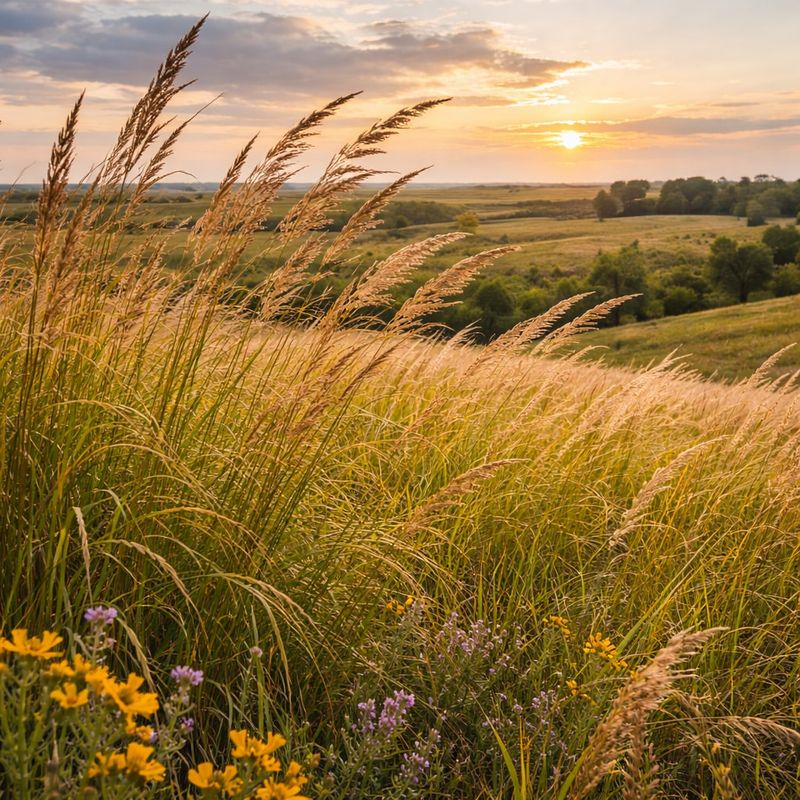
What happens above ground in a native grass planting is impressive. What happens below ground is something else entirely.
Native Texas grasses like little bluestem, Indiangrass, and sideoats grama develop root systems that reach six to eight feet deep. Those roots pull water and nutrients from layers that shallow-rooted weeds simply cannot access.
But deep roots do more than find water. They physically occupy soil space at multiple levels, leaving almost no room for weed roots to establish.
Dense root networks also improve soil structure over time, creating conditions that favor native plants and resist the loose, disturbed ground that weed seeds prefer.
Sideoats grama, the Texas state grass, deserves special mention. It forms upright bunches that spread moderately and produce striking oat-like seed heads along one side of each stem.
Plant native grasses in spring or fall, avoiding summer installation during peak heat. Prepare soil minimally before planting. Overworking the soil can actually encourage weed germination rather than prevent it.
Water new plants every three to four days for the first six weeks, then shift to deep, infrequent watering as roots establish.
Once settled, these grasses largely manage themselves. The roots do the real work underground while the tops provide structure and texture above.
Six to eight feet of roots claiming territory below your garden beds. Weeds never stood a chance, and they just do not know it yet.
8. Blanketflower Brings Blooms And Dense Footprint All Season
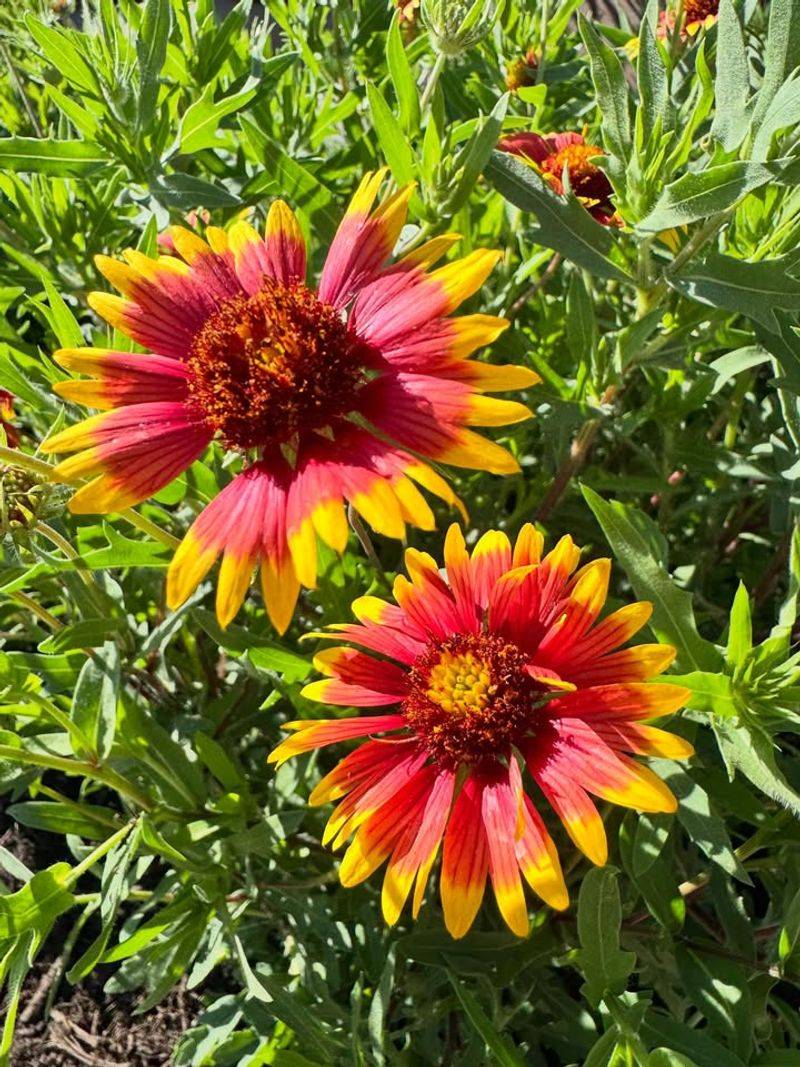
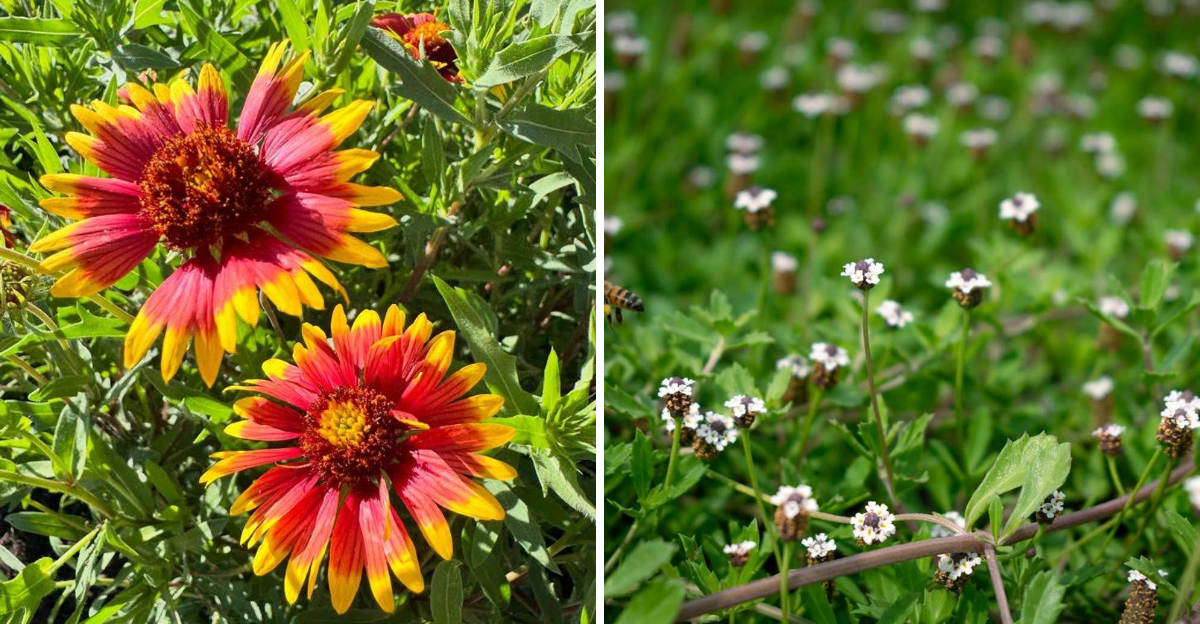
Blanketflower does not ease into the season. It arrives with red, orange, and yellow blooms that demand attention from late spring straight through the first frost. And it keeps that energy going longer than almost any other Texas native.
That show is real. But underneath all that color, blanketflower is running an operation against weeds.
Gaillardia pulchella forms a spreading mound of hairy, grayish-green foliage as it matures. Each plant covers twelve to eighteen inches of ground.
Plant them in groups and the overlapping foliage creates a nearly solid canopy that blocks light from reaching the soil surface below.
Blanketflower also reseeds freely. One strong planting season can turn into a self-sustaining colony the following year, with new plants filling any gaps before weeds get there first.
It thrives in full sun and well-drained soil. Sandy or rocky ground suits it well. Drought resistance is strong once established, and supplemental irrigation after the first growing season is rarely necessary.
Avoid overwatering and heavy clay soil. Both reduce flowering and weaken the plant over time.
Deadhead spent blooms regularly to encourage continuous flowering. Plant transplants or direct-sow seeds in spring after your last frost date.
Bold color, spreading coverage, self-seeding habit, and serious drought tolerance. Blanketflower is out here doing five jobs at once and still looking incredible by August.
Is it the hardest worker in the Texas native garden? It might be, and it is not even close to done yet.