Texas Garden Bugs That Look Dangerous But Are Actually Completely Harmless
How many times have you spotted something in your Texas garden, taken a step back, and immediately started thinking about how to get rid of it?
Texas has a well-earned reputation for creatures that mean business, and that reputation tends to make gardeners suspicious of anything that looks even slightly threatening.
The problem is that a lot of the insects causing the most alarm in Texas gardens are not dangerous at all, and some of them are actually doing useful work that benefits the plants around them.
Size, color, and strange shapes trigger an automatic threat response that leads to perfectly harmless bugs getting squashed, sprayed, or relocated unnecessarily.
Learning to recognize the garden insects that look alarming but pose no real risk changes how you interact with your outdoor space and helps you avoid accidentally removing beneficial insects that your garden is better off keeping around.
1. Wheel Bug (Arilus Cristatus)
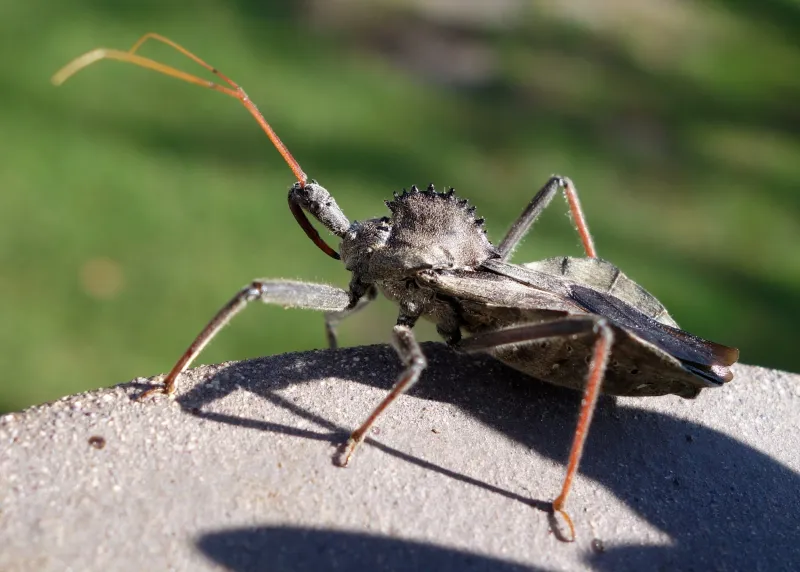
Picture this: you are pruning your roses when suddenly a large, gray, spiny creature with what looks like a tiny gear on its back crawls across your hand. Your first instinct might be to panic.
That strange “wheel” on its back is exactly what gives this bug its name, and it is one of the most unusual-looking insects you will ever spot in a Texas garden.
The Wheel Bug belongs to the assassin bug family, which sounds terrifying, but do not let the name fool you. It does not go after people.
It is far too busy hunting down garden pests like caterpillars, beetles, and aphids. Think of it as your garden’s very own pest control officer, working quietly and efficiently without asking for anything in return.
These bugs move slowly and are pretty shy around humans. They will not chase you or seek you out.
If you try to pick one up roughly, it might use its beak to defend itself, so it is best to admire it from a distance.
Wheel Bugs are actually considered one of the most beneficial predatory insects in North America. Gardeners who spot them should feel lucky.
They are not common, and having one around means your garden has a natural, chemical-free defense system already in place.
So next time you see that spiny wheel shape crawling through your flower bed, take a breath and let it do its job. Your garden will thank you for it.
2. Spiny Orb-Weaver (Gasteracantha Cancriformis)
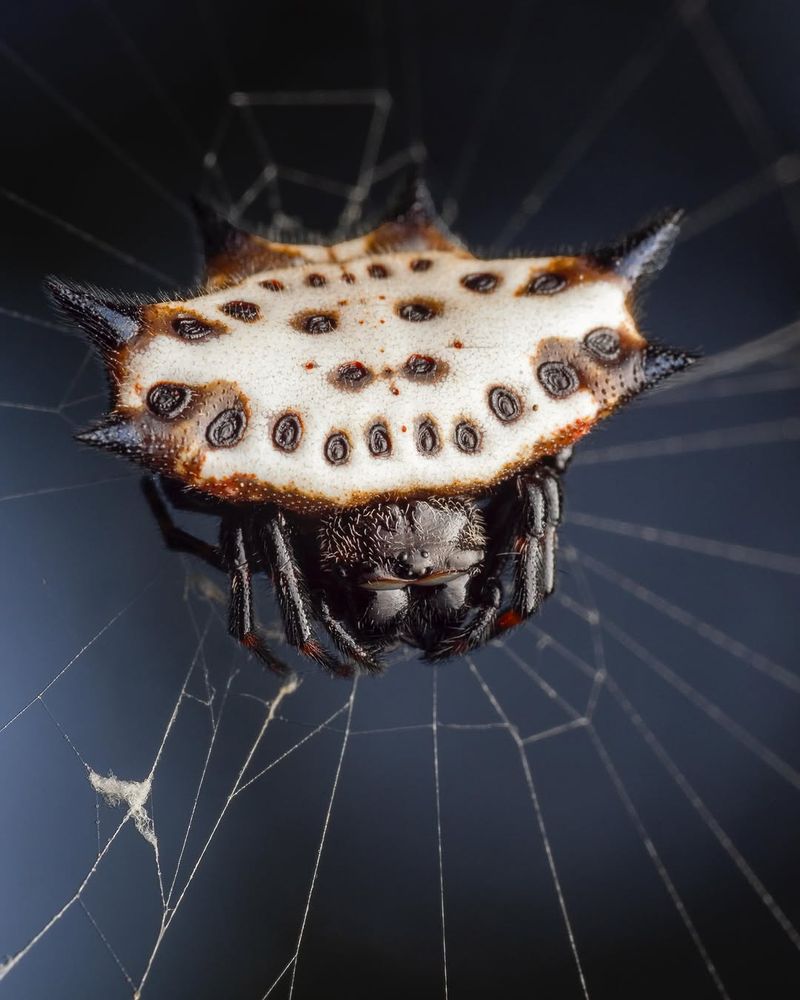
Bright colors, sharp spines, and a body that looks like it belongs on a cartoon villain. The Spiny Orb-Weaver is one of those bugs that makes people stop in their tracks.
It is small, but its bold white, yellow, or red coloring combined with those pointy spike-like projections makes it look like something that could seriously hurt you. Spoiler: it absolutely cannot.
This little spider is completely harmless to humans and pets. It is not aggressive, and it rarely bites.
Even if it did, its venom is so mild that it would barely cause any irritation at all. Most people never even feel it.
Your Texas Garden Changes Every Week. Your Plan Should Too.
Gardening in Texas changes quickly throughout the season. Every Friday you’ll receive a simple weekly plan showing exactly what to plant, prune, fertilize, harvest, and protect so you never miss the right timing.
What it does do, however, is spin some of the most impressive circular webs you will ever see in a garden.
Those beautiful orb-shaped webs are actually working traps for flying insects like mosquitoes, gnats, and small moths. So while the Spiny Orb-Weaver might look like trouble, it is quietly making your outdoor space more comfortable for everyone.
You will usually find these spiders in late summer and fall across Texas. They love gardens with lots of flowering plants and shrubs.
Fun fact: the spines on their abdomen are thought to make them harder for birds to swallow, which is a clever little survival trick.
Rather than removing the web or scaring the spider away, try leaving it alone. It is earning its keep by keeping annoying flying insects under control, one web at a time.
3. Texas Red Harlequin Bug (Murgantia Histrionica)
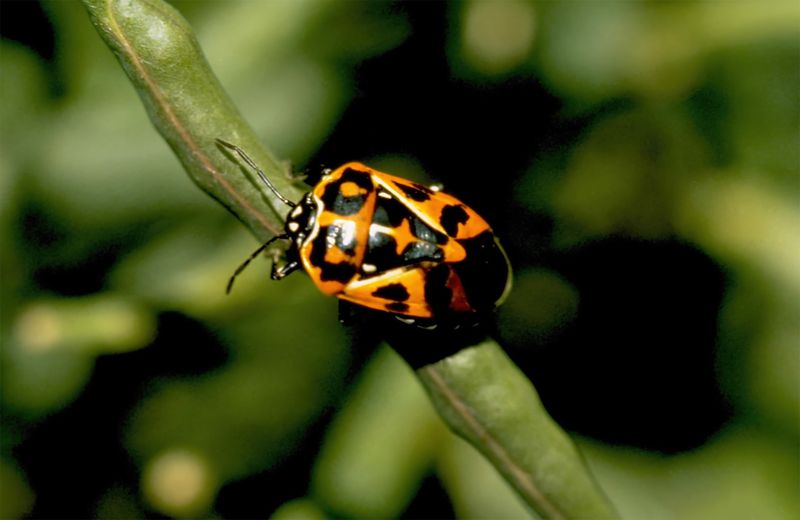
Bold red and black patterns on an insect usually send one clear message: stay away. That color combination in the natural world often signals poison or danger, and the Harlequin Bug wears those colors like a warning badge.
No wonder so many Texas gardeners back away slowly when they spot one crawling across their cabbage or broccoli plants.
Here is the reassuring part: the Harlequin Bug poses zero threat to people. It does not sting, it does not bite, and it is not venomous in any way.
The dramatic coloring is more of a bluff than a real warning. It is what scientists call aposematic coloration, where an animal uses bright colors to look more threatening than it actually is.
That said, the Harlequin Bug is not entirely innocent in the garden. It does feed on plants, particularly those in the cabbage family like kale, broccoli, and mustard greens.
Large groups of them can stress a plant over time. If you notice a lot of them on your vegetables, gently removing them by hand or spraying plants with water can help keep numbers manageable.
Still, from a human safety standpoint, this bug is completely harmless. Children can observe it up close without any worry.
It is actually a fascinating insect to study because of its striking appearance. Treating it more like an interesting garden visitor than a threat makes the whole experience a lot less stressful for everyone in the yard.
4. Milkweed Bug (Oncopeltus Fasciatus)
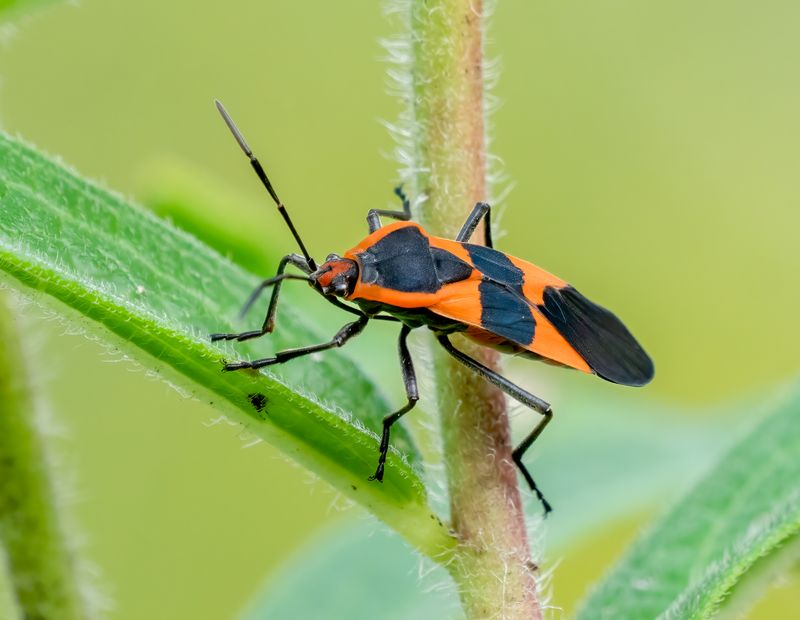
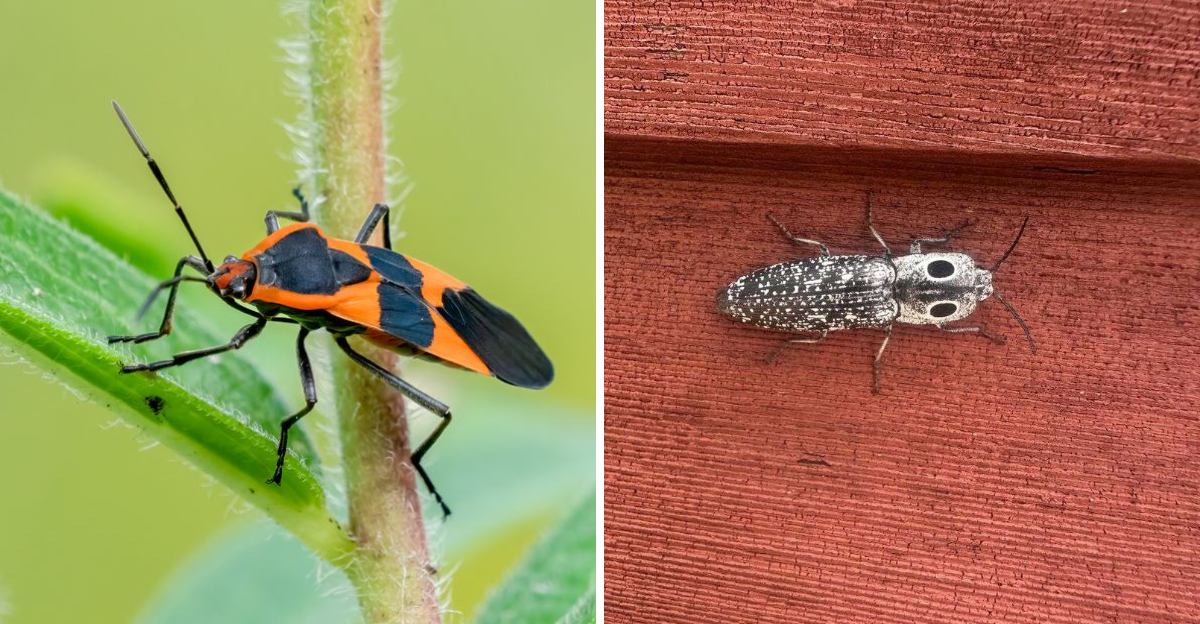
Bright orange and black is a color combination that nature uses to say “back off,” and the Milkweed Bug has fully committed to that look. Spotted clinging to milkweed pods in groups, these bugs can seem alarming at first glance.
They are vivid, they are bold, and they look like they mean business. But the truth is refreshingly simple: they are totally harmless to people.
Milkweed Bugs feed exclusively on the seeds of milkweed plants. That is pretty much their whole world.
They do not feed on other plants, they do not bite humans, and they have no interest in anything that is not a milkweed seed.
Their bright coloring actually comes from the milkweed plant itself, which contains compounds that make the bug taste unpleasant to predators like birds.
So in a way, the Milkweed Bug borrows its defense system from the plant it lives on. Pretty clever for such a small insect.
You will often find them in clusters on milkweed pods during the warmer months across Texas, looking like tiny orange-and-black stained glass windows.
For gardeners who grow milkweed to support monarch butterflies, Milkweed Bugs are just part of the ecosystem. They share the plant without causing serious harm to it, and they add a pop of color to the garden.
If you have kids who love exploring outdoors, these bugs make a wonderful, safe, and fascinating subject for up-close observation. Let them look, learn, and enjoy the show.
5. Giant Water Bug (Belostomatidae)
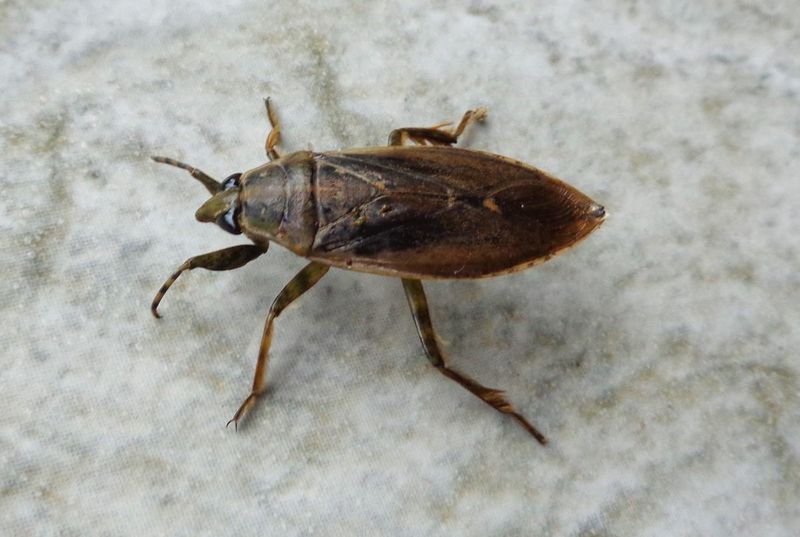
Finding a Giant Water Bug in your garden can feel like discovering a tiny prehistoric creature. These bugs are large, flat, and have strong front legs that look like they were built to grab onto things and never let go.
They can grow up to two inches long, which is enormous for an insect, and they move with a surprising amount of confidence. At first glance, they look like something straight out of a nightmare.
You might find one near a garden pond, a birdbath, or even crawling across your patio on a warm night. They are strong fliers and are drawn to lights after dark, which is why some people call them “toe-biters.” That nickname alone is enough to make anyone nervous.
And yes, if you handle one carelessly, it can give you a pinch with its front legs that stings for a moment.
But here is the thing: Giant Water Bugs are not aggressive toward humans at all. They do not seek out people.
That pinch only happens as a last resort when the bug feels cornered or threatened. In their natural environment, they are busy being excellent predators of aquatic insects, including mosquito larvae.
They play a real role in keeping mosquito populations in check around garden water features.
Rather than being a pest, the Giant Water Bug is actually doing your garden a favor. Giving it space and letting it move along on its own is all you need to do. No drama required.
6. Eyed Click Beetle (Alaus Oculatus)
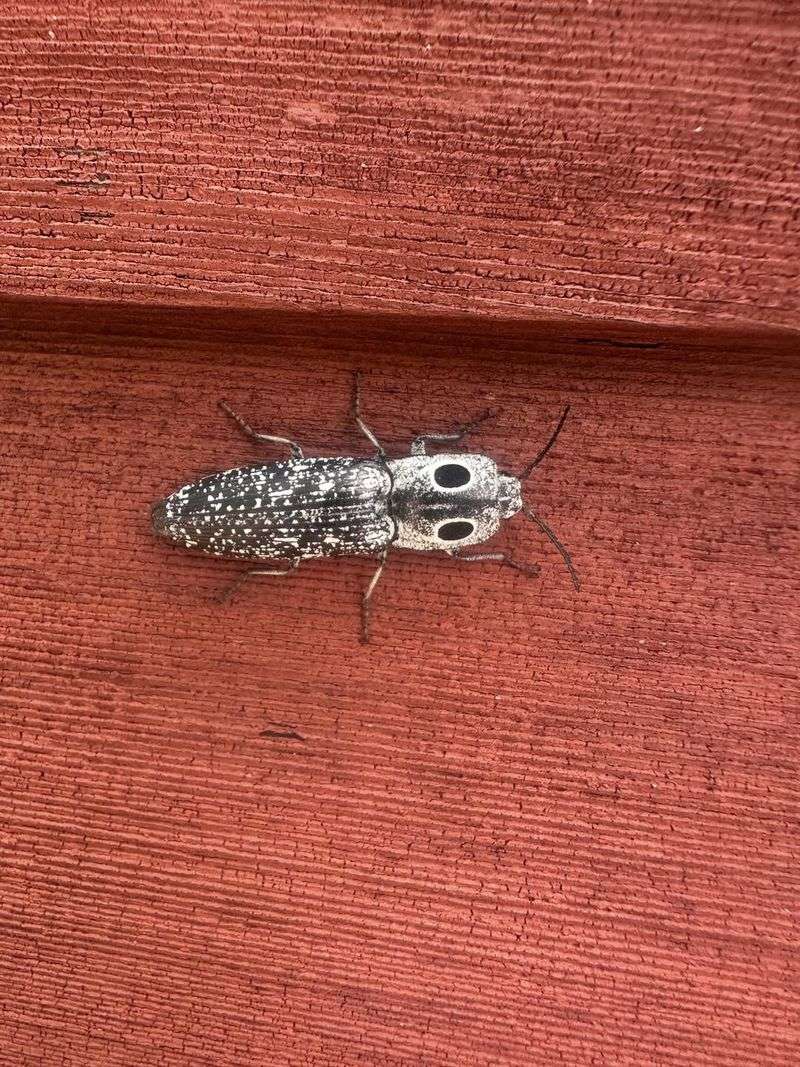
Imagine picking up a piece of bark in your garden and coming face to face with what looks like a tiny snake staring back at you. Two huge, round, black-and-white eyes seem to lock onto yours, and for a split second, your brain says run.
But those are not real eyes at all. They belong to the Eyed Click Beetle, one of nature’s most convincing illusionists.
Those dramatic eyespots are simply markings on the beetle’s body. They serve as a defense mechanism to startle and confuse predators like birds.
A bird swooping in for a snack suddenly sees what looks like a much bigger creature staring back, and it flies away. The beetle stays safe without having to do anything at all. It is honestly a brilliant survival strategy.
The “click” part of its name is just as interesting. When the beetle is flipped onto its back, it snaps a spine on its underside to launch itself into the air with an audible clicking sound.
It lands right-side up and walks away. No harm done to anyone. It is purely a self-righting escape trick, not an attack.
Eyed Click Beetles are completely harmless to humans. They do not sting, they do not bite, and they have no venom.
The larvae actually live in rotting wood and help break it down, which is beneficial for soil health. Spotting one in your Texas garden is a genuinely exciting moment. Enjoy the show and leave it be.
7. Harlequin Ladybird (Harmonia Axyridis)
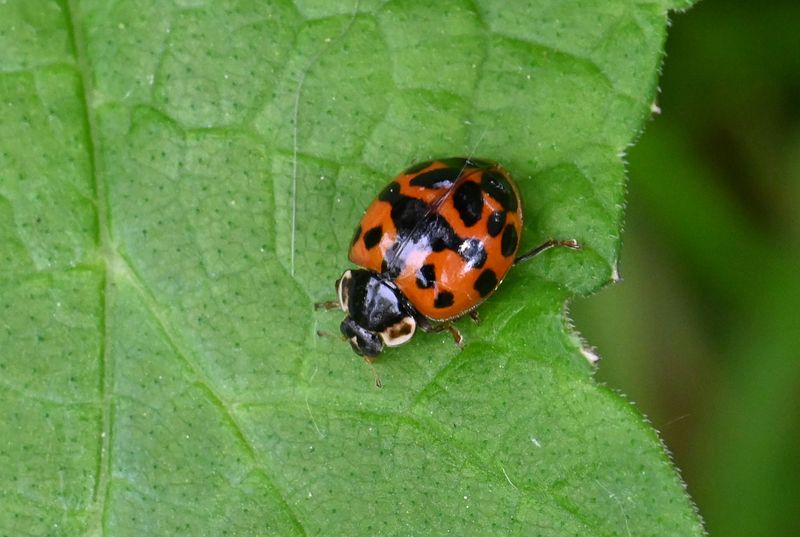
Most people love ladybugs. They are cute, round, and cheerful-looking. But when a ladybug shows up that is noticeably bigger than usual, with a more intense red color and a lot more spots, people sometimes get suspicious.
That is the Harlequin Ladybird, and its slightly larger-than-expected size can catch gardeners off guard. Some have even mistaken it for a beetle they should be worried about.
Good news: the Harlequin Ladybird is completely safe for humans. It does not sting, it is not venomous, and it poses no physical threat to people or pets.
In fact, it is one of the most effective pest controllers you can have in a garden. A single Harlequin Ladybird can consume hundreds of aphids in a week.
For anyone dealing with aphid problems on roses or vegetable plants, that is a very welcome guest.
The Harlequin Ladybird originally came from Asia and was introduced in the United States to help with agricultural pest control. It worked so well that populations spread widely across the country, including throughout Texas.
One thing worth knowing is that large groups of them sometimes gather indoors during cooler months looking for warmth. That can feel overwhelming, but they are harmless inside too.
Ecologically, there is some concern that Harlequin Ladybirds can outcompete native ladybug species for food and habitat. Supporting native plants and reducing pesticide use helps keep the balance.
But as far as your safety goes, this colorful bug is nothing to fear. It is just a hungry, hardworking garden helper in a flashy outfit.