8 Missouri-Proven Fruit Trees That Deliver Every Year
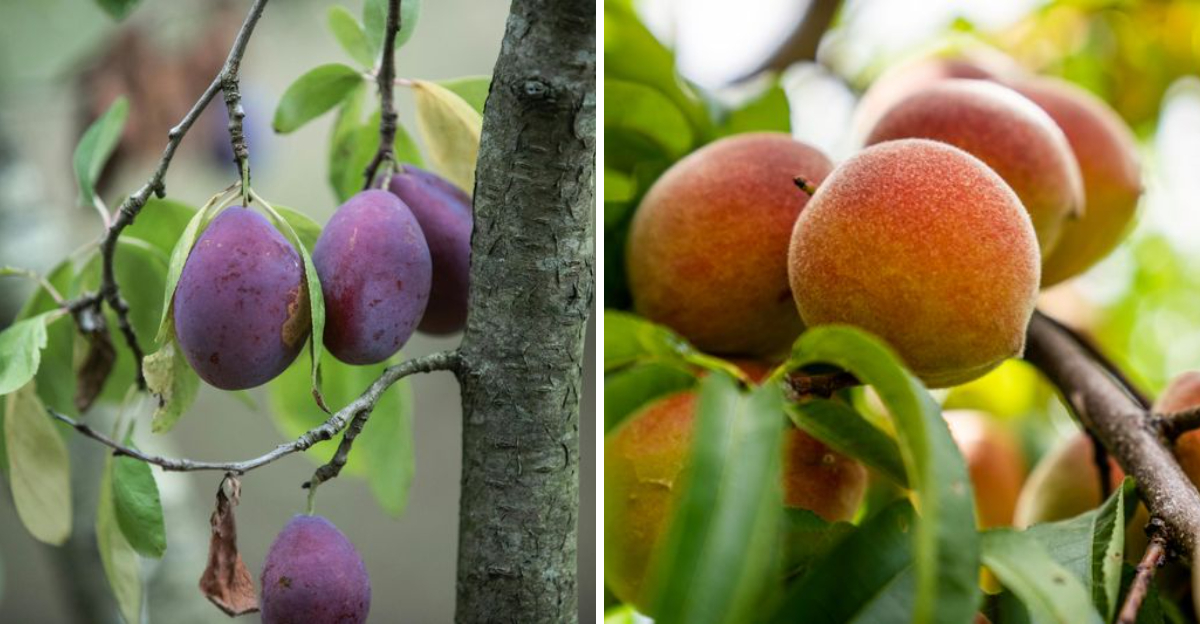
Fruit trees in Missouri either earn their place or become very expensive firewood. A tree either survives what this state throws at it, or it quietly gives up sometime around the third brutal frost.
The peach tree in my backyard learned that lesson the hard way, blooming with stubborn confidence every spring before losing its fruit to a cold snap that arrived without any warning. That tree cost time, space, and more hope than it deserved.
Ever watched a perfectly healthy tree just slowly stop trying? Missouri gardeners know the specific frustration of nurturing something for years only to watch the climate win again.
I still can’t believe how quickly the right fruit tree changed that entire experience, turning a patchy corner of the yard into something that actually produces.
Not every variety is built for Missouri’s humidity, wild temperature swings, and frost windows that refuse to follow any calendar.
The ones that are built for it, though, make every past failure feel worth it. Choose wisely and the soil rewards you.
1. Reliance Peach
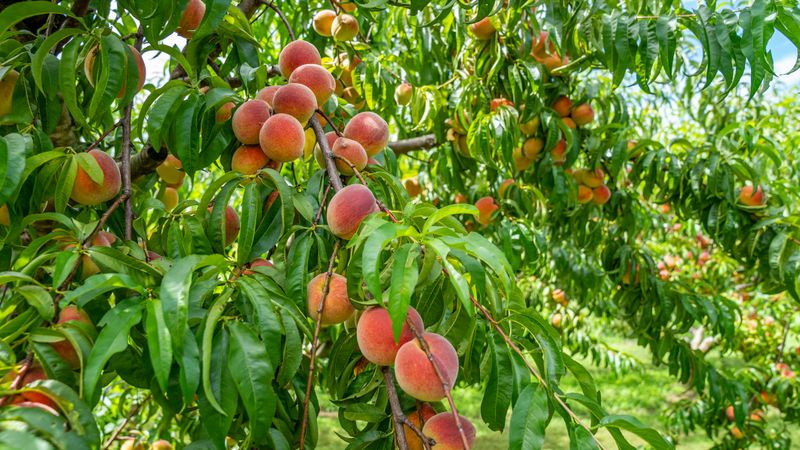
Reliance Peach turns the backyard peach dream into a Missouri reality. Built for cold hardiness, it survives temperatures that knock out most other peach varieties.
Gardeners across the Midwest have trusted it for decades, and for good reason. Reliance ripens in mid-summer, usually around late July, giving you a generous window to pick, eat, and preserve.
The fruit itself is medium to large, with a sweet, rich flavor that holds up beautifully in cobblers, jams, and pies.
Because the tree is self-fertile, you only need one to get a full crop, which is a huge bonus for smaller yards. Planting in full sun with well-drained soil sets this tree up for long-term success.
It handles late spring frosts better than almost any other peach on the market, bouncing back with minimal fuss. A little annual pruning keeps the canopy open and the fruit large.
Missouri fruit trees face serious pressure from humidity and fungal disease, but Reliance holds its own with basic care. Follow a Missouri Extension spray schedule if disease pressure is a problem.
Once established, this tree rewards patient growers with armloads of golden fruit that taste like the best part of summer.
2. Liberty Apple
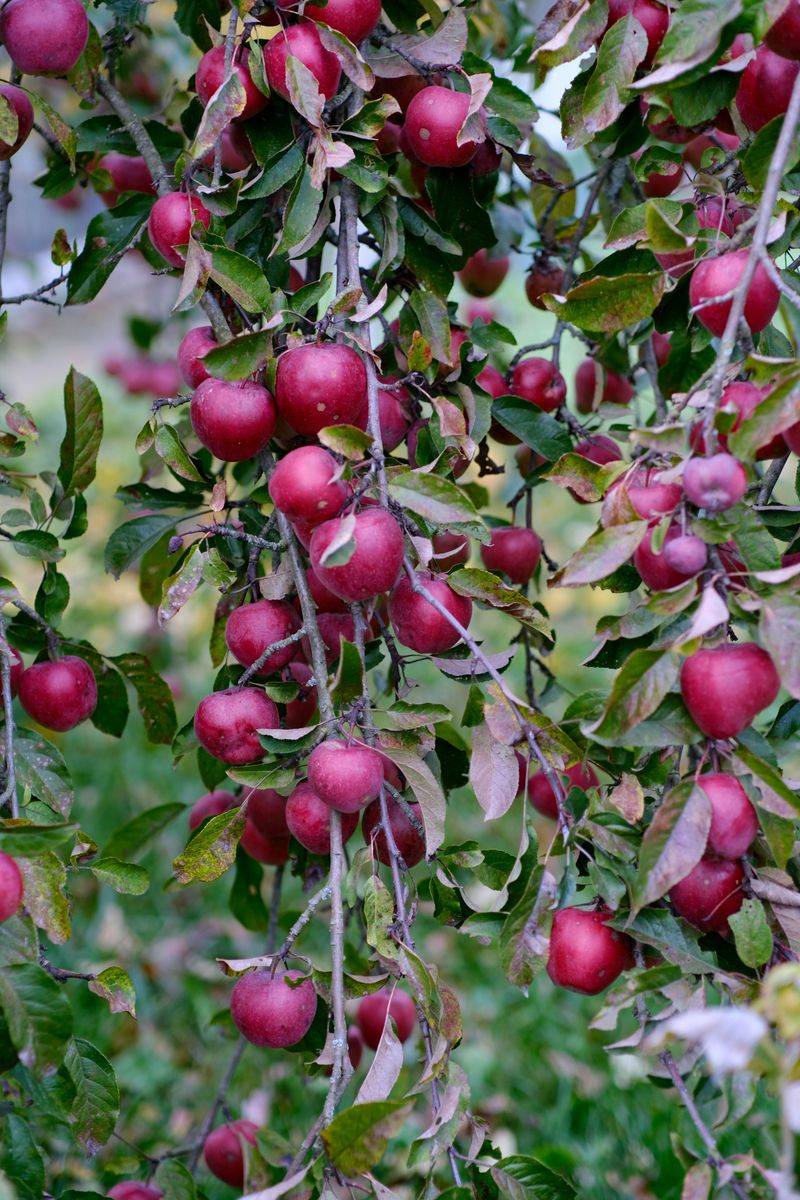
Biting into a Liberty apple is discovering the best-kept secret in the Missouri orchard world.
Crisp, juicy, and carrying a balanced sweet-tart flavor, it holds its own against any supermarket apple.
And it actually belongs in Missouri soil. Unlike Honeycrisp, which MU Extension advises against for the state, Liberty is on their recommended planting list.
Liberty was developed at Cornell University in New York and released in 1978 with one defining advantage over almost every other apple: four-way disease resistance.
It carries field immunity to apple scab and cedar apple rust, plus strong resistance to fire blight and powdery mildew.
Those are the four diseases that make apple growing genuinely difficult in Missouri’s humid climate.
Most apple varieties require diligent fungicide spraying to produce clean fruit here. Liberty produces it naturally.
Your Missouri Garden Changes Every Week. Your Plan Should Too.
Gardening in Missouri changes quickly throughout the season. Every Friday you’ll receive a simple weekly plan showing exactly what to plant, prune, fertilize, harvest, and protect so you never miss the right timing.
Expect fruit in early-to-mid September, which puts it in the same general window as Gala and makes the two a natural pairing.
The fruit is medium to large, predominantly deep red, with crisp pale-yellow flesh that works beautifully for fresh eating, pies, sauce, and canning.
Liberty is not fully self-fertile, so plant a second compatible variety nearby. Gala, already on this list, works well as a cross-pollinator.
The tree grows to around 15 to 20 feet on standard rootstock and semi-dwarf options are available for smaller yards.
For Missouri fruit growers tired of losing apple harvests to rust and blight, Liberty removes the drama entirely.
It is not the flashiest name at the farmers market, but tree after tree across the state proves it earns its place.
3. Montmorency Cherry
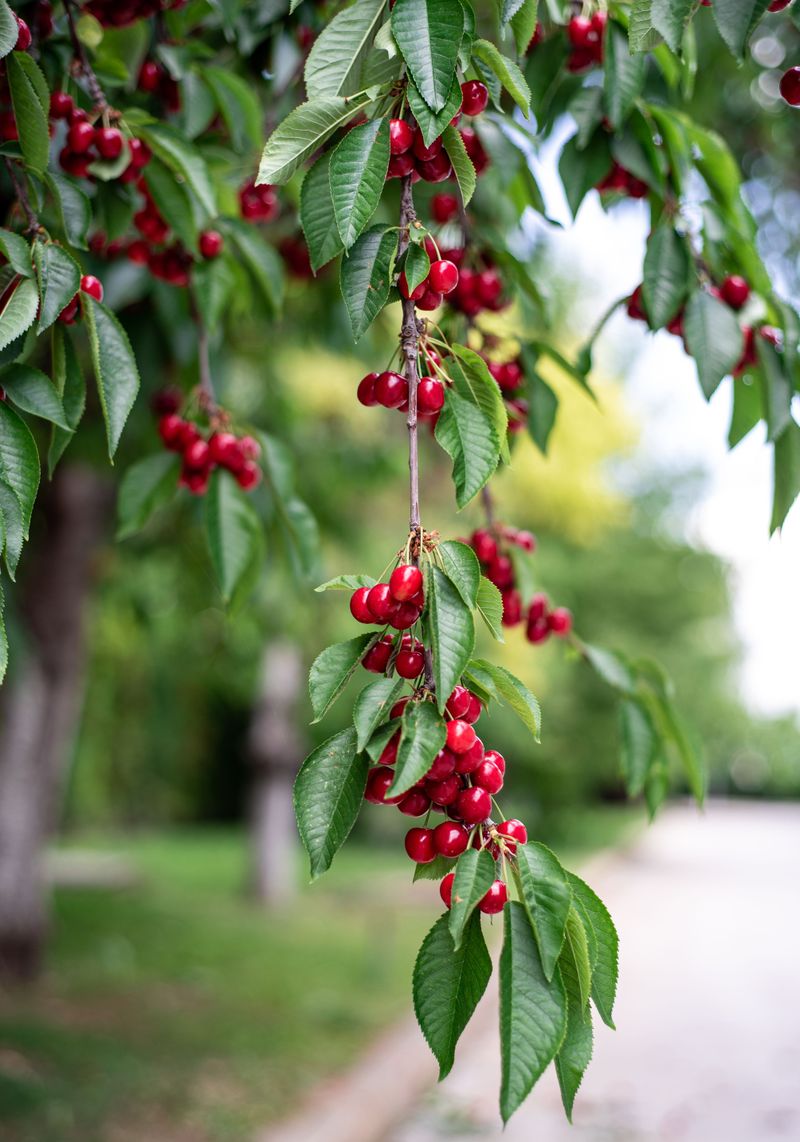
Fresh-picked Montmorency cherries taste nothing like those bland jarred versions sitting on the grocery store shelf.
Bright, tangy, and loaded with flavor, they are the backbone of the best cherry pies you will ever taste.
And this tree grows beautifully in Missouri. Montmorency is the most widely planted tart cherry in North America, and its reputation is well earned.
Montmorency is cold-hardy and can produce well in suitable Missouri sites, though spring frost and disease can still affect crops.
Most trees in Missouri begin bearing fruit within three to four years of planting, which feels like a short wait once you taste that first harvest.
Cherries ripen in June, making this one of the earliest fruiting trees in the yard. The window for picking is short, usually just one to two weeks, so keep a close eye on the tree as the fruit turns deep red.
Process them quickly into jam, juice, or pie filling, or freeze them whole for later use. Birds absolutely love Montmorency cherries, sometimes more than the gardener does.
Covering the tree with bird netting right before ripening saves the crop and a lot of frustration.
The tree itself stays relatively compact, usually topping out around 15 feet, which makes harvesting manageable without a ladder.
With its early season timing and consistent production, Montmorency fills a gap in the garden calendar that no other Missouri fruit tree quite matches.
4. Kieffer Pear
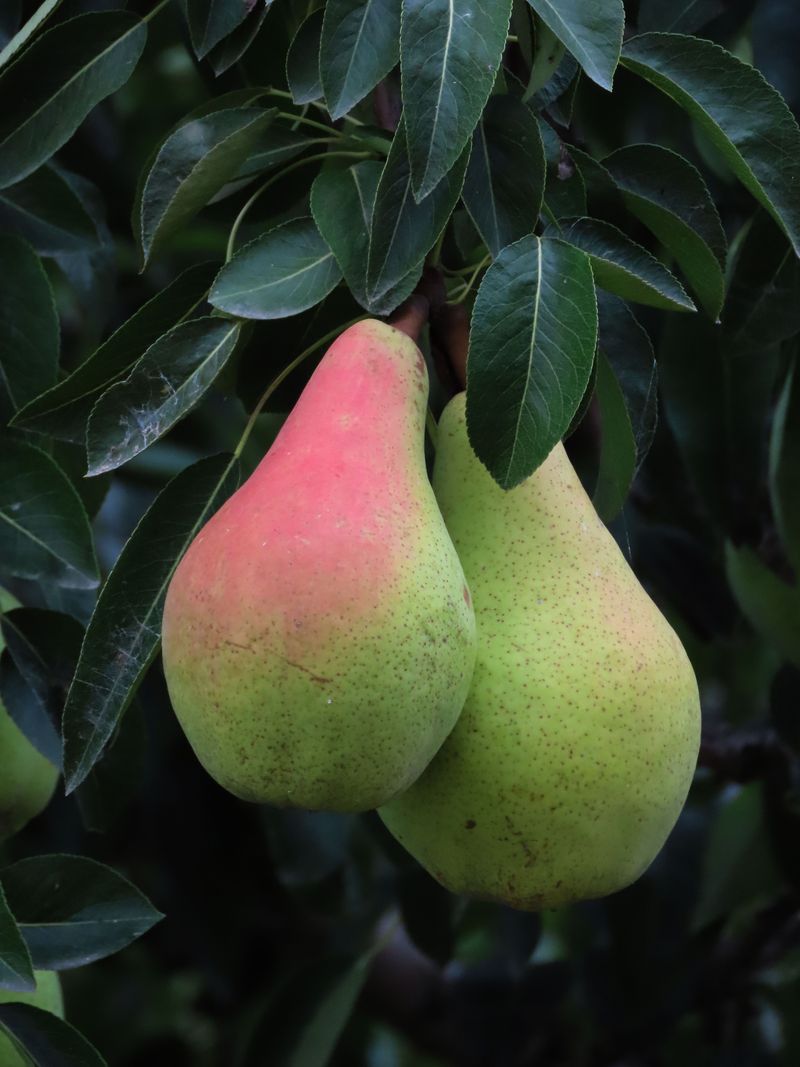
Kieffer Pear has been earning its keep in Missouri yards for well over a century. Rugged, productive, and almost laughably low-maintenance, Kieffer is the tree you plant when you want fruit without the drama.
It shrugs off heat, tolerates drought, and laughs at fire blight, the disease that wipes out lesser pear varieties.
The fruit is large, pale yellow, and gritty when eaten fresh, which is why most growers use it for canning, preserving, and spiced pear butter.
Cooked down with sugar and warm spices, Kieffer pears transform into something genuinely spectacular.
Many Missouri families still use grandma’s old Kieffer pear butter recipe every fall, and the tree in the backyard makes it possible.
Kieffer ripens in September and October, extending the harvest season well into autumn. It is partially self-fertile but produces much heavier crops with a second pear nearby for cross-pollination.
The tree grows vigorously, sometimes reaching 20 feet or more, so give it room to spread and prune annually to keep it manageable. Planting in full sun with average soil is all Kieffer really asks for.
It handles clay-heavy Missouri soil better than most fruit trees, which makes it a practical choice across much of the state.
Few trees in the garden deliver such consistent, heavy harvests with so little input from the grower. Kieffer is not glamorous, but it is dependable in a way that earns genuine loyalty.
One practical note: Missouri conservation officials strongly discourage Callery/Bradford pear because it is invasive. Plant it well away from known Callery pear populations on or adjacent to your property.
5. American Persimmon
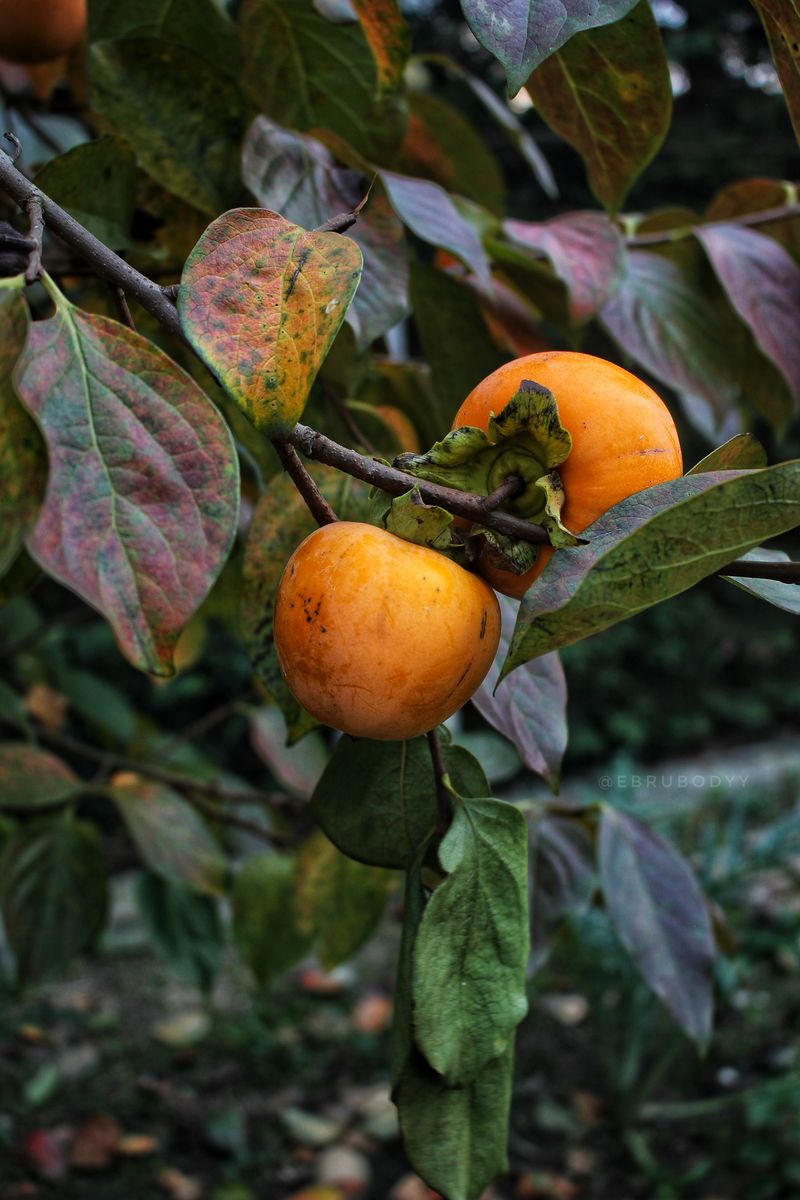
One of the sweetest fruits in North America grows wild across Missouri, and most people walk right past it.
The American Persimmon is a native tree that has fed wildlife and people for thousands of years.
After the first frost hits, the fruit becomes candy-sweet, with a rich, honey-like flavor unlike anything else.
Native trees carry a massive advantage over introduced species: they already know how to survive here.
American Persimmon handles Missouri’s ice storms, summer droughts, and heavy clay soils without complaint.
It is essentially self-sufficient, needing almost no supplemental watering or fertilizing to produce reliably.
The fruit ripens in October and November, long after most other trees have finished for the season.
Wait until after a frost to harvest, or let the fruit soften and wrinkle naturally on the branch.
Eating one too early is a memorable mistake, as the unripe fruit contains tannins that cause an intense drying sensation in the mouth.
You will need both a male and a female tree to get fruit, as American Persimmon is not self-fertile. Plant them within 50 feet of each other and let nature handle the rest.
The trees attract deer, raccoons, foxes, and dozens of bird species, turning your yard into a wildlife corridor.
A productive, native Missouri fruit tree that practically takes care of itself, American Persimmon is genuinely hard to beat.
6. Contender Peach
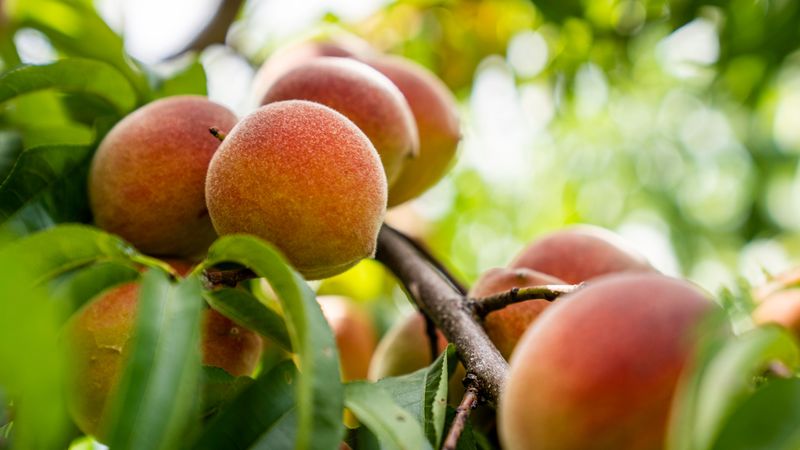
Contender Peach is the overachiever of the Missouri orchard. Bred specifically to survive late spring freezes, Contender’s flower buds can withstand temperatures that would devastate other peach varieties.
For Missouri growers who have lost peach crops to surprise cold snaps, this tree feels like a genuine breakthrough.
Contender produces large, freestone peaches with a rich, sweet flavor and gorgeous red-blushed skin that looks like it belongs in a painting.
Freestone means the pit separates cleanly from the flesh, which makes canning, slicing, and freezing dramatically easier.
It ripens in mid-August, giving you a slightly later harvest than Reliance and extending your fresh peach season by several weeks.
The tree grows vigorously and reaches about 15 feet at maturity, which is a manageable size for most backyards.
Annual pruning in late winter keeps the canopy open and encourages the tree to put energy into fruit rather than excess wood.
Thinning the young fruit to about six inches apart in early summer results in noticeably larger, better-quality peaches come harvest time. Contender is self-fertile, so one tree is all you need to fill a bushel basket.
It performs well in most Missouri soils as long as drainage is decent, since peach roots do not tolerate standing water.
Pair it with Reliance for a staggered peach harvest that stretches from late July all the way through August.
Two peach trees side by side might be the single best investment a Missouri fruit grower can make.
7. Gala Apple
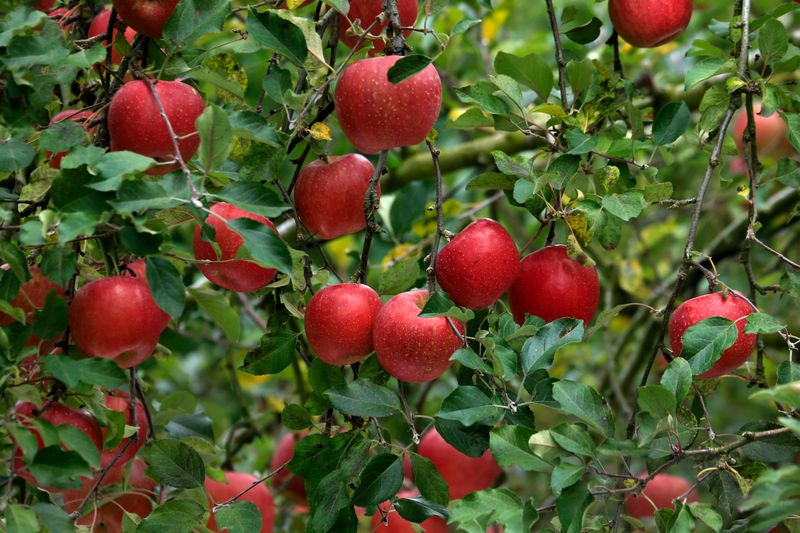
Gala apples do not wait around. Sweet, mild, and snack-ready straight off the branch, Gala is the apple that converts kids into fruit lovers.
It is also one of the most adaptable apple varieties for Missouri’s unpredictable growing conditions.
Originally from New Zealand, Gala has proven itself across a wide range of climates, and Missouri’s warm summers actually help develop the fruit’s deep sweetness.
It ripens in late August to early September, making it one of the first apples ready for picking in the fall garden.
The fruit does not store as long as Honeycrisp, but honestly, a bowl of fresh Galas rarely lasts long enough to worry about storage.
Gala is a reliable cross-pollinator for Liberty, also on this list. Plant the two together and you get a natural pairing that covers both an early and a mid-season harvest window.
Both trees benefit from each other’s presence, and you end up with two distinct harvest windows just weeks apart.
Plant in full sun with well-drained soil and prune each winter to maintain a strong central leader shape.
Watch for cedar apple rust, a common fungal issue in Missouri, and treat early with appropriate sprays if needed.
Gala’s consistent productivity, early ripening, and crowd-pleasing flavor make it one of the smartest choices any Missouri fruit tree grower can put in the ground.
8. Methley Plum
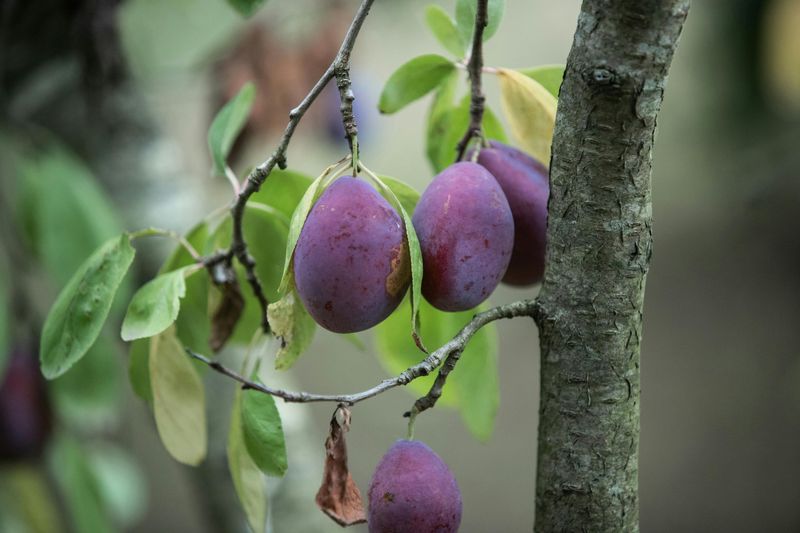
Methley Plum makes July worth waiting for. It delivers that scene reliably, producing sweet, juicy, reddish-purple fruit that is good enough to eat by the handful right under the tree.
Few Missouri fruit trees offer this combination of early ripening, self-fertility, and outright deliciousness.
Methley is a Japanese plum variety that adapted exceptionally well to the American South and Midwest.
It blooms earlier than most plums, which can be a risk in late frost years, but it also recovers quickly and typically still produces a solid crop.
The fruit ripens in late June to early July, making it one of the first stone fruits ready in the summer garden.
Because Methley is self-fertile, a single tree produces a full crop without needing a mate nearby.
It also works as a pollinator for other Japanese plum varieties, so if you want to expand your plum collection, Methley is the natural anchor tree.
Expect fruit within two to three years of planting, which is faster than most other fruit trees will reward your patience.
Methley prefers full sun and well-drained soil, and it reaches about 15 feet at maturity, a perfect size for most home gardens.
Thin the fruit aggressively in spring to prevent branches from snapping under the weight of a heavy crop.
Season after season of sweet, reliable production, Methley makes summer taste exactly the way it should.