Why Your Georgia Pepper Plants Stop Producing In Summer And What To Do Before The Season Is Over
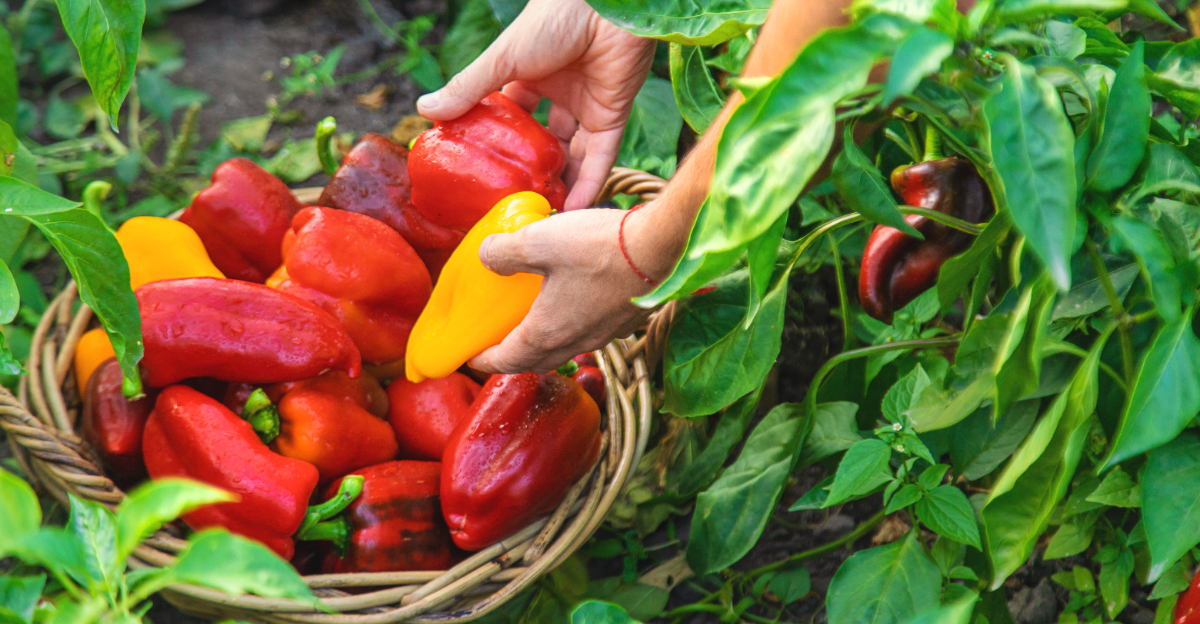
The first peppers of the season always create a sense of momentum. New flowers appear, small fruits begin forming, and it feels like the harvest is only going to get bigger from there.
Then summer reaches its peak, and suddenly the plants seem to hit the brakes.
Flowers start dropping. New peppers become harder to find.
Growth slows down, even though the plants may still look healthy from a distance. That change can be confusing because nothing appears obviously wrong.
Heat is often part of the story, but it is rarely the only factor. Several conditions can influence how pepper plants perform during the middle of the growing season, and some of them are easy to overlook while focusing on watering and general care.
For many gardens in Georgia, this slowdown does not have to be the end of the harvest. Understanding what is happening now can help encourage stronger production during the remaining weeks of the season.
1. Extreme Heat Can Stop New Peppers From Forming
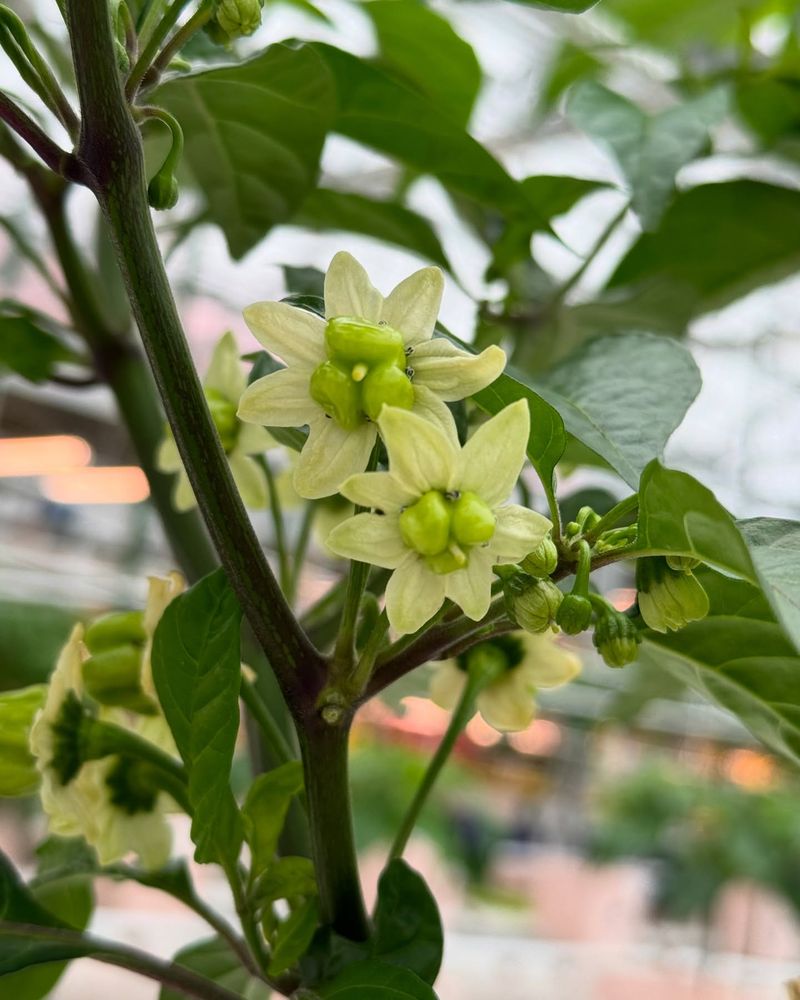
Pepper plants have a breaking point, and summer heat pushes them right past it. When daytime temps climb above 90°F and nights stay above 75°F, pollination basically shuts down.
The pollen gets too dry and sticky to transfer properly, so flowers drop before any fruit sets.
Plants look perfectly healthy during this stretch. Leaves stay green, stems stay strong, but nothing new develops.
It’s frustrating because the plant isn’t struggling to survive, it’s just pausing production until conditions improve.
Shade cloth rated at 30 to 40 percent can make a real difference during peak afternoon heat. Draping it over a simple frame above your pepper bed lowers the canopy temperature enough to keep some pollen viable.
Focus shade coverage between noon and 4 p.m. That window is when soil and air temps peak the hardest.
Even an hour or two of relief can help flowers stay on the plant longer.
Don’t pull plants just because they’ve stalled. Peppers are tough and often bounce back once temps drop into the mid-80s.
Late August and September in the South can bring a solid second wave of fruit if plants are kept alive and cared for through the worst weeks.
2. Inconsistent Watering Slows Down Production
Wet one day, bone dry the next. That cycle wrecks pepper plants faster than most gardeners realize.
Inconsistent moisture causes blossom end rot, flower drop, and slowed fruit development all at once.
Peppers need steady, even moisture to set and hold fruit. Irregular watering stresses the plant’s root system, which then signals the plant to drop flowers and pause growth.
It’s a survival response, not a gardening failure.
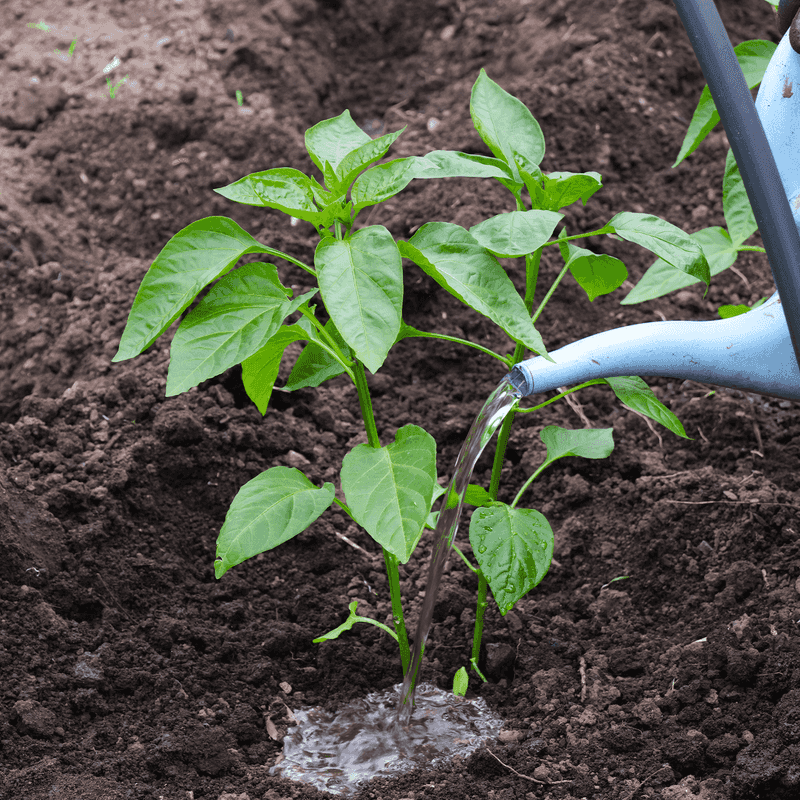
Aim for about one to two inches of water per week during summer. Deep watering two or three times a week beats shallow daily watering every time.
Deep watering encourages roots to grow downward where soil stays cooler and more stable.
Drip irrigation or soaker hoses work best for peppers. They deliver moisture directly to the root zone without wetting leaves, which reduces the risk of fungal issues during humid stretches.
Your Georgia Garden Changes Every Week. Your Plan Should Too.
Gardening in Georgia changes quickly throughout the season. Every Friday you’ll receive a simple weekly plan showing exactly what to plant, prune, fertilize, harvest, and protect so you never miss the right timing.
Check soil moisture before watering by pushing a finger two inches into the soil near the base. If it feels dry at that depth, water thoroughly.
If it still feels damp, wait another day.
Container-grown peppers dry out much faster than in-ground plants. In hot weather, pots may need watering every single day.
Check them morning and evening during heat waves to stay ahead of stress.
3. Too Much Nitrogen Leads To Fewer Peppers
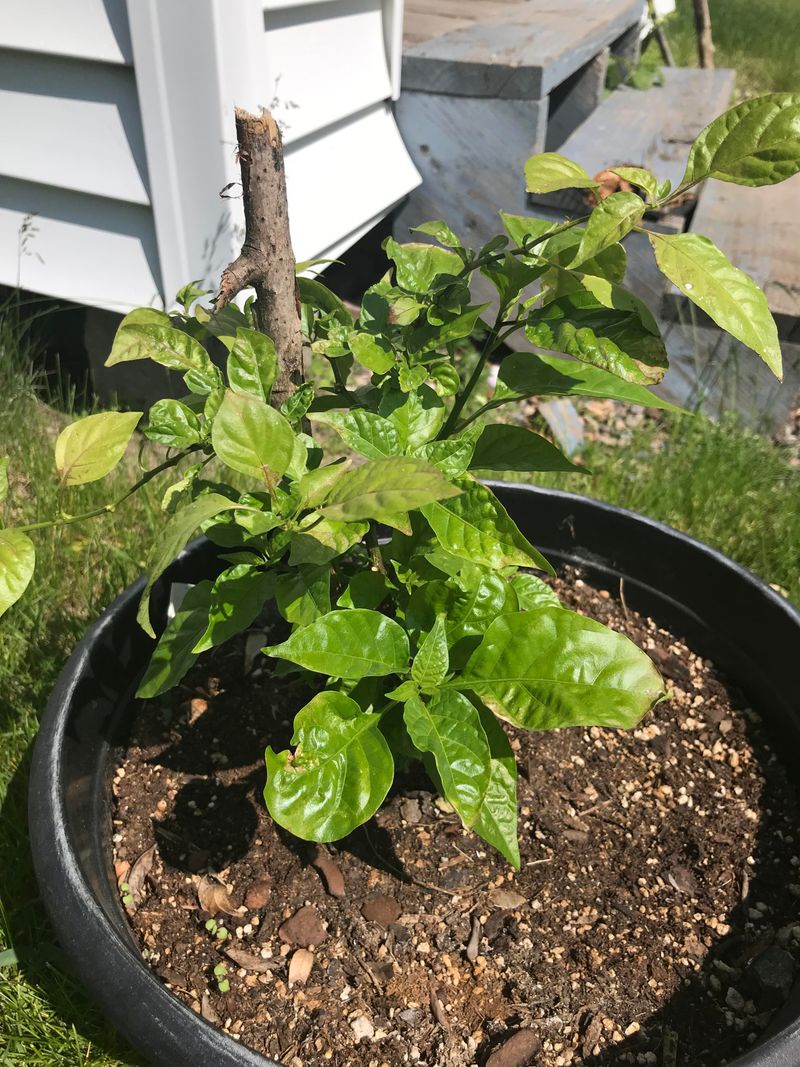
Big, dark green, leafy pepper plants look impressive. But if they’re loaded with leaves and short on fruit, nitrogen overload is usually the culprit.
Heavy nitrogen pushes plants to grow foliage instead of flowers.
Fertilizing peppers with a high-nitrogen mix works well early in the season when plants need to build structure. Once they start flowering, that same fertilizer becomes a problem.
Nitrogen tells the plant to keep growing leaves rather than directing energy toward fruit production.
Switch to a low-nitrogen, higher-phosphorus fertilizer once your plants are established and flowering. A formula like 5-10-10 or a tomato-specific blend works well.
Phosphorus supports root development and flower formation, which is exactly what you need mid-season.
Avoid heavy compost applications once flowering starts. Fresh compost is nitrogen-rich and can push plants back into a vegetative growth phase right when you want fruit.
If your plant already looks over-fertilized, skip feeding for two to three weeks. Let the plant work through what’s already in the soil.
Resume with a balanced or bloom-focused fertilizer when you see new flower buds forming.
Soil testing is the most reliable way to understand what your ground actually needs. Extension offices across Georgia offer affordable soil tests that tell you exactly what’s present and what’s missing.
Guessing at fertilizer ratios costs time and fruit.
4. Harvest Ripe Peppers To Keep Plants Producing
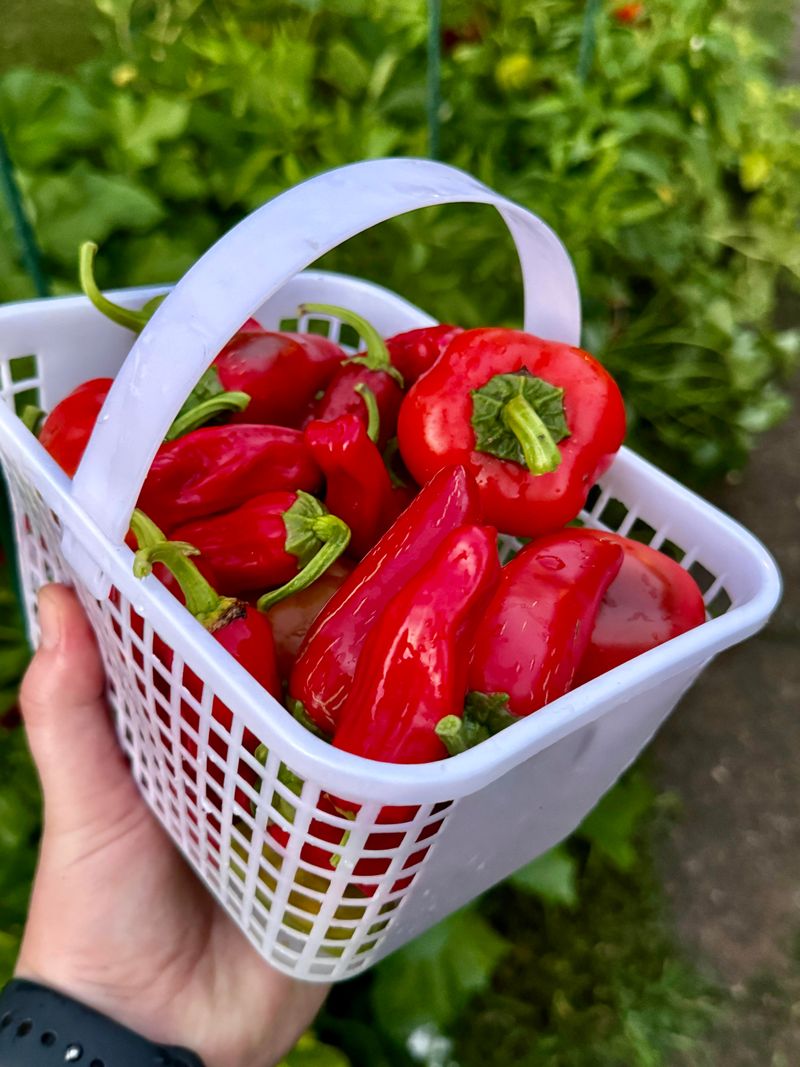
Leaving ripe peppers on the plant is one of the most common reasons production slows down. Once a pepper fully matures, the plant reads that as mission accomplished.
It stops pushing energy toward new flowers and focuses on protecting the seeds inside that mature fruit.
Harvest peppers as soon as they reach the color and size you want. You don’t have to wait for full red or yellow color if you prefer green.
Picking early and often is the fastest way to keep new peppers coming.
Check plants every two to three days during peak season. Peppers can go from nearly ripe to overripe faster than expected in summer heat.
An overripe pepper left too long can also attract pests and develop soft spots that spread.
Use clean scissors or pruning shears to cut peppers off the stem. Pulling them by hand can snap branches or loosen roots, especially in loose or sandy soil.
A clean cut also reduces the risk of introducing bacteria into the wound.
After a big harvest, give plants a light feeding with a bloom-focused fertilizer. That small boost helps the plant recover quickly and push out the next round of flowers.
Combine it with consistent watering for best results.
5. Check Flowers And Leaves For Pest Damage
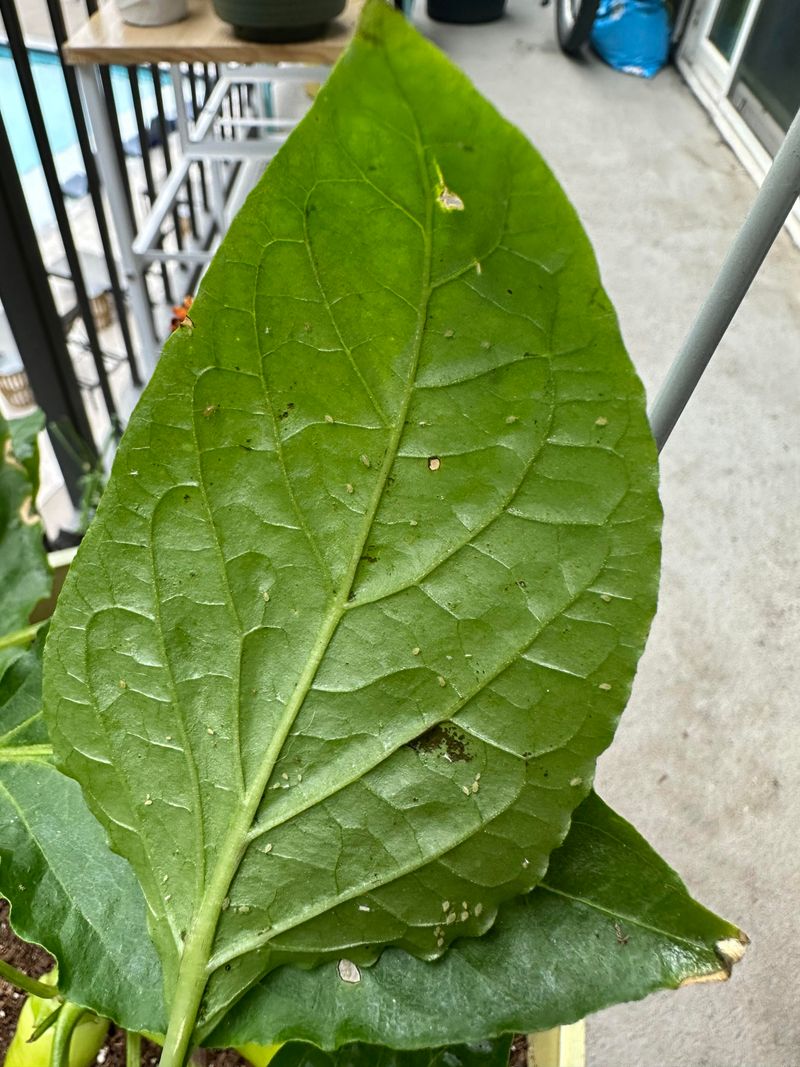
Tiny bugs can quietly wreck a pepper plant’s production before you even notice they’re there. Aphids, spider mites, and thrips are the most common summer offenders, and all three feed on tender new growth, including flower buds.
Spider mites thrive in hot, dry conditions. Look for fine webbing on the undersides of leaves and a dusty or stippled appearance on leaf surfaces.
A heavy mite infestation will cause leaves to yellow and drop, and flower buds won’t survive either.
Aphids cluster around new growth and flower stems. They’re small, soft-bodied, and come in green, black, or yellow.
A strong spray of water from the hose knocks most of them off. Repeat every few days to keep populations down without chemicals.
Thrips are harder to spot but cause visible damage. Scarred, streaked, or silvery-looking petals are a sign they’ve been feeding on your blooms.
Thrips damage flowers before they can be pollinated, which directly cuts fruit set.
Neem oil spray works well against all three pests. Mix it with water and a small amount of dish soap, then apply in the evening when temperatures are cooler.
Spraying in direct sun or extreme heat can stress already-struggling plants.
6. Refresh Mulch Before The Soil Overheats
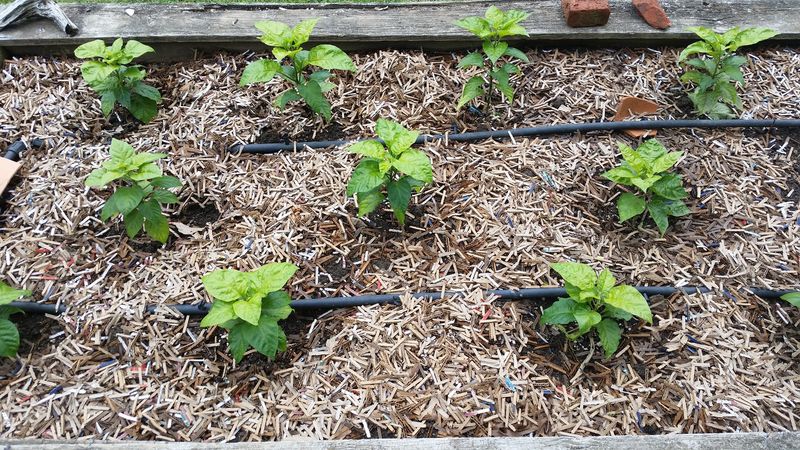
Bare soil in a Southern summer garden turns into a heat trap. Soil temperatures without mulch can reach 130°F or higher on a hot July afternoon.
Roots sitting in that kind of heat stop functioning efficiently, and the whole plant pays for it.
Mulch acts as insulation between the sun and your soil. A fresh two to three inch layer of straw, shredded leaves, or wood chips keeps soil temps significantly cooler and holds moisture much longer between waterings.
Pull back old mulch first and check for signs of mold or pest activity underneath. Damp, compacted mulch that’s been sitting since spring can harbor slugs and fungal growth.
Replace it with fresh material rather than piling new mulch on top of old.
Keep mulch a couple of inches away from the main stem. Mulch pressed directly against the stem holds moisture against the bark and can cause rot over time.
A small gap around the base protects the plant while still doing the job everywhere else.
Straw is one of the most practical mulch options for vegetable beds. It’s lightweight, easy to spread, and breaks down slowly enough to last through the season.
Shredded leaves work well too and add organic matter as they decompose.
7. Give Plants A Boost Before The Season Ends
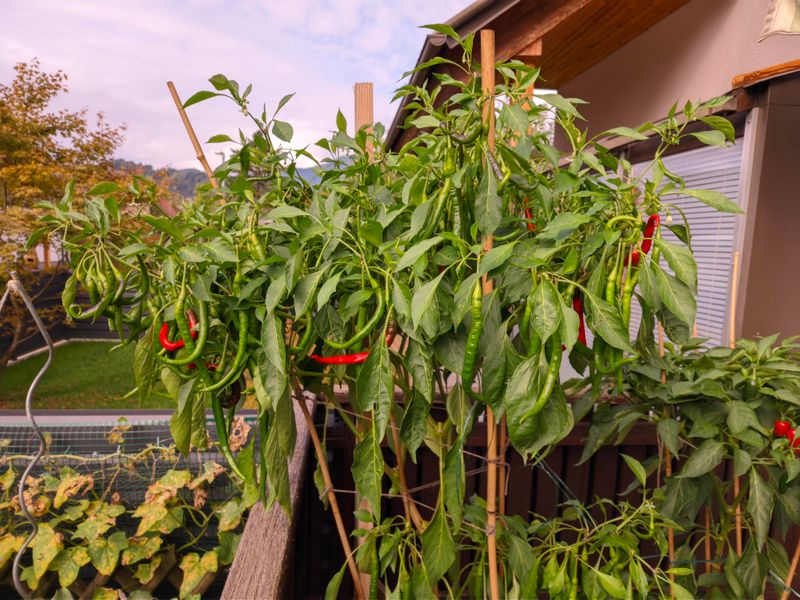
Late summer is not the time to give up on your pepper plants. With the right nudge, many varieties will push out another solid round of fruit before the first frost arrives.
The window is real, but it’s short.
Start by trimming off any damaged, yellowed, or dried leaves. Cleaning up the plant redirects energy away from struggling tissue and toward new growth.
A tidy plant is a more productive plant, especially heading into the final stretch of the season.
Pinch off any fully ripe or overripe peppers still hanging on the plant. Clear out old fruit that’s been there too long.
Combine that cleanup with a light application of a balanced fertilizer to give the plant a clear signal to start pushing new flowers.
A liquid fertilizer works faster than granular at this stage. Fish emulsion or a diluted balanced liquid feed gets nutrients to the roots within a day or two.
Speed matters when the season is winding down and every week counts.
Watch nighttime temperatures as fall approaches. Once nights consistently drop below 55°F, pepper plants start slowing down naturally.
In many parts of the South, that shift doesn’t happen until October, which means there’s often more growing time left than it feels like in August.