What Confederate Jasmine Needs Before June Ends In North Carolina
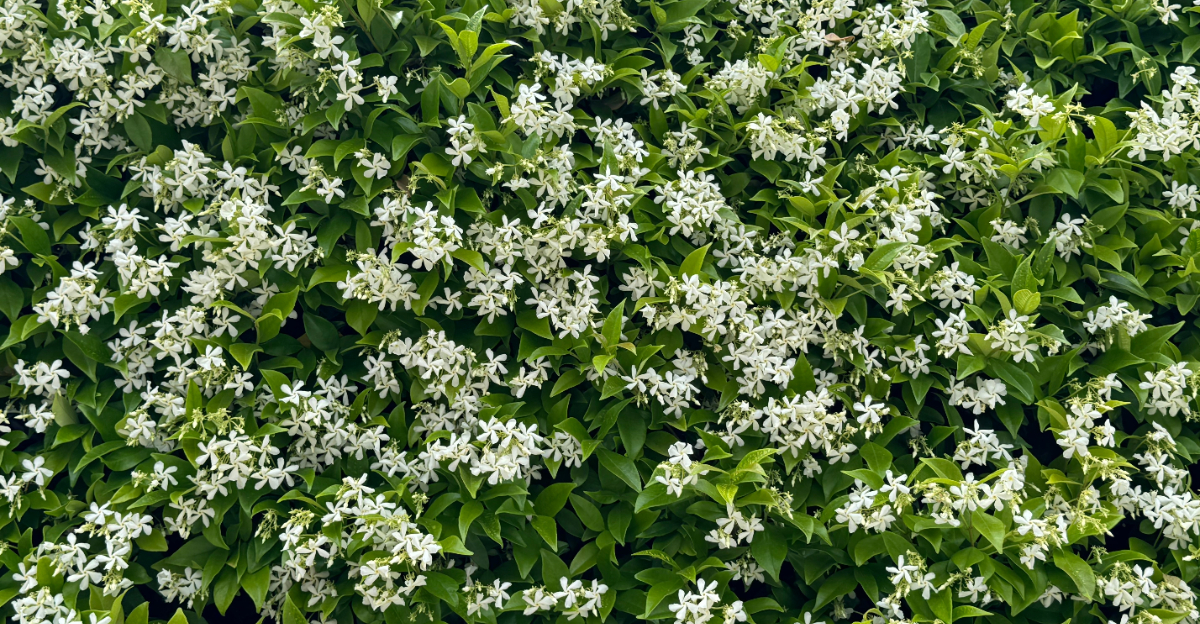
Confederate jasmine earns serious loyalty from gardeners all across North Carolina, and the reasons are obvious. That fragrance in late spring is almost impossible to describe to someone who hasn’t walked past a fence covered in it on a warm evening.
The plant is vigorous, reliable, and evergreen, which puts it on a lot of shortlists for trellises, fences, and arbors across the state.
But vigorous is a word that cuts both ways, and without some attention before June ends, Confederate jasmine has a way of spending the rest of summer doing exactly what it wants rather than what works for your space.
There’s also a care detail that affects how well the plant handles the coming heat and how it performs in the seasons ahead.
Right now is the right time to address both, before the vine locks into its summer growth pattern and the window for easy management quietly closes.
1. Full Sun Or Bright Shade Exposure
Sunlight is the engine that drives Confederate Jasmine. Without enough of it, your vine will grow slowly, produce fewer blooms, and look a little tired heading into summer.
In North Carolina, aim to give your plant at least four to six hours of direct sunlight each day before June ends.
Full sun positions work best, especially along south or west-facing fences and walls where reflected warmth helps the plant thrive.
If your garden has more shade, bright filtered light can still work well, particularly in the warmer piedmont and coastal plain regions of the state.
Morning sun with some afternoon shade is actually a sweet spot many North Carolina gardeners swear by.
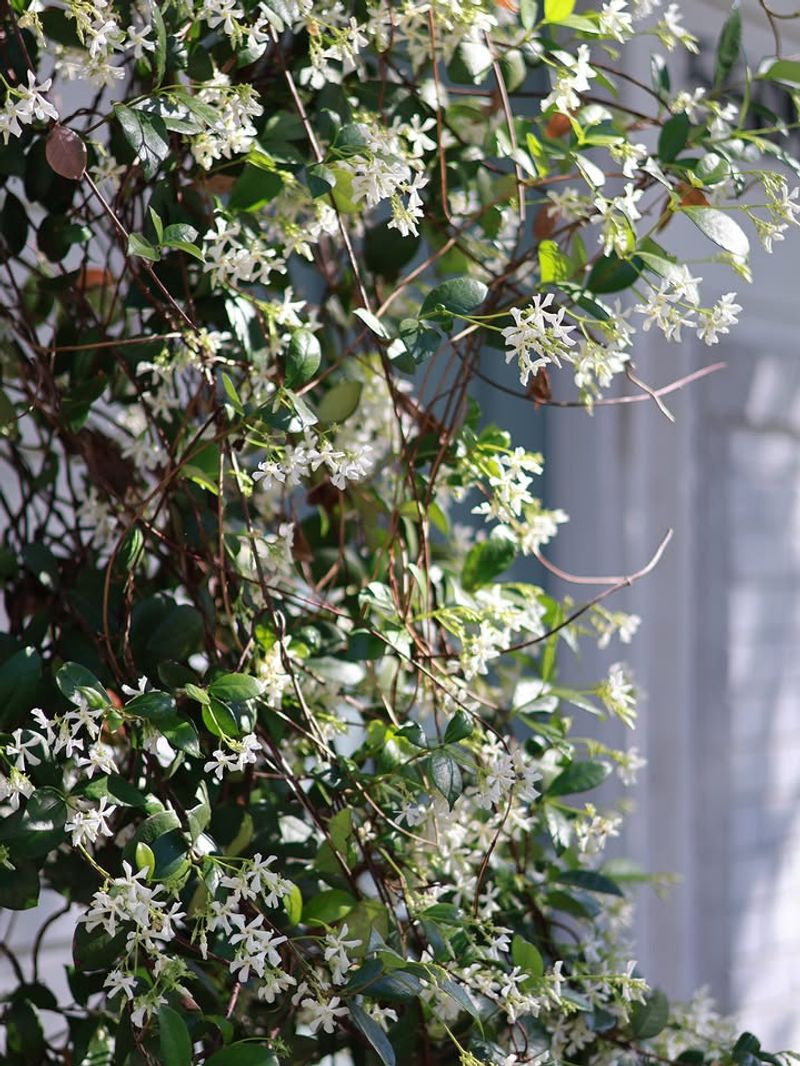
Planting near a fence or trellis gives Confederate Jasmine the vertical space it craves while keeping the foliage well-lit from multiple angles. Walls that absorb heat during the day and release it at night create a microclimate that encourages more flowering.
Pay attention to nearby trees that may have leafed out fully by now, since a canopy that was open in April might be casting more shade than you expect in late May.
Repositioning a container-grown plant is easy enough, but in-ground vines need thoughtful placement from the start. Walk your yard at different times of day and observe where light actually falls.
A sunny wall near a patio, a fence line facing south, or an open pergola can all be excellent choices for giving your Confederate Jasmine the bright exposure it needs.
2. Consistent Watering Without Waterlogging
Water is something Confederate Jasmine wants consistently, not in floods and droughts. Uneven watering stresses the roots, slows flower bud development, and makes the plant more vulnerable to pests and disease.
Getting into a steady rhythm before June ends sets the vine up for a strong summer performance.
In North Carolina’s warm spring climate, most established plants need about an inch of water per week, either from rainfall or supplemental irrigation. Young or newly planted vines need a bit more attention, since their root systems are still spreading.
Your North Carolina Garden Changes Every Week. Your Plan Should Too.
Gardening in North Carolina changes quickly throughout the season. Every Friday you’ll receive a simple weekly plan showing exactly what to plant, prune, fertilize, harvest, and protect so you never miss the right timing.
Check the soil about two inches down before watering. If it feels dry at that depth, it is time to water. If it still feels moist, wait another day or two.
Standing water is something to watch for carefully. Confederate Jasmine does not tolerate soggy roots, and poorly drained soil can lead to root rot faster than most gardeners expect.
Raised beds, amended clay soils, or sandy loam all drain well and support healthy root growth. If your planting area tends to stay wet after rain, mixing in compost or coarse sand before planting can improve drainage significantly.
Drip irrigation or a soaker hose works beautifully for these vines because it delivers moisture directly to the root zone without wetting the foliage. Wet leaves in humid North Carolina summers can encourage fungal problems.
Watering in the morning also helps, giving any splashed foliage time to dry out before temperatures drop at night.
3. Fertilize To Support Summer Bloom
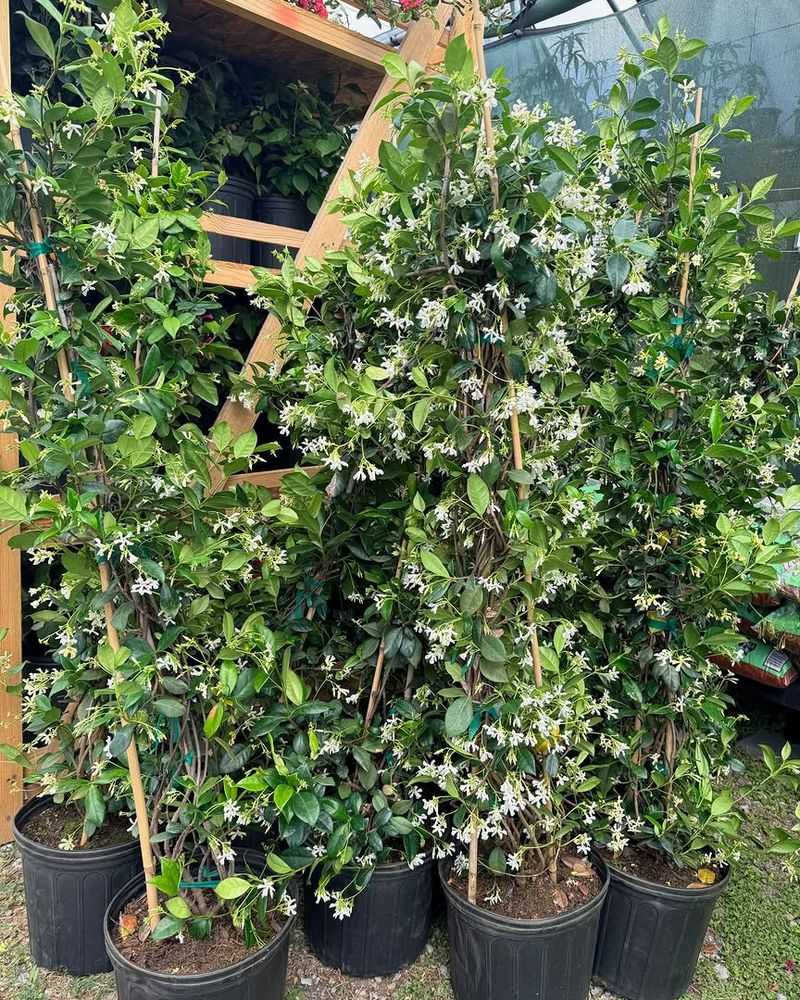
Feeding your Confederate Jasmine before June ends is one of the smartest moves you can make as a North Carolina gardener. By late spring, the plant has pushed out a flush of new growth and is already building the flower buds that will open throughout summer.
Giving it a nutrient boost right now supports both processes at once.
A balanced, slow-release granular fertilizer works really well for Confederate Jasmine. Look for something with an NPK ratio close to 10-10-10 or a formula designed for flowering vines and shrubs.
Slow-release products feed the plant gradually over several weeks, which is far better than a sudden surge of nutrients that fades quickly. Apply according to package directions, since over-fertilizing with nitrogen can push leafy growth at the expense of flowers.
For in-ground plants, scatter the fertilizer evenly over the root zone and water it in thoroughly. Avoid piling it directly against the base of the stem.
Container-grown Confederate Jasmine benefits from a slightly different approach since nutrients leach out faster in pots.
A liquid balanced fertilizer applied every two to three weeks during the growing season keeps potted plants well-nourished without overwhelming them.
Timing matters here. Fertilizing too late in the season can encourage tender new growth that struggles in summer heat.
Getting the application in before the end of June ensures the plant has what it needs to develop strong flowering stems and maintain deep green, glossy foliage all season long. Healthy nutrition now truly pays off through August and beyond.
4. Prune Lightly After Spring Growth
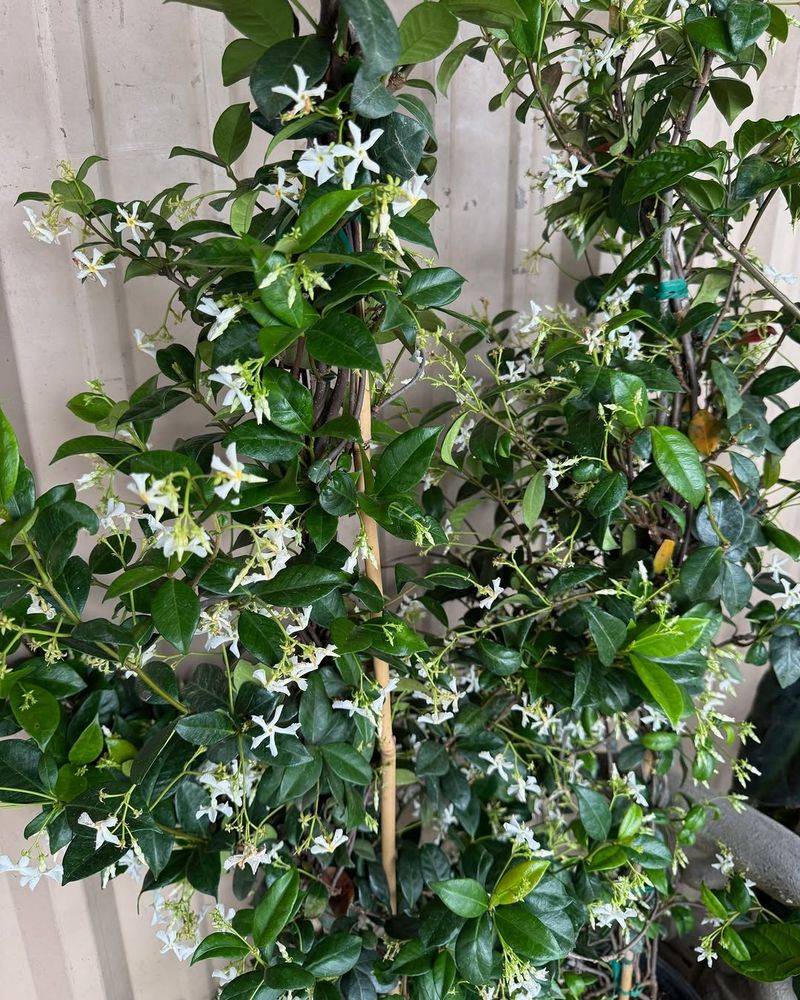
Confederate Jasmine grows enthusiastically in spring, and sometimes a little too enthusiastically. Stems can shoot out in random directions, tangle around themselves, or extend so far that they pull away from their support structure.
A light pruning session before June ends helps shape the vine and encourages it to fill in more evenly.
The goal here is not a hard cutback. You want to clip back the longest, most unruly stems to redirect energy into side shoots and new branching.
Those side shoots are exactly where flower buds will form later in the season. Removing just a few inches from overextended tips can trigger multiple new shoots to emerge, which means more flowering sites and a fuller, more attractive plant overall.
Use clean, sharp bypass pruners and make your cuts just above a leaf node. This small detail matters because cutting in the right spot encourages new growth to emerge cleanly rather than leaving a stub that can attract pests or develop disease.
Wipe your pruner blades with rubbing alcohol before you start, especially if you have been working on other plants in the garden.
North Carolina’s long growing season means Confederate Jasmine has plenty of time to recover from light pruning and still bloom beautifully by midsummer.
Avoid heavy pruning in late spring since the plant sets flower buds on new growth, and cutting too aggressively could delay flowering significantly.
Keep it light, keep it focused, and your vine will reward you with a bushier, more productive shape heading into the warmest months of the year.
5. Provide Proper Support For Vining Growth
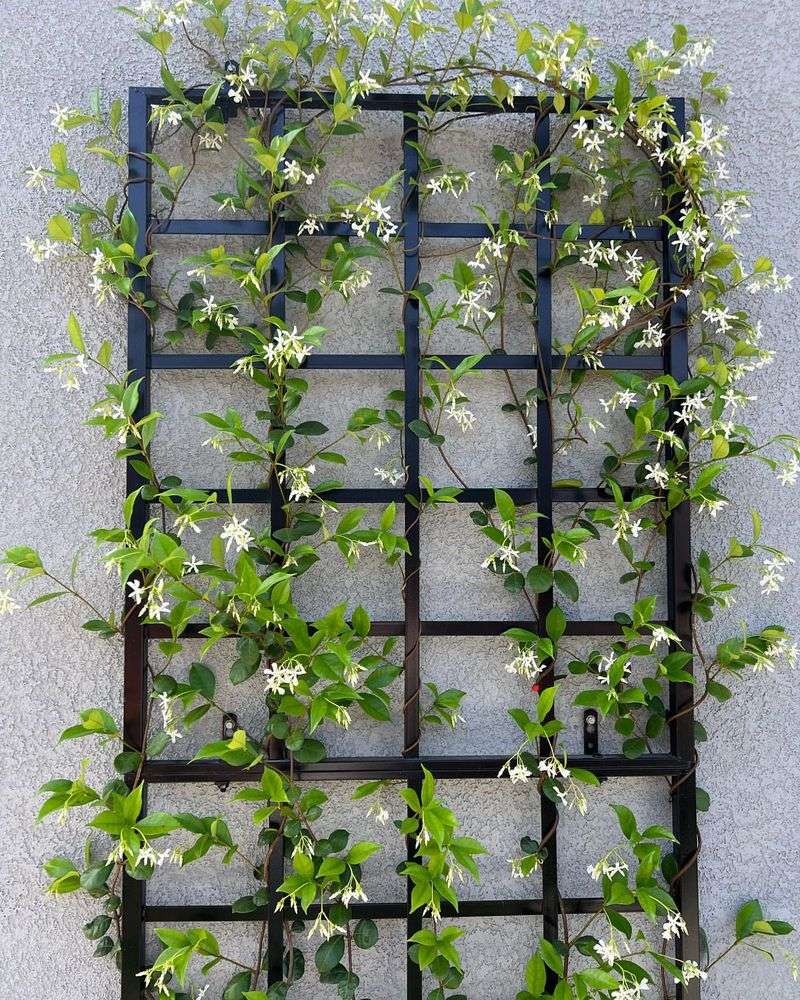
Confederate Jasmine is a twining vine, which means it wraps its stems around whatever it can find as it grows upward.
Without a proper support structure in place before June, those fast-growing stems can end up in a tangled heap or sprawling across the ground instead of climbing beautifully where you want them.
Trellises, wooden fences, chain-link fences, wire panels, and arbors all work well as supports for this vine. The key is making sure the structure is sturdy enough to handle the weight of a mature plant, which can become quite dense and heavy over time.
Lightweight plastic trellises may work for young plants, but they often buckle under the weight of an established Confederate Jasmine in a few seasons.
When training new growth, gently guide stems toward the support and secure them loosely with soft garden ties, jute twine, or silicone plant clips. Avoid anything that digs into the stem or restricts growth.
Check ties every few weeks and loosen them as stems thicken. Spacing stems out along the support rather than letting them bunch together improves air circulation and gives every part of the plant better light exposure.
For walls without a built-in structure, attaching a wire grid or horizontal wires spaced about twelve inches apart gives the vine something to grab onto. Eye hooks and galvanized wire work great for this and are easy to install.
Getting the support system right before summer growth accelerates means less untangling later and a vine that looks polished and intentional rather than wild and unmanaged.
6. Mulch To Retain Moisture And Suppress Weeds
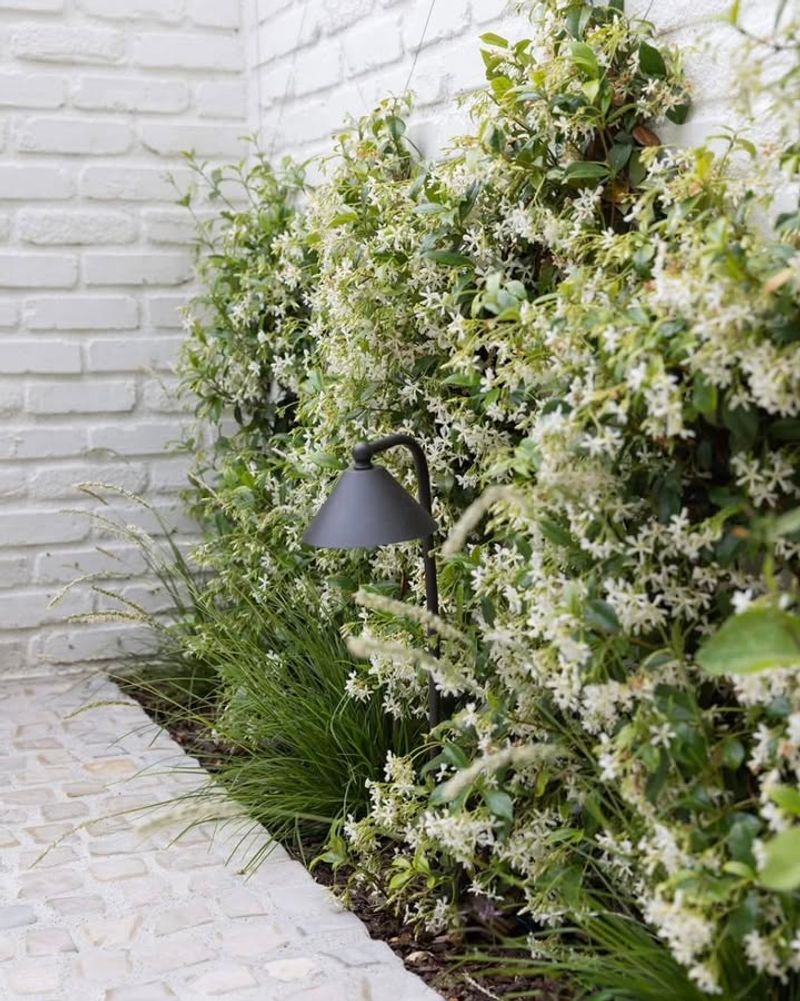
Mulching around Confederate Jasmine is one of the easiest things you can do before June ends, and the benefits are surprisingly significant.
A two to three inch layer of organic mulch around the base of the plant acts like a protective blanket for the soil, keeping moisture in and temperature swings out.
North Carolina summers can be brutal, with stretches of heat and low rainfall that stress garden plants. Mulch slows down evaporation from the soil surface, which means your vine stays more evenly hydrated between waterings.
That consistency is exactly what Confederate Jasmine needs to keep pushing out new growth and developing flower buds without interruption.
Shredded bark, pine straw, and wood chips are all excellent choices and are widely available at garden centers across the state.
Weed suppression is another big bonus. Weeds compete directly with your vine for water and nutrients, and pulling them out near a plant with shallow feeder roots can disturb the root zone.
A solid layer of mulch blocks most weed seeds from germinating in the first place, saving you real time and effort through the summer months.
One important detail to remember is to keep mulch a few inches away from the main stem of the plant. Piling it directly against the stem traps moisture and can encourage rot or pest activity at the base.
Pull the mulch back slightly so there is a small gap around the stem, then extend it outward to cover the full root zone. Refresh the layer if it thins out by midsummer.
7. Monitor For Pests And Diseases
Late spring is prime time for pests to move in on Confederate Jasmine, and catching problems early makes all the difference.
Scale insects, aphids, and whiteflies are the most common culprits in North Carolina gardens, and they tend to show up just as the plant is pushing its most vigorous new growth of the season.
Scale insects look like tiny brown or tan bumps on stems and leaf undersides. They feed by piercing plant tissue and drawing out sap, which weakens growth and can cause leaves to yellow or drop.
Aphids cluster on tender new shoots and flower buds, leaving behind a sticky residue called honeydew that attracts sooty mold. Both pests are manageable when caught early, but they can spread quickly if left unchecked through June.
Walk through your garden every week and flip leaves over to check the undersides. A strong spray of water from a garden hose knocks aphids off effectively and does not harm the plant.
For heavier infestations, neem oil or insecticidal soap sprays work well and are safe for pollinators when applied in the early morning or evening. Always follow label directions and avoid spraying during the hottest part of the day.
Fungal issues like powdery mildew can also develop in humid conditions, particularly when plants are crowded or airflow is limited. Thinning out dense stems during your light pruning session helps prevent this.
If you spot white powdery patches on leaves, a copper-based fungicide applied early can stop the spread before it affects flower production heading into summer.
8. Pinch New Shoots If Needed
Pinching sounds almost too simple to make a real difference, but for Confederate Jasmine it is a surprisingly effective technique.
When you pinch off the very tip of a new shoot, you interrupt the plant’s tendency to keep growing in one long direction and instead encourage it to branch out from nodes lower on the stem.
More branches mean more flowering sites, and more flowering sites mean a bigger, more spectacular bloom show come midsummer.
The timing for pinching matters. You want to do it while shoots are still young and tender, typically in late spring before the tips have hardened into woody growth.
Simply use your thumb and forefinger to pinch off the top inch or two of a new shoot just above a set of leaves. No tools are needed, and the whole process takes only a few minutes for an average-sized vine.
It is oddly satisfying once you get started. Not every shoot needs pinching. Focus on the longest, most vigorous new growth that is extending beyond where you want the plant to fill in.
Shoots that are already growing in the right direction and at a reasonable length can be left alone. The idea is to redirect energy strategically rather than to cut back the whole plant indiscriminately.
In North Carolina’s warm climate, Confederate Jasmine responds quickly to pinching and typically pushes out new side shoots within a week or two.
Doing this before June ends gives those new branches enough time to mature and set flower buds before the hottest part of summer arrives, making your vine denser, fuller, and far more rewarding to look at all season long.