These Are The Florida Native Plants That Produce Food For Birds All The Way Through Winter
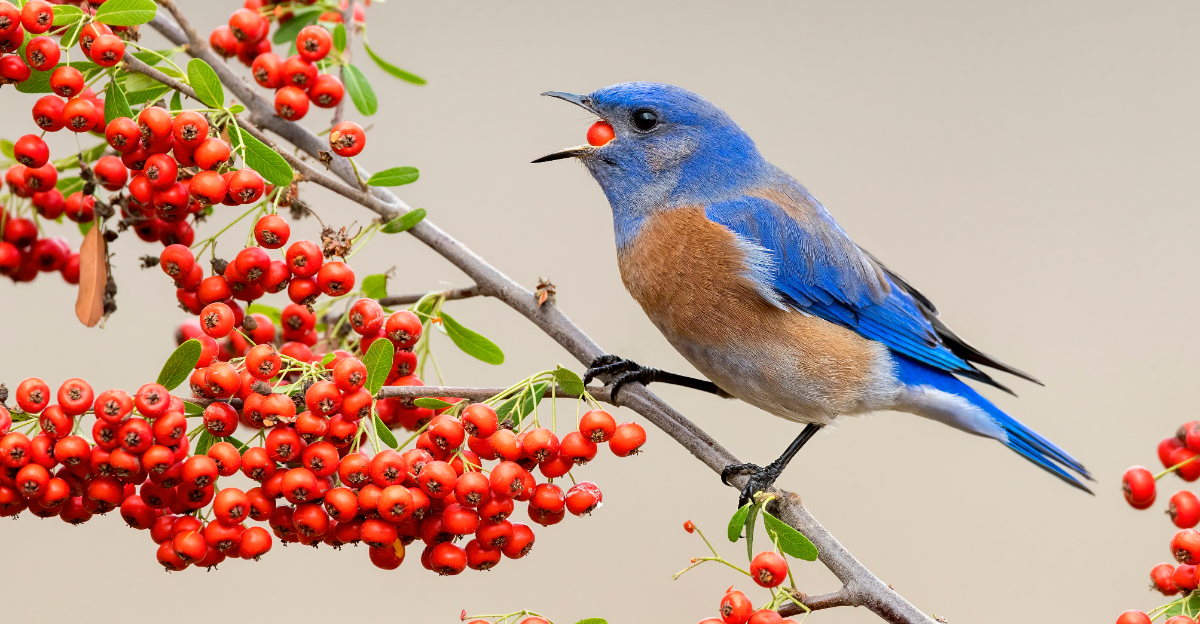
Florida winters are mild enough that most homeowners never think about what birds are actually eating once the season shifts. Food sources that looked abundant in fall quietly run out.
Migratory species arrive expecting habitat that is not there. Resident birds that stayed all summer start working harder to find what they need.
Most ornamental landscapes go quiet in winter in ways that native plant gardens simply do not. Certain Florida natives hold fruit well into the cold months.
They produce seeds on a schedule that lines up with bird activity and keep feeding wildlife long after everything else has stopped. Gardeners who plant with that timeline in mind end up with yards that stay alive all winter while neighboring properties go still.
The plants responsible are not hard to find. Winter food production is just the part most people overlook when they are putting a yard together.
1. Plant Yaupon Holly For Winter Berries Birds Notice
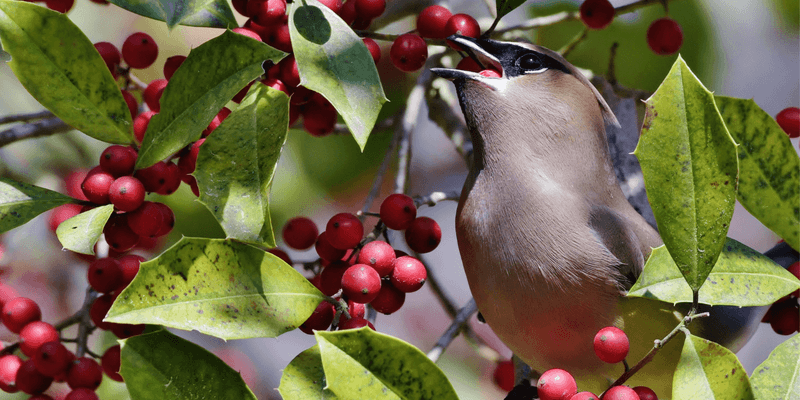
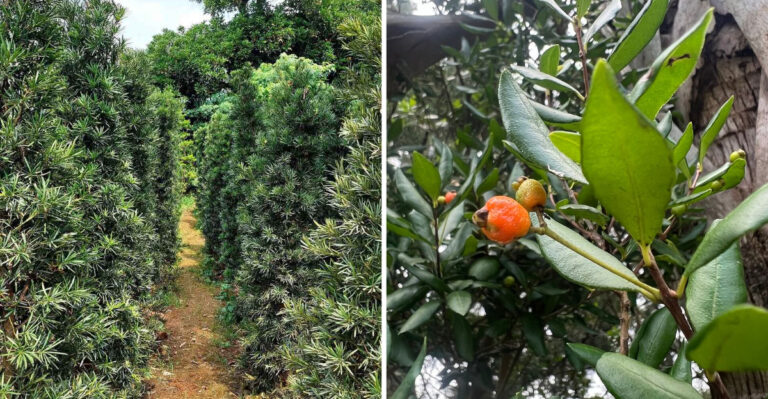
Clusters of small red berries catching the low winter sun on a yaupon holly can stop a birdwatcher cold. This native evergreen shrub or small tree is one of the most reliable berry producers for birds in the cooler season.
UF/IFAS also notes that it provides valuable wildlife food and year-round cover. Cedar waxwings, mockingbirds, and robins are among the birds that seek out its fruit.
One important detail every buyer should know: only female yaupon holly plants produce berries. You may need a male plant nearby to support fruiting, so read nursery tags carefully before you buy.
Ask your local Extension office which cultivars perform best in your county.
Yaupon holly handles pruning well and works as a hedge, a screen, or a stand-alone specimen. Cultivars range from compact dwarfs to tall multi-stemmed trees, so match the mature size to your available space.
Avoid placing it where fallen berries could stain light-colored pavement. Place it where birds can feed, perch, and shelter in the same spot.
This tough native will reward you with color and wildlife activity long after other plants have gone quiet for the season.
2. Choose Wax Myrtle For Clusters Of Bird-Friendly Fruit
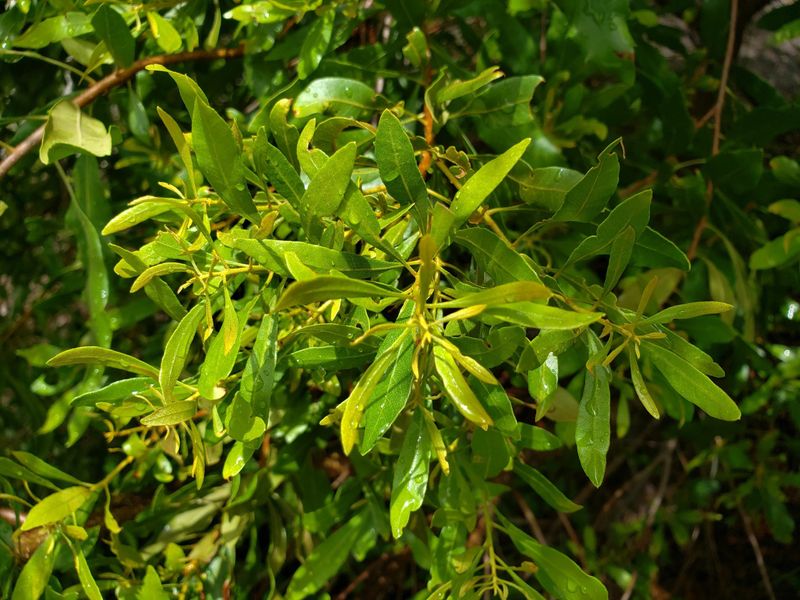
Early on a cool morning, you might catch a flash of wings moving fast through a dense wax myrtle screen. Birds love this native evergreen for its cover and its small, waxy blue-gray fruit.
According to UF/IFAS, wax myrtle is a fast-growing native shrub or small tree that provides food and shelter for many bird species. That includes yellow-rumped warblers, which depend heavily on its fruit during migration and winter.
Wax myrtle is tough. It handles salt spray, wet edges, sandy soils, and full sun with little fuss.
That flexibility makes it useful along fence lines, property borders, and naturalized areas where a thick evergreen buffer is wanted. Just keep in mind that it spreads wide and can grow multi-stemmed, so it needs real room to develop naturally.
This is not a plant for a tight foundation bed or a narrow strip beside a walkway. Give it space along a roomy border, let it fill out, and resist the urge to shear it into a formal box shape.
Your Florida Garden Changes Every Week. Your Plan Should Too.
Gardening in Florida changes quickly throughout the season. Every Friday you’ll receive a simple weekly plan showing exactly what to plant, prune, fertilize, harvest, and protect so you never miss the right timing.
Birds prefer the natural, branchy growth where they can duck in and out easily. A well-placed wax myrtle can anchor an entire bird-friendly planting plan.
3. Use Simpson’s Stopper For Evergreen Cover And Berries
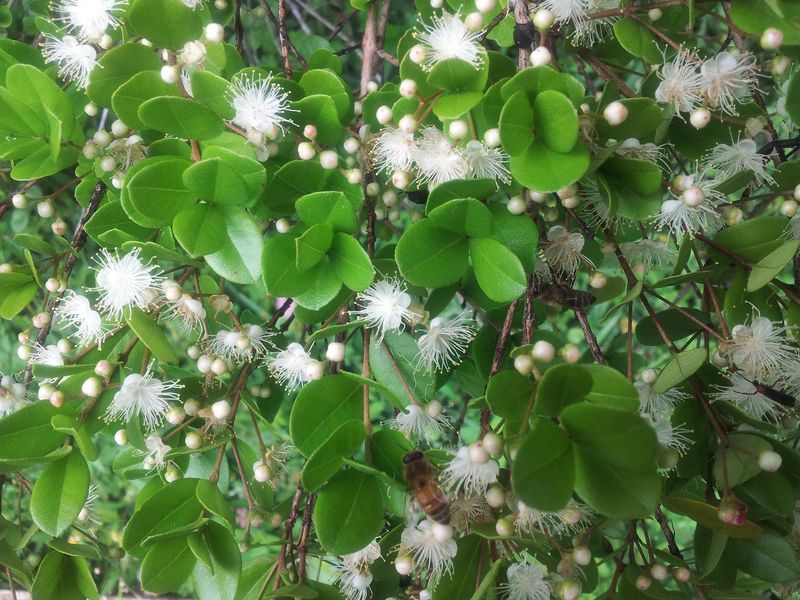
A tidy native shrub that gives birds both cover and fruit in the same package is hard to beat, and Simpson’s stopper delivers exactly that. This native evergreen shrub or small tree produces small red berries that wildlife and birds use.
UF/IFAS also notes its value as a landscape plant with genuine wildlife benefits. Its dense, glossy foliage makes it a polished choice for screens, hedges, or specimen plantings in the right spot.
Simpson’s stopper blooms with small white flowers that attract pollinators, and those flowers eventually give way to the red fruit birds find so appealing.
The plant is well suited to central and southern regions of the state, where it thrives in well-drained soils with full sun to partial shade.
It appreciates some moisture but dislikes standing water.
Spacing and pruning style matter with this plant. Give it enough room to develop a full, natural canopy rather than crowding it into a corner where air circulation suffers.
Light shaping is fine, but heavy shearing removes the fruiting branches birds need most. Place it where a polished native screen is wanted, and keep the soil right for the site.
Simpson’s stopper will quietly become one of the most productive plants in a bird-friendly yard.
4. Plant American Beautyberry For Purple Fruit Birds Find Fast
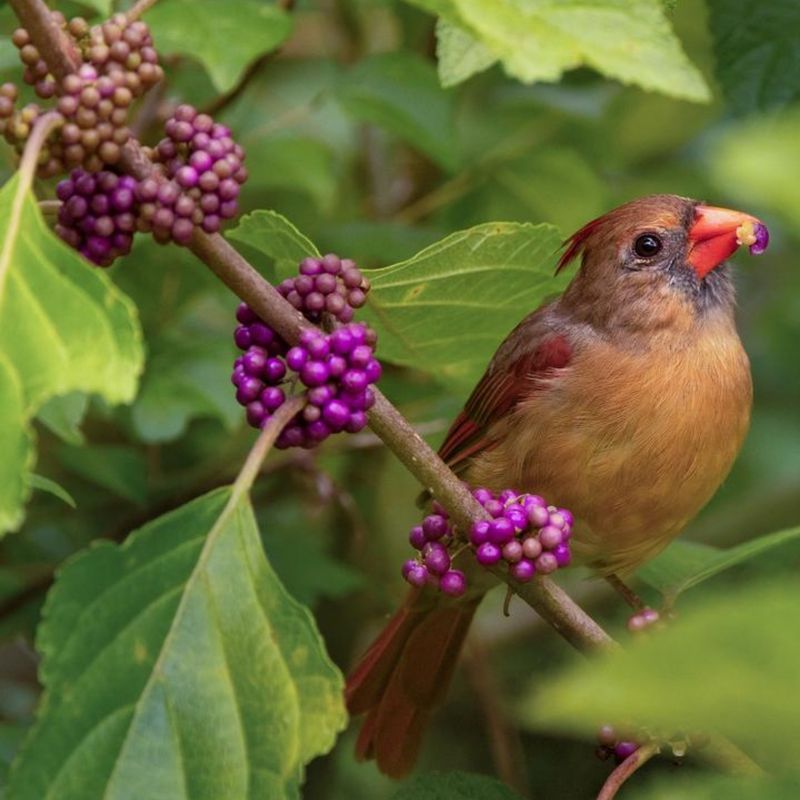
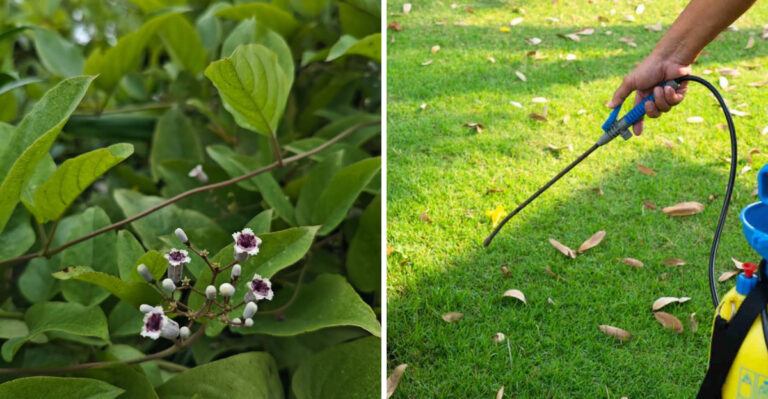
Bright magenta-purple berries packed tightly around arching stems make American beautyberry one of the most eye-catching natives in any yard. The moment those berries ripen, birds find them fast.
UF/IFAS confirms that native Callicarpa americana provides fruit eaten by many bird species and other wildlife. That makes it a high-value plant for anyone building a layered bird-feeding landscape.
A fair warning, though: the fruit can disappear quickly. In some yards, birds strip a beautyberry clean within days of peak ripeness.
That means it may contribute most to bird nutrition in early fall rather than holding food deep into winter. Planting it alongside slower-fruiting species helps fill the gap when the beautyberries are gone.
Make sure the plant you buy is labeled clearly as native Callicarpa americana, not an imported species, hybrid, or unnamed nursery selection. The native species is the one with the documented wildlife value.
Beautyberry has a loose, arching shape and can reach six feet tall and wide, so give it room in a naturalized border or a roomy mixed bed. Avoid cramped spots where its sprawling habit will feel like a problem.
Let it grow naturally and the birds will do the rest.
5. Grow Native Persimmon For Late-Season Wildlife Food
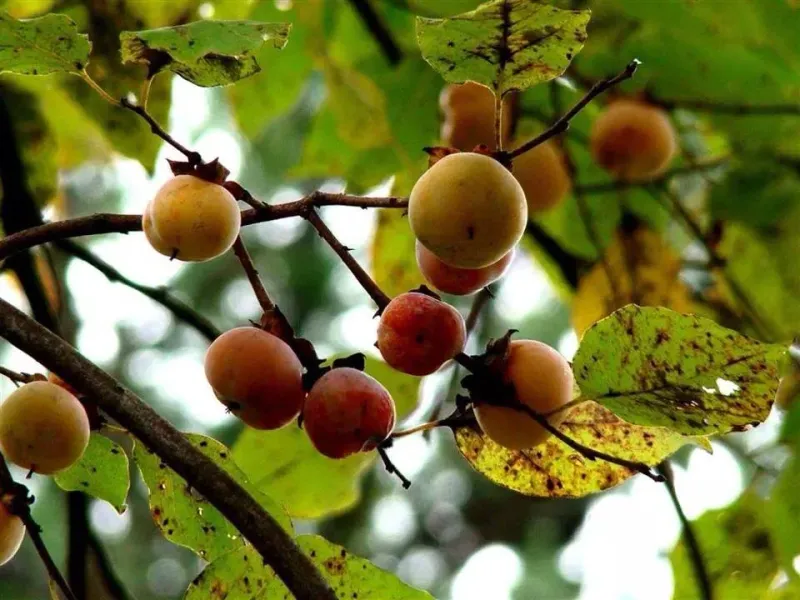
Soft orange fruit hanging from bare branches after the leaves drop has a quiet, almost old-fashioned beauty. Native Florida persimmon, Diospyros virginiana, can hold fruit well into the cooler months.
UF/IFAS recognizes it as a valuable native tree that supports birds and other wildlife with its late-season food.
Bluebirds, robins, mockingbirds, and cedar waxwings are among the birds known to use it.
This is a tree that needs patience and planning. It grows slowly to a moderate height and requires real space to develop properly.
Fruiting can depend on the sex of the plant, and some sources note that both male and female trees may be needed for reliable fruit production. Check with your local Extension office or a reputable native nursery before buying.
Placement is everything with native persimmon. Soft, ripe fruit drops from the tree and can create a slippery, staining mess on driveways, patios, sidewalks, and clean entry areas.
Choose a spot in a lawn edge, a naturalized back corner, or a woodland border where fallen fruit feeds ground-foraging birds rather than creating a maintenance headache.
Give this tree room, choose the site carefully, and it will become a reliable late-season resource that few other natives can match.
6. Use Sabal Palm For Fruit That Feeds Many Birds
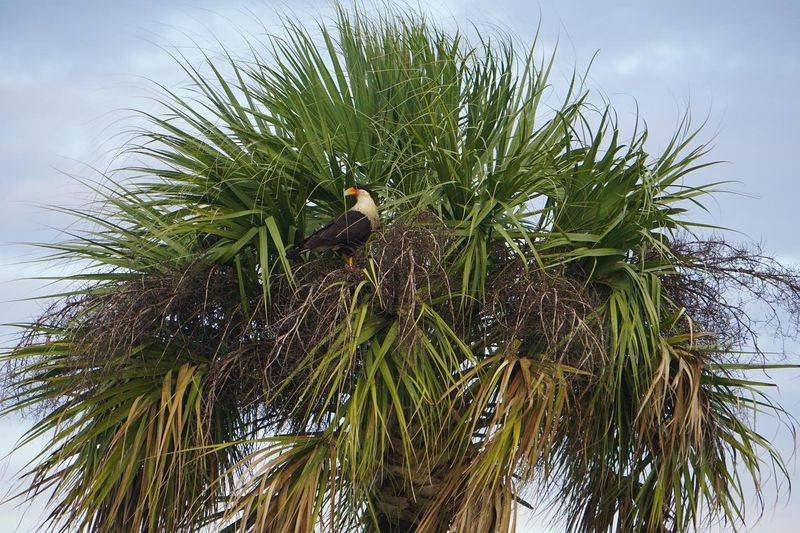
High up in a sabal palm, long after most yard food has thinned out, birds keep coming back. The state tree of this state is also one of its most productive natives for wildlife, and UF/IFAS confirms that sabal palm fruit is used by a wide range of bird species.
Robins, mockingbirds, fish crows, and woodpeckers are among those documented feeding on the small, dark fruit that clusters beneath the canopy.
Sabal palm is a long-term investment in your landscape and in your local bird population. It grows slowly but can eventually reach heights of 40 to 50 feet, so overhead clearance, root space, and mature scale all need to be considered before planting.
This is not a small ornamental for a tight bed near a front door or a narrow side yard.
The right site for a sabal palm is open, sunny, and roomy. It thrives in a wide range of soils and is highly salt-tolerant, making it a natural fit for coastal properties and open lawn edges alike.
Once established, it needs very little care. Leave the fruit clusters in place rather than trimming them off prematurely, because those fruits are exactly what draws birds to the palm in the first place.
7. Choose Sea Grape For Coastal Fruit And Shelter
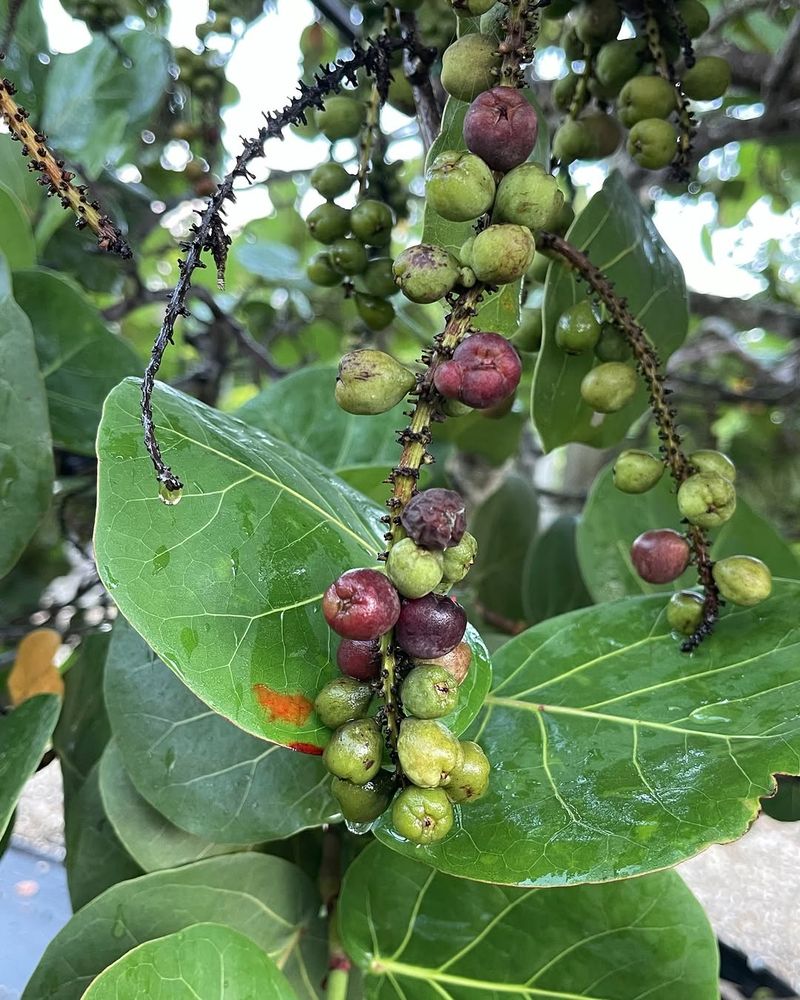
Along a coastal property edge, broad leathery leaves the size of dinner plates create dense, layered cover that birds use for shelter and nesting. Sea grape is a native coastal shrub or small tree that also produces clusters of grape-like fruit.
UF/IFAS notes its value as a wildlife plant and its strong suitability for coastal landscapes in warmer regions of the state.
Sea grape is not a plant for every yard. It is best suited to warmer coastal and southern regions where frost is rare, and it can be cold-sensitive in northern regions of the state.
It also grows large over time, sometimes reaching 25 feet or more when left unpruned. Fruit and leaf drop are part of its natural cycle, so placement away from pools, patios, and clean hardscape areas makes maintenance much easier.
Use sea grape where a substantial native screen or windbreak is needed along a coastal property line or open sunny edge. It handles salt spray, sandy soil, and wind with remarkable toughness.
Birds use the dense canopy for cover and feed on the fruit as it ripens. For homeowners in the right region with the right site, sea grape is a generous and long-lived addition to any coastal bird-friendly planting plan.
8. Plant Chickasaw Plum For Thickets Birds Can Use
Picture a loose, tangled thicket along a back fence where birds can perch, hide, and feed all in the same spot. Chickasaw plum does exactly that.
This native shrub or small tree is documented by UF/IFAS as a plant that provides fruit, cover, and nesting habitat for birds and other wildlife.
Its dense, twiggy branches and thorny stems make it one of the best natural shelters a bird-friendly yard can offer.
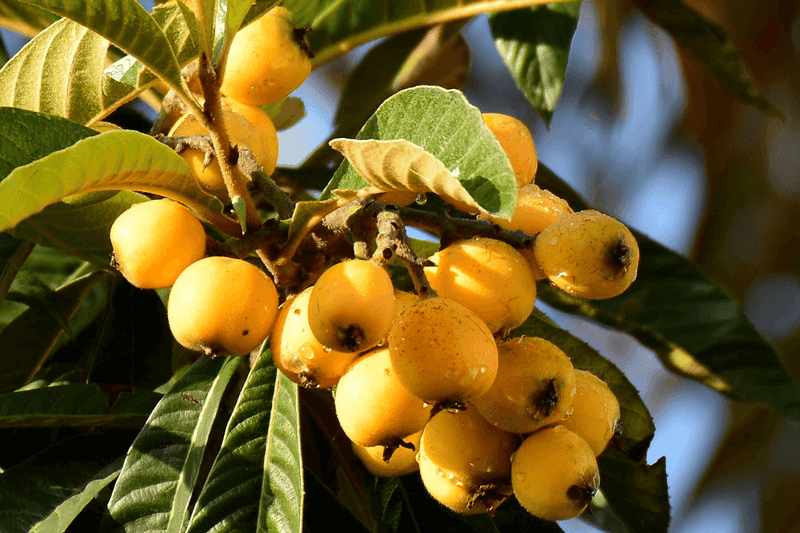
Spring brings a flush of small white flowers that pollinators love, and summer fruit follows in shades of red and yellow. Some of that fruit can persist or be used by birds into the early cooler months, extending its value beyond the growing season.
The cover it provides year-round is just as important as the food, especially for smaller birds that need safe places to hide from predators.
The thicketing, suckering habit of Chickasaw plum is a genuine asset along a roomy fence line, natural border, or wildlife hedge. In a tight formal bed, though, it can feel like a problem.
Give it space, let it spread naturally, and resist the urge to keep it rigidly shaped. The messier it looks to you, the more useful it is to the birds that call it home.
9. Grow Red Mulberry Where A Native Tree Has Room
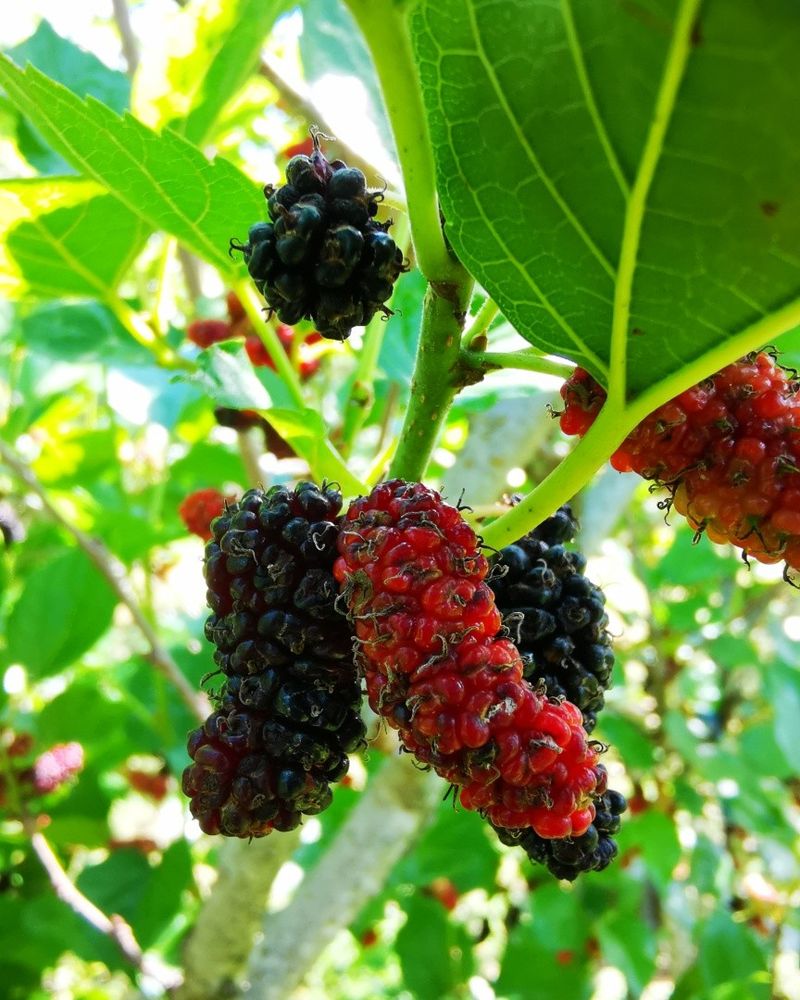
Birds find a red mulberry tree before most people even notice the fruit is ripe. Morus rubra, the native red mulberry, produces dark, juicy fruit that attracts an impressive variety of bird species.
UF/IFAS also recognizes it as a native tree with strong wildlife value. Orioles, tanagers, woodpeckers, and catbirds are among the many birds that feed on the fruit during its peak season.
Red mulberry fruit ripens in late spring and early summer, so it feeds birds during a different window than most of the other plants on this list. Including it in a layered planting plan helps cover the warmer end of the bird-feeding calendar.
That ensures food is available across more of the year rather than bunched into one short stretch.
The fruit drops freely and stains whatever it lands on, so placement away from driveways, patios, sidewalks, light-colored surfaces, and clean entry areas is essential. A lawn edge, a naturalized back yard corner, or a woodland border gives the tree room to grow.
It also lets fallen fruit feed ground-foraging birds without creating a maintenance problem. Red mulberry grows into a medium to large tree over time, so plan for its mature size from the start and give it the open space it genuinely needs.