Florida Plants That Pull In Lizards And What That Does To The Insect Problem In Summer
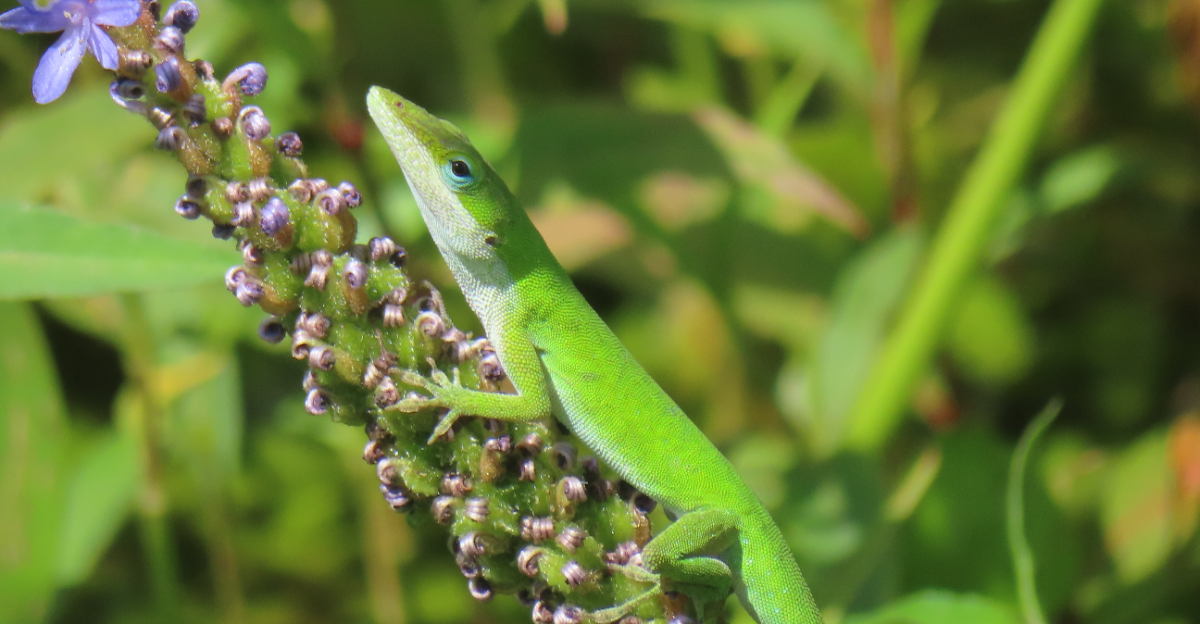
Lizards are one of Florida’s most underappreciated yard allies. They move fast, they hunt constantly, and they have a particular appetite for the insects that make summer outdoor living uncomfortable.
A yard that attracts lizards in real numbers is a yard running a natural pest control operation around the clock. Most Florida homeowners either ignore lizards or consider them a neutral presence.
The ones who have thought about it more carefully tend to encourage them deliberately, and what pulls lizards in has a lot to do with what grows in the yard. Certain Florida plants create the kind of habitat lizards gravitate toward.
Low cover for shelter, structure for basking, and the insect activity that keeps them fed and active through the hottest months. A yard with the right plants attracts more lizards.
More lizards means real pressure on the insect population. That chain reaction is simpler to set in motion than most people expect.
Firebush Brings Insects And Perches Lizards Can Use
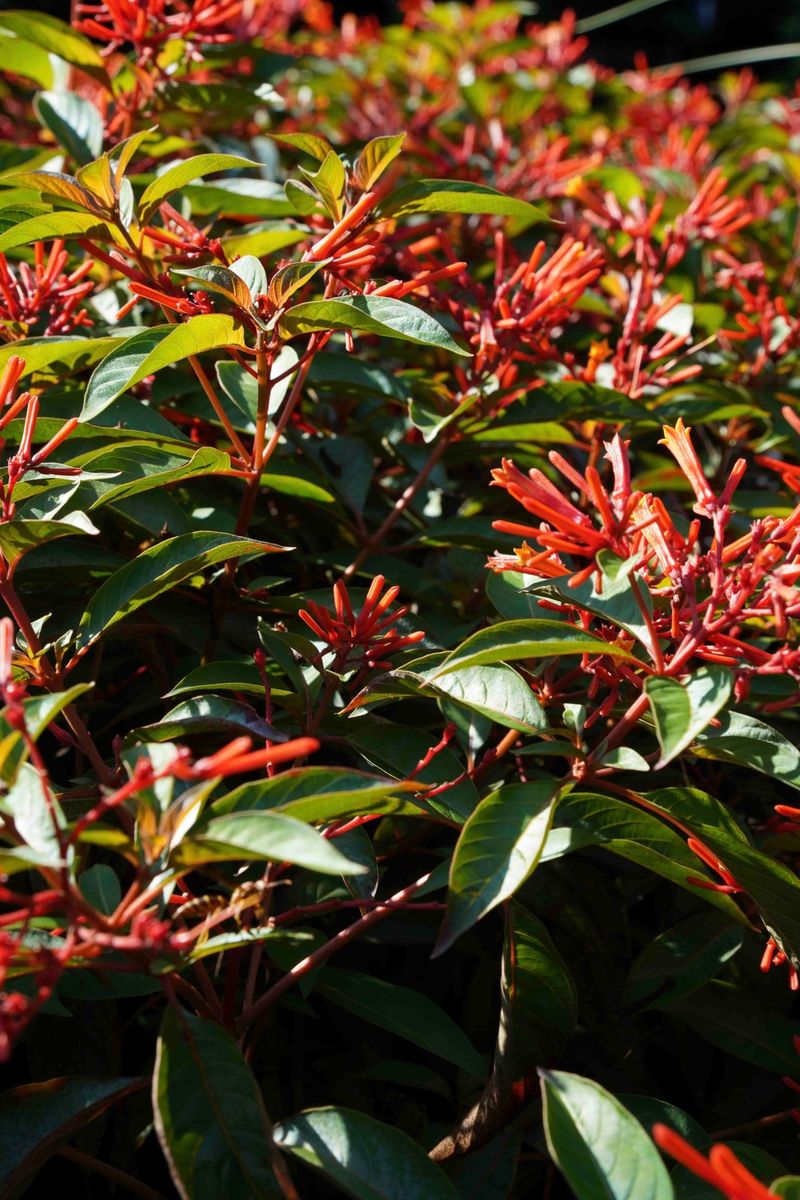
A shrub edge buzzing with tiny pollinators is exactly the kind of spot a lizard finds useful on a hot summer afternoon. Firebush (Hamelia patens) is a native or regionally native shrub that produces clusters of tubular orange-red flowers through the warm season.
Those flowers draw hummingbirds, butterflies, and a steady stream of small insects, which creates real hunting opportunities along the bed edge.
The loose, open branching gives lizards natural perches where they can bask, watch for prey, and retreat quickly when needed. Warm, sunny placement along a fence line or open border suits firebush well and also suits the lizards that prefer exposed, sunny structure.
A south or east-facing bed with good airflow tends to work best in most regions.
Lizards hunting near firebush may eat some of the small insects that gather around the flowers and foliage. That activity will not remove all insects, but it can contribute to a more balanced yard food web over time.
Firebush does not provide pest control on its own, and it will not reduce mosquitoes, roaches, or household ants.
Cold sensitivity is worth noting. The native form, Hamelia patens var. patens, is better suited to southern regions, while hardier selections may work further north.
Verify the specific form before planting, and allow room for mature spread, which can reach six to ten feet in warm regions.
Beautyberry Creates Low Cover For Backyard Lizard Hunting
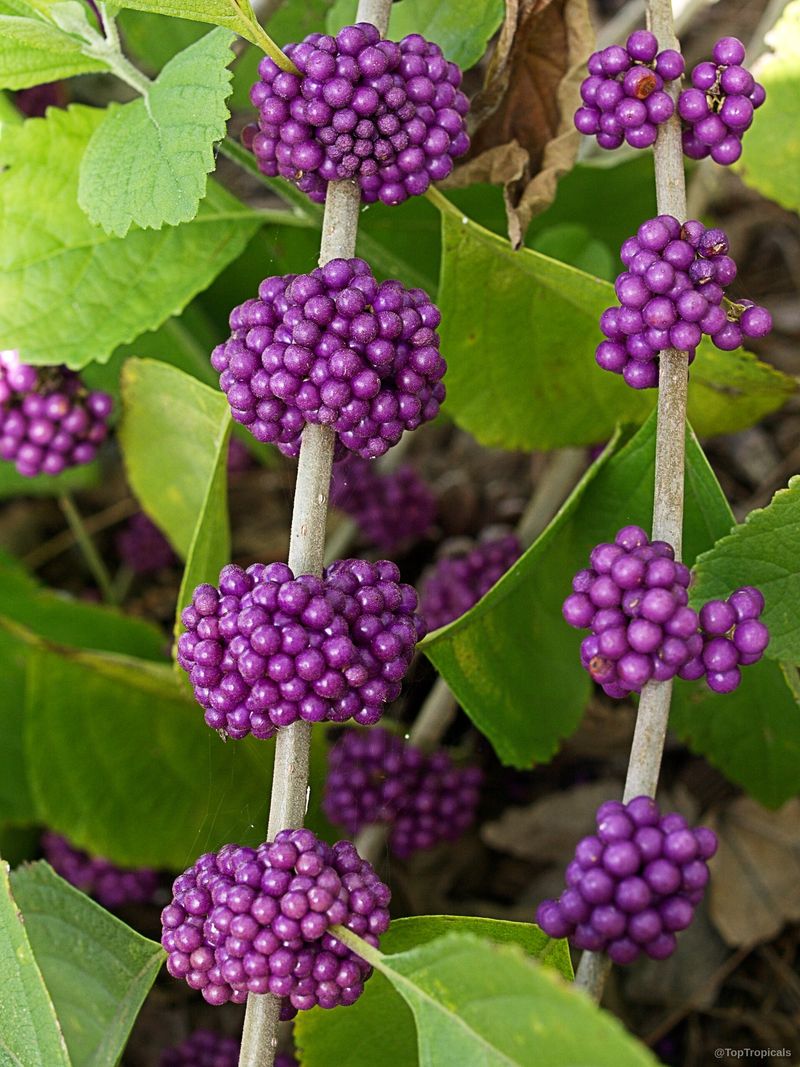
Some of the most useful lizard habitat in a summer yard is not tall or dramatic. It is low, loose, and layered, exactly what American beautyberry (Callicarpa americana) can bring to a naturalistic border or shaded bed edge.
This Florida native shrub grows with arching branches and open structure that makes it easy for small lizards to move through, hide under, and hunt along.
Small white to pale pink flowers appear in summer, drawing in tiny insects and supporting a broader food web near the planting. By late summer and fall, the striking clusters of bright purple berries attract birds, adding another layer of wildlife value.
Your Florida Garden Changes Every Week. Your Plan Should Too.
Gardening in Florida changes quickly throughout the season. Every Friday you’ll receive a simple weekly plan showing exactly what to plant, prune, fertilize, harvest, and protect so you never miss the right timing.
The seasonal look and loose habit make beautyberry a strong fit for informal, naturalistic yard designs.
Lizards moving through a layered shrub bed like this one may find both cover and prey. That includes small insects and other tiny invertebrates that gather in mulched soil and leaf litter beneath the branches.
That activity is a natural part of a healthy yard food web, not a managed pest-control system.
Be realistic about the look. Beautyberry can appear loose or leggy through parts of the season, and it may cut back hard in colder winters in northern regions.
It is not the right choice for a formal clipped entry or a tight foundation bed where a tidy appearance is expected year-round. Give it room and let it grow naturally.
Coontie Gives Lizards Structure Without A Messy Thicket
Not every lizard-friendly plant needs to be tall or sprawling. Coontie (Zamia integrifolia) is a low-growing native cycad, not a palm.
It offers reliable evergreen structure that stays tidy without becoming a tangled thicket. That matters in yards where space is limited or where a cleaner look is preferred near paths and patios.
The dense, dark green fronds create shaded pockets at the soil line where lizards can move, rest, and hunt without being exposed. Warm, mulched beds around coontie plantings can also support small insects and other invertebrates that lizards feed on during summer.
Structure alone does not bring lizards, but it does give them reason to stay in the area.
Coontie is also the sole host plant for the Atala butterfly (Eumaeus atala) in this state. Where Atala populations are present or being supported through restoration, coontie plays a meaningful ecological role beyond just habitat structure.
That adds a layer of conservation value that most landscape plants simply do not offer.
Lizards hunting around coontie plantings may eat small insects near the bed, but coontie is not a pest-control plant. Roaches, mosquitoes, and household ants will not be reduced by planting it.
Full sun to partial shade and well-drained soil suit coontie well. It is native to this state and tends to be low-maintenance once established, making it a practical, wildlife-aware choice for sunny foundation beds.
Muhly Grass Keeps Sunny Edges Open For Quick Movement
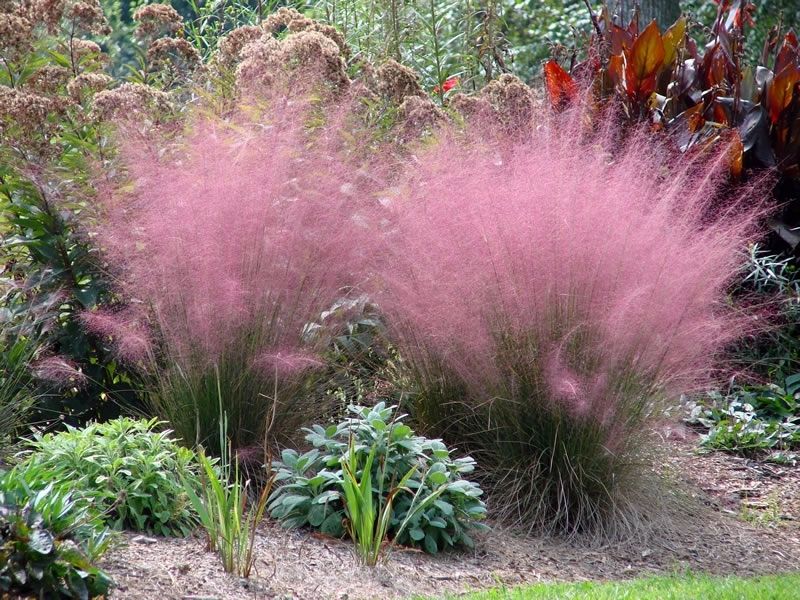
Picture a lizard moving fast along a sunny garden edge, cutting between open grass clumps with nowhere to get trapped. Muhly grass (Muhlenbergia capillaris) creates exactly that kind of open, airy border.
The clumping habit leaves clear ground between plants, giving small lizards room to move quickly while still having cover nearby if a threat appears.
This native grass thrives in full sun with good drainage, and it handles drought well once established. Spacing matters, so leave enough room between clumps for airflow and for the natural movement paths that lizards and other small wildlife use along bed edges.
Crowding muhly grass together defeats some of that open-edge value.
The showy pink-purple plumes appear in fall and add seasonal beauty to sunny borders and slopes. During summer, the fine-textured foliage still provides light cover and some insect activity along the edge, which can attract lizards looking for small prey.
Lizards hunting along grass edges may eat small insects and arthropods in the area, but muhly grass is not a complete insect-management strategy.
Mosquitoes, roaches, and flying pests will not be reduced by planting this grass. What it does offer is a well-suited structural role in a sunny, wildlife-aware yard.
Cut it back in late winter before new growth begins. Avoid planting in wet, poorly drained spots, where it tends to struggle.
For slopes, open borders, and sunny foundation edges, muhly grass earns its place.
Saw Palmetto Builds Shelter Where Lizards Can Hide And Hunt
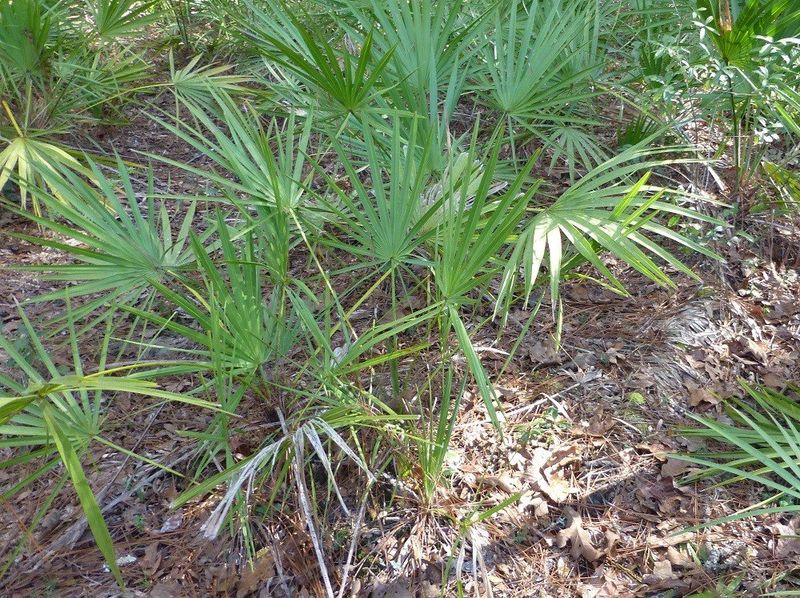
Saw palmetto (Serenoa repens) is rugged, low, and deeply rooted in this state’s natural landscape. It creates real shelter, not just decorative greenery.
The dense, spreading fronds form a layered canopy close to the ground. That gives lizards protected hiding places and shaded hunting routes through the hottest parts of summer.
Wildlife value is substantial here. Birds, small mammals, and lizards all use saw palmetto for cover and movement.
The thick base and overlapping fronds create a microhabitat where leaf litter, insects, and other small invertebrates accumulate. That makes it a natural foraging zone for lizards on the hunt.
That is not pest control, but it is a genuine part of a Florida working yard food web.
Be straightforward about what saw palmetto requires. It spreads over time, sometimes broadly, and the leaf stems have sharp, saw-toothed edges that can scratch skin and snag clothing.
It is not suitable beside tight walkways, frequently used side gates, children’s play areas, or small foundation beds near a front door. Give it room in a larger naturalistic area or open backyard edge.
Mature spread can be significant, and removal is difficult once established. Sandy, well-drained soil suits it well, and it handles drought and full sun with ease once rooted.
Standing water should always be reduced nearby, regardless of the planting, to avoid creating mosquito-breeding conditions. Saw palmetto earns its place in the right yard with the right amount of space.
Coral Honeysuckle Draws Insects Near Fence Lines
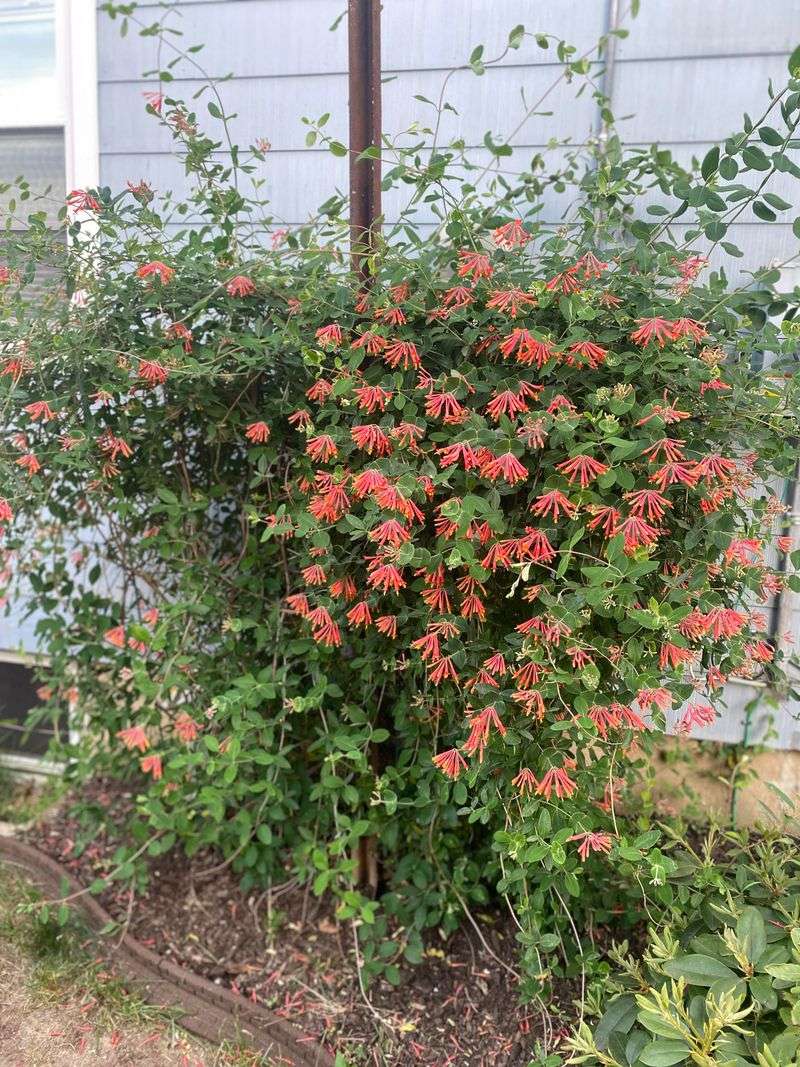
A fence line covered in coral honeysuckle (Lonicera sempervirens) in summer is one of the more lively spots in a wildlife-aware yard. The tubular red-orange flowers attract hummingbirds and pollinators where supported.
That steady insect activity near a vertical surface creates a hunting corridor for lizards along fence lines and trellis posts.
Unlike Japanese honeysuckle, which is invasive and should be avoided, coral honeysuckle is a native vine with a manageable growth habit. It needs a support structure, whether a fence, trellis, or arbor, and benefits from light pruning to keep it tidy and productive.
Good air circulation helps reduce foliar issues in humid summers.
Lizards often use vertical structures like fences and trellises as basking spots and perches. A vine that brings insect activity to those same surfaces gives lizards a reason to stay and hunt nearby.
That may reduce some of the small insects gathering around the flowers. It will not stop mosquitoes from breeding in standing water or keep roaches or ants out of the house.
Pest management still requires sanitation, moisture control, and proper exclusion. Coral honeysuckle’s role here is supporting a more active food web near fence lines, not replacing any of those habits.
Full sun to light shade suits it well. Water regularly during establishment, then reduce irrigation as the plant matures.
This is a vine that rewards patience and a good support structure.
Simpson’s Stopper Adds Glossy Cover With Wildlife Value
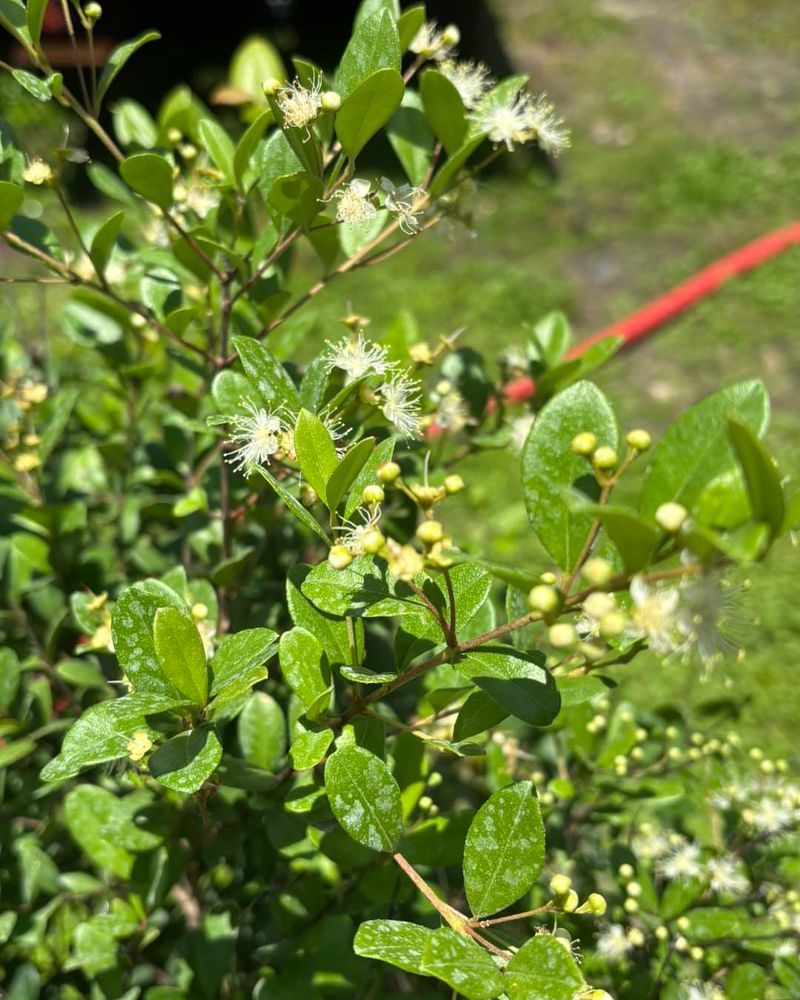
Some plants earn a spot in a wildlife-aware yard by doing several things well at once. Simpson’s stopper (Myrcianthes fragrans) is one of them.
The glossy, dense foliage creates layered cover that shades the ground and moderates soil temperature. It also gives lizards protected edge habitat without the sprawling unpredictability of a looser shrub.
Small white flowers appear seasonally and draw in pollinators and small insects, adding food-web activity near the planting. Orange-red berries follow and attract birds, making this shrub genuinely useful across multiple seasons.
That combination of flower, fruit, and structure is exactly what a layered, wildlife-friendly bed needs to stay active through summer.
Lizards may hunt along the shaded edges and mulched soil beneath the canopy, feeding on small insects and arthropods that gather there. The dense canopy also gives them retreat cover if a predator appears, which encourages lizards to remain in the area rather than just pass through.
That kind of resident lizard activity is more useful to a yard food web than occasional visits.
Mature size matters for placement. Simpson’s stopper can reach ten to twenty feet as a small tree if left unpruned, though it responds well to shaping as a large shrub.
Allow adequate spacing from paths, structures, and utility lines. It suits warm, frost-sensitive regions best, and performs well in central and southern areas of this state.
Pruning expectations and mature height should be confirmed before placing it near a house foundation or narrow bed.
Fakahatchee Grass Gives Larger Yards A Lizard-Friendly Edge
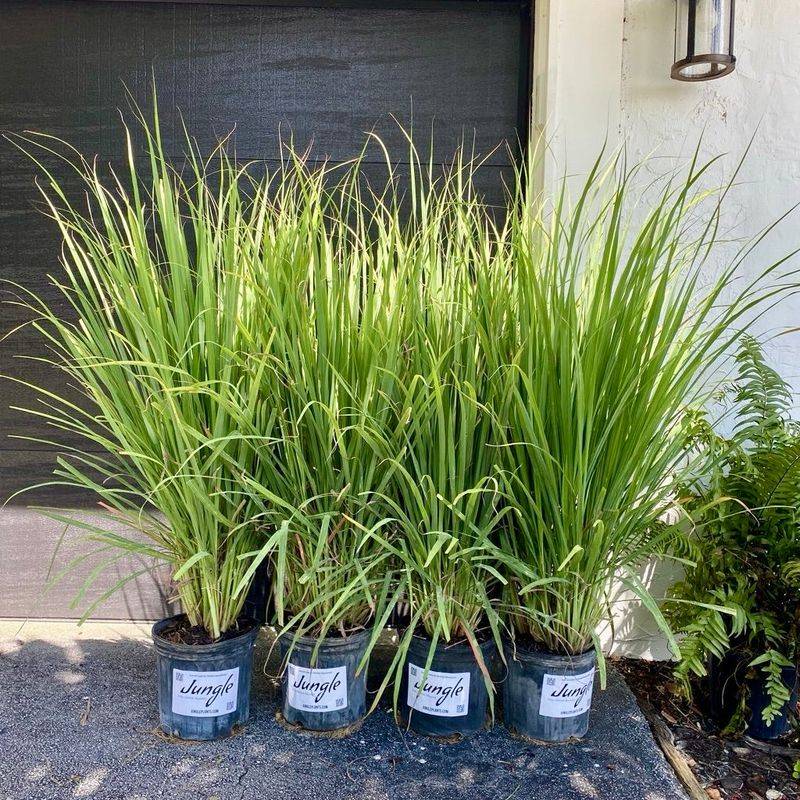
Fakahatchee grass (Tripsacum dactyloides) is bold, broad, and built for larger spaces. It brings real visual weight and genuine wildlife value to open yard edges and naturalistic borders.
The wide clumps and arching foliage create a different kind of edge than finer grasses do. That edge offers more substantial shelter and movement cover for lizards and other small wildlife.
Along a back fence line or open property edge, broad clumps like these create natural corridors. Lizards can move between beds, hunt for small insects and invertebrates, and find shade during the hottest parts of the day.
That kind of connected edge habitat supports a more active yard food web than isolated plantings scattered without structure.
Moisture tolerance gives Fakahatchee grass flexibility in yards with low spots or seasonal wet areas. It also grows well in average garden soil with reasonable drainage.
Full sun to partial shade suits it across a range of sites. The seasonal seed heads add wildlife interest and visual texture through summer and fall.
Size is the most important thing to understand before planting. Fakahatchee grass can reach four to six feet tall and spread considerably over time.
It is not the right choice for a small front strip, a tight foundation bed, or a narrow border beside a frequently used walkway. Give it open space to develop naturally.
Lizards may hunt around those edges, but standing water should still be reduced nearby to avoid creating mosquito-breeding conditions, regardless of the planting.