The Native Michigan Wildflower That Attracts Every Good Insect Your Garden Actually Needs
Not all pollinators are equal from a garden perspective. Some insects are pleasant visitors.
Others are genuinely working for you, moving pollen between vegetables, managing pest populations, and supporting the broader web of activity that makes a productive garden function the way it should.
One native wildflower pulls in a remarkable cross-section of the beneficial insects that matter most, and it does it across a longer bloom window than almost anything else available for Michigan gardens.
It’s not a plant that shows up on many mainstream lists, which is exactly what makes it underrated. Easy to grow, completely comfortable in Michigan’s climate, and useful in a way that goes well beyond looking attractive.
Gardens that include it tend to feel more alive and balanced in a way that’s hard to attribute to any single cause until you start paying attention to what’s actually visiting it.
1. Wild Bergamot (Monarda Fistulosa)
Picture a sunny Michigan meadow buzzing with bees and fluttering with butterflies, and wild bergamot is almost certainly part of that scene.
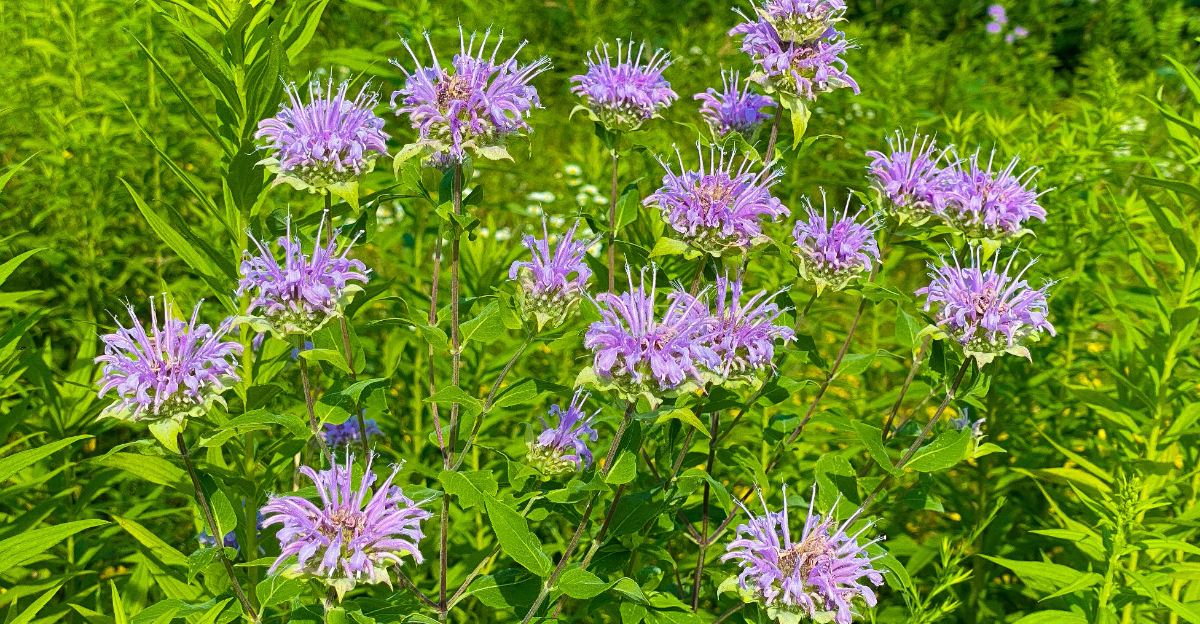
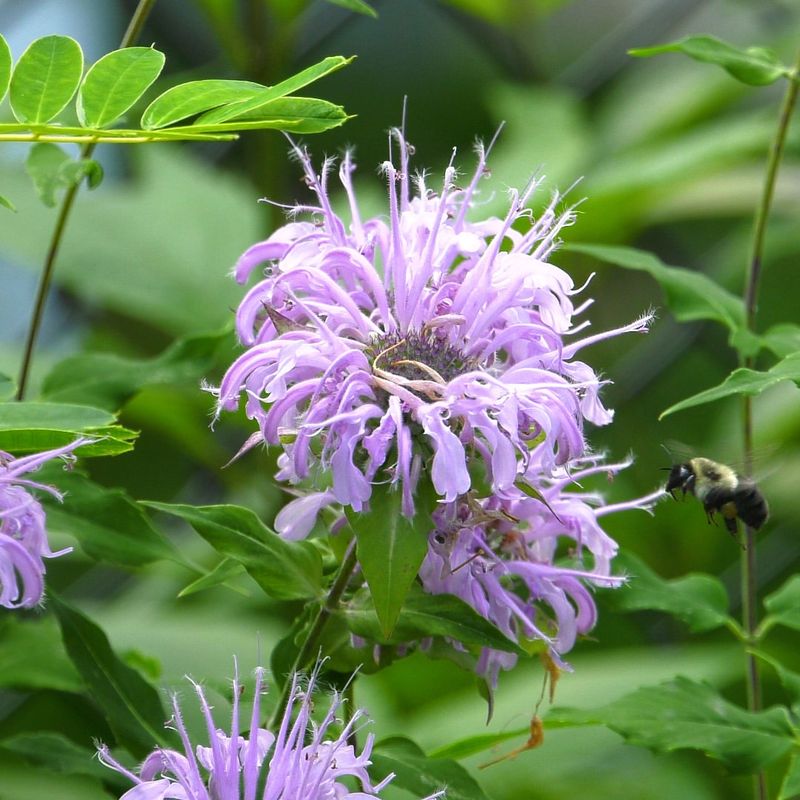
Monarda fistulosa is a native perennial wildflower that belongs to the mint family, and its tubular lavender-pink flowers are practically a five-star restaurant for pollinators.
The blooms are clustered into round, spiky heads that make the plant easy to recognize and genuinely beautiful in any garden bed.
What makes this plant so special is the shape of its flowers. Those long, narrow tubes are perfectly designed to hold nectar deep inside, which means only insects with longer tongues, like bumblebees and certain butterflies, can reach the reward.
That selective design keeps the nectar flowing for the right visitors all season long.
For Michigan homeowners, this plant is a natural fit. It thrives in USDA hardiness zones 3 through 9, which covers the entire state.
Plant it in full sun to part shade, space plants about 18 to 24 inches apart, and choose well-drained soil for best results. Sandy loam or average garden soil both work well.
Wild bergamot grows two to four feet tall and spreads gradually by rhizomes, creating a reliable colony that returns stronger every year without overwhelming your other plants.
2. Supports Native Pollinators
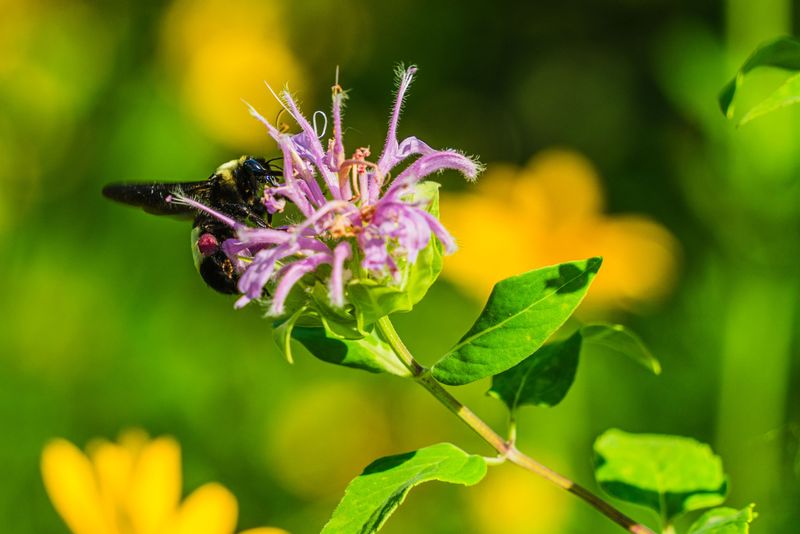
Few plants in a Michigan garden work as hard for native bees as wild bergamot does.
From mid-summer through early fall, those lavender blooms pump out nectar and pollen in generous amounts, giving bees exactly what they need during one of the busiest foraging seasons of the year.
Bumblebees are among the most frequent visitors, and you will often see them clinging to the flower heads and buzzing loudly as they collect pollen.
Mason bees also love wild bergamot. These solitary bees are incredible pollinators, often more efficient than honeybees when it comes to fertilizing garden vegetables and fruit trees.
Having wild bergamot nearby gives mason bees a reliable food source close to their nesting sites, which encourages them to stick around your yard all season.
Beyond individual plants, growing wild bergamot in groups makes an even bigger difference. A cluster of five or more plants creates a visible, fragrant beacon that native bees can detect from a surprising distance.
Your Michigan Garden Changes Every Week. Your Plan Should Too.
Gardening in Michigan changes quickly throughout the season. Every Friday you’ll receive a simple weekly plan showing exactly what to plant, prune, fertilize, harvest, and protect so you never miss the right timing.
Studies on native plantings consistently show that gardens with native bloomers like Monarda support significantly higher pollinator diversity than gardens relying solely on non-native ornamentals.
Better pollination means more fruit, more vegetables, and a healthier garden overall. Planting wild bergamot is one of the simplest, most effective ways to build a strong, thriving bee population right in your own backyard.
3. Attracts Predatory Insects
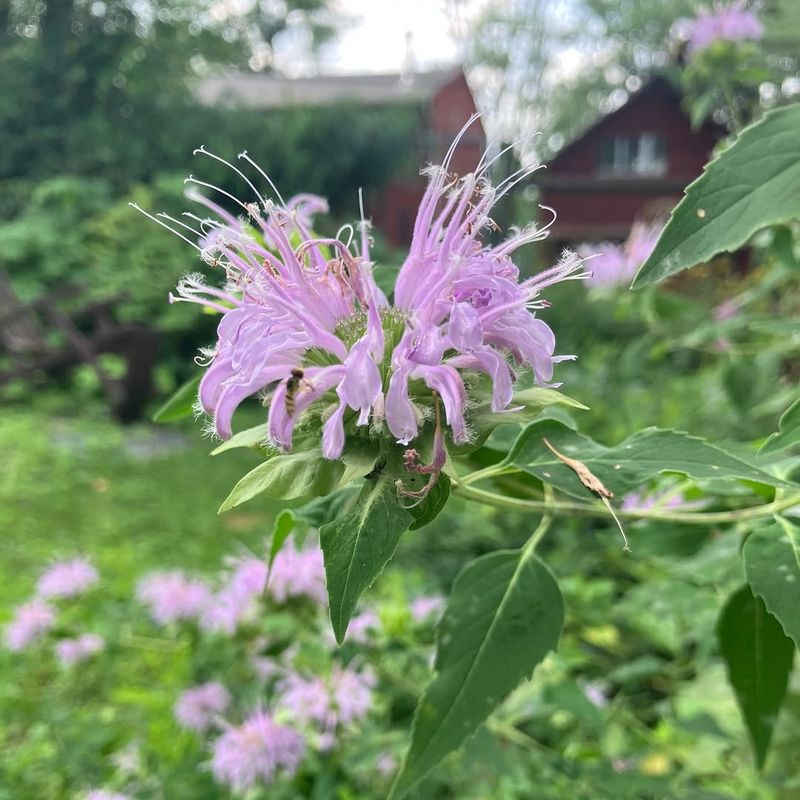
Most gardeners think about pollinators when they plant flowers, but wild bergamot goes one step further by pulling in a whole crew of natural pest controllers.
Ladybugs, hoverflies, and parasitic wasps are all regular visitors to Monarda blooms, and each one plays a valuable role in keeping common garden pests in check without a single drop of pesticide.
Hoverflies are especially fascinating. As adults, they feed on nectar and pollen, which is why they are drawn to wild bergamot in the first place.
But their larvae are voracious predators of aphids, one of the most frustrating garden pests around. A single hoverfly larva can consume hundreds of aphids during its development, making the adult’s visit to your flowers a long-term investment in garden health.
Parasitic wasps are another major benefit. These tiny wasps lay their eggs inside or on pest insects like caterpillars and aphids, and the developing larvae feed on the host.
It sounds intense, but it is one of nature’s most effective pest management systems. Wild bergamot’s open, accessible flowers provide the nectar energy these wasps need to survive and reproduce.
Ladybugs, of course, are already beloved by gardeners for munching through aphid colonies. Planting wild bergamot near vegetable beds or rose bushes invites all three of these beneficial insects to set up shop right where you need them most.
4. Thrives In Michigan Conditions
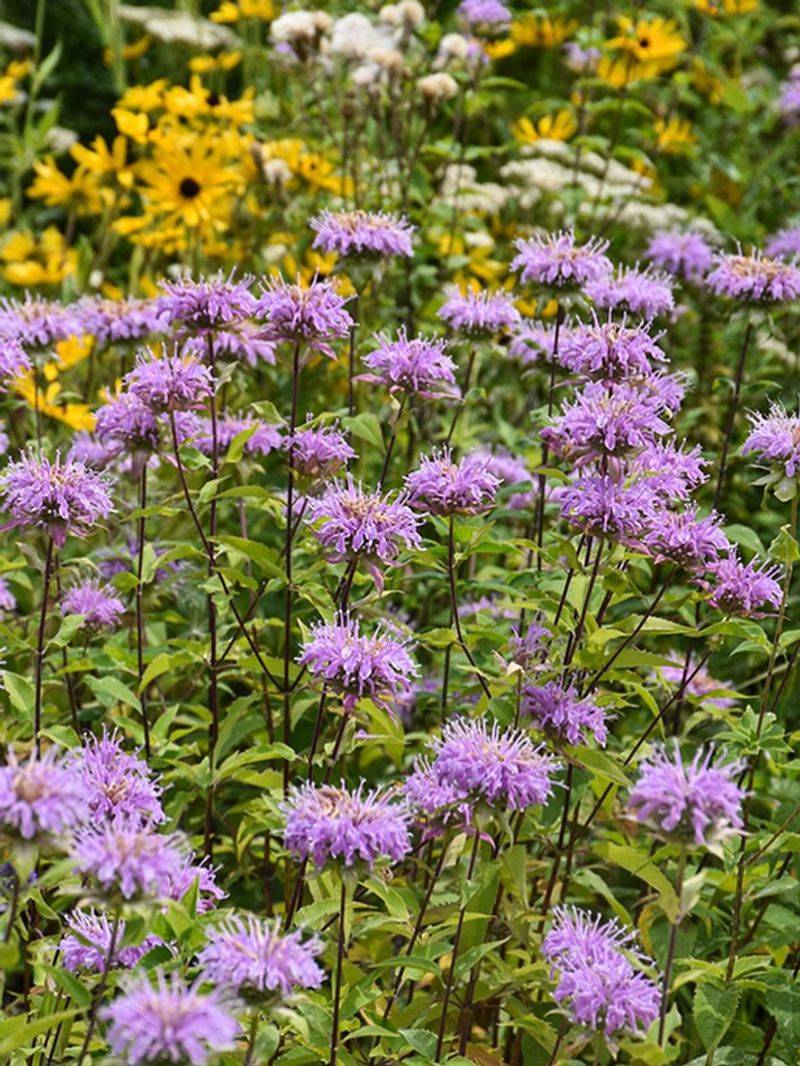
Michigan gardeners deal with a wide range of growing conditions, from heavy clay soils in the Lower Peninsula to sandier ground near the Great Lakes shoreline. Wild bergamot handles all of it with impressive ease.
This plant is native to Michigan, which means it evolved right alongside the local climate, soil types, and seasonal patterns. It does not need coddling because it is already home.
Full sun brings out the best in wild bergamot, producing the most flowers and the strongest plants. That said, it handles part shade reasonably well, especially in hotter, drier parts of the state where afternoon shade helps conserve moisture.
Clay soil is not a problem as long as it drains reasonably well after rain. Sandy soils work too, and established plants handle dry spells better than most garden perennials.
One of the biggest advantages for Michigan homeowners is how little preparation this plant needs. You do not need to amend the soil heavily or add fertilizers.
In fact, overly rich soil can cause wild bergamot to grow too tall and flop over. Average or even slightly lean soil produces more compact, upright plants that stand strong through summer storms.
Plant it in spring or early fall, water regularly for the first season, and then step back and watch it settle in. By the second year, wild bergamot looks after itself almost entirely on its own.
5. Long Blooming Season
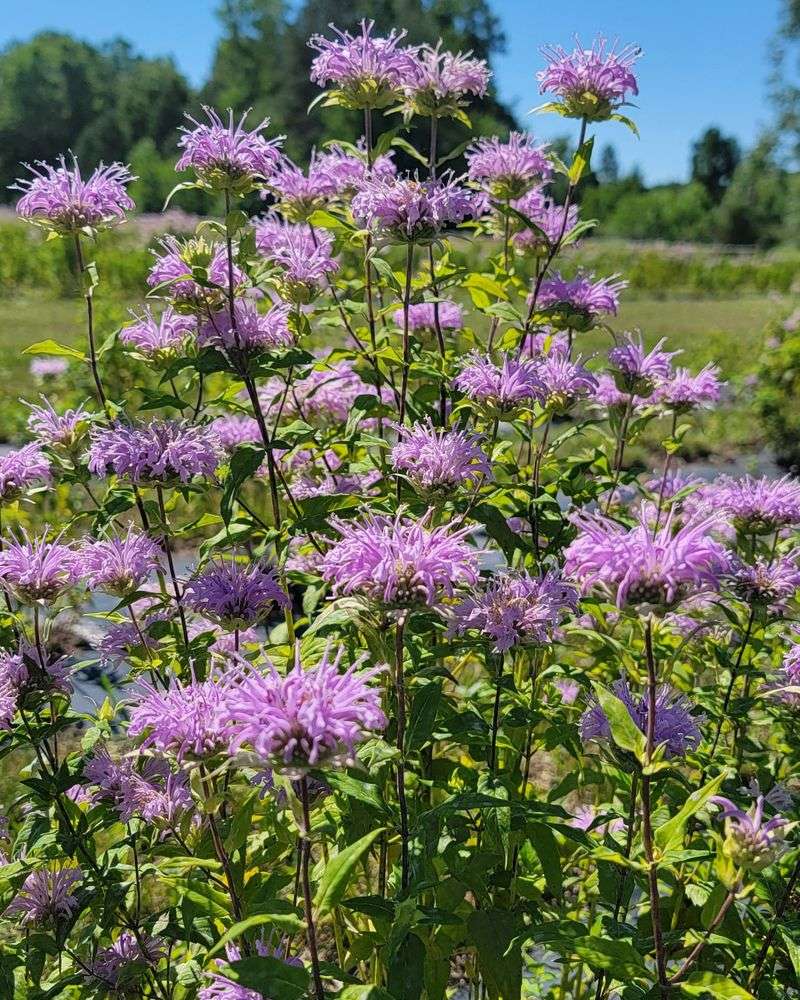
Timing matters in a pollinator garden, and wild bergamot nails it. Blooming from mid-summer through early fall, this plant fills one of the most important gaps in the Michigan garden calendar.
Many spring bloomers are already finished by July, and fall asters have not yet started. Wild bergamot bridges that gap perfectly, giving pollinators a steady food source right when other options start to thin out.
The bloom period typically runs from late June or early July through September, depending on location and weather. That is roughly ten to twelve weeks of consistent flowers, which is a long run for any perennial.
During that stretch, your garden stays active and alive with insect visitors every single day. Bees work the flowers from morning to late afternoon, and butterflies drift in and out throughout the day as well.
Extending the bloom season even further is easy with a simple trick: cut back about one-third of your wild bergamot stems in early June before flowering begins.
This technique, sometimes called the Chelsea chop, staggers the blooming so some plants flower earlier and others flower later than they normally would.
The result is a longer overall display without any extra plants. Pair wild bergamot with early bloomers like native wild geranium and late bloomers like goldenrod to create a continuous insect buffet that keeps your garden buzzing from spring all the way through October.
6. Supports Butterfly Populations
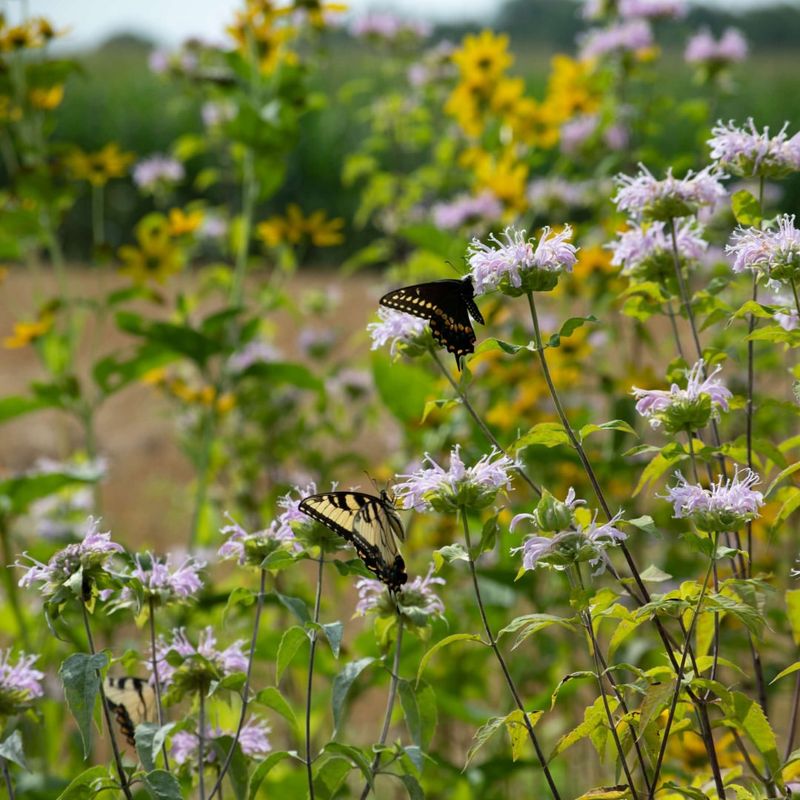
Butterflies and wild bergamot are a natural pairing that looks as good as it sounds. The broad, flat-topped flower clusters act like landing platforms, giving butterflies a stable place to perch while feeding.
Species like the eastern tiger swallowtail, great spangled fritillary, and even the monarch butterfly all visit wild bergamot regularly throughout the summer months in Michigan.
Butterflies are not just pretty to watch. They play a real role in pollination, carrying pollen from flower to flower as they feed on nectar.
While they are not as efficient as bees, butterflies cover more ground and visit a wider variety of plant species, which helps maintain genetic diversity in plant populations across your garden and beyond.
More butterflies mean a more connected and resilient local ecosystem. Supporting butterfly populations starts with providing reliable nectar sources, and wild bergamot is one of the best mid-summer options available in Michigan.
Planting it alongside other native nectar plants like coneflowers, milkweed, and black-eyed Susans creates a layered habitat that supports butterflies through multiple life stages.
Adult butterflies feed on nectar while caterpillars of certain species feed on the foliage of companion plants nearby.
Even adding just a small patch of wild bergamot to a corner of your yard can bring noticeably more butterfly activity within a single season. The color and fragrance combination is simply irresistible to them.
7. Drought Tolerance Once Established
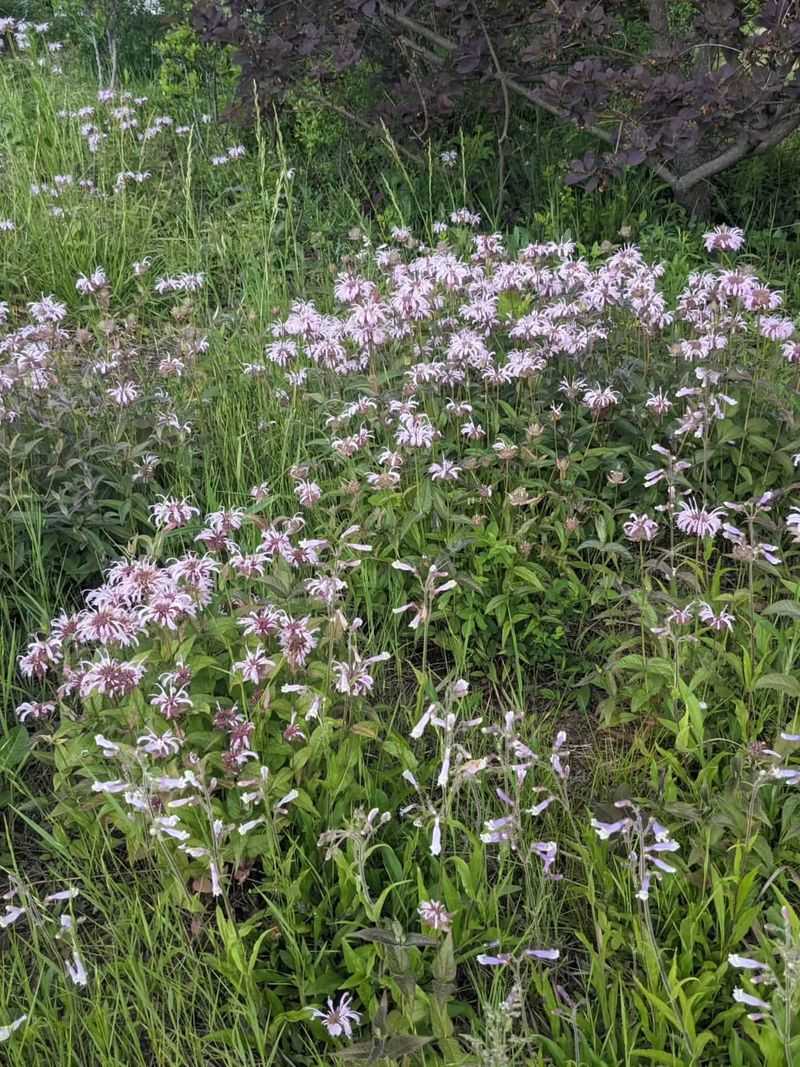
Water bills and garden maintenance go hand in hand for most homeowners, so finding plants that can handle dry stretches on their own is genuinely exciting.
Wild bergamot, once it settles in after its first growing season, develops a deep and spreading root system that taps into soil moisture well below the surface.
That means occasional dry weeks in July or August are not a crisis for this plant the way they might be for a thirsty annual or a non-native ornamental.
The first year is the most important time to water consistently. Getting wild bergamot through its establishment phase with regular moisture, roughly one inch per week, sets it up for long-term resilience.
After that, supplemental watering becomes mostly optional. During extended droughts lasting several weeks, a deep watering every ten to fourteen days keeps plants looking their best without overcomplicating your routine.
Michigan summers can swing between wet and dry unpredictably, and wild bergamot handles both ends of that range well. It does not love waterlogged soil, so avoid planting it in low spots where water pools after rain.
In well-drained locations, it bounces back quickly after dry spells, continuing to flower and attract insects even when neighboring garden plants start to look stressed.
For busy homeowners who want a beautiful, insect-friendly garden without constant maintenance, wild bergamot’s drought tolerance is one of its most practical and appealing qualities.
8. Low Maintenance And Disease Resistant
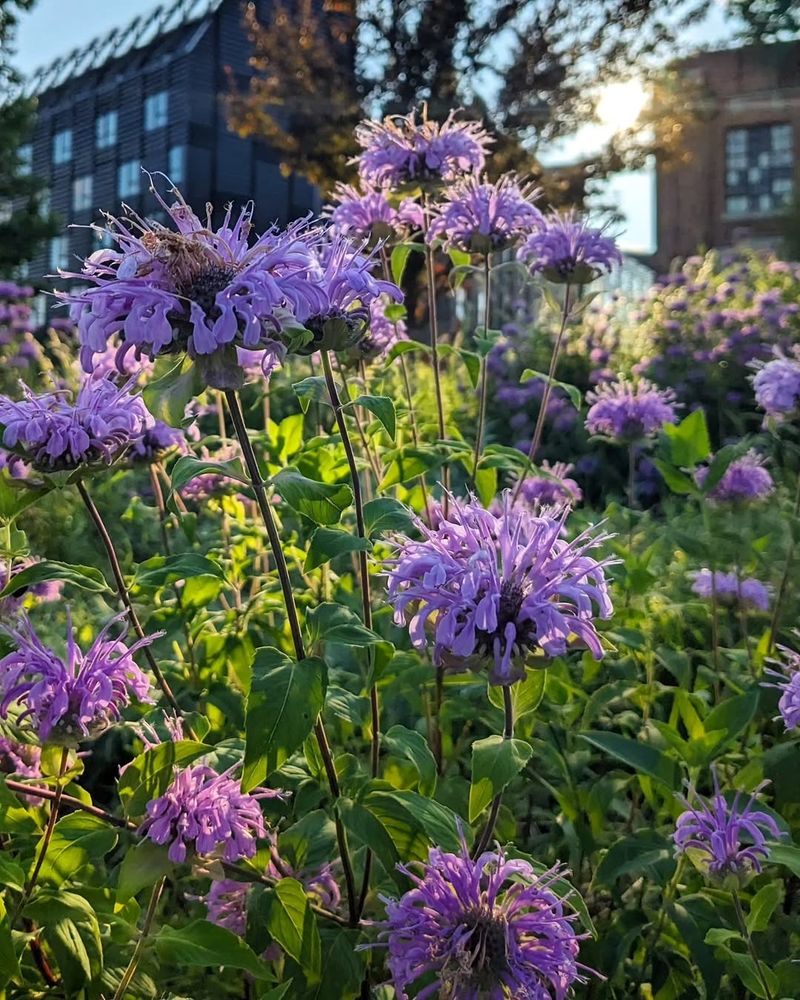
Powdery mildew is the one issue most people associate with bee balm, the showier garden cousin of wild bergamot.
Here is the good news: Monarda fistulosa is significantly more resistant to powdery mildew than Monarda didyma, the red-flowered species commonly sold at garden centers.
Wild bergamot’s natural toughness means you spend far less time worrying about fungal problems and far more time enjoying the show.
Good air circulation helps keep things clean. Spacing plants 18 to 24 inches apart allows air to move freely between stems, which reduces humidity around the foliage and minimizes the conditions that fungal issues prefer.
Dividing clumps every three to four years also keeps plants vigorous and well-ventilated. Neither task takes much time or skill, and both make a real difference in long-term plant health.
Beyond fungal resistance, wild bergamot rarely attracts serious pest pressure. Deer tend to avoid it because of the strong minty fragrance the leaves release when brushed.
Rabbits are similarly unimpressed. This makes it a reliable choice for Michigan gardens where wildlife browsing is a regular frustration.
No spraying, no special treatments, and no seasonal drama. Wild bergamot simply grows, blooms, and keeps attracting beneficial insects year after year with minimal intervention from you.
For gardeners who want real results without a complicated care routine, this plant is genuinely hard to beat.
9. Provides Seasonal Interest
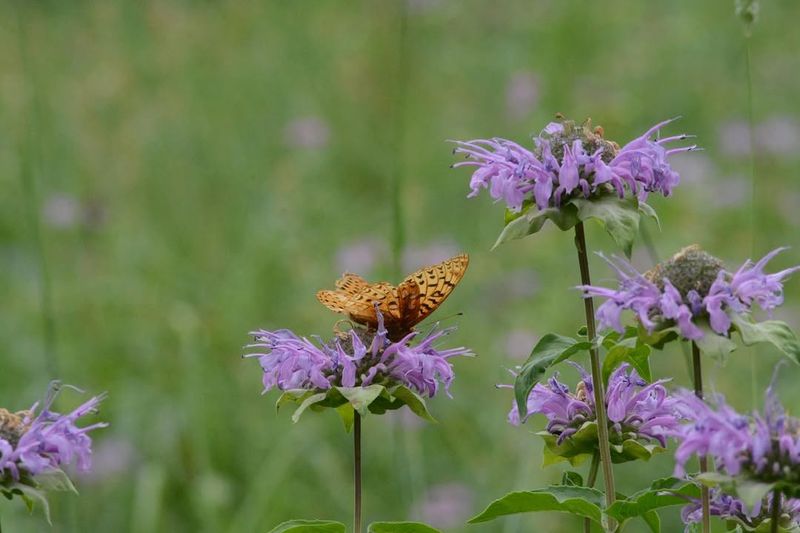
Wild bergamot does not just show up in summer and disappear. From the moment its aromatic foliage emerges in spring through the sculptural seed heads that stand tall into winter, this plant earns its space in the garden across multiple seasons.
The gray-green leaves smell wonderfully minty when touched, adding a sensory layer that makes walking through the garden more enjoyable from the very start of the growing season.
Once the flowers fade in late summer, the round, bristly seed heads take center stage.
Goldfinches and other seed-eating birds actively forage on these heads through fall and into early winter, giving your garden continued wildlife value long after the last bloom has passed.
Leaving the seed heads standing rather than cutting them back in fall is one of the easiest things you can do to support birds during the colder months.
For companion planting, wild bergamot pairs beautifully with purple coneflower, black-eyed Susan, little bluestem grass, and native asters.
Together these plants create a layered, four-season display that supports insects and birds from April through December.
Space wild bergamot about 18 to 24 inches from companions to allow room to spread. Plant it in groups of three or more for the strongest visual impact and the greatest insect activity.
Starting from nursery transplants in spring gives you flowers in the very first season, making the wait for all that seasonal beauty refreshingly short.