8 Tips For Watering Tomato Plants In Illinois In June For A Better Harvest
One inconsistent week of watering and you are looking at cracked skins, blossom drop, and tomatoes that never quite deliver.
June in Illinois is not just warm. It is unpredictable. A heavy rain on Tuesday can trick you into thinking your plants are fine, while the soil two inches down stays bone dry.
Midwest humidity adds another layer of confusion. It feels wet outside, but your tomato roots do not care how the air feels. They care about the soil.
Get your watering routine dialed in this month and your plants will reward you. Skip the guesswork and your harvest will show it. Here is what actually works for Illinois tomatoes in June.
1. Water At The Base, Not The Leaves
Wet leaves are basically an open invitation for trouble. When water sits on tomato foliage, fungal diseases like early blight and septoria leaf spot move in fast, especially during warm, humid June weather in the Midwest.
Tomatoes are not the only ones affected. Once fungal spores take hold, they spread quickly to neighboring plants and can work through an entire bed in a matter of days. June humidity in Illinois makes the conditions almost perfect for that kind of outbreak.
The good news is that most of these problems are completely avoidable. Where and how you aim your water matters just as much as how much you use.
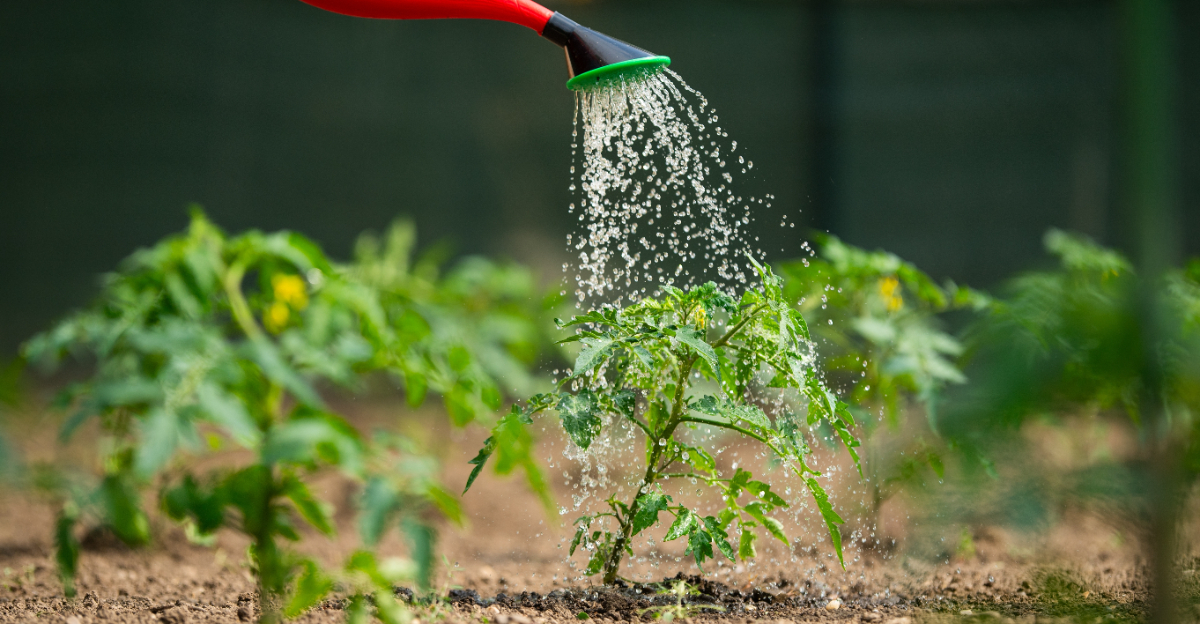
Keeping water at the base of the plant is one of the smartest habits you can build. A soaker hose or drip irrigation system makes this effortless, delivering moisture right where the roots can use it.
Hand watering works great too, as long as you aim low and keep the stream gentle. A watering wand with a long neck helps you reach the soil without splashing the lower leaves.
Splash from the ground can carry soil-borne pathogens up onto the plant, so a slow, steady pour beats a hard blast every time. Even a light mist on the leaves during hot afternoons can cause problems by evening.
Think of your tomato plant like a person wearing a rain jacket. You want the roots hydrated and the top half dry. Focused, low watering leads to stronger stems, cleaner foliage, and a much better shot at a full, healthy harvest this season.
2. Water In The Morning For Best Results
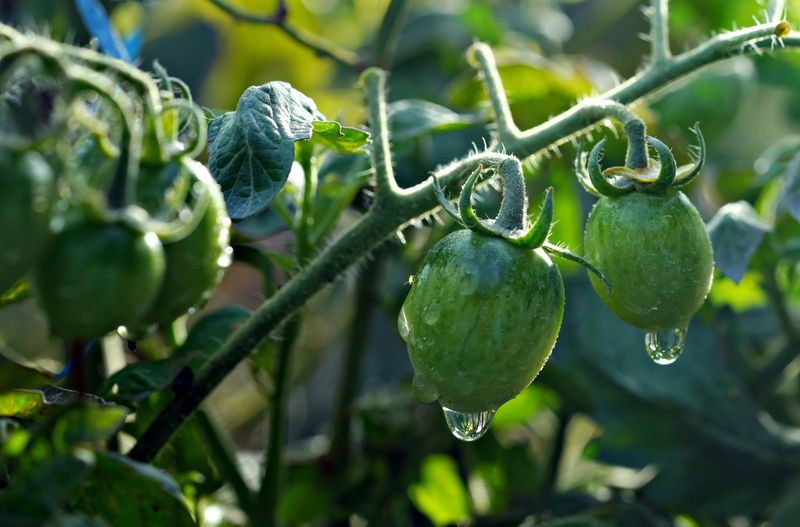
Image Credit: © hartono subagio / Pexels
There is something almost magical about a garden at sunrise. The air is cool, the birds are loud, and your tomatoes are ready to soak up every drop you give them before the heat kicks in.
Morning watering gives roots hours to absorb moisture before afternoon temperatures peak. Any water that splashes onto leaves has plenty of time to evaporate, which keeps fungal problems at bay.
Not everyone can get outside by 7 in the morning, and that is completely fine. A basic hose timer costs very little and does the work for you while you are still drinking your coffee.
Evening watering is tempting after a long day, but it leaves the soil and foliage damp overnight. That combination of warmth and moisture is exactly what mold and mildew need to spread across your plants.
Your Illinois Garden Changes Every Week. Your Plan Should Too.
Gardening in Illinois changes quickly throughout the season. Every Friday you’ll receive a simple weekly plan showing exactly what to plant, prune, fertilize, harvest, and protect so you never miss the right timing.
Afternoon watering is not ideal either. High heat causes water to evaporate before roots can absorb it, and cold water hitting sun-warmed soil can stress the plant more than help it.
Most university extension programs recommend morning as the best window for garden watering, especially for fruiting plants like tomatoes. Aim for somewhere between 6 and 10 in the morning for the sweet spot.
Setting a simple timer on your hose bib or drip system means you never have to think about it again. Your plants get consistent hydration, you get more sleep, and the whole garden runs smoother.
Mornings set the tone for the entire day, and for your tomatoes, that early drink makes all the difference come harvest time.
3. Give Your Tomatoes About An Inch Of Water Per Week
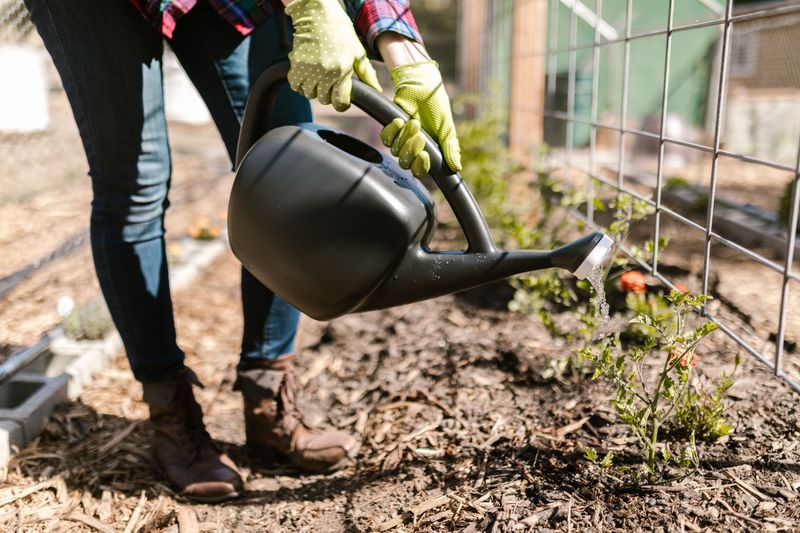
One inch per week sounds simple, but most gardeners have no idea how much water that actually is. Picture filling a tuna can placed right next to your tomato plant. When it is full, you have hit roughly one inch.
Watering tomato plants in Illinois in June means accounting for whatever rainfall already fell that week. If you got half an inch of rain on Tuesday, you only need to add another half inch from the hose.
A cheap rain gauge stuck in the garden bed takes all the guesswork out of the equation. You check it after a storm, do the math, and water accordingly. No more overdoing it or leaving plants thirsty.
Inconsistent moisture is one of the top causes of blossom end rot, a frustrating condition where the bottom of the tomato turns black and leathery. Keeping that steady one inch per week schedule prevents the calcium uptake issues that cause it.
Container-grown tomatoes often need more than their in-ground cousins because pots dry out faster in summer heat. Check those daily and bump up the amount if the soil feels dry more than an inch down.
Consistency is the real secret weapon for a big, beautiful tomato harvest.
4. Check The Soil Before You Water
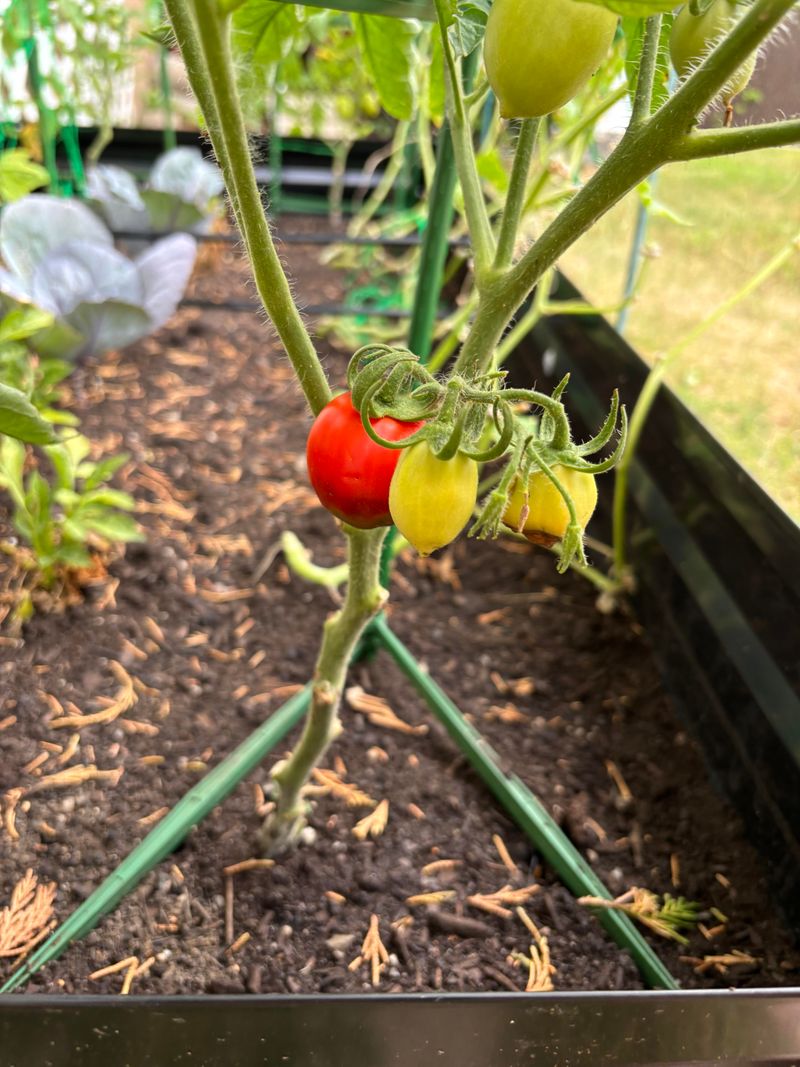
Your finger is one of the best gardening tools you own. Before reaching for the hose, push your index finger about an inch into the soil near the base of your tomato plant and feel what is there.
Moist soil that sticks together slightly means the plant is fine and does not need water yet. Dry, crumbly soil that falls apart means it is time to water. Soggy, clumping soil means you should hold off entirely.
Overwatering is actually more common than underwatering in home gardens, and tomatoes suffer just as much from too much water as too little. Roots sitting in waterlogged soil cannot absorb oxygen, which stunts growth and invites root rot.
June weather in the Midwest can swing wildly from a cool, rainy week to a hot, dry stretch in just a few days. Checking the soil each morning takes about five seconds and keeps you from watering on autopilot when the ground is already saturated.
A moisture meter is another handy option if you prefer a more precise reading. They cost around ten dollars at most garden centers and give you an instant number without guessing.
Trust the soil, not just the calendar, and your tomatoes will reward that attention with stronger roots and bigger yields.
5. Water Deeply And Less Often
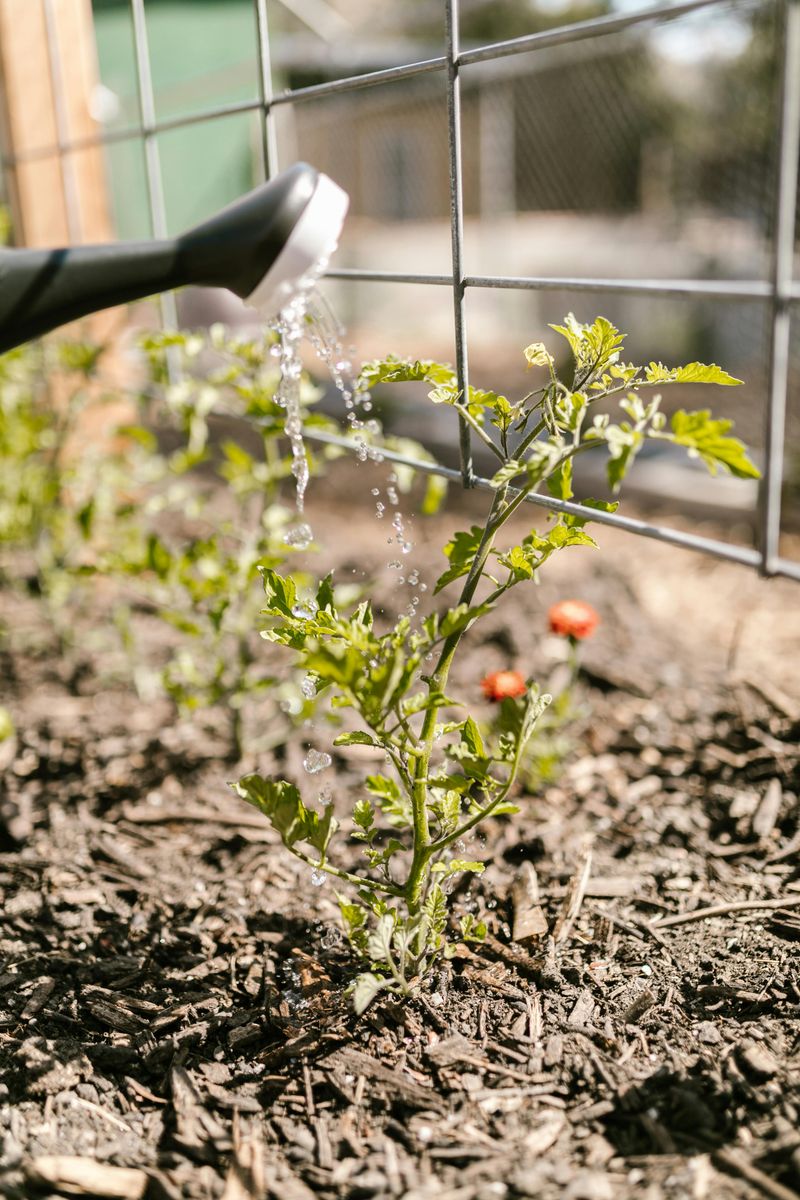
Shallow watering creates shallow roots, and shallow-rooted tomatoes are fragile plants. A quick sprinkle every day might look generous, but it only wets the top inch of soil and trains roots to stay near the surface.
Deep, less frequent watering encourages roots to chase moisture downward, sometimes reaching well over a foot below the surface. Those deep roots anchor the plant firmly and tap into cooler, more stable soil moisture during heat waves.
Aim to water slowly and thoroughly, letting the water soak in rather than run off. In most cases, a slow trickle from a soaker hose does far more good than a quick blast from a sprinkler.
Watering deeply two or three times per week is a much better rhythm than daily light watering. Your plants build resilience, your water bill shrinks, and you spend less time standing in the garden holding a hose.
Think of it like strength training for your tomato plants. Each deep watering session pushes roots a little further down, building a stronger, more drought-resistant foundation.
By mid-July, when temperatures really climb, those deep roots will keep your plants thriving while shallowly watered neighbors start to struggle and wilt.
6. Use Mulch To Hold Moisture In The Soil
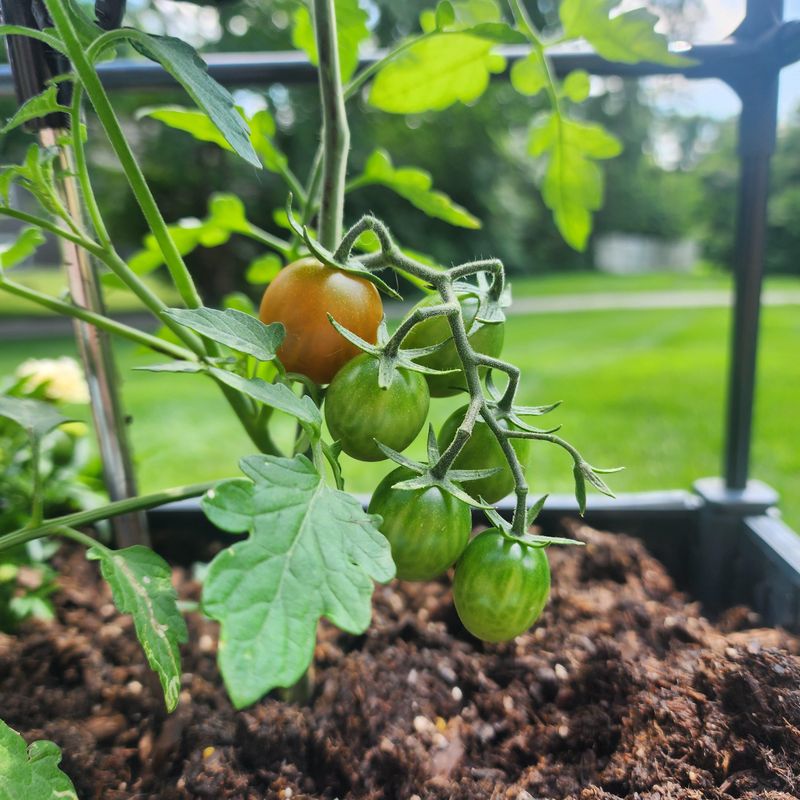
Bare soil bakes fast under a June sun, and every hour without cover means lost moisture your tomatoes desperately need. A good layer of mulch around the base of each plant acts like a blanket, keeping the ground cool and damp beneath it.
Straw, shredded leaves, wood chips, and even grass clippings all work well as mulch in a tomato garden. Spread a layer about two to three inches thick, keeping it a few inches away from the main stem to prevent rot.
Mulch does more than retain moisture. It also suppresses weeds that would otherwise compete with your tomatoes for water and nutrients. Fewer weeds means less work and more resources going directly to the plants you actually want to grow.
On a hot June afternoon, mulched soil stays noticeably cooler than bare soil exposed to direct sun. That temperature difference matters enormously for root health and water absorption. Roots under cool, moist mulch stay active and efficient all day long.
Adding mulch is a one-time task that pays dividends for the entire growing season. Lay it down early in June and refresh it if it thins out by mid-summer.
Paired with deep, consistent watering, mulch makes a real difference in how your tomato bed handles summer heat. It is one of the simplest things you can do to keep moisture where your plants actually need it.
7. Adjust Your Watering When Temperatures Spike
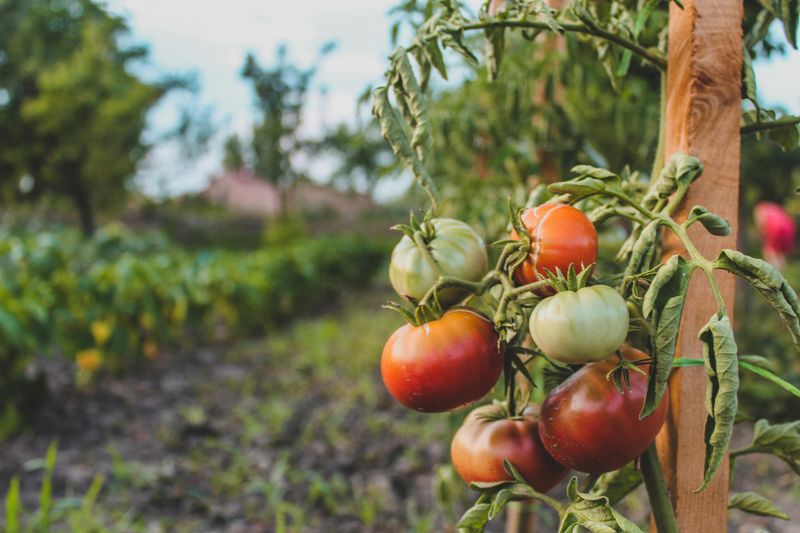
Illinois summers can push past 90 degrees without much warning. When that happens, your usual watering routine is not enough.
Heat pulls moisture out of the soil faster than you might expect. Your tomatoes can run short on water even if you watered just the day before.
During a heat spike, check the soil more frequently, ideally morning and evening. If the top inch feels dry by midday, give the plants a supplemental drink even if you already watered that morning.
Avoid watering during the hottest part of the afternoon, roughly between noon and 4 p.m. Water applied then evaporates quickly from the soil surface before roots can absorb much of it, making the effort less effective.
Container tomatoes are especially vulnerable during heat waves because the pots heat up quickly and dry out within hours. Move them to a spot with afternoon shade if possible, and water them twice daily when temperatures stay above 90.
Heat stress shows up fast in tomatoes. Flowers drop before they can set fruit and the damage is done before you even notice.
Keeping moisture steady during a spike is how you protect what your plant has already worked for. A few extra minutes of attention during a heat wave can save weeks of growing effort.
8. Watch For Signs Your Tomatoes Need More Water
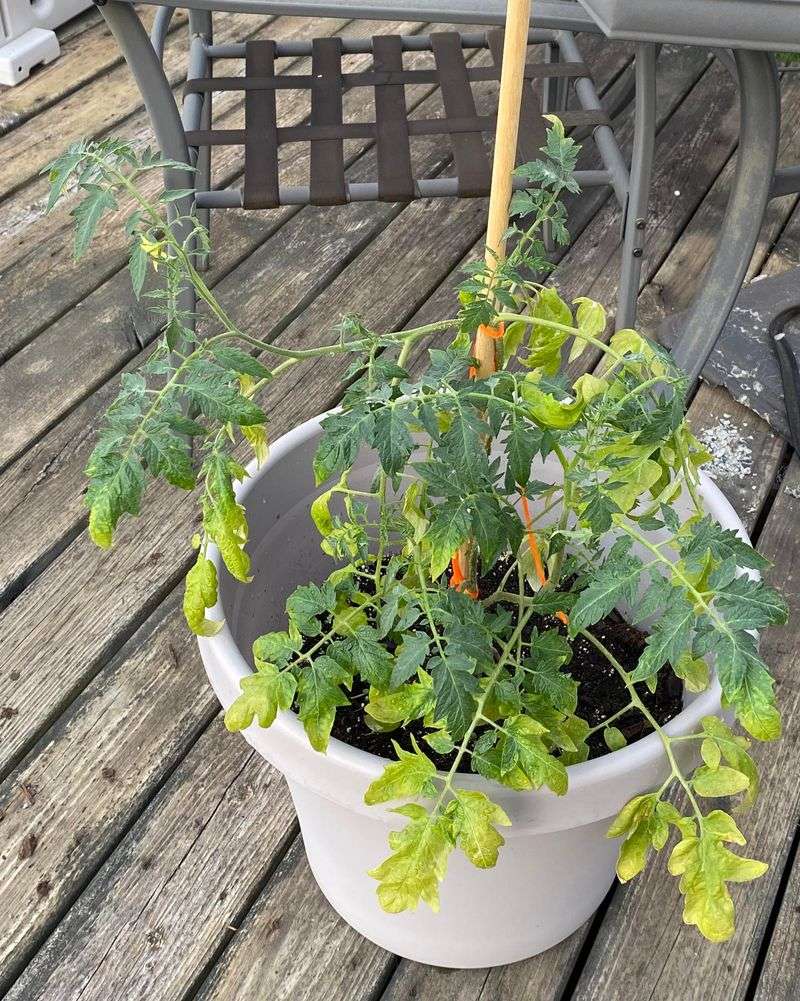
Your tomato plants are constantly communicating, and once you know what to look for, the signals are surprisingly clear. Catching early signs of water stress saves the plant before serious damage sets in.
Wilting is the most obvious sign, but timing matters when reading it correctly. Plants that wilt in the afternoon heat and bounce back by evening are usually fine. Plants still drooping in the cool of the morning are genuinely thirsty and need water right away.
Curling leaves that roll inward along their edges are another early warning. The plant does this to reduce the surface area exposed to sun, which slows moisture loss.
It is a survival response, not a permanent condition, and a good deep watering usually resolves it within hours. Yellowing lower leaves can signal both overwatering and underwatering, so always check the soil before making adjustments.
Dry soil plus yellow leaves equals more water needed. Soggy soil plus yellow leaves means you need to ease up and let things drain.
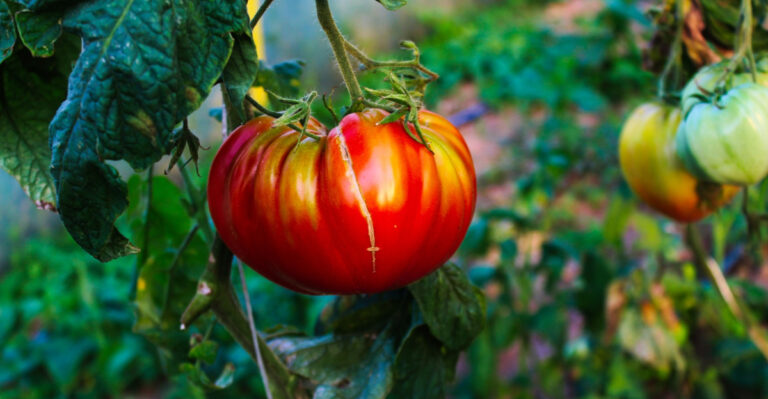
Fruit cracking happens when moisture levels swing too far in either direction. A dry stretch followed by a heavy rain or an overdue watering is all it takes.
The skin splits because the inside of the tomato grows faster than the outside can handle. Consistent watering breaks that cycle before it starts in most cases.
Stay observant, stay consistent, and your plants will stay productive all season long.