8 Marigold Care Mistakes Indiana Gardeners Should Know About
What if your marigolds are failing because of something you do every single week?
You watched a full season of blooms shrink into something embarrassing.
The worst part is you tended that bed with genuine care, and it still fell apart. All that effort, and the garden still let you down without leaving a single clue why.
Not the weather. Not the soil. You. Indiana summers are brutal on plants that get too much love in the wrong places.
You water a little extra on hot days. You grab the fertilizer bag because the blooms look thin.
You plant early because the weather feels warm enough. Each decision feels reasonable.
Each one quietly chips away at what could have been a spectacular season. Indiana’s clay-heavy soil punishes overwatering fast.
Its humid stretches turn poor air circulation into a fungal nightmare overnight. Its unpredictable cold snaps laugh at optimistic planting schedules.
The mistakes are never obvious in the moment. They only show up later, when the blooms thin out and the stems go limp.
Once you see what has been working against you, everything about how you garden starts to shift.
1. Overwatering And Letting Roots Sit In Wet Soil

Soggy roots are a quiet but costly setback. Marigolds are tough, sun-loving flowers that actually prefer to dry out a little between watering sessions.
When roots sit in wet soil for too long, they struggle to absorb oxygen, and the whole plant gradually loses its ability to thrive.
Many Indiana gardeners water on a fixed schedule, regardless of what the soil actually needs.
Before you reach for the hose, push your finger about an inch into the soil near the base of the plant. If it still feels damp, step away and check again tomorrow.
Clay-heavy soils, which are common across much of the state, hold moisture much longer than sandy or loamy ground.
That means your marigolds could be sitting in wet conditions for days after a rainstorm without you realizing it.
Amending your soil with compost or coarse sand can improve drainage significantly. Raised beds are another smart option for areas where standing water is a recurring problem.
Elevating your planting area even a few inches can completely change how water moves through the soil.
Your marigolds will respond with stronger stems and more vibrant blooms.
Container growers should always make sure their pots have drainage holes at the bottom. Water should flow freely out of the container within a minute or two of watering.
If it pools on the surface or drains slowly, your potting mix may need to be replaced or refreshed with a grittier blend.
2. Not Providing Enough Direct Sunlight
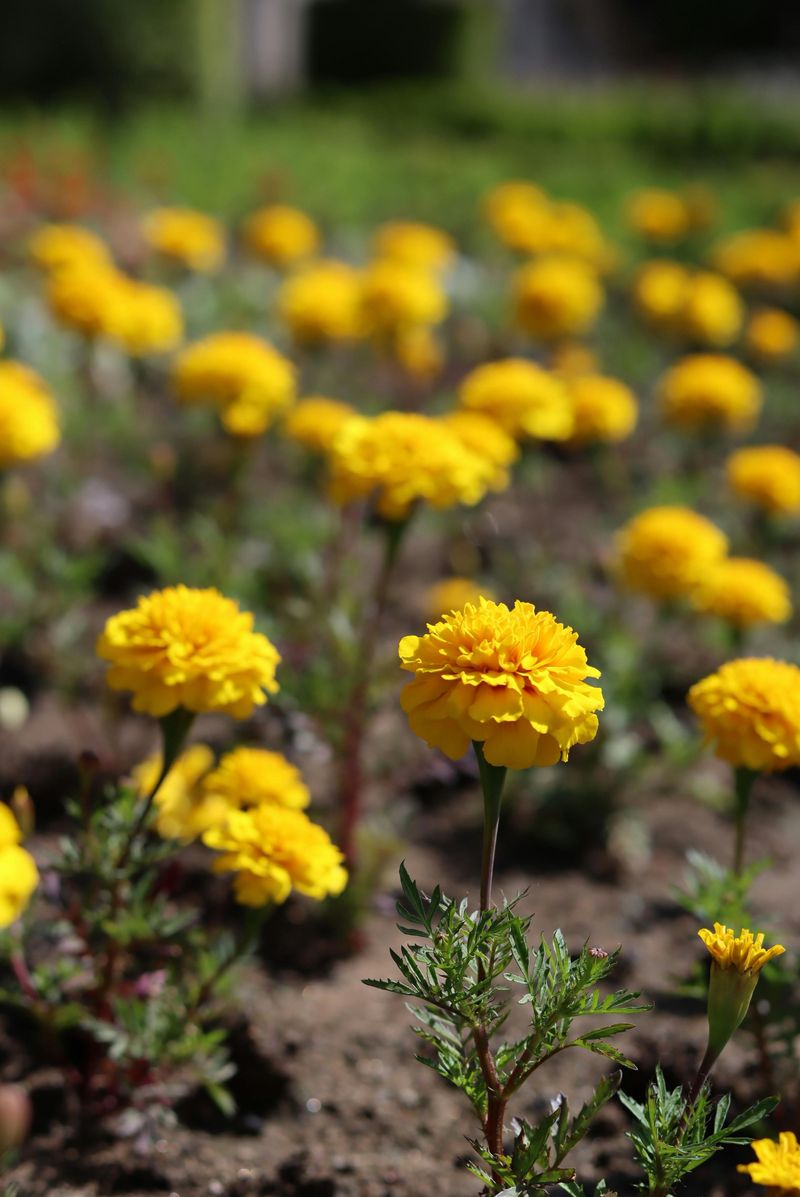
Marigolds are sun-loving plants, plain and simple. These flowers evolved in open, sunny environments and need a minimum of six hours of direct sunlight every single day to perform their best.
Shade is one of the fastest ways to turn a promising plant into a leggy, underwhelming one. Gardeners sometimes tuck marigolds under trees or along shaded fence lines thinking the bright color will liven up a dark spot.
Your Indiana Garden Changes Every Week. Your Plan Should Too.
Gardening in Indiana changes quickly throughout the season. Every Friday you’ll receive a simple weekly plan showing exactly what to plant, prune, fertilize, harvest, and protect so you never miss the right timing.
Unfortunately, that approach almost always backfires. Without strong sunlight, the plants stretch upward searching for light, producing tall, weak stems and very few flowers.
Before planting, spend a day observing your yard and tracking where the sun actually falls. Areas that seem sunny in the morning can end up in deep shade by afternoon due to nearby structures or large shrubs.
Six hours of full, unobstructed sun is the target, and more is even better for marigolds. Indiana summers offer plenty of sunshine, but placement still matters enormously.
South-facing beds and open garden areas away from tall fences tend to be the most reliable spots.
Once you find that sun-soaked location, your marigolds will reward you with thick, bushy growth and consistent color.
If you have already planted in a low-light area and the plants are struggling, consider transplanting them early in the season before the heat sets in.
Morning moves with generous watering afterward give transplants the best chance of bouncing back. The right spot makes all the difference between surviving and genuinely thriving.
3. Planting In Poor Or Badly Draining Soil

Your soil is the foundation everything else is built on. Even with perfect watering habits and full sun, marigolds planted in compacted or nutrient-poor soil will underperform season after season.
The roots simply cannot expand, breathe, or feed properly when the ground is too dense or depleted.
Clay soil is incredibly common across Indiana, especially in central and northern parts of the state.
While clay holds nutrients well, it also compacts tightly and drains poorly, creating a tough environment for shallow-rooted flowers like marigolds.
Breaking up that compaction before planting is one of the most valuable things you can do. Two to three inches of compost worked into the soil dramatically improves both drainage and nutrients.
Compost introduces beneficial microbes, improves drainage, and gives roots something loose and rich to grow into.
You will notice a real difference in how quickly your transplants establish themselves.
Perlite is another excellent amendment to mix into heavy soils.
Those tiny white volcanic granules create air pockets that keep water moving through the ground instead of pooling around roots.
A ratio of about one part perlite to four parts garden soil works well for most marigold planting situations. Testing your soil pH is also worth doing before the season begins.
Marigolds prefer a slightly acidic to neutral range, around 6.0 to 7.0 on the pH scale. A basic garden center test kit tells you precisely where your soil stands and what it needs.
4. Planting Too Close Together

Crowded plants are stressed plants. When marigolds are packed too tightly together, they compete fiercely for water, nutrients, and light, and none of them win that battle cleanly.
The result is a bed full of thin, weak stems, fewer blooms, and a much higher risk of fungal problems spreading quickly.
A common mistake is following the spacing listed on the seed packet without accounting for how large the specific variety actually grows.
Dwarf marigolds can get away with about six inches of spacing, but larger French and African varieties need ten to fifteen inches between plants.
Giving each plant room to breathe is about plant health, not just appearance. Humidity is already a factor in Indiana summers, and crowded foliage traps even more moisture around leaves and stems.
That warm, damp microclimate is exactly what powdery mildew and botrytis love. Proper spacing allows air to circulate freely, keeping foliage drier and less inviting to fungal issues.
When thinning seedlings or transplanting starts, it can feel almost painful to remove healthy-looking plants. Removing the extras early gives every remaining plant a genuinely stronger start.
Wider spacing also makes routine maintenance like removing and pest inspection much easier.
You can get in between plants without damaging stems and spot early warning signs before they spread. A little extra space now saves a lot of frustration later in the season.
5. Leaving Spent Blooms On The Plant

Brown, papery blooms left on the plant are more than just an eyesore. Spent flowers left on the plant shift its energy away from new blooms and toward seed formation.
That single shift can noticeably reduce the number of flowers you see for the rest of the season.
Removing, the practice of removing finished blooms, is one of the easiest and most rewarding garden tasks you can do.
All it takes is pinching or snipping the spent flower head just below the base of the bloom, above the next set of healthy leaves.
Doing this every few days keeps the plant focused on flowering rather than reproduction. The more you pick, the more they bloom, and that effect becomes more noticeable as the season progresses.
A plant that gets consistent attention through the heart of summer has a much better chance of flowering strong late into the season.
For gardeners who find removing tedious, setting a twice-weekly reminder makes it feel like less of a chore. Spend just five minutes walking through your beds, and the difference over a full season is remarkable.
It is a small habit with an outsized payoff. Leaving a few spent blooms at the very end of summer is actually a smart move if you want to collect seeds for next year.
Allow those last flowers to fully dry on the plant, then harvest the seeds and store them in a cool, dry place. You will have free marigolds ready to go come spring planting time.
6. Planting Before The Last Frost Has Passed
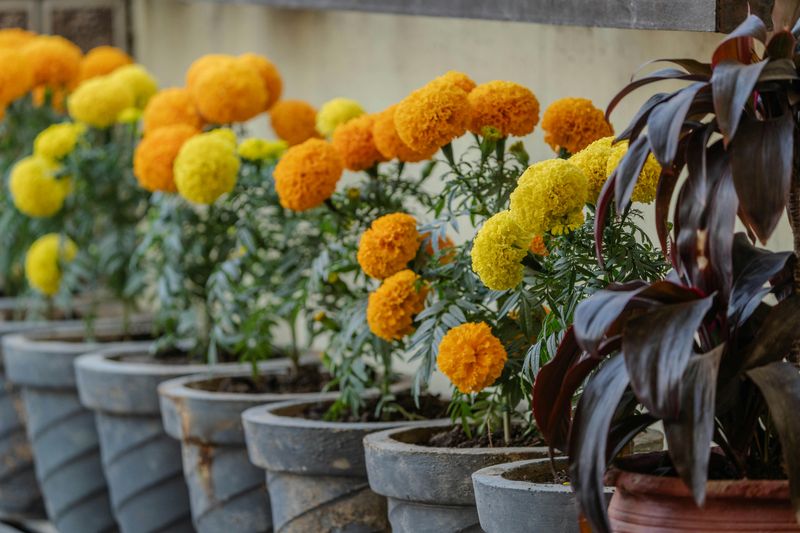
Frost and marigolds do not mix. These warm-season flowers are tropical in origin and have very little tolerance for freezing temperatures.
Even a light frost can set back young transplants and slow their early development. Getting impatient in spring is one of the most common and costly marigold mistakes Indiana gardeners make.
The average last frost date across much of Indiana falls somewhere between mid-April and early May, depending on your specific location.
Northern parts of the state tend to see frost later into spring than southern counties. Checking your local extension service or a frost date tool online gives you a precise target for your zip code.
Even after the official last frost date passes, a surprise cold snap can still roll through in spring. Watching the ten-day forecast leading up to your planned planting day is always a smart move.
If overnight lows are regularly dipping below 40 degrees, holding off another week is worth the patience.
Starting seeds indoors about six to eight weeks before your target outdoor planting date is a great way to get a head start without risking your plants to cold weather.
Hardening off seedlings over seven to ten days prepares them for outdoor conditions without shocking the roots.
Skipping this process is almost as damaging as planting too early. Healthy, frost-free transplants establish quickly once the soil warms up and plant after frost danger passes and soil has warmed.
That warm soil temperature triggers strong root development and rapid early growth. Patience in spring almost always pays off with a more vigorous, bloom-heavy plant later in the season.
7. Ignoring Pests Like Spider Mites And Slugs

Tiny pests can cause serious damage across a whole bed before you even notice something is wrong.
Spider mites hide under leaves, leaving fine webbing and bronzed patches long before you notice them.
By the time the damage is visible from a standing position, the infestation may already be significant.
Hot, dry stretches in an Indiana summer create ideal conditions for spider mites to multiply rapidly.
A quick fix is to spray plants with a strong stream of water from the hose, focusing on leaf undersides to physically knock the mites off.
Insecticidal soap or neem oil applied in the early morning works well since pollinators are less active at that hour, which reduces the risk of harm to beneficial insects.
Slugs prefer a completely different environment, thriving in cool, moist conditions and doing most of their damage at night.
They chew irregular holes in leaves and petals, leaving behind a telltale slime trail as their calling card.
Removing debris, mulch piles, and dense ground cover near your marigolds eliminates the hiding spots slugs rely on during daylight hours.
Diatomaceous earth sprinkled around the base of plants creates a rough barrier that slugs find extremely difficult to cross.
Reapply after rain since moisture reduces its effectiveness. Beer traps set at soil level are another well-known trick that works surprisingly well for catching slugs overnight.
Checking your marigolds at least twice a week during peak growing season keeps pest pressure manageable.
Early detection means early action, and that is always easier than trying to recover from a full-blown infestation.
A healthy, well-spaced plant is also naturally more resistant to pest damage in the first place.
8. Overfeeding With Nitrogen Fertilizer
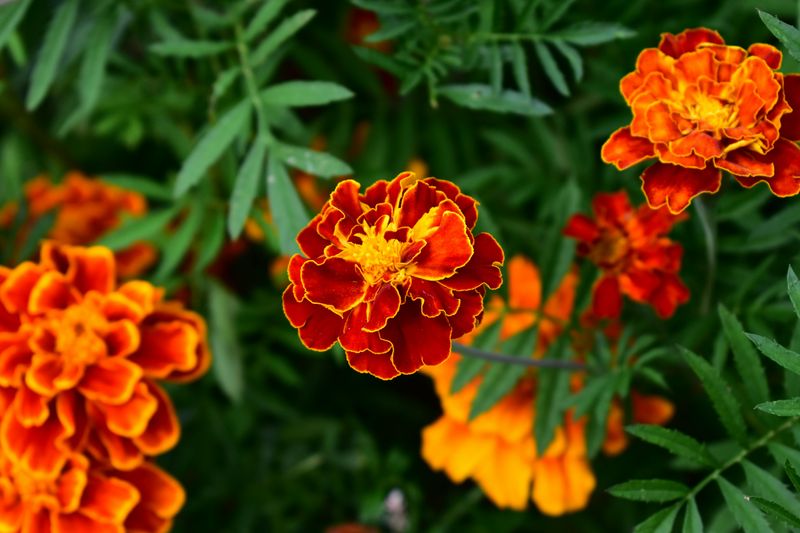
More fertilizer does not always mean more flowers. With marigolds, going heavy on nitrogen-rich fertilizer is one of the surest ways to end up with a lush green plant that barely blooms all summer.
Nitrogen pushes leafy, vegetative growth, which sounds good until you realize you planted marigolds for the flowers, not the foliage.
Many all-purpose granular fertilizers are loaded with nitrogen, often listed as the first number in the N-P-K ratio on the bag.
A fertilizer labeled 30-10-10 is extremely nitrogen-heavy and far from ideal for a flowering plant like marigolds.
Look instead for a bloom-boosting formula with a higher middle number, which represents phosphorus, the nutrient that encourages flower production.
Marigolds actually prefer lean soil conditions compared to many other garden plants. Soil amended with compost before planting may need no additional fertilizer at all during the season.
Overly rich soil combined with frequent feeding creates the exact lush-but-flowerless result that frustrates so many gardeners.
If you do choose to feed your marigolds, a light application of a balanced or phosphorus-forward fertilizer once a month is plenty.
Always water the plants before and after applying granular fertilizer to prevent root burn. More is not better here, restraint is the key to keeping a marigold focused on what it does best.
Gardeners who have been overfeeding all season can course-correct by stopping fertilizer applications and letting the plant shift back into flowering mode.
Within a few weeks of cutting back on nitrogen, new buds often appear as the plant refocuses its energy.
Sometimes the best thing you can do for your marigolds is simply get out of their way.