12 Reasons Your Zucchini Flowers Keep Falling Off Without Setting Fruit In Missouri
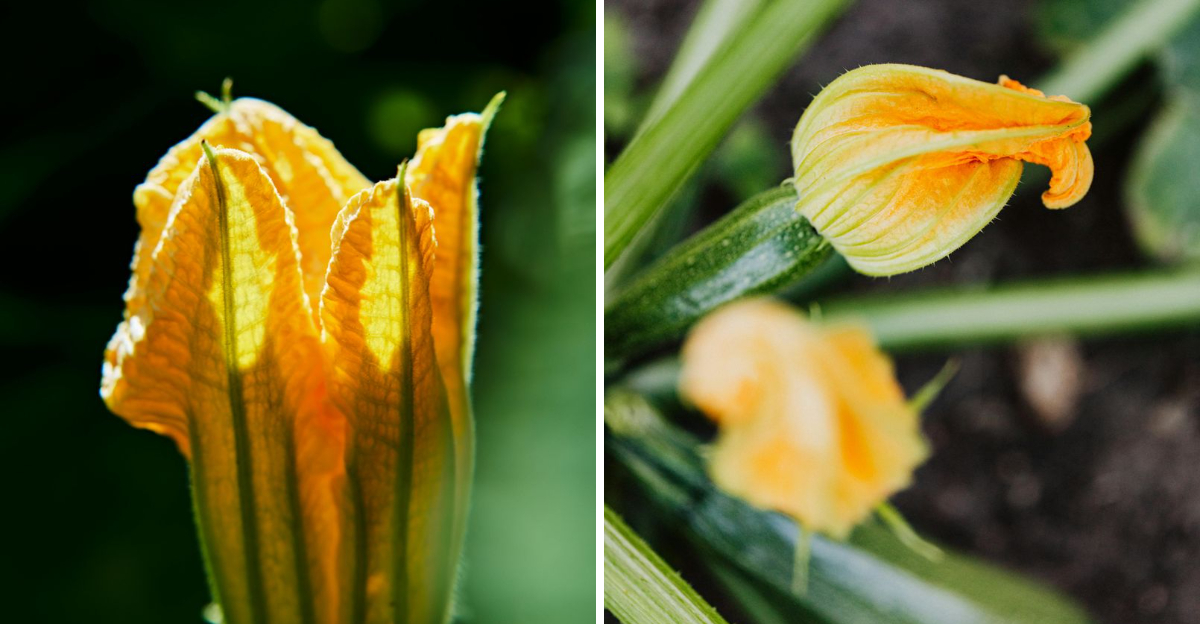
Zucchini flowers do not just fall off. They quit on you.
The vine looks full of promise, fat yellow blooms catching the Missouri sun, and by afternoon half of them are face-down in the dirt like they lost a fight.
I watched my first zucchini bed pull this trick day after day while the counter stayed bare and my patience wore thin.
What is actually happening inside that plant when it refuses to set fruit?
The answer sits at the crossroads of pollination timing, summer heat, soil habits, and tiny insects doing damage you cannot spot until the evidence piles up.
Missouri gardens are generous but unforgiving when conditions tip even slightly out of balance. Every dropped flower is a signal, not a sentence.
Crack that signal open and the fix is almost always closer than you expected. Your harvest has been waiting on you to pay attention.
1. Watering Inconsistently
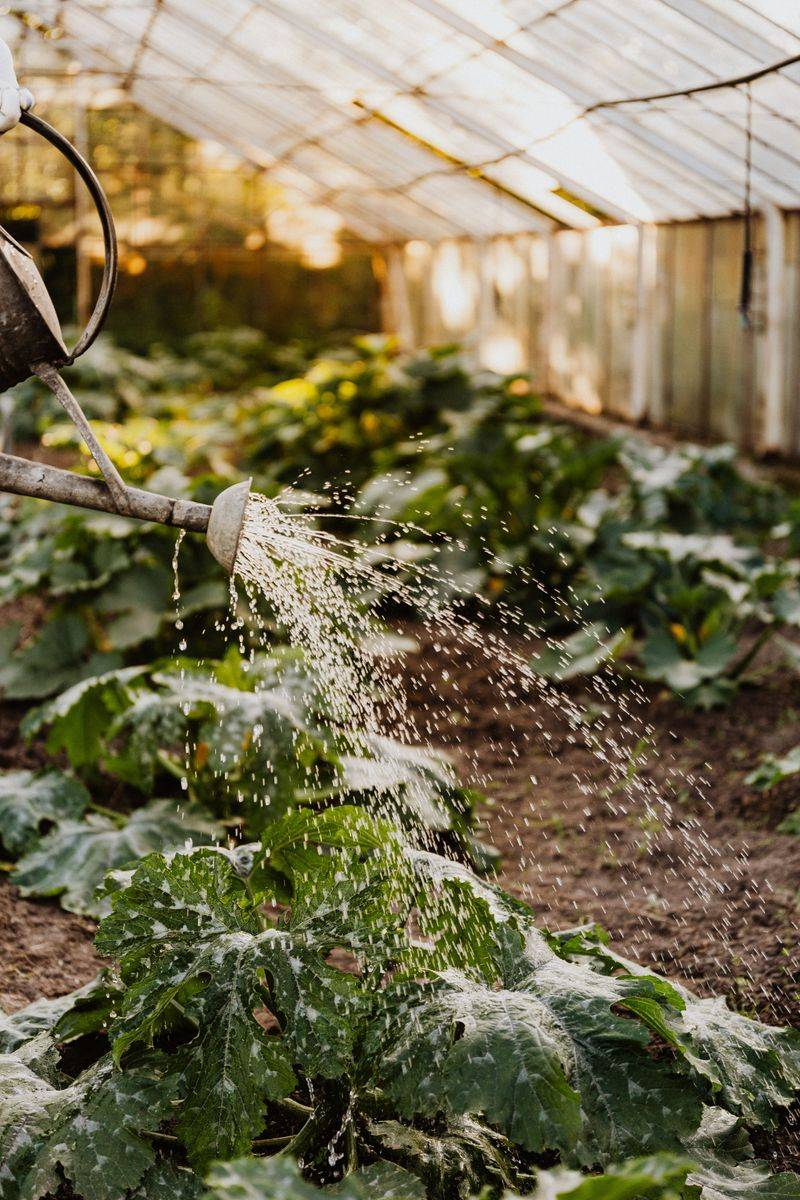
Plants have a memory for stress, and zucchini is no exception. When your watering schedule is all over the place, going days without water and then flooding the soil, your zucchini plant goes into survival mode.
In that state, it drops flowers to conserve resources instead of pushing energy into fruit development.
Zucchini flowers falling off is one of the first warning signs that your plant is struggling with moisture swings.
Missouri weather can make consistent watering tricky because you might get a heavy rainstorm one week and then ten days of dry heat the next.
Relying only on rainfall is usually not enough to keep moisture levels steady.
Setting up a simple drip irrigation system or using a soaker hose on a timer takes the guesswork out and keeps the soil evenly moist.
The goal is to water deeply about once or twice a week rather than giving light sprinkles every day.
Deep watering encourages roots to grow down where they can access more consistent moisture.
A two to three inch layer of mulch around the base of your plant also helps lock in moisture between watering sessions and keeps soil temperature more stable.
2. Overwatering And Waterlogging The Soil
Too much of a good thing can wreck your harvest just as fast as not enough. Overwatering creates a suffocating environment around the roots.
When soil stays waterlogged, roots cannot absorb oxygen properly, and the whole plant starts to shut down.
Dropping flowers is the plant’s way of telling you it is overwhelmed and cannot support fruit development right now.
Missouri clay-heavy soils are especially prone to holding water longer than sandy or loamy soils.
If you press your finger two inches into the soil and it still feels wet, hold off on watering.
Good drainage is just as important as regular moisture. Raised beds or amended soil with compost can make a huge difference in how water moves through.
A sour or unpleasant smell near the base of the stem can point to overwatering, though it may also indicate early fungal activity worth investigating separately.
Your Missouri Garden Changes Every Week. Your Plan Should Too.
Gardening in Missouri changes quickly throughout the season. Every Friday you’ll receive a simple weekly plan showing exactly what to plant, prune, fertilize, harvest, and protect so you never miss the right timing.
Other signs include yellowing lower leaves and soft or slimy stems.
If you spot those signs, ease up on watering immediately and check whether your garden bed drains properly after rain. Adding perlite or coarse sand to heavy soil improves drainage fast.
Once the roots can breathe again, your plant often bounces back and starts holding onto its flowers.
3. Fertilizing With Too Much Nitrogen
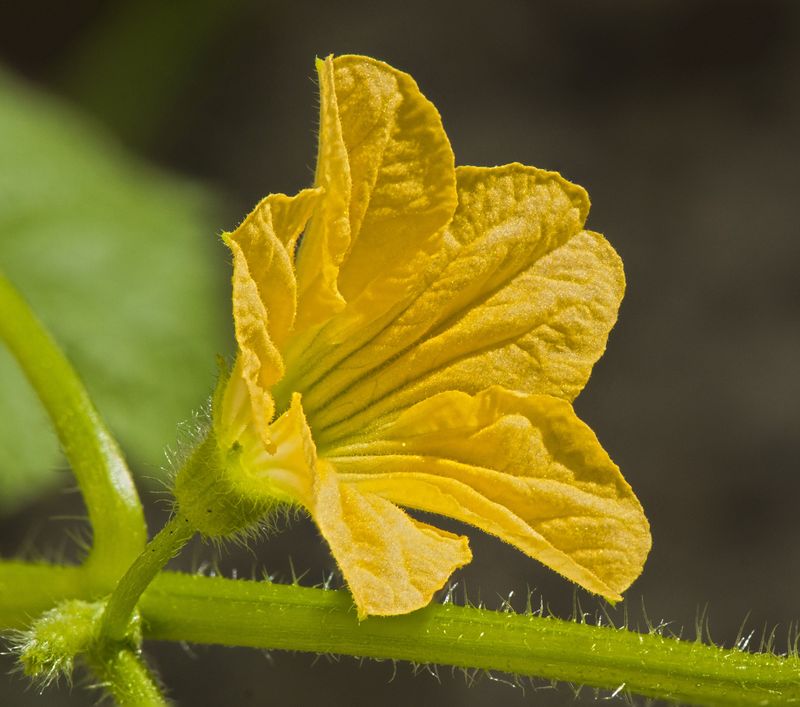
Lush, dark green leaves on your zucchini might look like a success story, but they can actually be a warning sign.
When plants get too much nitrogen, they put all their energy into growing big, beautiful foliage instead of producing flowers and fruit.
You end up with a plant that looks healthy on the outside but produces far less fruit than it should.
This is a surprisingly common reason why zucchini flowers keep falling off, especially for gardeners who fertilize heavily early in the season.
Nitrogen drives leafy green growth, and while it matters in the early stages, too much of it after the plant starts flowering throws the whole process off balance.
Once your zucchini begins to bloom, switch to a fertilizer lower in nitrogen and higher in phosphorus and potassium.
Those two nutrients support root strength and fruit development rather than leafy growth.
Before adding any fertilizer, getting a basic soil test is a smart move. Missouri’s University Extension offices offer affordable soil testing that tells you exactly what your garden needs.
Feeding your plant what it actually lacks, rather than guessing, saves money and prevents the kind of nutrient imbalance that sends flowers falling to the ground.
4. Planting In Not Enough Sunlight
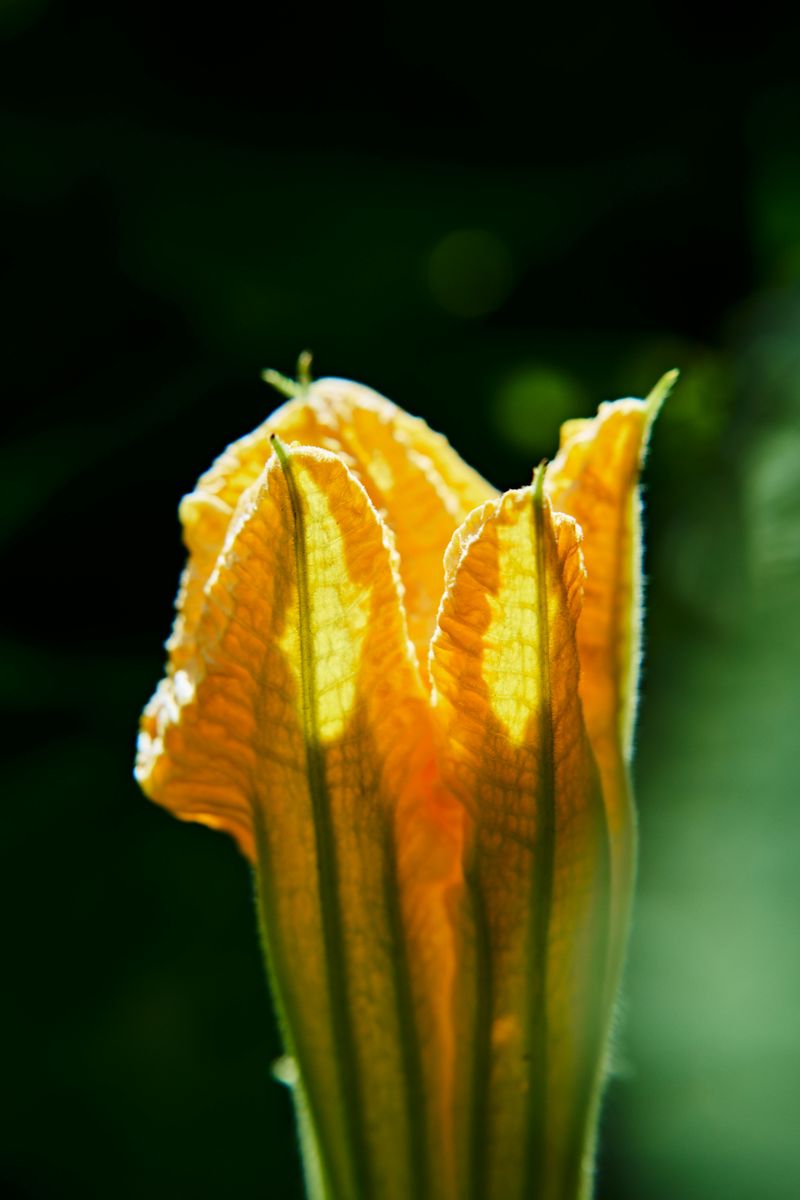
Shade is a silent saboteur in the vegetable garden. Zucchini needs at least six to eight hours of direct sunlight every single day to thrive.
When it does not get that, the plant puts most of its energy into surviving rather than producing fruit.
Flowers end up dropping off because the plant simply does not have enough fuel to carry them through to fruiting.
A lot of Missouri backyards have mature trees that cast more shade than homeowners realize, especially as summer progresses and the canopy fills in.
What looked like a sunny spot in April can turn into a half-shaded area by June. Walking your yard at different times of day before planting helps you spot those sneaky shade patterns.
If your zucchini is already in a low-light spot, you have a few options. You can trim nearby branches to let more light through, or transplant younger seedlings to a sunnier location.
Containers are a great workaround because you can move them around to chase the sun.
Giving your plant full-sun exposure can make a dramatic difference in how many flowers actually stick around and turn into squash.
5. Planting Too Late In The Season
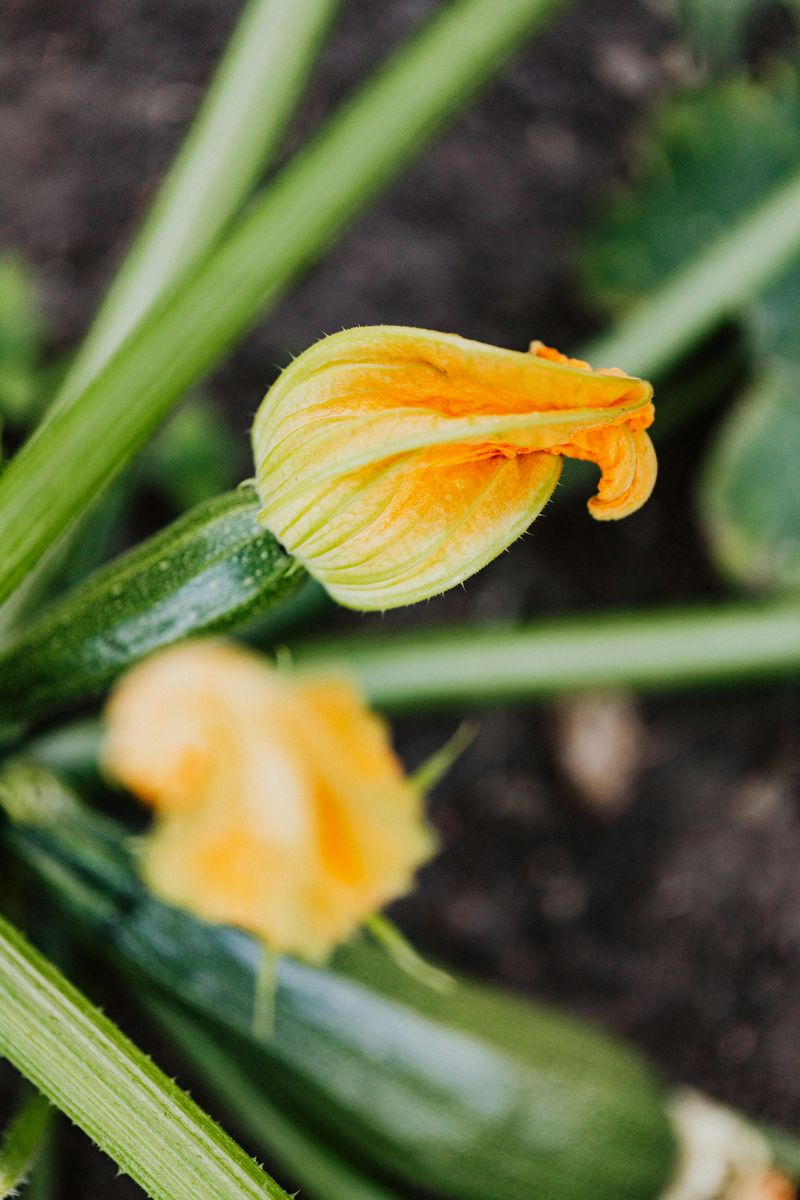
Timing is everything in the garden. Seed too late and your zucchini blooms straight into the Missouri summer at its worst.
Flowers that open during those scorching stretches have a much harder time developing into fruit. The whole system gets thrown off before it even gets started.
Most gardeners in the Midwest should aim to plant zucchini so that flowering happens before the worst summer heat kicks in.
A good target is to get seeds in the ground by late April or early May so plants are blooming in June.
That window gives flowers the cooler mornings and manageable temperatures they need to actually set fruit.
Zucchini flowers falling off becomes very likely when the plant is stressed by heat right at the moment it should be pollinating.
If you missed the early window this season, consider starting a second planting in late July for a fall harvest.
Missouri falls can be surprisingly kind to squash, and a late-season crop often performs better than a midsummer one.
6. Blooming Only Male Flowers First
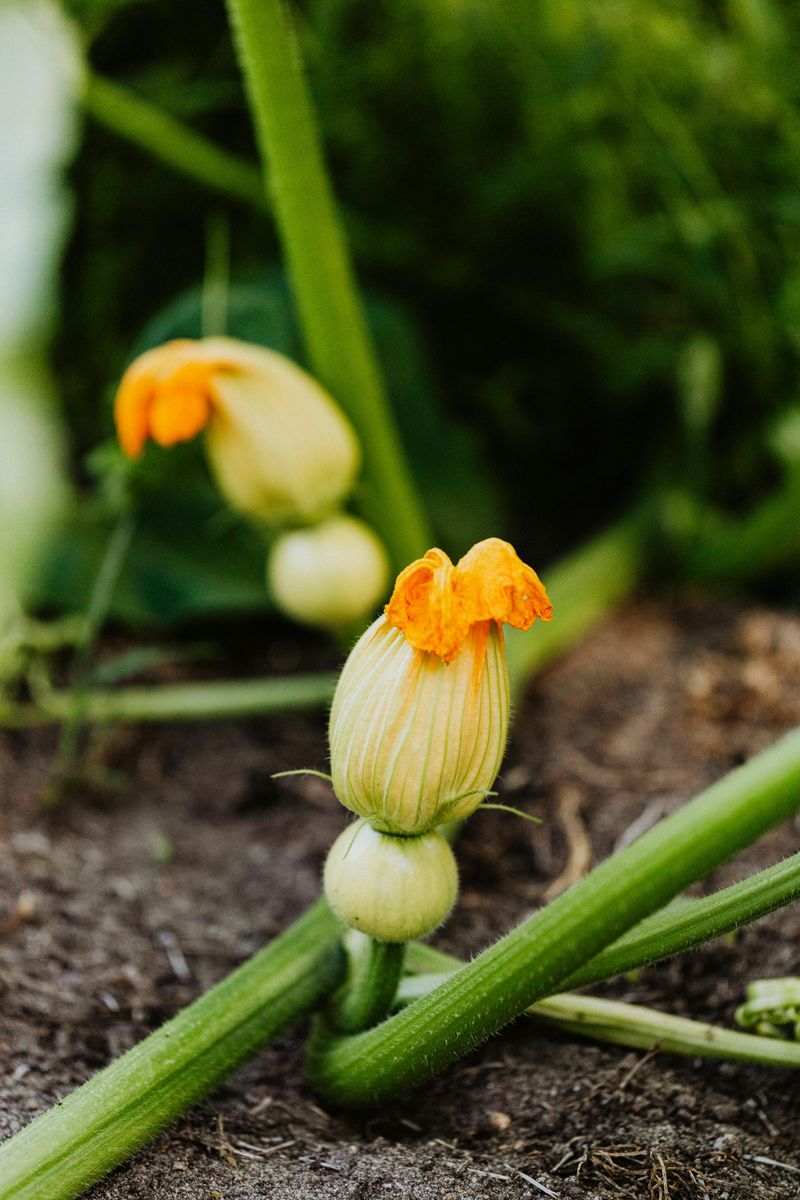
Your zucchini is not broken. It is just following a natural schedule you might not know about yet.
Almost every zucchini plant starts its flowering season by producing only male flowers for the first week or two. Male flowers have a thin, straight stem and no tiny fruit at their base.
They bloom, they fall off, and the gardener panics thinking something is terribly wrong. But this is completely normal plant behavior and not a sign of a bigger problem.
The plant produces male flowers first to attract pollinators and signal to the local bee population that there is food available.
Female flowers follow a little later, and by then the bees have hopefully found the plant and are ready to do their job.
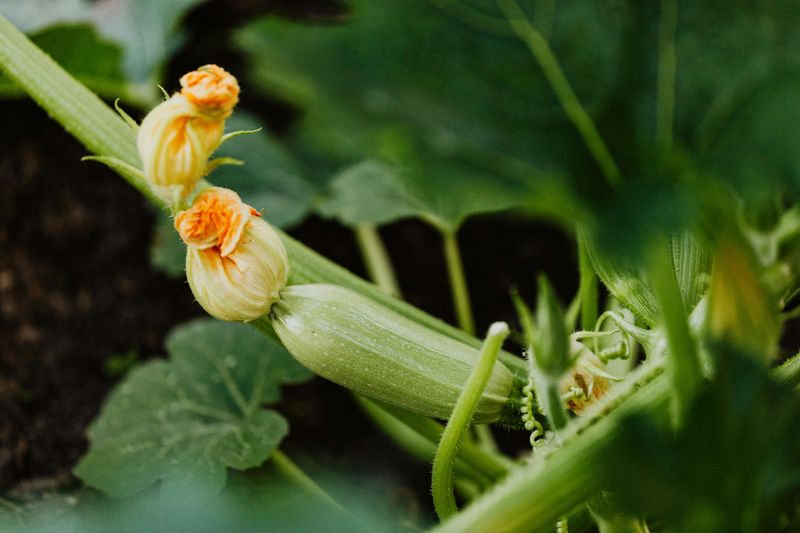
The female flowers are easy to spot because they have a small, swollen mini-zucchini at their base.
Give your plant a couple of weeks after those first male flowers appear and watch for the females to show up.
Once both types are blooming at the same time, fruit set usually happens quickly.
If you are seeing only males week after week with no females in sight, that is when it is worth investigating other possible causes.
7. Blooming Male And Female Flowers At Different Times
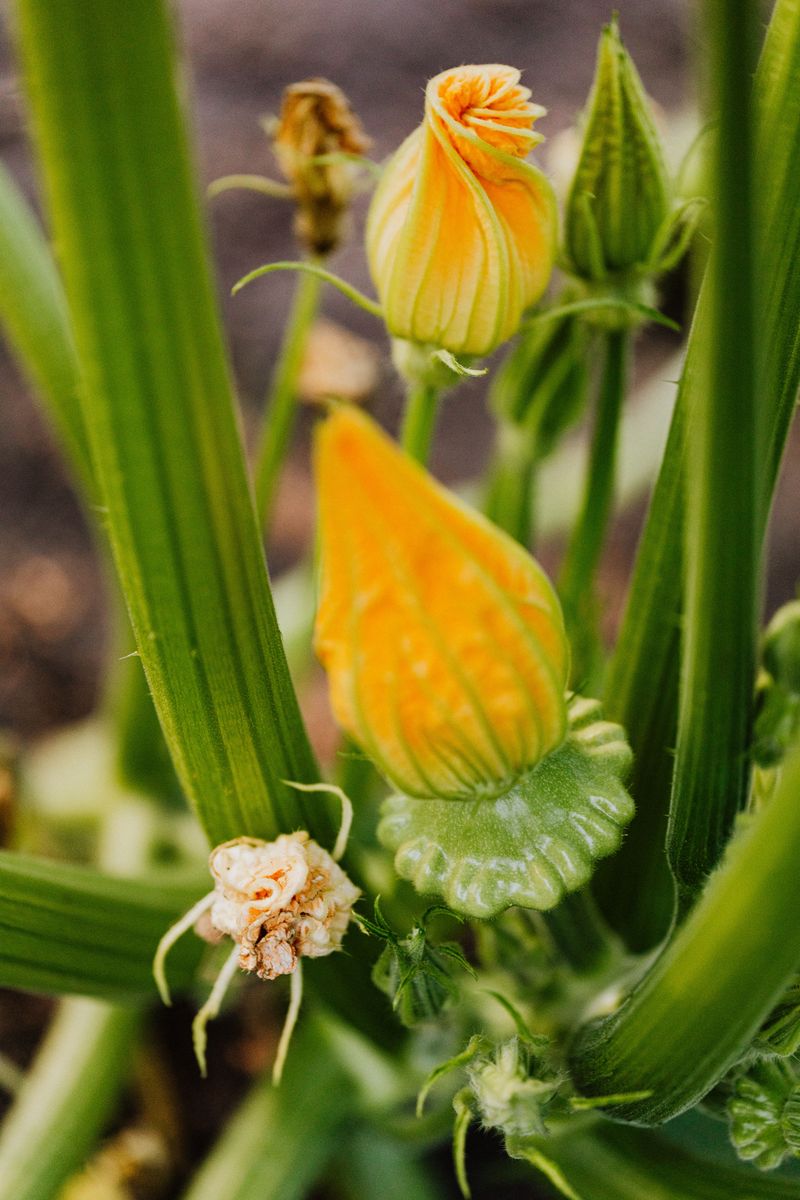
Male and female flowers rarely sync up perfectly, and that gap costs you fruit. Even when a plant produces both types of flowers, they do not always open at the same time.
A male flower might bloom and fade before the first female ever opens, meaning there is no viable pollen available when the female is ready.
Without that pollen transfer happening at the right moment, the female flower drops off unfertilized and nothing develops.
Heat stress, water inconsistency, and wide swings in day length can all cause this kind of timing mismatch.
Missouri summers, with their intense heat spikes, are well known for pushing plant cycles off track at the worst possible moment.
Keeping your plant as stress-free as possible through consistent care gives it the best shot at syncing up its flower production. Hand pollination is a reliable fix when timing is off.
Use a small paintbrush or cotton swab to collect pollen from an open male flower and transfer it directly to the center of an open female flower.
Early morning is the best time to do this, right after the flowers open. With a little help from you, the plant can set fruit even when nature’s timing is slightly out of sync.
8. Appearing With High Humidity Making Pollen Non-Viable
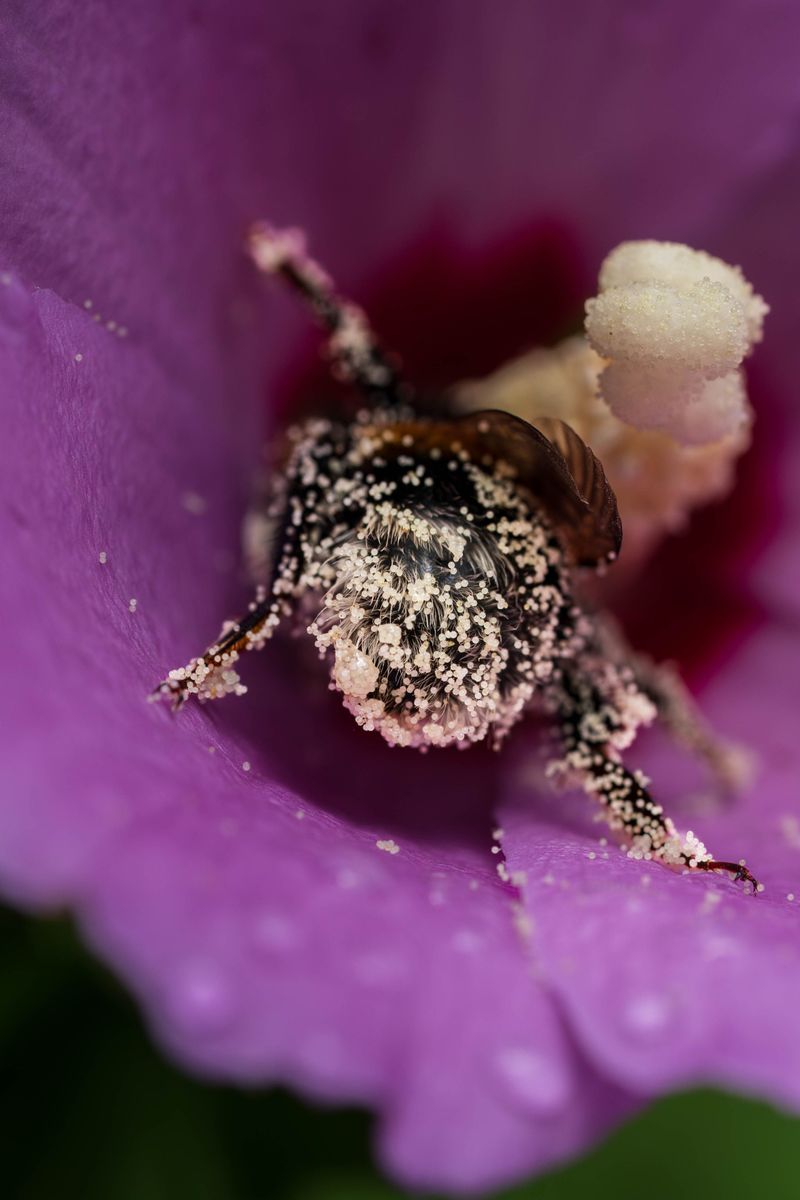
Missouri summers are famously muggy, and that thick humid air does more damage to your zucchini than most people realize.
Zucchini pollen is fragile. When humidity becomes too high, pollen grains can clump together, become sticky, and lose their ability to fertilize a female flower.
Bees might still visit the flowers, but they are essentially carrying useless pollen from bloom to bloom.
The result is female flowers that open, wait for viable pollen that never arrives, and then drop off.
The Ohio Valley and Mississippi River corridor regions of Missouri are especially prone to high humidity stretches during July and August.
On those heavy, soupy mornings when everything feels damp before 8 AM, your zucchini flowers are fighting an uphill battle.
There is not much you can do to control the weather, but you can work with it.
Hand pollinating early in the morning before humidity peaks gives your plant its best chance at fruit set on those sticky days. Choosing zucchini varieties bred for heat and humidity tolerance also helps.
Providing good airflow around your plants by spacing them properly and removing crowded foliage reduces the moisture that clings around flowers.
Small adjustments like these add up to real results when the summer air feels like a warm wet blanket.
9. Attracting Too Few Bees For Proper Pollination
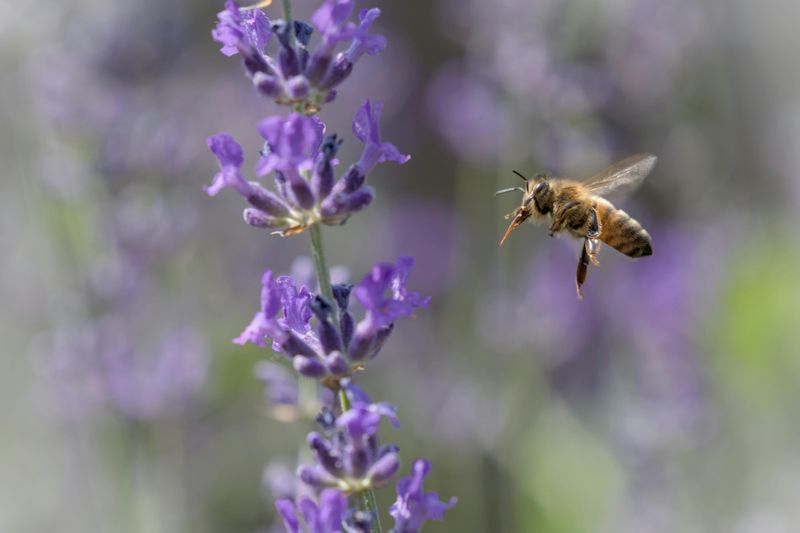
No consistent bee activity, no fruit. It is that straightforward.
Zucchini flowers need pollinators, primarily bumblebees and honeybees, to carry pollen from male flowers to female ones.
If your garden is not attracting enough bee activity, female flowers will open, wait, and then fall off without ever getting pollinated.
A garden that lacks flowering plants, uses pesticides, or sits far from natural habitat tends to see far fewer bee visitors than it needs.
Planting pollinator-friendly flowers nearby makes a measurable difference. Lavender, borage, marigolds, and native wildflowers all draw bees to the area and keep them coming back throughout the season.
Avoiding pesticide sprays during morning hours when bees are most active also protects the pollinators your zucchini depends on.
Even switching to organic pest control options can help preserve your local bee population. If your garden just does not get much bee traffic no matter what you try, hand pollination is your best backup plan.
It takes about two minutes per plant and dramatically increases your fruit set rate. A small brush, a male flower, a female flower.
Done. Think of it as being the bee yourself, and your zucchini will thank you with an armload of squash.
10. Suffering From Extreme Summer Heat Stress

At 95 degrees Fahrenheit, your zucchini has one quiet priority. Staying intact.
Missouri July and August regularly bring air temperatures above 95 degrees Fahrenheit, with heat index values climbing well above 100, and both put serious stress on flowering plants.
At those temperatures, pollen loses viability, flowers open and close faster than normal, and the plant diverts energy away from reproduction.
Female flowers that open during a heat wave rarely get properly pollinated, so they drop off within a day or two.
Providing afternoon shade during the hottest parts of summer can protect your plant without sacrificing morning sun.
A simple shade cloth suspended over the bed from about noon to four PM reduces leaf and soil temperature noticeably.
Deep watering in the early morning also helps the plant stay cooler through the afternoon by keeping roots hydrated before the heat peaks.
Mulching heavily around the base of the plant keeps soil temperatures from spiking and reduces the overall stress load on the root system.
Choosing heat-tolerant zucchini varieties like Black Beauty or Dunja gives your garden a built-in advantage.
When a cool front rolls through, healthy plants often bounce back fast and resume setting fruit almost immediately.
11. Experiencing Pest Damage To The Flowers
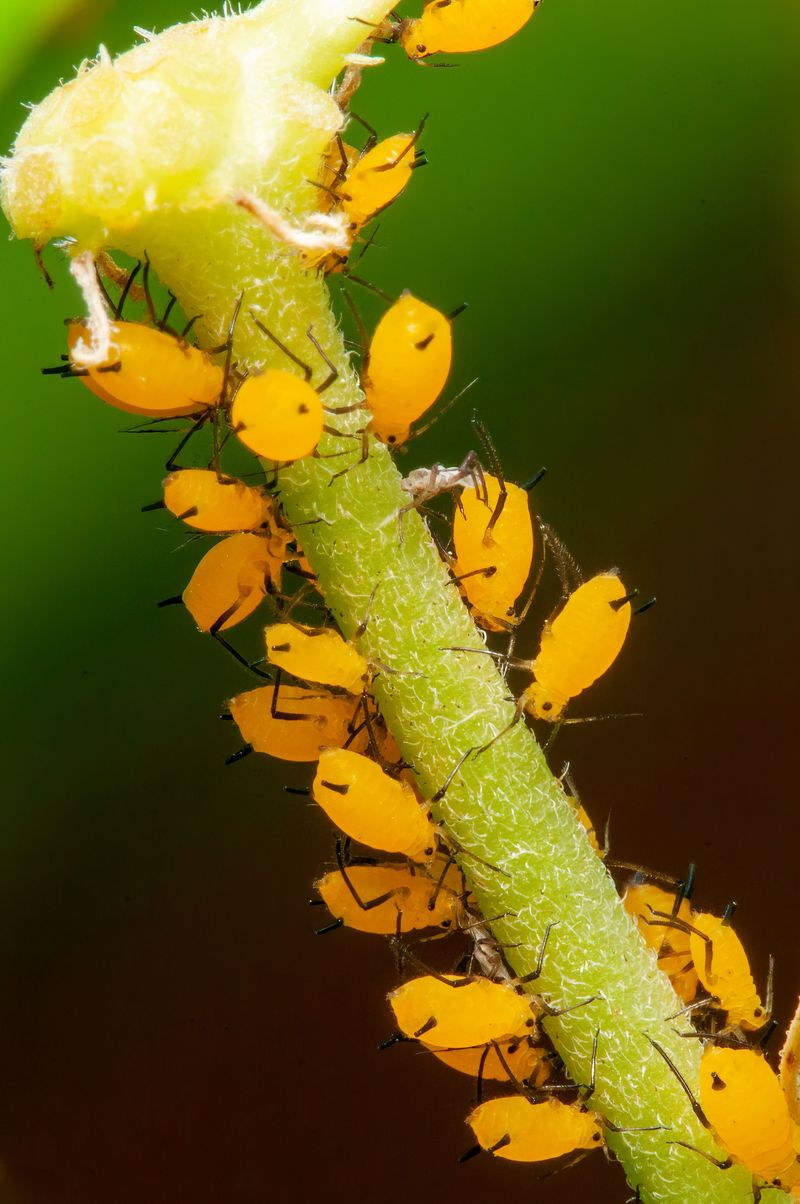
Something small is sabotaging your flowers, and it is doing it before you even notice. Cucumber beetles, aphids, and squash bugs are common in Missouri gardens and they absolutely target zucchini flowers.
Cucumber beetles chew through petals and stamens, destroying the pollen-producing structures inside male flowers.
Aphids cluster at the base of buds and drain the plant’s resources, causing flowers to abort before they even fully open. All of this damage adds up to a garden full of falling flowers and no fruit.
Checking your plants early in the morning gives you the best chance of catching pests before they cause serious harm. Turn flowers gently to look inside for beetles or larvae hiding in the folds.
A strong spray of water knocks aphids off without harming the plant, and row covers can protect young plants before flowering begins.
Once your plant starts flowering, remove row covers during the day so pollinators can still access the blooms.
Neem oil spray applied in the evening, after bees have gone home for the day, helps manage soft-bodied insects like aphids without harming your pollinator population.
Staying on top of pest pressure week by week makes a real difference in how many flowers your plant manages to hold onto through the season.
12. Hosting Squash Vine Borers Damaging The Plant
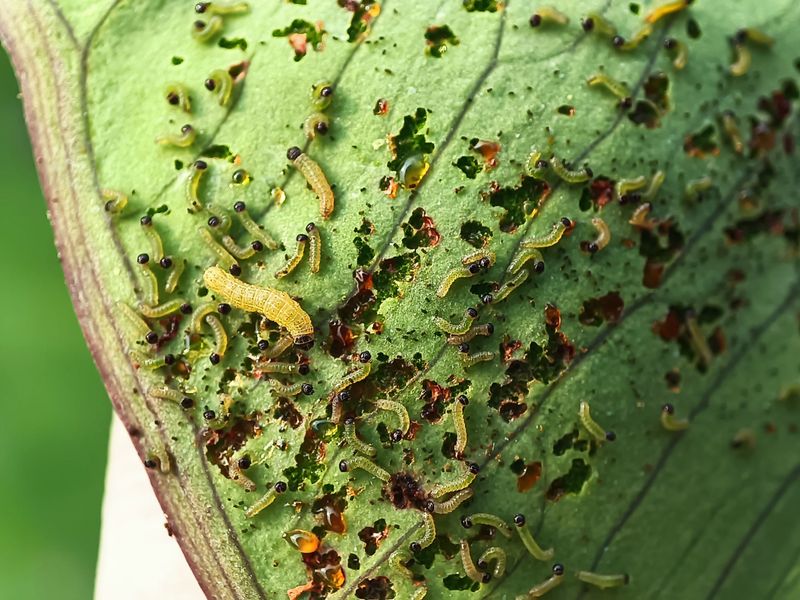
Squash vine borers move in silently and tear your plant down from the inside. Squash vine borers typically lay eggs at the base of squash stems from June through July, with timing varying across Missouri.
When larvae hatch, they tunnel straight inside and feed from the core out. By the time you notice something is wrong, the plant may already have significant internal damage.
A plant fighting a vine borer infestation cannot properly support its flowers, which is why you start seeing zucchini flowers falling off even when everything else seems fine on the surface.
The most obvious sign of vine borer activity is a green or yellow sawdust-like material called frass piling up at the base of the stem. The stem itself may look swollen, soft, or slightly split.
Act quickly if you spot these signs because the window for saving the plant narrows fast once larvae are tunneling inside the stem.
You can carefully slit the stem lengthwise with a small knife, remove the larvae by hand, and then mound moist soil over the wound to encourage new root growth from that point.
Row covers placed over plants before mid-June can prevent adult moths from laying eggs in the first place.
Planting a second round of zucchini in mid-July also helps, since vine borers are usually less active by late summer and your fall crop can thrive with far less interference.