Why Missouri Gardeners Are Watering Less, And Growing More This Summer
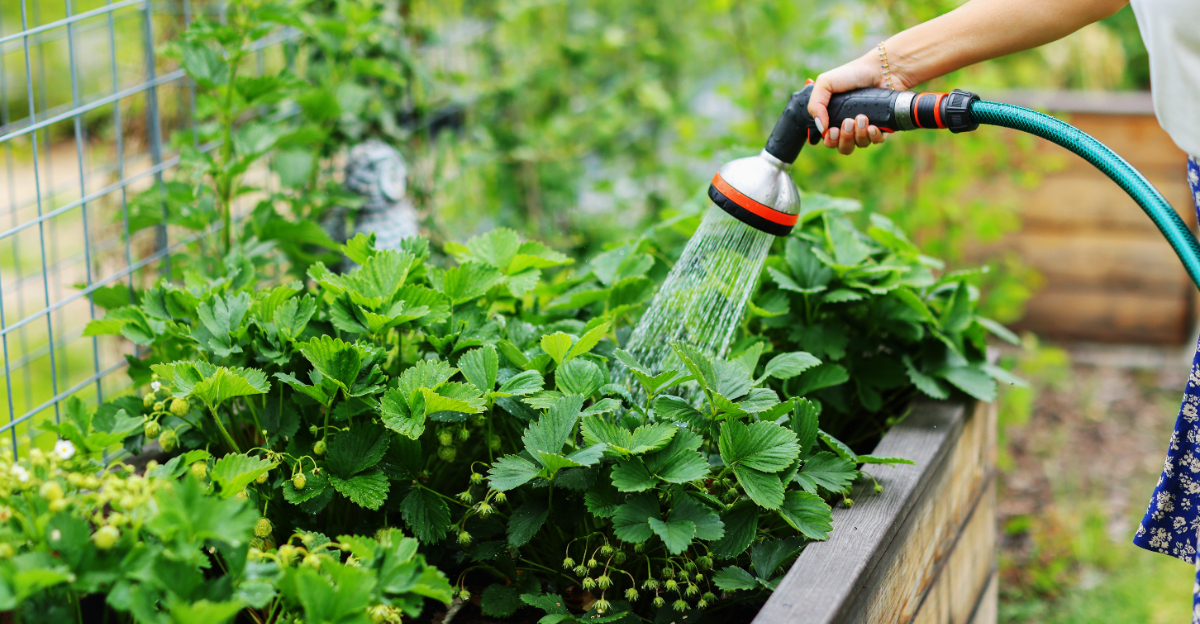
Something unexpected is happening in Missouri gardens this summer, and it has nothing to do with fertilizer or trendy planting methods. Gardeners across the state are watering less and coming back to find their plants looking better than ever.
The logic seems wrong at first. Less water in summer heat should mean stress, wilt, and loss. But the results are telling a different story, and the gardeners seeing them are not beginners.
From the humid lowlands near the Mississippi to the rocky, free-draining soils of the Ozark Plateau, Missouri’s growing conditions vary more than most people realize. It turns out that variety holds the key.
What replaces it is something smarter, and the gardens speak for themselves.
Watering Less Often Is Actually Helping Missouri Gardens Thrive
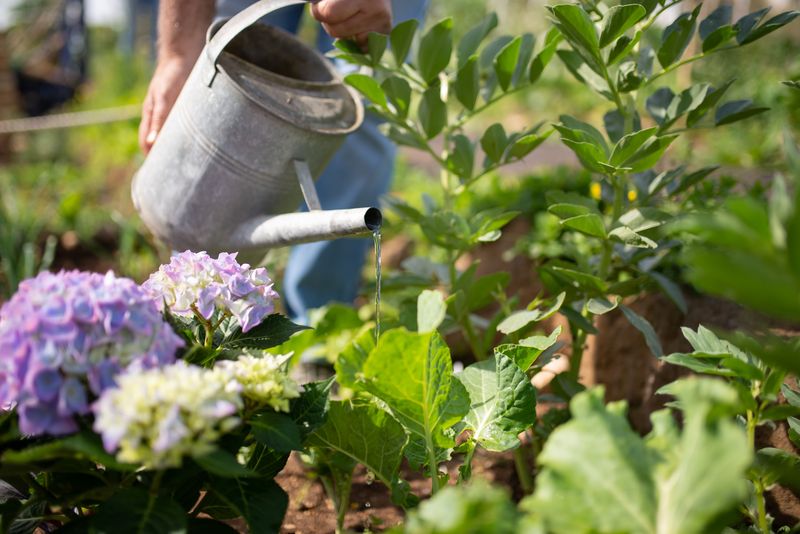
Fewer trips to the spigot are producing bigger, healthier harvests. That statement might feel wrong, but gardens across the state are proving it true this season.
Roots tend to grow toward available moisture, along with oxygen and nutrients in the soil. When you water every single day, roots stay shallow because they never need to search deeper.
Shallow roots can leave plants more vulnerable, especially during dry stretches. A brief dry spell can put a shallow-rooted tomato under serious stress very quickly.
Watering less often forces roots downward. Deeper roots tap into cooler, more stable soil moisture that sticks around long after the surface dries out.
Missouri gardeners who water less are growing more because their plants are genuinely tougher. Strong root systems are generally better equipped to handle summer stress.
Cutting back on watering also reduces fungal problems. Wet leaves and soggy soil breed disease, and Missouri summers are already humid enough without extra help.
Skipping a day between watering sessions gives soil a chance to breathe. Oxygen in the soil is just as important for roots as water itself.
Gardeners who switched to every-other-day watering noticed something else. Their plants looked greener and stood straighter, even during the hottest afternoons.
The shift feels counterintuitive at first. But once you see your garden respond, you stop second-guessing every dry morning.
Watering less is not neglect. It is one of the smartest adjustments Missouri growers are making right now.
How Missouri’s Summer Climate Affects Your Watering Schedule
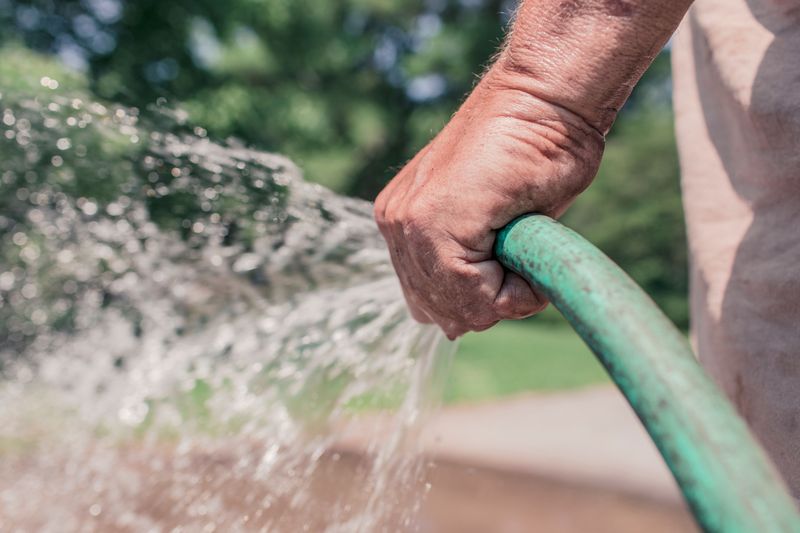
Missouri summers are no joke. Heat indexes can climb well past 100 degrees on the hottest days, and the humidity makes conditions feel particularly punishing.
That combination changes how water moves through soil. Hot air pulls moisture up and out faster than most gardeners expect.
Morning watering matters more here than almost anywhere else. Water applied before 9 a.m. soaks in before the heat has a chance to evaporate it.
Afternoon watering in Missouri tends to be the least efficient option, as much of the moisture can evaporate before reaching the roots. The sun is strongest between noon and 4 p.m., and much of what you apply can evaporate before roots have a chance to use it.
Your Missouri Garden Changes Every Week. Your Plan Should Too.
Gardening in Missouri changes quickly throughout the season. Every Friday you’ll receive a simple weekly plan showing exactly what to plant, prune, fertilize, harvest, and protect so you never miss the right timing.
Evening watering sounds smart but carries a real risk. Leaves and soil stay wet overnight, creating perfect conditions for mold and fungal growth.
Humidity already keeps nighttime moisture levels high across most of the state. Adding more water in the evening just piles on the problem.
Thunderstorm patterns also shape the watering schedule here. Missouri gets pop-up afternoon storms that drop significant rain in short bursts.
Checking the forecast before reaching for the hose saves time and water. A one-inch rain event can cover most of a garden’s weekly needs in a single afternoon.
Understanding the local climate removes the guesswork. Your watering schedule should shift with the season, not stay locked into one routine all summer.
The climate is not your enemy. Learning to work with Missouri summers is exactly what smarter gardeners are doing right now.
The Right Way To Water Deeply And Less Frequently
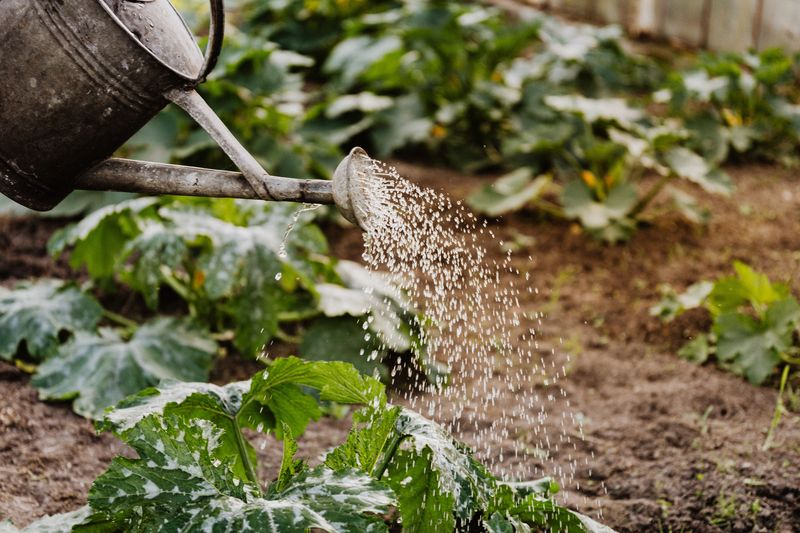
Deep watering sounds technical, but the idea is simple. You put more water down less often, and you let it soak far into the soil.
A light sprinkle every day wets the top inch of soil. Roots crowd into that top layer, and the plant becomes fragile and dependent.
A long, slow soak every two or three days pushes water down six to eight inches. Roots follow, growing deeper and stronger with each cycle.
Soaker hoses are one of the best tools for this approach. They release water slowly right at the base of plants, where it can seep straight down.
Sprinklers distribute water broadly, including on leaves and paths where much of it may go to waste. Targeted watering at the root zone is far more efficient.
Drip irrigation takes that idea even further. Slow drips deliver water directly to roots over a long period with almost no waste.
Many Missouri gardeners time their deep watering sessions with a simple kitchen timer. Set it for 30 to 45 minutes and let the soaker hose do the work.
After watering, push a finger two inches into the soil to check moisture. If it feels damp at that depth, the roots are getting what they need.
Deep watering also keeps soil cooler. Moist soil holds temperature better than dry soil, which protects roots during brutal afternoon heat spikes.
Gardens that switch to deep, infrequent watering often show improvements that frequent shallow watering tends not to produce.
Soil Types Across Missouri And How They Hold Moisture
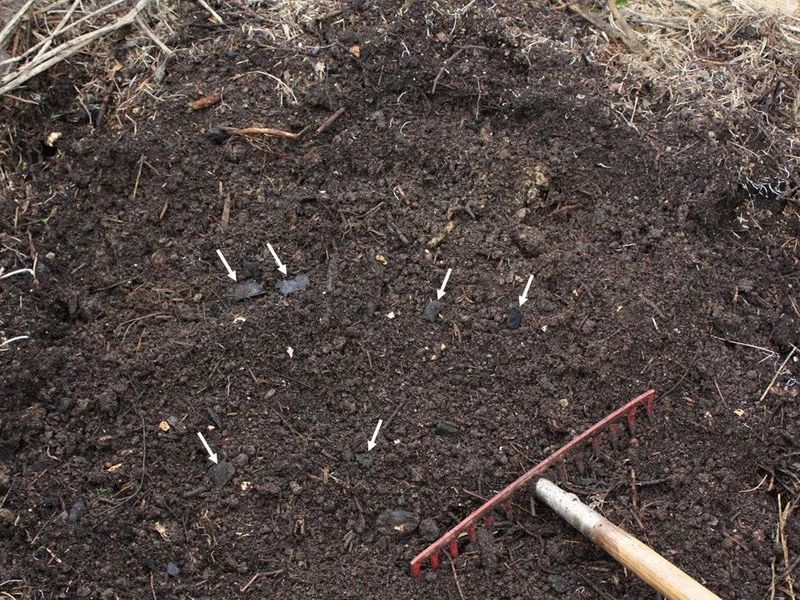
Not all Missouri soil is created equal. What you are working with under your feet changes everything about how you water.
Heavy clay soil, found notably in the Bootheel and river bottom areas, holds water for a long time. Watering too often in clay leads to waterlogged roots and rotting plants.
Sandy soils, found mainly in the southeast lowlands and certain river ridge areas, drain fast. Water passes through quickly, and plants in sandy ground may need more frequent attention than those in clay.
Loam soil is the sweet spot most gardeners hope for. It holds moisture well while still draining properly, making it forgiving and productive.
Knowing your soil type helps you set a smarter watering schedule. Clay gardeners can often go three or four days between sessions without problems.
Sandy soil gardeners may need to water every two days in peak heat. Adding compost to sandy ground improves moisture retention significantly over time.
Compost is the great equalizer for any Missouri soil type. It opens up clay and adds body to sand, improving drainage and retention at the same time.
A simple soil test from the University of Missouri Extension costs very little. It tells you exactly what your soil needs beyond just water.
Matching your watering habits to your actual soil type eliminates most guesswork. Gardens built on soil knowledge outperform those managed by routine alone.
Your soil is telling you something every single day. Learning to listen is where smarter gardening begins.
Signs Your Garden Needs Water And Signs It Does Not
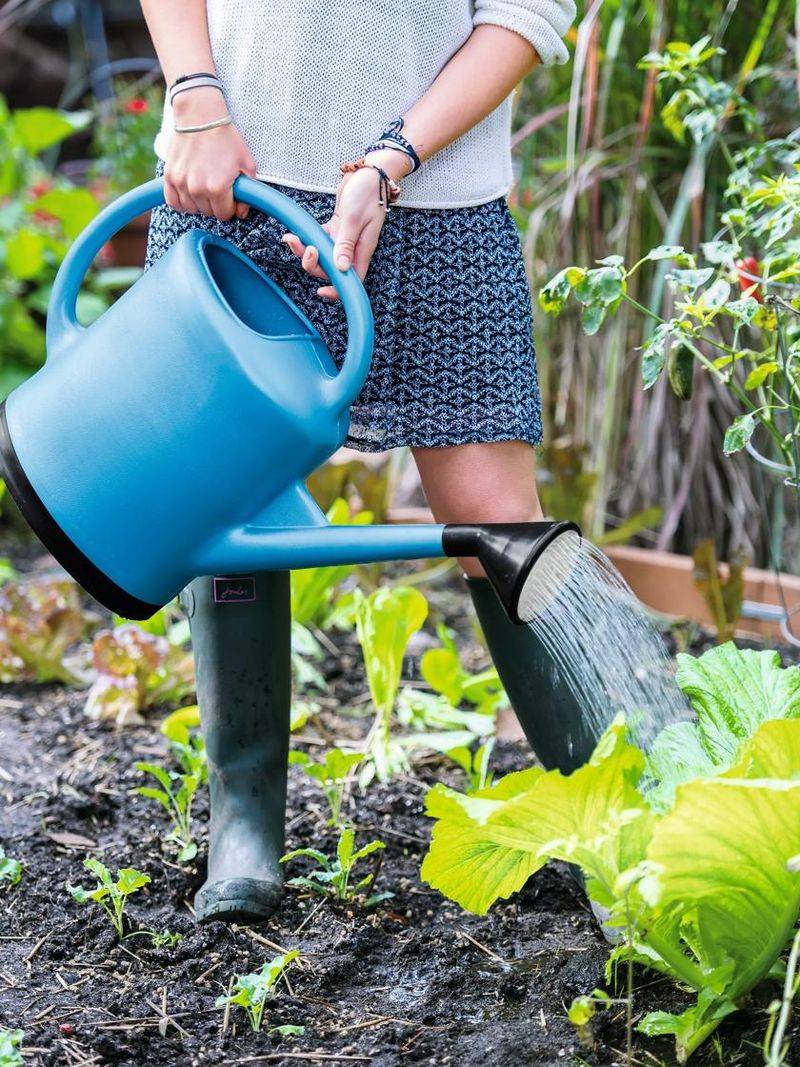
Plants talk. Most gardeners just need to learn the language before they can hear what is being said.
Wilting in the morning is a serious signal. If leaves are drooping before the heat of the day arrives, the plant is genuinely thirsty.
Afternoon wilting is a different story entirely. Many plants fold their leaves slightly in peak heat as a natural cooling response, not a cry for water.
Checking a plant in the morning gives you the most honest read. A plant that perks back up after sunrise was probably just resting, not struggling.
Yellowing lower leaves can mean overwatering just as often as underwatering. Soggy roots suffocate and cannot deliver nutrients properly, which shows up as yellow foliage.
Crispy brown leaf edges usually signal heat stress or dry conditions. Pairing that sign with a dry soil check confirms whether water is actually needed.
The finger test is the most reliable tool you have. Push your finger two inches into the soil near the base of the plant.
If it feels moist at that depth, hold off on watering. If it is dry and dusty, it is time to give the garden a good soak.
A wooden chopstick or a cheap soil moisture meter works just as well as a finger. Both tools give you real data instead of guesswork.
Reading your garden accurately means you water when it counts. That skill alone separates thriving Missouri gardens from struggling ones.
Simple Adjustments Missouri Gardeners Are Making This Season
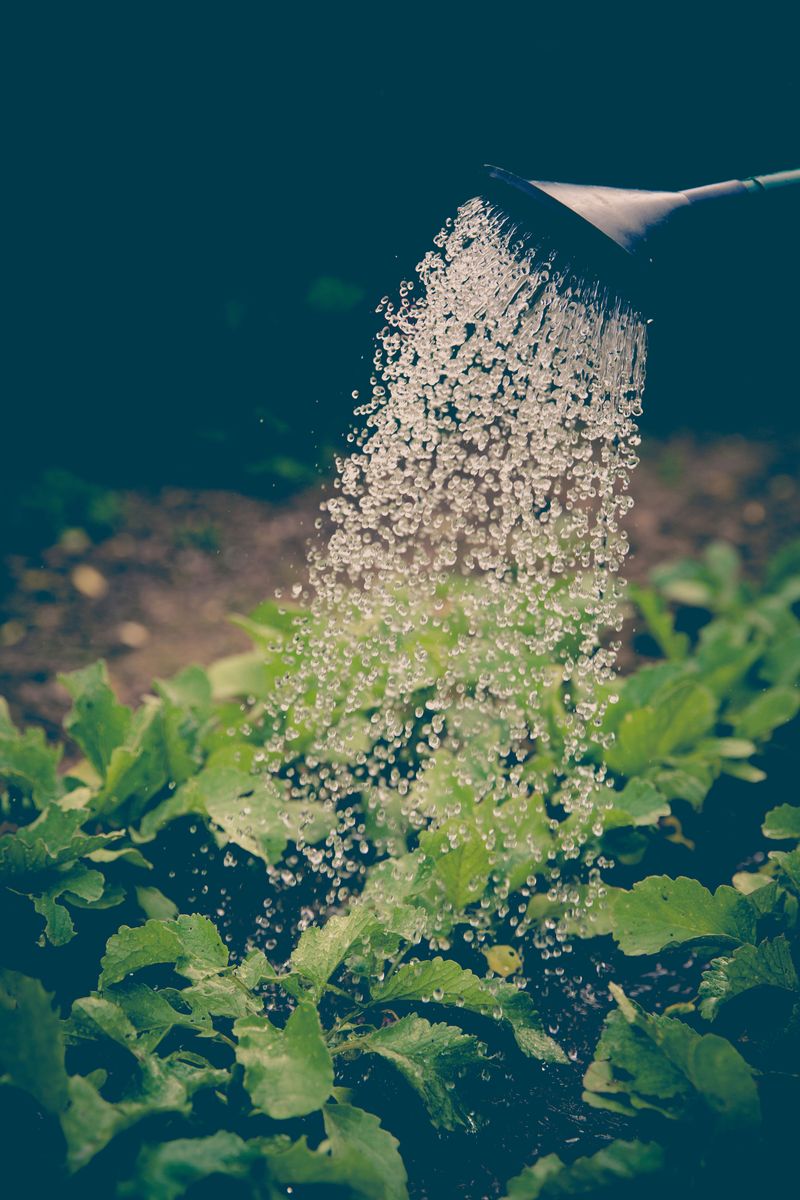
Small changes are producing big results in gardens across the state. None of these adjustments require expensive equipment or expert knowledge.
Mulch is the single most talked-about change this season. A two-to-three-inch layer of wood chips or straw around plants cuts surface evaporation dramatically.
Mulched soil stays moist far longer than bare ground. Gardeners using mulch are stretching their watering intervals by an extra day or two with no downside.
Grouping plants by water needs is another simple shift. Placing thirsty plants together and drought-tolerant ones in a separate area makes watering more targeted and less wasteful.
Raised beds with quality soil mix drain and retain moisture better than in-ground plots in heavy clay. Many gardeners are converting one bed at a time.
Collecting rainwater in barrels has become more popular this summer. A single barrel connected to a downspout can hold around 50 to 55 gallons of free, plant-friendly water.
Switching to native and drought-adapted plants in some garden sections reduces overall water demand. Plants adapted to this region are generally well-equipped to handle dry stretches.
Timing adjustments are free and immediate. Shifting watering from evening to early morning takes five seconds to decide and pays off all season long.
Keeping a simple garden journal helps track what is working. Writing down watering days and plant responses reveals patterns that are easy to miss otherwise.
Missouri gardeners who water less are growing more because small, smart adjustments add up fast. The best garden season might just be the one where you hold back a little.