What Most Arizona Homeowners Get Wrong About Bark Scorpions — And Why It Makes The Problem Worse
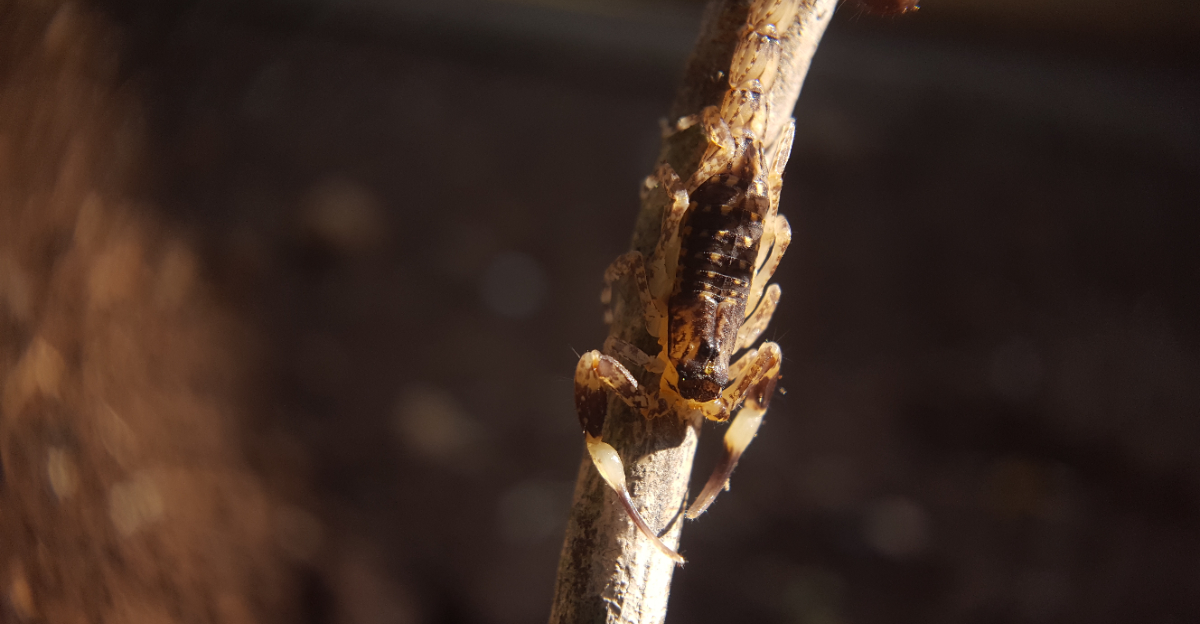
Finding a bark scorpion indoors usually feels like the start of the problem. In reality, the conditions that attract them are often present long before the first sighting.
That is why some homes seem to deal with recurring scorpion activity while others rarely have issues.
Many people focus on the scorpions themselves and overlook the factors that help them survive nearby. Small habits around the yard, foundation, and exterior of the home can make a bigger difference than expected.
Some even create more hiding places without realizing it.
Arizona homeowners deal with bark scorpions every year, especially during the warmer months when activity tends to increase.
Preventing future encounters is often less about reacting to a single scorpion and more about understanding what keeps drawing them back.
A few common mistakes can quietly make the situation much worse over time.
1. Assuming Bark Scorpions Stay Outdoors
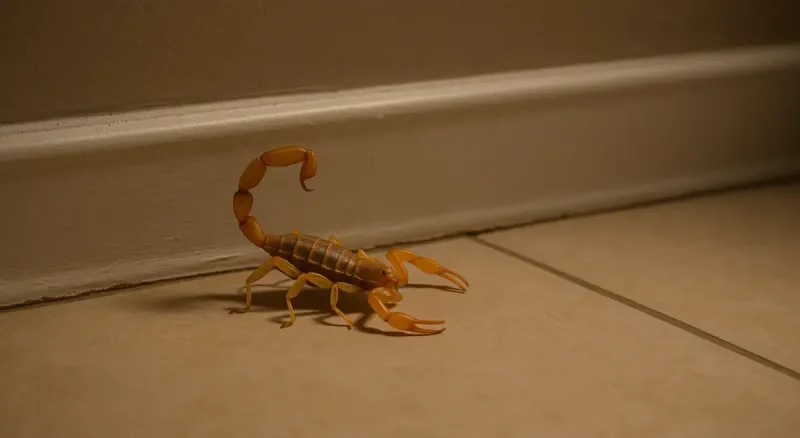
Plenty of homeowners assume bark scorpions belong outside and rarely come indoors. That assumption is one of the most costly mistakes you can make in the desert Southwest.
Bark scorpions are climbers. They scale walls, crawl across ceilings, and squeeze into spaces most people never check.
Finding one in your bathroom or bedroom is not unusual at all.
Unlike other scorpion species, bark scorpions actively seek shelter inside structures. They are drawn to cool, dark spots during hot months.
Closets, shoes, folded laundry, and under furniture are all common hiding places.
Scorpions do not need a big opening to get inside. A gap the width of a credit card is enough.
Once inside, they can survive for weeks without food or water.
Treating your yard while ignoring the inside of your home gives you a false sense of security. Indoor inspections matter just as much as outdoor ones.
Check your walls, baseboards, and any cluttered corners regularly.
Shaking out shoes before putting them on is a habit worth building fast. Leaving clothes on the floor overnight creates a perfect hiding spot.
Small changes in daily routine can prevent painful surprises.
2. Missing The Places Bark Scorpions Climb
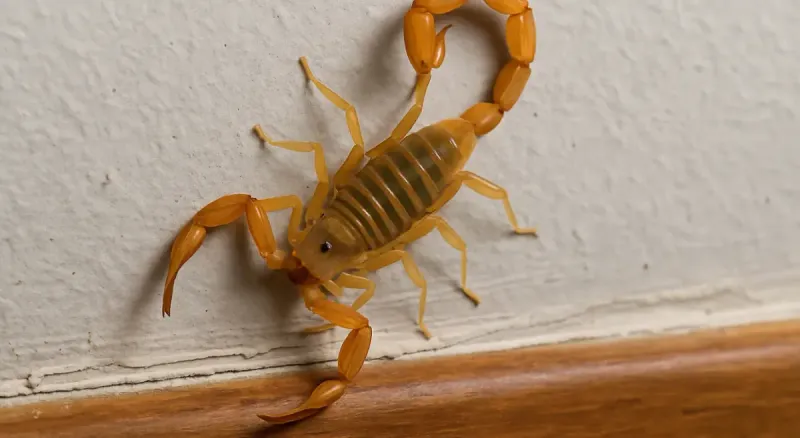
Most people search for scorpions on the ground. That is exactly the wrong place to focus your attention first.
Bark scorpions are exceptional climbers. They move up stucco walls, wooden beams, brick surfaces, and even smooth drywall with ease.
Ceilings are a favorite resting spot, especially in corners.
Scorpions found on ceilings are not an unusual occurrence in desert homes. They drop from above when disturbed, which is why stings often happen unexpectedly.
Rolling over in bed or reaching overhead can trigger a defensive sting instantly.
Checking high places matters as much as checking low ones. Look along ceiling edges, inside light fixtures, and behind wall-mounted shelves.
Scorpions tuck into any tight gap they can find at any height.
Outdoor climbing routes are just as important to address. Stacked firewood, tree branches touching your roof, and vines growing along walls all create easy pathways inside.
Cutting back vegetation and moving wood piles away from the house removes those natural ladders.
Your Arizona Garden Changes Every Week. Your Plan Should Too.
Gardening in Arizona changes quickly throughout the season. Every Friday you’ll receive a simple weekly plan showing exactly what to plant, prune, fertilize, harvest, and protect so you never miss the right timing.
Sticky traps placed along baseboards catch ground-level scorpions but miss climbers entirely. Positioning traps near walls and in corners at different heights gives you a much better picture of where scorpions are active.
3. Ignoring Small Entry Points Around The Home
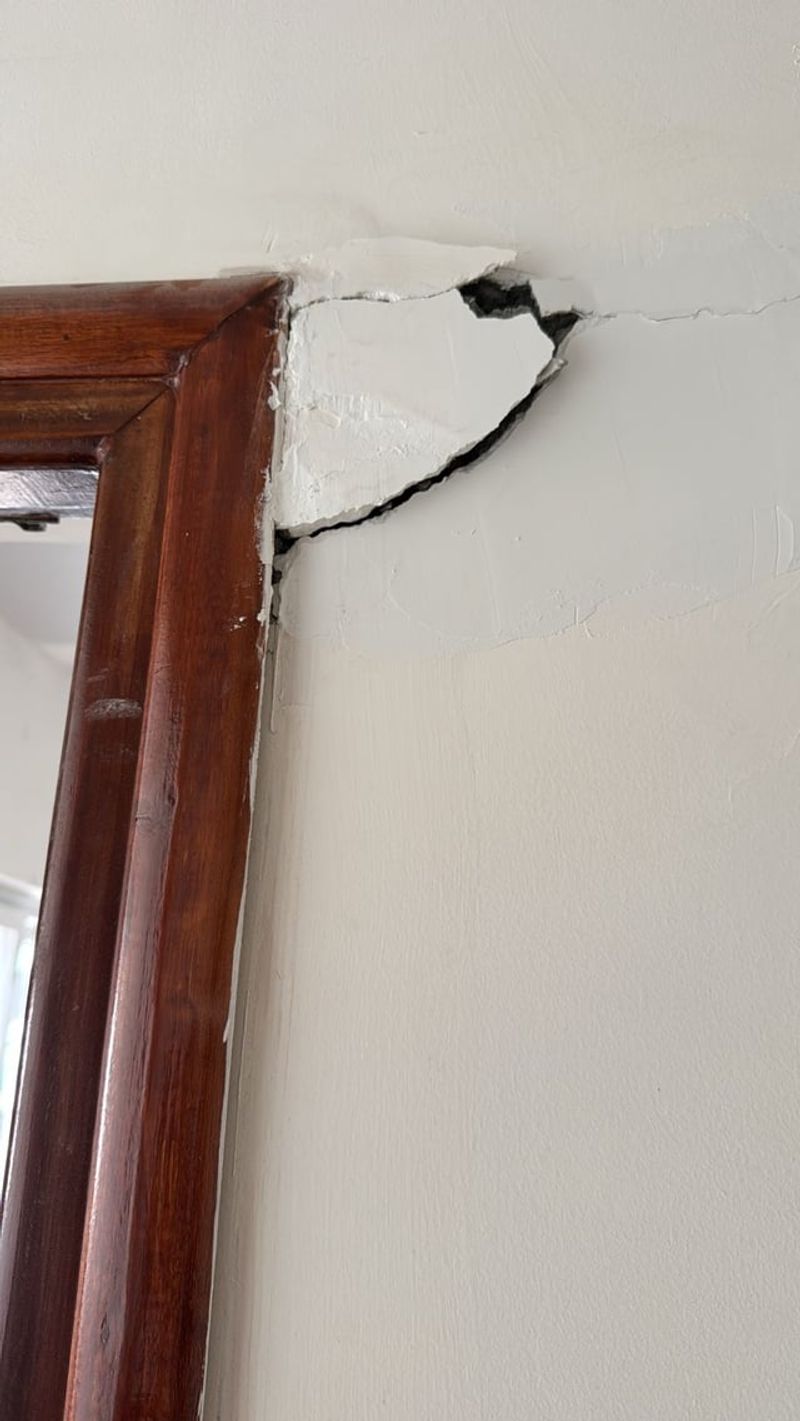
A surprising number of homeowners spend money on pest treatments while leaving obvious entry points wide open. Scorpions do not need much space to slip through.
Gaps under doors, cracks around window frames, and holes where pipes enter walls are all common access routes. Even new homes develop small openings over time as materials shift and settle in desert heat.
Weather stripping wears out faster in extreme heat. Door sweeps crack and pull away from frames.
Checking these areas every few months is a practical habit that pays off.
Foam sealant works well for filling gaps around pipes and utility lines. Door sweeps with tight rubber seals block the space under entry doors effectively.
Caulking along window frames and baseboards closes off many small routes scorpions use.
Garage doors are a frequently overlooked entry point. The rubber seal at the bottom often develops uneven spots or gaps.
A scorpion can flatten its body and crawl through a gap that looks too small to matter.
Check every spot where something passes through your wall, including cable lines, AC conduits, and dryer vents. Each one is a potential entry point if not properly sealed.
A tube of caulk and an hour of work can close dozens of small gaps at once.
4. Reduce The Insects That Attract Them
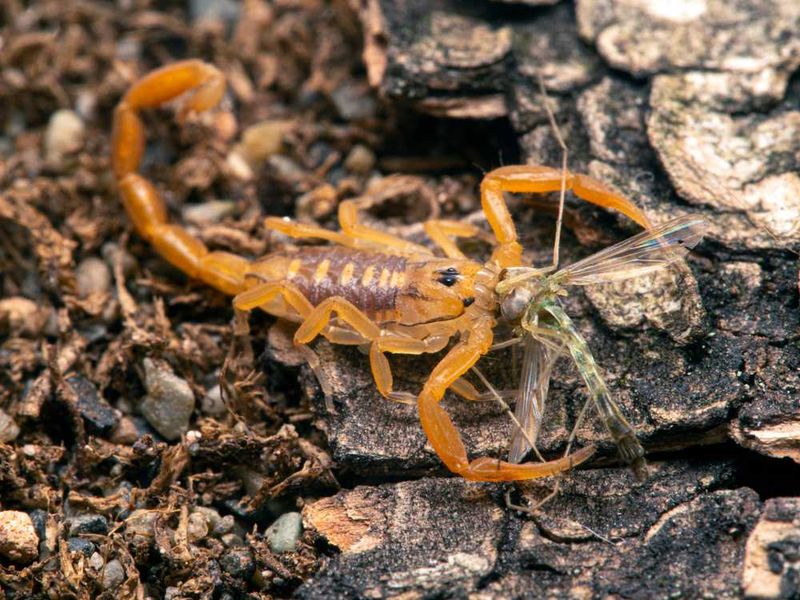
Scorpions do not show up randomly. Where there is a steady food supply, scorpions follow.
Reducing the insects around your home directly reduces scorpion activity.
Crickets, roaches, beetles, and other small bugs are the primary food sources for bark scorpions. If your yard or home has an insect problem, a scorpion problem usually is not far behind.
Addressing both at the same time is far more effective than treating scorpions alone.
Outdoor lighting plays a bigger role than most people realize. Standard white bulbs attract flying insects in large numbers at night.
Switching to yellow or amber LED bulbs significantly reduces the insect crowds that gather near your doors and windows.
Standing water, overwatered plants, and decaying organic matter all support high insect populations. Trimming back dense ground cover and letting soil dry between waterings removes the conditions insects need to thrive.
Fewer insects means less reason for scorpions to stay close to your home.
Keep trash cans sealed and away from the house. Open bins attract roaches and flies, which in turn attract scorpions.
Simple sanitation steps make a noticeable difference over time.
Treating for general insects around the perimeter of your home creates a barrier that reduces scorpion food sources.
5. Remove Moisture Sources They Depend On
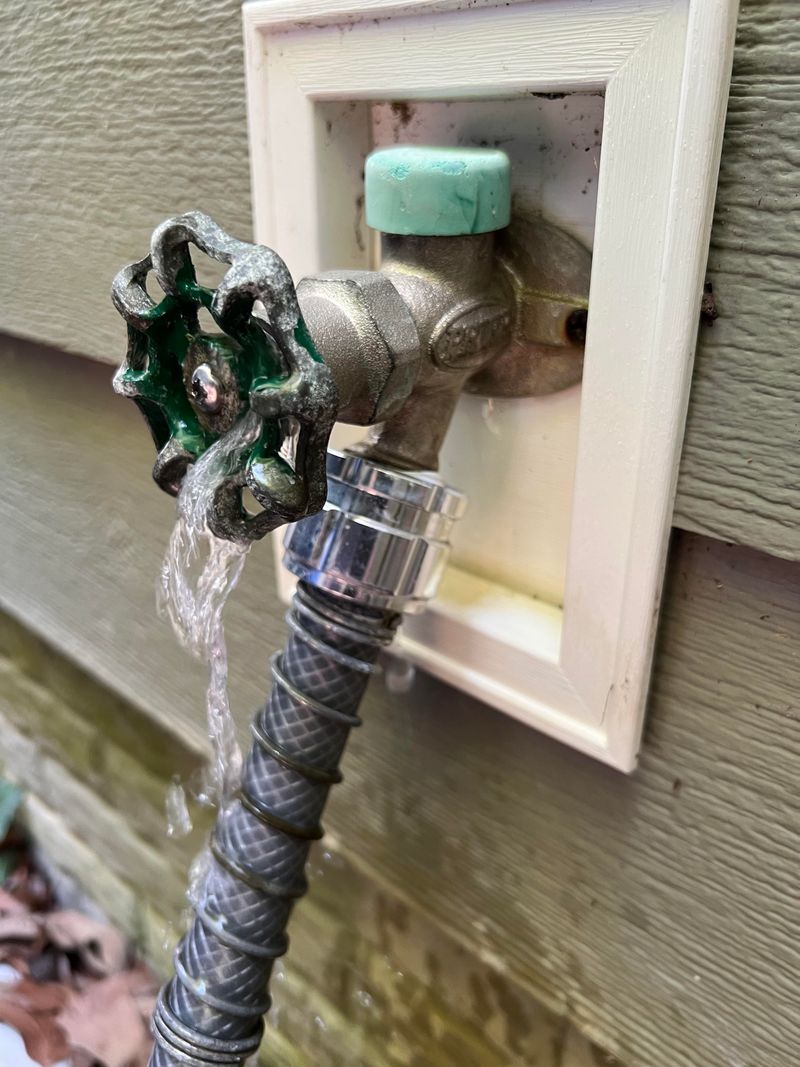
Water is scarce in the desert, and anything that provides it becomes a magnet for all kinds of pests. Bark scorpions are no exception to that rule.
Leaky faucets, dripping irrigation lines, and water pooling near your foundation all create moisture zones that scorpions seek out. Even small amounts of standing water attract the insects scorpions feed on, which draws them closer to your home.
Fixing leaks is not just a plumbing task, it is a pest prevention step.
Bathrooms and kitchens are common indoor moisture sources. Scorpions found in these rooms are often there because of humidity, not just wandering.
Fixing drips under sinks and improving ventilation reduces the appeal of these spaces.
Check under appliances like washing machines, refrigerators, and dishwashers for slow leaks. Water accumulates in hidden spots and stays there unnoticed for weeks.
Those damp areas become attractive resting spots for scorpions and their prey.
Outdoor plant watering schedules are worth reviewing too. Overwatering creates soggy soil that supports large insect populations.
Adjusting irrigation timing and reducing frequency during cooler months lowers overall moisture levels around your yard.
Pool equipment areas, garden hose storage spots, and irrigation valve boxes are all worth inspecting regularly.
6. Seal Common Access Routes Before Summer Peaks
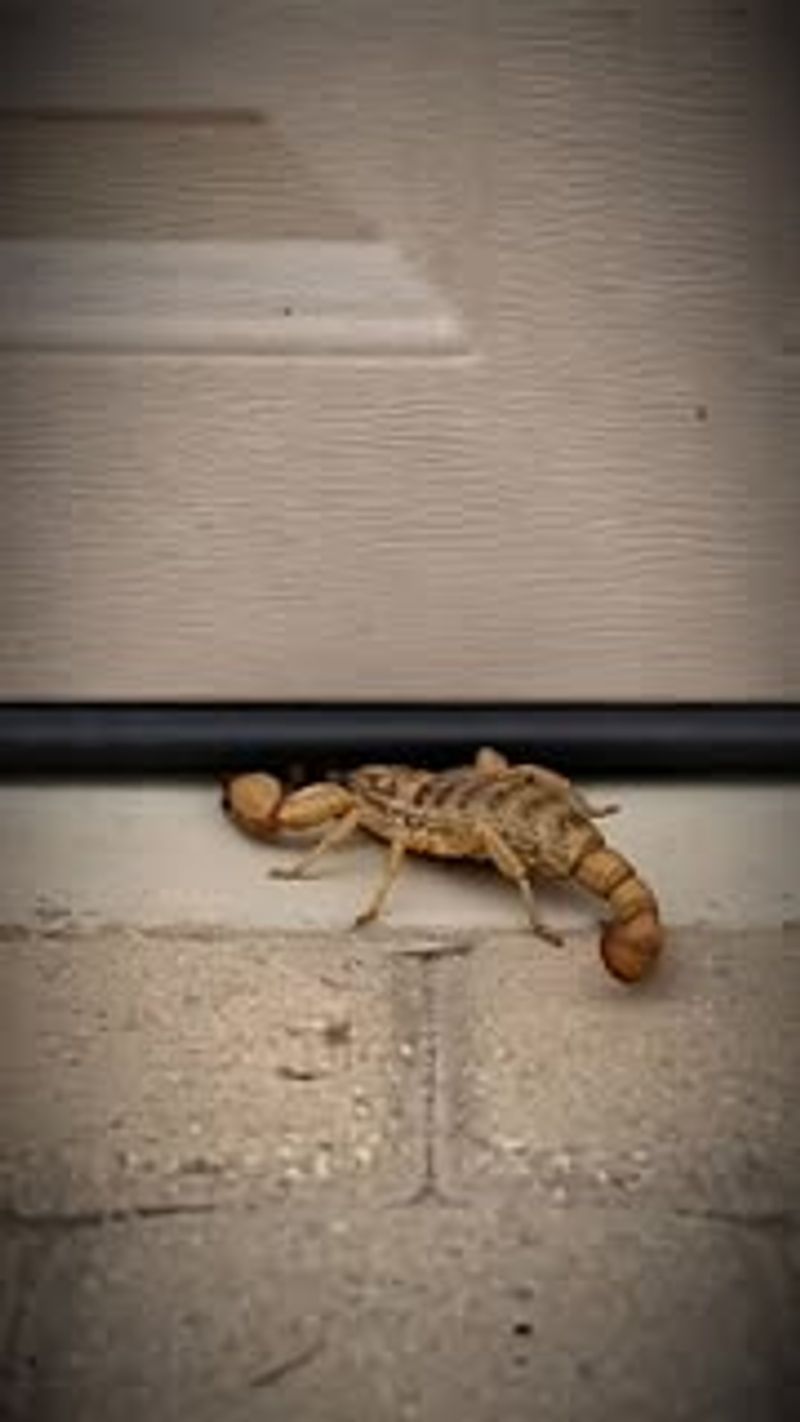
Waiting until summer to start thinking about scorpions puts you behind the curve every single time. Scorpion activity ramps up quickly as temperatures climb, and by then gaps are already being used.
Spring is the best window to seal your home. Temperatures are manageable, and scorpions have not yet hit their peak activity levels.
Getting ahead of the season makes every other prevention step more effective.
Start with the garage. Garage doors are among the most common entry points in desert homes.
Check the bottom seal, side gaps, and any cracks where the frame meets the wall. Replace worn seals before the heat arrives.
Move to all exterior doors next. Press your hand along the bottom edge and feel for airflow.
Any draft means there is a gap large enough for a scorpion to use. Install heavy-duty door sweeps with rubber seals that press firmly against the threshold.
Plumbing penetrations behind walls are another overlooked route. Pipes that enter under sinks or behind washing machines often have gaps around them.
Expanding foam sealant fills those spaces quickly and holds up well in heat.
Attic vents and weep holes in brick walls are necessary for ventilation but can be covered with fine mesh.
7. Act After The First Sighting Instead Of The Tenth
Spotting one scorpion and deciding to wait and see is one of the most common mistakes desert homeowners make. One sighting is rarely a one-time event.
Bark scorpions are social compared to most scorpion species. They tend to gather in groups, especially in sheltered spots with access to food and moisture.
Finding one usually means others are nearby. Acting immediately after the first sighting changes the outcome significantly.
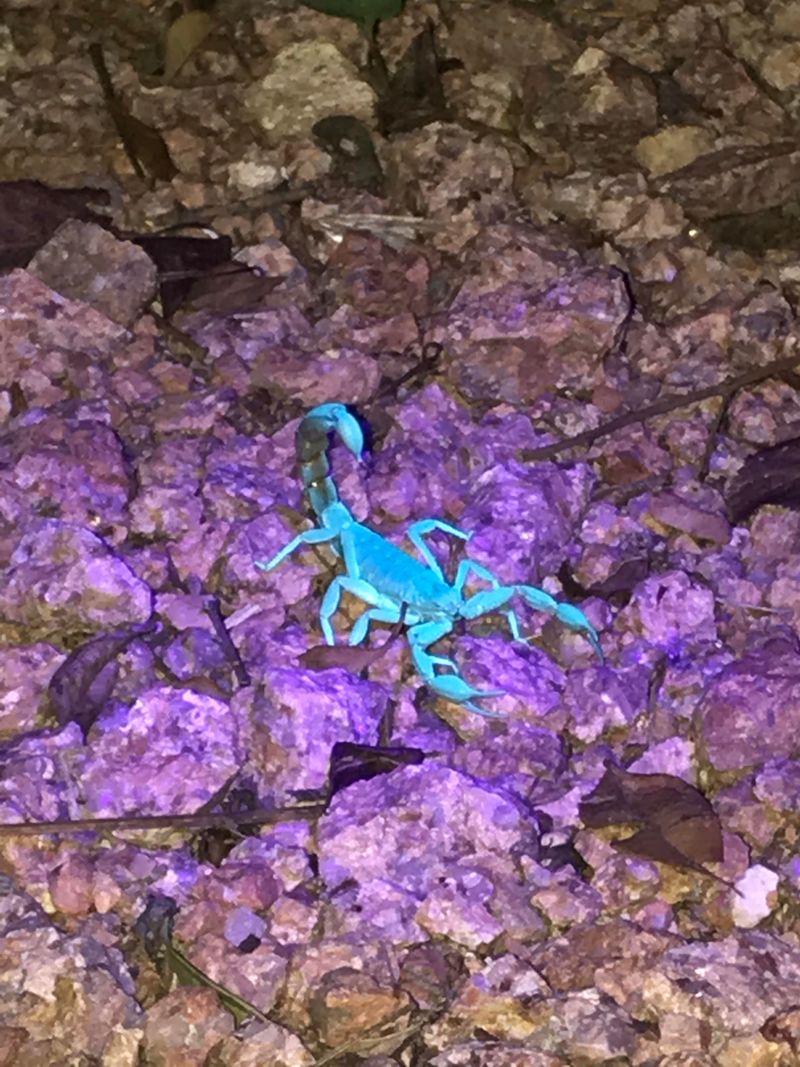
Start with a thorough UV flashlight inspection the same night you find one. Check every room, closet, and corner.
Look behind furniture, under appliances, and along ceiling edges. Scorpions glow bright green under UV light, making them much easier to spot in darkness.
Contact a licensed pest control professional after any confirmed sighting. Professionals treat areas that are difficult to access and use products suited for scorpion control specifically.
A single visit is often enough to assess the situation and create a plan.
Document where you found the scorpion and what conditions were nearby. Was there moisture?
Clutter? A gap in the wall?
That information helps identify the source and speeds up the solution. Patterns matter when tracking pest activity.
Avoid leaving shoes, towels, or clothing on the floor while you address the problem. Shake out bedding before sleeping.