These Are The Native Ohio Border Plants That Create A Tick Barrier Around Patios
Ticks do not respawn in the middle of a sunny patio. They move in from the edges.
Tall grass, garden beds, shaded borders – that is where they stage before making their way into spaces people actually use. Most tick prevention advice focuses on the body.
Repellent, clothing, checking after time outside. Solid habits, but they do nothing about what is happening at the perimeter of your outdoor living space.
Certain native Ohio plants change the dynamic at that border in ways that make the transition zone between wild edges and patio space less hospitable to ticks. Not a force field, not a guarantee.
But a smarter perimeter than bare mulch or overgrown ornamentals that give ticks exactly the shaded, moist cover they look for. Ohio has native border plants that do this job while looking genuinely good doing it.
Your patio edge can work harder than it currently is.
1. Pennsylvania Sedge Creates A Low Native Edge Around Patios

If your patio sits under a canopy of trees and the turf nearby refuses to cooperate, Pennsylvania sedge might be exactly what that shady edge needs.
This fine-textured, grass-like native plant stays naturally low, typically reaching only six to twelve inches tall when left alone.
It is one of the few native ground-layer plants that actually thrives in dry to medium shade. That makes it a solid fit for conditions where turfgrass struggles near tree roots or covered patios.
Ohio State University Extension recognizes Pennsylvania sedge as a native, low-maintenance option for shaded borders and naturalized areas.
It spreads slowly by rhizomes and seed, forming soft, arching clumps that can fill a border edge without becoming aggressive.
You can plant it from plugs or small container plants, watering consistently during the first season until it settles in. After establishment, it needs far less attention than a struggling lawn patch.
From a tick-aware perspective, a low, maintained sedge edge is simply easier to manage than a tangle of tall weeds or rough unmowed grass. The clumps stay close to the ground and do not create the kind of tall, brushy cover that ticks prefer for questing.
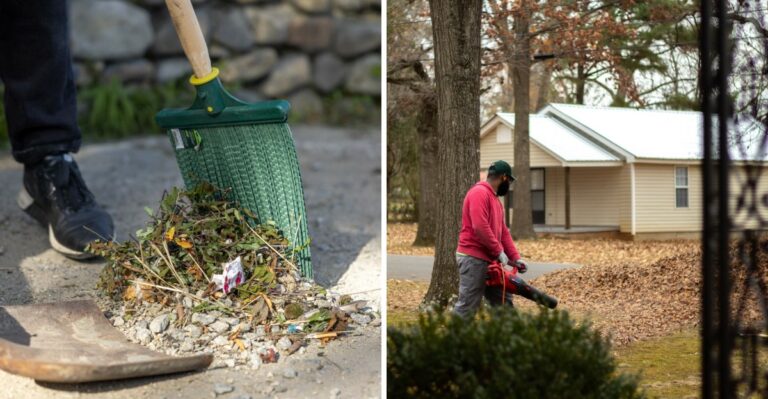
That said, Pennsylvania sedge can still collect leaf litter under its arching blades during fall. Rake or blow leaves away from the border regularly, especially near patio steps and seating areas.
One practical note for Buckeye State homeowners: this sedge does not handle full sun well. Pair it with shade-tolerant companions or use it only along shaded patio sides.
Do not let it grow into a thick, unmaintained mat. Keep the edge defined with a garden border or occasional hand-pulling of weeds that try to move in underneath.
2. Wild Ginger Covers Shady Soil Without Tall Weedy Growth
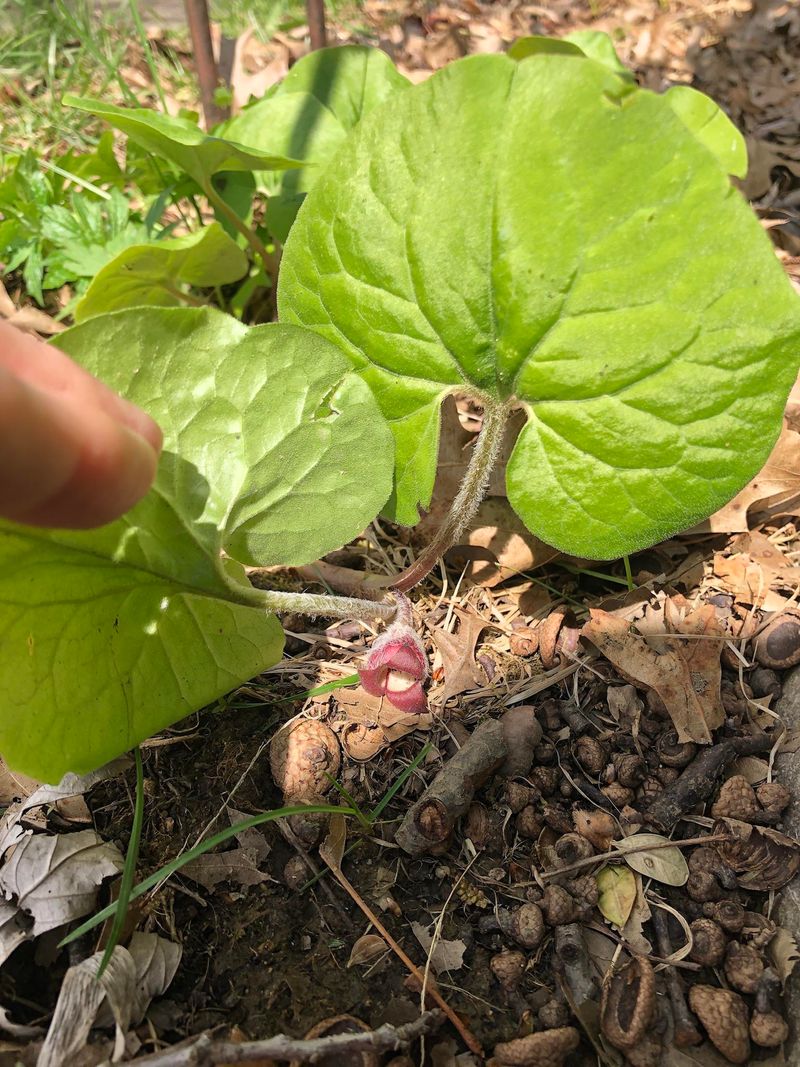
There is something quietly reliable about a plant that simply does its job without fuss, and wild ginger fits that description well.
Native to woodland edges across this state, wild ginger spreads slowly across shaded soil with broad, heart-shaped leaves that stay close to the ground.
It works best along patio borders where tree roots dominate, shade is consistent, and you want something other than bare dirt or creeping weeds filling the space.
Your Ohio Garden Changes Every Week. Your Plan Should Too.
Gardening in Ohio changes quickly throughout the season. Every Friday you’ll receive a simple weekly plan showing exactly what to plant, prune, fertilize, harvest, and protect so you never miss the right timing.
Wild ginger prefers moist, organic, well-drained soil and part to full shade. It is not a plant for sunny, dry edges near a south-facing patio wall.
In the right conditions, it forms a dense mat that crowds out many common weeds before they can establish. The Extension sources list it as a native understory ground cover suited to home woodland gardens.
It is generally well-behaved compared to invasive options like English ivy or wintercreeper, both of which should be avoided.
The tick-aware angle here is straightforward. Bare soil near a shaded patio tends to get colonized by weeds, which can grow tall and create brushy patches if ignored.
Wild ginger replaces that bare soil with low, managed coverage that stays under control. However, planted beds are not automatically tick-safe.
Leaf litter that builds up on top of wild ginger near patios, steps, or seating areas needs to be cleared out, especially in fall and early spring.
Wild ginger is slow to spread, so you may need to plant it in small plugs spaced about six to twelve inches apart to cover a border within two or three seasons. Be patient with it.
Do not try to speed up coverage by adding invasive ground covers alongside it. The goal is a clean, native, shaded edge that you can actually maintain, not a tangled mix that becomes its own problem.
3. Foamflower Keeps Patio Borders Planted And Easy To Inspect
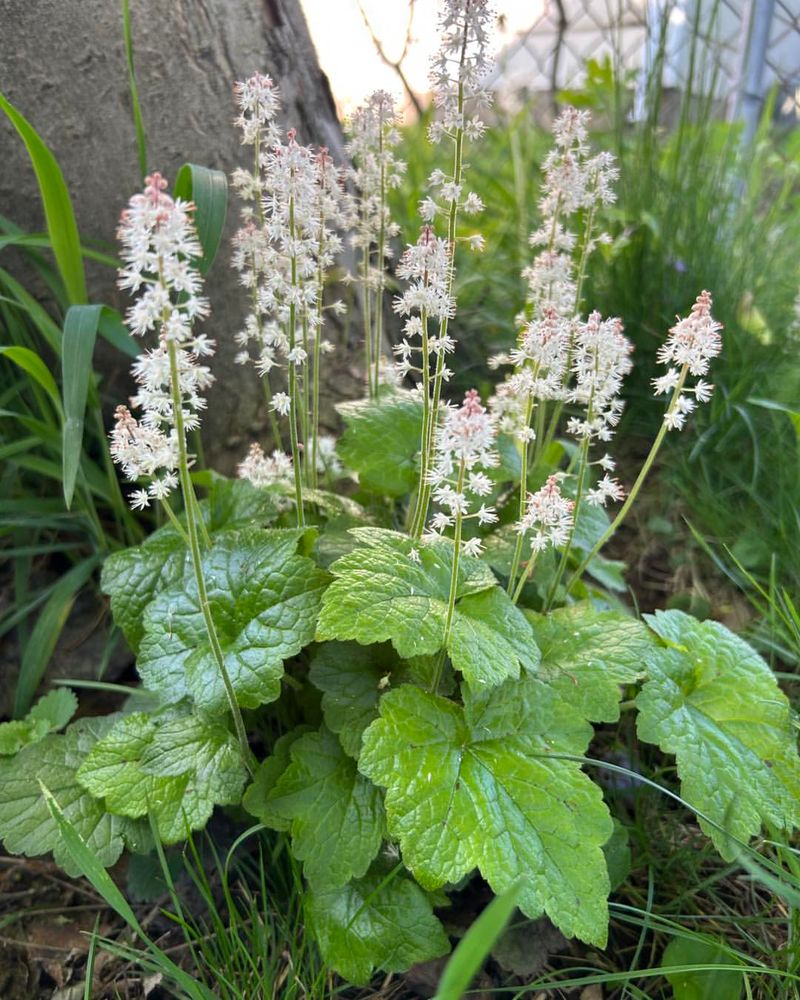
Walk past a foamflower in full spring bloom and it is hard not to stop. The feathery white flower spikes rise above low, maple-shaped leaves.
They give a shaded patio border a finished, intentional look that bare soil or weedy edges simply cannot match.
Beyond the flowers, foamflower earns its place in a tick-aware landscape by keeping a patio border looking planted and managed rather than abandoned.
Native to woodland areas across the eastern United States, foamflower grows in low clumps or slowly spreading colonies depending on the variety. It prefers part shade to full shade with consistently moist, organic soil.
It is not a good fit for hot, dry, or full-sun borders near a patio that bakes in afternoon heat. In the right shaded bed, it stays tidy and low, usually reaching six to twelve inches in height, which makes the border easy to walk along and inspect.
The Extension sources support native woodland perennials like foamflower for managed home landscapes, especially in shaded areas where turf fails.
For patio borders specifically, foamflower works well paired with other low natives like wild ginger or Pennsylvania sedge to create a layered but still low-growing edge.
Avoid planting it where foot traffic is heavy, since it does not handle repeated trampling.
The tick-awareness benefit comes from what foamflower replaces rather than what it does on its own. A planted, low bed near your patio is far easier to inspect for leaf buildup, weeds, or signs of animal activity than a rough, weedy patch.
Ticks do not avoid foamflower specifically, so you still need to clear leaf litter from the bed regularly, especially after fall leaf drop. Check yourself and pets after spending time near any planted border, no matter how tidy it looks.
4. Woodland Phlox Adds Spring Color Without Brushy Overgrowth
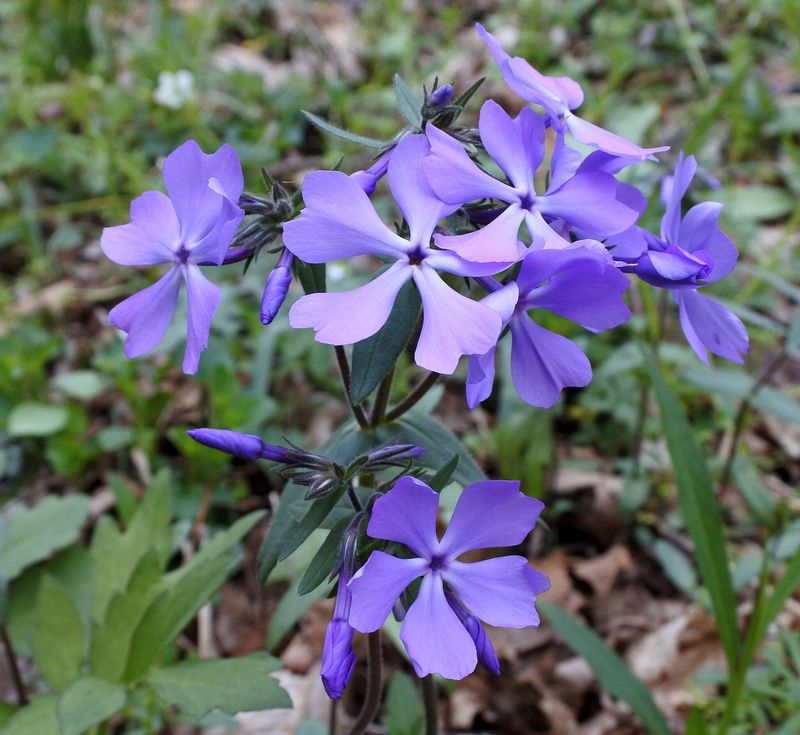
Some plants earn their spot in a border strictly through good behavior, and woodland phlox is a solid example of that. Unlike tall garden phlox varieties that can reach three or four feet and flop over walkways, woodland phlox stays low and spreading.
It usually tops out around twelve to fifteen inches in bloom. That habit makes it a practical choice for patio edges near trees where you want color in spring without creating a brushy, overgrown mess by midsummer.
Woodland phlox is native to eastern North America, including much of Ohio, and it performs well in part-shade to lightly shaded borders with moist, well-drained soil. The lavender to blue-violet flowers appear in mid-spring and attract early pollinators.
That is a bonus for anyone trying to support native bees and butterflies near the yard. After bloom, the foliage stays relatively low and neat through the growing season, holding its place in the border without demanding much attention.
From a tick-prevention standpoint, woodland phlox helps keep a border defined and easy to walk along. It does that without becoming a dense, brushy habitat.
Ticks favor tall grass, thick brush, and damp leaf piles over low, open plantings. Replacing a rough, neglected patio edge with woodland phlox does not stop ticks, but it does reduce the kind of cover that makes an edge harder to manage and inspect.
Pair woodland phlox with regular edge trimming and leaf removal near the patio perimeter. It does not handle heavy foot traffic, so keep it in beds rather than along high-use walkways.
In drier summers, give it occasional deep watering to prevent stress. Remove any tall weeds or brush that pop up nearby, since those are the real tick habitat concerns, not the phlox itself.
5. Wild Strawberry Fills Thin Edges With Low Green Coverage
Sunny patio edges can be surprisingly hard to plant well. Turf thins out near hardscape, weeds move in fast, and many ground covers either fry in the heat or spread too aggressively to manage.
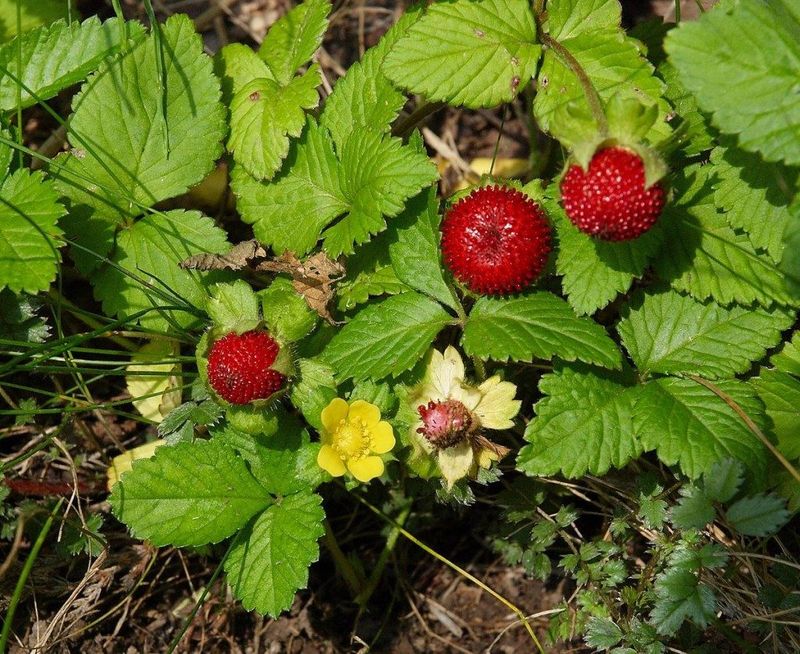
Wild strawberry sits in a useful middle ground: it is low-growing, native to Ohio and much of eastern North America. It spreads by runners to fill thin spots without becoming a full-scale takeover situation if you stay on top of it.
The plant typically stays under six inches tall, producing small white flowers in spring followed by tiny red berries that birds and wildlife enjoy.
It handles sun to part shade reasonably well, which gives it more flexibility than shade-only options like wild ginger or foamflower.
Ohio Extension and native plant resources list wild strawberry as a regionally appropriate, wildlife-friendly ground cover. It can work along informal patio borders, lawn edges, and naturalized areas.
Keep the advice realistic here: wild strawberry does spread by runners, and it can creep into walkways, nearby garden beds, or thin lawn areas if you let it go unchecked.
Plan to do some edging or runner-pulling each season to keep it contained to the border zone.
That maintenance is actually part of why it fits a tick-aware approach. You are regularly visiting the edge, pulling weeds, and keeping the coverage low and managed rather than letting it go wild.
Low, managed coverage near a patio is genuinely more tick-aware than tall weedy patches or rough unmowed grass. Ticks prefer to quest from taller vegetation, so a well-maintained, low border offers less ideal habitat.
Still, wild strawberry is not a tick repellent. Clear any leaf litter that builds up in the runners during fall, and check yourself and your kids after playing near the border.
Pull any tall weeds that try to establish themselves among the spreading plants.
6. Violets Work Best In Relaxed Borders That Stay Maintained
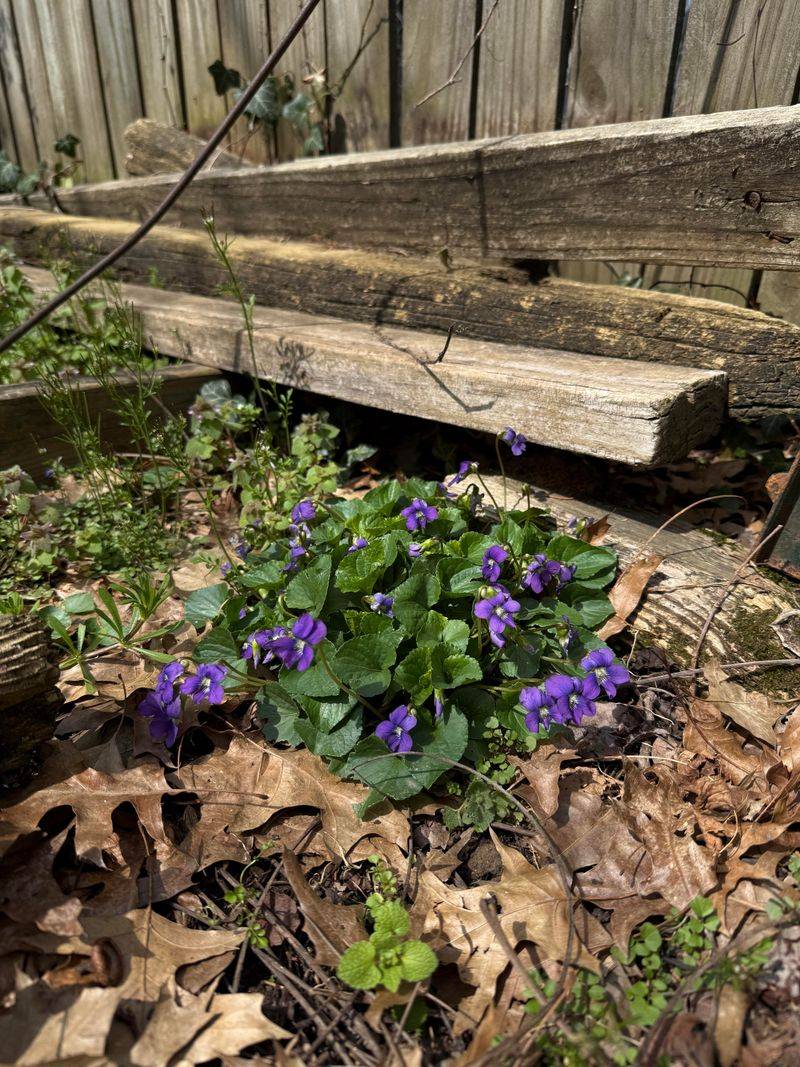
Violets get a mixed reputation in home landscapes, and honestly, that reputation is earned on both sides. On one hand, they are native, low-growing, and produce cheerful purple or white flowers in early spring that support native bees when little else is blooming.
On the other hand, they spread freely by seed and runners, and they are not a fit for homeowners who want a crisp, formal lawn edge right next to the patio. Knowing which type of yard you have matters before you commit to violets as a border plant.
Several violet species are native to Ohio, including common blue violet, which thrives in a range of conditions from sunny lawn edges to shaded, moist borders.
They stay low, typically under six inches, and their foliage fills in through the growing season with heart-shaped leaves that cover soil without creating height.
Department of Natural Resources lists several violet species as native to this state. They are frequently included in native plant and pollinator garden recommendations from local Extension offices.
The tick-aware connection requires an honest caveat. Violets are only a helpful border plant in this context if the border stays mowed, edged, and free of damp leaf piles.
A neglected violet patch buried under fall leaves, mixed with tall weeds, or allowed to spread into rough grass is still a messy edge. From a tick-management perspective, it is no better than any other unmanaged border.
The plant itself does not create safety. The maintenance around it does.
If you are comfortable with a relaxed, naturalized look and commit to clearing leaves in fall and early spring, violets can work well. They can be a genuinely useful part of a low-maintenance patio border.
Pull any tall weeds that emerge through the colony. Keep the area edged.
Avoid letting leaf litter sit against the patio steps or near doors, since that is where tick exposure risk near the home is highest.