The Native Texas Groundcover That Spreads Aggressively (In A Good Way)
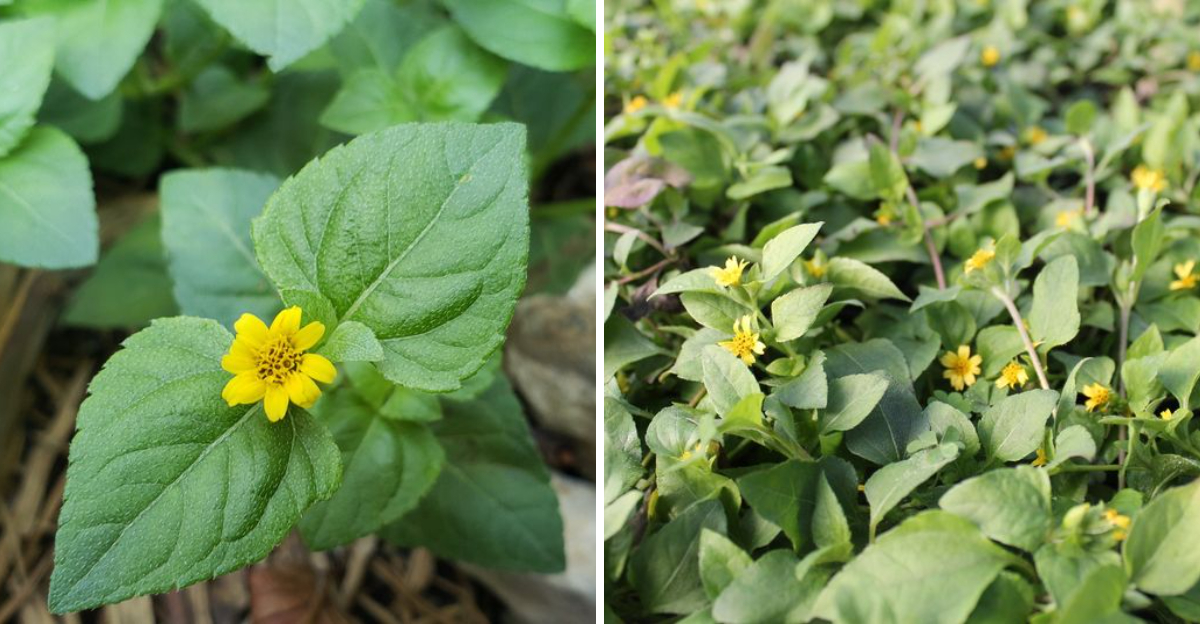
Aggressive spreading in a Texas garden is usually a warning sign, the kind of thing that starts as a convenient solution and turns into a removal project two seasons later.
But there is a native Texas groundcover that earns that description in entirely the right way, moving across bare ground, difficult slopes, and problem areas with the kind of purposeful coverage that most plants cannot deliver without constant encouragement.
The key is that it spreads without crossing into genuinely invasive territory, filling the space you need filled and holding there without attempting a hostile takeover of everything around it.
Texas heat and dry conditions that slow down or stop other groundcovers barely register as an obstacle for this plant.
Once it settles into a spot it likes, it builds year over year, becoming denser and more effective at holding soil and shading out weeds with each passing season.
If you have a bare or difficult area in your Texas yard that nothing else has been able to cover, this is the plant to try next.
Horseherb Spreads Fast In A Good Way
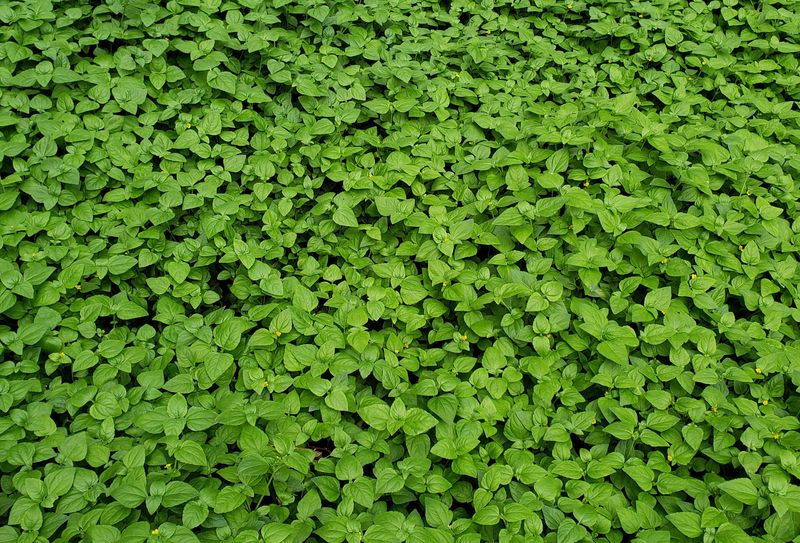
Picture a plant that practically does the hard work for you. Horseherb, also called frog fruit or Phyla nodiflora, is a native Texas groundcover that spreads aggressively across your yard without turning into a problem.
Unlike invasive plants that take over and crowd out everything else, horseherb works with your landscape instead of against it.
Horseherb grows low to the ground, usually only two to three inches tall. Its creeping stems spread outward, rooting wherever they touch the soil.
This means it fills empty spaces fast and creates a thick, green carpet that looks neat and natural at the same time.
Many Texas gardeners have switched from traditional grass lawns to horseherb because it needs very little water once it gets established. It handles the brutal Texas summer heat without much fuss.
You will not need to mow it constantly or water it every day to keep it looking good.
Horseherb is also incredibly forgiving for beginner gardeners. You do not need a perfectly prepared garden bed or rich soil to get it started.
Just plant it in a sunny or partly shaded spot, give it a little water while it gets settled, and watch it take off on its own.
Fun fact: Horseherb has been used in Texas landscapes for decades, but it is only recently getting the attention it truly deserves from homeowners looking for smarter, greener lawn alternatives.
Once you see how fast and beautifully it spreads, you will wonder why you waited so long to plant it.
It Fills Bare Spots Quickly
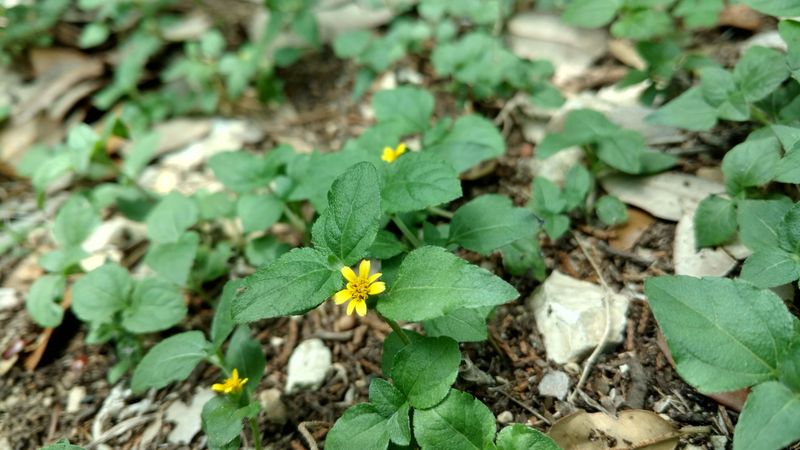
Bare spots in a yard are frustrating. Grass struggles to grow back, weeds move in fast, and the whole area starts looking neglected.
Horseherb solves that problem better than almost any other plant available to Texas gardeners.
Once you plant horseherb near a bare patch, it gets to work right away. Its creeping stems stretch out across the soil surface and root down as they go.
Your Texas Garden Changes Every Week. Your Plan Should Too.
Gardening in Texas changes quickly throughout the season. Every Friday you’ll receive a simple weekly plan showing exactly what to plant, prune, fertilize, harvest, and protect so you never miss the right timing.
Within a single growing season, a small starter plant can cover several square feet of open ground. That kind of speed is rare and incredibly useful.
What makes horseherb especially good at filling bare spots is how it handles difficult conditions.
Rocky soil, clay-heavy ground, or areas that dry out quickly in summer are no problem for this tough little plant. It pushes through where other groundcovers give up.
Another great thing about using horseherb to cover bare areas is that it stays low. There is no need to trim it back constantly because it naturally stays close to the ground. It will not grow up into a messy shrub or block pathways and garden borders.
Homeowners dealing with erosion on sloped areas will also find horseherb helpful. Its root system holds the soil in place, which prevents washouts during heavy Texas rainstorms. That means less soil loss and fewer muddy messes after a big rain.
For anyone tired of staring at patchy, unhealthy-looking yards, planting horseherb in those trouble spots is one of the easiest and most rewarding gardening decisions you can make in Texas.
It Suppresses Weeds Naturally
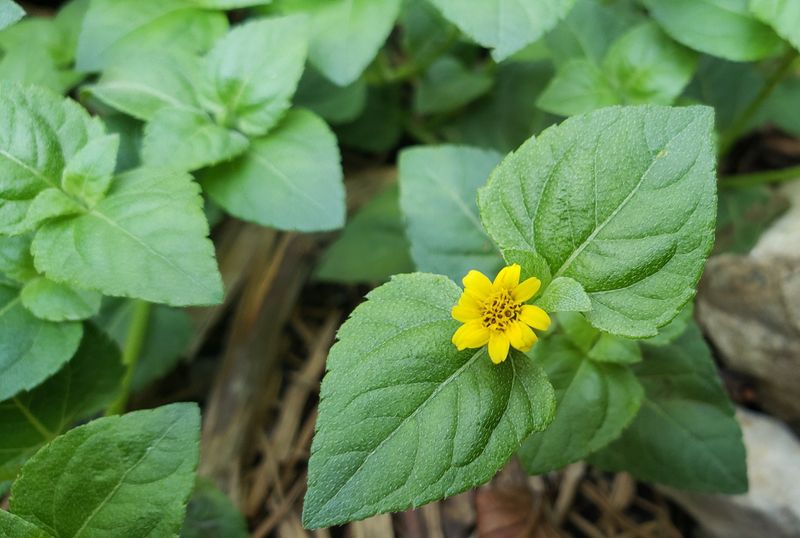
Weeding is one of the most time-consuming chores in any garden. Most people spend hours pulling weeds only to see them come back a week later.
Horseherb offers a smarter solution by simply crowding weeds out before they ever get a chance to take hold.
When horseherb spreads across an area, it forms a dense mat of stems and leaves that blocks sunlight from reaching the soil below. Weed seeds need light to sprout and grow.
Without that light, most common weeds cannot get started. The result is a naturally cleaner yard with far less effort from you.
Gardeners who have switched to horseherb often report a dramatic drop in the number of weeds they deal with each season.
Some say they barely have to weed at all once horseherb is fully established across an area. That saves time, energy, and money on herbicides.
Using fewer chemical herbicides is also better for the environment. Runoff from chemical weed treatments can pollute nearby water sources and harm beneficial insects and soil organisms.
Horseherb provides a natural, eco-friendly alternative that keeps your garden healthier overall.
Even in areas with persistent weeds like dandelions or crabgrass, horseherb competes surprisingly well. Its rapid spreading habit gives it an edge over slower-growing weeds. Over time, it simply outpaces them and takes over the space.
For Texas gardeners looking for a low-chemical approach to lawn care, horseherb is a practical and proven option. It works with nature rather than against it, and your garden will show the difference quickly.
Horseherb Thrives In Tough Conditions
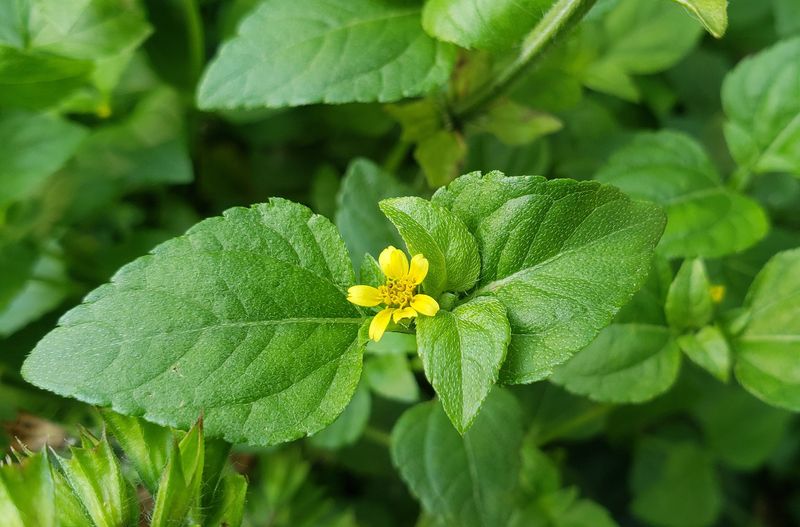
Most plants struggle in a Texas summer. The heat is intense, rain can disappear for weeks, and the soil is often rocky, compacted, or full of clay.
Horseherb, though, almost seems to enjoy these conditions. It is built for the Texas climate in a way that few other plants are.
Once horseherb establishes its root system, it becomes remarkably drought-tolerant. The plant stores moisture efficiently and pulls water from deeper in the soil when the surface dries out.
During extended dry spells that would leave other groundcovers brown and struggling, horseherb stays green and active.
Full sun is where horseherb really shines. It grows thickly in open, sun-baked areas that other plants avoid.
At the same time, it also handles partial shade reasonably well, which makes it flexible enough to use in different parts of your yard.
Poor soil quality is another challenge that does not slow horseherb down much. Whether your yard has heavy clay, sandy patches, or compacted areas from foot traffic, this plant adapts and keeps spreading.
You do not need to spend money amending your soil before planting it. Horseherb also bounces back well after being walked on or driven over.
Its low, flexible stems recover quickly from light pressure, which is why it works beautifully along paths and driveways. It is tougher than it looks.
For Texas homeowners who want a yard that looks great year-round without constant watering, fertilizing, or special care, horseherb is genuinely hard to beat. Its natural toughness is one of its greatest strengths.
It Attracts Pollinators
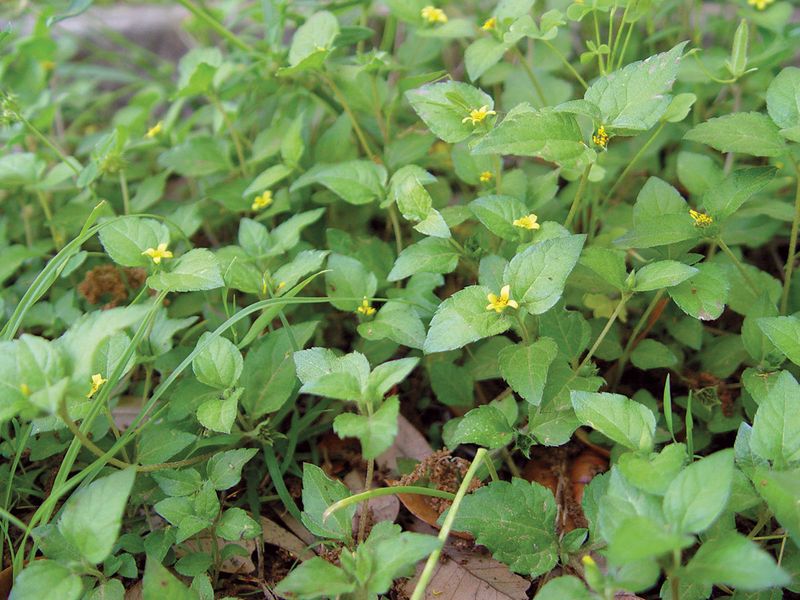
Small but mighty, the flowers of horseherb are a big deal for pollinators. Each tiny bloom is only a few millimeters wide, but together they form clusters of purple and white flowers that bees, butterflies, and other beneficial insects absolutely love.
If you want more life in your garden, planting horseherb is one of the easiest ways to get it. Bees are especially attracted to horseherb flowers.
Native bee species in Texas, including bumblebees and sweat bees, visit horseherb blooms regularly throughout the growing season.
More bees in your garden means better pollination for vegetables, fruit trees, and flowering plants nearby.
Butterflies also flock to horseherb. The plant is known to attract several species found in Texas, including the white peacock butterfly, which actually uses horseherb as a host plant for its caterpillars.
Hosting butterfly caterpillars is a special benefit that most groundcovers simply cannot offer.
Beyond bees and butterflies, horseherb supports a whole web of garden life. Beneficial insects that eat common garden pests are drawn to the plant’s flowers and foliage.
Having more of these helpful bugs around naturally reduces pest problems without needing sprays or traps.
Horseherb blooms from spring through fall in most parts of Texas, giving pollinators a reliable food source across several seasons. That long bloom period makes it more valuable than plants that only flower for a few weeks.
Adding horseherb to your yard is like setting out a welcome mat for the most helpful visitors a garden can have. Pollinators will notice it quickly, and your whole yard will benefit.
It Has Versatile Landscaping Use
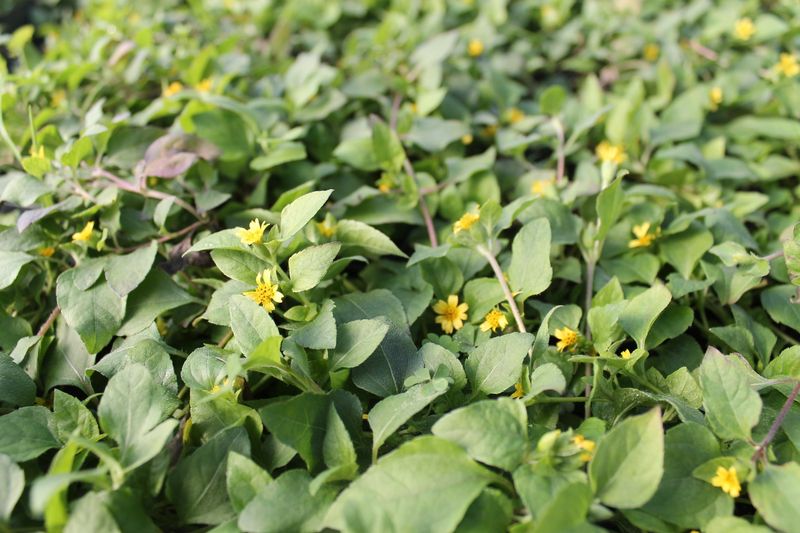
One of the best things about horseherb is how many different ways you can use it in your landscape.
Whether you have a flat yard, a sloped hillside, a shaded patio corner, or a sunny open field, horseherb fits in and does its job well. Very few plants offer that kind of flexibility.
Along pathways and patios, horseherb is a favorite choice for Texas gardeners. It creeps between stepping stones and fills gaps beautifully, creating a soft, natural look that feels intentional and polished.
It handles foot traffic better than most groundcovers, so it stays looking good even in busy areas.
On slopes and hillsides, horseherb is especially useful. Its spreading root system holds soil together and reduces erosion caused by rain and wind.
Many homeowners use it on embankments where grass is hard to mow and erosion is a real concern.
Horseherb also works beautifully as a turf replacement in areas where traditional grass struggles.
Shaded spots under trees, dry strips along fences, and areas with poor soil are all places where horseherb can succeed where grass cannot. Switching to horseherb in these problem areas can transform the look of a yard quickly.
Pairing horseherb with other Texas native plants creates a layered, natural garden design. It works especially well as a low-growing base beneath taller natives like black-eyed Susans or Mexican sage, adding texture and color contrast throughout the seasons.
For anyone building a low-maintenance, eco-friendly Texas landscape, horseherb belongs in the plan. Its versatility alone makes it one of the most practical native plants available to Texas homeowners.