Why Some Texas Gardeners Are Quietly Replacing Their Crape Myrtles This Fall
Something is quietly changing in some backyards this season, and it starts with a tree that has been a landscape favorite for decades.
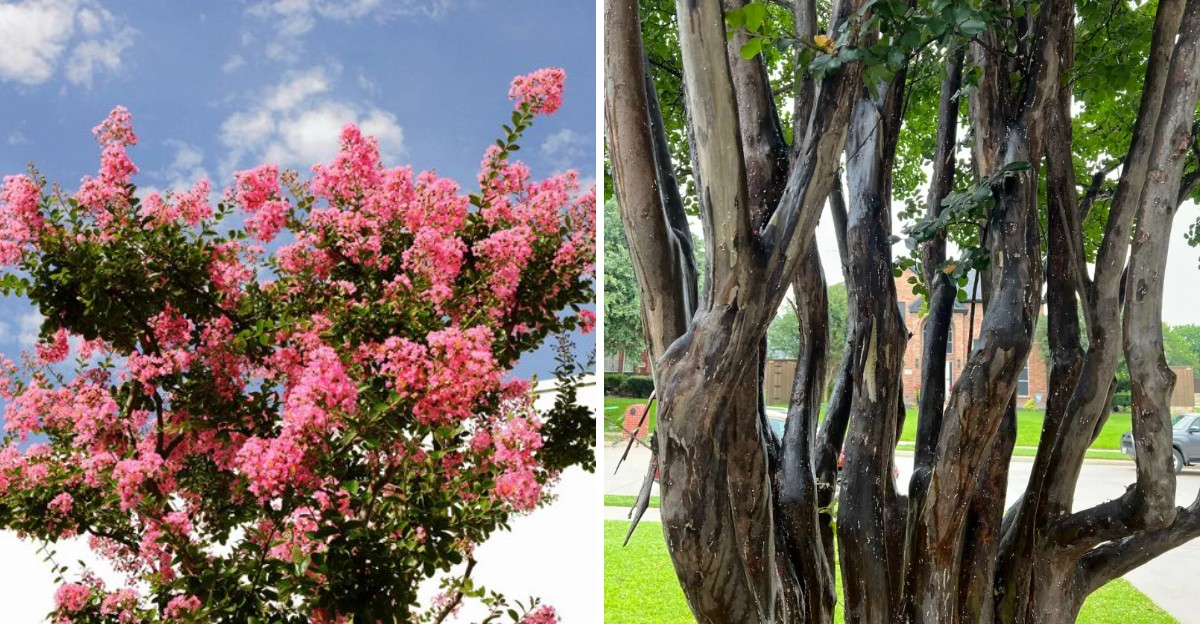
Crape myrtles are still widely planted across the state, still putting on their familiar summer blooms, but some homeowners are beginning to rethink where these trees fit in their yards.
A few recurring maintenance issues, changing landscape goals, and a desire for different types of shade and wildlife value have some gardeners looking at other options.
The goal is not replacing a bad tree, but choosing plants that better match what each homeowner wants from their outdoor space.
Texas gardens offer plenty of alternatives that can provide seasonal color, shade, habitat, and a different style of landscape. Some gardeners are moving toward larger shade trees, native plants, or lower-maintenance choices that better fit their long-term plans.
Fall is a great time to consider a landscape change because cooler temperatures can make planting woody plants easier on both the gardener and the new plant.
With the right selection, a new tree or shrub can become a lasting part of the Texas yard.
1. The Sticky Black Coating Bothering Texas Yards
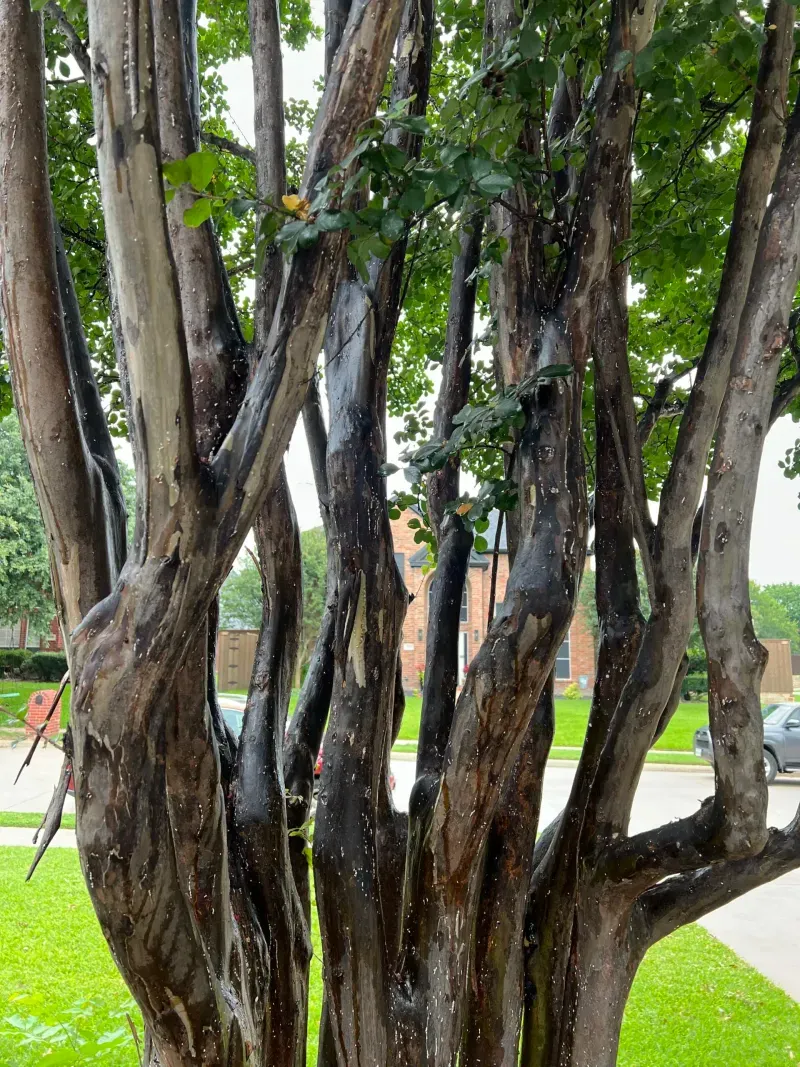
Ever touch a crape myrtle leaf and notice a dark, greasy film on your fingers? That coating is called sooty mold, and it is a common sight on trees affected by certain insect pests in Texas landscapes.
The black growth does not feed directly on the tree. Instead, it develops on honeydew, a sugary substance produced by insects such as aphids, scale insects, and other sap-feeding pests.
Over time, this sticky material can collect on leaves, patios, vehicles, and outdoor furniture beneath an affected tree.
Many homeowners become frustrated when they spend time cleaning surfaces only to see the dark coating return. Heavy sooty mold can also interfere with photosynthesis by covering leaf surfaces, especially when insect activity is high.
The problem is usually connected to the insects producing the honeydew rather than the crape myrtle itself. Managing the underlying pest issue can often reduce the mold, although control may require patience and proper timing.
Some gardeners decide to replace affected trees because they want a different landscape style or fewer maintenance concerns.
However, switching plants does not automatically remove all insect issues, since many landscape plants can experience their own pest problems.
A healthier approach is choosing plants that fit the site while also understanding the care needs of each species. Crape myrtles remain valuable landscape trees, but some homeowners may prefer alternatives based on their own goals.
2. Tiny Bark Bugs Spreading Across Texas Trees
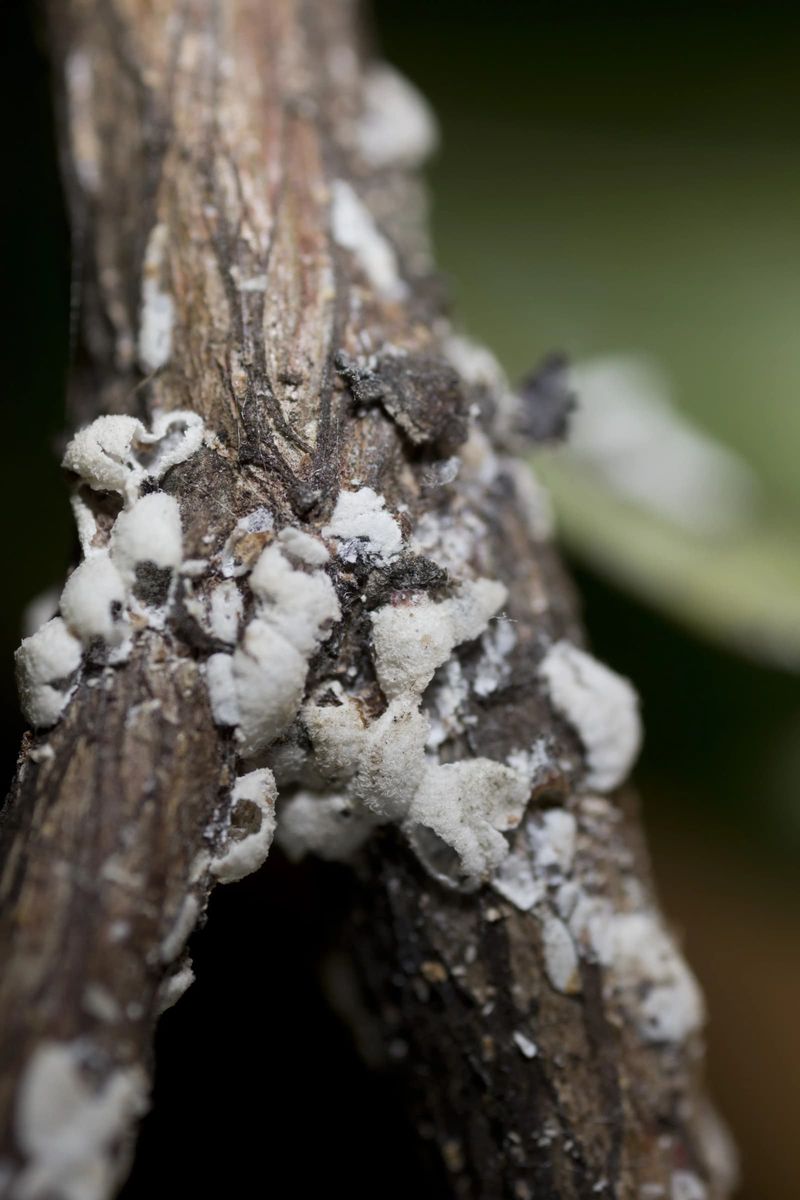
Picture a crape myrtle trunk covered with tiny white patches that look like bits of cotton. Those small clusters may be a sign of crape myrtle bark scale, an insect pest that has become established in many parts of the state.
The insects attach themselves to branches and trunks, where they feed on plant fluids. As they feed, they produce honeydew, the sugary substance that can lead to the development of sooty mold on the tree and nearby surfaces.
Your Texas Garden Changes Every Week. Your Plan Should Too.
Gardening in Texas changes quickly throughout the season. Every Friday you’ll receive a simple weekly plan showing exactly what to plant, prune, fertilize, harvest, and protect so you never miss the right timing.
What begins as a few visible spots can become more noticeable as populations increase. Gardeners in parts of East and Central Texas have reported dealing with this pest, and managing an infestation can require careful monitoring and repeated treatments.
Crape myrtle bark scale is not a reason that every homeowner needs to remove a tree. With proper identification and timely management, affected trees can often continue growing and flowering.
Treatment success depends on factors such as the severity of the infestation, timing, and the methods used.
Some homeowners decide to replace a crape myrtle because they prefer a different plant that better matches their landscape goals.
Choosing a replacement can reduce future concerns with this specific pest, but no landscape plant is completely free from insect problems.
Understanding the difference between a manageable pest issue and a reason for removal helps gardeners make better choices. Healthy landscapes usually come from selecting plants suited to the site and providing the care those plants need.
3. The Harsh Pruning Habit Hurting Texas Gardens
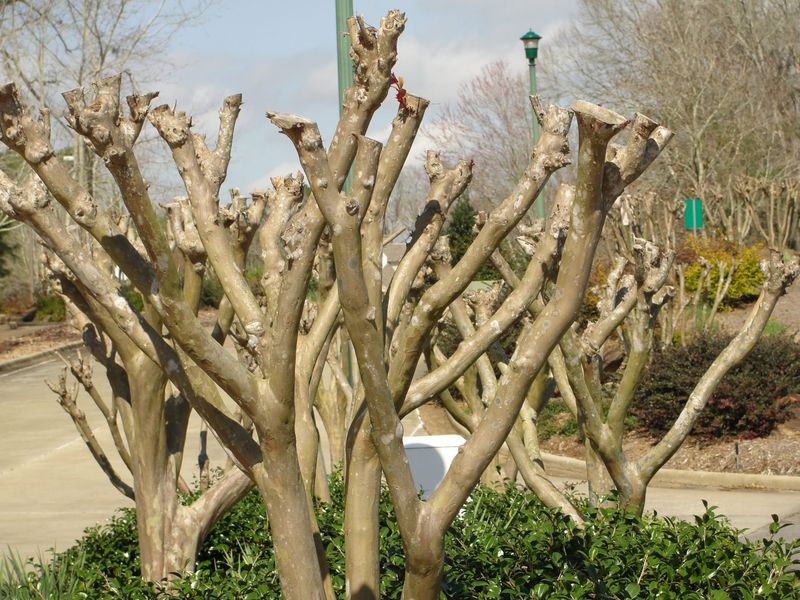
Drive through many Texas towns in winter and you may notice crape myrtles cut back into short, bare stubs.
This pruning style became common over the years, even though many horticulturists consider it an unnecessary approach that damages the tree’s natural form.
Some gardeners believed cutting the tops off each year would create larger blooms, but heavy topping mainly encourages rapid new shoots and leaves behind large pruning wounds.
Those fast-growing shoots are often weakly attached and can create a crowded, uneven appearance.
Proper pruning can help maintain a healthy crape myrtle, but it should focus on removing damaged or crossing branches while preserving the tree’s natural structure. Severe annual topping is usually not needed for these trees to flower well.
Repeated heavy cutting can create long-term maintenance issues and may leave the tree with an unnatural shape. Many gardeners who dislike the look of topped crape myrtles choose different plants that better match the style they want.
Replacing a tree can be a personal landscape decision, especially when homeowners prefer a plant with a different size, shape, or maintenance routine. Choosing a species that naturally fits the desired space can reduce the need for corrective pruning later.
A well-selected tree or shrub should work with the landscape rather than require constant reshaping. Good pruning habits and thoughtful plant choices both play important roles in creating healthier yards.
4. Suckers And Seedlings Taking Over Texas Beds
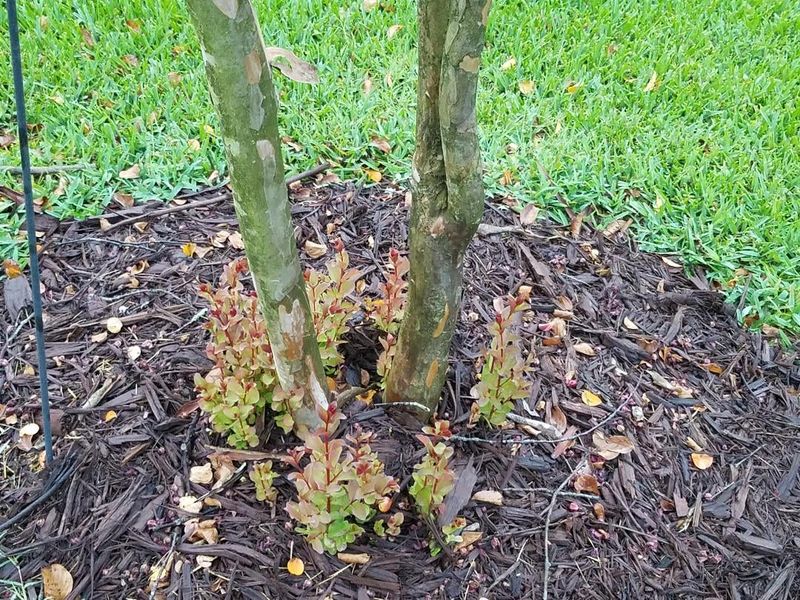
You clear a flower bed, tidy up the edges, and then notice small shoots appearing near the base of a crape myrtle. Those sprouts are often suckers, which are new shoots that grow from the base or root system of the tree.
Crape myrtles can produce suckers, especially when the roots are disturbed or when the plant responds to stress.
While they are not usually harmful to the health of an established tree, they can make the area around the plant look untidy and require occasional maintenance.
The tree can also produce seeds that may sprout in nearby areas when conditions are right. Small seedlings may appear in lawns, garden beds, or cracks where moisture and soil allow them to grow.
For some homeowners, the repeated cleanup becomes frustrating, especially in formal landscapes where they want a neat appearance. Removing unwanted growth may become a regular task depending on the tree, its location, and surrounding conditions.
Replacing a crape myrtle with another plant can be one option for gardeners who want a different growth habit.
However, many other shrubs and trees can also spread through seeds, suckers, or natural growth, so choosing a replacement still requires some planning.
The best choice depends on the style of garden a homeowner wants to create. Plants with predictable size and growth habits can make maintenance easier, while a more natural landscape may allow some self-seeding and spreading.
Understanding how a plant grows before adding it to a yard can prevent future frustration. The right plant in the right location often leads to a landscape that feels easier to manage over time.
5. Native Plants Winning Over Texas Gardeners
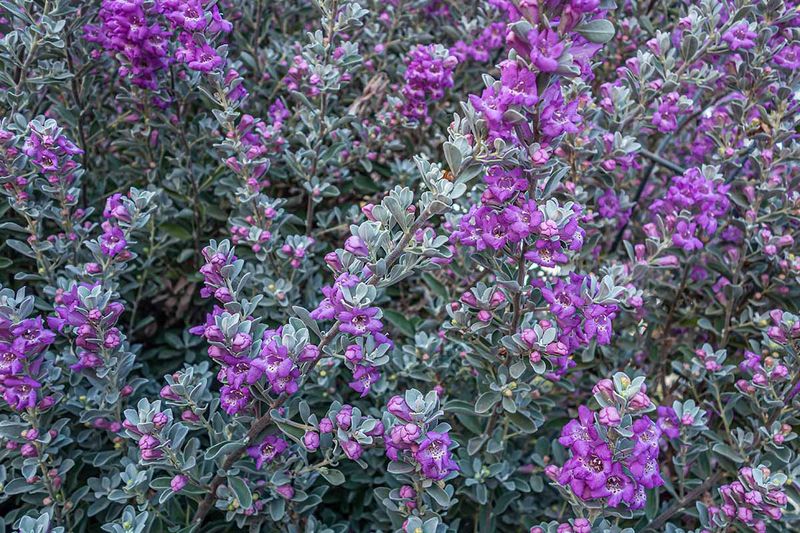
There is something satisfying about growing plants that are well adapted to the place where they are planted. More gardeners are exploring native and regionally adapted species that can handle local conditions while supporting wildlife.
Choices like Texas sage, esperanza, and Mexican plum are popular examples of plants used in Texas landscapes. Their ability to tolerate heat, seasonal dry periods, and challenging conditions in suitable regions makes them valuable additions to many yards.
Native plants are not maintenance-free, and the best choices depend on the local climate, soil, and growing conditions. A plant that thrives in one area may need different conditions than one selected for another region with different rainfall, temperatures, or soil types.
These plants can also provide benefits beyond appearance. Many native species produce flowers, seeds, or fruit that support pollinators, birds, and other wildlife throughout the year.
Replacing an ornamental tree with native shrubs or smaller trees can help homeowners create a landscape that feels connected to the surrounding environment.
Local nurseries and Extension resources can help gardeners choose plants suited to their specific location.
For many homeowners, the appeal comes from creating a yard that requires thoughtful care rather than constant correction. A landscape filled with well-matched plants can offer beauty, seasonal interest, and habitat value at the same time.
6. Better Shade Options For Hot Summers
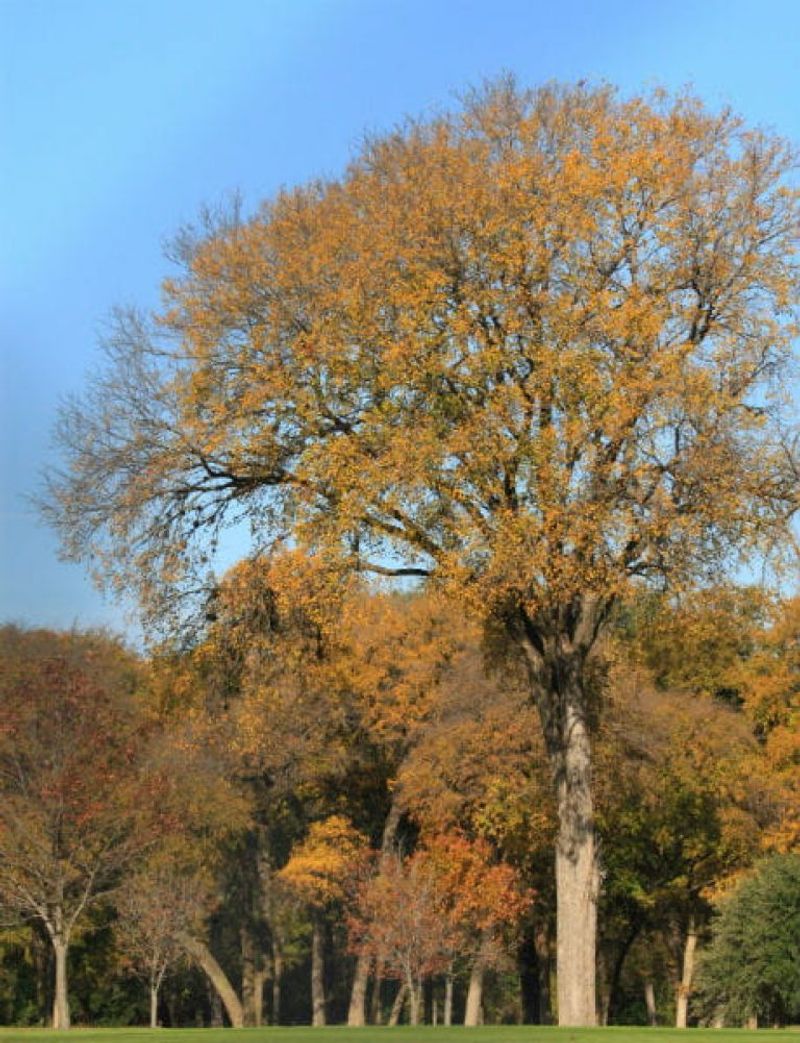
When the Texas sun is at its strongest, a little shade can make a major difference in how comfortable an outdoor space feels.
While crape myrtles are valued for their flowers and ornamental appeal, their smaller size and open branching structure usually provide lighter shade than larger canopy trees.
Many homeowners eventually realize they want a tree that creates a deeper, wider area of shade for patios, walkways, and gathering spaces.
Adapted choices such as cedar elm and certain native oaks can develop broad canopies that provide more substantial coverage when planted in suitable locations.
A well-placed shade tree can also help reduce heat around a home by blocking direct sunlight, especially near areas exposed to strong afternoon sun.
The amount of cooling depends on the tree’s size, placement, health, canopy density, and surrounding environment.
The tradeoff is that larger trees usually require more room and more time to reach mature size. Homeowners should consider future growth, overhead clearance, available root space, and site conditions before choosing a location.
Replacing a smaller ornamental tree with a larger shade tree is not about one plant being better than another. It is about matching the tree to the job it needs to perform in the landscape.
For gardeners who want cooler outdoor spaces, choosing a tree based on mature size and shade potential can provide long-term benefits. A thoughtfully selected tree can eventually become one of the most useful features in the yard.
7. Fall Planting Timing That Makes A Crape Myrtle Swap Easier
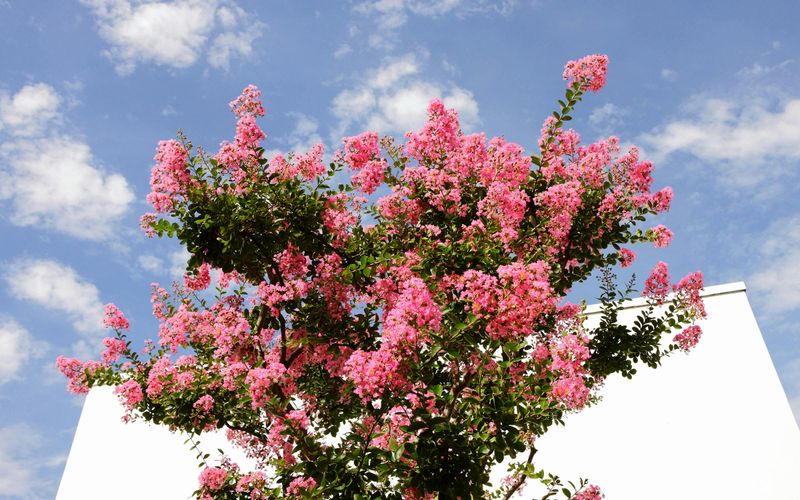
Fall is one of the most favorable times of year for replacing landscape trees and shrubs.
For homeowners considering a change from crape myrtle to another option, cooler temperatures can make the transition easier on new plants while giving roots time to establish before the next round of intense summer heat arrives.
Removing an established plant and adding something new takes planning. Fall gives gardeners a chance to rethink the space, choose a tree or shrub that better fits the yard, and give the replacement a strong start before warmer weather returns.
Cooler air temperatures reduce stress on newly planted trees, while soil temperatures can remain warm enough in many areas to support root growth.
Spring planting can also succeed, but fall often provides a helpful window for woody plants when watering and care are managed properly.
Seasonal rainfall may support new plantings, although conditions vary widely depending on location and weather patterns. Newly installed trees and shrubs still need regular attention during dry periods while their root systems become established.
Choosing the right replacement is just as important as choosing the right planting time. Homeowners should consider mature size, sunlight, soil conditions, water needs, and the role they want the plant to serve in the landscape.
A thoughtful fall replacement can turn an old landscape habit into a long-term improvement. With the right plant in the right place, the yard can gain new color, structure, shade, or wildlife value for years to come.
8. Boosting Home Value In Texas Neighborhoods
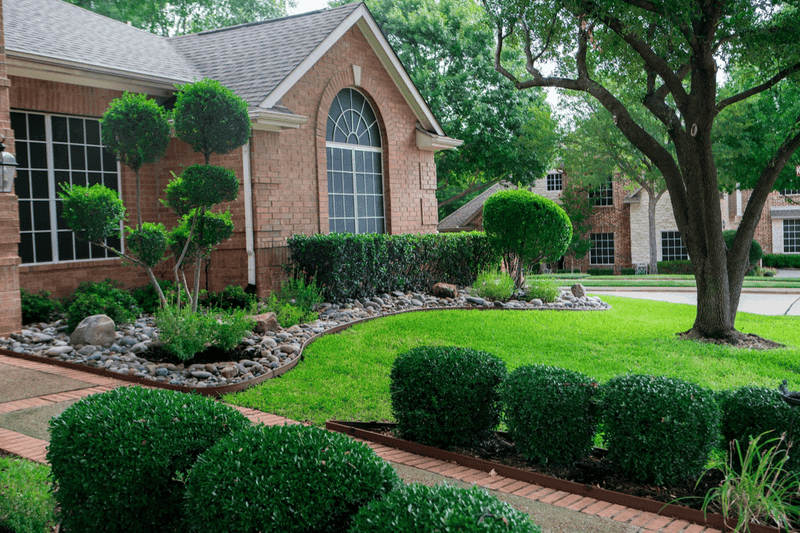
First impressions matter, and the front yard often shapes how people view a home before they ever step inside. Healthy, well-maintained landscaping can improve curb appeal and create a more welcoming appearance for both homeowners and visitors.
A tree with heavy pest issues, poor structure, or visible maintenance problems may affect how a landscape looks. However, replacing a crape myrtle does not automatically increase a home’s value.
The impact depends on the overall quality of the landscaping, the local housing market, and how well the plants fit the property.
Thoughtfully chosen trees and shrubs can make a yard feel more attractive and intentional. Larger shade trees, colorful native plants, and well-designed planting areas may help a property stand out by creating a landscape that feels established and cared for.
Mature trees are often appreciated by homeowners because they provide beauty, shade, and a sense of permanence. A healthy tree in the right location can become a valuable feature of a property over time, especially when it fits the needs of the yard.
Even for homeowners who are not planning to sell, improving the landscape can make outdoor spaces more enjoyable. A yard filled with healthy plants can create a stronger connection between the home and the surrounding environment.
Replacing a plant this fall is ultimately a personal landscape decision. The best choice is one that improves the appearance, function, and long-term maintenance of the yard while matching the conditions of the Texas region where it grows.