How To Protect Next Year’s Peony Blooms In Your Virginia Garden
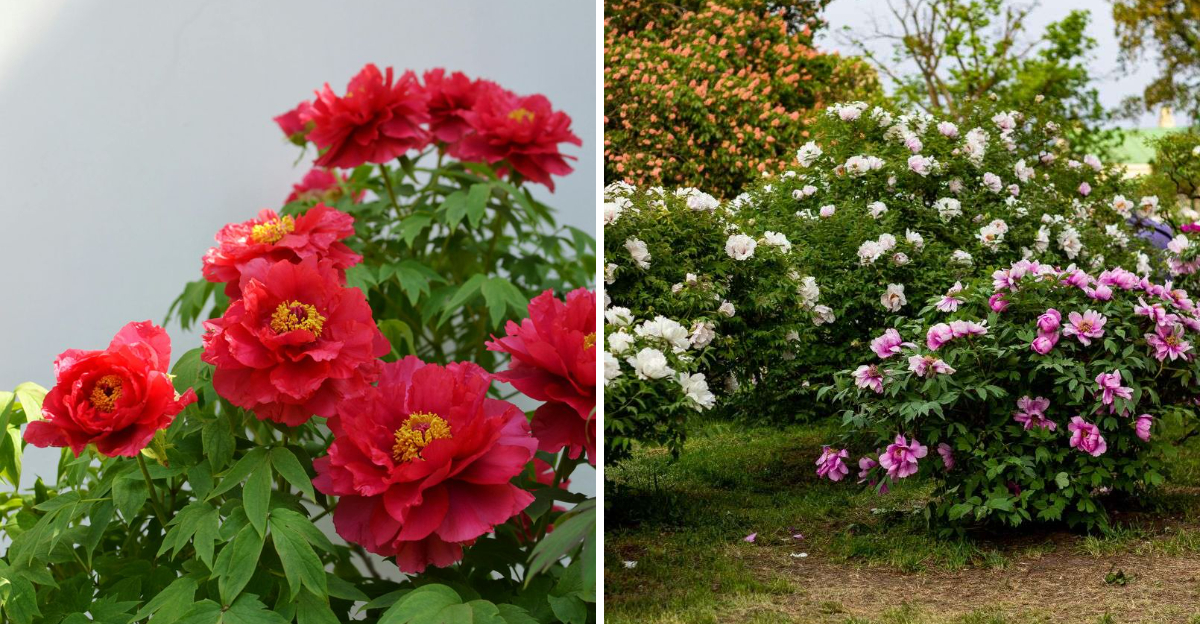
Pulled every spent bloom, watered faithfully, felt genuinely proud, and still watched my Virginia peonies deliver a disappointingly thin show the following May. No warning.
No obvious reason. Just fewer buds, smaller blooms, and that specific frustration of not knowing where the season went sideways.
What most peony guides never tell you is that the plant’s entire future gets decided in the weeks after bloom, not before.
Virginia’s thick summer humidity moves into overlooked foliage fast, quietly drawing down the energy reserves your plant spent all spring building underground.
By the time autumn arrives, the damage is already settled in. The good news is that the fix is not complicated.
A few precise habits, executed at the right moments through summer and fall, completely change what surfaces in spring. Miss that window and you get mediocre results.
Work it deliberately and your peonies stop being a garden feature. They become the whole conversation.
Remove Spent Flowers By Cutting Back To The First Healthy Leaf
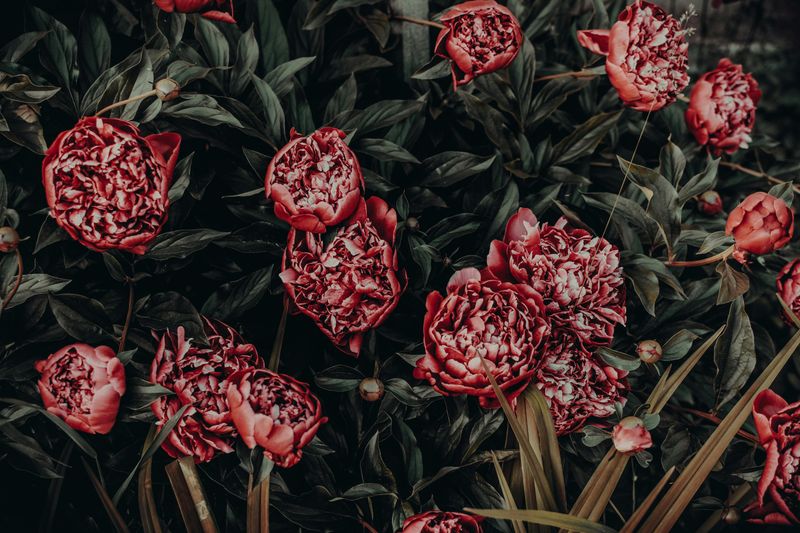
Faded blooms cost your plant more than they look like they do. Once a flower turns brown, the plant shifts its energy toward forming seeds inside that spent bloom.
That is energy your peony could be banking in its roots for next year. Cutting the flower off sends that power right back where it belongs.
The key is knowing exactly where to cut. Trace the stem down until you reach the first healthy, full-sized leaf, then make a clean cut just above it.
That leaf is still pulling in sunlight and feeding the roots all summer long. Do not just snip the flower head and walk away.
Dull blades crush the stem instead of cutting it, leaving a ragged wound that increases the risk of disease taking hold. Sharp, clean pruners make the difference.
Wipe your blades with rubbing alcohol before and after each cut to avoid spreading pathogens from plant to plant.
Removing takes five minutes per plant and costs nothing. The payoff in spring is worth every second.
Never Cut Back Foliage In Summer
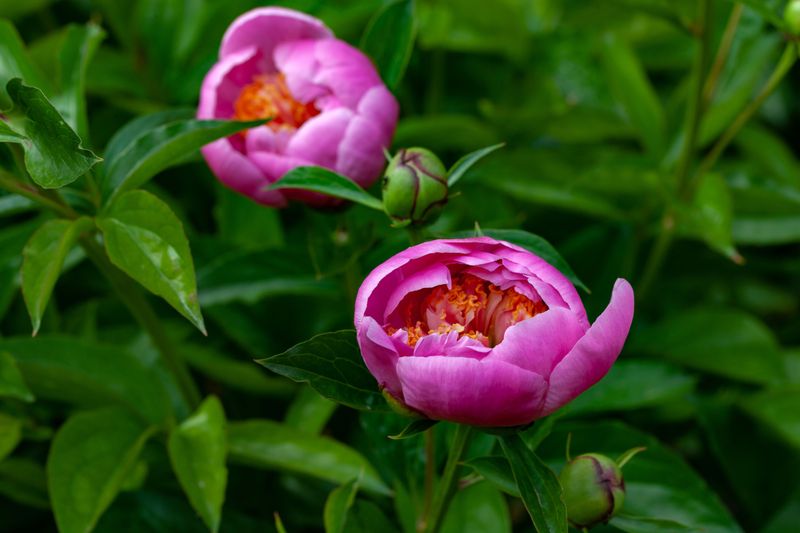
Those leaves are still working. Cutting peony foliage in summer feels tidy, but it is one of the more damaging habits in post-bloom peony care.
From the moment flowers fade until the first hard frost, every leaf is soaking up sunlight and converting it into energy stored in the roots.
That stored energy is what powers next spring’s blooms. Removing foliage early leaves your plant running on empty when it matters most.
Think of it like unplugging a phone charger before the battery hits 100 percent. Your peony will survive, but it will not perform the way it could.
Sometimes summer foliage looks spotted, rough, or floppy, and the urge to tidy it up is real. Resist it. As long as leaves are still green and attached, they are doing their job.
Only remove leaves that have fully browned or are showing signs of severe disease that could spread.
Your Virginia Garden Changes Every Week. Your Plan Should Too.
Gardening in Virginia changes quickly throughout the season. Every Friday you’ll receive a simple weekly plan showing exactly what to plant, prune, fertilize, harvest, and protect so you never miss the right timing.
Leave the foliage alone, let it work, and your patience will show up as an armful of blooms next May.
Water Deeply At The Base, Not From Overhead
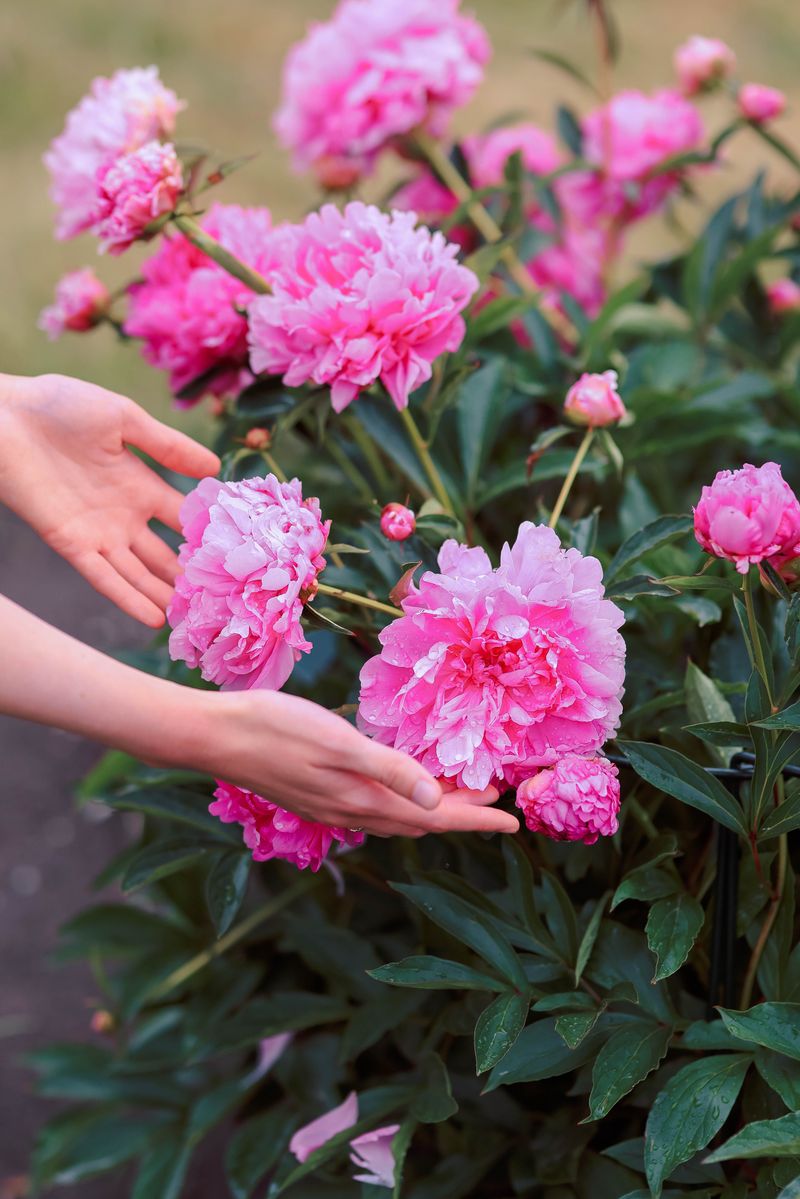
Wet leaves create conditions that peonies consistently struggle with. In Virginia’s warm, humid summers, water sitting on foliage creates a breeding ground for botrytis and powdery mildew.
Overhead watering from a sprinkler or hose invites those problems fast. The damage often shows up days later, making it hard to connect the cause and the effect.
Deep, base-level watering is the smarter move. A soaker hose laid around the plant delivers moisture directly to the root zone, where it is actually needed.
Drip irrigation works the same way and is even more precise. Both methods keep the foliage dry while giving the roots a thorough drink.
Water in the morning whenever possible. Any accidental splash on the leaves has time to evaporate before temperatures drop at night.
Evening watering leaves moisture sitting on the plant for hours in cooler air, which is exactly what fungal spores love.
Soak the soil thoroughly each time you water. That consistency builds a stronger, more resilient plant from the ground up.
Water If Less Than 1 Inch Of Rain Falls In Two Weeks
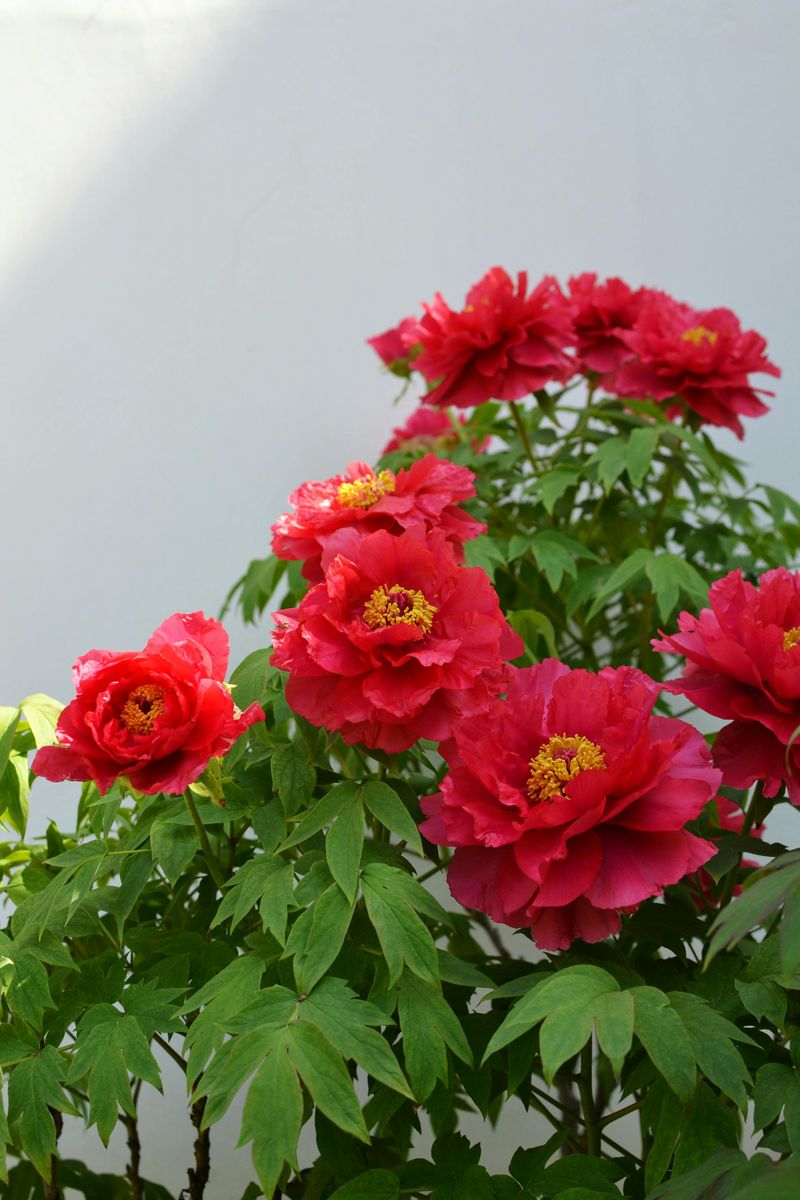
Peonies are resilient, but dry spells have a real cost. A stretch of two weeks with less than an inch of rainfall will start stressing the plant in ways you cannot always see on the surface.
Underground, roots struggle to pull nutrients from dry soil and the energy storage process slows significantly. That directly affects bloom quality the following spring.
A simple rain gauge takes all the guesswork out. They cost just a few dollars and give you an accurate read on what your plants are actually receiving.
Do not rely on memory or a glance at the sky to decide whether to water. When you do water, go slow and go deep.
A slow trickle for 20 to 30 minutes at the base encourages roots to grow downward, building long-term drought resistance.
A quick splash offers little benefit and trains roots to stay shallow rather than reach deeper.
Those roots are quietly preparing for next spring right now. Consistent watering through late summer is how you support that process.
Apply Balanced Fertilizer After Removing

This feeding window is short, and most gardeners miss it. Right after removing, the plant shifts into root-building, energy-storing mode.
Feeding it at this exact moment gives the plant exactly the nutritional support it is primed to absorb.
A fertilizer in the 5-5-5 to 10-10-10 range supports healthy foliage, strong roots, and solid bud development all at once.
Sprinkle granules in a ring around the plant, keeping them a few inches away from the crown.
Scratch them lightly into the top inch of soil and water well so nutrients start moving toward the roots.
Never pile fertilizer directly against the stem, as this can cause burning and rot. Skip high-nitrogen options entirely.
They push leafy growth at the expense of flowers, which is the opposite of what peonies need.
Phosphorus is the nutrient that specifically supports root development and bloom production.
One well-timed feeding after removing can make a measurable difference come spring. Small effort, and your garden will show it.
Keep Mulch Light And Away From The Crown
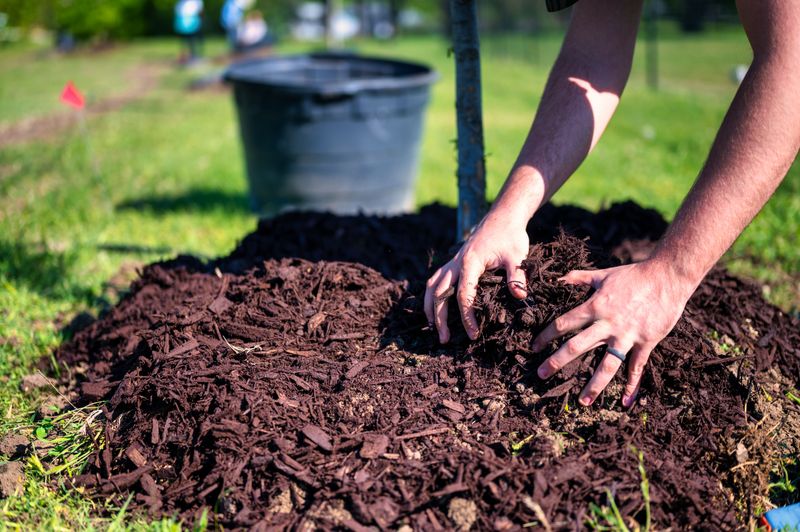
Mulch placement around peonies is more important than most gardeners realize. Peonies are particularly sensitive about their planting depth.
The crown, that knobby cluster of buds at or just below the soil surface, needs to stay cool and exposed to air.
Mulch piled against it traps moisture and warmth, creating exactly the conditions that fungal diseases thrive in.
It can also trick the plant into producing lush foliage but few or no blooms.
One to two inches of mulch applied in a ring around the plant is plenty. Leave a clear gap of several inches around the base of the stems.
Think of it as giving the crown room to breathe. Virginia’s summer humidity already pushes the limits of what peonies can tolerate.
Good airflow around the crown is not optional here. Pull back any mulch that has crept too close and fluff it up to prevent compaction.
Getting this detail right protects against one of the most frustrating peony problems: a plant that leafs out fully but never blooms.
Watch For Powdery Mildew And Treat Early

By the time powdery mildew looks bad, it has already been there for a while. It shows up as a dusty white or gray coating on leaf surfaces, peaking in late summer when shifting temperatures invite spore activity.
Virginia gardens are especially prone to it because of the region’s thick summer humidity. Catching it early makes treatment far more manageable.
Check your peony foliage weekly once August arrives. Flip a few leaves over and look for that telltale powdery residue on both surfaces.
A homemade spray of one tablespoon of baking soda, a few drops of dish soap, and a gallon of water can slow the spread when applied at the first sign of trouble.
Commercial fungicides labeled for powdery mildew work well too. Good airflow is your first line of defense.
Overcrowded beds hold moisture and restrict air movement, giving spores the stagnant environment they need.
Proper plant spacing and avoiding overhead watering reduces the risk significantly.
Healthy foliage all the way to frost means more stored energy underground. That translates directly into more blooms next spring.
After The First Hard Frost, Cut Stems To 1 Inch From The Ground
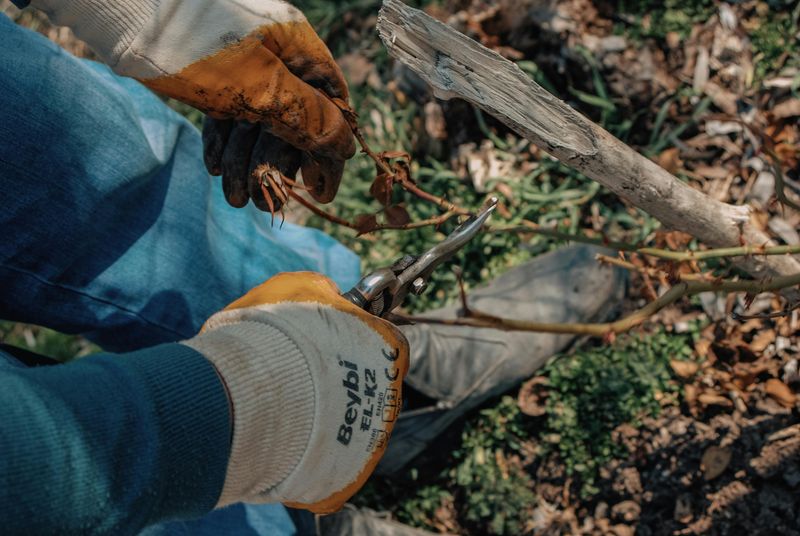
First hard frost means it is time to cut. Once temperatures drop below 25 degrees Fahrenheit and foliage has fully browned and collapsed, the plant has gone dormant.
All the energy gathered over summer has moved down into the roots. Those stems are finished for the year.
Cut them back to one inch to clean up the bed and remove hiding spots for insects and disease spores.
Use clean, sharp pruners and cut close to the ground without going flush with the soil. Leave just a small stub to mark the plant’s location through winter.
That stub helps you avoid accidentally stepping on or disturbing the crown before growth resumes in spring.
Do not cut back too early. Foliage that has not fully browned is still completing the energy transfer process. Cutting it short interrupts that and can reduce next year’s bloom count.
Support your peony all season, then let it rest. It will come back stronger and more prepared next May.
Discard Cut Foliage In The Trash, Never Compost It
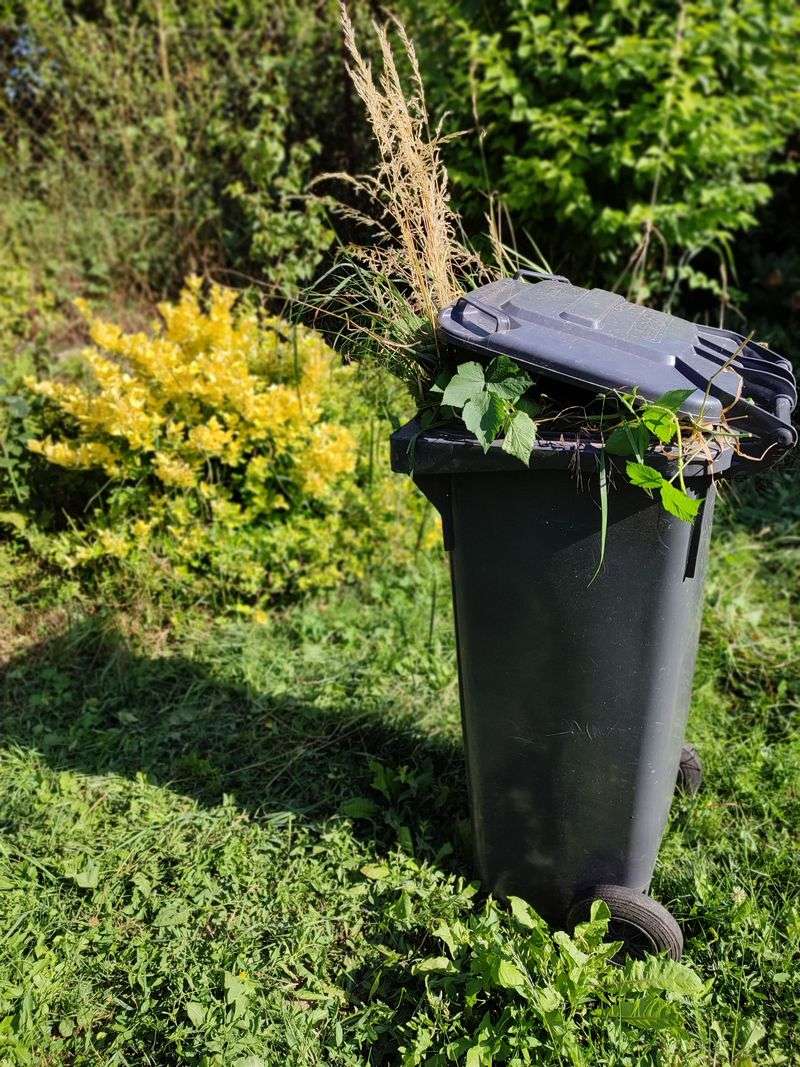
The compost bin is the wrong place for peony cuttings. Peony foliage carries fungal diseases including botrytis blight and powdery mildew. Those spores do not disappear as plant material breaks down.
A warm, moist compost pile can actually help certain pathogens survive long enough to spread back into your garden when you use that finished compost next season.
Bag the cut stems and foliage and send it out with regular garbage. This removes the disease risk from your yard completely and breaks the cycle of reinfection before it starts.
It is a small step that feels almost too simple, but it makes a real difference. If your plants showed no signs of disease this season, the risk is lower.
The habit is still worth keeping. Some fungal contamination remains invisible until it has already spread, and why take the chance?
Clean removal of spent foliage is one of the easiest ways to give your plants a healthy start when they wake up next spring.
Divide Overcrowded Or Declining Plants In Fall If Needed
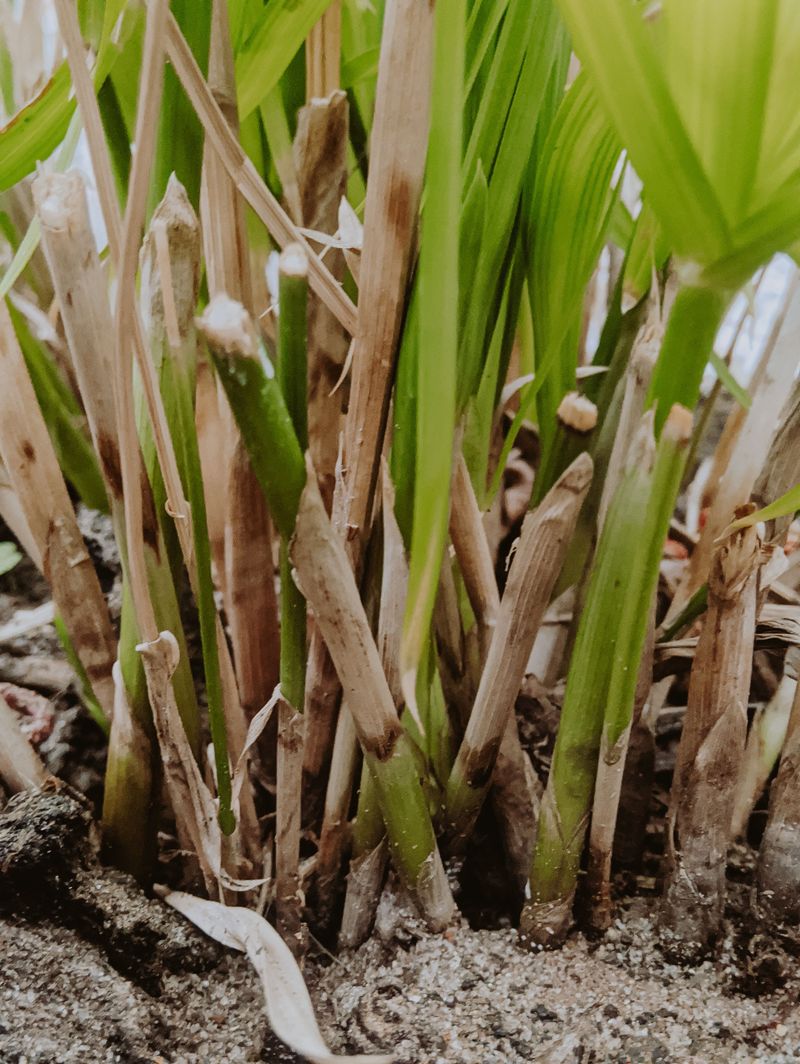
Too many roots, not enough room, and bloom production pays the price. A peony that once produced generous, full blooms but now delivers mostly leaves is telling you it needs to be divided.
Over five to six years, clumps grow dense underground. Roots compete for nutrients, water, and space, and the results show up as a progressively weaker spring display.
Fall is the right time for this, ideally four to six weeks before the ground freezes. Dig up the entire root mass carefully, shake off excess soil, and use a sharp clean knife to divide the clump into sections.
Each division needs three to five pink eyes, the small reddish buds that become next year’s stems. Plant each division so the eyes sit no more than one to two inches below the soil surface.
Planting too deep is the primary reason peonies decline to bloom, so take your time with the depth.
Water new divisions in well and mark their locations so they are not disturbed over winter. Share the extra sections with neighbors. These plants deserve more than one garden.