6 North Carolina Trees Worth Pruning In Summer And 3 You Shouldn’t Touch Until Fall
Pruning advice usually focuses on late winter, that window just before new growth starts when most trees respond well to being shaped and thinned.
Summer pruning gets less attention, which is a shame, because for certain trees in North Carolina it’s actually the better time.
Done on the right species, a summer cut speeds wound closure, reduces the chance of certain fungal problems, and shapes growth in ways that a dormant-season cut simply can’t match.
But summer pruning on the wrong tree is a different story entirely.
Three trees that commonly grow in North Carolina yards really need to be left completely alone until fall, and cutting them now creates openings for problems that will spend the rest of the season getting worse.
Knowing which category your trees fall into before you pick up the pruners saves a lot of trouble.
1. American Holly
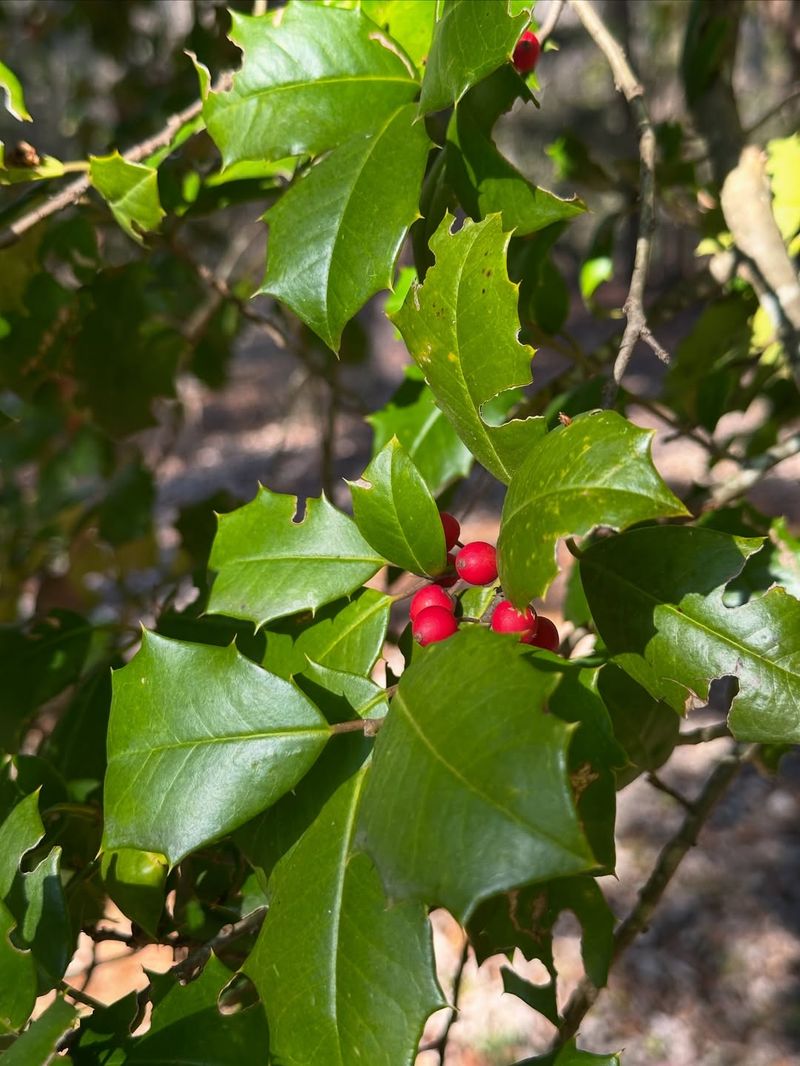
Few trees bring as much year-round charm to a North Carolina yard as the American holly. With its glossy, deep-green leaves and brilliant red berries, it earns its keep in every season.
Summer is actually a great window to give it some attention, especially once the fresh spring growth has hardened off and firmed up nicely. Light shaping works really well during this time.
You can trim back any branches that are growing in awkward directions, remove ones that look damaged or diseased, and clean up the overall silhouette of the tree without putting too much pressure on it.
The key word here is light. American holly does not respond well to heavy cuts during the growing season, so resist the urge to go overboard.
Removing crossing branches is another smart move in summer because you can clearly see the structure of the canopy while it is fully leafed out.
That visibility makes it easier to spot problem areas. Just make sure your tools are sharp and clean before you start, since clean cuts heal faster and reduce the chance of infection.
A little summer attention goes a long way toward keeping this classic North Carolina native looking full, healthy, and picture-perfect from one season to the next.
2. Eastern Red Cedar
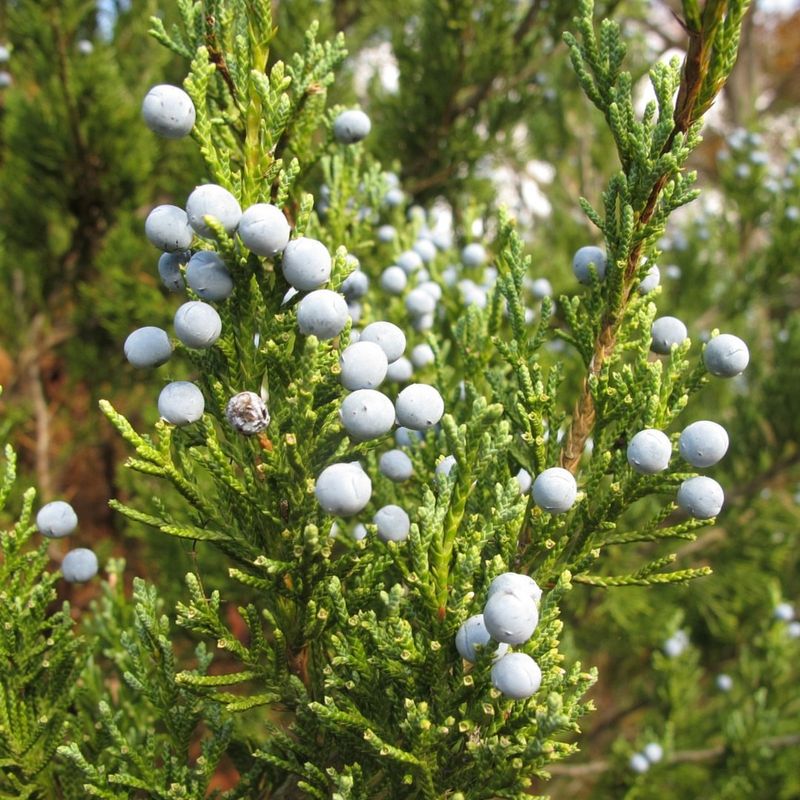
Eastern red cedar is one of those tough, no-fuss trees that thrives across North Carolina without much help at all.
Rugged and deeply rooted in the local landscape, it has been part of this region for centuries.
That said, a little summer maintenance can keep it looking tidy and growing in the right direction.
Summer is a perfectly suitable time to remove branches that have been damaged by storms, insects, or disease.
You can also trim back any wayward limbs that are growing into walkways, structures, or neighboring plants.
Because eastern red cedar is a conifer, it tends to handle minor cuts reasonably well during the warmer months as long as you keep things conservative.
One thing to keep firmly in mind is that heavy pruning should still be avoided. Cutting back into old wood on a cedar rarely produces the lush regrowth you might hope for.
Your North Carolina Garden Changes Every Week. Your Plan Should Too.
Gardening in North Carolina changes quickly throughout the season. Every Friday you’ll receive a simple weekly plan showing exactly what to plant, prune, fertilize, harvest, and protect so you never miss the right timing.
Unlike some broadleaf trees, conifers do not regenerate from bare wood easily, so the goal is always targeted removal rather than dramatic reshaping.
Stick to cleaning up problem spots and maintaining clearance, and your eastern red cedar will reward you with steady, strong growth.
It is a resilient tree, but it still appreciates a thoughtful, measured approach when summer pruning time rolls around.
3. Fringe Tree
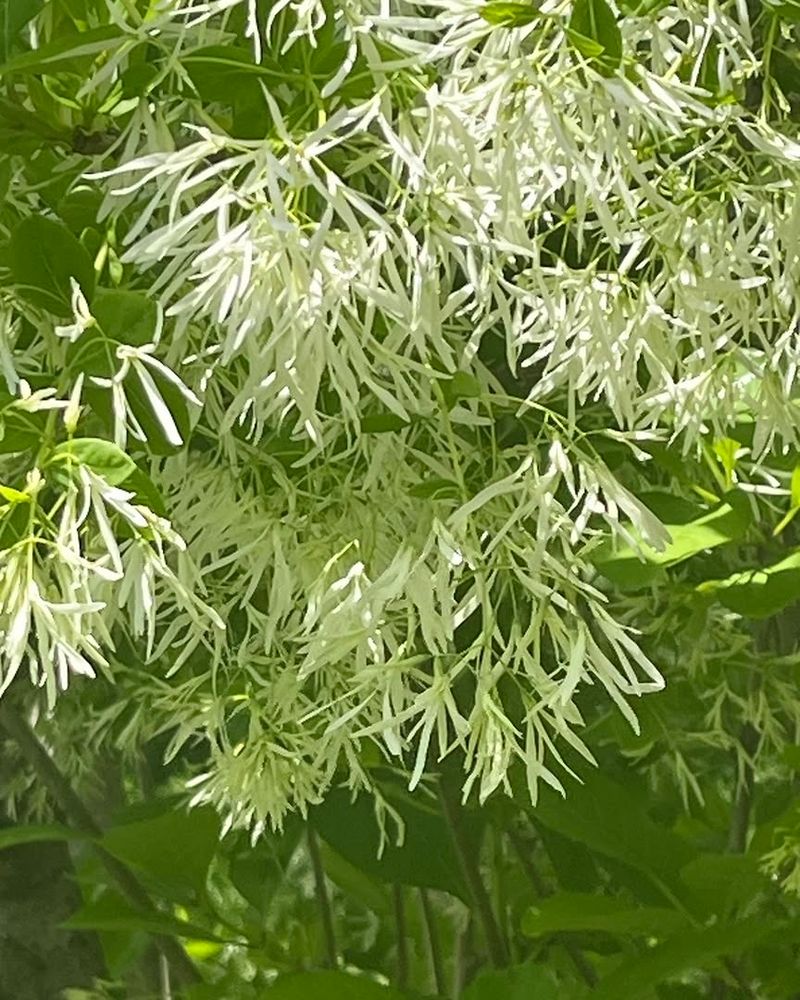
There is something almost magical about watching a fringe tree bloom.
Those soft, cloud-like clusters of white flowers that appear in late spring make it one of the most admired native trees in the Southeast.
Once that flowering show wraps up and the blossoms fade, you have a small but useful window for some light pruning work.
Right after flowering is the ideal moment to step in and tidy things up. You can remove any branches that look damaged, are crossing awkwardly, or are simply taking the shape of the tree in the wrong direction.
Since fringe tree blooms on old wood, meaning it sets next year’s flower buds on branches that grew the previous season, timing your pruning correctly is really important.
Cutting too late in summer risks removing those developing buds and reducing next spring’s display. Keep your cuts minimal and purposeful.
Fringe tree has a naturally graceful, open form that does not need much intervention to look beautiful.
Removing problem wood and improving airflow through the canopy is usually all it takes. Think of post-bloom pruning as a tune-up rather than a renovation.
With just a little attention at the right time each year, this stunning native tree will reward you with a breathtaking floral performance season after season without skipping a beat.
4. Sweetbay Magnolia
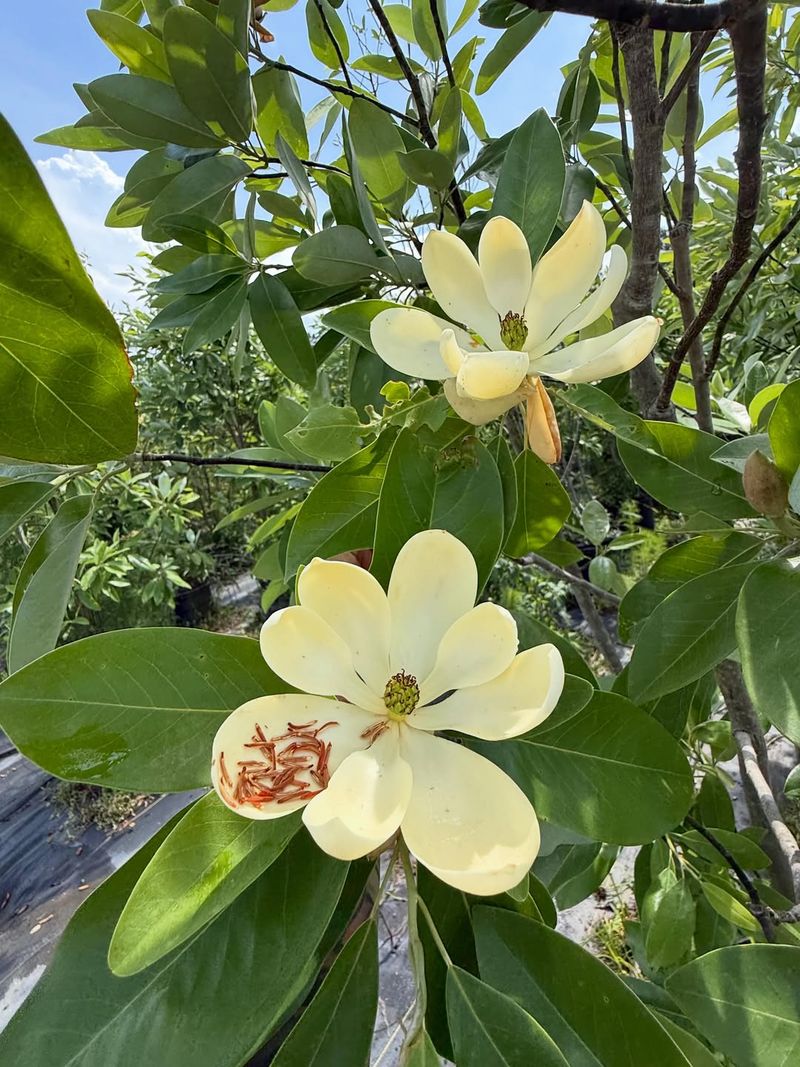
Sweetbay magnolia is one of those trees that feels like it belongs in a Southern garden story.
Semi-evergreen, quietly elegant, and wonderfully fragrant when it blooms, it is a favorite across much of North Carolina.
When it comes to pruning, summer can actually work in your favor if you keep things minor and intentional.
Small corrective cuts made during the growing season are generally well-tolerated by sweetbay magnolia.
If you spot a branch that is rubbing against another, growing toward the center of the canopy, or showing signs of damage, summer is a reasonable time to address it.
The tree is actively growing, which means it can respond and begin sealing over wounds relatively quickly compared to the dormant season. Where things get tricky is with larger cuts.
Magnolias as a group are not great healers when it comes to significant wounds, and sweetbay is no exception.
Big cuts during summer can leave the tree vulnerable and slow to recover, so it is always better to remove smaller problem branches now and save any major structural work for late winter before new growth begins.
Patience really pays off with this tree. Handle it gently, prune with purpose, and sweetbay magnolia will continue filling your yard with gorgeous blooms and that signature sweet fragrance for many years ahead.
5. Pawpaw
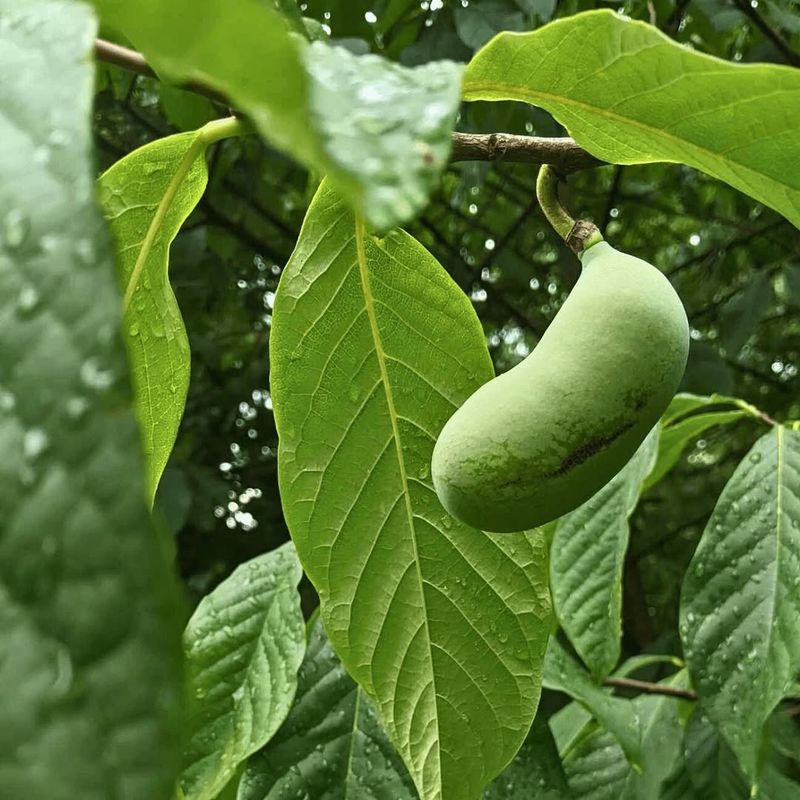
Pawpaw is one of North Carolina’s most underappreciated native trees, and once you taste its creamy, tropical-flavored fruit, you will wonder why it is not in every backyard.
Beyond the fruit, it is a fascinating tree with bold, oversized leaves that give it an almost jungle-like appearance.
Summer happens to be one of the best times to do some useful maintenance work on it. One of the most important summer tasks with pawpaw is sucker removal.
These trees are vigorous producers of root suckers, which are shoots that sprout up from the base or roots and can quickly crowd out the main trunk if left unchecked.
Removing them during the growing season is straightforward and helps direct the tree’s energy where you actually want it to go.
Beyond suckers, summer is a good time to cut out any branches that were damaged by storms or pests, and to remove poorly placed limbs that are crossing or creating congestion inside the canopy.
Because the tree is in active growth, it responds well to these kinds of targeted removals. Avoid making large cuts though, since pawpaw can be a bit sensitive to major pruning during summer heat.
Keep it focused, keep it light, and your pawpaw will put that saved energy straight into producing a bigger, better harvest come late summer and early fall.
6. Serviceberry
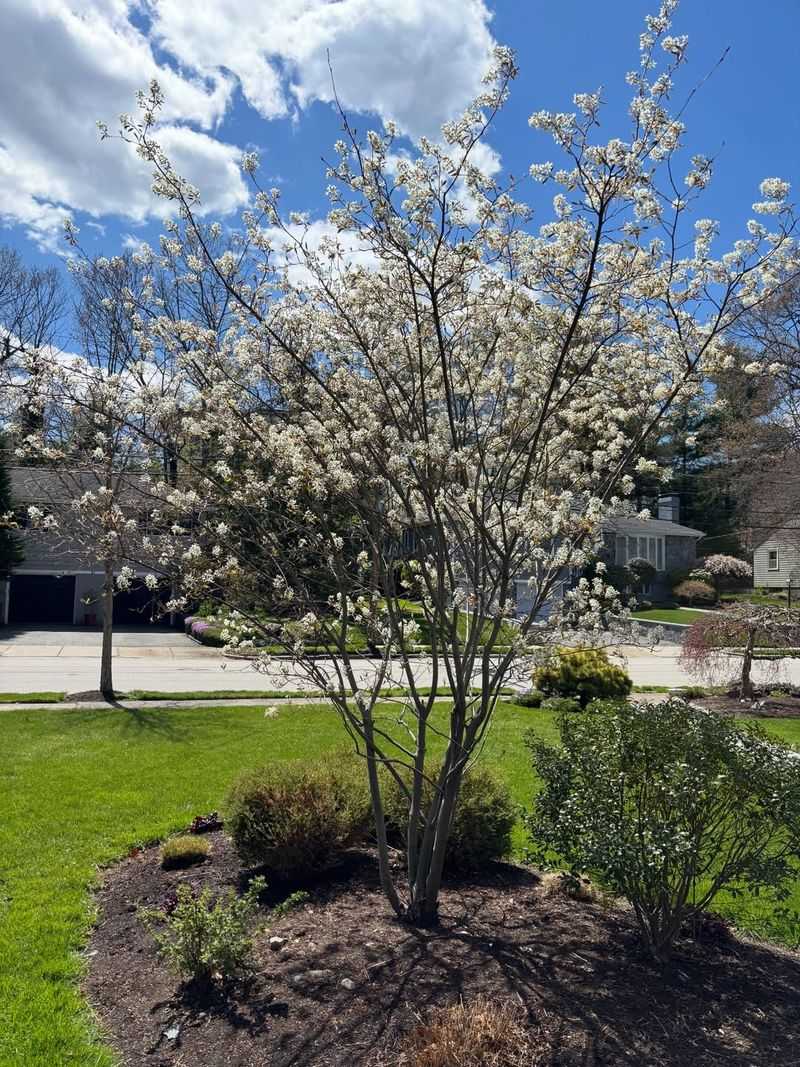
Serviceberry earns fans at every stage of the year. Spring brings a burst of delicate white blossoms, early summer offers sweet little berries that birds absolutely love, and fall delivers a warm show of orange and red foliage.
Once the fruiting season winds down, you have a solid opportunity to give this hardworking native tree a light pruning without any real downside. Post-fruiting summer pruning is mainly about structure and health.
Look for branches that are growing inward, rubbing against each other, or showing signs of damage from insects or disease.
Removing these kinds of problem branches improves airflow through the canopy, which helps reduce the risk of fungal issues that can be common in North Carolina’s humid summers.
Serviceberry is a relatively forgiving tree when it comes to light pruning, and it bounces back well after minor cuts made during the growing season.
You are not going to set back next year’s flower or fruit production by cleaning up a few problem branches now.
Just keep the overall amount of wood you remove modest, and avoid cutting back into large structural limbs during summer heat.
A thoughtful post-fruiting trim keeps serviceberry looking neat, growing strong, and fully ready to deliver another round of blossoms, berries, and brilliant fall color exactly when you expect it.
7. Oak Trees
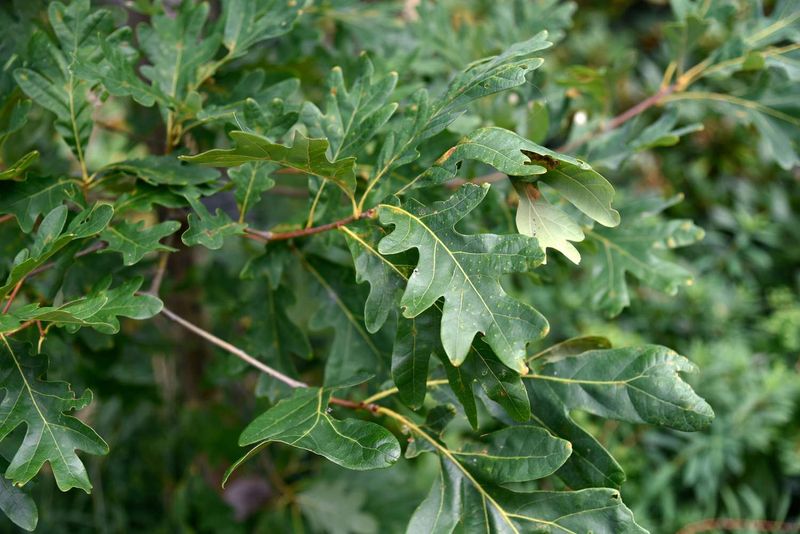
Oak trees are icons of the North Carolina landscape, and there is a very good reason experienced gardeners and arborists tell you to keep your pruning tools away from them during the growing season.
The concern is oak wilt, a serious fungal disease that can spread rapidly through a region where it is present.
Fresh pruning wounds on oaks release chemical signals that attract the beetles responsible for carrying and spreading the disease.
From about April through October, the risk window is at its widest. Sap-feeding beetles are most active during warm months, and they are drawn to the scent of freshly cut oak wood.
In areas of North Carolina where oak wilt has been confirmed, pruning during this period can put your tree at serious risk of infection.
Even in areas where the disease has not yet been reported, caution is always the smarter choice.
The safest approach is to schedule any oak pruning for late fall or winter when the tree is fully dormant and beetle activity drops significantly.
If a branch breaks or storm damage forces emergency cuts during summer, seal the wound immediately with a pruning sealant to reduce exposure.
Oaks are long-lived, majestic trees that deserve every bit of protection you can give them. A little patience with the timing of your pruning can protect these incredible trees for generations to come.
8. American Beech
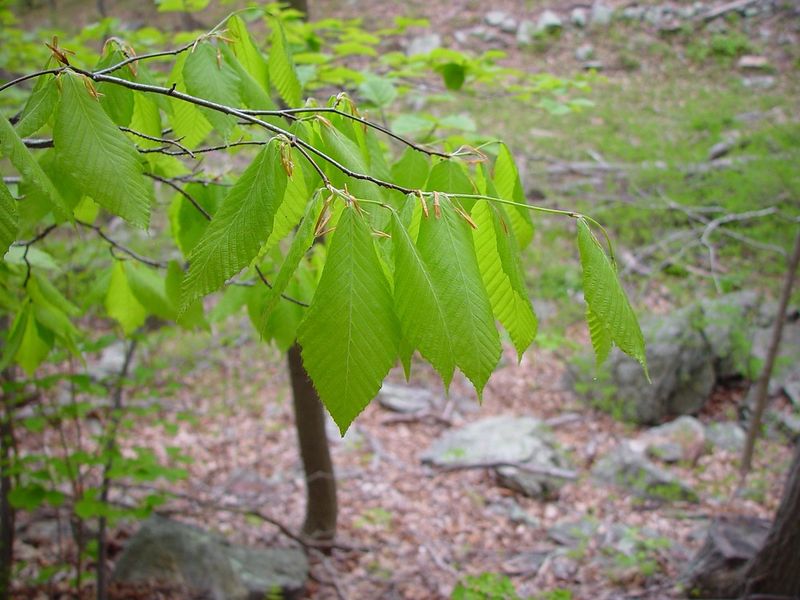
American beech is one of those trees that stops you in your tracks.
That smooth, silver-gray bark looks almost architectural, and the dense, rounded canopy provides some of the best shade you will find in a North Carolina yard.
As beautiful as it is though, beech has some real sensitivity when it comes to summer pruning, and skipping it until dormancy is genuinely the better call.
Pruning during the active growing season creates open wounds that take longer to seal in summer heat and humidity.
Those wounds can attract insects, particularly certain bark-boring beetles, that take advantage of stressed trees.
Beech is also susceptible to a condition called beech bark disease, which involves a combination of scale insects and a fungal pathogen.
Unnecessary summer wounds can potentially make the tree more vulnerable to that kind of attack.
Beyond pest concerns, summer pruning simply puts more stress on a tree that is already working hard to support a full canopy of leaves, develop root reserves, and manage the demands of the growing season.
Waiting until the tree goes fully dormant in late fall or early winter gives it the best conditions for recovery.
Any structural corrections, crown thinning, or removal of problem branches will be far better tolerated in dormancy.
Your patience will show in the form of a healthier, more resilient American beech that thrives for decades ahead.
9. Sugar Maple
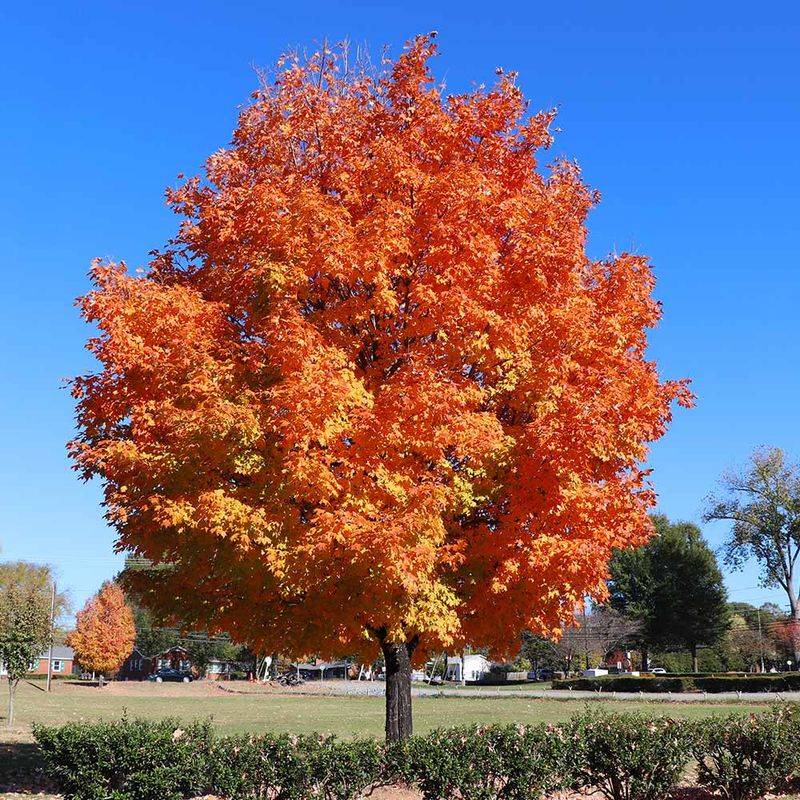
Sugar maple may be most famous for its fiery fall color and the syrup tapped from its trunk in colder northern climates, but it also grows in the cooler, higher elevations of North Carolina, particularly in the mountains.
It is a stunning tree in any season, and it deserves a pruning schedule that keeps it strong and healthy for the long haul.
That schedule means waiting until fall dormancy or winter before making any significant cuts.
During the active growing season, sugar maple puts enormous energy into maintaining its broad canopy and building up the root reserves it needs to fuel next year’s growth.
Adding the stress of significant pruning on top of that workload is not a trade-off that benefits the tree.
Maples are also known for heavy sap flow, and cuts made in summer can result in prolonged bleeding from wounds, which weakens the tree and attracts pests.
Holding off until late fall, after the leaves have dropped and the tree has entered dormancy, gives sugar maple the ideal conditions to handle pruning with minimal stress.
Wounds close more efficiently in dormancy, sap flow is minimal, and pest pressure drops considerably.
If you spot a broken or hazardous branch during summer, handle that specific emergency carefully and promptly.
Otherwise, mark the branches you want to address and wait for the cooler months to do the real work right.