Florida Native Plants That Support Painted Buntings During Breeding Season
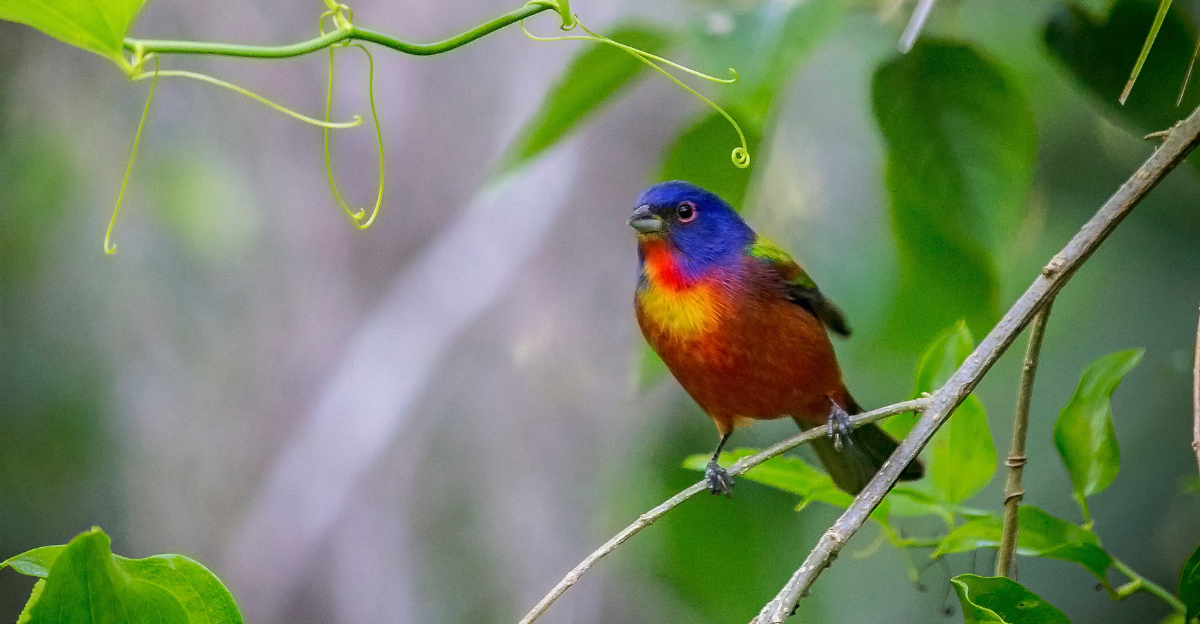
Painted buntings breed in Florida and most people have no idea. The migration attention gets all the press, but a portion of the population stays to nest.
The habitat requirements during breeding season are specific in ways that a feeder alone cannot meet. Dense low shrubs for cover.
Native grasses producing seed at the right time. Insects in numbers that support nestlings through their first weeks.
A yard that checks those boxes becomes something painted buntings actively seek out during breeding season rather than just passing through. Most Florida yards are not set up for that.
The gap between a yard that holds breeding painted buntings and one that gets occasional visits comes down to plant selection more than anything else. The right natives create the conditions these birds need without any special management.
Your yard could be doing a lot more during painted bunting breeding season than it currently is.
1. Plant Native Grasses For Seeds And Low Cover
A feeder sitting in the middle of a wide-open lawn is like a snack bar with no walls. Birds can see predators coming from every direction, and small songbirds like painted buntings feel exposed the moment they land.
Adding native grasses nearby changes everything by giving birds a place to duck into cover between visits.
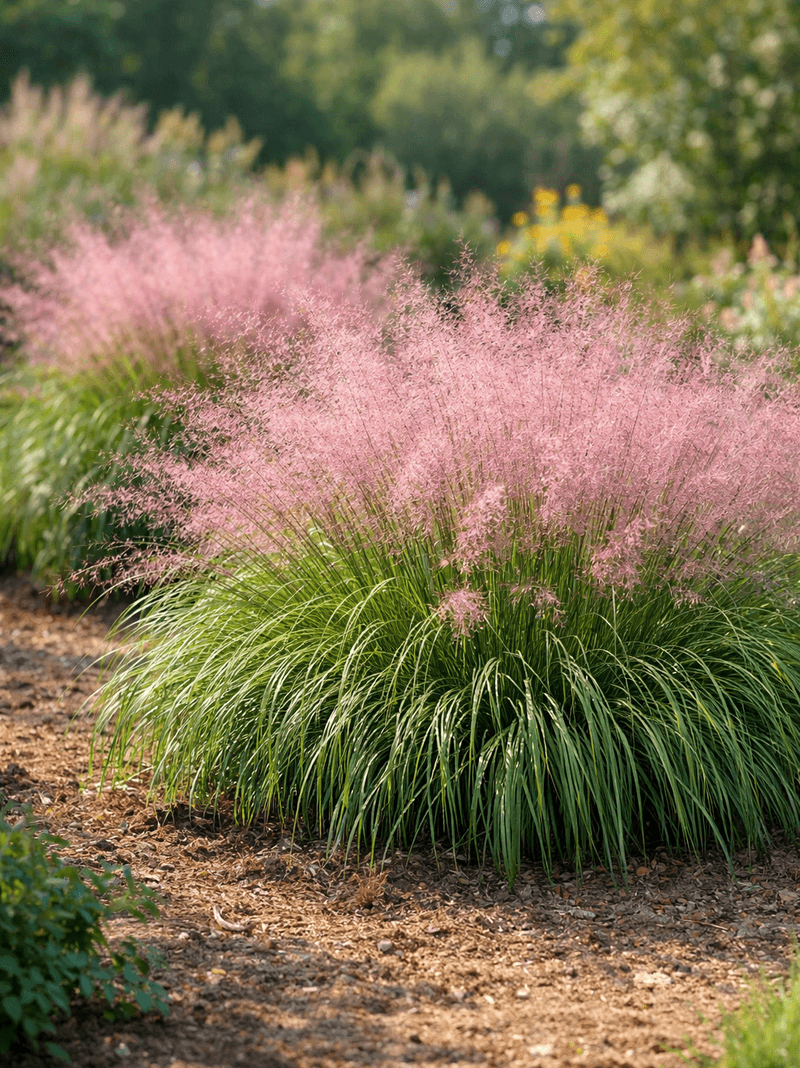
According to UF/IFAS, native grasses such as Gulf muhly (Muhlenbergia capillaris) and lovegrass (Eragrostis species) produce seed heads. Small birds actively use those seed heads.
The Florida Fish and Wildlife Conservation Commission notes that painted buntings eat grass seeds and use grassy, brushy edges as part of their habitat. That means a patch of native grass near a feeding area is doing double duty.
The practical move is to leave seed heads standing through the fall and winter instead of cutting everything back right away. Cutting too soon removes the food source before birds have a chance to use it.
Native grasses also need far less water and fertilizer than turf grass, which makes them easier to maintain over time. Try planting them in clusters along a fence line or at the edge of a shrub border for the best habitat effect.
2. Use Wax Myrtle For Dense Shrubby Nesting Edges
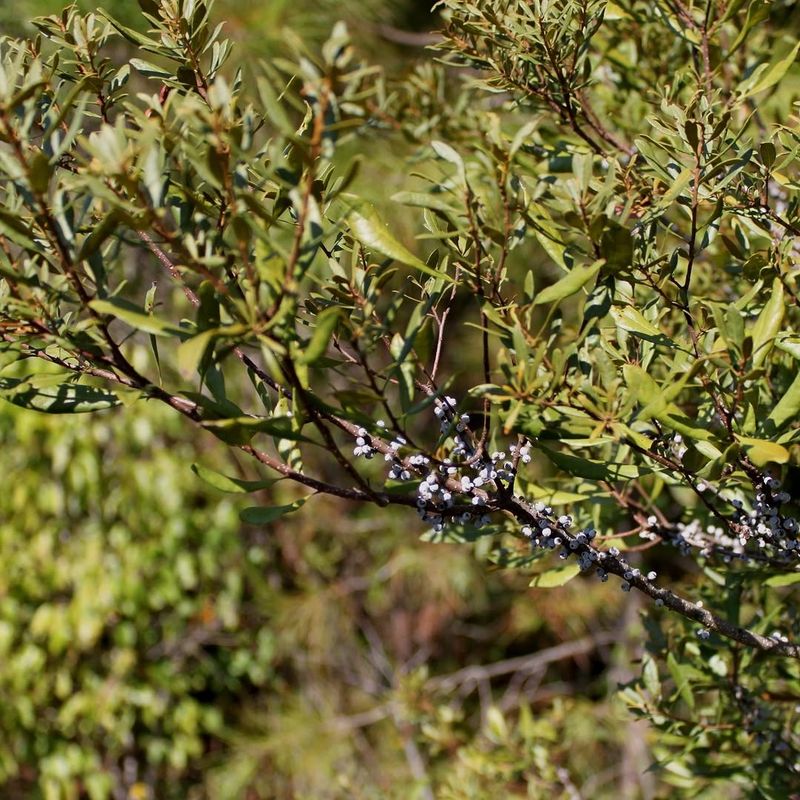
A bird moving through a yard full of open lawn has very few choices. It either stays in the open or leaves.
A dense shrubby edge changes that equation by giving small birds a safe corridor to move through without being exposed. Wax myrtle does exactly that kind of work in a native planting.
Morella cerifera, commonly called wax myrtle, is a Florida native shrub or small tree that grows quickly and creates multi-stemmed, layered cover.
UF/IFAS Gardening Solutions confirms that wax myrtle produces waxy gray berries that many birds eat and that it supports dense cover useful to wildlife.
The Florida Native Plant Society recognizes it as a reliable native for bird-friendly borders and coastal edges.
Wax myrtle is not a tidy little foundation shrub. It can grow wide and multi-stemmed, sometimes reaching 15 feet or more, so it needs room to spread.
Your Florida Garden Changes Every Week. Your Plan Should Too.
Gardening in Florida changes quickly throughout the season. Every Friday you’ll receive a simple weekly plan showing exactly what to plant, prune, fertilize, harvest, and protect so you never miss the right timing.
Plant it along property lines, fence rows, or mixed native borders where it can fill in naturally. Pair it with native grasses in front and a taller canopy tree behind.
It becomes part of the layered habitat structure that small songbirds, including painted buntings, rely on during breeding season.
3. Choose American Beautyberry For Brushy Cover And Fruit
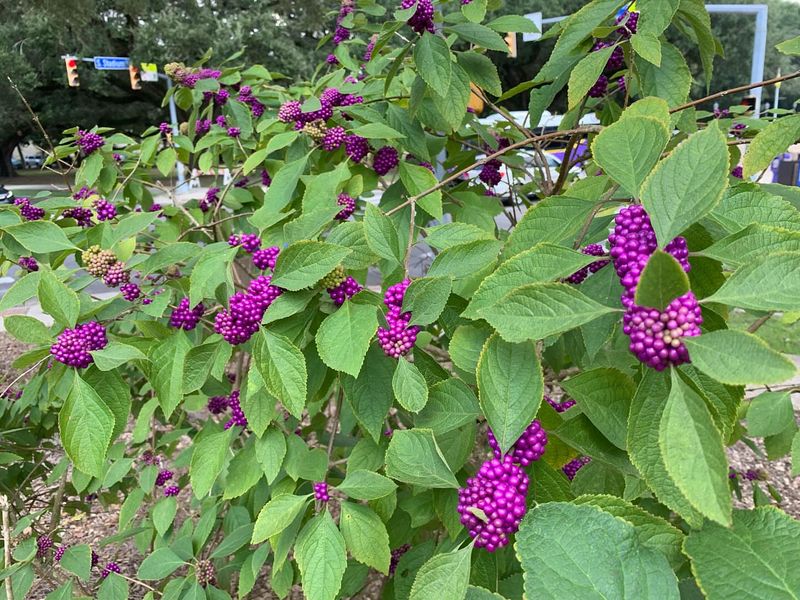
Imagine a loose, arching shrub with clusters of bright purple berries lining every stem like tiny jewels. That is American beautyberry in late summer and fall, and it turns a plain garden edge into something birds actually want to explore.
The combination of loose structure and fruit makes it a standout native for brushy habitat.
Callicarpa americana, the native American beautyberry, is confirmed by UF/IFAS as a wildlife-friendly native shrub that produces fruit eaten by many bird species.
The Native Plant Society also recognizes it for supporting layered, brushy habitat along woodland edges.
For painted buntings, the value is in the shrubby cover and edge structure it creates, not in any guarantee that the bird will appear.
A few important nuances are worth knowing. Make sure you are planting Callicarpa americana, the true native species, not an imported beautyberry, a hybrid, or a vague nursery tag that just says “beautyberry.”
The native species can spread by self-seeding and grows wide, so give it room along a natural border or woodland edge rather than squeezing it into a small formal bed.
Its arching branches create the kind of loose, sheltered edges that small songbirds use to move safely through a yard during nesting season.
4. Plant Passionflower To Support Insects And Bird-Friendly Vines
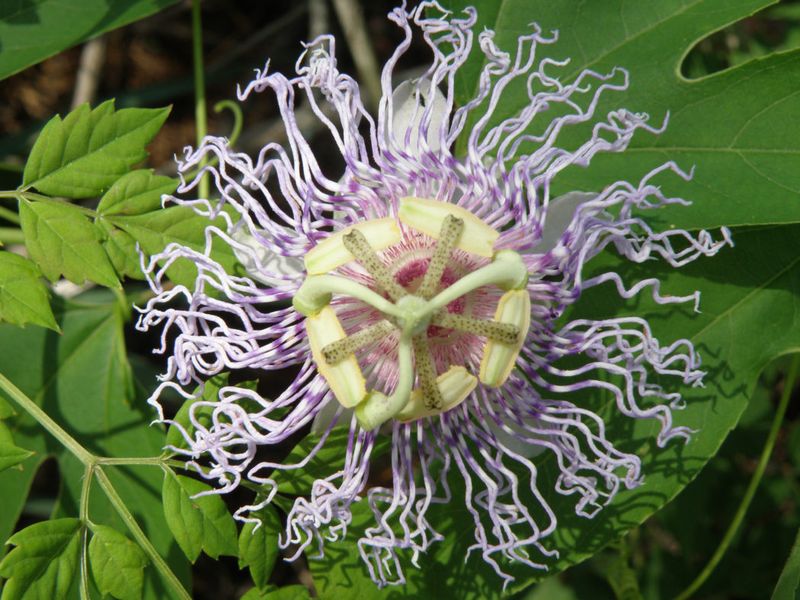
A bare wooden fence is just a barrier. Add a native passionflower vine and it becomes a living edge full of movement, insects, and color.
That shift matters a lot during breeding season when birds need more than seeds to raise healthy young.
Passiflora incarnata, the native maypop passionflower, is a Florida-native vine confirmed by UF/IFAS. It serves as a host plant for several butterfly species, including Gulf fritillary and zebra longwing.
Those caterpillars and the insects drawn to the plant become part of the food web that insect-eating birds rely on. The Florida Fish and Wildlife Conservation Commission notes that breeding-season habitat needs to support insects as well as seeds and cover.
Train the vine on a fence, trellis, or arbor where it has room to climb. Keep it away from siding, gutters, vents, rooflines, and house walls where it can cause problems over time.
Passionflower can spread by underground runners, so it works best in a naturalized border or a spot where a little spreading is acceptable. Painted buntings do not feed directly from the flowers.
But a vine-covered fence full of insect activity is exactly the kind of layered, productive edge that supports them during the breeding months.
5. Use Yaupon Holly For Evergreen Shelter Near Open Edges
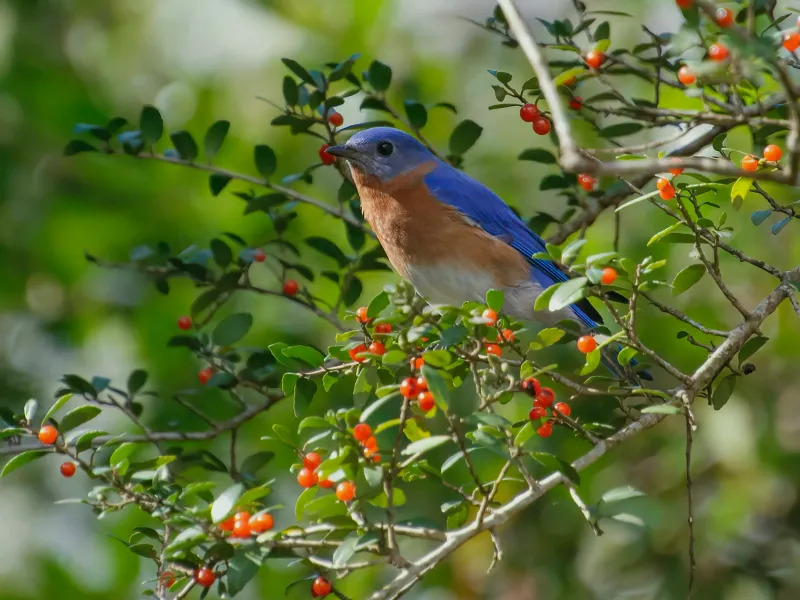
Watch a small bird cross an open yard and you will notice it rarely moves in a straight line. It hops to a low shrub, pauses, checks the sky, then moves again.
Evergreen cover near open feeding areas gives those birds a safe stopping point, and yaupon holly does that job year-round without dropping its leaves.
Ilex vomitoria, or yaupon holly, is a native evergreen shrub or small tree confirmed by UF/IFAS Gardening Solutions to provide dense cover and berries that wildlife uses.
The Florida-Friendly Landscaping program recognizes it as a tough, adaptable native that works in many soil types and light conditions across the state.
Its year-round foliage makes it especially useful in winter and early spring when other shrubs are bare.
One practical note is that berries are produced on female plants, so fruiting depends on selecting the right plant.
Many cultivars exist, including dwarf forms and upright varieties, so check mature size before planting near walkways or driveways where sightlines matter.
For painted bunting support, the real value is the dense, evergreen shelter it provides near open ground or feeding edges. Combine it with native grasses and a taller native shrub behind it to build a layered, bird-friendly border that holds structure through every season.
6. Grow Switchgrass Where Sunny Borders Need Structure
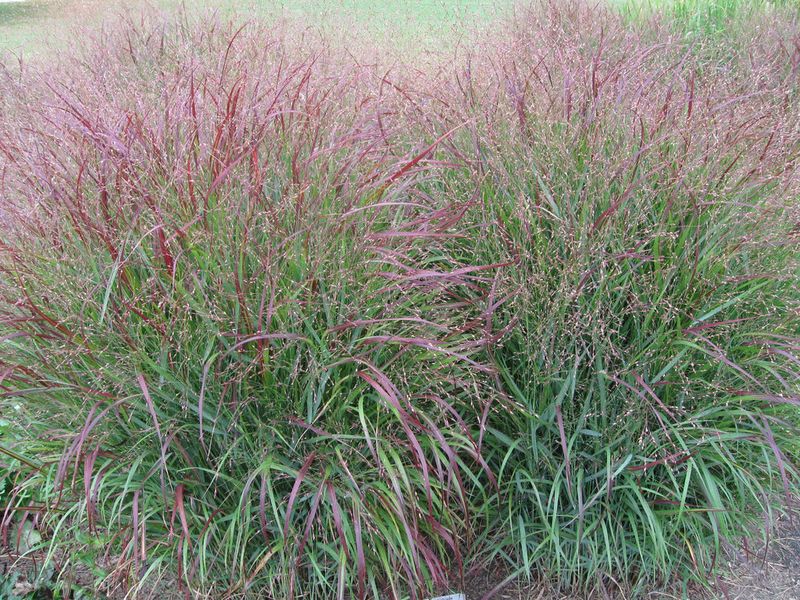
A flat sunny bed packed with mulch and a few low annuals can feel like a blank wall. There is color but no height, no movement, and no real structure for birds to use.
Switchgrass fixes that by adding vertical layers and seed-bearing stems that make a border feel alive.
Panicum virgatum, or switchgrass, is a native warm-season grass that UF/IFAS confirms produces seeds eaten by birds and adds structural height to sunny plantings.
The Native Plant Society recognizes switchgrass as a regionally appropriate native that supports wildlife in meadow-style or naturalized borders.
Tall grasses like this one help create layered edges near shrubs and open areas, the kind of habitat structure that small songbirds including painted buntings can use.
Switchgrass can reach four to six feet tall and spreads over time, so it is not the right pick for a narrow path edge or a small formal foundation bed. Use it in meadow patches, wide sunny borders, or naturalized edges where its size and spread are actually an asset.
Leaving the seed heads standing through fall and winter gives birds the most benefit. Combine switchgrass with native shrubs like wax myrtle or yaupon holly nearby.
That creates a multi-layered edge with both vertical structure and dense cover in the same planting.
7. Plant Chickasaw Plum For Thicket-Style Breeding Cover
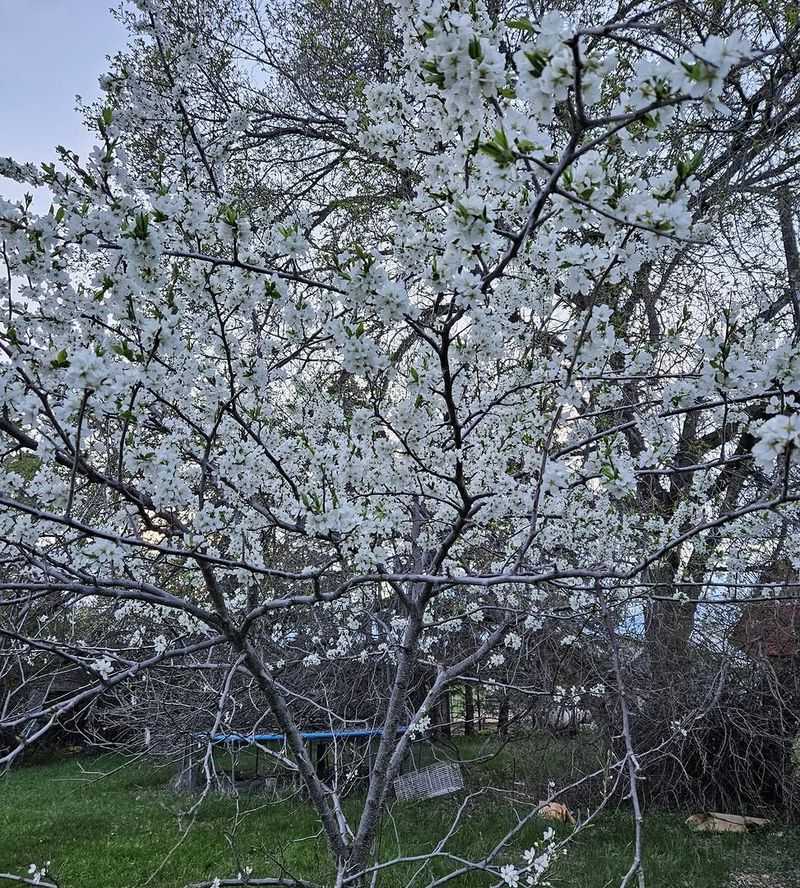
Some of the best bird habitat looks a little messy from the road. A loose, tangled thicket of native shrubs with overlapping branches and hidden interior spaces is exactly where small birds feel safest during breeding season.
Chickasaw plum creates that kind of habitat better than almost any other native in this state.
Prunus angustifolia, or Chickasaw plum, is a native shrub or small tree that UF/IFAS confirms forms thickets and produces flowers and fruit that support wildlife.
The Florida Fish and Wildlife Conservation Commission recognizes dense, brushy cover and edge structure as important habitat features.
Those features matter for painted buntings during the breeding season. Planting Chickasaw plum along a fence line or natural border contributes that kind of structure in a real, practical way.
The honest caveat is that Chickasaw plum suckers and spreads, forming a thicket over time. In a small formal bed or a tidy foundation planting, that habit can become frustrating quickly.
Along a roomy fence line, a back-property edge, or a larger wildlife planting where spread is welcome, it becomes a genuine asset. White spring flowers attract pollinators, and small fruits feed birds and other wildlife.
The dense interior branches give nesting songbirds a sheltered place to raise young safely away from open ground.
8. Choose Native Wildflowers That Bring In Insects
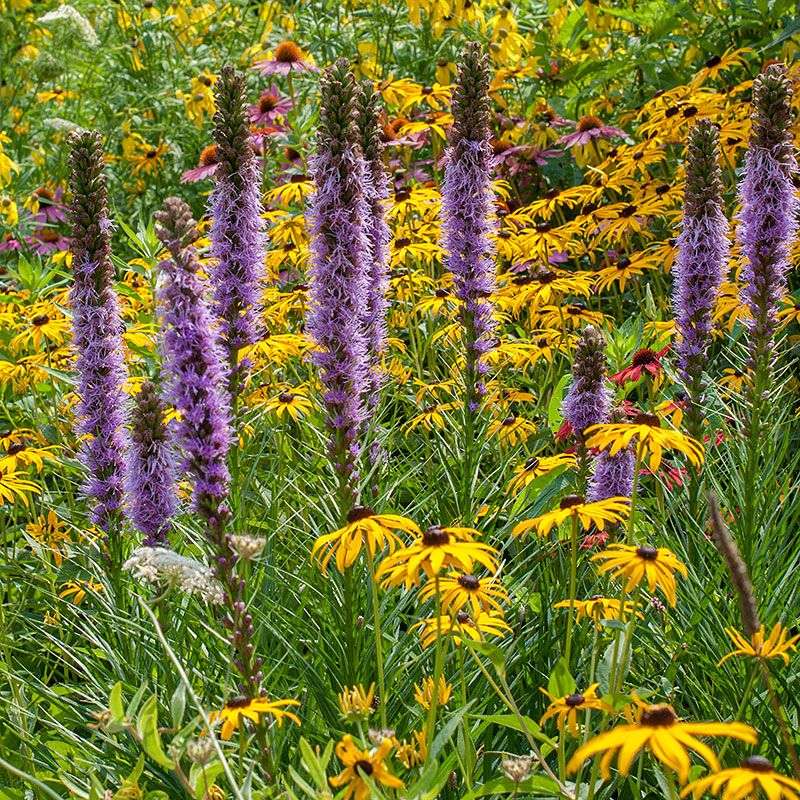
A bed full of blooming native wildflowers is a feast for the eyes, but the real action is happening at a smaller scale. Bees are working the flowers, beetles are moving through the stems, and caterpillars are tucked into the leaves.
That insect activity is exactly what breeding-season birds are looking for when they need to feed their young.
UF/IFAS and Audubon both confirm that many songbirds shift toward insects during breeding season because nestlings need protein-rich food to grow.
Native wildflowers like blazing star (Liatris spicata) are confirmed by UF/IFAS as regionally appropriate natives.
Black-eyed Susan (Rudbeckia hirta) and coneflower (Echinacea purpurea) are also appropriate choices. These plants support pollinators and insect communities in our gardens.
More insects mean more food available for birds raising young nearby.
A few practical habits make a big difference. Reduce unnecessary pesticide use near native plantings so insect populations can thrive naturally.
Plant wildflowers in clusters of three or more of the same species rather than scattering singles across a bed, because clusters attract more insect activity. Try to keep blooms available across multiple seasons by mixing early, mid, and late-blooming species.
Avoid heavy pruning during active nesting season when possible, since disturbing nearby plants can disrupt nesting activity in adjacent shrubs and grasses.