8 Florida Weeds That Fool Even Experienced Gardeners In Spring
Not every plant trying to take over your Florida garden looks like a threat. Some of them look like wildflowers. Some look like groundcover you might have planted yourself.
A few are genuinely pretty enough that gardeners water them on purpose, right up until the moment they realize what they have been carefully nurturing for the past three weeks.
Florida spring is generous with growth, and it does not discriminate between the plants you chose and the ones that chose you.
The problem is that the uninvited ones tend to be faster, tougher, and considerably better at blending in than anything you actually paid for at the nursery.
So here is a question worth sitting with. How confident are you that everything currently growing in your beds right now is actually supposed to be there?
These eight weeds show up almost every Florida spring wearing a convincing disguise. Knowing what to look for changes how fast you catch them.
1. Florida Pusley Looks Like A Sweet Little Wildflower
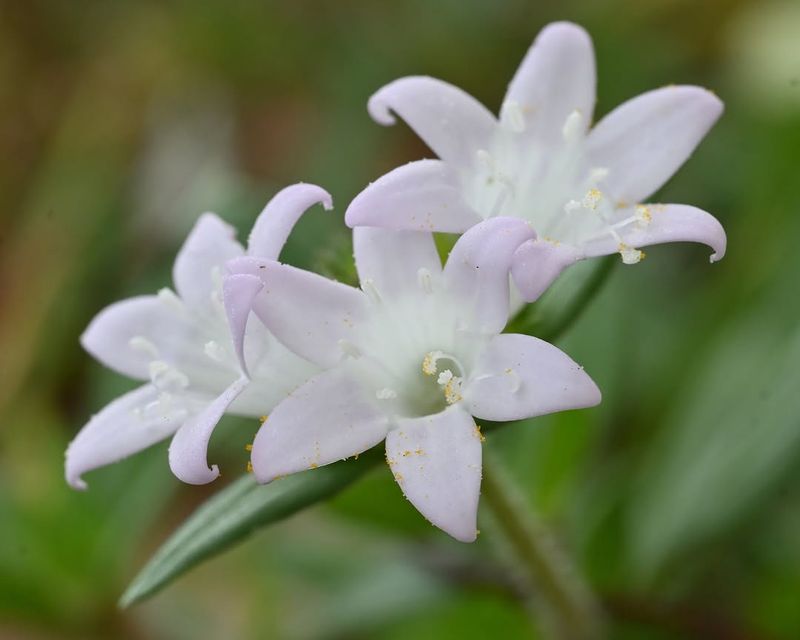
A low mat of bright green leaves dotted with tiny white star-shaped flowers hugging the edge of a garden bed looks almost intentional. Like something from a native plant nursery. Like something worth keeping.
That charming appearance is exactly what makes Florida Pusley such a persistent problem for Florida gardeners every spring.
This weed loves sunny spots and spreads quickly along lawn edges, sidewalks, and open beds. Its tidy rosette shape and small white flowers convince gardeners it might be a harmless volunteer.
By the time the identification happens, it has already started producing seeds and filling in gaps across the lawn.
Florida Pusley thrives in sandy, well-drained soils, which describes most of Florida’s landscape perfectly.
It spreads both by seed and by rooting at stem nodes, so one small plant can quietly become a wide patch without much fanfare.
The most effective early approach is hand-pulling before it flowers, making sure to get the taproot out completely. Leaving it behind means regrowth.
For larger infestations, pre-emergent herbicides applied in early spring before soil temperatures climb give you a meaningful head start. Mulching beds to about three inches also blocks germination effectively.
Timing is everything with this one. Once those white flowers open, seeds are not far behind, and the problem expands considerably faster than most gardeners expect.
Florida Pusley is proof that cute and harmless are not the same thing. Your garden deserves a better class of wildflower.
2. Spotted Spurge Slips Under Groundcovers Before You Notice
Spotted Spurge grows completely flat against the soil, weaving reddish stems under groundcovers and between mulch layers. Suddenly, it has claimed two feet of territory without anyone noticing.
By the time it becomes visible, pulling it feels like untangling something from the bed rather than removing a weed.
Its tiny leaves, often marked with a small dark spot in the center, blend seamlessly into low-growing plants like Asian jasmine or liriope.
The identification clue is the stems. Break one and it releases a milky white sap. Gloves are worth wearing since that sap can irritate skin.
Your Florida Garden Changes Every Week. Your Plan Should Too.
Gardening in Florida changes quickly throughout the season. Every Friday you’ll receive a simple weekly plan showing exactly what to plant, prune, fertilize, harvest, and protect so you never miss the right timing.
Spotted Spurge germinates quickly once soil heats up in spring. It thrives in thin turf, bare patches, and along groundcover edges.
Its entire life cycle can complete in just a few weeks, which means one overlooked plant can produce an impressive number of seeds before summer arrives.
Catching it early is the practical advantage. Hand-pull small plants while the soil is moist and get the root out cleanly. A fresh, thick layer of mulch in groundcover beds suppresses new seedlings effectively.
For heavier infestations, post-emergent broadleaf herbicides are the reliable option. Check labels carefully before applying near ornamentals.
Spotted Spurge is patient, flat, and extraordinarily good at not being noticed. The only real counter is looking closer than it expects you to.
3. Virginia Buttonweed Crawls Through Beds Like It Belongs
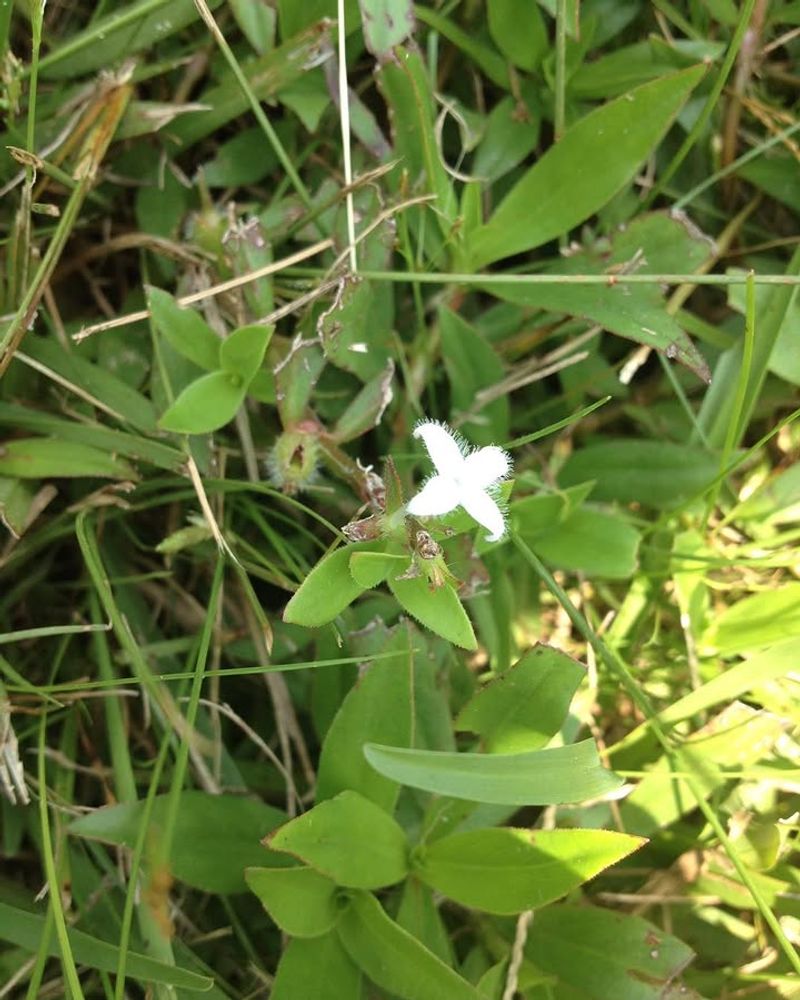
Virginia Buttonweed has the kind of appearance that earns it a free pass from most gardeners. Small white four-petaled flowers.
A neat, clean look. Creeping stems that blend right into turf and bed borders without raising any suspicion. Many people assume it is a harmless volunteer and move on. That assumption costs them later.
This weed has a genuine preference for moist soil. Low spots, irrigation heads, drainage areas, and any part of the lawn that stays consistently wetter than the rest are exactly where it settles.
Its stems root at the nodes as they spread, which means it fills large areas quietly until bed edges start to blur and the problem becomes obvious.
Virginia Buttonweed is particularly difficult to manage because it spreads both above and below the soil.
It produces underground seeds in addition to above-ground ones, which gives it a distinct survival advantage over most other weeds.
That dual strategy is what makes it one of the more persistent turfgrass challenges across the Southeast.
Improving drainage in soggy areas removes the conditions this weed depends on. Dry soil is genuinely unfavorable for it.
For turf areas, herbicides containing metsulfuron or carfentrazone deliver better results than manual removal. In beds, consistent hand-pulling before seeds set manages it effectively over time.
The long-term fix is addressing moisture issues at the source. Virginia Buttonweed is essentially a symptom of a drainage problem wearing a flower.
4. Chamberbitter Mimics Tiny Ornamental Foliage Too Well
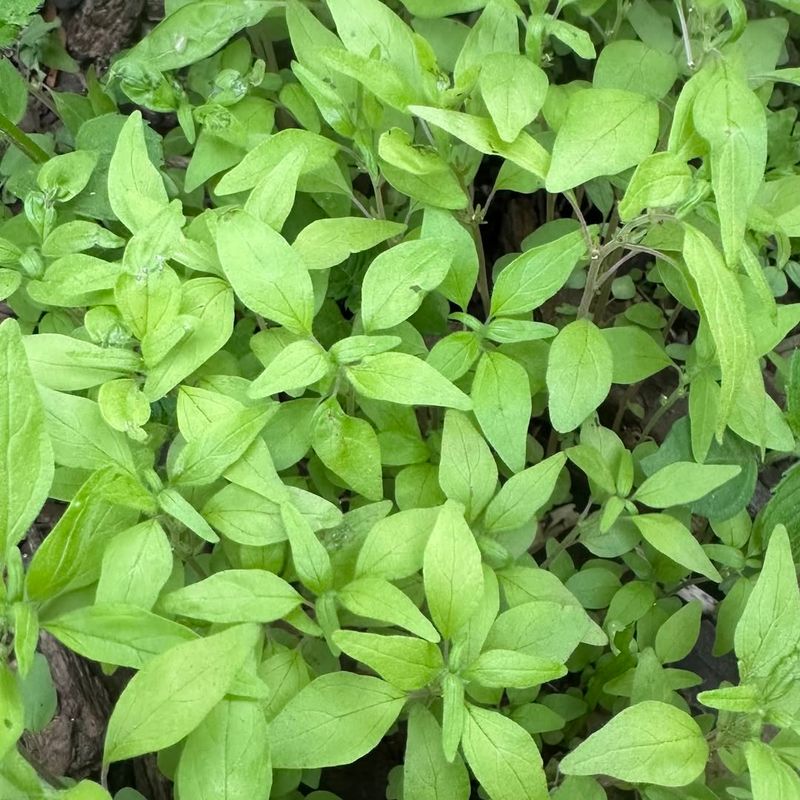
Many Florida gardeners have watered Chamberbitter on purpose. The leaf pattern is genuinely beautiful.
Each stem carries rows of small, evenly spaced leaflets that look like something from the houseplant section of a garden center. It is convincing enough that experienced gardeners get fooled regularly.
Chamberbitter is a warm-season annual that thrives in exactly the same conditions as ornamental beds.
Rich, amended soil. Partial shade. Regular moisture. It appears in spring and accelerates through summer without drawing much attention until it is well established.
The identification clue is on the underside of the leaves. Tiny round seed pods line up in neat rows, almost like small green beads on a string.
The problem is that by the time most gardeners flip the leaf over and figure out what they are looking at, those pods are nearly ready to drop.
Each plant produces almost hundreds of seeds. Those seeds spread easily when the plant is brushed against or when soil gets moved around during regular garden maintenance.
Hand-pull plants as soon as identification happens, before seed pods mature. Avoid shaking the plant during removal since that scatters seeds across the surrounding soil.
A thick mulch layer of three inches or more significantly reduces germination. For persistent problems, pre-emergent herbicides applied in late winter give a strong head start before soil temperatures rise.
Chamberbitter is the weed that got away with it by looking too good to pull. Now you know what to look for on the underside.
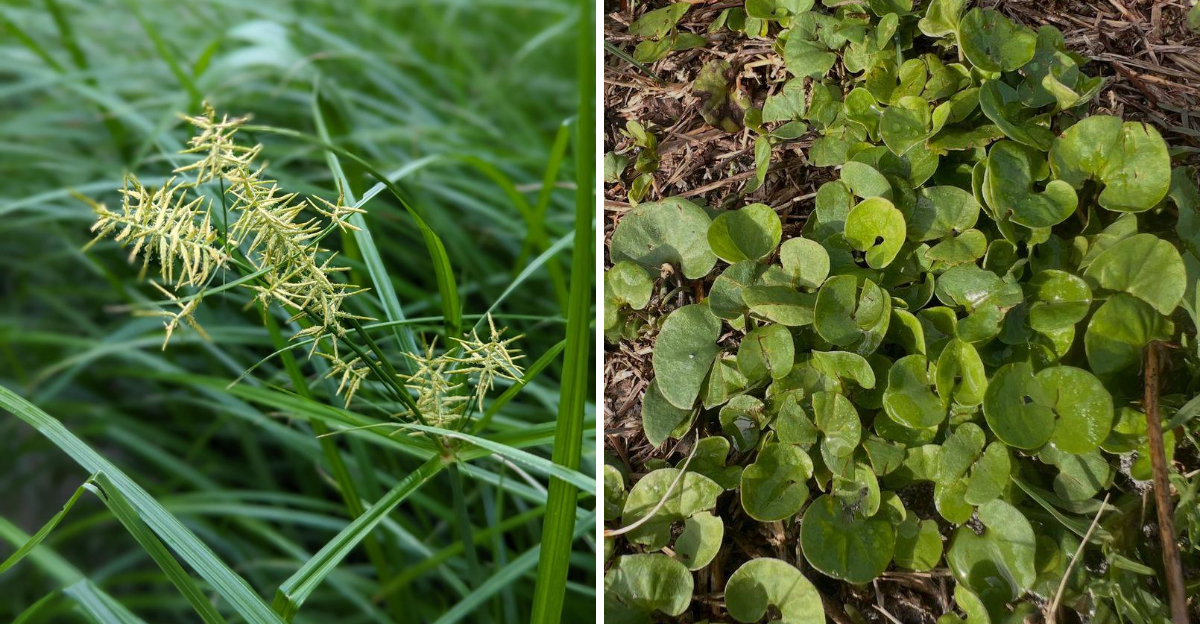
5. Nutsedge Pretends To Be Innocent Grass In Damp Soil
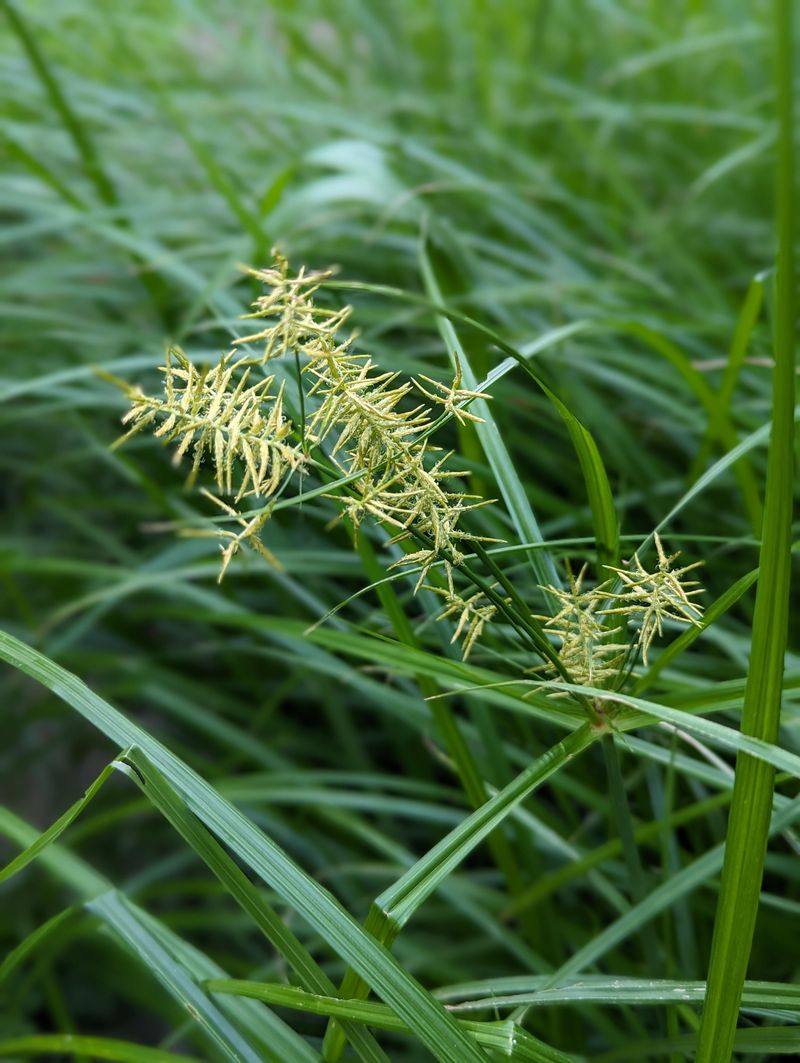
Pull it once and it comes back with more energy than before. That is the defining experience of nutsedge for Florida gardeners who mistake it for ordinary grass and try to handle it by hand.
Nutsedge looks almost identical to turf grass in early spring, especially when it is just getting started.
The identification trick is simple. Roll the stem between your fingers. Nutsedge stems are triangular rather than round. Gardeners often describe it as having edges, which is a useful way to remember it.
It also grows faster than surrounding turf. Patches appear taller and slightly lighter green than the rest of the lawn within a week or two of mowing, which is often the first real visual clue.
Nutsedge is common near irrigation zones, downspouts, and low-lying areas where soil stays wet or compacted.
The real management challenge is underground. An extensive network of tubers and rhizomes means pulling the top of the plant actually stimulates more tubers to sprout. Hand-pulling alone tends to make infestations larger over time rather than smaller.
Improving drainage and pulling back on irrigation frequency make the environment considerably less favorable for nutsedge.
For reliable control, herbicides specifically labeled for sedge management, containing halosulfuron or sulfentrazone, are the practical solution.
Treating in spring when plants are young gets ahead of the underground network before it expands through summer.
Nutsedge is the weed that rewards aggression with more nutsedge. The only winning move is strategy, not force.
6. Beggarweed Blends Into Young Flower Beds Fast
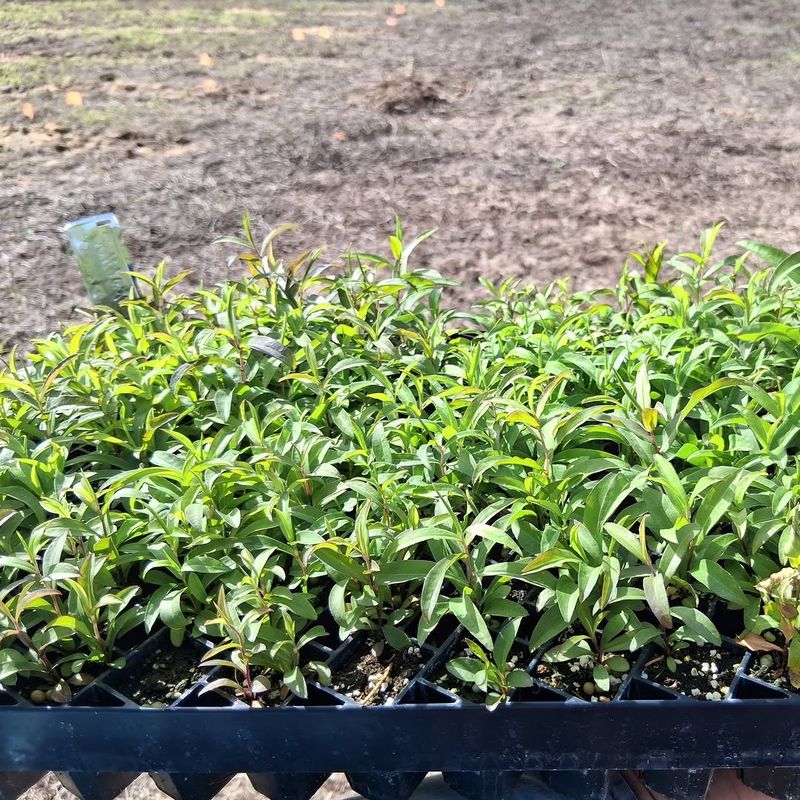
Beggarweed has a real talent for looking like it received an invitation.
In spring, its young seedlings push up with soft trifoliate leaves that could easily pass for clover, a bean volunteer, or a young ornamental perennial that self-seeded from last season.
Gardeners unfamiliar with it will often let it grow a little longer just to see what it becomes. That patience consistently backfires.
Once temperatures rise, Beggarweed moves fast. It can reach three to six feet tall by midsummer without much interference.
Its small pink to purple flowers are attractive enough that some gardeners still hesitate to remove it even after identification.
However, the seeds are the real problem. Covered in tiny hooks, they attach to clothing, fur, and garden gloves, spreading the plant far beyond the original location with every pass through the bed.
Beggarweed establishes readily in disturbed soils, new flower beds, and vegetable gardens. It outcompetes young ornamentals for nutrients and light quickly in warm, humid conditions. It also fixes nitrogen in the soil, which sounds beneficial but just helps it grow faster.
Catching it at the seedling stage is the practical advantage. Young plants pull out easily when the soil is moist. Consistent cultivation in larger beds disrupts root development before plants mature.
Thick mulch reduces seedling establishment noticeably. Check flower beds weekly in spring for fast-growing trifoliate newcomers that did not come from your seed packets.
Beggarweed is persuasive, fast, and excellent at networking. Your garden bed does not need that kind of energy.
7. Chickweed Hides Among Spring Greens And Soft Groundcovers
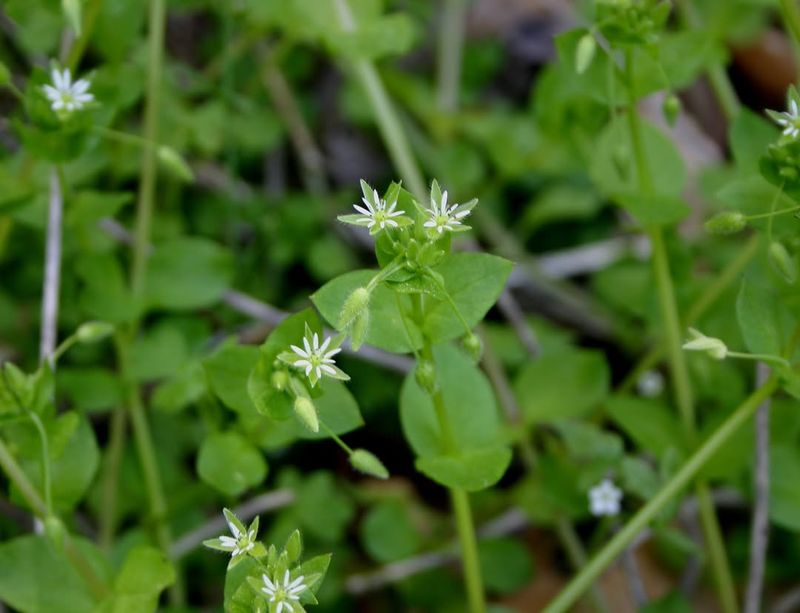
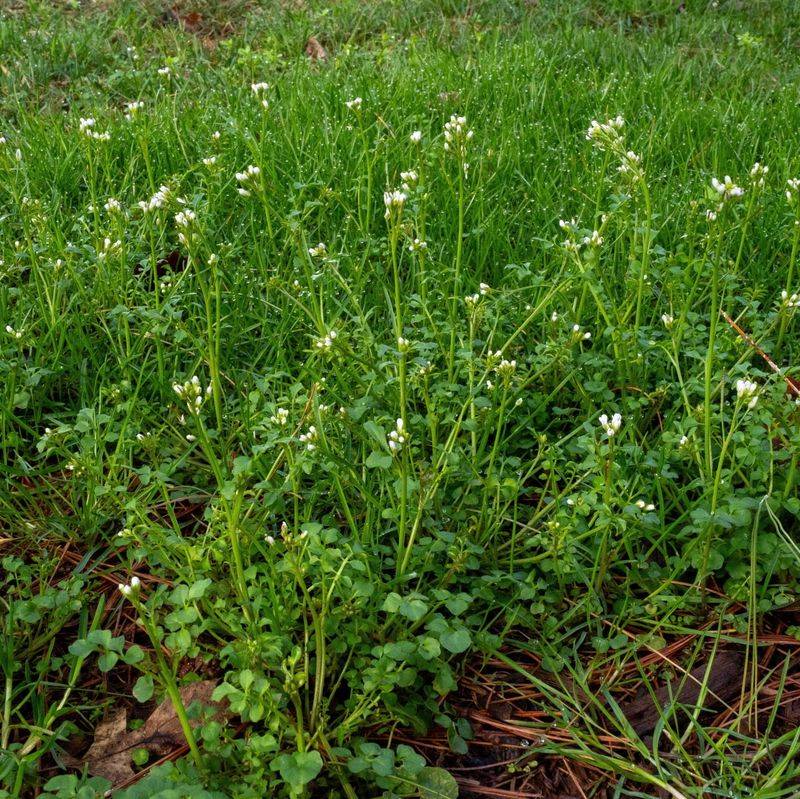
Soft, low, and almost velvety to the touch, Chickweed settles into garden beds so naturally that it barely registers as a problem.
It forms gentle mats that hug the soil surface. Its tiny white star-shaped flowers are genuinely appealing.
In shaded spots or edible beds, it reads as a welcome green filler rather than a fast-spreading weed working against everything around it.
Chickweed is a cool-season annual, which sets it apart from most Florida spring weeds. It establishes in late winter and peaks in early spring before fading as temperatures climb.
That timing places it directly in vegetable gardens, herb beds, and shaded groundcover areas right when gardeners are most focused on new plantings and least focused on weeding.
One notable detail: Chickweed is edible. Young leaves and stems have a mild, slightly grassy flavor and have been used in salads and as a cooked green for a long time.
That said, letting it go to seed in the garden is not worth the trade-off. One plant produces hundreds of seeds, and those seeds remain viable in the soil for years.
Hand-pulling works well while plants are young and before flowering begins. Improving air circulation and reducing overhead watering in shaded beds slows its spread naturally.
In edible gardens, a thin layer of straw mulch applied in late winter blocks early germination effectively. Scouting in February and March catches it before the population builds.
Chickweed is technically useful and practically a problem. Your salad does not need that much of it.
8. Dollarweed Rounds Out Wet Spots Like A Pretty Leafy Filler
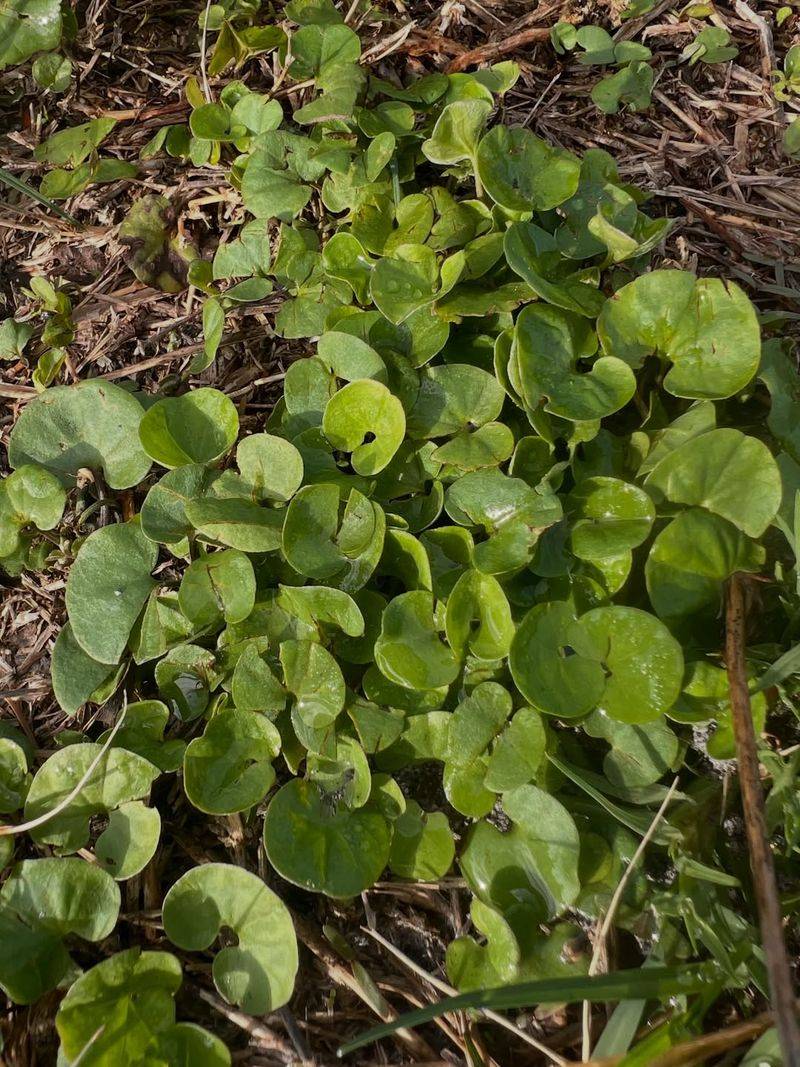
Bright green, perfectly round, and almost cheerful-looking, Dollarweed is one of the few weeds that people occasionally decide they like.
The leaves resemble tiny lily pads and give a wet garden corner a lush, almost tropical feel. A cluster near a water feature looks almost intentional.
That is exactly how it earns enough time to become a serious problem.
Dollarweed is a reliable indicator plant. Its presence almost always points to a moisture issue, overwatering, poor drainage, or a slow irrigation leak somewhere nearby.
It thrives in saturated soil and spreads aggressively through underground rhizomes. Low lawn areas, spots near downspouts, pond edges, and consistently wet beds are where it shows up most reliably.
Managing the water issue matters as much as managing the plant itself. Dollarweed returns repeatedly as long as the soil stays wet.
Adjusting irrigation schedules, improving drainage, and adding organic matter to compacted soils changes the conditions enough to give turf and groundcovers a genuine competitive advantage.
For direct control in small areas, hand-pulling works if the rhizomes come out completely. Leaving root fragments behind leads to regrowth quickly and reliably.
For larger lawn areas, herbicides containing atrazine or metsulfuron deliver better results depending on turf type. Always check product labels for compatibility with the specific grass in question.
Fixing the drainage problem first makes every other approach work considerably better.
Dollarweed is essentially your yard’s way of telling you something is wrong with the water. It is worth listening, then fixing it.