These 9 Container Gardening Mistakes Illinois Homeowners Keep Making Every Summer
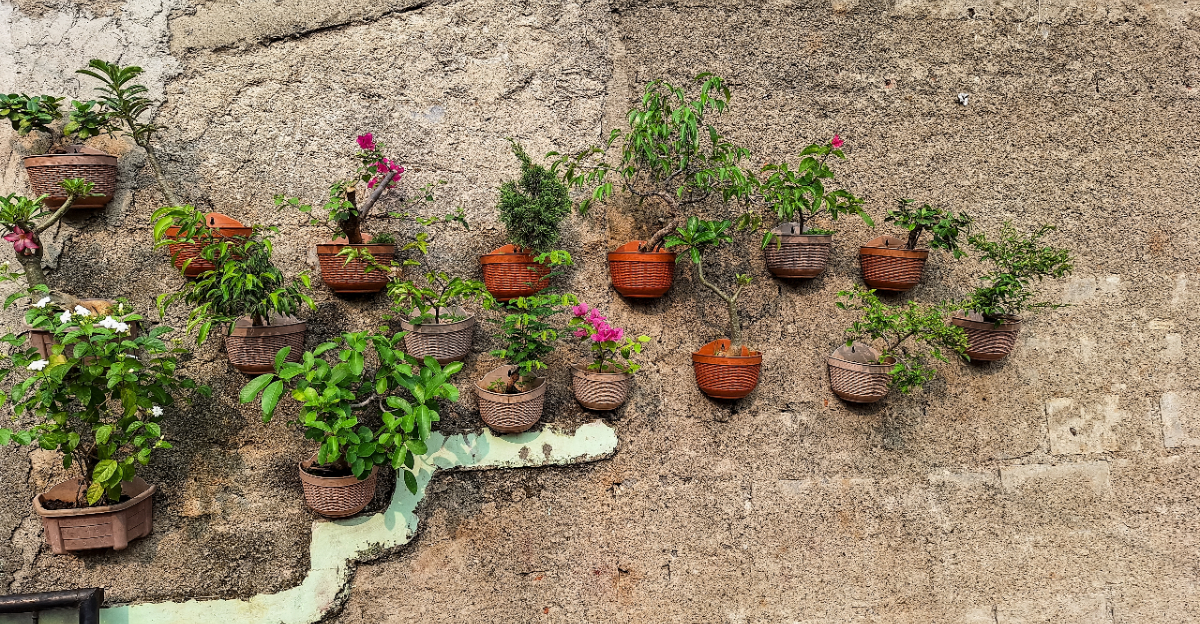
Container gardens in Illinois have a reputation for looking incredible in May and unrecognizable by mid-July. The pots are full, the colors are popping, and then the heat rolls in. Something shifts.
Leaves curl, stems go limp, and no amount of watering seems to help. Most homeowners assume it is the weather. It is rarely just the weather.
The real culprits are quieter than a heat wave, small decisions made at planting time, or habits that seem perfectly reasonable until they are not.
Illinois summers are punishing in ways that expose every weak point in a container setup, from the mix in the pot to where it sits on the patio.
The mistakes on this list are not obscure. They are the same ones showing up in gardens from Rockford to Carbondale, season after season.
Fix them once, and August might finally look the way May promised.
1. Choosing Containers Without Enough Drainage
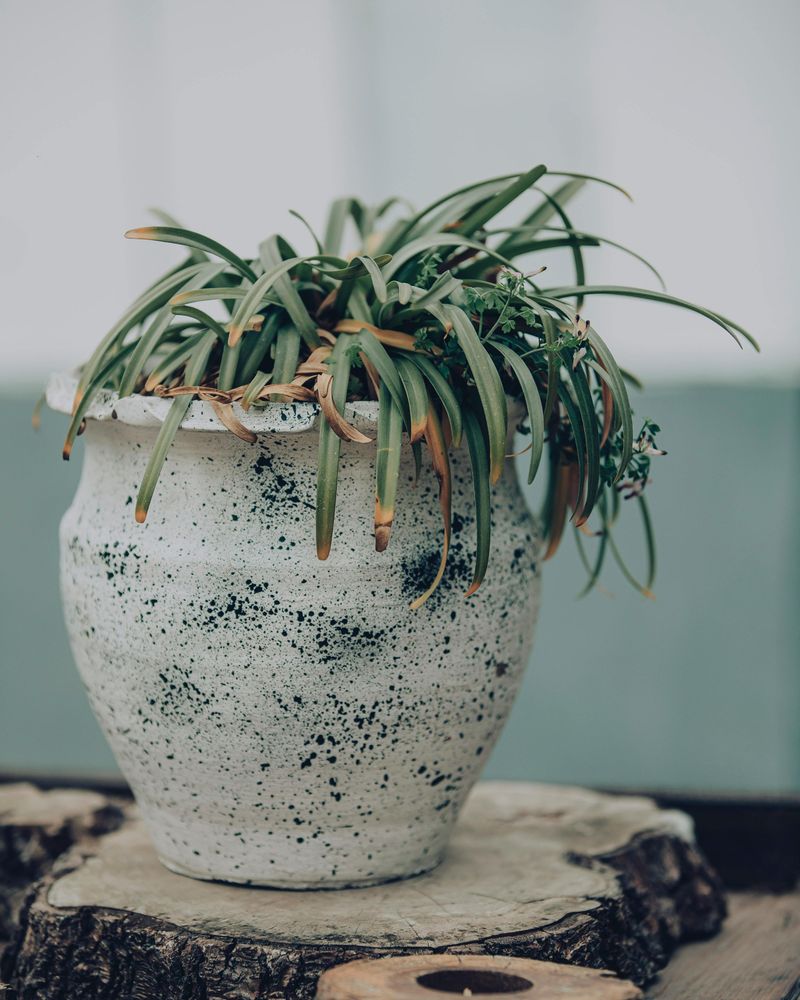
Standing water is a silent plant wrecker. Most homeowners pick containers based on looks, then forget to check the bottom for holes.
Without proper drainage, roots sit in soggy soil for days. That wet environment breeds root rot faster than you might expect.
Terracotta pots are classic for a reason. They are porous, breathe well, and help excess moisture escape naturally.
Plastic containers can work too, but only if they have several drainage holes. One small hole at the bottom is rarely enough for a full summer season.
A simple fix is drilling extra holes before planting. Use a quarter-inch drill bit and add at least four holes per pot.
Avoid decorative cache pots that trap water inside. If you love the look, just remove the inner pot before watering and let it drain freely.
Saucers are another sneaky problem. Many gardeners leave saucers filled with water under pots, thinking they are helping the plant stay hydrated.
Actually, a full saucer keeps the root zone too wet. Empty your saucers within thirty minutes of watering every single time.
Good drainage is the foundation of every healthy container garden. Get this one right first, and everything else becomes more manageable.
2. Picking The Wrong Potting Mix For Summer Heat
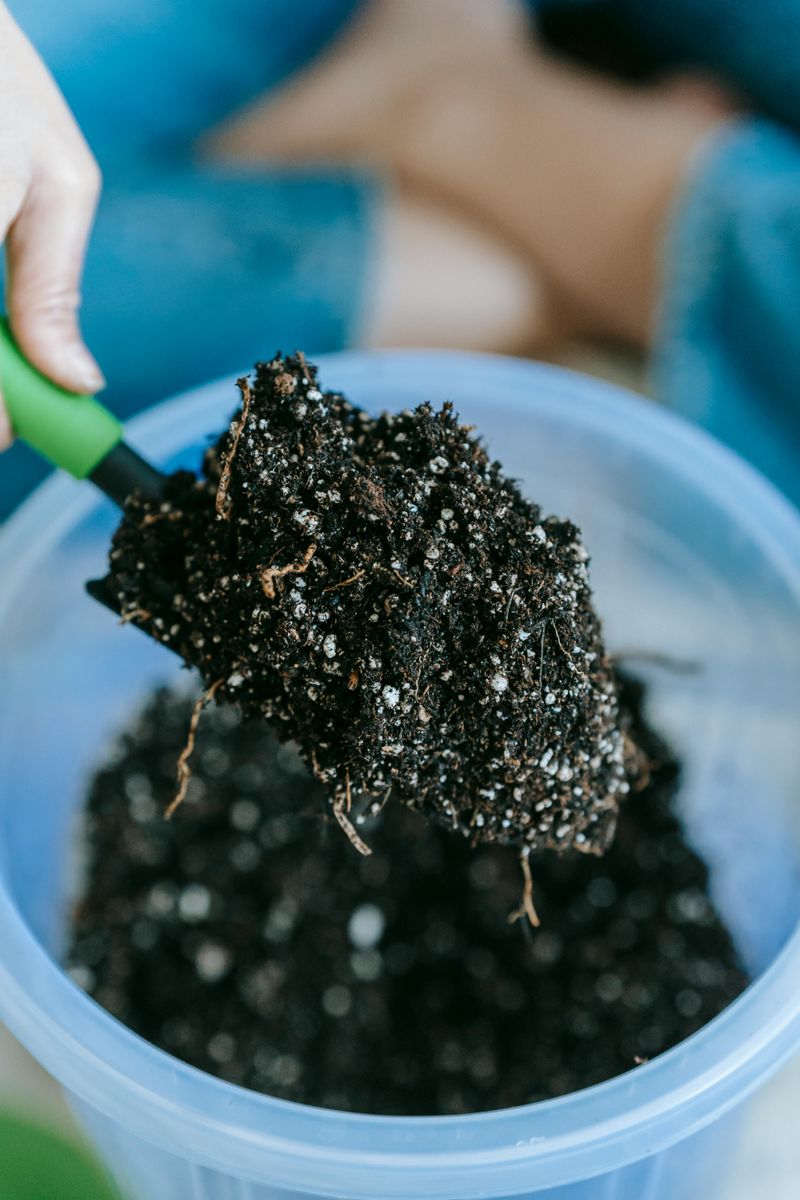
Not all potting mixes are created equal, and summer heat exposes the weak ones fast. Garden soil from your yard is the worst offender in containers.
Yard soil compacts tightly in pots and blocks air from reaching roots. Roots need oxygen just as much as water to stay strong.
A quality potting mix stays loose and fluffy even after repeated watering. Look for mixes that include perlite, vermiculite, or coco coir on the ingredient label.
These materials keep the mix from packing down over weeks of hot weather. They also improve drainage while still holding just enough moisture for roots.
Heavy mixes dry unevenly, leaving wet spots near the bottom and bone-dry zones near the top. That inconsistency stresses plants and slows growth considerably.
Some gardeners try to save money by reusing last year’s potting mix. Old mix loses its structure and often carries over pests or fungal spores.
Your Illinois Garden Changes Every Week. Your Plan Should Too.
Gardening in Illinois changes quickly throughout the season. Every Friday you’ll receive a simple weekly plan showing exactly what to plant, prune, fertilize, harvest, and protect so you never miss the right timing.
Fresh mix every season is a smart investment for strong results. A bag of quality mix often costs only slightly more than the budget version.
Adding a slow-release granular fertilizer when you mix the soil gives plants a head start. That built-in nutrition carries them through the first six weeks without extra effort.
Choosing the right mix gives your plants a real shot at a strong summer.
3. Watering On A Fixed Schedule Instead Of Checking The Soil
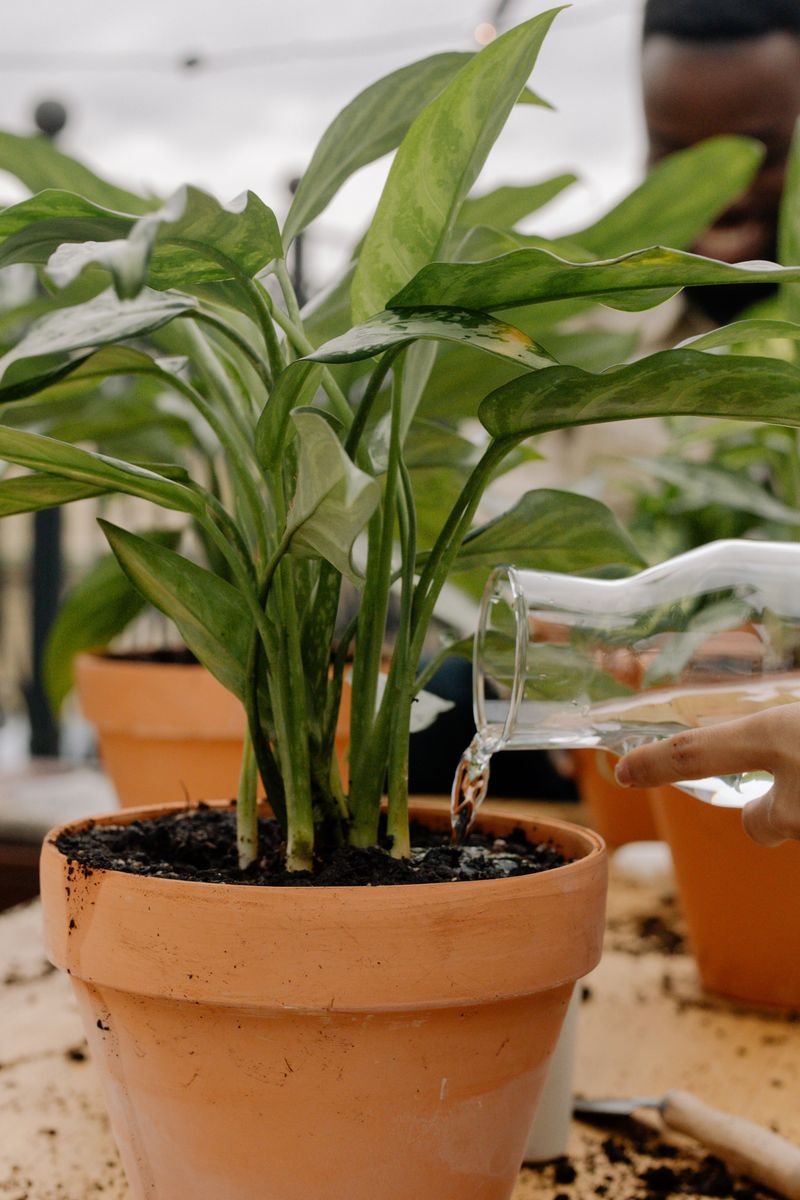
Watering every Tuesday and Friday sounds organized, but plants do not follow a calendar. Soil dries at different rates depending on heat, wind, and pot size.
A container that needs water on Monday after a scorching weekend might drown if you wait until Friday. Sticking to a rigid schedule ignores what the plant is actually telling you.
The finger test is the most reliable method any gardener can use. Push your finger about an inch into the soil and feel for moisture.
If it feels dry at that depth, water thoroughly until it drains from the bottom. If it still feels damp, wait another day and check again.
For many container gardeners, overwatering turns out to be more common than underwatering. Yellow leaves near the base of a plant are often the first sign of too much water.
Underwatered plants tend to droop dramatically and recover quickly after a good drink. Overwatered plants droop too, but they do not bounce back as fast.
Moisture meters are inexpensive tools that take all the guesswork out of the process. A basic model costs around ten dollars and lasts for several seasons.
Hot, windy days in the Midwest can dry out a small pot within hours. Check your containers twice on those days, once in the morning and once in the afternoon.
Responsive watering almost always outperforms a fixed routine.
4. Placing Containers In Too Much Direct Afternoon Sun
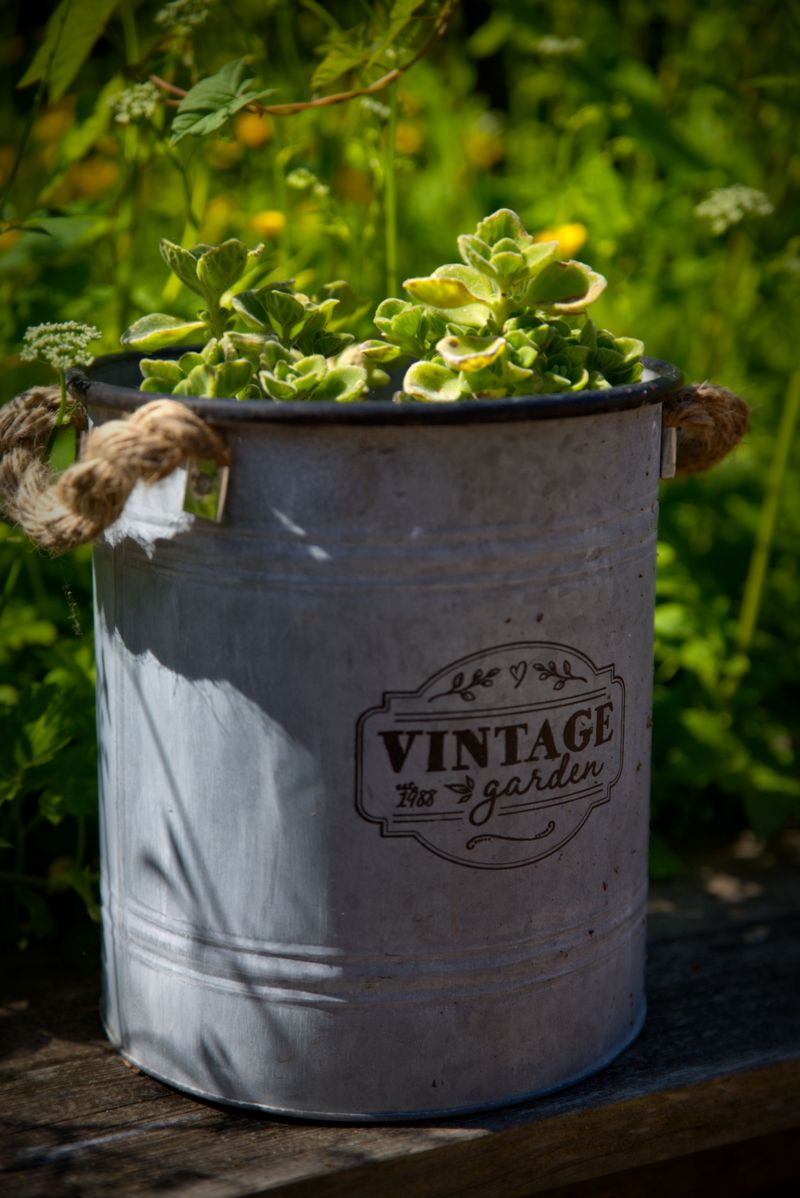
Three in the afternoon is brutal for container plants in the Midwest. The sun angle is low, the concrete radiates stored heat, and there is no shade to hide in.
Container gardening mistakes Illinois homeowners repeat most often involve sun placement. Moving a pot two feet to the left can sometimes mean the difference between thriving and struggling.
Some full-sun plants, particularly heat-sensitive flowers, handle morning light better than intense afternoon exposure. Morning sun is gentler, and plants have time to absorb it before temperatures peak.
Afternoon sun from the west and southwest is the most intense of the day. It can push soil temperatures in dark-colored pots to levels that cook roots from below.
Light-colored containers reflect heat better than black or dark brown ones. Swapping a black plastic pot for a white or cream-colored one reduces internal soil temperature noticeably.
Shade cloth is another practical option for exposed patios. A thirty to fifty percent shade cloth draped over a trellis can cut heat stress without blocking enough light to hurt growth.
Observe your patio throughout the day before placing containers. Mark where shadows fall at noon and at three in the afternoon to find the best spots.
Ferns, impatiens, and begonias actually prefer shadier conditions. Placing shade-lovers in full afternoon sun almost guarantees disappointment by midsummer.
Smart placement costs nothing and pays off all season long.
5. Overcrowding Plants In A Single Container
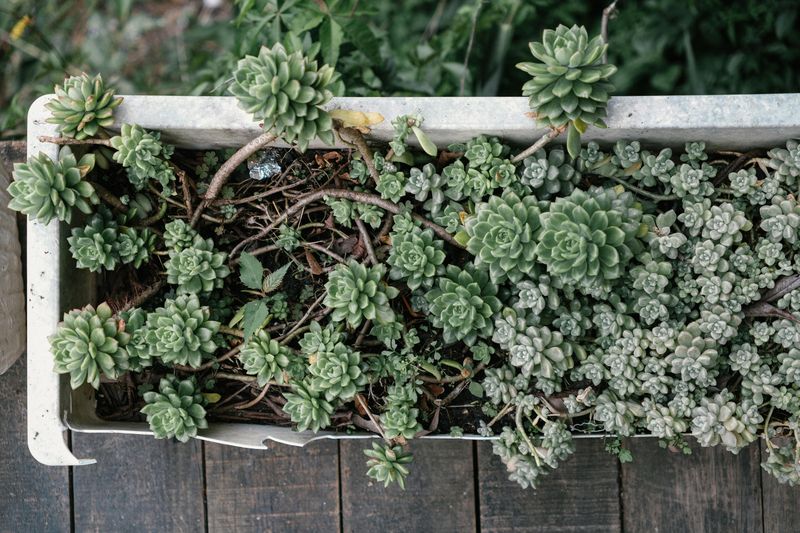
More plants in one pot sounds like more beauty, but it usually means more competition. Roots fight for water, nutrients, and space when a container gets too crowded.
That lush, full look from the garden center display is carefully maintained by professionals. At home, those same arrangements can decline quickly without regular maintenance.
A good rule of thumb is the thriller, filler, spiller method. Use one tall focal plant, two medium fillers, and one trailing plant per twelve-inch container.
Going beyond that ratio crowds roots and reduces air circulation around leaves. Poor airflow is an open invitation for powdery mildew and fungal problems in humid summers.
Fast-growing plants like sweet potato vine can take over a shared container within a month. Pairing them with slower growers creates an unbalanced mess quickly.
Check the mature size listed on plant tags before combining varieties. Many gardeners skip the tag entirely and plant by instinct, which often leads to crowding.
Thinning out overcrowded pots mid-season feels wasteful but actually saves the whole arrangement. Removing one plant can give the remaining ones room to explode with growth.
Larger containers give you more freedom to experiment with combinations. A twenty-four-inch pot can handle more variety without the root competition problem.
Give your plants room to breathe, and they will reward you generously all summer.
6. Skipping Fertilizer After The First Month
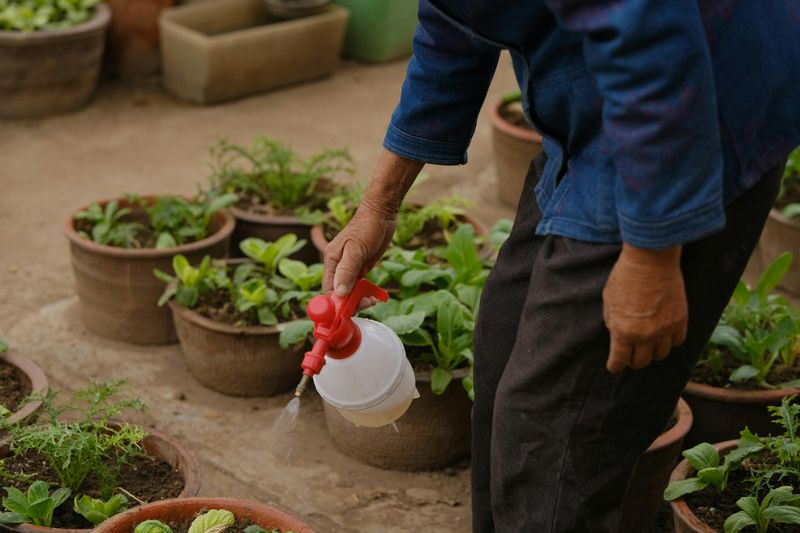
Plants are hungry, and container soil runs out of nutrients faster than most gardeners realize. Every time you water, nutrients leach out through those drainage holes you drilled.
After about four to six weeks, most potting mixes are significantly depleted of usable nutrition. That is when plants start looking pale, slow, and uninspired.
Slow-release fertilizer granules mixed into the soil at planting time help early on. But they are usually depleted well before summer ends.
Liquid fertilizers applied every one to two weeks keep containers consistently fed throughout the season. A balanced formula like ten-ten-ten works well for most flowers and vegetables.
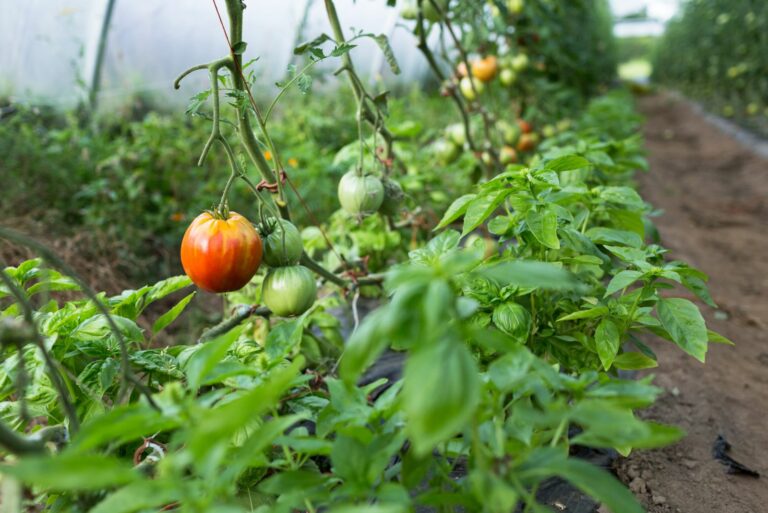
Tomatoes and peppers are especially heavy feeders in containers. They need extra potassium and phosphorus to set fruit, so switch to a bloom booster formula in midsummer.
Signs of nutrient deficiency include yellowing between leaf veins, stunted new growth, and pale coloring. These symptoms often show up first on older leaves near the base of the plant.
Organic options like fish emulsion or compost tea work beautifully for gardeners who prefer natural methods. They feed more slowly but improve soil biology at the same time.
Foliar sprays can give a quick boost when plants look stressed. Spray early in the morning so leaves dry before the afternoon heat arrives.
Consistent feeding keeps containers producing and looking their best through the end of summer.
7. Using Containers That Are Too Small For Summer Growth
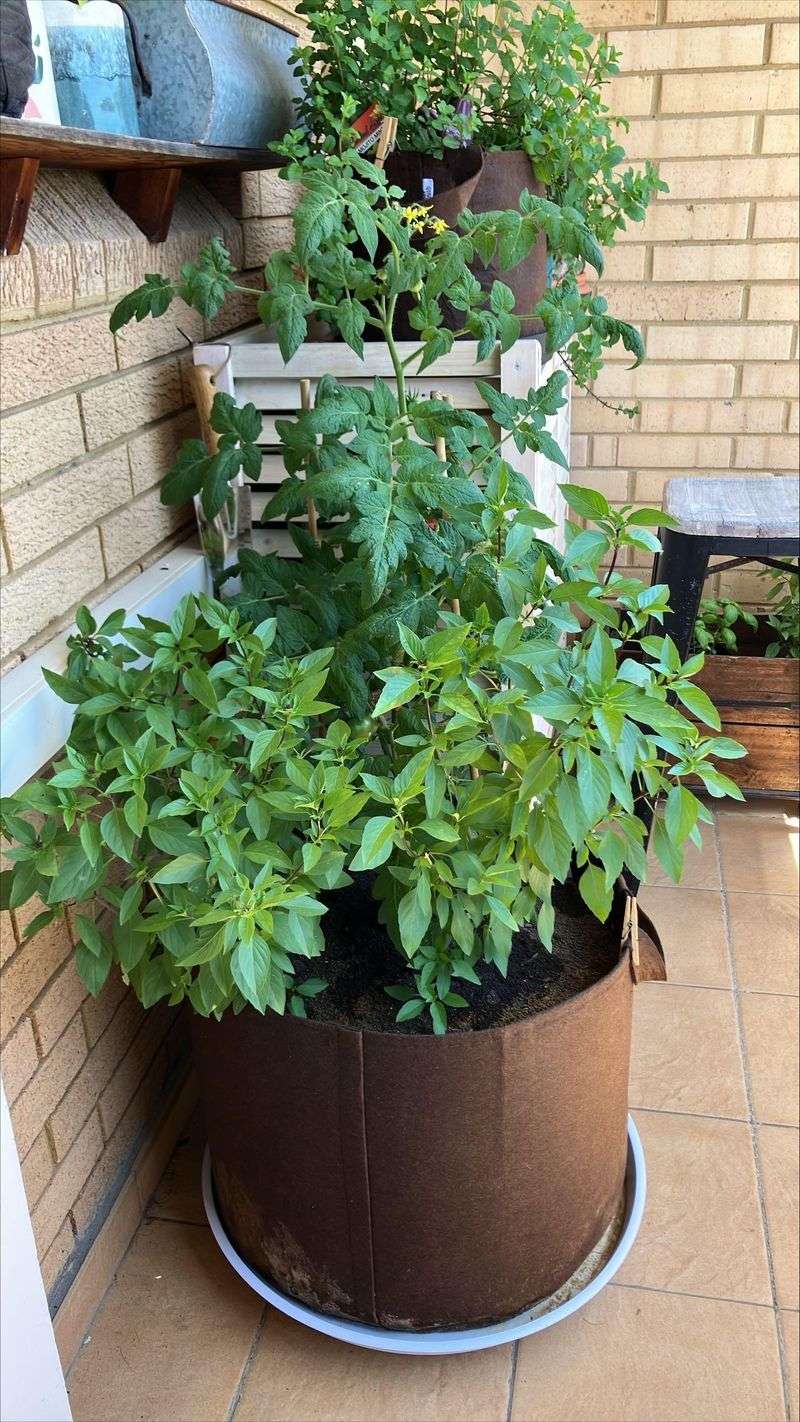
That cute little six-inch pot looked perfect in April, but your tomato plant had other plans. By July, roots are circling the bottom and poking out of the drainage holes.
Root-bound plants stop growing because they have nowhere left to expand. Nutrients and water cannot move efficiently through a tangled, compressed root system.
Tomatoes need at least five gallons of soil volume to perform well in containers. Ten to fifteen gallons is even better for indeterminate varieties that keep growing all season.
Peppers, eggplants, and large herbs like basil also need more space than most people give them. A three-gallon pot might support a pepper plant in spring but leave it struggling significantly by midsummer.
Container size also affects watering frequency dramatically. A small pot in summer heat may need water twice a day during heat waves.
Larger pots hold more soil volume, which acts as a buffer against rapid temperature swings. That stability helps roots stay comfortable even when surface temperatures soar.
Self-watering containers are a smart upgrade for busy homeowners. The reservoir system delivers consistent moisture from below, reducing stress on plants during hot stretches.
When in doubt, always size up. A pot that seems too large in May will feel perfectly sized by the peak of summer.
Bigger containers generally mean fewer problems and stronger results through the season.
8. Ignoring Heat Reflected Off Patios And Walls
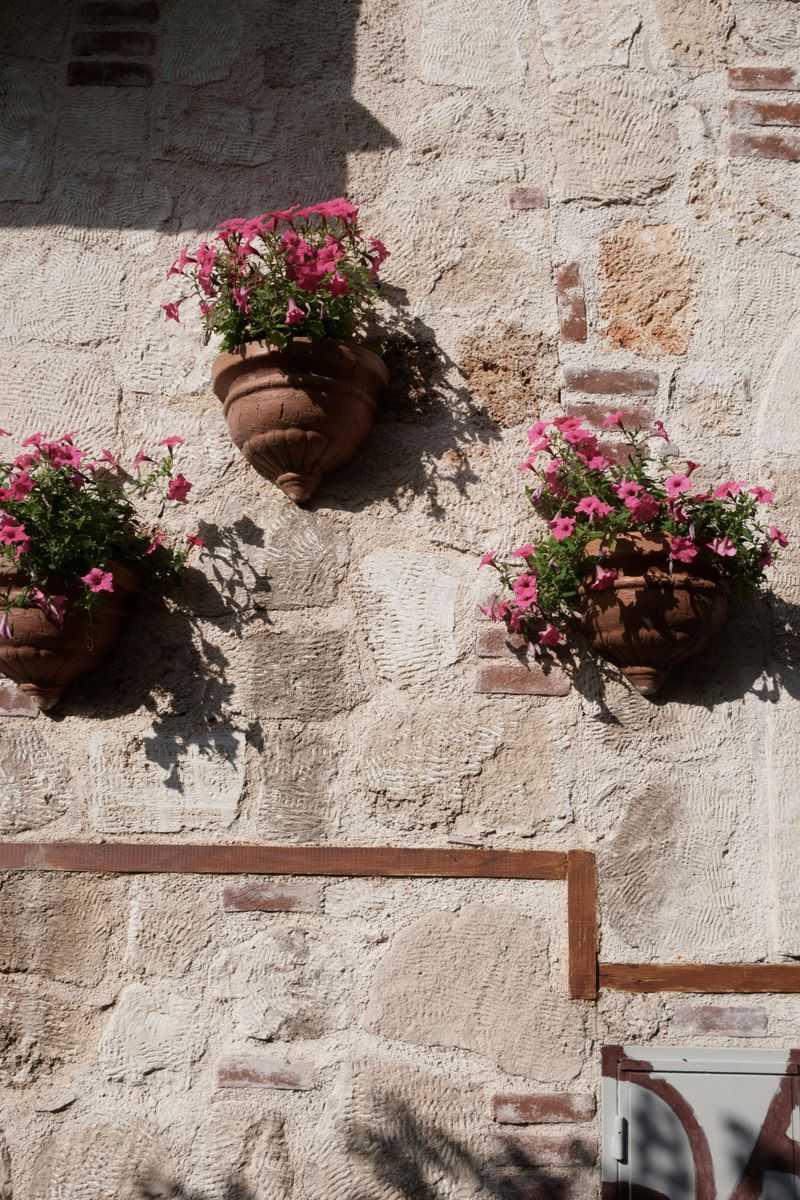
Brick walls are beautiful, but they act like slow cookers on summer afternoons. Light-colored concrete and pale stone reflect sunlight directly onto nearby container plants.
This reflected heat is called radiant heat, and it can raise temperatures around containers by ten to twenty degrees. Most gardeners never consider it when choosing placement spots.
South-facing and west-facing walls are the worst offenders during peak summer months. Plants placed within two feet of these surfaces experience significantly more heat stress than those in open areas.
Dark pavement is another hidden heat source underneath containers. Black asphalt absorbs heat all day and releases it slowly through the evening, keeping root zones warm overnight.
Elevating pots on wooden risers or plant stands creates an air gap between the container and the hot surface below. That small gap allows airflow and reduces heat transfer noticeably.
Moving containers away from reflective walls by even three to four feet can make a measurable difference. Observe where heat radiates most intensely on your specific patio before setting pots permanently.
Mulching the top of container soil also helps moderate temperature swings. A thin layer of straw or wood chip mulch insulates the soil surface from direct sun exposure.
Light-colored pot wraps or burlap sleeves around dark containers reduce absorbed heat as well. Small adjustments like these add up to a much more comfortable growing environment.
Radiant heat is real, and addressing it makes a meaningful difference in how containers perform through summer.
9. Forgetting To Move Containers During Extreme Heat Waves
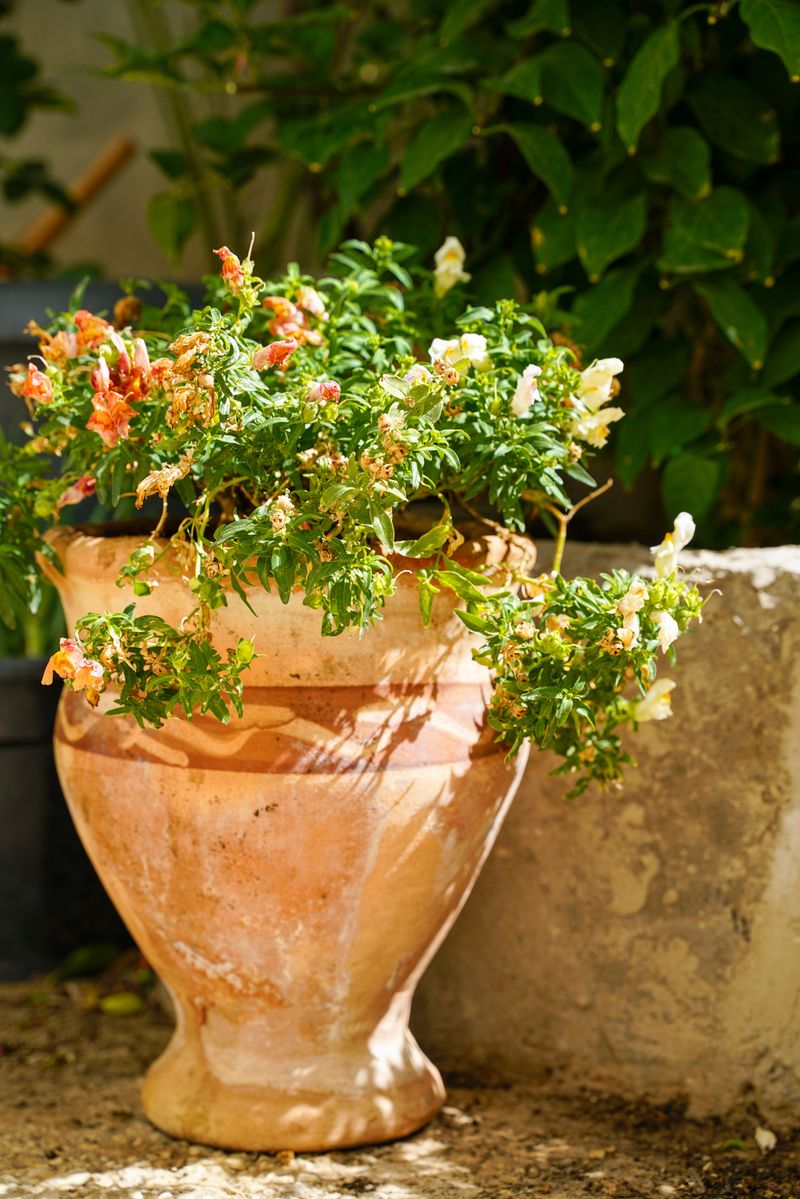
Heat waves hit the Midwest hard, and container plants have nowhere to escape. Unlike garden beds, containers cannot benefit from deep, cool soil layers underground.
When temperatures climb above ninety-five degrees for several days, even heat-tolerant plants begin to suffer. Container gardening mistakes Illinois gardeners make most often involve leaving plants in place during these events.
Moving pots to a shaded or sheltered location during a heat wave is one of the easiest protective steps you can take. Even partial shade from a tree or overhang can noticeably reduce temperatures around containers.
A rolling plant caddy is one of the best investments for any container gardener. It allows you to shift heavy pots quickly without straining your back.
During extreme heat, watering once in the early morning and once in the evening keeps soil from drying out completely. Midday watering is less efficient as heat causes rapid evaporation before water reaches the roots.
Grouping containers together during heat waves creates a microclimate with slightly higher humidity. Plants transpire moisture, and that moisture benefits neighboring pots in the group.
Shade cloth draped over a collection of pots works well when moving them is not practical. Secure it loosely so air still circulates around the plants beneath it.
Watch weather forecasts closely from June through August and plan ahead for hot stretches. A little preparation keeps your container garden thriving when temperatures turn extreme.