Tennessee Gardeners Make These Common Tomato Mistakes Every Summer
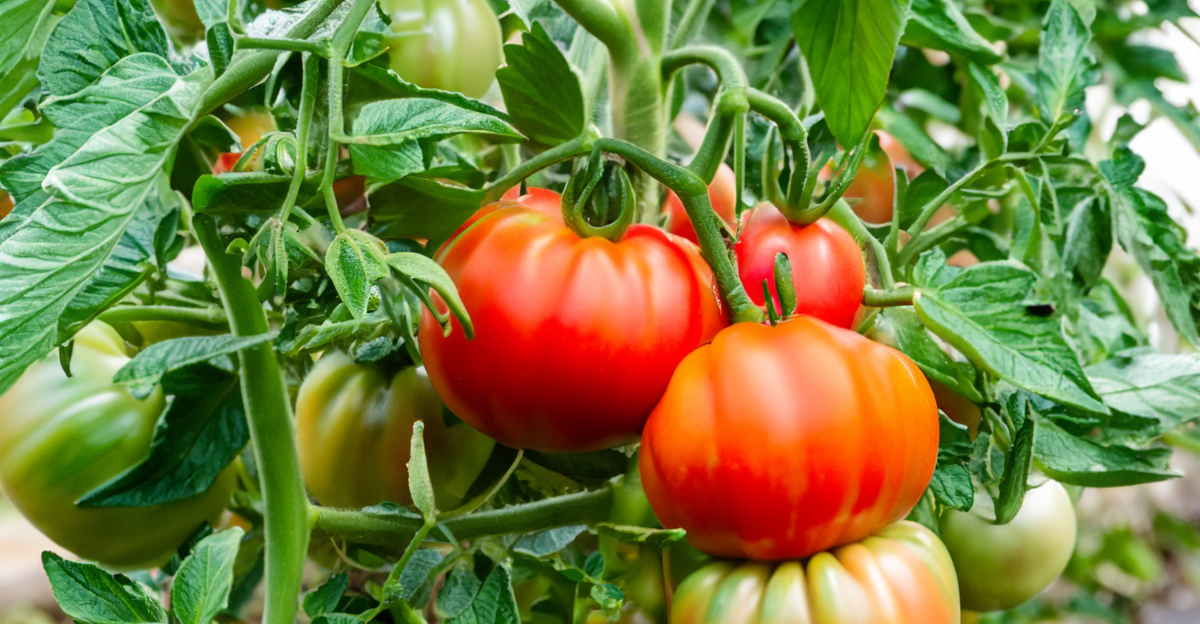
Tennessee summers do not ease you in. They arrive hot, humid, and tomato plants feel every bit of it.
What starts as a tidy row of transplants in May can quietly fall apart by July. Not because of bad luck, but because of a handful of mistakes that are easy to miss until the damage is done.
Most of them happen before the heat even peaks. A watering habit that works in spring becomes a problem in August.
A variety that thrived in a neighbor’s garden three states north struggles to set fruit when temperatures push past 95°F. The stakes go in too late. The blight gets a head start. None of it is dramatic, it just adds up.
Eight mistakes show up in Tennessee tomato gardens every single summer. They are not random.
They are predictable, repeatable, and entirely fixable once you know what to look for.
1. Planting Too Early In The Season
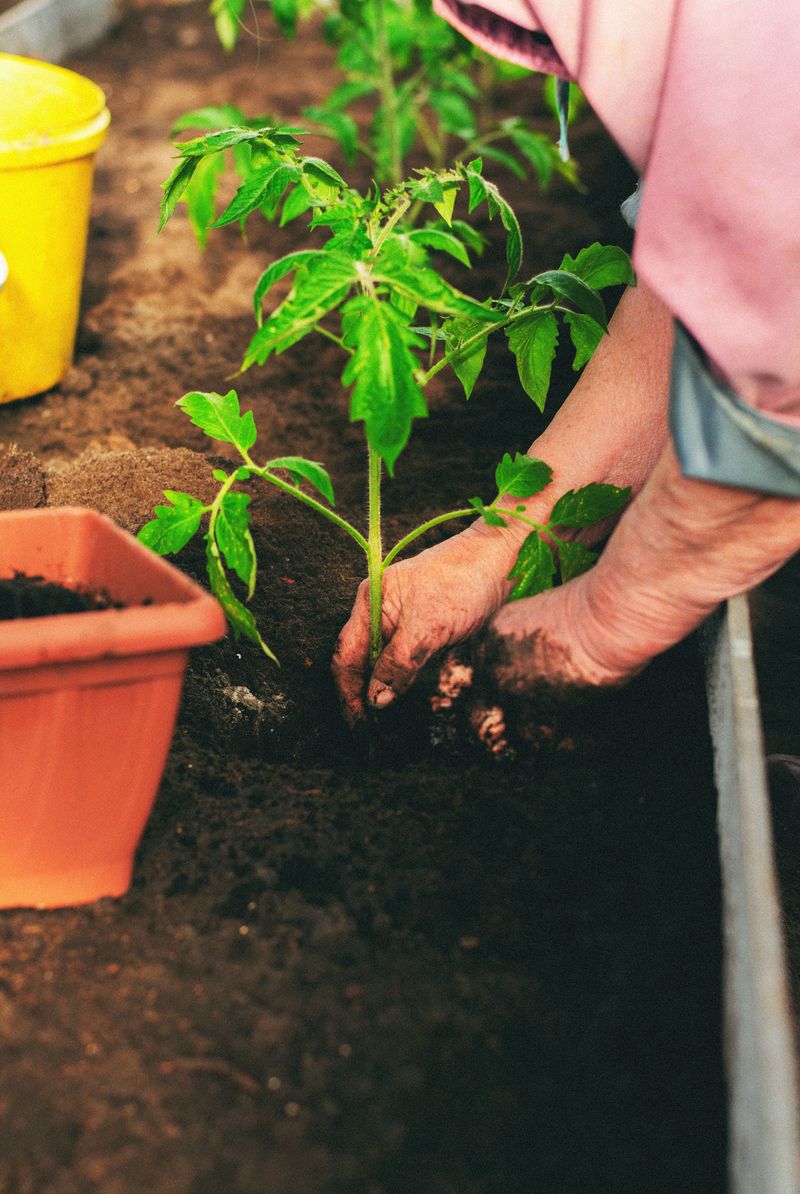
Eager hands and warm February days trick gardeners every single year. That first stretch of 65-degree weather feels like permission to plant, but it absolutely is not.
Soil temperature matters more than air temperature when it comes to tomatoes. Roots need soil at least 60 degrees Fahrenheit to grow properly and absorb nutrients.
A late frost in March or April can wipe out transplants overnight in Tennessee. The last average frost date for most of the state falls between mid-March and mid-April depending on your county.
Planting too early also stresses young plants in ways you cannot always see. Cold soil slows root development, which means the plant struggles even when it looks fine above ground.
Stunted early growth often leads to weaker plants that struggle once summer temperatures peak. A plant that starts behind rarely catches up when summer gets serious.
The fix is straightforward and takes patience most gardeners find genuinely hard. Wait until nighttime temperatures stay consistently above 50 degrees before putting transplants in the ground.
Use a soil thermometer to take the guesswork out of timing. They cost less than a bag of fertilizer and save you far more heartache than that.
Starting seeds indoors six to eight weeks before your target planting date keeps you ready without rushing. Strong, healthy transplants set out at the right moment will outperform early-planted ones within just a few weeks.
2. Watering Inconsistently Through The Summer
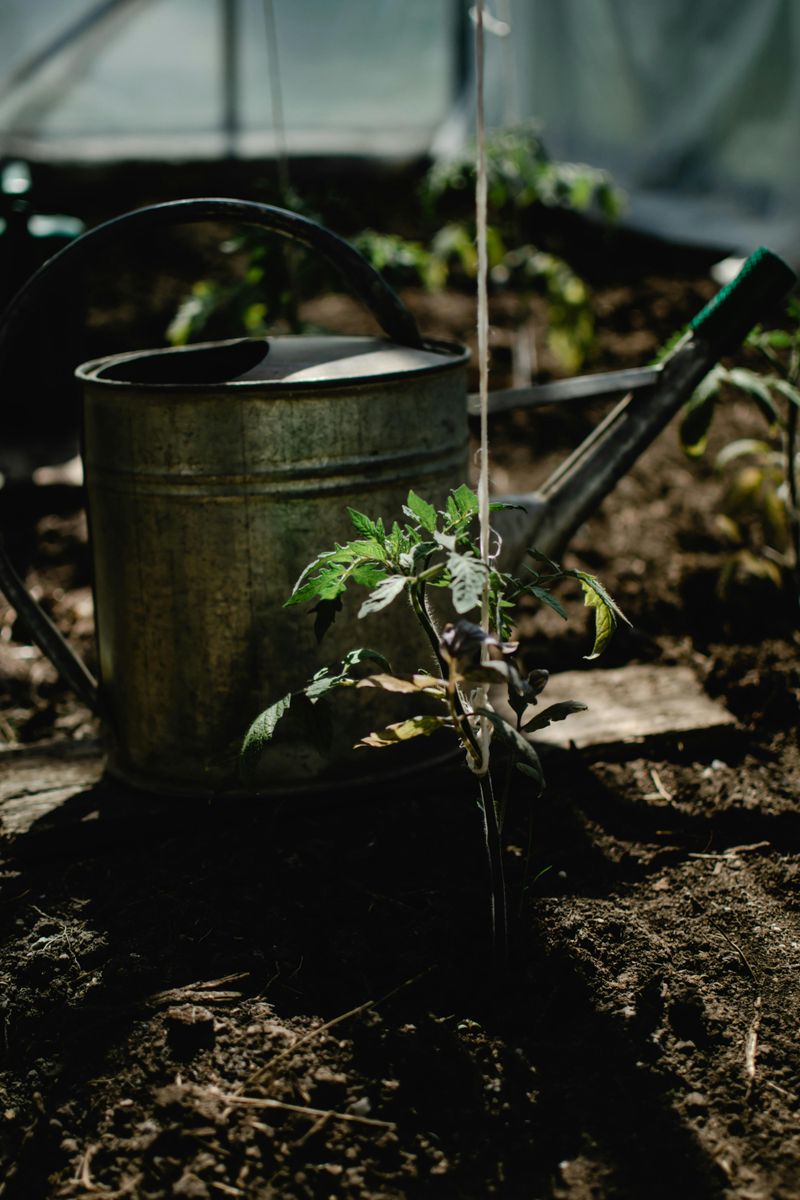
Blossom end rot is not a disease. It is a symptom of watering that swings between drought and flood.
That dark, sunken spot on the bottom of your tomato is calcium deficiency caused by irregular moisture. Calcium is in the soil, but inconsistent watering stops the plant from pulling it up.
Tennessee summers are notorious for dry spells followed by heavy afternoon thunderstorms. Gardeners often let nature do the watering, which sounds smart but rarely works out well.
Tomatoes need about one to two inches of water per week, delivered steadily. Feast-and-famine cycles confuse the plant and cause fruit to crack, drop, or develop poorly.
Your Tennessee Garden Changes Every Week. Your Plan Should Too.
Gardening in Tennessee changes quickly throughout the season. Every Friday you’ll receive a simple weekly plan showing exactly what to plant, prune, fertilize, harvest, and protect so you never miss the right timing.
Setting a consistent schedule beats relying on rainfall alone. Check soil moisture at least two inches deep before watering to avoid overwatering on rainy weeks.
Mulching around the base of each plant dramatically helps retain moisture between waterings. A three-inch layer of straw or shredded leaves can noticeably reduce how often you need to water.
Drip irrigation is one of the most practical upgrades a busy gardener can make. Even a basic soaker hose on a timer costs little and pays off with healthier, more productive plants.
Fruit quality improves noticeably when water delivery stays steady and predictable. Your tomatoes will grow bigger, crack less, and taste sweeter when they are never gasping or drowning.
3. Watering From Above Instead Of At The Root
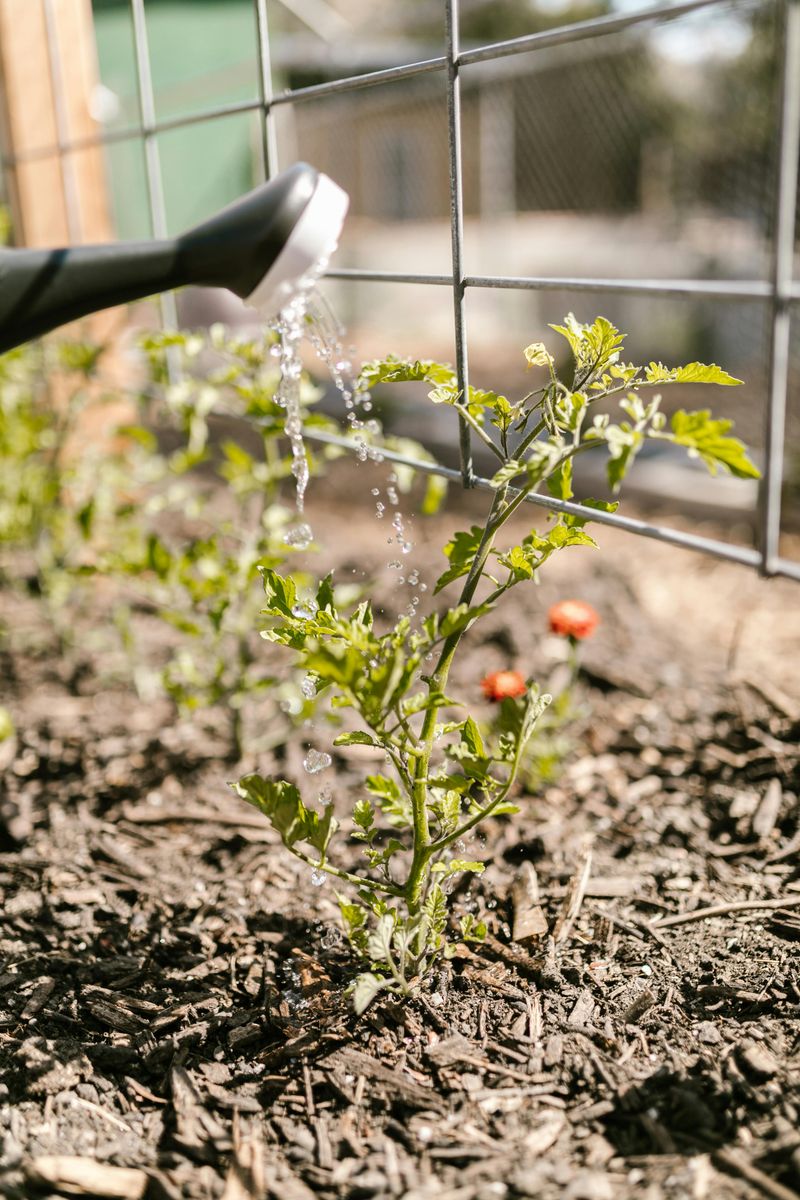
Sprinklers feel satisfying to watch, but they create real problems for tomato plants over time. Wet leaves sitting in humid air are an open invitation for fungal problems.
Early blight, Septoria leaf spot, and other common fungal issues spread rapidly through water droplets on foliage. Tennessee humidity already pushes plants toward disease, and overhead watering makes that worse.
Water belongs at the root zone, not the leaves. Roots do the drinking, and leaves do the breathing, so keeping them dry is one of the smartest habits you can build.
Morning overhead watering is slightly better than evening because leaves can dry before nightfall. But even morning watering from above leaves moisture in places where fungal spores love to settle.
Soaker hoses and drip lines deliver water directly to the soil where roots can reach it. Plants stay drier above the soil line, which cuts disease pressure significantly over a full season.
Hand watering at the base with a watering wand is another solid option for smaller gardens. Aim the water at the soil, not the stem or leaves, and move slowly to let it soak in.
Switching your watering method mid-season can still save a struggling plant. The improvement in leaf health is often visible within just one to two weeks of making the change.
Healthy leaves mean better photosynthesis and stronger fruit production all season long. That simple shift in where your water lands can completely transform your harvest results.
4. Ignoring The Heat When Flowers Drop
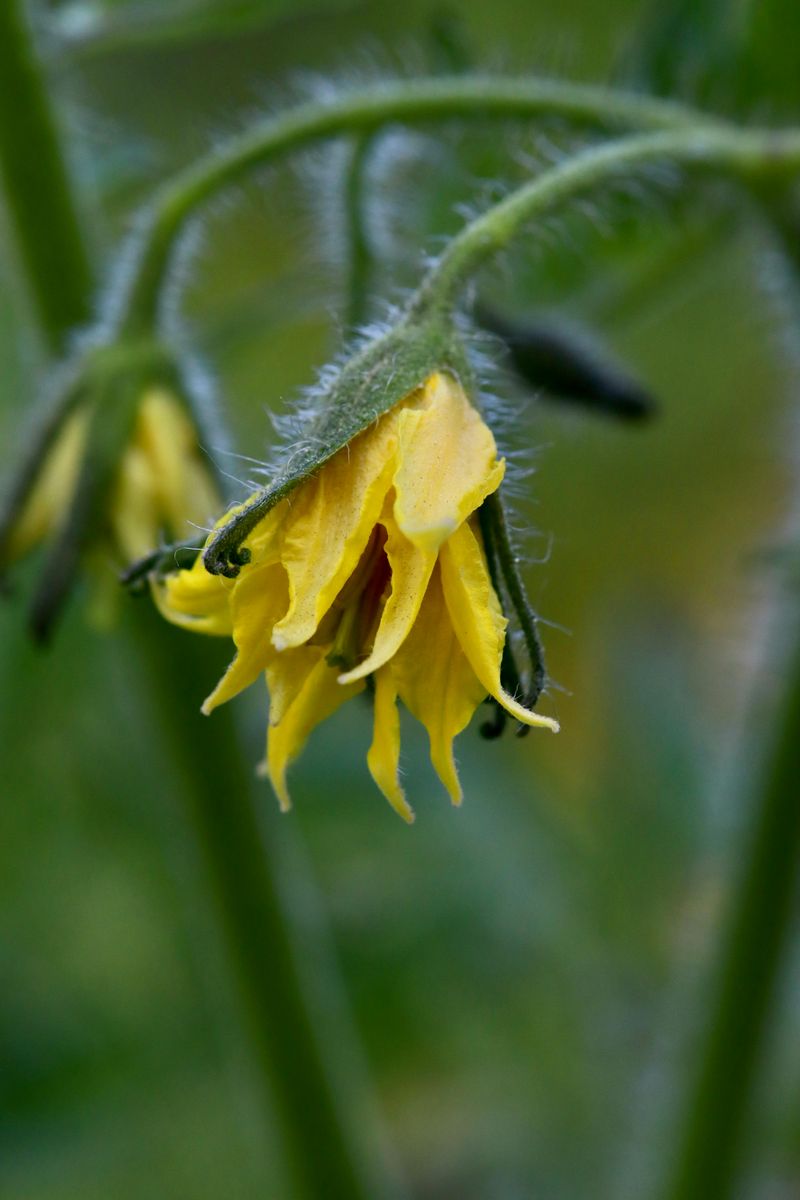
You planted, watered, and waited, and then the flowers just fell off. It happens without warning or explanation. One day the blossoms are there, the next they are on the ground.
Flower drop is one of the most common and confusing moments in summer tomato growing. Most gardeners assume something went wrong with their care, but often the culprit is simply the temperature.
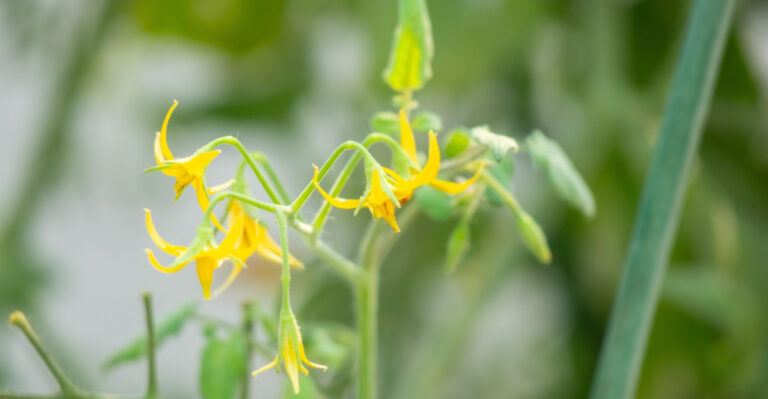
Tomatoes stop setting fruit when daytime temps stay above 90 degrees or nighttime temps stay above 75. That is a regular summer pattern across most of Tennessee from late June through August.
Pollen becomes nonviable in extreme heat, which means pollination cannot happen even when bees are active. Without pollination, the plant cannot set fruit, no matter how healthy it looks.
The mistake is not the heat itself but ignoring it and continuing to fertilize aggressively. Pushing a plant to produce during a heat event wastes energy and nutrients the plant needs to survive.
Back off on feeding during peak heat waves and let the plant rest. Focus on keeping roots cool with thick mulch and maintaining steady soil moisture during those difficult weeks.
Once temperatures drop back into the mid-80s, flowers will return and fruit will set again. Many Tennessee gardeners see their best fall harvest from plants that simply rested through the worst of summer.
Patience during a heat wave is a strategy, not a failure. Trust the plant, keep it alive, and the reward will come.
5. Choosing Varieties Not Built For Tennessee Summers
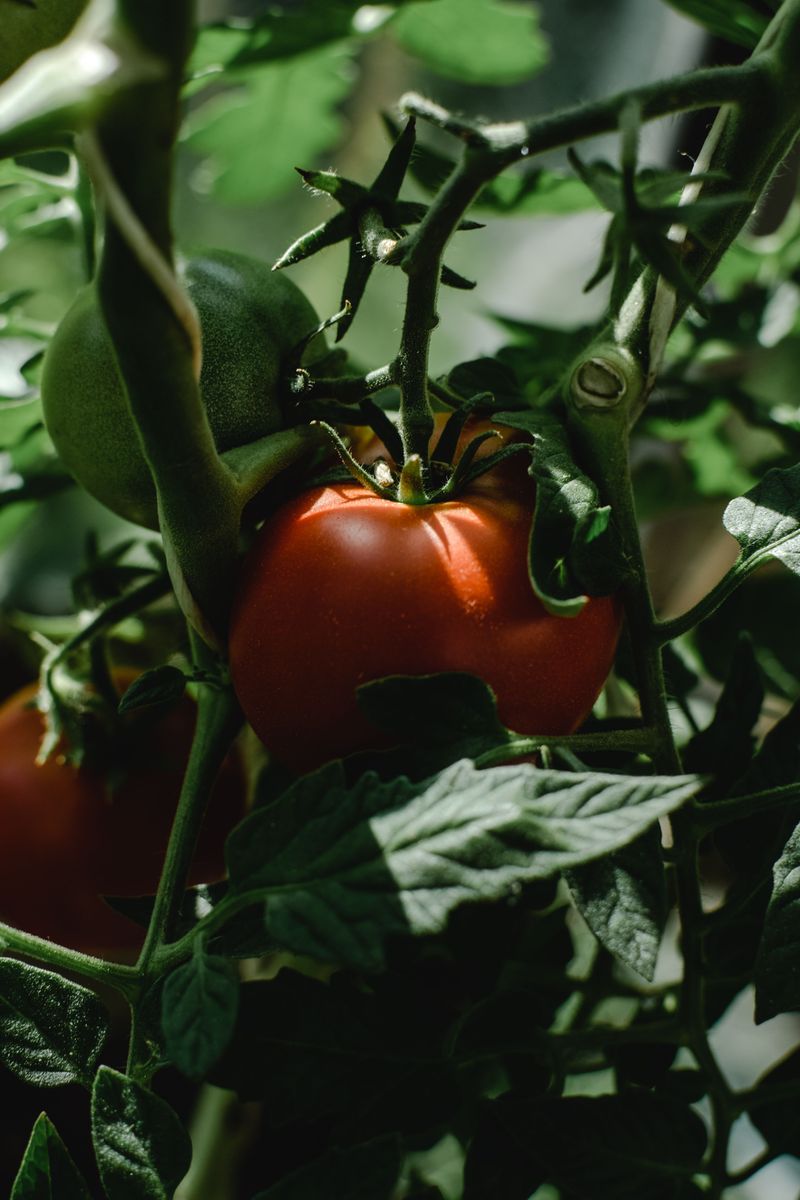
Not all tomatoes are created equal, and that difference really matters in the South. Picking the wrong variety is one of the fastest ways to set yourself up for a disappointing summer.
Cool-climate heirlooms like Brandywine are stunning tomatoes with incredible flavor, but they struggle badly above 85 degrees. Planting them in a Tennessee July sets them up to struggle from the start.
Heat-tolerant varieties were developed specifically to handle high temperatures and still produce fruit. Varieties like Solar Fire, Heatmaster, Celebrity, and Sweet 100 cherry tomatoes are proven performers in Southern summers.
Heatmaster was developed specifically for hot, dry conditions and thrives in similar climates across the South. It sets fruit reliably even when other varieties quit completely.
Reading the seed packet or plant tag carefully before buying saves a lot of grief. Look for phrases like heat-tolerant, disease-resistant, or suited for Southern climates on the label.
Local nurseries in Tennessee often carry regionally tested varieties that big-box stores do not stock. Asking the staff what grows well locally is one of the best free pieces of advice you can get.
Mixing a few heat-tolerant varieties with one or two experimental picks keeps things interesting without betting everything on an uncertain outcome. That way you still have a harvest even if one variety underperforms.
The right variety does half the work for you before you even water it once. Choose wisely and summer becomes much less of a battle.
6. Skipping The Stakes Until It Is Too Late
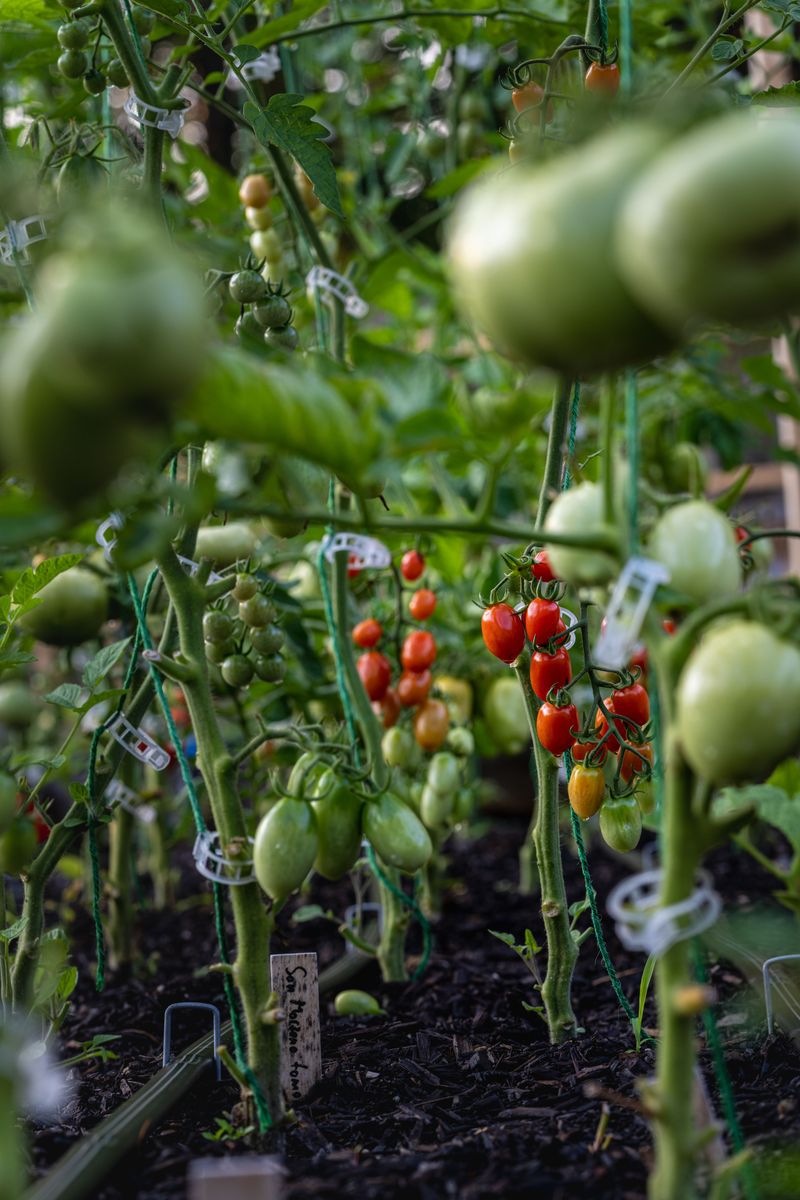
A two-foot tomato plant looks manageable without support, and then August arrives and changes everything. Suddenly that same plant is five feet tall, loaded with fruit, and lying sideways on the ground.
Waiting to stake or cage tomatoes until they are already falling over causes real damage. Stems crack, branches snap, and fruit that touches the soil rots quickly in Tennessee humidity.
Support should go in at planting time or within the first two weeks of transplanting. Setting a stake or cage around a small plant feels unnecessary, but it protects the root system later too.
Pounding a stake into established root zones can sever major roots and stress the plant mid-season. Early placement avoids that problem entirely and gives the plant something to lean on from the start.
Indeterminate varieties like Cherokee Purple or Big Boy keep growing all season and need heavy-duty support. Flimsy wire cages from discount stores collapse under the weight of a full-sized plant loaded with fruit.
Invest in sturdy tomato cages at least 60 inches tall or use heavy-gauge metal stakes with soft ties. Florida weave staking with twine along a row is another budget-friendly method that actually holds up.
Proper support also improves airflow around the plant, which cuts down on fungal problems significantly. Leaves that are not piled on top of each other dry faster and stay healthier through humid spells.
Good support is not just cosmetic, it is structural insurance for your entire harvest. Set it early, set it strong, and your plants will thank you all season.
7. Missing The Early Signs Of Blight
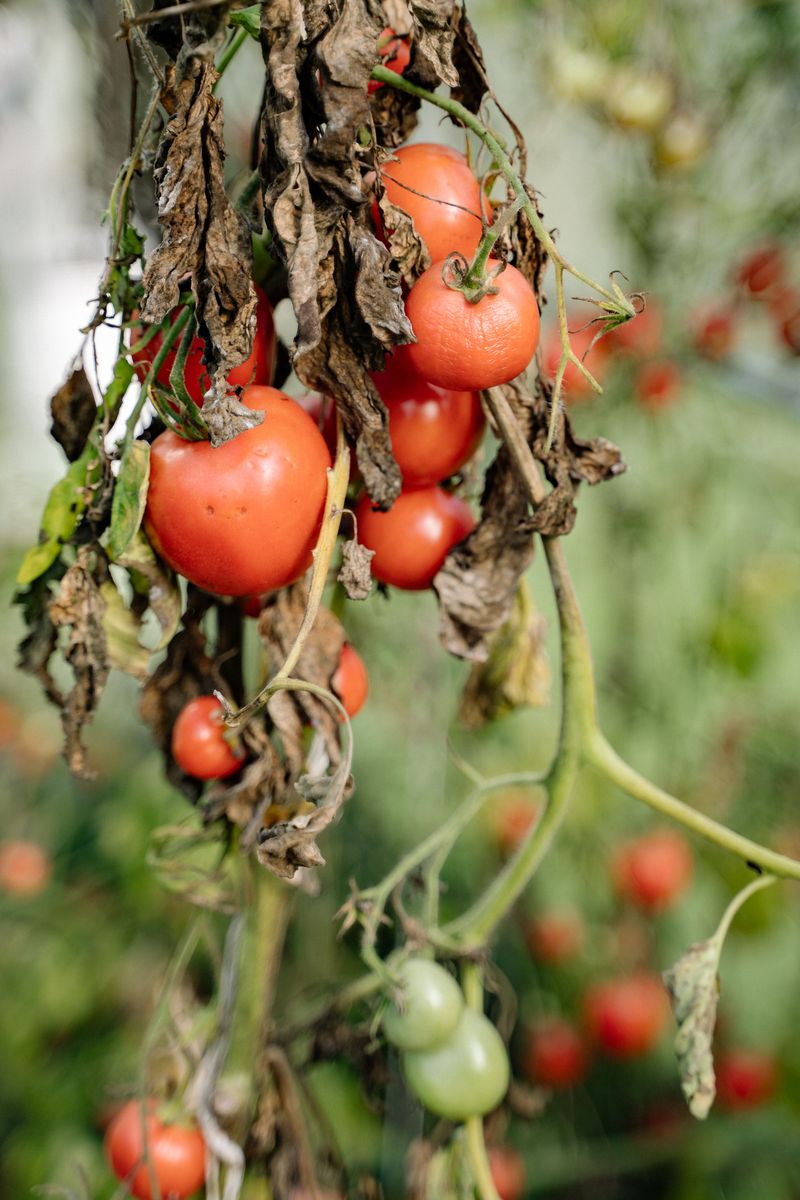
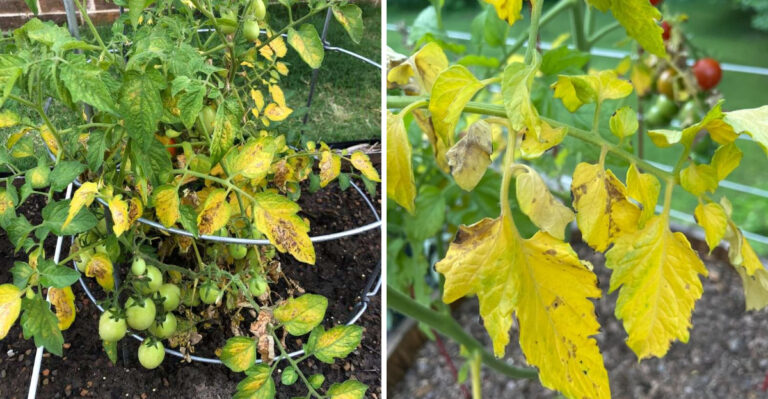
Blight starts quietly, and most gardeners do not notice it until it has already spread through half the plant. By the time leaves are turning yellow and dropping fast, the damage is already well underway.
Early blight shows up as small brown spots with yellow rings around them, usually on lower leaves first. Septoria leaf spot looks similar but produces tiny dark specks in the center of each spot.
Both diseases thrive in warm, wet conditions, which describes a Tennessee summer almost perfectly. Spores splash up from the soil during rain or watering and land on leaves close to the ground.
Checking plants twice a week from the bottom up catches problems early enough to manage them. Removing infected leaves immediately and putting them in the trash, not the compost, slows the spread considerably.
Copper-based fungicide sprays applied preventively before disease appears are far more effective than reactive treatment. Starting a spray schedule in late June, before humidity peaks, gives your plants a real fighting chance.
Mulching the soil surface also reduces the splash-up effect that spreads spores from ground to leaf. A good layer of straw around the base acts like a barrier between the soil and your plant.
Pulling leaves that show spots feels counterintuitive when you want lush, full plants. But a plant with fewer healthy leaves outperforms one with many diseased ones every single time.
Catching blight early is the difference between a manageable setback and a lost crop. Train your eyes to look for it, and you will catch it in time.
8. Feeding Too Much Nitrogen At The Wrong Time
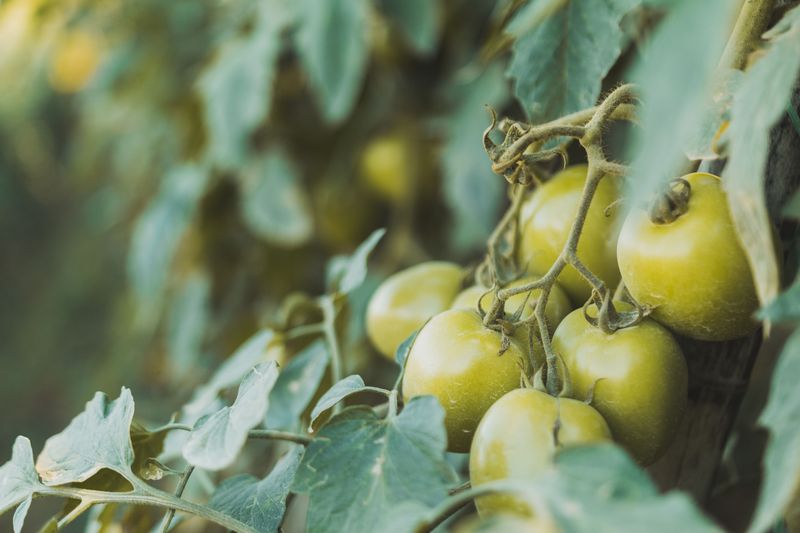
Big, dark green tomato plants look impressive, but sometimes that lush growth is actually a red flag. Too much nitrogen pushes plants to produce leaves and stems instead of fruit.
Nitrogen is essential early in the season when plants are building their structure. But once flowers appear, excess nitrogen tells the plant to keep growing foliage rather than invest energy into setting fruit.
Many gardeners apply the same fertilizer all season without adjusting for the plant’s changing needs. Plants have different nutritional needs at different stages, and using the same fertilizer all season ignores that completely.
At planting, a balanced fertilizer like 10-10-10 gives young plants everything they need to establish roots. Once flowering begins, switch to a lower-nitrogen option higher in phosphorus and potassium to support fruit development.
Tomato-specific fertilizers are formulated with this shift in mind and take the guesswork out of timing. Following the label instructions beats guessing every single time, especially for newer gardeners.
Organic options like fish emulsion, bone meal, and kelp meal release nutrients slowly and reduce the risk of over-feeding. They also improve soil health over time, which benefits future seasons too.
Over-fertilized plants are also more attractive to aphids and other soft-bodied pests. Lush, nitrogen-rich tissue is essentially a buffet for insects looking for a tender meal.
Getting your feeding schedule right is one of the most impactful common tomato mistakes to fix. Balanced nutrition at the right stage of growth leads to more fruit, better flavor, and a stronger plant all the way through harvest.