10 Container Gardening Mistakes Virginia Homeowners Keep Making
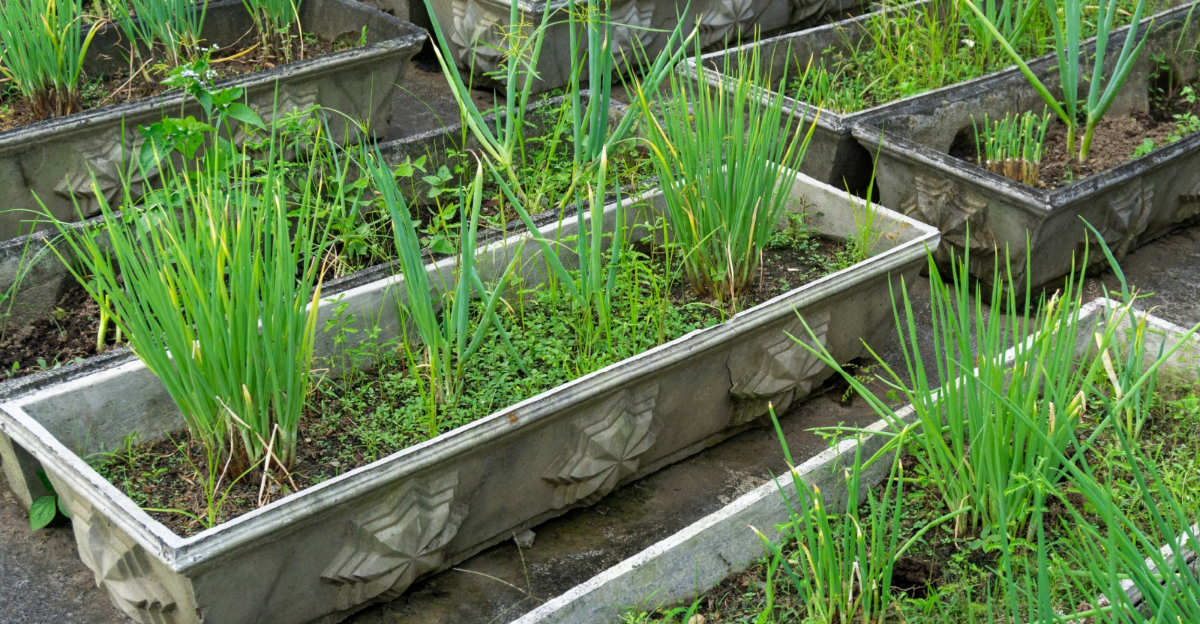
Virginia summers have a reputation for unraveling container gardens fast. One week the patio looks like a magazine spread.
The next week, pots are filled with withered, defeated stems. Have you ever walked outside on a July morning expecting color?
Only to find your most carefully tended pots looking completely surrendered? That deflating moment hit hard mid-July.
Wilted herbs and fading petunias had looked genuinely promising just weeks earlier. Something was clearly wrong.
It had nothing to do with effort. Virginia’s humidity, relentless afternoon heat, and erratic rainfall create a genuinely unforgiving growing environment.
Roots cannot migrate toward cooler soil. Drainage errors snowball quickly. Moisture swings that ground beds absorb without flinching will overwhelm a potted plant within days.
A lush patio garden and a seasonal disappointment are not separated by talent or luck. It comes down to avoiding fixable mistakes that silently undermine containers before summer peaks. Get ahead of them now.
1. Watering In The Afternoon Heat Instead Of Early Morning
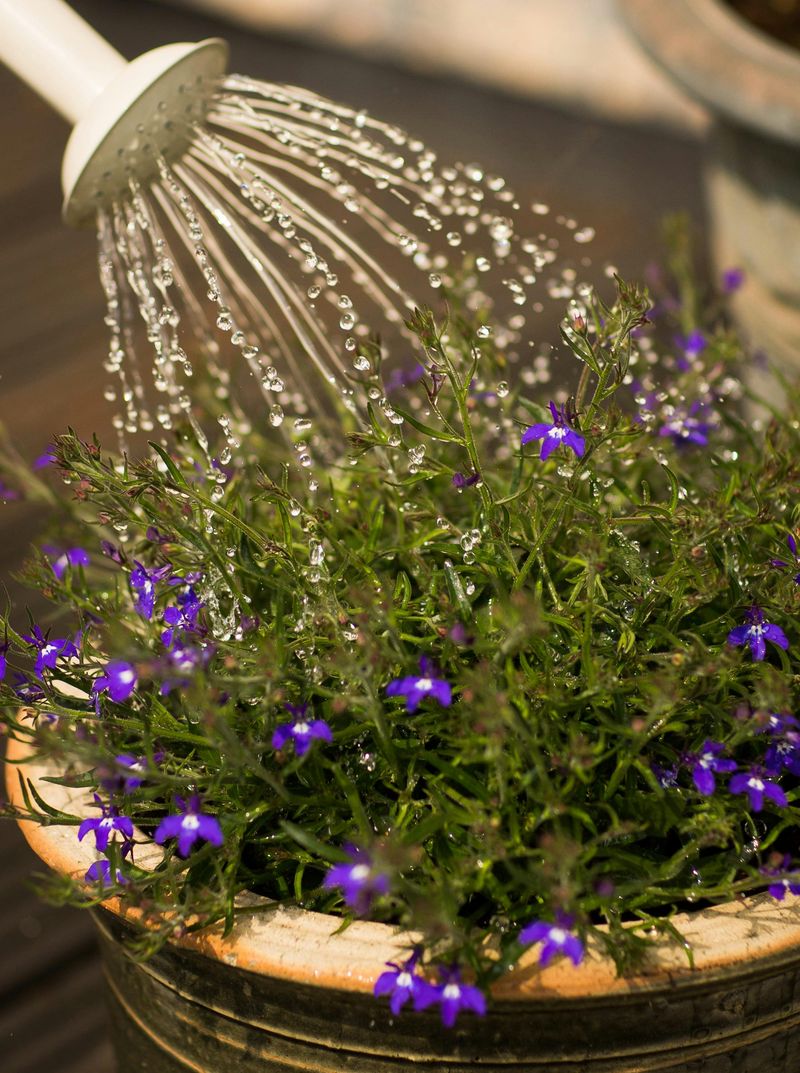
Watering timing matters more than most container gardeners ever consider. Watering at noon essentially turns soil into a heat trap that works against your plants.
Water evaporates before roots can absorb even half of it. Your containers end up thirsty anyway, and the effort was wasted.
Early morning watering is the secret weapon of every successful container gardener. Cooler temperatures mean water soaks deep into the soil.
It reaches the root zone where it actually counts. Plants can drink up what they need before the sun takes over.
Container gardening mistakes like afternoon watering are so common because it fits a busy schedule. People water when they finally have a free moment, not when the plants need it most.
Shifting your routine by just a couple of hours can feel like giving your containers a whole new lease on life. Set a phone reminder for 6 or 7 a.m. and watch your plants respond almost immediately.
You will notice perkier leaves, stronger stems, and soil that stays moist longer throughout the day. Small timing changes deliver surprisingly big results.
2. Evening Watering That Invites Fungal Disease
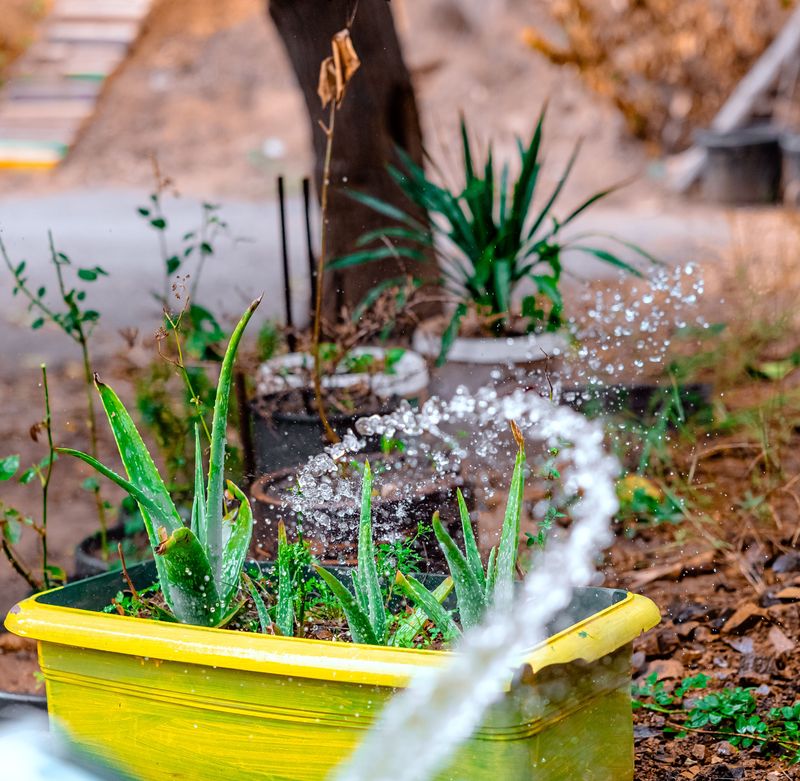
Evening watering is a quiet habit that creates big problems over time. Wet leaves at night create exactly the conditions fungal problems need to take hold.
Fungi love cool, damp, dark conditions, and evening watering delivers all three. By morning, the damage is already spreading beneath the surface.
Powdery mildew, black spot, and leaf blight are among the most frustrating issues Virginia container gardeners deal with each summer.
These problems show up fast and spread even faster once humidity and moisture team up overnight. Many gardeners blame the weather without realizing their watering schedule is the real culprit.
Switching to morning watering solves a large portion of fungal trouble before it even starts. Leaves dry out quickly in morning sunlight, and soil surfaces get a chance to breathe before temperatures peak.
Healthy airflow around containers also helps, so avoid crowding pots too tightly against walls or fences.
Your Virginia Garden Changes Every Week. Your Plan Should Too.
Gardening in Virginia changes quickly throughout the season. Every Friday you’ll receive a simple weekly plan showing exactly what to plant, prune, fertilize, harvest, and protect so you never miss the right timing.
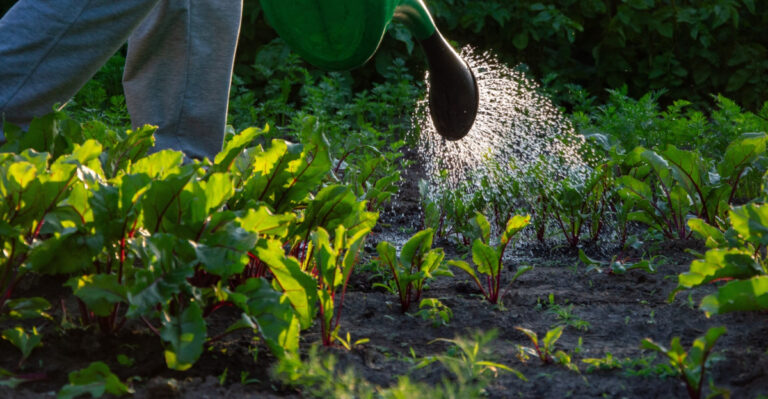
If morning watering is not an option, aim for early afternoon at the absolute latest. Water directly at the soil level using a watering can with a long spout.
Keeping moisture off the leaves is one of the simplest and most underrated moves in container gardening.
3. Using Dark Or Metal Containers That Cook Roots
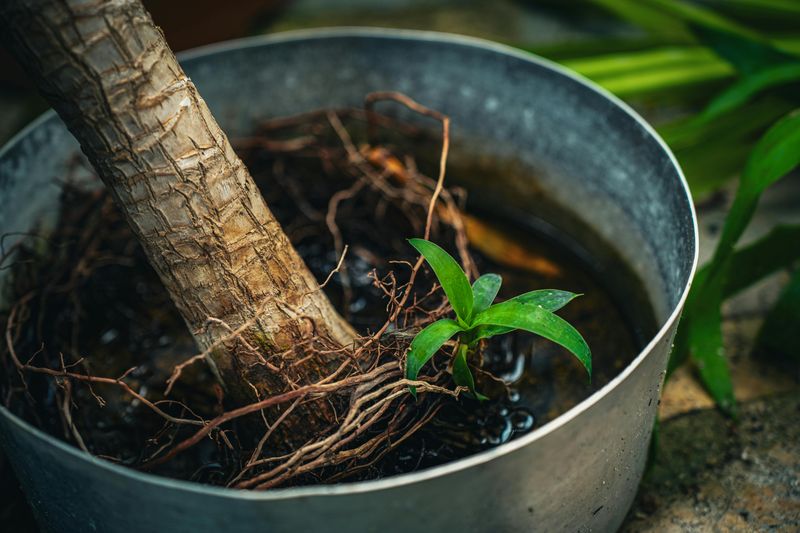
The container you choose matters just as much as what you plant inside it. Full Virginia sun turns black pots into root-stressing heat traps.
No amount of watering can fully compensate when the container itself is the problem. Dark-colored and metal containers absorb sunlight aggressively.
That heat transfers directly into the growing medium. Root systems are incredibly sensitive to temperature, and most vegetables and flowers prefer soil that stays below 85 degrees.
Once roots overheat, the plant struggles to absorb water and nutrients no matter how well you care for it.
Switching to light-colored, glazed ceramic, or double-walled resin containers makes a measurable difference. Light tones reflect sunlight rather than pulling it in.
This keeps root zones cooler and more stable throughout the hottest months. Fabric grow bags are another solid option since they allow air to circulate around the roots.
If you already own dark containers, try wrapping them in burlap or placing them inside a slightly larger light-colored pot.
Elevating containers off hot pavement using pot feet or a wooden rack also reduces heat transfer from below. Your roots will respond with stronger growth and far less wilting between watering sessions.
4. Ignoring Virginia’s Humidity When Choosing Plants
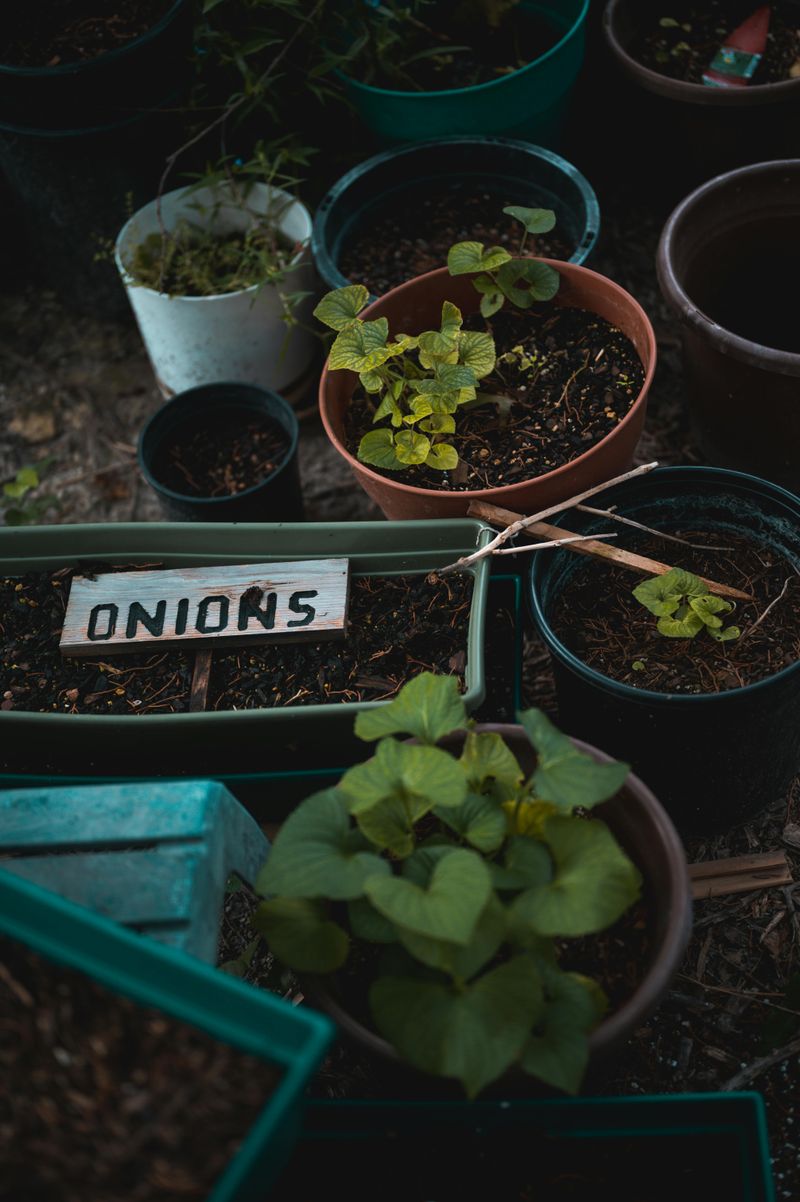
Plant selection is where container gardens quietly go wrong first. Not every plant on the nursery shelf belongs in a humid Virginia summer.
Some species were bred for dry, arid climates and cannot handle the sticky air that blankets the Mid-Atlantic from June through September.
Choosing the wrong plant for your local climate is one of the most expensive container gardening mistakes a homeowner can make.
Lavender, rosemary, and certain Mediterranean herbs often struggle in high humidity. Their native environments are bone dry.
They develop root rot, fungal issues, and general decline even when watered correctly. Sweet potato vine, caladium, and native ferns thrive in those same conditions.
Before purchasing any plant, spend two minutes researching its humidity preference. Look for terms like “tolerates humidity” or “prefers dry conditions” on plant tags or seed packets.
That small bit of homework saves money and a whole lot of frustration come August. Local nurseries are your best resource because they stock plants suited to the regional climate.
Ask staff which varieties performed well the previous summer and which ones customers struggled with.
Matching your plant selection to the actual climate you live in is the foundation of a successful container garden.
5. Not Moving Containers During Heat Waves
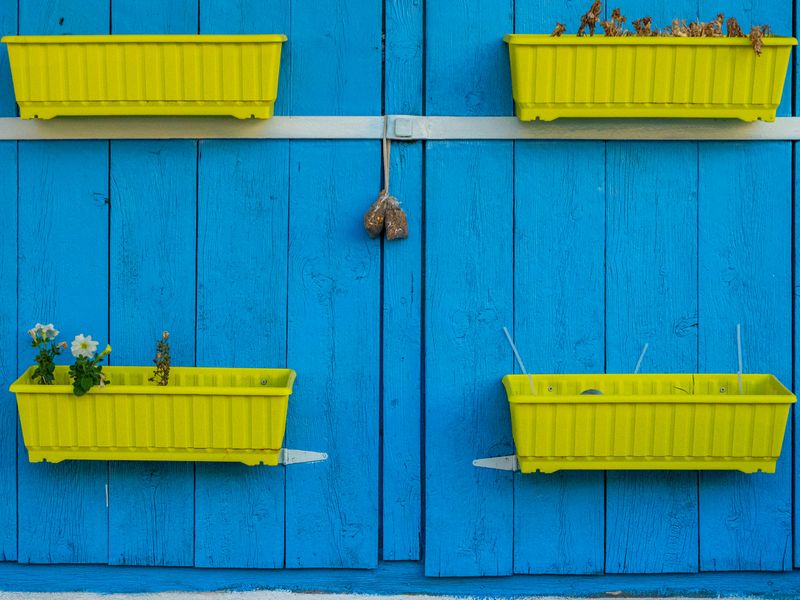
Container gardeners have one major advantage they rarely use. During a heat wave, a container sitting in full afternoon sun is under enormous stress.
The plant has no way to escape. Moving pots to a shaded spot for even a few hours each day can be the difference between a plant that recovers and one that does not.
Climate data suggests heat waves in the Mid-Atlantic region are trending longer and more intense over time. Consecutive days above 95 degrees push container plants past their tolerance threshold.
This causes leaf scorch, blossom drop, and stunted growth. Even heat-loving tomatoes and peppers appreciate some afternoon shade when temperatures climb that high.
Create a simple system by identifying one or two shaded spots in your yard ahead of time. A covered porch, the north side of your house, or beneath a large tree all work beautifully as temporary refuges.
Keeping plant dollies or rolling caddies under heavier pots makes the whole process effortless. Check the forecast every Sunday and plan your moves for the week ahead.
A little proactive thinking protects your investment and keeps your garden looking lush all season long. Your containers are portable for a reason, so start treating that feature like the advantage it truly is.
6. Using Containers Without Drainage Holes
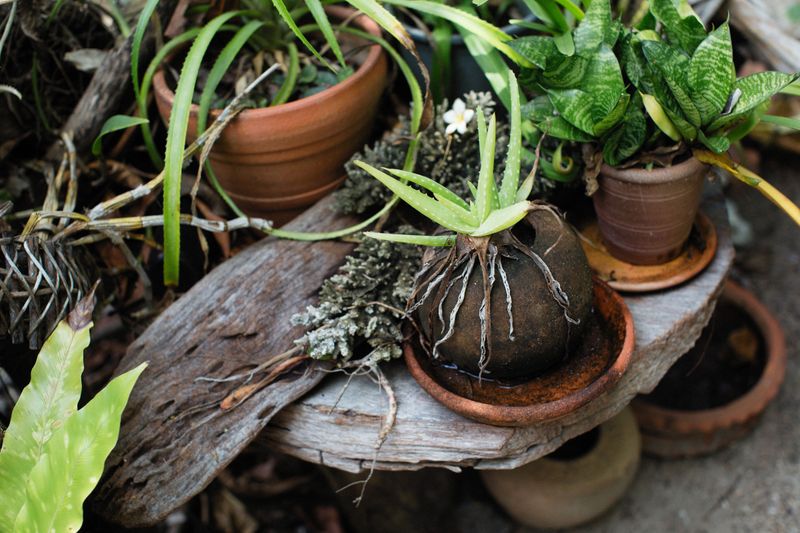
Poor drainage is one of the most overlooked problems sitting right on the patio. When a container has no drainage hole, excess water collects at the bottom.
It creates a waterlogged zone that deprives roots of the oxygen they need over time. Most plants cannot survive in standing water for more than a day or two before serious damage sets in.
Decorative pots without holes look stunning on a porch, which is exactly why so many homeowners use them without a second thought.
The workaround is simple though. Place a smaller nursery pot with drainage holes inside the decorative container. This approach gives you the aesthetic you want without sacrificing root health.
Another option is to drill drainage holes yourself using a ceramic or masonry drill bit. It takes about five minutes and costs almost nothing if you already own a power drill.
Just be sure to elevate the pot slightly so water can actually flow out freely rather than pooling beneath it.
Container gardening mistakes involving drainage are among the most fixable issues out there.
Check every single pot in your collection and confirm each one has at least one hole at the base. Use a pot with drainage holes and a high-quality potting mix.
Cover the drainage holes with mesh or a coffee filter only if soil is washing out through them. Proper drainage is the foundation of every thriving container planting.
7. Overwatering Drought-Tolerant Virginia Natives
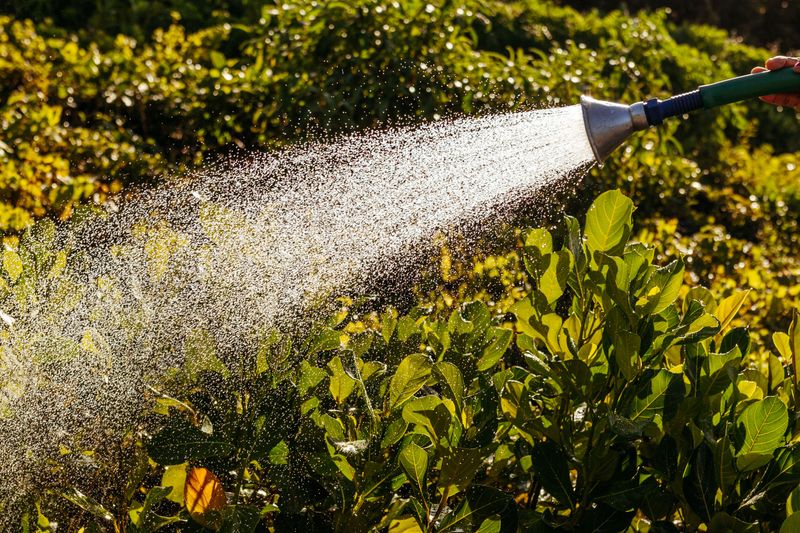
Native plants are built for survival, but generous watering habits work directly against them. Black-eyed Susans need far less water than most gardeners actually give them.
These plants evolved over thousands of years to manage summer drought without any human help. Watering them as frequently as a tropical houseplant works against their entire biology.
Overwatering is actually one of the leading causes of struggling container plants across the board. Yellowing leaves, mushy stems, and stunted growth often get blamed on underwatering, when the opposite is usually true.
Before grabbing the hose, stick your finger two inches into the soil and check whether it is actually dry. Native plants like coneflower, native grasses, and butterfly weed thrive on a less is more approach in containers.
Allow the top inch or two of soil to dry out completely between waterings. This mimics the natural wet-dry cycles these plants experienced long before anyone was tending them.
Once you shift to a more restrained watering schedule, these plants become noticeably stronger and more vibrant.
They put energy into deep roots and sturdy stems rather than coping with constantly saturated soil. Trusting a plant to do what it was built to do is one of the most rewarding lessons container gardening can teach you.
8. Failing To Replace Nutrients Lost To Frequent Summer Watering
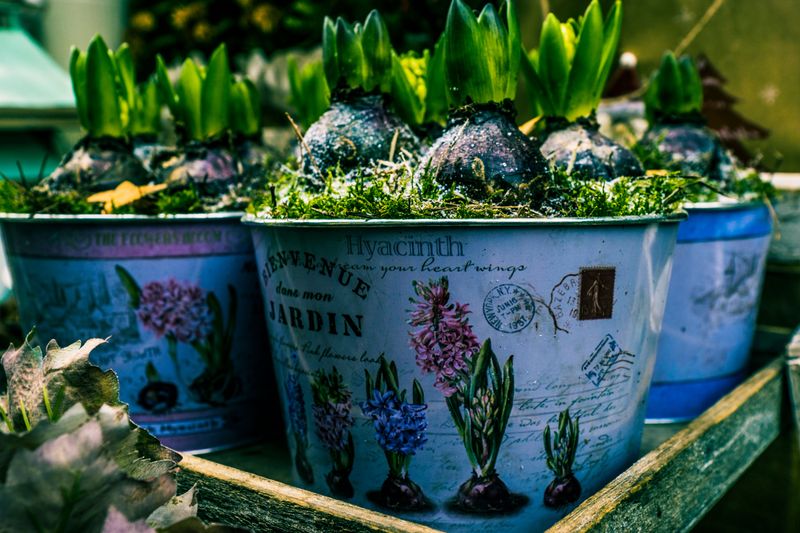
Watering your containers consistently is good practice, but it comes with a hidden cost. Every time you water, nutrients quietly wash out through the drainage holes.
Unlike plants growing in the ground, potted plants cannot reach into surrounding soil to replenish what has been lost.
By midsummer, many containers are running on depleted reserves despite looking well-watered.
Pale leaves, slow growth, and disappointing blooms are classic signs of nutrient depletion in container plants.
Gardeners often assume something more mysterious is going on, but the fix is usually straightforward. Feeding your containers consistently throughout the growing season is simply part of the job.
Mixing slow-release granular fertilizer into potting soil at planting time keeps nutrition steady.
Pair that with a liquid fertilizer applied every two weeks during peak growing season. Look for a balanced formula or one slightly higher in phosphorus to encourage strong blooms and root development.
Organic options like fish emulsion, worm castings, and compost tea are excellent choices for homeowners who prefer a natural approach.
They feed the soil ecosystem as well as the plant. This improves long-term container health.
Thinking of fertilizing as a regular part of your watering routine keeps your container garden thriving all the way through fall.
9. Not Grouping Containers Together
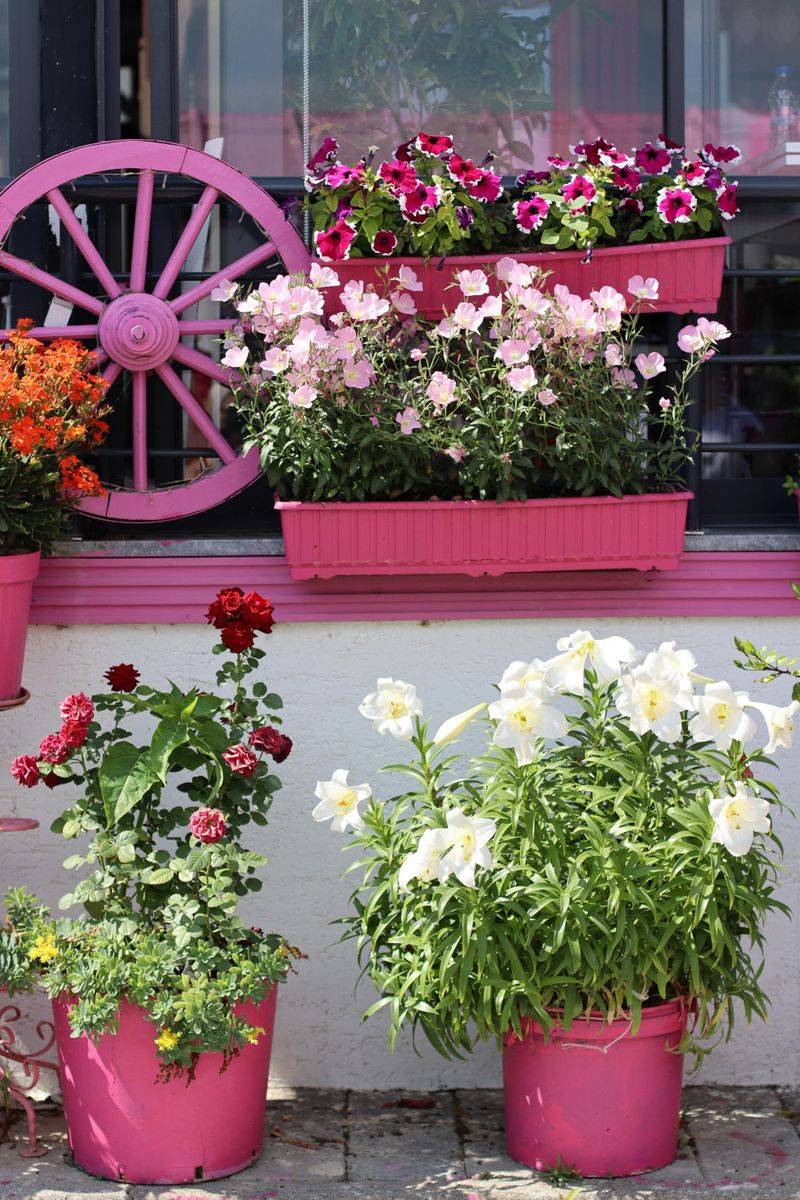
A single pot sitting alone on a sun-baked patio is fighting the elements without any support. Grouped containers build a microclimate that shields plants from temperature swings.
They share humidity and create a more stable environment overall. Clustering your pots together genuinely changes how well they all perform.
When foliage overlaps and pots sit close together, the air between them stays noticeably more moist. Plants release water vapor through their leaves in a process called transpiration.
Grouped plants essentially build a pocket of beneficial humidity around themselves. In Virginia summers, that shared moisture helps regulate leaf temperature in a meaningful way.
Grouping also makes watering faster and more efficient because everything is in one place. You spend less time walking back and forth and more time actually enjoying your garden.
Arranging containers at varying heights using risers, crates, or plant stands adds visual interest while improving airflow at the same time.
Think of your container collection as a community rather than a group of isolated individuals. Plants genuinely perform better when they have neighbors nearby.
Your patio will also look more intentional and designed as a result. Rearranging your pots for one afternoon might be the easiest upgrade you make all season.
10. Keeping Cool-Season Crops In Containers Past Their Season
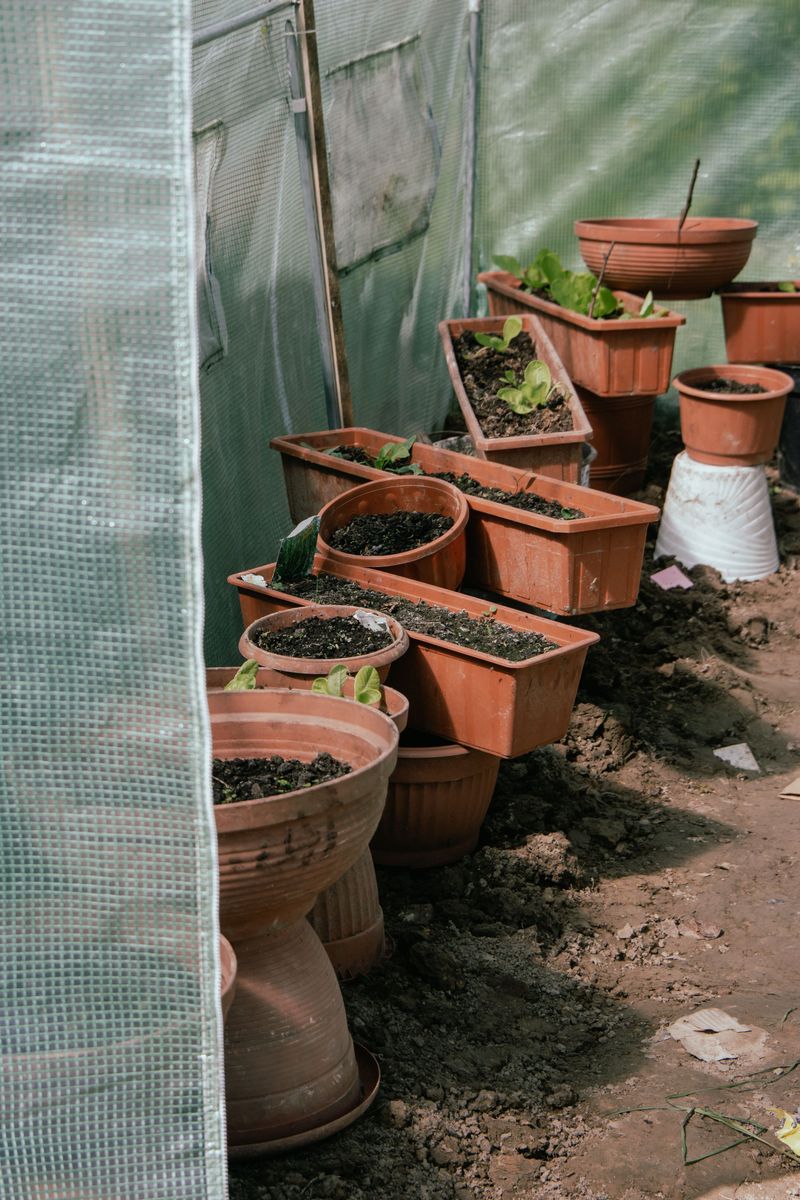
Holding onto the wrong plants too long is a timing mistake that costs you weeks of productive growing space.
Lettuce going to seed in July is not a mystery. It is a calendar problem. Cool-season crops like spinach, kale, peas, and lettuce have a hard expiration date in Virginia.
That date usually arrives before most gardeners are ready to let go. Container gardening mistakes tied to timing are incredibly common because plants often still look somewhat alive even when they are past their prime.
Bolting, which is when a plant shoots up a tall flower stalk and shifts to seed production, signals that the growing season for that crop is finished.
Once a plant bolts, the leaves become unpleasantly bitter and the harvest is essentially over. The smart move is to pull cool-season crops by late May or early June at the latest in most parts of the state.
Refresh the container with fresh potting mix and transition to warm-season plants like basil, peppers, or heat-tolerant herbs.
Thinking of your containers as having two or even three seasonal chapters keeps them productive and interesting all year long.
Planning your seasonal transitions before they happen takes about ten minutes and saves you weeks of wasted growing space.
Keep a simple garden journal or phone note with target swap-out dates for each container. A well-timed garden is a productive one, and timing is a skill any homeowner can develop with just a little practice.