8 Native Indiana Trees That Deliver Shade Without the Sidewalk Problems
Concrete does not lie. When a sidewalk starts heaving in slow, relentless slabs, a tree made the wrong choice for that spot.
My driveway edge told that exact story. A non-native maple treated the underground like its personal highway, threading roots straight into a water line.
The repair bill had strong opinions. Indiana natives are built from different DNA entirely. Thousands of years of adapting to Hoosier clay, brutal August heat, and bone-dry spells shaped these trees into something remarkably self-contained.
What actually makes one tree peaceful and another problematic? Root architecture, growth instinct, and a deep biological familiarity with Indiana soil.
Some natives spread wide canopy while keeping roots disciplined, predictable, and infrastructure-friendly. Others offer layered wildlife value alongside serious shade.
Each one earns its place in a Hoosier yard for reasons that go far beyond looks. Plant the right tree once. Watch decades take care of themselves.
1. Northern Red Oak
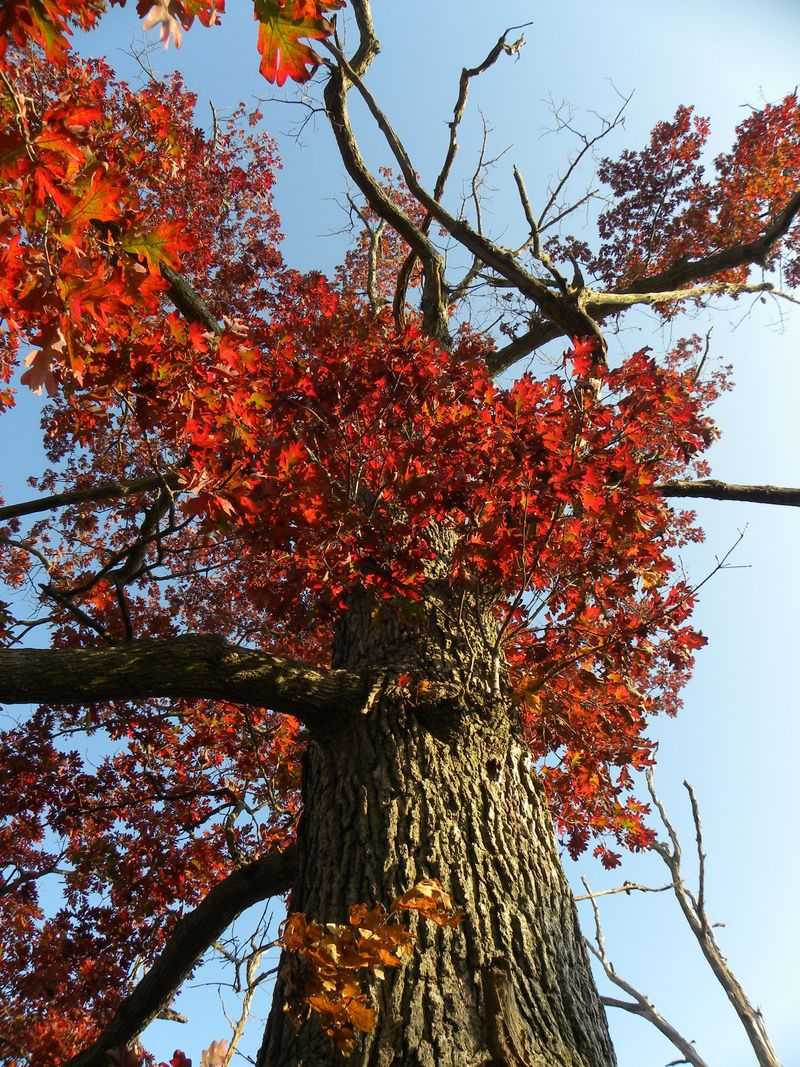
Few trees announce themselves the way Northern Red Oak does. This native giant grows fast for an oak, adding up to two feet per year under good conditions.
That speed surprises most homeowners who assume oaks are slow and stubborn. You get quick shade and long-term durability in a single package.
The root system is one of the biggest selling points for sidewalk-conscious homeowners. Northern Red Oaks develop a deep taproot early in life, pushing roots down rather than sideways.
That downward habit dramatically reduces the risk of pavement cracking or pipe intrusion. Come fall, the leaves turn a blazing crimson that rivals anything in a New England postcard.
The tree holds those leaves a bit longer than most, giving an extended season of color before the raking begins.
Planting one near a patio creates a natural outdoor room that feels genuinely cool even in July heat.
Native Indiana trees like this one support local wildlife in ways imported species simply cannot match.
Red Oaks produce acorns that feed deer, turkeys, squirrels, and hundreds of caterpillar species. One tree, quietly powering an entire backyard ecosystem.
Give it full sun and well-drained soil, and this oak will outlive your mortgage by a century or two.
It tolerates clay soils better than most oaks, making it forgiving for typical Midwest yards. Start with a young tree, and the reward compounds every single year.
2. Bur Oak
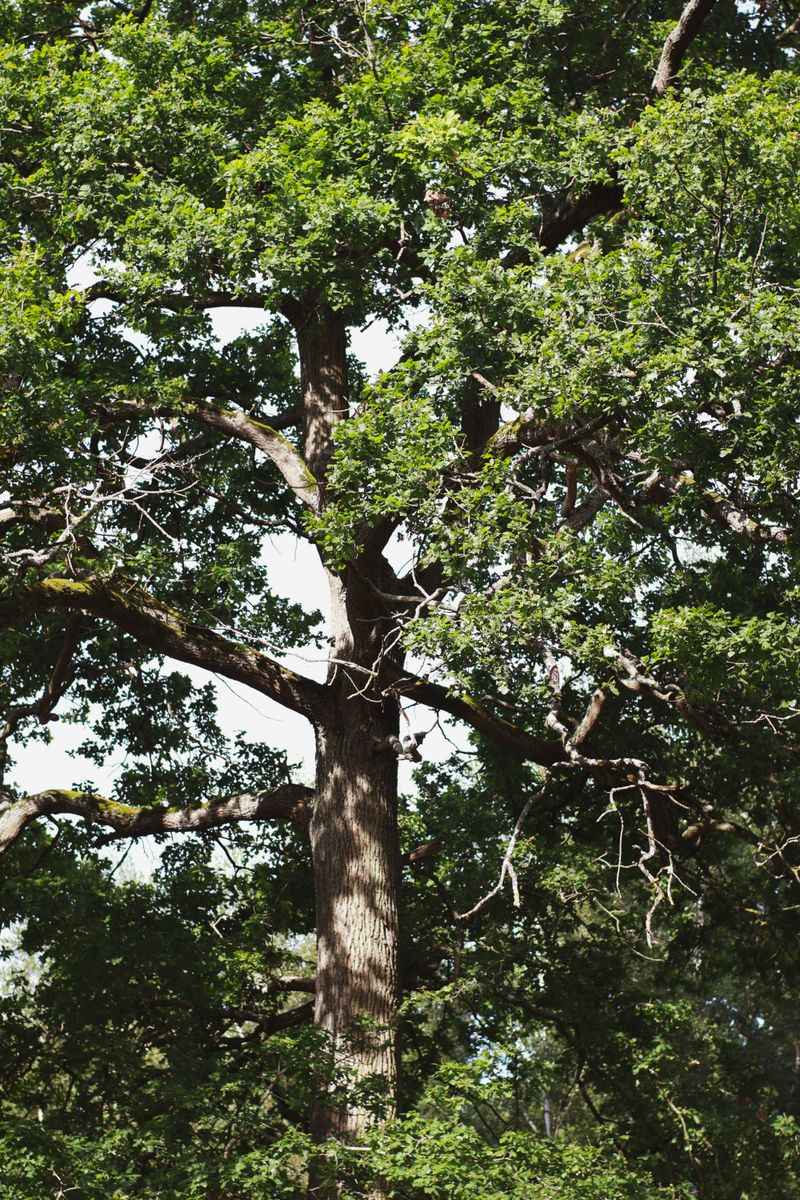
Bur Oak is the tree that prairie fires could not stop. This species survived the great Midwest prairies by developing bark so thick it shrugged off wildfires.
That same toughness translates to a tree that handles drought, compacted soil, and urban stress without flinching. If your yard has problem spots that have consumed other trees, Bur Oak is your answer.
The canopy spreads wide and low, creating a dome of shade that can stretch up to 80 feet across at maturity.
Sitting under a full-grown Bur Oak on a hot August afternoon feels like stepping into a natural air conditioner.
The leaves are large and distinctively lobed, with a leathery texture that feels almost prehistoric. Root behavior here is excellent for pavement preservation.
Your Indiana Garden Changes Every Week. Your Plan Should Too.
Gardening in Indiana changes quickly throughout the season. Every Friday you’ll receive a simple weekly plan showing exactly what to plant, prune, fertilize, harvest, and protect so you never miss the right timing.
Bur Oaks anchor themselves with a powerful taproot system that resists heaving and lateral spread near structures.
Homeowners report far fewer sidewalk issues compared to shallow-rooted alternatives like silver maple or cottonwood.
Acorns from this tree are noticeably large, capped with a fringed, mossy-looking cap that makes them look almost decorative.
Wildlife absolutely adores them, especially wild turkeys and white-tailed deer who will visit regularly once the tree matures.
Planting one is essentially building a wildlife hotel in your backyard. Growth is slower than Red Oak, so patience is required, but the payoff is a tree that could stand for 200 to 400 years.
Plant it in full sun with plenty of room, and it will reward every generation that follows. Few investments in a yard pay dividends this long.
3. Sugar Maple
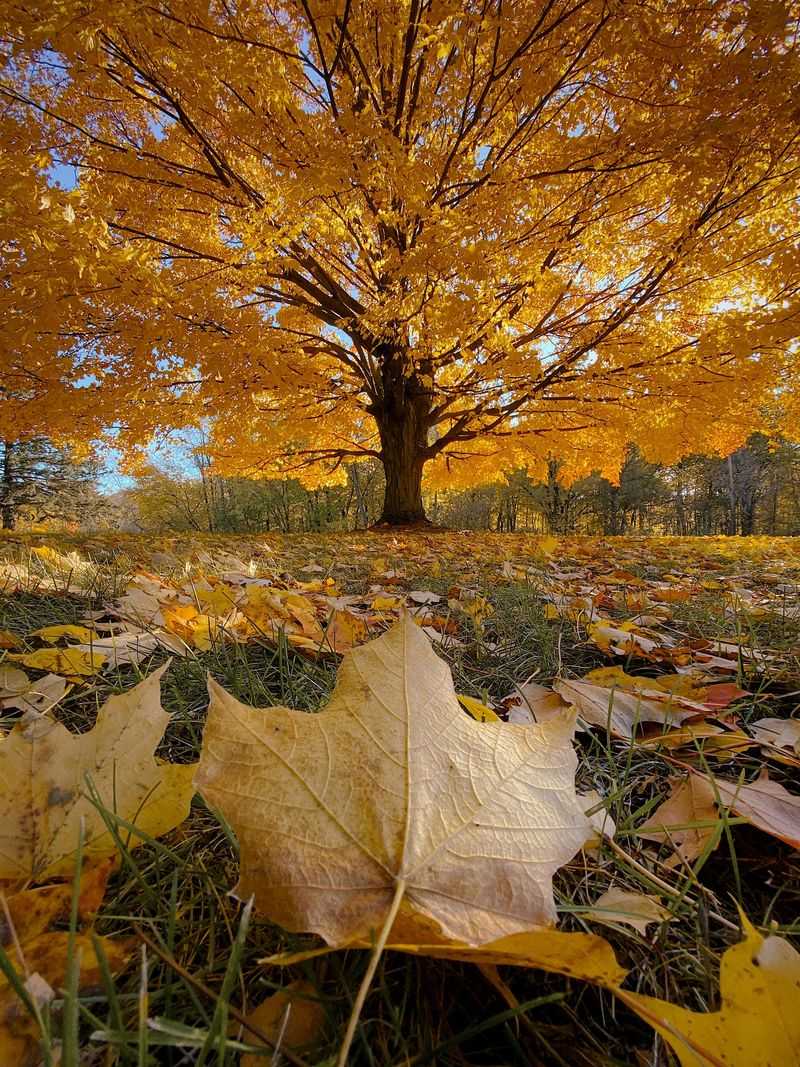
Autumn in the Midwest belongs to the Sugar Maple. Nothing cycles through yellow, orange, and flaming red quite like this one.
Neighborhoods lined with Sugar Maples look like something out of a travel magazine every October. If curb appeal matters to you, this tree is a serious asset.
Beyond the looks, Sugar Maple is a genuine shade machine during summer months. The dense canopy blocks sunlight effectively, lowering temperatures on patios and near windows by several degrees.
That cooling effect can actually reduce air conditioning costs over time, a benefit most people never think about when planting trees. Root structure is another reason this species earns a spot on this list.
Sugar Maples tend to root more deeply in well-drained soils, which reduces surface spreading near structures when given adequate space and proper placement.
Stay away from planting directly over buried utilities, and you should have no major conflicts. One quirky bonus: the sap is the same stuff that becomes maple syrup.
A mature tree can produce enough sap in late winter to make tapping a fun backyard experiment for families. Kids who tap their first tree in February tend to look at the whole yard differently after that.
Sugar Maples prefer slightly acidic, moist soil and dislike road salt spray, so keep them away from heavily salted roads.
Give them room to breathe and a spot with good drainage, and they will anchor your landscape for generations. This tree is not just a plant; it is a landmark in the making.
4. Swamp White Oak
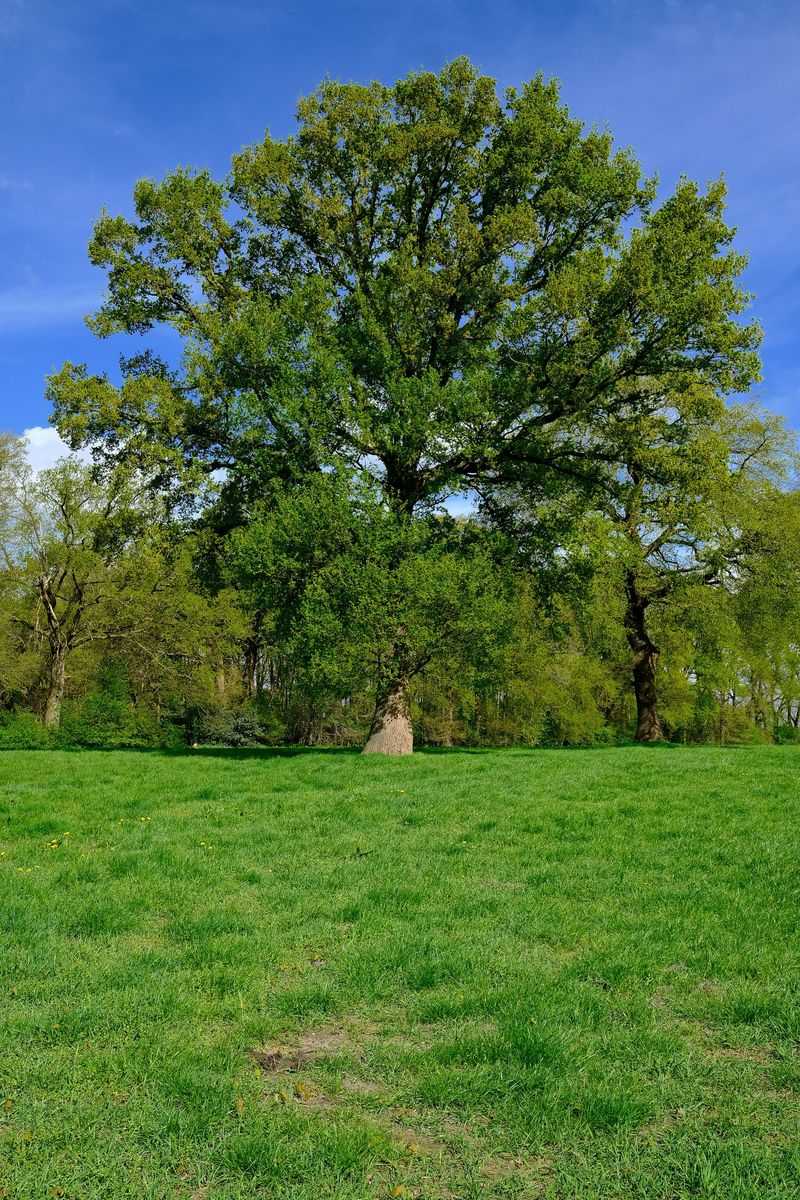
Wet ground stops most oaks cold. Swamp White Oak leans into it. That waterlogged low spot in your yard is exactly where this tree wants to be.
It handles seasonal flooding and clay-heavy soils with remarkable ease, making it ideal for many typical Midwest lots.
Planting it in a drainage swale or near a downspout outlet is a smart, practical choice. The bark on a mature Swamp White Oak is genuinely striking.
The upper branches shed bark in curling, papery strips while the lower trunk stays deeply furrowed and dark.
That two-toned texture gives the tree a sculptural quality that looks interesting even in winter when the leaves are gone.
Shade production is impressive, with a canopy that typically spreads 50 to 70 feet wide at full size. The leaves are large and glossy on top with a pale, silvery underside that flickers beautifully in a breeze.
Sitting under one during a summer thunderstorm feels like watching nature put on a private light show.
Root habits are sidewalk-friendly, with the tree preferring deeper soil exploration over aggressive lateral spreading near hard surfaces.
Plant it at least 15 feet from pavement and you should avoid nearly all cracking concerns. Many landscape professionals recommend it specifically for urban and suburban settings because of this reliable behavior.
Native Indiana trees rarely combine wet-soil tolerance with pavement friendliness the way Swamp White Oak does.
It is a specialty player that solves two problems at once. Once established, it asks for almost nothing in return.
5. Northern Hackberry
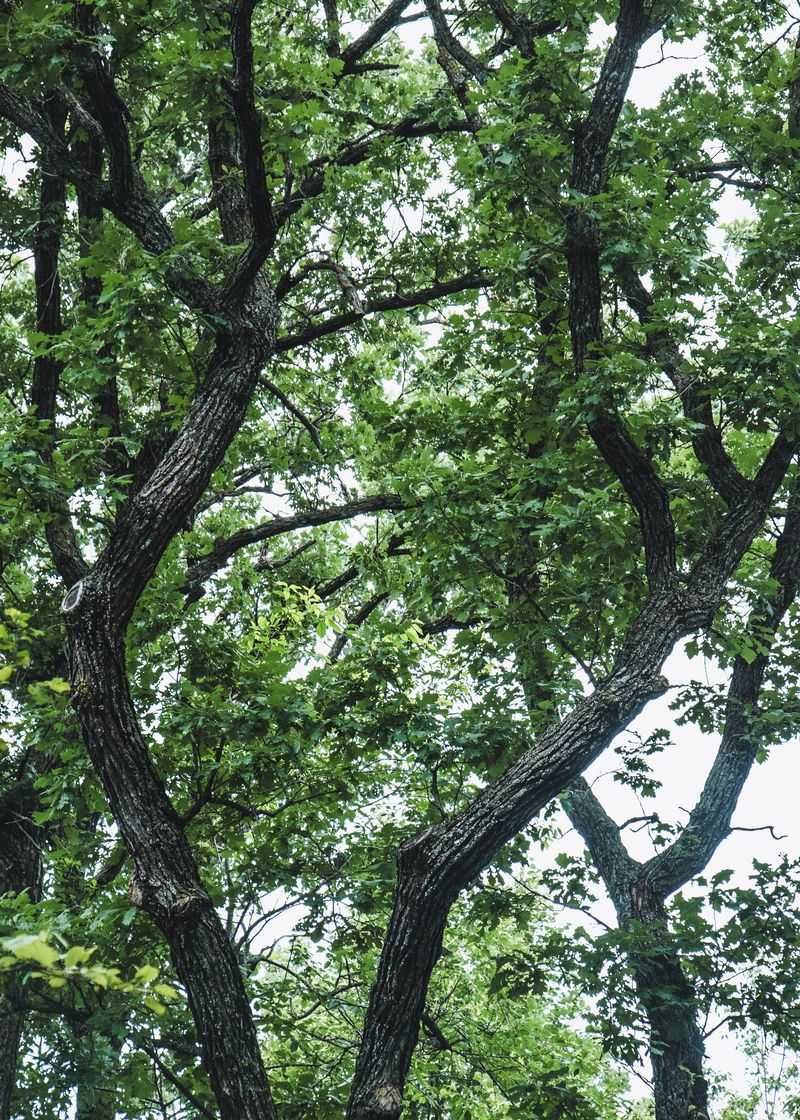
No yard condition breaks Hackberry. Drought, flooding, poor soil, air pollution and compacted ground are simply not problems for this tree.
It is widely regarded as one of the most adaptable native trees in the eastern half of the country. For homeowners who want reliability above all else, Hackberry earns its reputation every single season.
The bark is one of the most recognizable features in the tree world. Ridged, warty, and corky in texture, it looks almost like something from a fantasy novel illustration.
Running your hand across the trunk of a mature Hackberry is a surprisingly tactile experience that kids especially love.
Shade quality is light and dappled rather than deep and dense. That filtered light makes it perfect for spots where you want shade but still need some grass to grow underneath.
Lawns under Hackberries tend to stay greener than lawns under heavier-canopied trees because enough sunlight still filters through.
Near sidewalks and driveways, Hackberry roots stay disciplined. No heaving, no pavement pressure, no surprises.
Planting one near a path or patio is generally considered low-risk by most arborists. Birds are absolutely obsessed with the small, grape-like berries this tree produces each fall.
Cedar waxwings, robins, and mockingbirds will flock to a fruiting Hackberry in numbers that feel almost magical. If backyard birdwatching is your hobby, this tree is the single best investment you can make.
6. American Basswood
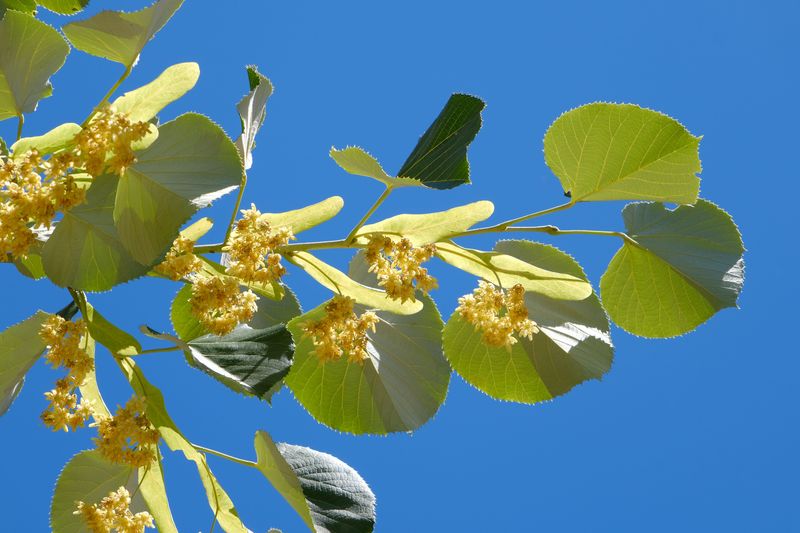
Rich, moist soil is where Basswood thrives. Plant it there and the roots go deep, not sideways toward pavement.
Beekeepers have prized Basswood for centuries because the nectar produces some of the finest honey in North America.
Planting one near a sitting area means your summer evenings come with a natural perfume that no candle can replicate.
The leaves are enormous, heart-shaped, and lush, creating a canopy that feels almost tropical in its density. That leaf coverage translates to serious shade on hot afternoons, cooling the ground beneath by a noticeable margin.
The combination of fragrance and shade makes this tree a genuine sensory experience, not just a landscape feature.
Root development tends to be deep and well-behaved, especially when the tree is planted in moist, fertile soil.
Give it rich, moist soil and it grows fast. Keep it out of dry, sandy spots and the roots stay focused downward, away from pavement.
Wildlife value extends well beyond the bees. The soft wood attracts cavity-nesting birds who excavate nest holes in older trunks, essentially turning a mature tree into a bird apartment building.
Squirrels, deer, and insects all claim a piece of this tree year-round. Meaningful shade arrives within seven to ten years.
For a tree this generous with fragrance, wildlife habitat, and cooling canopy, that wait feels entirely reasonable. Basically, this one tree pulls triple duty in any yard lucky enough to host it.
7. Eastern Redbud
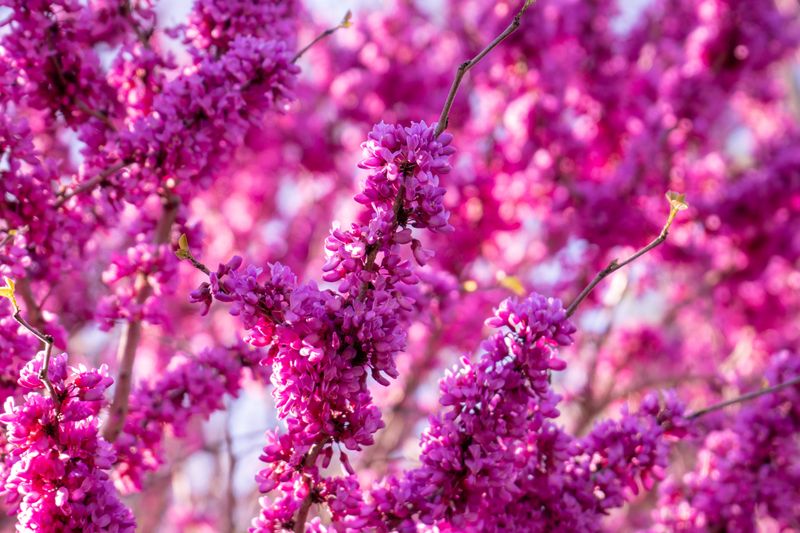
Nothing wakes up a gray March sky like Eastern Redbud. Every branch goes magenta-pink before a single leaf shows up.
No other native tree announces the end of winter quite so boldly or so beautifully. Planting one where you can see it from a window turns an ordinary morning coffee into something worth looking forward to.
Size is a major advantage for smaller yards or spots near structures. Eastern Redbud typically tops out around 20 to 30 feet tall with a spreading, often multi-stemmed form.
That modest stature means root systems stay proportionally small, making this one of the more sidewalk-considerate native trees available for smaller spaces.
Heart-shaped leaves take over after the blooms, staying glossy all summer. Fall brings a clean yellow drop with minimal cleanup.
The tree earns its keep across all four seasons, not just during its famous spring performance. Pollinators go absolutely wild for the early blooms.
Bumblebees and native bees that emerge on warm March days rely heavily on Redbud flowers because so few other plants are blooming at that time.
Planting one is essentially setting out a welcome mat for the first pollinators of the season. Eastern Redbud tolerates partial shade, which makes it an excellent understory choice beneath taller native Indiana trees.
It also grows well in full sun, giving you flexibility in placement throughout the yard. For anyone wanting maximum impact in a small footprint, this tree is the obvious, joyful answer.
8. Downy Serviceberry
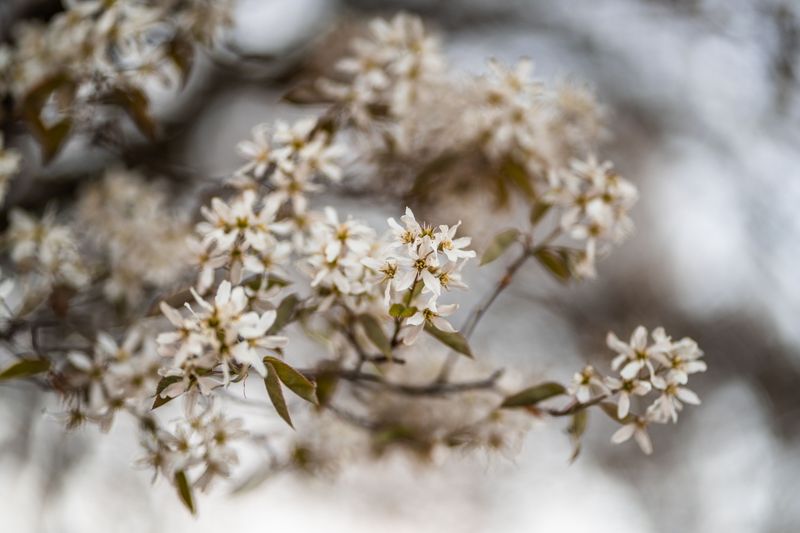
Downy Serviceberry is first out of the gate each spring. White flowers open in late March or early April, sometimes while snow still lingers on the ground.
Indigenous communities historically used early-blooming trees like Serviceberry as seasonal markers, reading the landscape as a living calendar.
That long relationship between this tree and the land it grows on makes it feel genuinely rooted in the region’s story.
The berries that follow in June are edible, sweet, and eagerly devoured by birds within days of ripening.
Cedar waxwings in particular will strip a Serviceberry clean in a single afternoon visit, which is both impressive and a little heartbreaking if you were hoping to make jam.
Either way, the wildlife spectacle is worth every berry. As a shade provider, Serviceberry works best as a multi-season accent rather than a primary canopy tree.
It typically grows 15 to 25 feet tall with an airy, open structure that casts light, pleasant shade. Pairing it with a larger oak or maple creates a layered canopy that mimics natural woodland structure beautifully.
Root systems are small, non-invasive, and no threat to sidewalks, driveways, or foundations. This tree is one of the safest options available for planting near structures or hard surfaces.
Landscape designers frequently use it along walkways precisely because of that well-mannered root behavior.
Serviceberry delivers in every season. Flowers in spring, berries in summer, bold fall color, clean winter structure. That kind of range is hard to find in a single native tree.