How To Grow Gardenia In Pots In Texas Without Losing It To Summer Heat
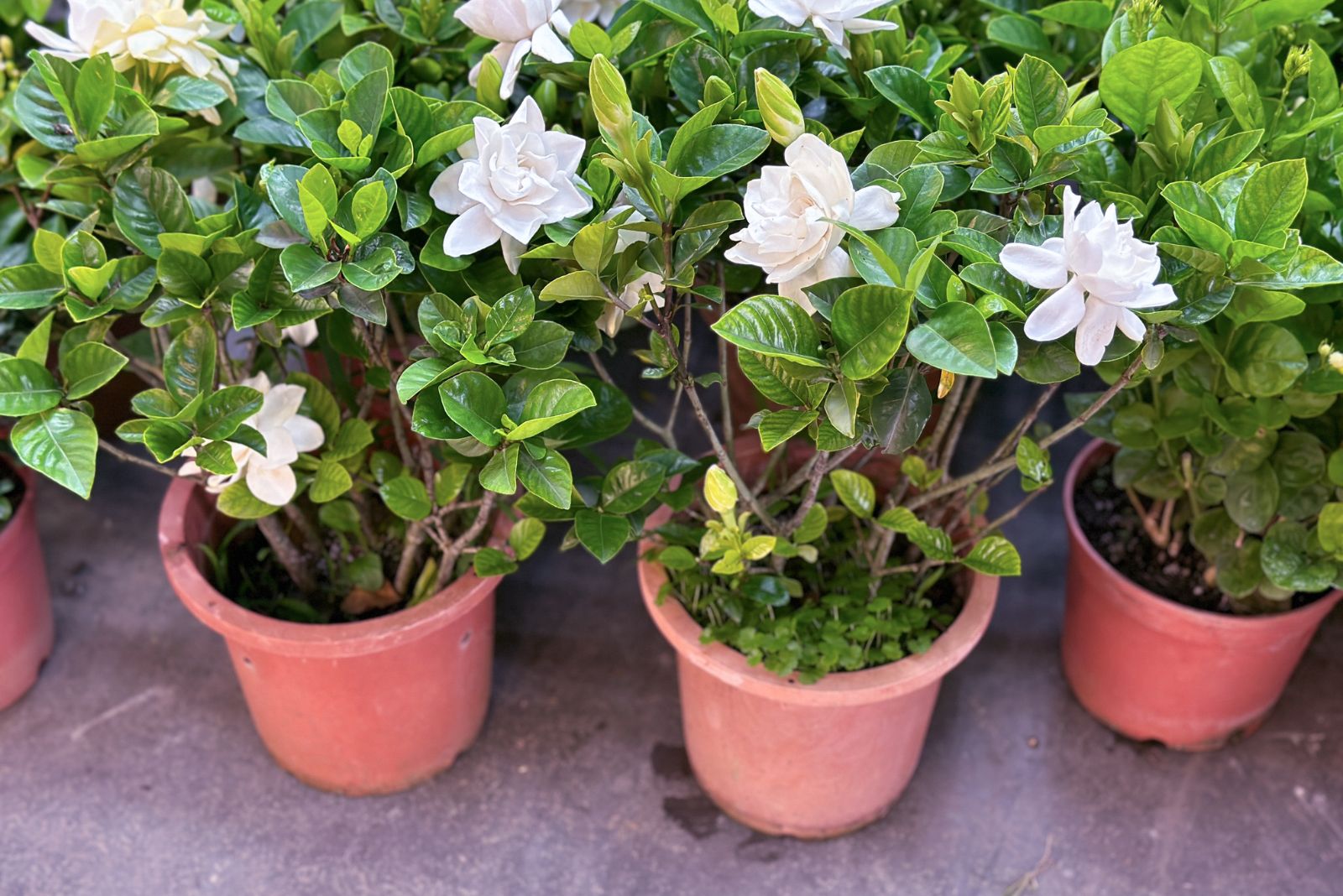
Gardenia in a pot is one of the most rewarding things a Texas gardener can pull off, producing blooms with a fragrance that fills an entire patio and a visual elegance that is hard to match in a container planting.
Getting there without losing the plant to summer heat is where things get complicated.
In-ground gardenias have some buffer from extreme temperature swings, but container-grown plants are fully exposed to whatever Texas summer throws at them, and the heat that builds in a pot sitting on concrete or a sun-baked patio can exceed what roots can handle even in a heat-loving plant.
Success with potted gardenia in Texas comes down to knowing how to manage those conditions proactively rather than reacting after the plant shows stress.
The right container, the right soil, smart placement, and a few specific care habits make the difference between a gardenia that thrives in a pot and one that struggles through the season and does not come back the following year.
1. Choosing The Right Pot And Soil
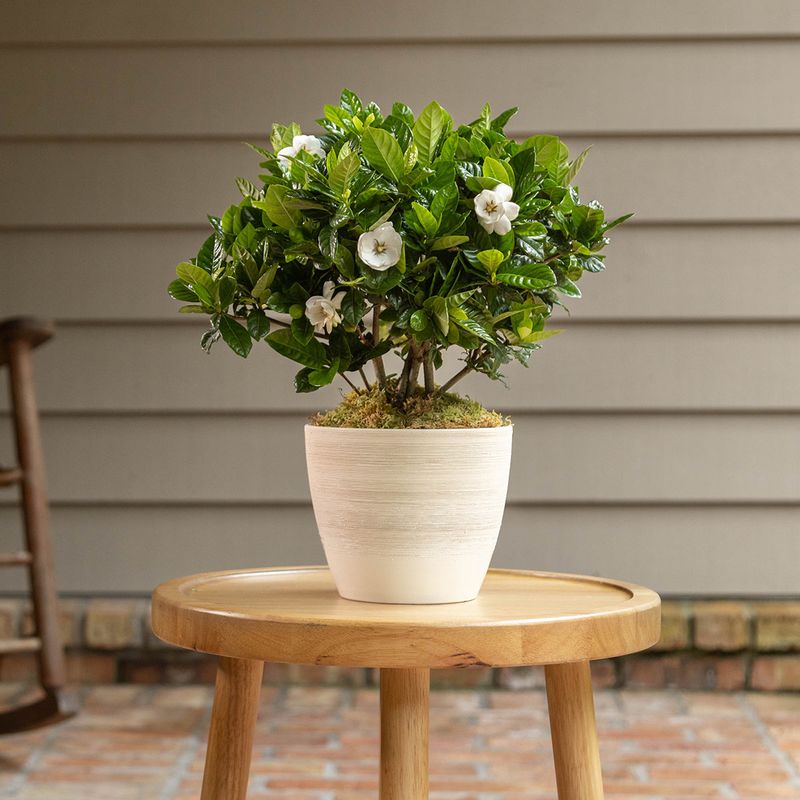
Not every pot is created equal, and gardenias will let you know fast if they do not like their home. Start with a container that has plenty of drainage holes at the bottom.
Gardenias absolutely hate sitting in soggy water, and roots that stay wet too long will rot quickly, leaving your plant weak and wilted.
Bigger pots are better for Texas summers. A larger container holds more soil, which means it stays cooler longer and does not dry out as fast between waterings.
Aim for a pot that is at least 12 to 16 inches wide and deep. Terracotta pots look great but dry out fast, so glazed ceramic or thick plastic containers are smarter choices for hot climates.
Soil matters just as much as the pot. Gardenias need acidic soil with a pH between 5.0 and 6.5.
Regular potting mix is often too alkaline and will cause yellowing leaves. Look for a mix labeled for gardenias, azaleas, or acid-loving plants.
You can also amend regular potting soil with peat moss or pine bark to lower the pH and improve drainage.
Adding perlite to your mix helps with aeration and keeps roots from getting compacted. Healthy roots mean a stronger plant that can handle heat stress better.
Refresh your soil every couple of years to keep nutrients available and drainage working properly. Getting the pot and soil right from the start sets your gardenia up for success before the Texas heat even begins to climb.
2. Optimal Sunlight Exposure
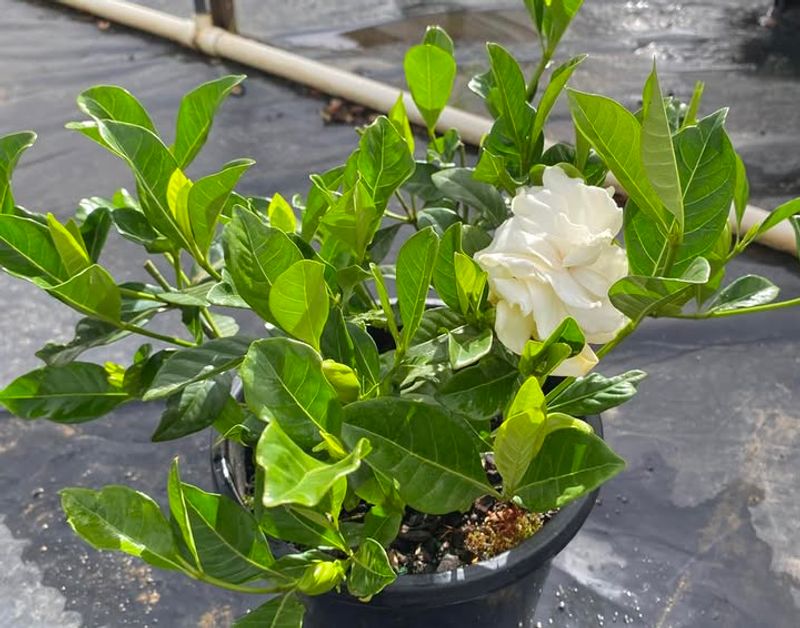
Sunlight is a tricky subject with gardenias, especially in Texas where the summer sun feels more like a blowtorch than a gentle glow.
Gardenias love bright light, but they do not want the harsh, direct afternoon rays that scorch leaves and fade blooms before they even fully open. Getting the light balance right makes a huge difference in how well your plant performs.
Morning sun is the sweet spot. Placing your potted gardenia where it gets four to six hours of gentle morning sunlight and then moves into shade by midday is the ideal setup.
Your Texas Garden Changes Every Week. Your Plan Should Too.
Gardening in Texas changes quickly throughout the season. Every Friday you’ll receive a simple weekly plan showing exactly what to plant, prune, fertilize, harvest, and protect so you never miss the right timing.
East-facing patios, porches, or spots under tall trees that filter the light work really well. The plant gets enough energy to grow and bloom without being cooked by the intense afternoon heat.
Watch your plant for signs that the light is too intense. Yellowing leaves, brown crispy edges, or bleached-looking petals are all signals that your gardenia is getting too much direct sun.
On the flip side, if your plant is not blooming much and looks leggy, it probably needs more light. Adjust its position gradually rather than moving it all at once.
Did you know that gardenias actually set their flower buds based on the amount of light they receive in late summer and fall? This means getting the light right during those months directly affects how many blooms you will see the following season.
Protecting your plant from harsh Texas sun is not just about survival, it is about setting the stage for a spectacular bloom season ahead.
3. Proper Watering Techniques
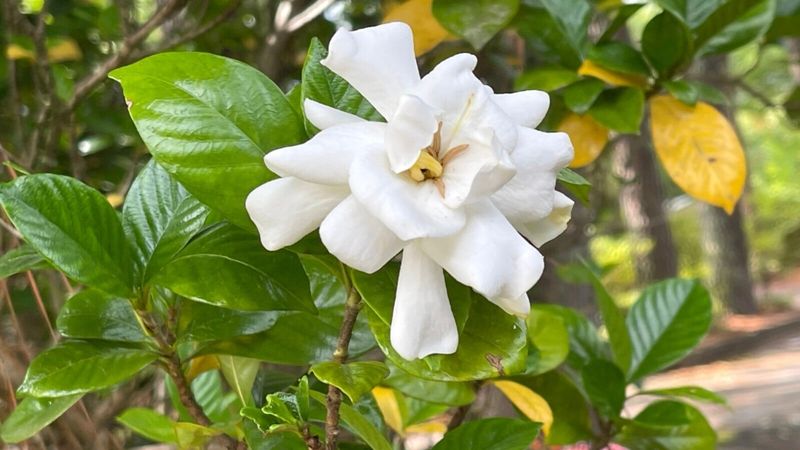
Watering gardenias in pots during a Texas summer is honestly one of the most important things you will do for your plant. Get it wrong in either direction and you will have problems fast.
Too little water and the plant wilts, drops buds, and stresses out. Too much water and the roots suffocate in soggy soil. The goal is to keep the soil evenly moist at all times without letting it become waterlogged.
During a heat wave, you may need to check your pots every single day. Small pots dry out incredibly fast when temperatures climb above 90 degrees. Stick your finger about an inch into the soil. If it feels dry at that depth, it is time to water.
Water slowly and deeply until water runs out of the drainage holes at the bottom. This encourages roots to grow downward and become more resilient.
Early morning is the best time to water gardenias. Watering in the morning gives leaves time to dry before nightfall, which reduces the risk of fungal problems.
Avoid watering in the heat of the afternoon because much of the water evaporates before the roots can absorb it. Consistency is everything with gardenias.
They are sensitive to stress, and irregular watering can cause bud drop even when the plant looks otherwise healthy.
Using room-temperature water is a small but helpful tip. Very cold water can shock the roots on a hot day.
If you collect rainwater, that is even better because it is naturally slightly acidic, which gardenias appreciate. Building a steady watering routine is one of the easiest ways to keep your plant thriving all summer long.
4. Fertilizing For Bloom And Health
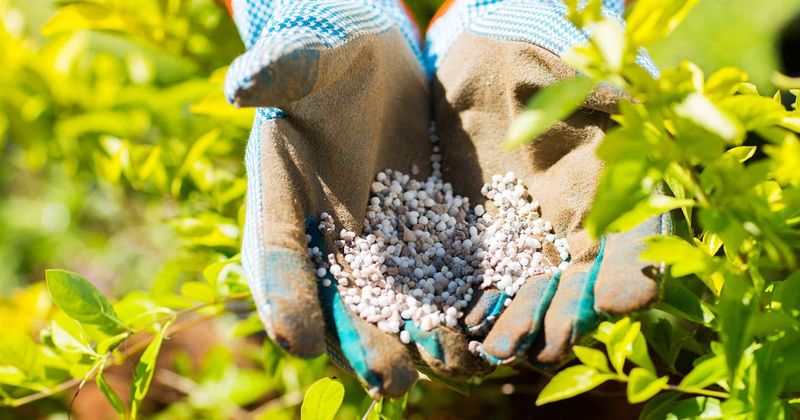
Gardenias are heavy feeders, meaning they need regular nutrients to produce those gorgeous, fragrant blooms all season. But fertilizing them the wrong way can backfire quickly.
Using the wrong type of fertilizer or feeding too much can cause lush leafy growth with almost no flowers at all. Knowing what to feed and when makes all the difference.
Always choose a fertilizer specifically formulated for acid-loving plants. Look for products labeled for gardenias, camellias, or azaleas.
These fertilizers contain the right balance of nutrients and help maintain the acidic soil pH that gardenias need. Feed your plant every four to six weeks during the active growing season, which runs roughly from early spring through late summer in Texas.
Avoid fertilizers that are very high in nitrogen. Nitrogen is the nutrient that pushes leafy green growth, and too much of it tells the plant to put all its energy into leaves instead of flowers.
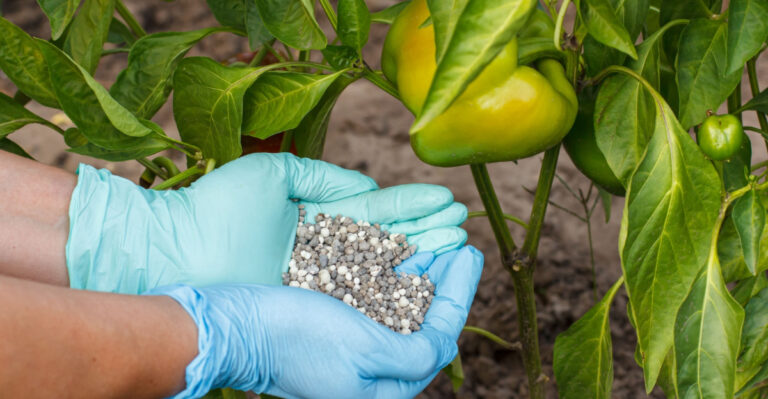
A balanced or slightly lower nitrogen formula works much better for encouraging blooms. Slow-release granular fertilizers are a great option because they feed the plant steadily over time without overwhelming it.
Stop fertilizing in late summer, around August or early September in Texas. Feeding too late in the season can push new tender growth that gets stressed by temperature swings.
Give the plant time to harden off before cooler fall weather arrives. Also, if your gardenia has yellow leaves with green veins, that is a sign of iron deficiency, which is common in alkaline conditions.
A soil acidifier or chelated iron supplement can fix this quickly and restore that deep green color you want to see.
5. Summer Care And Maintenance
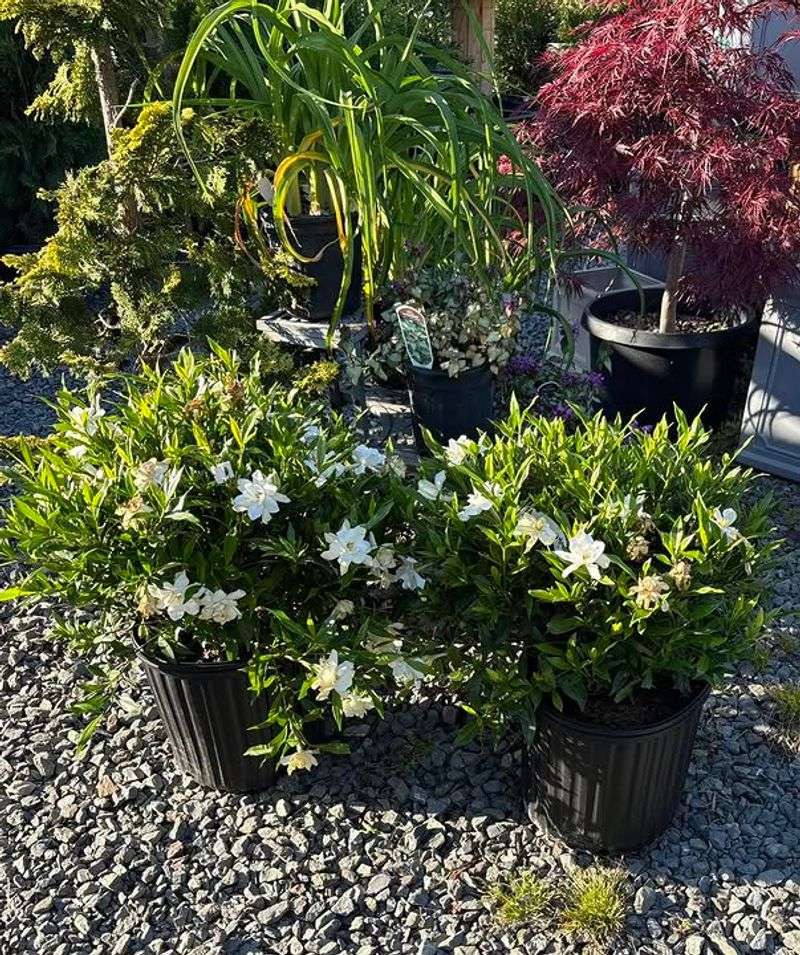
Summer maintenance for potted gardenias in Texas is all about staying one step ahead of problems before they get out of hand.
A little bit of regular attention goes a long way toward keeping your plant looking full, blooming consistently, and staying pest-free through the hottest months of the year.
Mulching the top of your pot is a surprisingly effective trick that many gardeners skip. Adding a thin layer of pine bark mulch or wood chips on top of the soil helps lock in moisture, keeps the soil temperature more stable, and reduces how often you need to water.
Just keep the mulch from touching the main stem of the plant to avoid rot issues near the base.
Light pruning is your friend during the summer. After each flush of blooms fades, snip off the spent flowers just below the bloom.
This signals the plant to redirect its energy into producing new buds. You can also remove any thin, weak, or crossing branches to improve airflow through the plant. Better airflow means fewer fungal problems in the humid Texas summers.
Pest patrol is a must. Aphids, whiteflies, and spider mites love gardenias and tend to show up right when the plant is already stressed from heat.
Check the undersides of leaves regularly. A strong spray of water from a hose knocks off many pests quickly.
For persistent infestations, neem oil spray is a safe and effective organic treatment. Apply it in the early morning or evening to avoid leaf burn. Staying consistent with these small tasks keeps your gardenia strong all summer long.
6. Moving And Protecting Pots During Extreme Heat
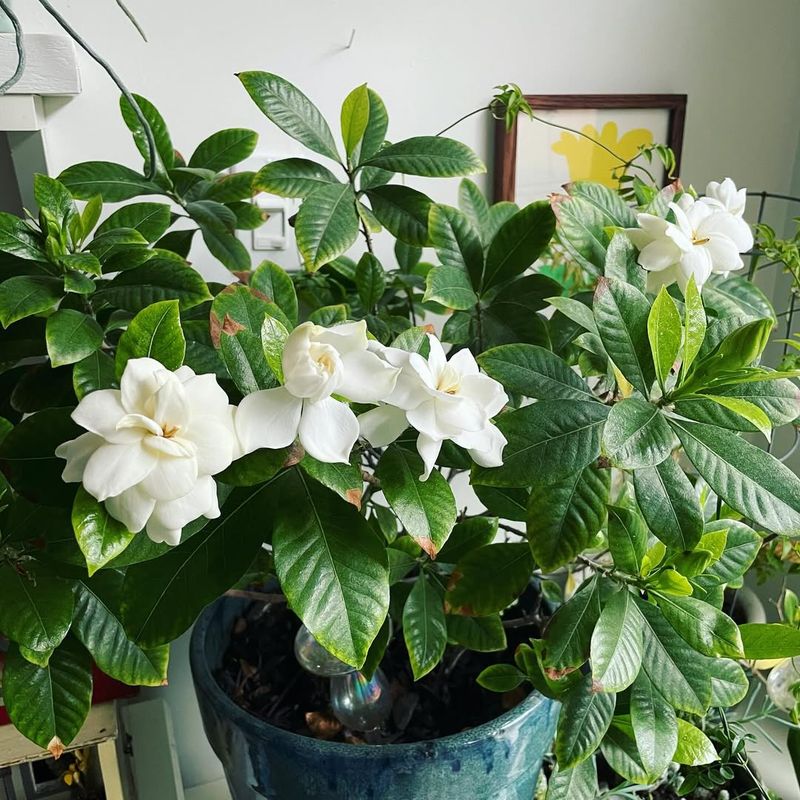
One of the biggest advantages of growing gardenias in pots instead of in the ground is the freedom to move them. When a Texas heat wave rolls in and temperatures push past 95 degrees Fahrenheit, that mobility can save your plant.
Having a plan for extreme heat days before they arrive makes the whole process much less stressful for both you and your gardenia.
On the hottest days, move your pots to a spot that gets shade during the peak heat hours, roughly between noon and 4 p.m. A covered porch, a spot under a large tree, or even indoors near a bright window works well for short periods.
You do not need to do this every day, just during genuine heat waves when temperatures are dangerously high for several days in a row.
Grouping your pots together is another smart strategy. When plants are placed close to each other, they create a small microclimate with slightly higher humidity around the leaves.
Gardenias love humidity, and Texas summers are often hot and dry at the same time. Grouping helps buffer that dry heat and keeps the foliage from drying out as quickly.
Every two to three years, check if your gardenia has become root-bound. Roots circling tightly inside the pot or pushing out of drainage holes mean it is time to move up to a slightly larger container.
A root-bound plant cannot absorb water or nutrients efficiently, which makes it much more vulnerable to heat stress. Repotting into fresh acidic soil with a little more room gives your gardenia the strong foundation it needs to handle whatever Texas summers throw at it.