Painted Buntings Used To Stop In Georgia Yards Every Spring — Here Is What Brings Them Back
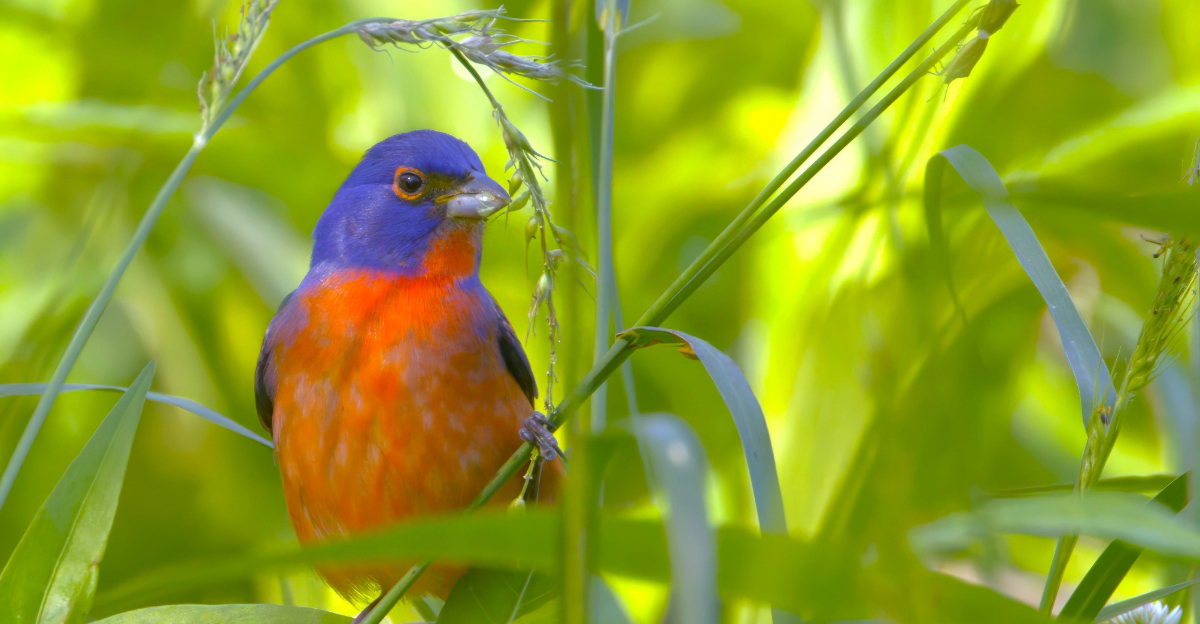
There was a time when spotting a Painted Bunting felt like a special part of spring for many people.
A flash of bright color near a feeder or garden bed could turn an ordinary morning into something worth talking about for the rest of the day.
Lately, however, plenty of people have noticed that these beautiful visitors seem harder to find than they once were. Days turn into weeks, feeders stay busy with other birds, and that familiar burst of color never appears.
It is enough to leave many wondering whether Painted Buntings still visit the same places they used to.
The good news is that a yard does not have to be large or perfectly landscaped to catch their attention. Small changes can sometimes make a surprising difference in how welcoming a space feels to birds passing through.
In Georgia, a few overlooked details may be the reason these colorful visitors stay away or decide to stop by again.
1. Food Sources Have Become Harder To Find
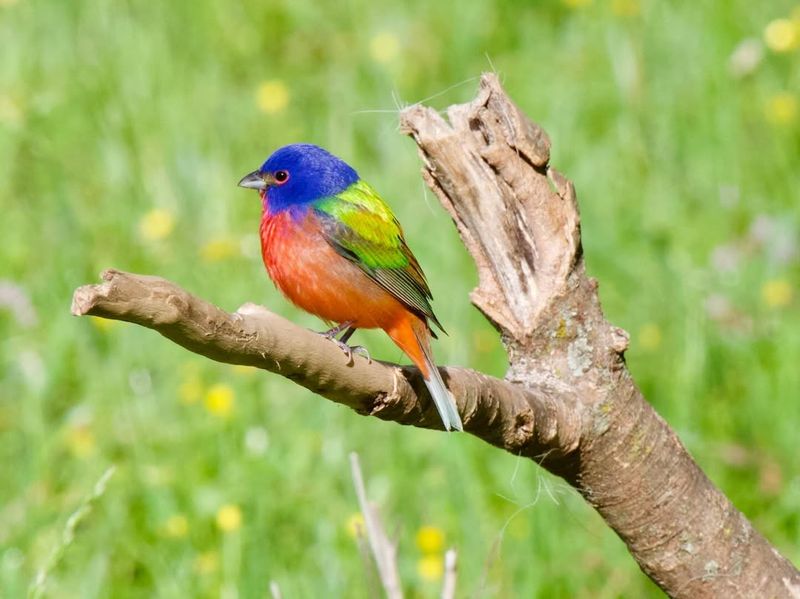
White millet is the single most effective food you can offer a Painted Bunting. Most seed mixes sold at grocery stores skip it entirely, loading up on sunflower seeds instead.
Buntings rarely touch sunflower seeds.
Platform feeders work better than tube feeders for these birds. Buntings prefer feeding close to the ground, and a low, open tray matches their natural foraging style.
Place the feeder near shrubs so birds feel safe approaching.
Scattered millet on the ground also works surprisingly well. Buntings forage naturally at ground level in the wild, pecking through grass and low vegetation.
Mimicking that setup in your yard removes a barrier they often face in suburban spaces.
Consistency matters more than quantity. Keeping your feeder stocked through April and May, when spring migrants pass through, gives birds a reason to stop and stay a while.
An empty feeder trains birds to skip your yard entirely.
Avoid mixes with fillers like red milo or cracked corn. Buntings ignore those and move on quickly.
Clean, fresh white millet in a reliable spot is the straightforward answer to a problem many backyard birders overlook completely.
2. Native Shrubs Provide Shelter And Cover
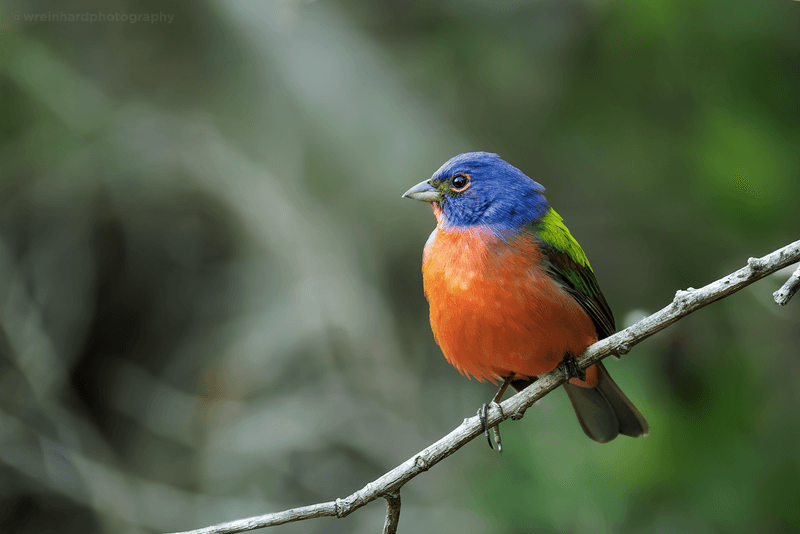
Painted Buntings are nervous birds by nature. Open, exposed yards with no cover send them off in seconds.
Native shrubs change that dynamic completely.
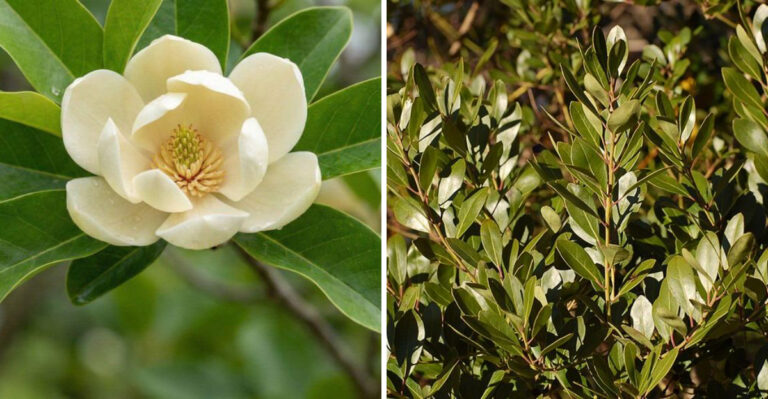
Wax myrtle is one of the best choices for attracting these birds in the Southeast. It grows quickly, stays evergreen through most winters, and provides dense cover that small birds love.
Beautyberry is another solid option, offering both shelter and late-season berries that many species rely on.
Shrubs planted along fence lines or yard edges create natural corridors. Birds use these paths to move through neighborhoods without exposing themselves to predators.
A connected row of shrubs is far more useful than a single isolated plant in the middle of a lawn.
Height matters too. Buntings tend to stay low, typically under ten feet.
Shrubs in the four-to-eight-foot range feel comfortable and familiar to them. Tall trees alone rarely provide the type of cover these birds actively seek out.
Your Georgia Garden Changes Every Week. Your Plan Should Too.
Gardening in Georgia changes quickly throughout the season. Every Friday you’ll receive a simple weekly plan showing exactly what to plant, prune, fertilize, harvest, and protect so you never miss the right timing.
Spacing plants close enough to create a thicket effect gives the most benefit. Gaps between shrubs reduce the sense of security birds need before committing to a yard.
Filling those gaps, even with smaller native plants, dramatically improves how welcoming your space feels to visiting Buntings.
3. Dense Thickets Give Birds A Safe Place To Rest
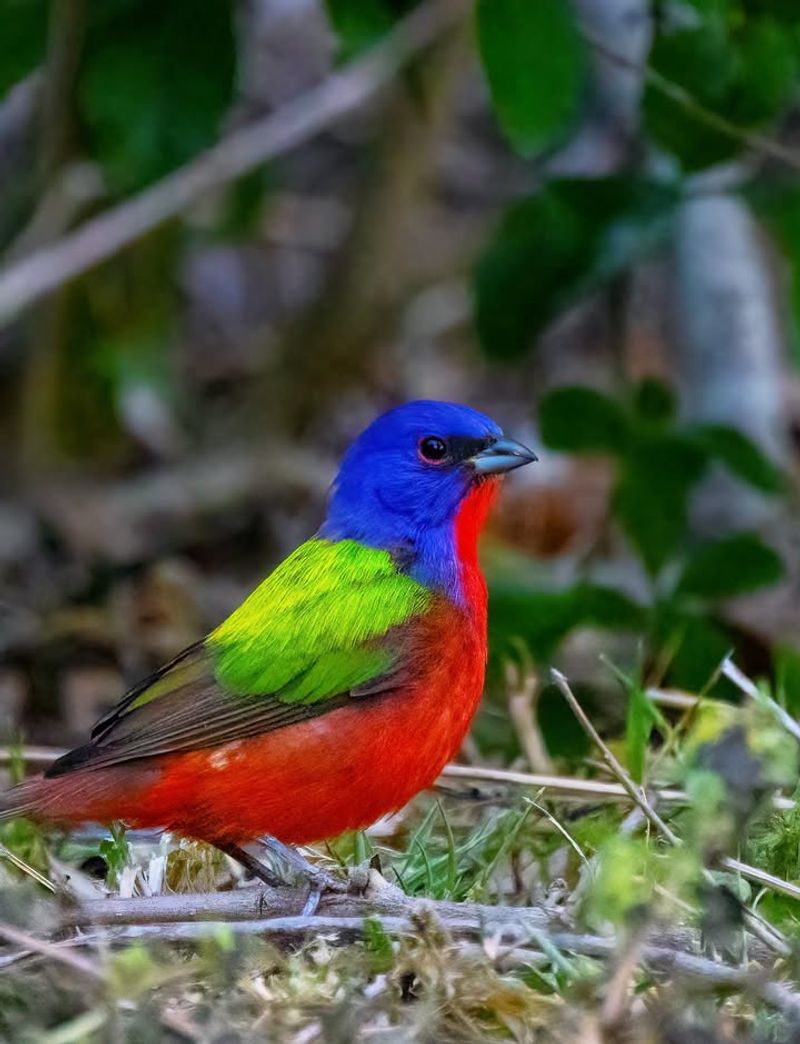
A tidy yard is not always a bird-friendly yard. Painted Buntings actively seek out messy, tangled spots where predators struggle to follow them.
Leaving a corner of your yard intentionally overgrown gives birds the kind of resting cover they cannot find in manicured landscapes. Even a small patch of tangled native vines and shrubs makes a noticeable difference.
Birds use these spots to rest, preen, and wait out the heat of the day.
Carolina jessamine and native greenbrier create exactly the kind of dense, low tangle Buntings prefer. Both grow vigorously with minimal care and provide layered cover at different heights.
Neither requires much maintenance once established.
Brush piles also serve this purpose well. Stacking fallen branches in a corner creates immediate cover while the plants around it grow in.
Birds use brush piles year-round, not just during migration.
Predator pressure is a real concern in suburban neighborhoods. Outdoor cats and sharp-shinned hawks patrol open yards constantly.
Dense thickets give small birds a place to escape and recover, making your yard feel like a safe stop rather than a risky one. That sense of safety is often what determines whether a Bunting stays for an hour or passes through without landing.
4. Native Plants Support The Insects They Depend On
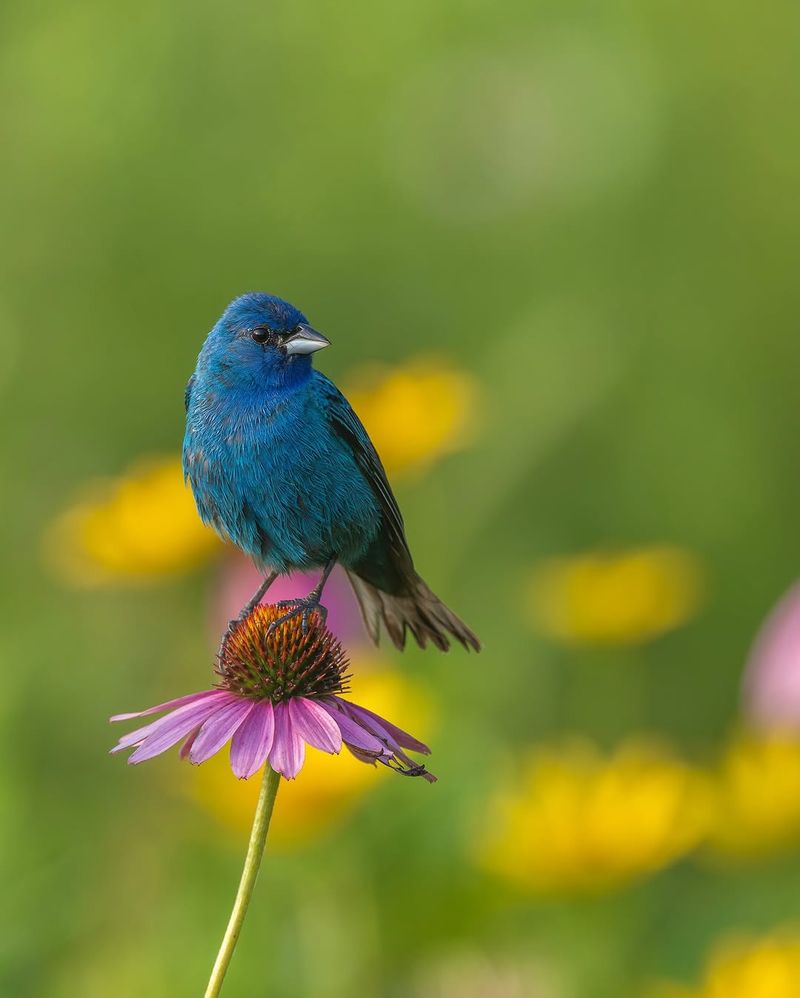
Seed feeders get most of the attention, but insects are a critical part of a Painted Bunting’s diet, especially during breeding season. Native plants are the most reliable way to bring insects into your yard.
Non-native ornamentals support very few insect species compared to native plants. Native oaks support hundreds of caterpillar species.
Those caterpillars provide an important food source for birds and other wildlife throughout the growing season.
Native coneflowers, black-eyed Susans, and wild bergamot attract a wide range of insects throughout the growing season. Planting a mix of these in a sunny border creates a living pantry that birds return to repeatedly.
Variety matters because different insects emerge at different times.
Leaf litter under shrubs and trees hosts enormous numbers of invertebrates. Raking it all away removes a food source birds depend on.
Leaving a thin layer in garden beds costs nothing and pays off consistently.
Ground beetles, spiders, and small caterpillars are exactly what Buntings pick through low vegetation to find. A yard planted with natives produces these naturally without any extra effort.
The relationship between native plants and native insects is what makes a yard genuinely productive for birds rather than just visually appealing.
5. Fresh Water Encourages More Frequent Visits
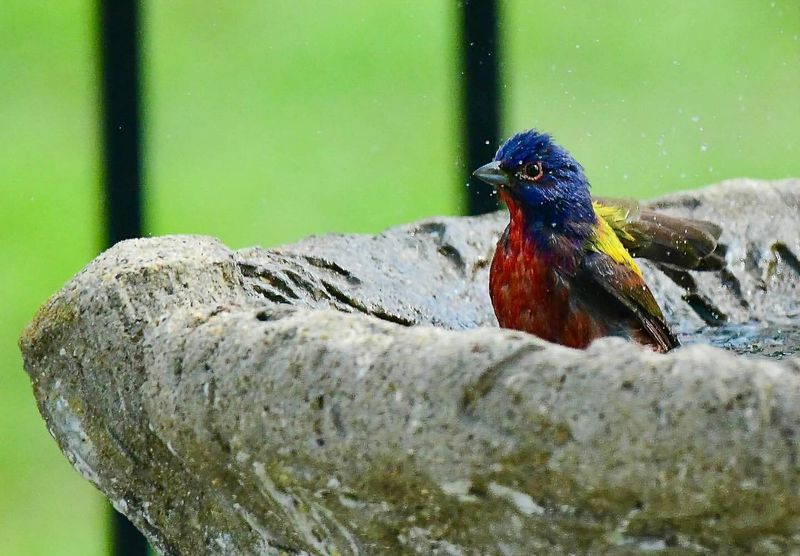
Water draws birds faster than almost anything else you can add to a yard. Painted Buntings bathe and drink regularly, and a reliable water source keeps them coming back on a predictable schedule.
Shallow baths work best. Buntings are small birds and feel unsafe in deep water.
Two inches or less is ideal. Rough-textured basins give birds solid footing, which matters more than most people realize.
Moving water is even more effective than a still bath. Drippers, misters, and small recirculating pumps create sound that carries through the yard.
Birds detect running water from a surprising distance, and the sound alone can pull them in from neighboring properties.
Placement affects how often birds use the bath. Positioning it near shrubs gives birds a quick escape route if something startles them.
Open, exposed locations in the middle of a lawn feel risky to small birds and often go ignored.
Keeping the water clean is non-negotiable. Stagnant, algae-covered baths repel birds just as quickly as they attract them when fresh.
Rinsing the basin every two or three days and scrubbing it weekly keeps the water inviting. In warm months across the region, water evaporates fast, so checking the level daily is a simple habit that pays off with more frequent bird activity.
6. Fewer Pesticides Protect Important Food Sources
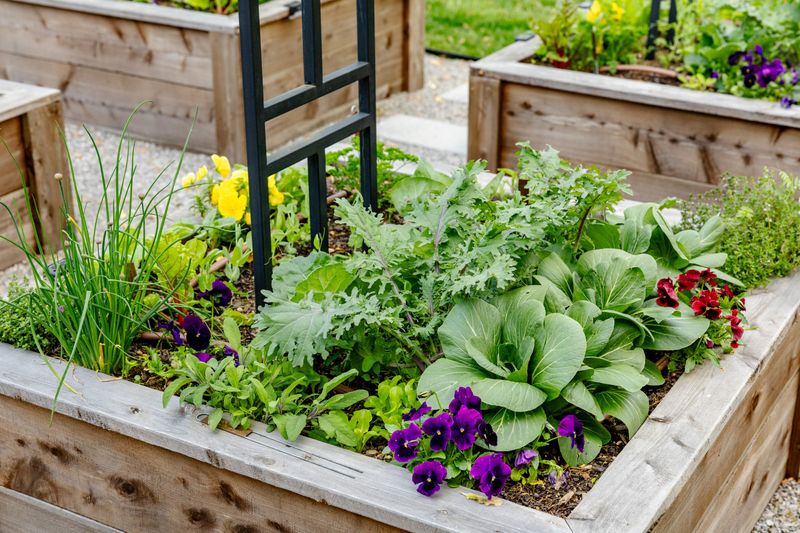
Pesticides do not just affect target pests. They move through the food chain in ways that quietly reduce the insect populations birds depend on.
Cutting back on them is one of the most impactful things a backyard birder can do.
Systemic insecticides are especially problematic. Products containing neonicotinoids get absorbed into plant tissue, including pollen and nectar.
Insects that feed on treated plants carry the compounds back through the food chain, affecting birds that eat those insects repeatedly over a season.
Switching to targeted, physical pest management helps. Hand-picking large insects, using row covers on vegetables, and tolerating minor cosmetic damage on ornamentals reduces chemical use significantly.
Most healthy yards with diverse plantings naturally regulate pest populations over time.
Caterpillar populations are particularly sensitive to broad-spectrum sprays. Since caterpillars are a primary food source for nestlings and migrating songbirds, losing them mid-season removes a food supply birds cannot easily replace.
Even a single application during peak migration can reduce available food noticeably.
Organic soil amendments and compost-based gardening build healthier plant root systems that resist pests more effectively. A yard that relies on soil health rather than chemical intervention tends to support more insect diversity naturally.
More insects means more birds, and Painted Buntings respond to that abundance quickly when they find it.
7. Quiet Corners Help Birds Feel Secure
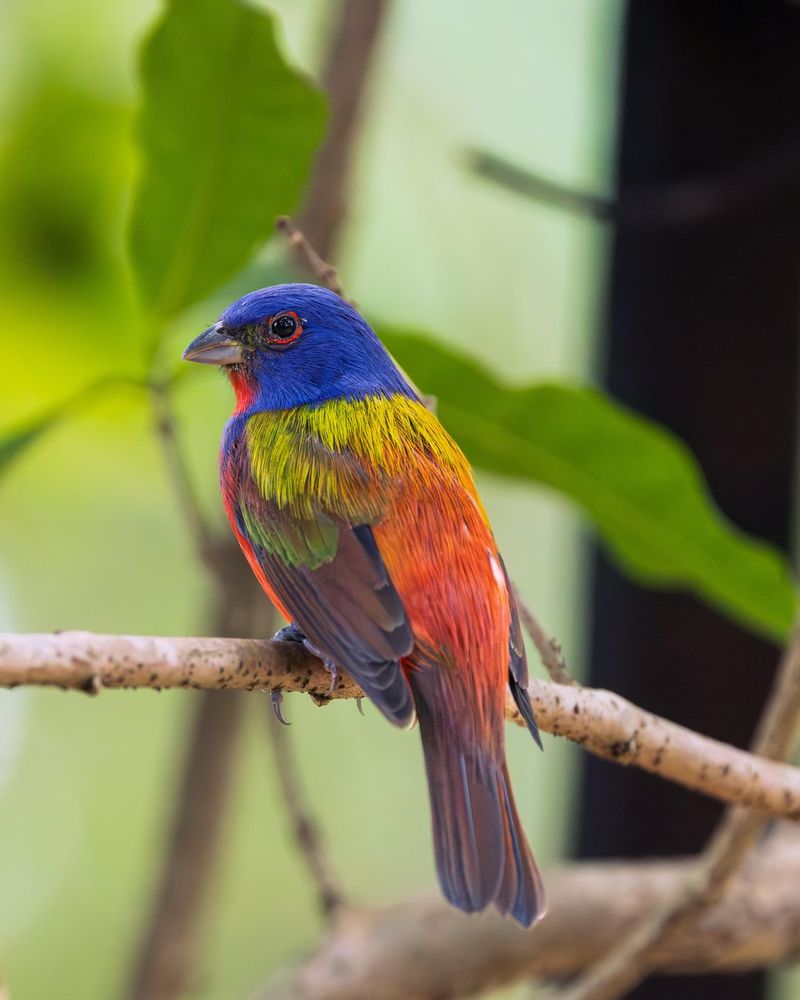
Noise and movement are two of the biggest reasons birds skip a yard entirely. Painted Buntings are skittish, and yards with constant foot traffic or loud activity rarely hold them for long.
Identifying a low-traffic corner of your yard and dedicating it to birds changes the dynamic quickly.
Placing feeders and water sources in that zone, away from doors, walkways, and play areas, gives birds the undisturbed space they need to settle in comfortably.
Pets are a significant factor. Dogs moving through a yard unpredictably keep birds on edge.
Even well-behaved pets disrupt feeding patterns. Designating a section of the yard as a pet-free zone, even temporarily during peak migration, can improve bird activity noticeably.
Reflective surfaces near feeding areas also cause problems. Glass doors, shiny decorations, and certain outdoor lights create visual disturbances that confuse and startle birds.
Repositioning these or adding window decals reduces their impact without much effort.
Routine matters to birds more than most people expect. Filling feeders and changing water at the same time each day builds a pattern birds eventually learn to anticipate.
Yards that feel predictable and calm attract more consistent visitors. Painted Buntings, like most songbirds, return to places that feel safe and undisturbed rather than unpredictable and busy.
8. Layered Plantings Create Better Backyard Habitat
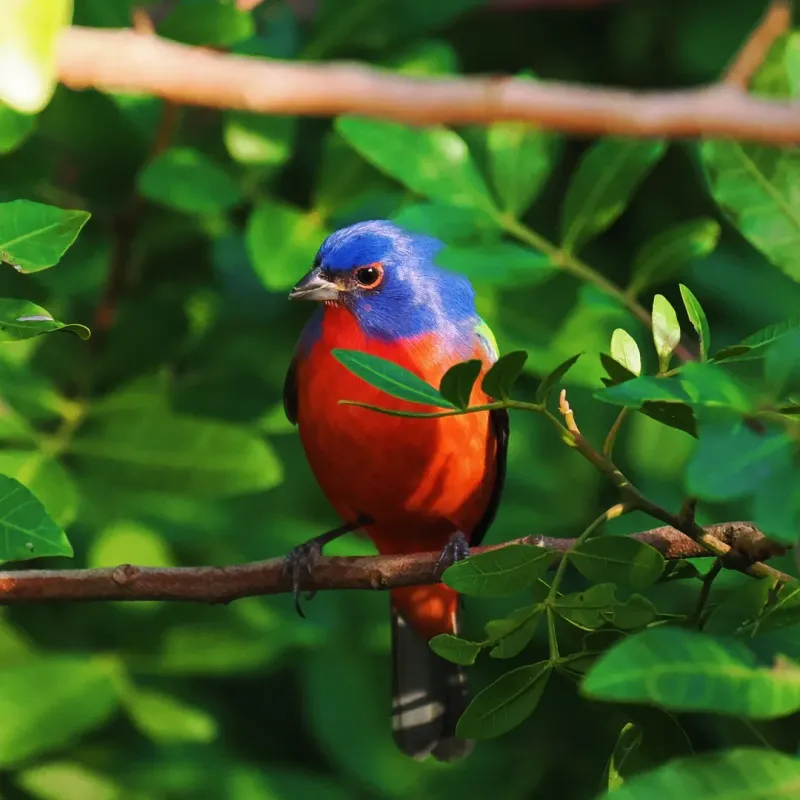
Flat, single-level yards offer birds very little. Painted Buntings, like most songbirds, move through a vertical range of vegetation as they feed, rest, and watch for threats.
Layered plantings replicate that structure naturally.
A functional layered yard includes ground cover, mid-height shrubs, and at least one or two taller canopy trees. Each layer serves a different purpose.
Ground cover hosts insects and provides foraging space. Shrubs offer cover and nesting sites.
Taller trees give birds a safe perch to survey the area before dropping down to feed.
Native ground covers like wild ginger or low-growing ferns fill the base layer without needing much maintenance. Pairing them with mid-level shrubs like native azalea or viburnum builds in the middle zone birds use most actively.
Adding a mature tree, even a single one, completes the structure.
Spacing the layers so they overlap slightly creates the connected feel birds prefer. Gaps between planting zones leave birds exposed as they move through the yard.
Overlapping edges let them transition smoothly from one layer to the next without crossing open ground.
Starting small with one corner and expanding over a few seasons is a realistic approach. A fully layered yard does not happen overnight, but even partial structure improves bird activity quickly.
Painted Buntings respond to habitat quality, and layered planting is the clearest signal that a yard is worth stopping in.