These Are The Native Ohio Trees Luna Moths Depend On
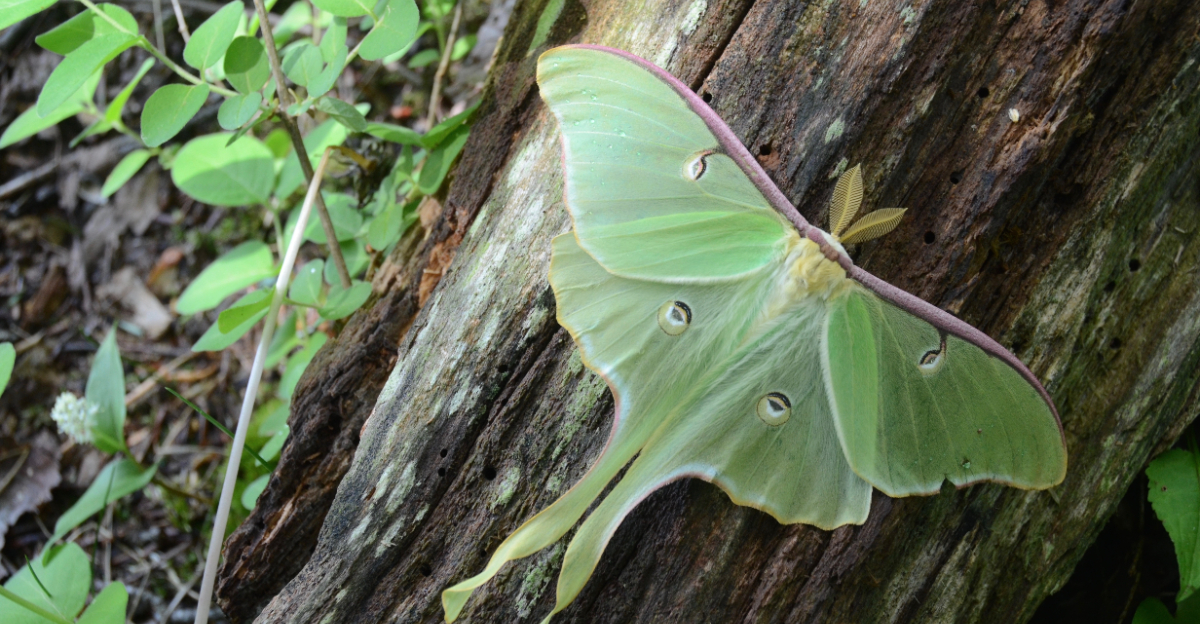
Want to know what separates the yards that attract luna moths from the ones that never see a single wing flutter by? It all comes down to the trees.
Not just any trees. Specific ones.
Native Ohio trees that luna moths have built their entire survival around for thousands of years. Most people plant what looks pretty.
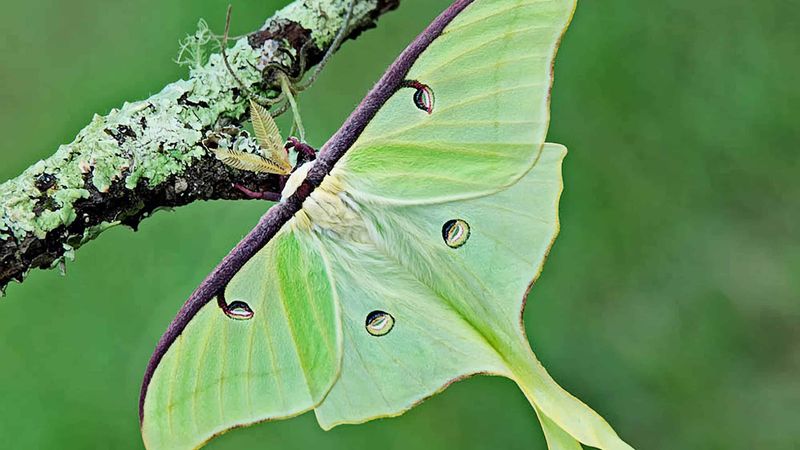
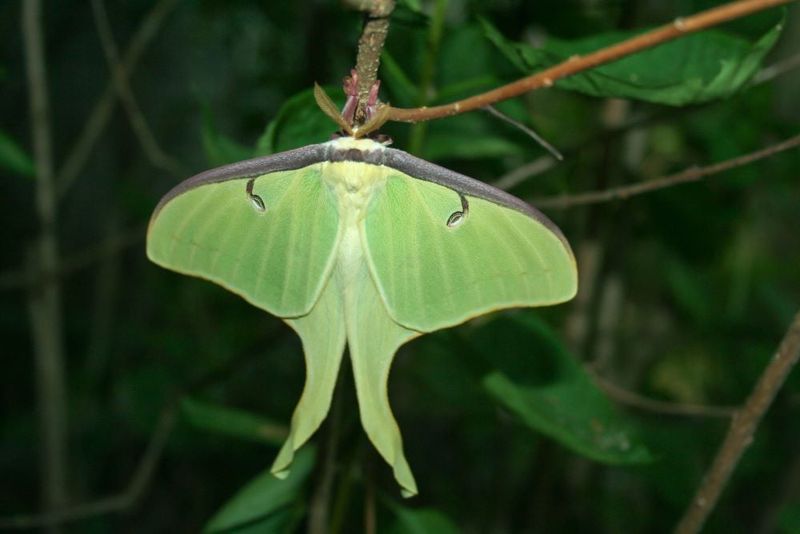
Smart gardeners plant what works. And if a luna moth has ever landed in your yard, you already know that electric green, almost alien glow is something you never forget.
Now imagine drawing them back, season after season. Ohio’s native landscape is basically a luna moth buffet, but only if you know which trees roll out the welcome mat.
Get this wrong and you’ll wait forever. Get it right and your backyard becomes a hotspot for one of North America’s most jaw-dropping insects.
1. Plant Hickories First For Luna Moth Caterpillars
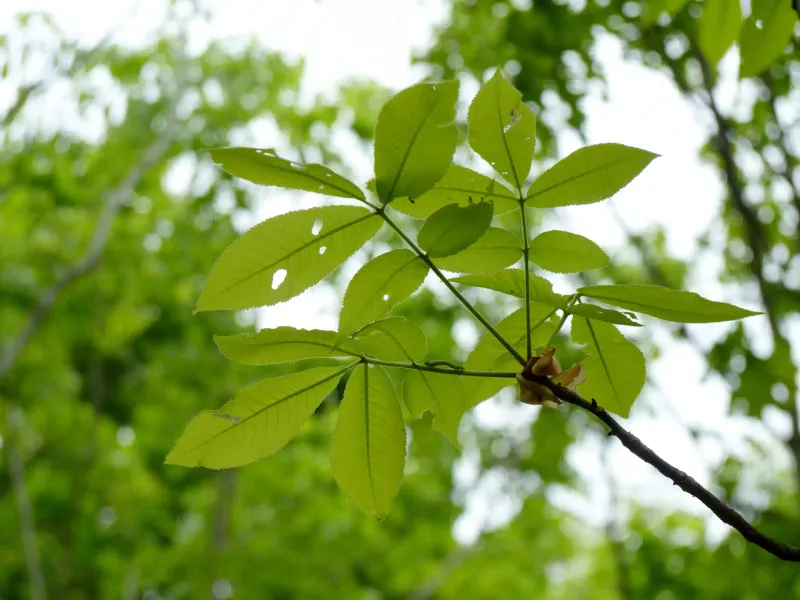
Shagbark hickory might be the single best tree you can have if you want luna moths visiting your yard. The Ohio Department of Natural Resources field guide on moths identifies hickory as one of the primary host trees for luna moth caterpillars.
That makes it a top priority for anyone serious about native habitat gardening.
Hickory catkins hang in spring, and the compound leaves unfurl into rich green canopies. By late summer, luna moth caterpillars may be quietly feeding high in the branches.
You probably would not even notice them unless you were looking carefully. That quiet feeding is not a problem.
It is exactly what the tree is there for in a wildlife-friendly yard.
Shagbark hickory grows best in well-drained soils and needs room to spread. It is a long-term investment.
This tree grows slowly but can live for centuries, so give it space away from driveways and foundations. Its deep taproot makes transplanting difficult, so choose the planting spot carefully from the start.
Hickories work beautifully along woodland edges, in larger suburban yards, and in parks or naturalized spaces. Avoid spraying insecticides on hickory leaves during the growing season, since that can harm caterpillars before you even know they are there.
Let the tree do its quiet, important work undisturbed.
2. Keep Black Walnut In The Yard For Luna Moth Survival
Black walnut has a reputation that makes some gardeners nervous. Yes, it produces juglone, a chemical that can stress certain nearby plants.
Yes, the husks stain everything they touch. But if you already have one growing on your property, consider yourself lucky.
The ODNR luna moth field guide lists walnut as a primary host tree for luna moth caterpillars.
The caterpillars feed on the leaves without causing any lasting harm to a healthy tree. A mature black walnut can handle light to moderate defoliation and bounce back without trouble.
The key is keeping the tree healthy, giving it room, and skipping the insecticide spray when caterpillars show up.
Placement matters with black walnut. Keep it away from vegetable gardens, tomatoes, and juglone-sensitive shrubs like azaleas or blueberries.
Your Ohio Garden Changes Every Week. Your Plan Should Too.
Gardening in Ohio changes quickly throughout the season. Every Friday you’ll receive a simple weekly plan showing exactly what to plant, prune, fertilize, harvest, and protect so you never miss the right timing.
Naturalized areas, open lawn edges, and spacious backyards are ideal spots. Many rural and suburban properties across this state already have black walnut growing naturally along fence lines or field borders.
If you are thinking about planting one, choose a sunny, open spot with good drainage and give it at least thirty feet of clearance from sensitive plants. The tree rewards patience with rich wildlife value, shade, and one of the most valuable hardwoods in North America.
That is a strong return for a tree that basically grows itself.
3. Add River Birch Where Yards Stay Moist
Few native trees handle wet feet as gracefully as river birch. In yards with low spots, rain garden edges, or soggy areas near downspouts, this tree fills a niche that few other natives can match.
OSU CFAES guidance on native trees highlights birches as valuable habitat trees that support a wide range of moth and butterfly species, including luna moths.
River birch is not always listed as the top luna moth host. But it belongs in this conversation because of its habitat value and its ability to thrive where other trees struggle.
Luna moth caterpillars have been documented feeding on birch foliage, and the tree adds real ecological value beyond any single species.
The peeling, cinnamon-colored bark makes river birch one of the most visually interesting trees in a winter landscape.
It is often grown as a multi-stemmed clump, which gives it a graceful, natural look that fits well in rain gardens, stream banks, and naturalized yard sections.
It grows quickly compared to hickory or oak, making it a satisfying choice for gardeners who want faster results.
Plant river birch in full sun to partial shade and keep the soil consistently moist, especially in the first two years. Skip the insecticide sprays during the growing season to protect any caterpillars feeding in the canopy.
This tree rewards low-maintenance care with multi-season beauty and steady wildlife activity throughout the year.
4. Let Willows Feed The Next Generation Of Luna Moths
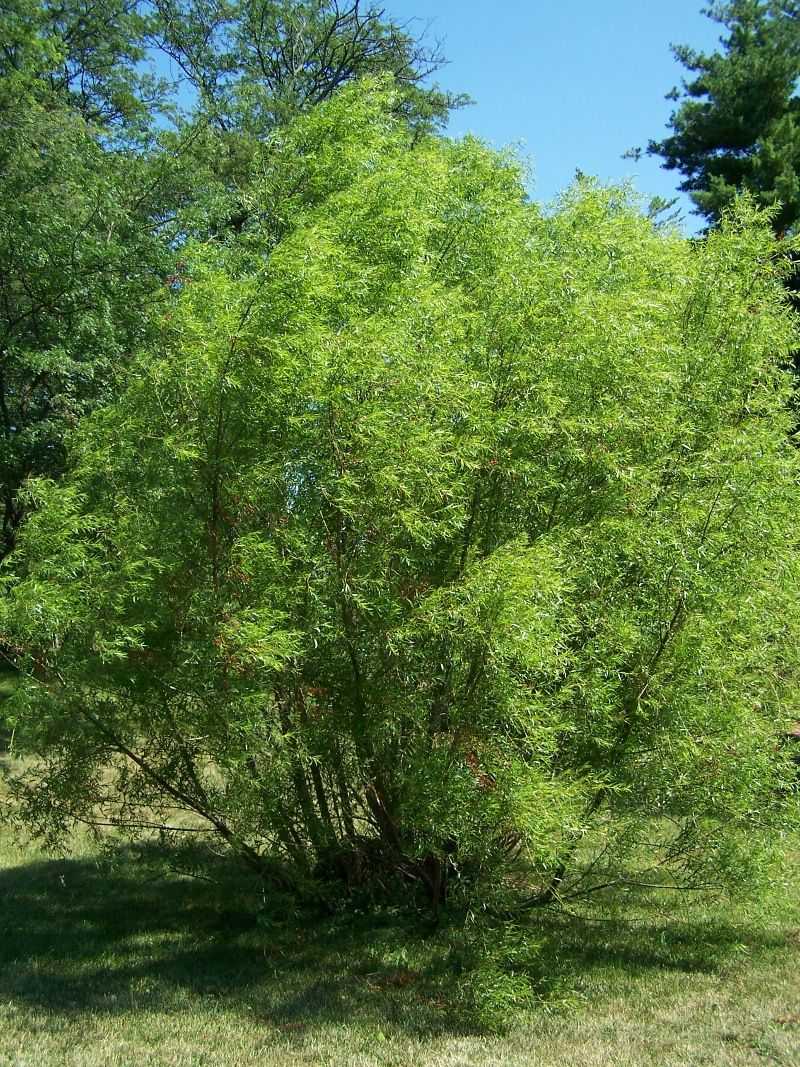
Willows are among the most wildlife-friendly trees in the native plant world, and they earn their reputation honestly. Extension-backed luna moth host plant lists include willow as a documented food source for luna moth caterpillars.
That makes native willow species a practical choice for wet or moist areas in local landscapes.
Black willow is the most common native willow in this state and grows naturally along rivers, streams, pond edges, and low-lying fields.
It is fast-growing, tough, and genuinely useful for stabilizing wet soils along drainage channels or shoreline areas where erosion is a concern.
The catkins provide early-season food for pollinators, and the dense canopy creates shelter for birds and insects alike.
Placement is everything with willows. Their roots aggressively seek moisture, which makes them a poor choice near septic systems, underground pipes, or tight foundation plantings.
Give them room to grow where their root habits are an asset rather than a headache. Open naturalized spaces, pond banks, and low meadow edges are ideal.
When selecting a willow, stick with species native to your region rather than ornamental imports. Pussy willow is another excellent native option for smaller yards or shrubby borders.
Avoid blanket insecticide applications on willow foliage during summer, since luna moth caterpillars blend in well and are easy to miss. A little restraint with the spray bottle goes a long way for supporting moth populations.
5. Use Sweetgum As A Southern Ohio Host Tree
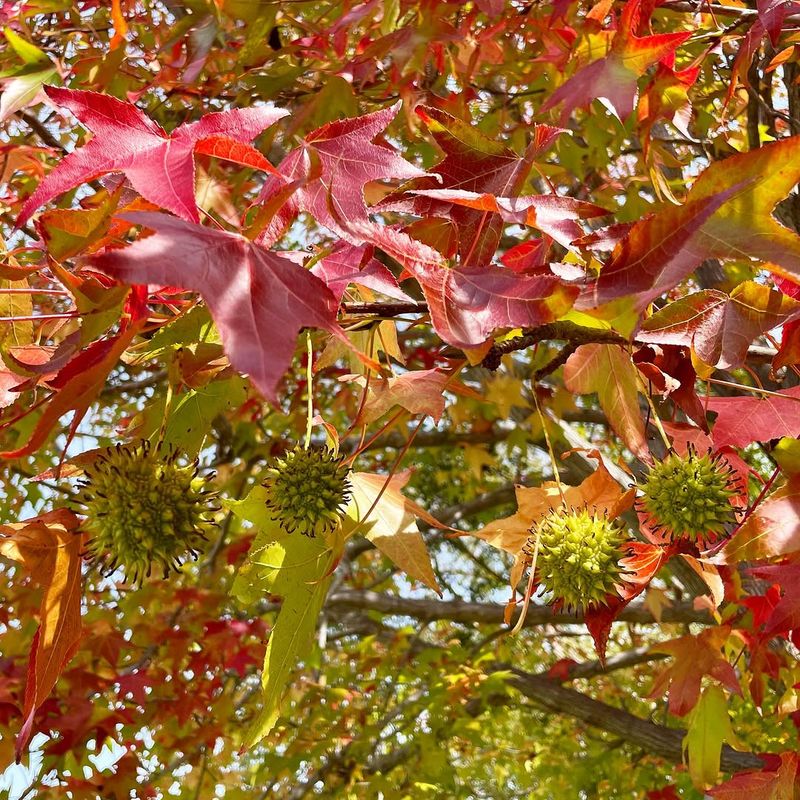
Sweetgum is one of those trees that divides gardeners right down the middle. The star-shaped leaves are stunning, turning red, orange, and purple in fall.
The spiky seed balls that litter the ground every autumn? Less popular.
But for luna moth caterpillars in the southern regions of this state, sweetgum is a documented host tree worth knowing about.
Extension host plant references list sweetgum among the trees that luna moth caterpillars will feed on. The tree is well-suited to the milder climate of southern Ohio.
It grows naturally in low-lying areas, floodplains, and moist woodland edges in that part of the state. Gardeners in the northern regions may find it less reliable due to cold hardiness concerns, so check local conditions before planting.
The best placement for sweetgum is in larger landscapes where the seed balls are not a constant nuisance. Woodland edges, naturalized buffers, and open lawn areas away from patios and walkways all work well.
Some nurseries now carry fruitless sweetgum cultivars, though native straight species offer the most wildlife value.
Sweetgum grows at a moderate to fast pace and handles wet soils better than many hardwoods. Let it grow without heavy chemical intervention during the growing season.
The fall color alone makes it worth considering for any southern Ohio property with enough space. The luna moth connection is simply a welcome bonus for anyone already thinking about habitat gardening.
6. Protect Native Maples That Support Luna Caterpillars
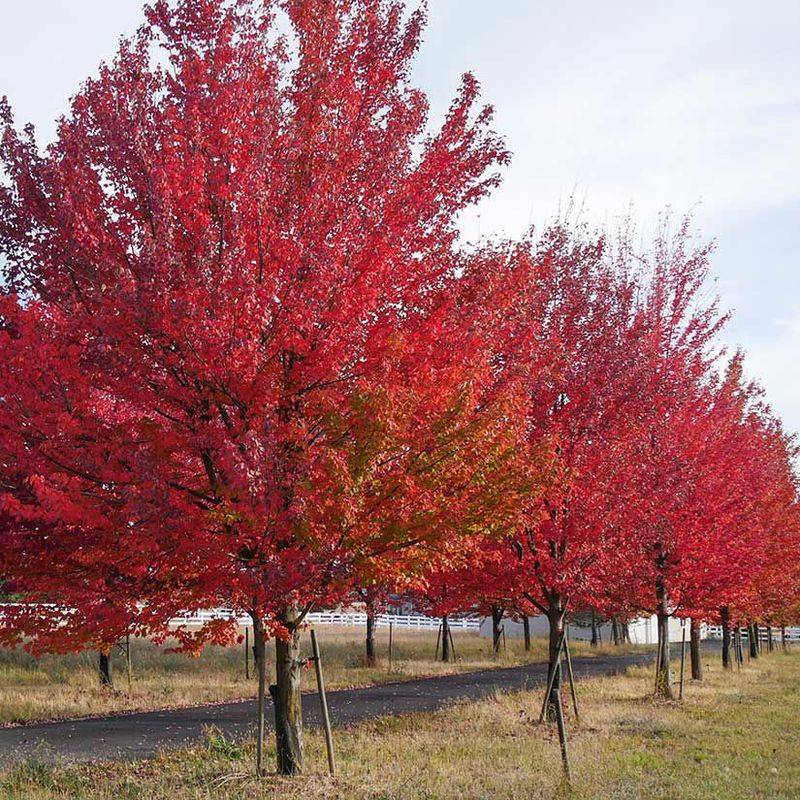
Maples are everywhere in this state, and that familiarity sometimes makes people overlook their habitat value. Extension host plant references for luna moths include maple on the list of trees that caterpillars will use.
That means the red maple in your backyard may already be hosting luna moth activity you have never noticed.
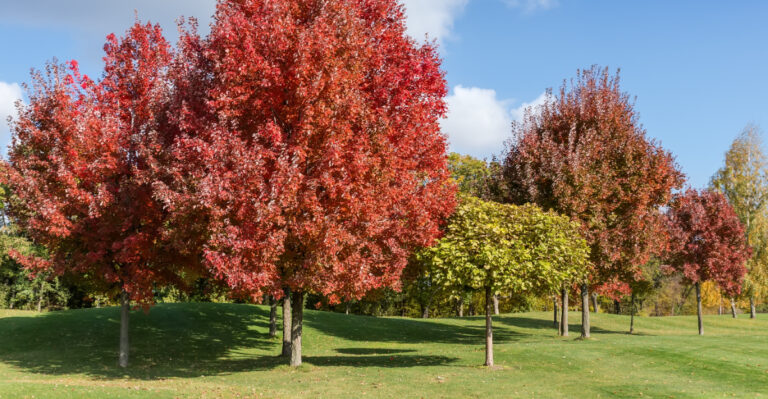
Red maple is the most widely planted native maple in Ohio and adapts well to a broad range of soil conditions, from wet lowlands to average suburban yards. Silver maple is another native option that grows quickly in moist areas.
Sugar maple, beloved for fall color and syrup production, rounds out the group and thrives in well-drained, slightly acidic soils across the state.
None of these maples are the top luna moth host the way hickory or walnut are, but they add to the overall mix of host trees in a landscape. A yard with several different native tree species offers more stable habitat than one with just a single host tree.
Maples also provide shade, fall color, and food for birds and other wildlife throughout the year.
The most practical advice here is simple: protect the native maples you already have. Avoid removing healthy mature maples, and skip the insecticide applications on the canopy during summer.
Young luna moth caterpillars are small and easy to miss against maple foliage. Keeping the chemical spray away from the canopy gives them a real chance to complete their cycle and become the moths you hope to see.
7. Keep Oaks In The Canopy For More Moth Life

Ask any native plant ecologist which tree supports the most wildlife, and oak will almost always come up first.
Entomologist Doug Tallamy has documented that native oaks support over 500 caterpillar species in the eastern United States, and luna moth is among them.
Extension luna moth host plant lists confirm oak as a documented host tree, adding it to a landscape mix that no habitat gardener should ignore.
Ohio has a rich diversity of native oaks, including red oak, white oak, bur oak, and pin oak. Each has its own preferred soil and moisture conditions, so matching the right oak to the right site matters.
Red oak handles a wide range of conditions and grows at a respectable pace. White oak prefers well-drained sites and develops into a broad, majestic canopy over decades.
Young oaks grow slowly at first while establishing deep root systems, but they pick up speed after the first few years. Planting a small oak today is one of the most generous things you can do for future generations of moths, birds, and other wildlife.
If you have a mature oak on your property, treat it like the irreplaceable asset it is.
Avoid compacting the soil under the canopy, limit heavy foot traffic around the root zone, and hold off on routine insecticide spraying during the growing season. Oaks carry entire food webs in their branches.
Protecting them costs almost nothing and pays back in wildlife activity for generations.
8. Plant Sumac For A Smaller Luna Moth Host Option
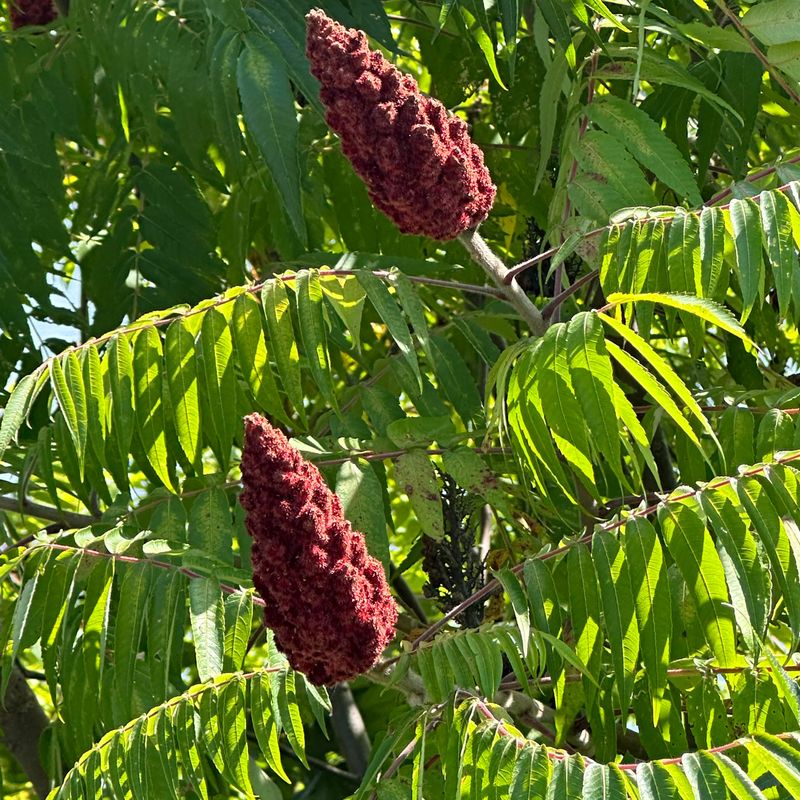
Not every yard has room for a hickory or an oak, and that is where native sumac steps in as a smaller-scale option that still delivers real luna moth habitat value. Extension host plant references for luna moths include sumac on the list.
That makes staghorn sumac and smooth sumac worth considering for edges, slopes, and naturalized spaces where larger trees simply would not work.
Staghorn sumac is the more common of the two in Ohio and gets its name from the fuzzy, velvety texture of its young branches, which resemble deer antlers in velvet. It forms thickets by sending up root sprouts, which means it spreads over time.
That spreading habit makes it a poor choice for tight, manicured borders. But it is genuinely useful for stabilizing slopes, filling sunny edges, or naturalizing a back corner of the yard.
The deep red seed clusters that form in late summer provide food for birds through winter, and the bold compound leaves turn brilliant shades of orange and red in fall.
Sumac is one of the most visually striking native plants in the state during autumn, and it requires almost no maintenance once established.
For luna moth caterpillars, sumac offers a lower-canopy feeding option that complements taller host trees nearby. Plant it in full sun with decent drainage, and let it spread where colonies are welcome.
Skip the herbicide along naturalized edges where sumac is growing, and you may be rewarded with a luna moth caterpillar or two by late summer.