Native Arizona Plants To Replace Your Crape Myrtles Along Fence Lines And Driveways
Crape myrtles are everywhere in Arizona neighborhoods, and look, nobody is here to start a fight about it. They flower, they provide some screening, and they’re familiar.
But spend enough time maintaining one along a sun-baked driveway or a block wall fence line and the honeymoon phase tends to wear off pretty quickly. The reflected heat, the higher-than-expected water needs, the constant cleanup of flowers, leaves, and seed pods.
It adds up. The good news is that Arizona has an incredibly rich selection of native plants that can fill those exact same landscaping roles without the extra fuss.
Plants that actually belong here, handle the heat without complaining, need far less water, and honestly look like they were made for the desert landscape. Because they were.
1. Desert Willow Brings A Native Flowering Tree Look
Few native Arizona plants put on a flowering show quite like desert willow.
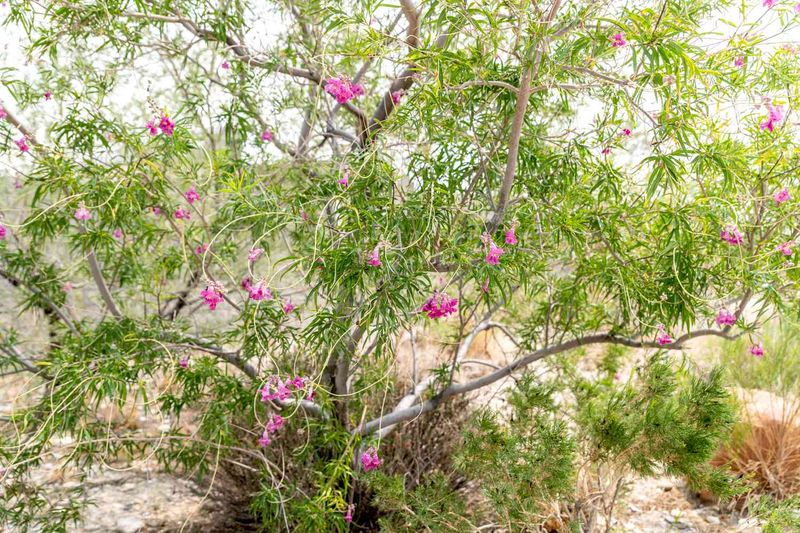
Known botanically as Chilopsis linearis, this small to medium-sized tree produces showy trumpet-shaped blooms in shades of pink, lavender, and white from late spring through late summer, making it a real standout along a driveway or fence line.
Desert willow typically reaches 15 to 25 feet tall and can spread nearly as wide, so it works best where there is enough horizontal room to let it develop its natural, somewhat open canopy.
It is deciduous, meaning it drops its leaves in winter, and it also drops spent flowers and slender seed pods that require some seasonal cleanup.
Homeowners should factor that in before planting it next to a paved driveway or clean patio area.
That said, the seasonal flower display and the hummingbirds it attracts make the cleanup worthwhile for many gardeners. It thrives in full sun and handles reflected heat well, needing only occasional deep watering once established.
As a native Arizona tree, it brings authentic desert character to fence lines and driveways where crape myrtles once stood.
2. Arizona Rosewood Creates Evergreen Fence-Line Structure
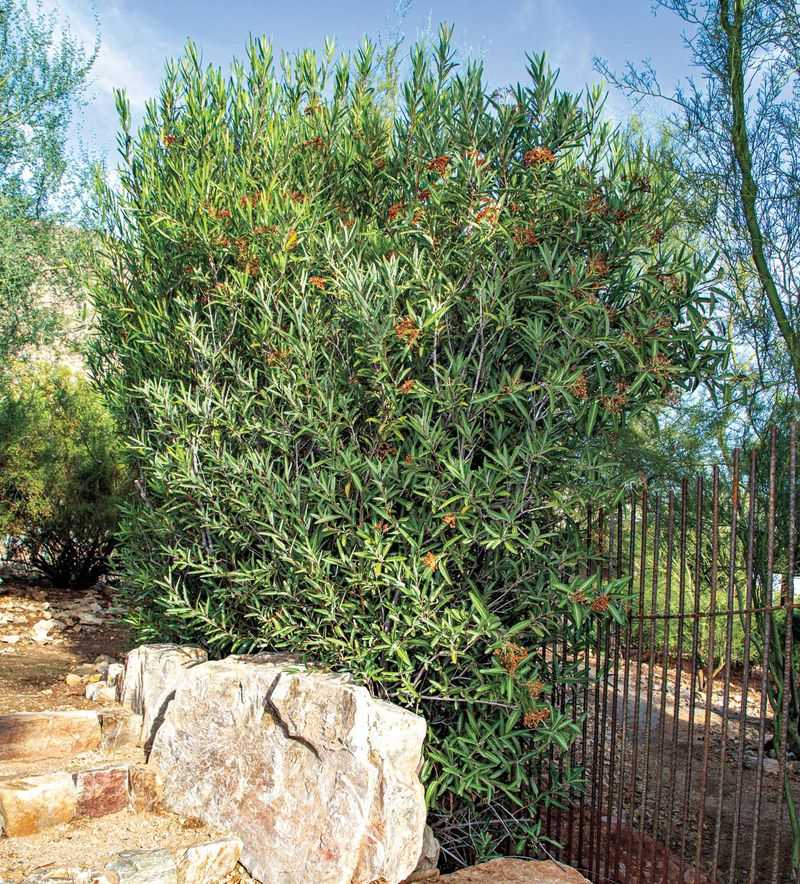
When year-round screening is the main goal along a fence line, Arizona rosewood earns serious consideration.
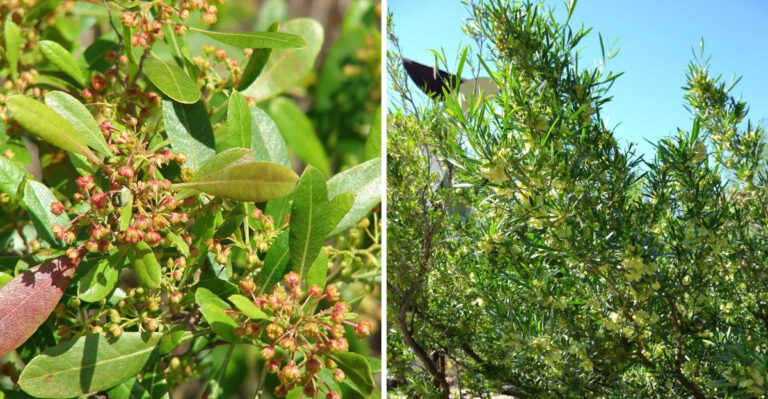
Vauquelinia californica is an upright, evergreen large shrub or small tree that holds its dark green, serrated leaves through every season, making it one of the more reliable privacy options among native Arizona plants.
It can grow 8 to 15 feet tall depending on conditions, and its naturally columnar shape means it does not take up excessive horizontal space, which is a genuine advantage in narrow fence-line beds or side yards.
Small white flower clusters appear in late spring, adding a subtle seasonal detail without creating heavy litter.
The plant is well-adapted to the heat and reflected sun common along block walls and driveways.
Arizona rosewood is drought-tolerant once established, needing only occasional supplemental water in the hottest months.
It is not a fast grower, so patience is part of the deal, but the long-term payoff is a dense, clean, evergreen screen that outperforms crape myrtle in year-round structure.
For homeowners who want a low-maintenance native plant that simply stays green and tidy, Arizona rosewood is a dependable choice worth planting.
Your Arizona Garden Changes Every Week. Your Plan Should Too.
Gardening in Arizona changes quickly throughout the season. Every Friday you’ll receive a simple weekly plan showing exactly what to plant, prune, fertilize, harvest, and protect so you never miss the right timing.
3. Hop Bush Works As A Clean Native Screen
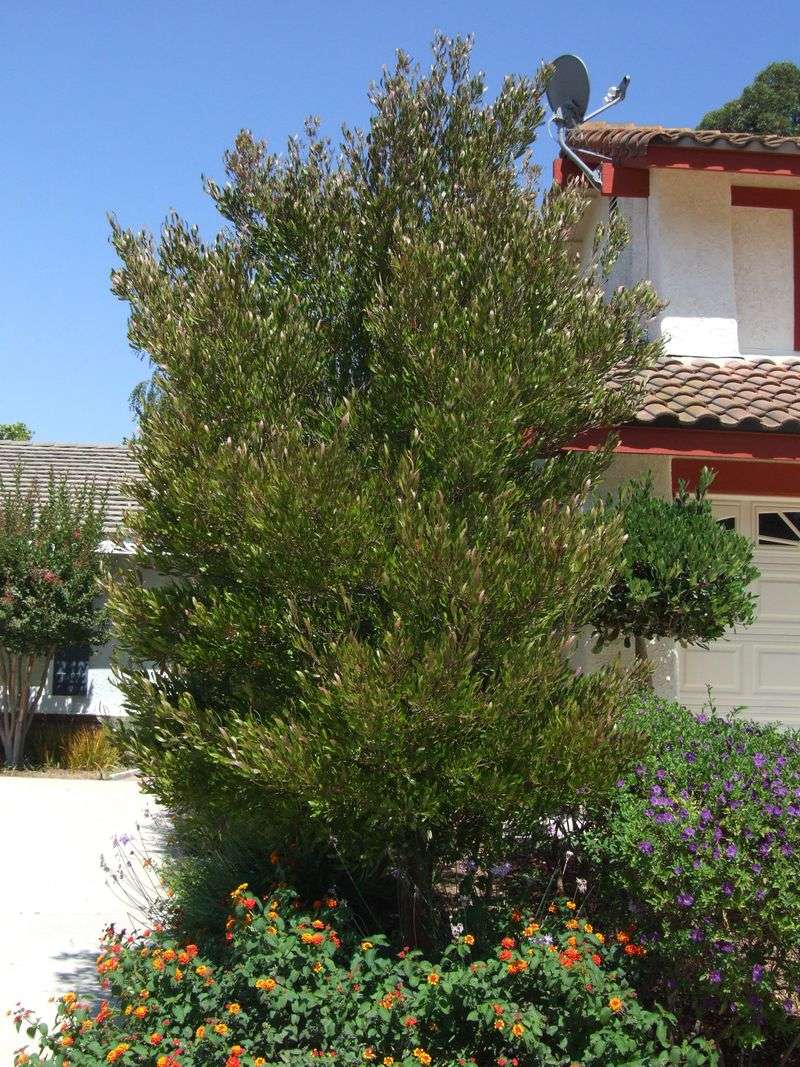
Reflected heat bouncing off a concrete driveway or block wall can challenge even tough plants, but hop bush handles those conditions with ease.
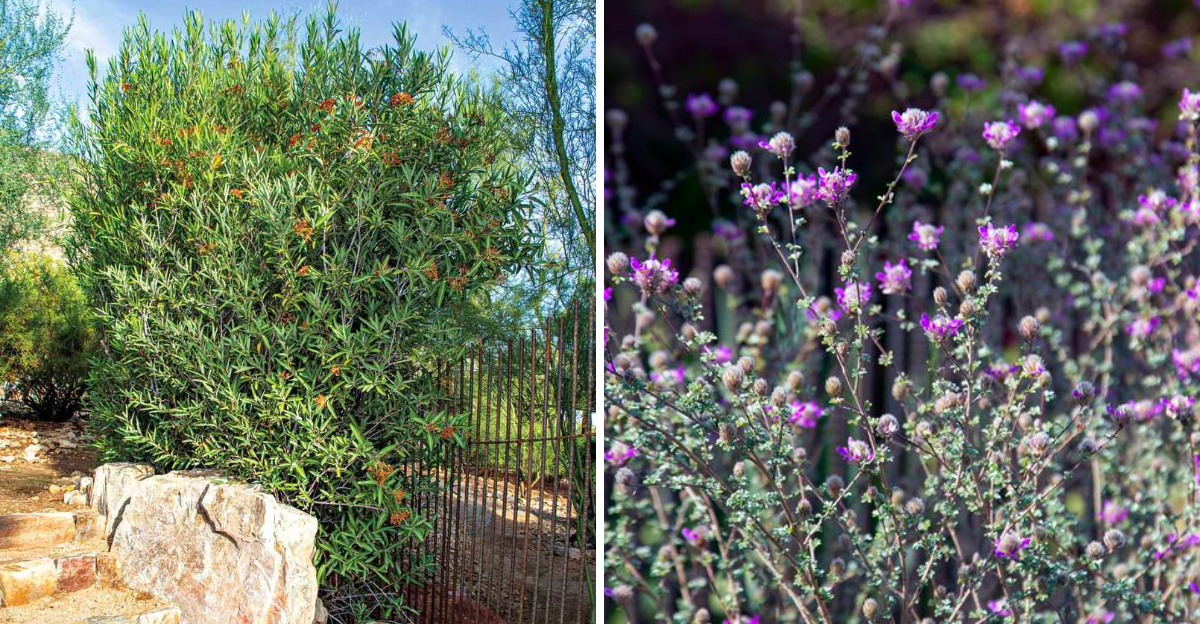
Dodonaea viscosa is a fast-growing, evergreen native shrub that forms a dense, upright screen and tolerates the kind of intense sun and heat that Arizona driveways produce throughout the summer months.
Hop bush typically grows 8 to 12 feet tall and can be kept tighter with occasional shaping, making it flexible for fence-line plantings of different widths.
The foliage stays green year-round, and in spring the plant produces papery, winged seed pods that add a soft decorative texture without creating a significant cleanup burden.
There is a purple-leafed variety widely available in nurseries, though the straight green species is the true native form.
Water needs are low once established, and hop bush asks for very little beyond a good planting location with decent drainage and full sun. It does not produce large flowers, so it is more of a foliage and structure plant than a flowering one.
For homeowners who want a clean, evergreen native screen to replace crape myrtle along a fence without dealing with dropped petals or heavy seed litter, hop bush is a practical and proven option in Arizona landscapes.
4. Kidneywood Adds Fragrant Flowers And Light Shade
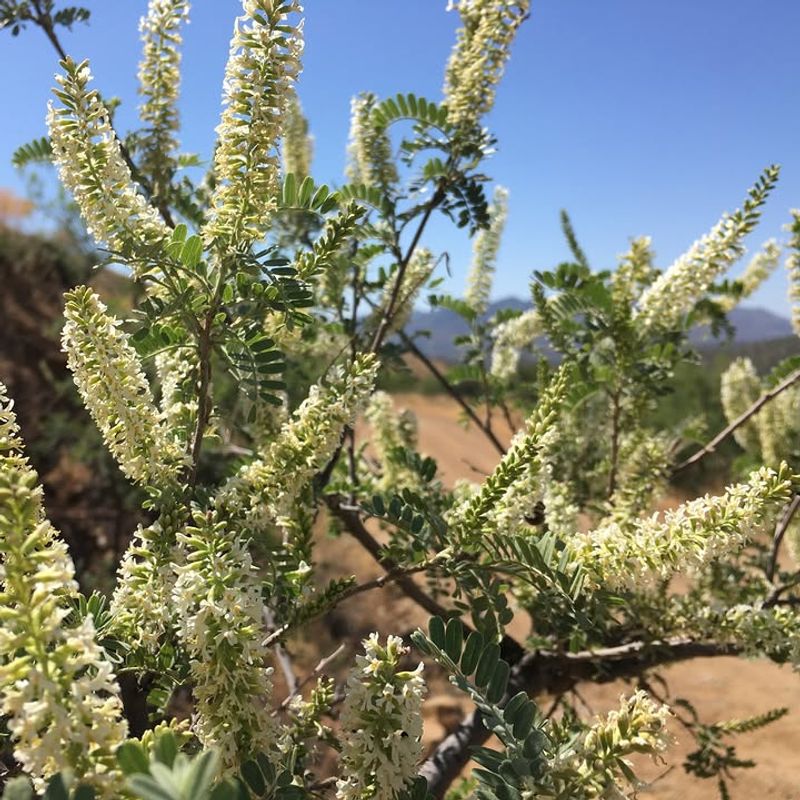
Not every plant along an Arizona fence line needs to be a bold statement piece.
Kidneywood, known botanically as Eysenhardtia orthocarpa, brings something quieter but genuinely special: clusters of small, intensely fragrant white flowers that perfume the air around a driveway or fence-line bed in late summer and fall.
This native Arizona shrub or small tree typically grows 8 to 15 feet tall with a graceful, open branching habit and fine-textured, feathery foliage that provides light dappled shade without blocking airflow.
That open canopy makes it less suitable as a solid privacy screen but very well suited to softening a fence line or framing a driveway entry where filtered shade is welcome during summers.
Kidneywood is drought-tolerant once established and performs well in full sun with well-drained soil, which describes most Arizona driveway and fence-line planting situations.
It is semi-deciduous, dropping some leaves in cold winters but generally bouncing back without issue.
The fragrant bloom season, which often coincides with monsoon rains, gives it a seasonal quality that crape myrtle simply cannot match in terms of scent.
For homeowners looking for something a bit unexpected and native, kidneywood rewards attention with fragrance and light structure.
5. Little Leaf Cordia Handles Hot Driveway Edges
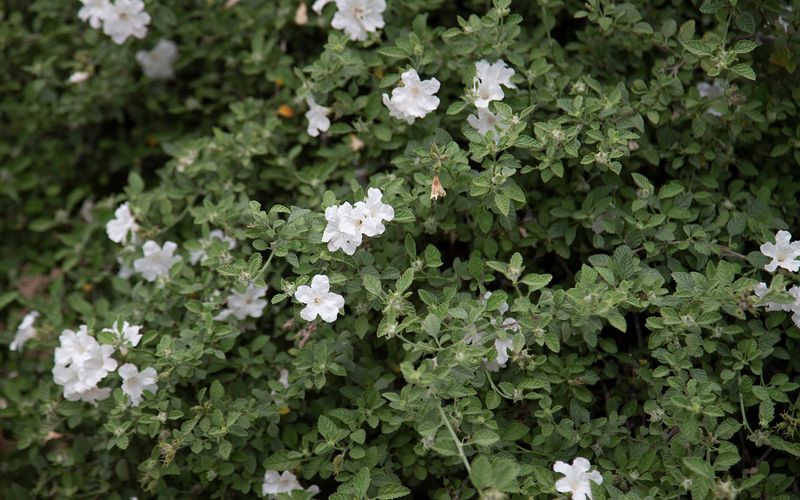
Planting right along a driveway edge means dealing with reflected heat, limited soil depth, and intense afternoon sun, and little leaf cordia is genuinely built for those conditions.
Cordia parvifolia is a native Arizona shrub that produces clusters of small, bright white flowers repeatedly through warm months, creating an ongoing display that catches the eye from the street without demanding much from the gardener.
It grows in a rounded, somewhat open form, typically reaching 4 to 8 feet tall and wide, which fits neatly along a driveway border without overwhelming the space.
The small leaves stay on the plant in mild Arizona winters and drop partially during cooler or drier periods, making it semi-evergreen in most low-desert locations.
Cleanup is minimal since the small flowers and foliage break down quickly and do not pile up the way crape myrtle petals and bark can.
Once established, little leaf cordia needs very little supplemental water and handles reflected heat off pavement with notable resilience. It does well in full sun and thrives in the kind of fast-draining, rocky soils common in Arizona residential yards.
For anyone who wants a tidy, flowering native shrub that can handle one of the toughest planting spots in the landscape, this plant is worth a close look.
6. Jojoba Offers Low-Water Evergreen Screening
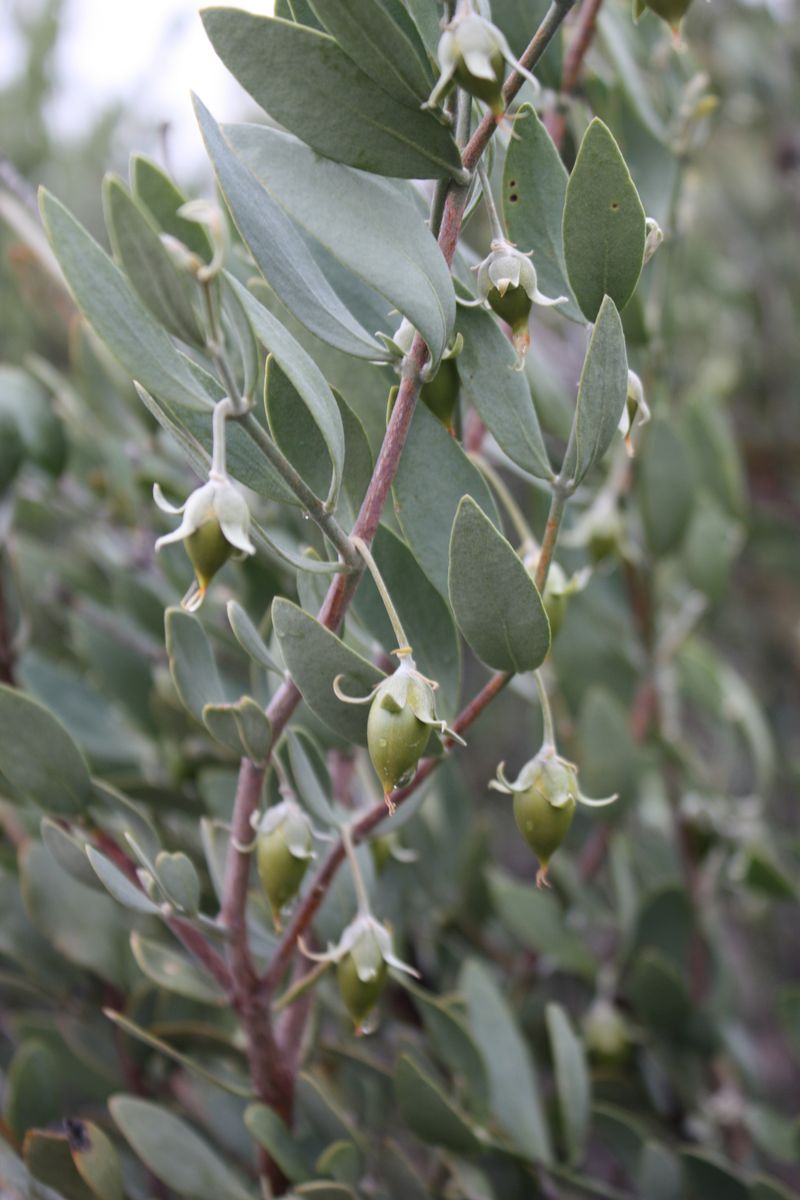
Some of the best screening plants in Arizona landscapes are the ones that simply stay put, stay green, and ask for very little in return. Jojoba, or Simmondsia chinensis, fits that description well.
This native Arizona shrub is evergreen, slow to moderate in growth, and produces dense, leathery gray-green foliage that holds its color through summer heat and winter cold alike.
Jojoba typically grows 3 to 8 feet tall and can spread nearly as wide, making it suitable for fence-line plantings where a lower to mid-height screen is preferred.
It does not produce showy flowers or dramatic seasonal color, but it makes up for that with consistent, year-round structure and extremely low water needs once established.
Female plants also produce small, acorn-like seeds that have a long history of use and add a subtle native character to the planting.
For homeowners who want a clean, evergreen native alternative to crape myrtle without worrying about dropped petals or seed pods cluttering a driveway, jojoba is a solid choice.
It handles reflected heat, thrives in full sun, and fits naturally into low-water Arizona landscapes.
Spacing plants 4 to 6 feet apart along a fence line allows them to fill in over time and create a reliable, low-maintenance screen.
7. Chuparosa Brings Hummingbird-Friendly Color
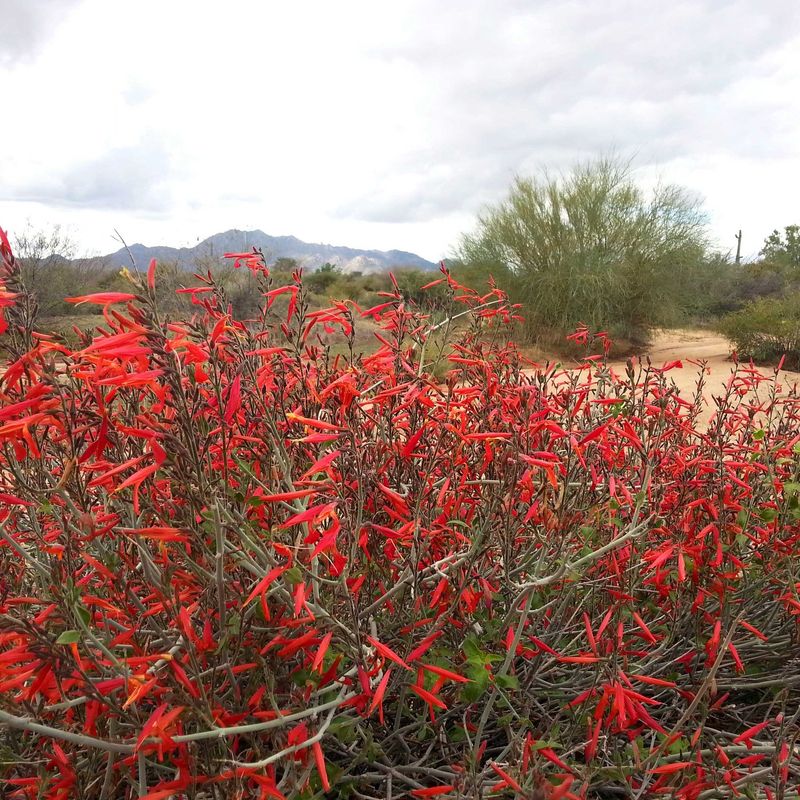
Watching a hummingbird work through a flowering shrub along a fence line is one of those small Arizona backyard moments that makes the whole garden feel alive.
Chuparosa, or Justicia californica, is a native Arizona shrub that seems almost purpose-built to attract hummingbirds, producing bright red, tubular flowers through much of the cooler season when other plants in the landscape are resting.
It grows 3 to 5 feet tall and wide with a rounded, somewhat loose form and gray-green stems that stay on the plant even when leaves drop in dry or cold periods.
That semi-leafless quality during part of the year means chuparosa is not the right plant for situations where a dense, solid screen is the main goal.
Along a fence line where seasonal color and wildlife value matter more than year-round opacity, though, it shines.
Chuparosa is extremely drought-tolerant once established and handles the low-desert heat of Arizona with ease. It works well at the base of a fence, along a sunny driveway border, or as part of a mixed native planting that includes taller screening shrubs.
As a replacement for crape myrtle, it offers something crape myrtle cannot: a reliable food source for hummingbirds during winter and early spring months.
8. Pink Fairy Duster Softens Sunny Border Areas
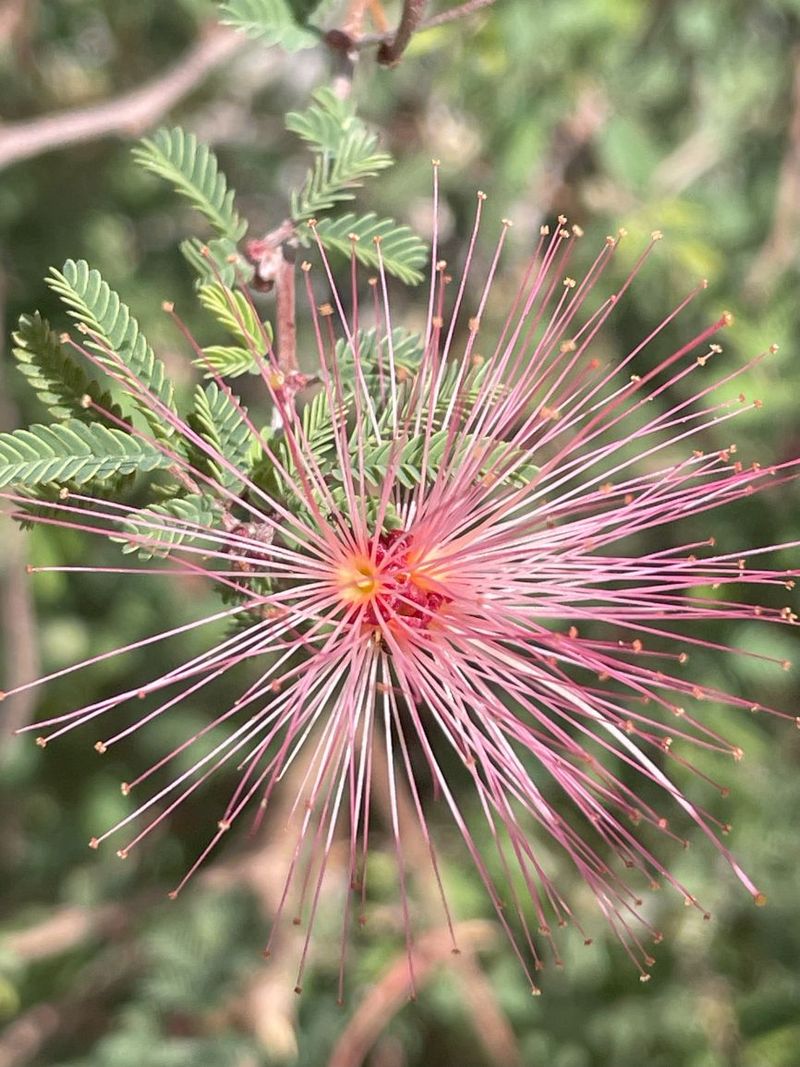
There is something almost playful about the way pink fairy duster blooms, with its fluffy, powder-puff flowers in shades of pink and red that seem to float above the fine-textured foliage on a sunny Arizona morning.
Calliandra eriophylla is a low-growing native shrub that brings soft color and a relaxed, natural feel to fence-line borders and driveway edges without demanding a lot of space or water.
It typically grows 2 to 4 feet tall and wide, which makes it more of a low border plant than a tall screen, but it works beautifully at the base of taller native shrubs or along the front edge of a fence-line bed.
Blooms appear in late winter and spring, with some repeat flowering after monsoon rains, giving the plant two distinct seasons of interest in the Arizona landscape.
Pink fairy duster is very drought-tolerant once established and handles full sun and reflected heat without much trouble. It drops its small leaves during dry or cold periods but leafs back out reliably.
Cleanup is minimal since the small flowers break down quickly and the plant stays fairly tidy on its own.
For homeowners transitioning away from crape myrtle and looking for native color at a lower scale, pink fairy duster adds charm and texture along any sunny Arizona border.
9. Bush Dalea Adds Violet Blooms With Low Litter
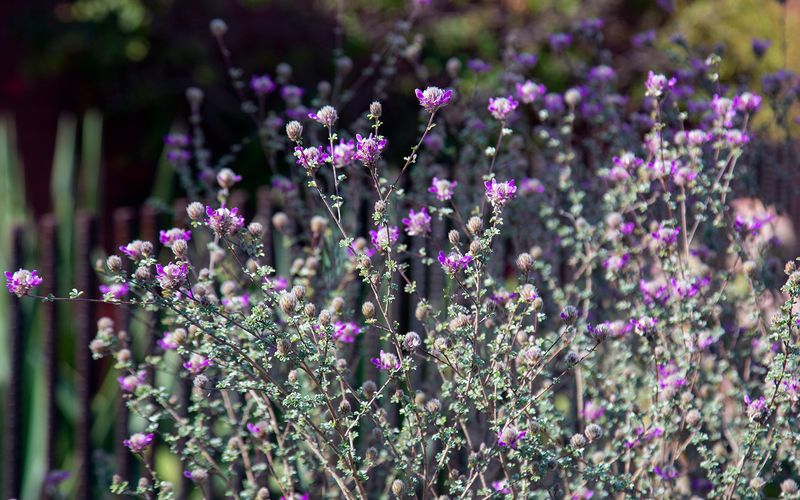
Cleanup is a real consideration when choosing plants along an Arizona driveway or fence line, and bush dalea stands out as one of the tidier native options available.
Dalea pulchra, sometimes called indigo bush or pea bush, is a compact native Arizona shrub that produces small but richly colored violet to purple flower spikes in late winter and early spring.
After peak bloom it quietly goes about its business for the rest of the year without creating much of a mess.
It grows 3 to 5 feet tall and wide with fine, gray-green foliage that gives it a soft, airy texture along a fence line or driveway edge. The small scale makes it better suited as a mid-height border plant or front-of-fence accent rather than a tall screening shrub.
Paired with taller evergreen natives behind it, though, it adds seasonal color at eye level without competing for space.
Bush dalea is very drought-tolerant, thrives in full sun, and handles the heat and reflected light that Arizona driveways produce throughout the summer. It is a low-litter plant, which is one area where it clearly outperforms crape myrtle.
For homeowners who want native violet color without the petal and bark cleanup that some ornamental trees create, bush dalea is a well-matched and underused option worth planting along fence lines.
10. Arizona Yellow Bells Brings Bold Color With Some Cleanup
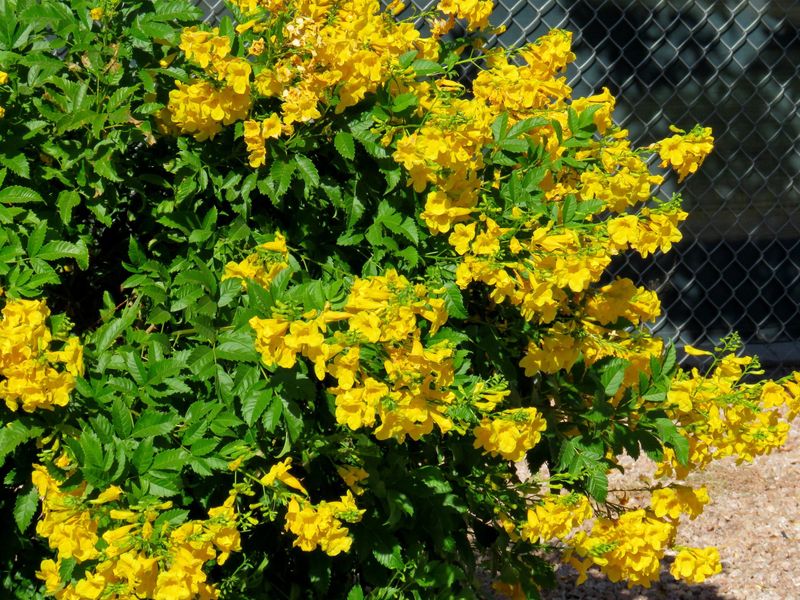
Bold yellow trumpet-shaped flowers clustered along a fence line or driveway edge are hard to miss, and Arizona yellow bells delivers that kind of visual impact from summer through fall when many other native plants have finished blooming.
Tecoma stans var. angustata is a native shrub that grows vigorously in the low and mid-desert heat, producing its bright yellow flowers during the hottest months and continuing well into autumn.
It can reach 6 to 12 feet tall and wide depending on pruning and conditions, so it fills space quickly and works well as a tall fence-line accent or informal screen. However, homeowners should know that Arizona yellow bells is not a zero-maintenance plant.
It produces long, slender seed pods after flowering, and the spent blooms and pods can drop and accumulate along a paved driveway, requiring periodic cleanup similar to what crape myrtle demands.
Despite that trade-off, the plant earns its place in Arizona landscapes through sheer flowering performance and heat tolerance. It attracts hummingbirds and butterflies and handles reflected heat and full sun well.
Cutting it back in late winter encourages fresh growth and a tidy shape for the season ahead.
For homeowners willing to do occasional cleanup in exchange for months of bold native color, Arizona yellow bells is a rewarding and dependable choice along fence lines and driveways.