How Much Mulch Florida Beds Really Need Before It Becomes A Problem
Walk outside right now and look at your garden beds. Really look at them.
See that fresh layer of mulch you spread last spring? The dark, clean stuff that made the whole yard look like a magazine cover? Something might be very wrong with it, and the worst part is it looks completely fine from the outside.
Florida yards have a secret problem that nobody talks about at the garden center. It does not show up overnight.
It builds slowly, season after season, until one day a perfectly healthy palm starts declining or a shrub just gives up for no obvious reason.
So let us play a game. Guess the one number that separates a thriving Florida garden bed from one that is quietly falling apart. Just one number. Many people get it wrong, and many people have been getting it wrong for years.
1. How Much Mulch Is Actually Enough For Most Florida Beds
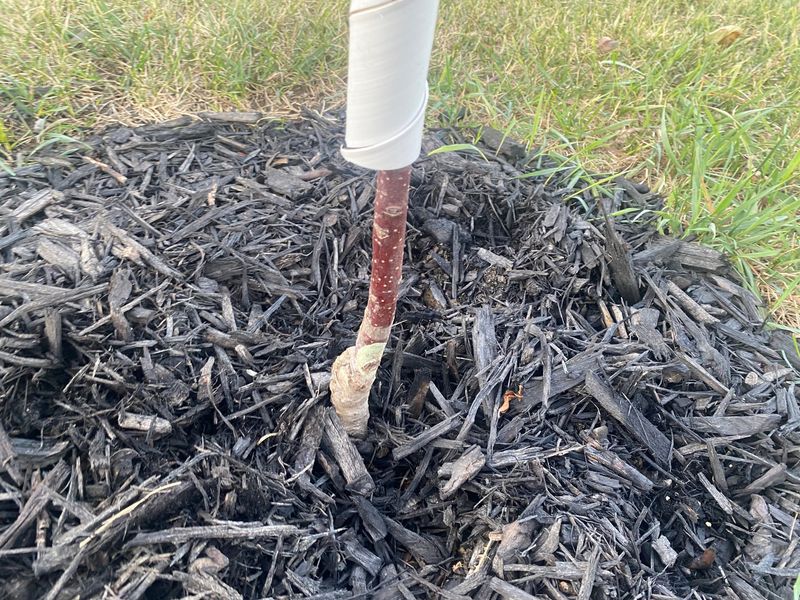
Two to three inches. That is the number Florida garden beds are asking for. It sounds almost too simple, but that specific depth does more work than most people realize.
That layer holds moisture in the soil during dry stretches. It keeps roots cooler when summer temperatures start climbing. It also slows weed growth without cutting off the air and water the soil needs to stay healthy.
Florida’s sandy soil loses moisture fast. A proper mulch layer slows that evaporation down considerably.
Plants stay hydrated longer between waterings, which saves water and keeps them from stressing out during dry spells.
Soil temperature also stays more stable, which matters in a state that can swing from blazing heat to a surprise cold snap within the same week.
Going past three inches is where things start getting complicated. Thick layers trap moisture near plant stems and block oxygen from reaching the soil below.
Roots can start moving upward into the mulch instead of downward into the ground, which creates problems that are hard to fix later.
Before spreading a new bag, take thirty seconds to measure what is already there. A ruler works. So does a finger pressed into the layer.
Only add what is needed to reach that two-to-three-inch mark. Does that sound too easy? It is. Most garden problems do not need a complicated solution, just the right one.
2. How Much Mulch Is Too Much When It Sits Against Tree Trunks
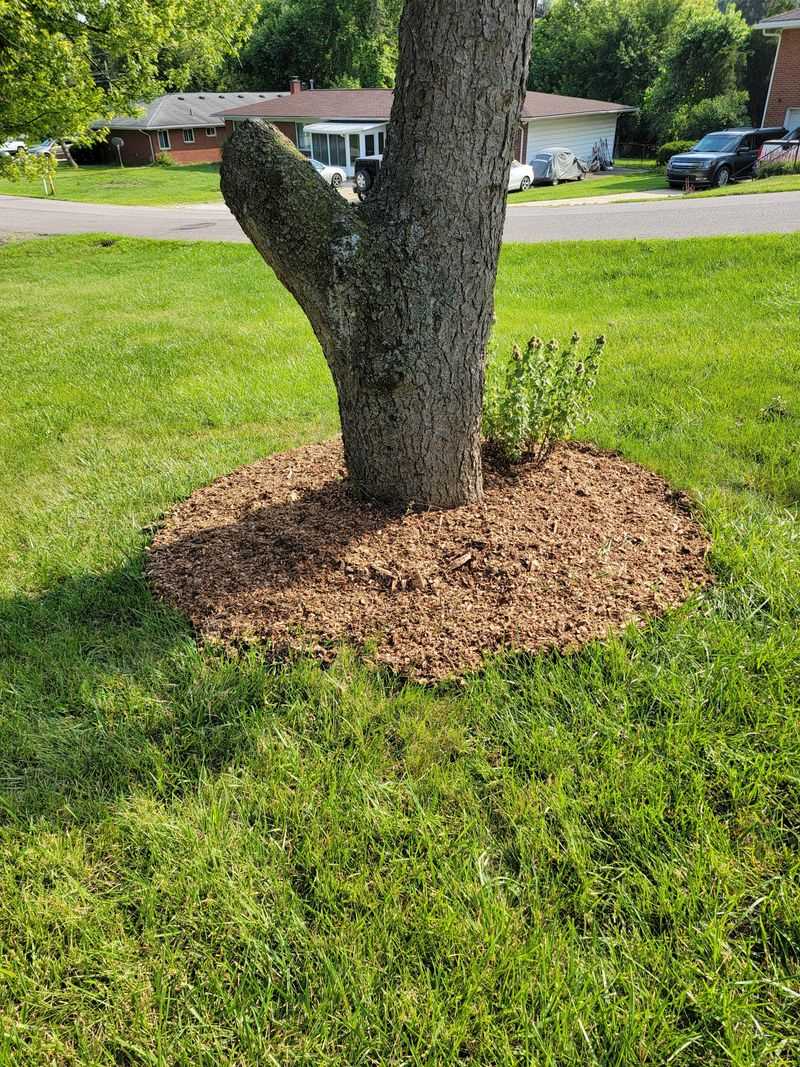
Mulch pressed directly against a tree trunk is one of those mistakes that looks completely harmless. The yard looks tidy. The tree looks cared for. But underneath that neat exterior, something is going wrong at the bark level.
Constant moisture against the trunk softens bark over time. It creates a warm, damp environment that fungi and certain pests find very comfortable.
Florida’s humidity already puts trees at higher risk than trees in drier states, so adding extra moisture at the base only increases that pressure.
Airflow around the base of a tree is not optional. It is necessary. When mulch piles up against the trunk, that airflow disappears entirely.
Your Florida Garden Changes Every Week. Your Plan Should Too.
Gardening in Florida changes quickly throughout the season. Every Friday you’ll receive a simple weekly plan showing exactly what to plant, prune, fertilize, harvest, and protect so you never miss the right timing.
The bark stays wet. The tissue just beneath the surface can begin to break down. The tree becomes more vulnerable to stress before any visible symptoms appear.
The fix takes about two minutes. Pull the mulch back so it forms a wide ring around the trunk rather than a mound against it.
Leave six to twelve inches of clear space between the mulch and the bark. Spread the material outward instead of inward. The tree still gets all the moisture and temperature benefits. The trunk just gets to breathe again.
Check this every time fresh mulch goes down. It is the kind of small habit that quietly adds years to a tree’s life. And honestly, no tree deserves to spend its days wrapped in a soggy blanket.
3. How Much Mulch Young Plants And Tender Stems Can Actually Handle
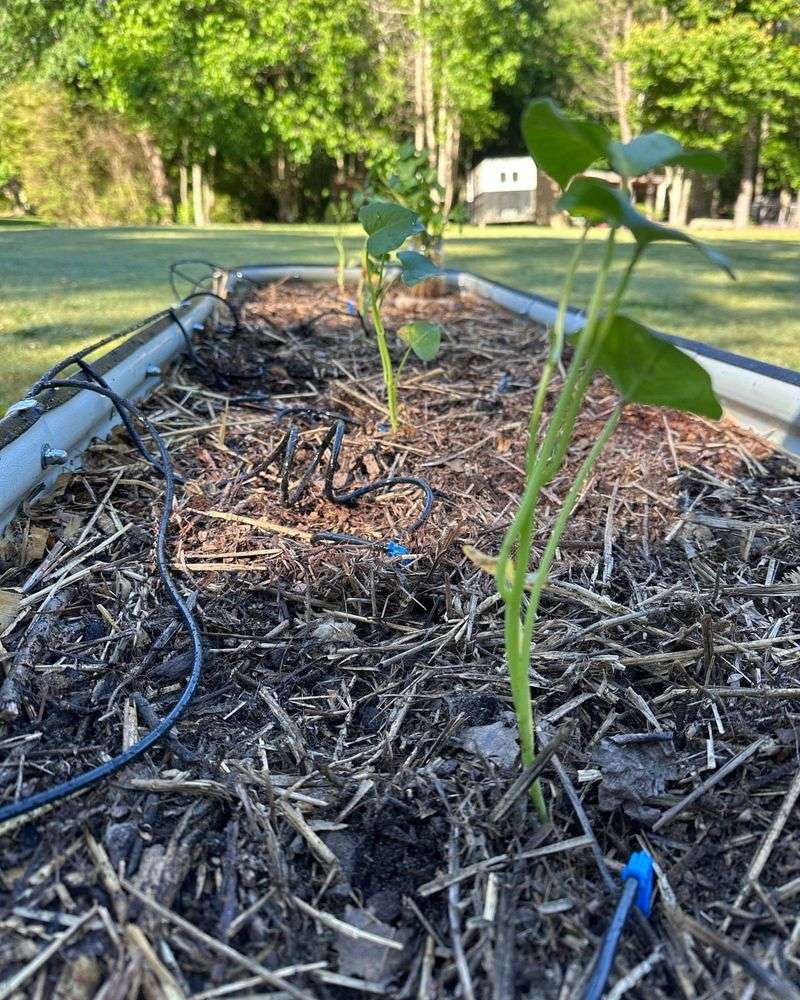
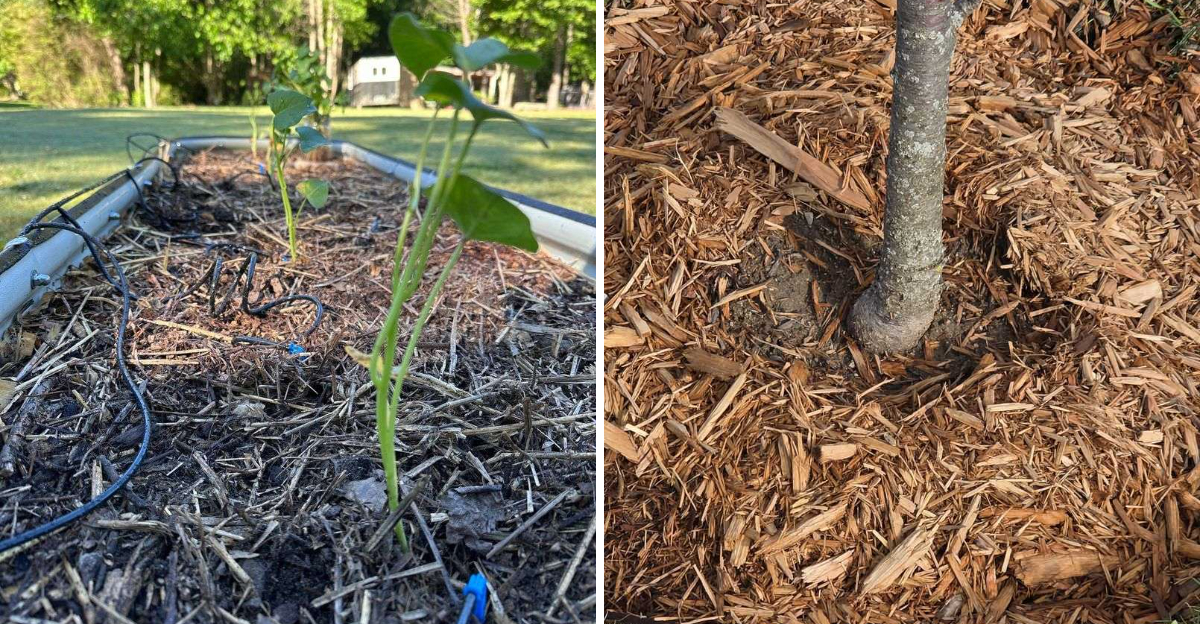
Young plants and tender stems have a lower tolerance for mulch than most people give them credit for. A thick layer that works perfectly fine around a mature oak can cause real trouble around a young tomato, a fresh transplant, or a delicate annual.
Softer stems trap moisture differently than woody trunks. A thick mulch layer holds that moisture right at the base of the plant, where the stem meets the soil.
That area stays wet for extended periods, and in Florida’s heat and humidity, that moisture can cause the tissue to soften. The result is crown rot, and it can take down a healthy-looking seedling surprisingly fast.
For tender plants, one to two inches of mulch is the better target. That depth still protects the soil around the plant.
It still slows evaporation and keeps the root zone from overheating. It just does not hold enough moisture against the stem to create problems.
Apply mulch carefully around young plants and check the crown before finishing up. The crown is the spot where the stem meets the soil. It should stay visible and dry. If mulch is touching that point, pull it back a little before walking away.
In mixed beds with both mature shrubs and new transplants, adjust the depth plant by plant. One thick layer across the entire bed is a shortcut that tends to backfire on the newer additions.
A little extra attention at planting time pays off for the entire growing season. Tender plants remember when they were treated well.
4. How Much Mulch It Takes To Send Roots In The Wrong Direction
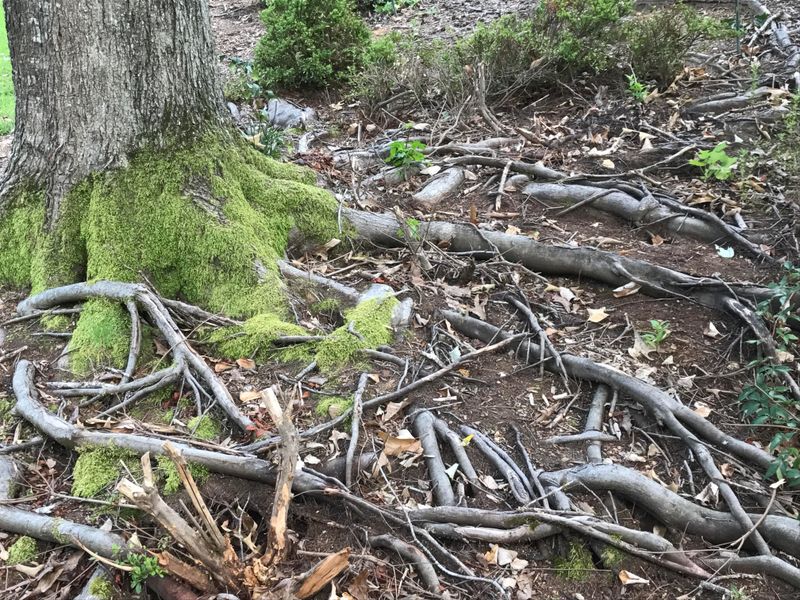
Roots go where conditions invite them. Moisture, oxygen, and loose material all attract root growth. A thick mulch layer offers all three, and roots are not shy about taking advantage of that.
When mulch builds up to four, five, or six inches, roots start migrating upward and sideways into that layer instead of downward into the soil.
It happens gradually, which makes it easy to miss until the problem is already well established. Surface roots become dependent on the mulch for moisture and nutrients.
When that mulch dries out or gets disturbed during routine maintenance, those roots are suddenly exposed and stressed.
University research has flagged surface rooting from excessive mulch depth as a recurring issue in Florida landscapes, particularly around trees and large shrubs that have been heavily mulched over multiple seasons.
Checking for surface roots is straightforward. Run a hand lightly across the mulch near the base of trees and shrubs. A dense network of roots just below the surface is a clear signal that the mulch is too thick.
Do not pull all the mulch away at once. That kind of sudden change can shock the plant and stress the exposed roots.
Instead, reduce the depth gradually over one to two seasons. Get back to the two-to-three-inch target slowly, and let the roots find their way back down as conditions improve.
Patience works better than urgency here. Roots took their time going up, and they deserve a little time to come back down.
5. How Much Mulch Pushed Against Palms And Shrubs Is Too Much
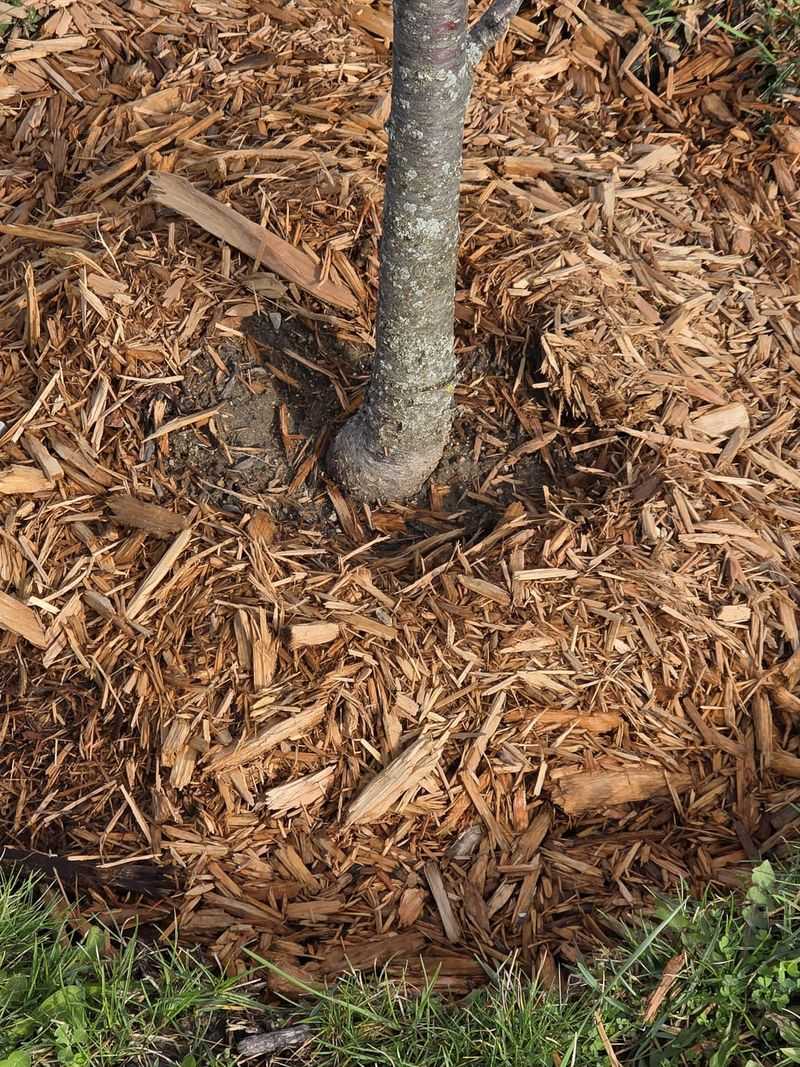
Volcano mulching has a dramatic name, and it causes equally dramatic problems. It is exactly what it sounds like: a tall, cone-shaped mound of mulch piled right up against the base of a palm or shrub.
It shows up in yards all across Florida, and it consistently does more harm than good.
Palms are especially sensitive to this. Their root zones work differently than traditional trees, and moisture trapped against the base of a palm trunk can lead to serious tissue damage.
The trunk stays perpetually wet in an environment that is already humid enough without extra help.
Shrubs deal with similar issues. Mulch piled against stems and lower branches keeps those areas damp around the clock.
Fungal growth finds that condition very agreeable. Soft rot can develop. Insects that target weakened plant tissue start showing up. The whole situation escalates faster than most homeowners expect.
Proper mulch application around palms and shrubs should be flat and even across the root zone. Pull the mulch back from the base of the plant so at least a few inches of clear space remain around the stem or trunk. Then spread it outward in a wide, shallow circle. Two to three inches deep is the target.
A flat spread gives the plant everything it needs without the risks that come from piling mulch against it.
So next time someone in the neighborhood builds a mulch volcano, feel free to share this. Saving one palm at a time is still saving a palm.
6. Keep Mulch From Covering Plant Crowns
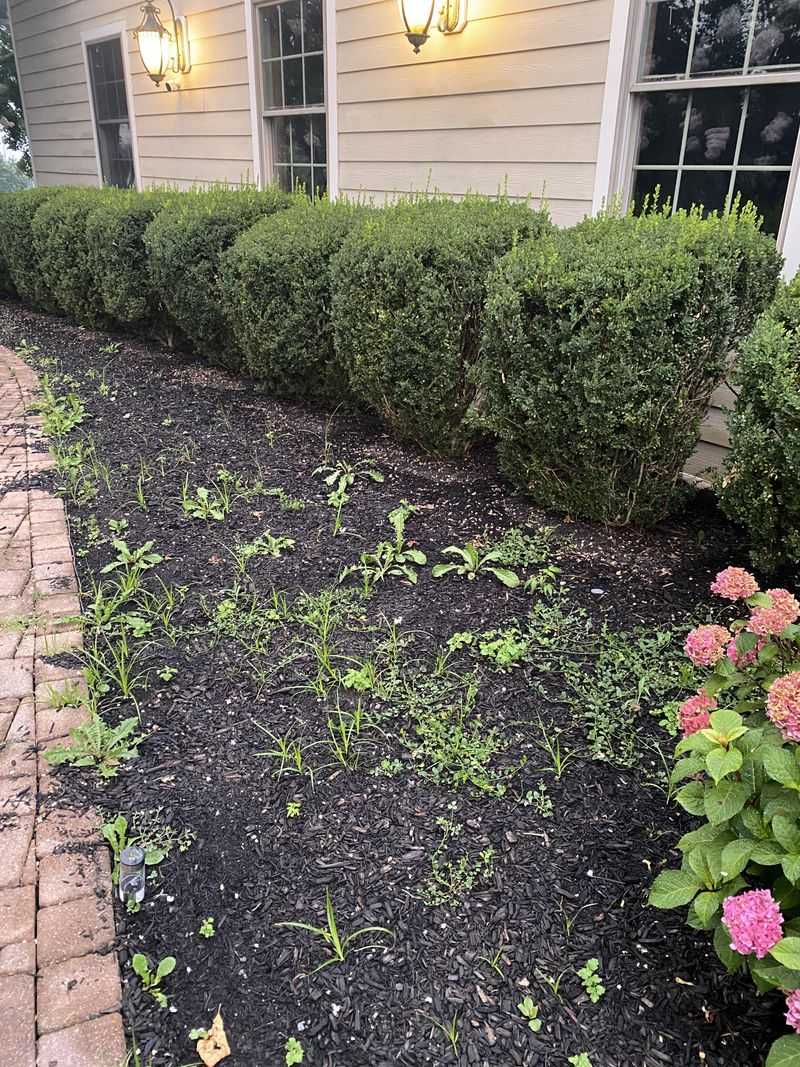
The crown of a plant is one of its most important and most vulnerable spots. For perennials, grasses, and many flowering plants, the crown is the central growing point where the stems emerge from the soil. Cover it with mulch, and you trap moisture right where the plant is most sensitive to it. Florida’s warm, humid climate makes this even more of a concern than it would be in a cooler, drier state.
Gardeners sometimes cover crowns by accident, especially when spreading mulch quickly across a large bed. It is easy to lose track of where each plant is sitting once you get moving with a wheelbarrow. But even a half inch of mulch sitting directly on a crown can slow airflow enough to create problems over several weeks. UF IFAS Extension and other horticulture sources consistently recommend keeping mulch at least one to two inches away from the base of perennial plants to protect crown health.
A quick visual check after mulching can catch this problem before it starts. Walk the bed and look at each plant’s base. If mulch is touching the stem right at or below ground level, gently pull it back with your fingers or a small hand rake. You are not trying to leave a huge gap, just enough space for air to move around the crown. This small habit, done every time you mulch, keeps perennials healthier, helps them bounce back faster after winter, and reduces the chance of fungal issues showing up during Florida’s rainy season.
7. How Much Mulch Over A Plant Crown Creates A Problem Worth Avoiding
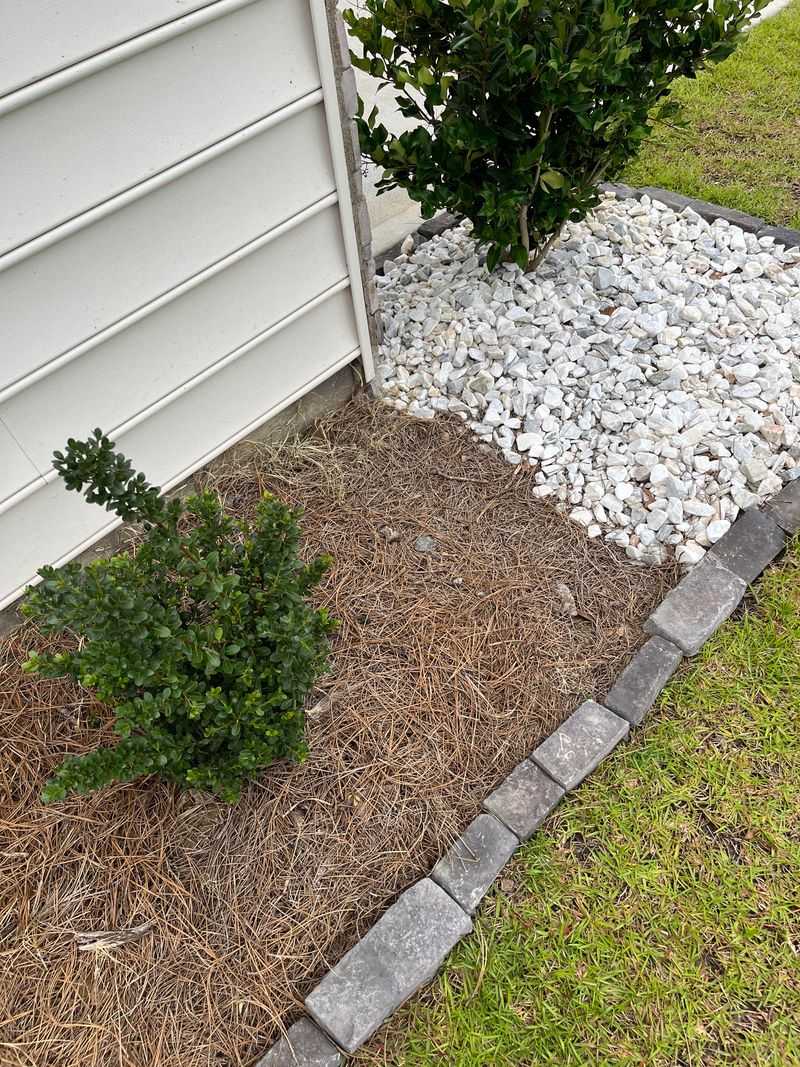
The crown of a plant does not get enough credit. It is the central point where stems emerge from the soil, and for perennials, grasses, and many flowering plants, it is also one of the most vulnerable spots on the entire plant. Cover it with mulch, and trouble tends to follow.
Florida’s warm, humid climate makes crown health a more serious concern than it would be in a cooler, drier state.
The combination of heat and trapped moisture creates exactly the conditions that fungal issues need to get started.
A plant that looks healthy above the mulch line can be struggling at the crown without showing obvious signs right away.
Crowns get covered by accident more often than on purpose. A wheelbarrow moves fast. A large bed takes concentration.
It is easy to lose track of exactly where each plant is sitting when there is a lot of ground to cover. But even a half inch of mulch resting directly on a crown can restrict airflow enough to cause problems over several weeks.
After finishing a bed, walk it slowly and check each plant’s base. Look for mulch sitting at or below ground level on any stem. Gently pull it back with a hand or rake. The goal is not a dramatic gap, just enough clear space for air to move around the crown.
This check takes ten minutes across an entire bed. Skipping it, on the other hand, can cost much more than that come rainy season.