The Real Reason A Red-Tailed Hawk Keeps Visiting Your Minnesota Yard
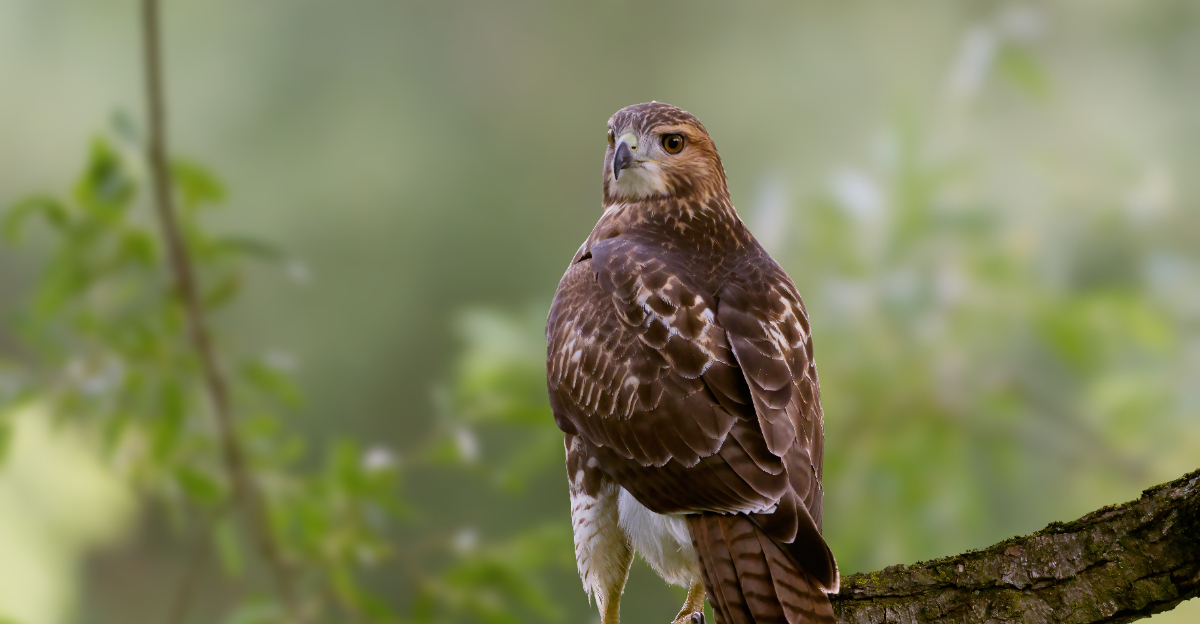
You step outside one morning and there it is, a red-tailed hawk on your fence post, watching your yard like it owns the place.
Then it happens again the next day. And the day after that. This is not a bird that got lost or wandered over by accident.
Red-tailed hawks are deliberate, efficient hunters, and they do not spend time in places that have nothing to offer. Your yard passed some kind of test, and that hawk keeps coming back to collect.
These raptors are built to read landscapes the way experienced hunters read terrain, open sightlines, reliable prey, strategic perches. Your property is checking those boxes whether you realize it or not.
Understanding why a red-tailed hawk has chosen your yard is less about luck and more about what you have quietly built out there.
Your Yard Has Exactly What Red-Tailed Hawks Are Looking For
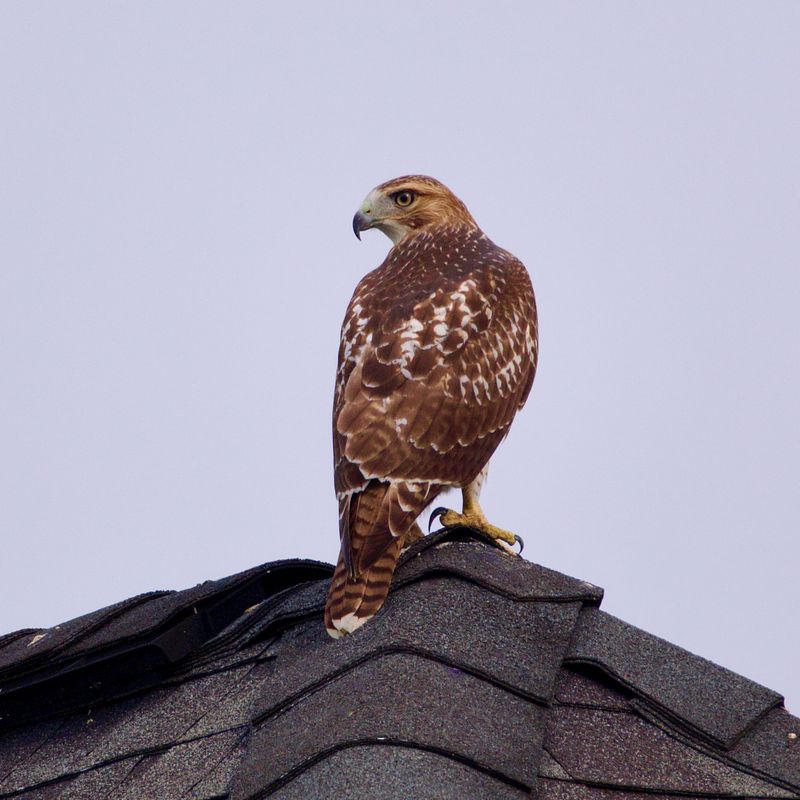
Picture this: your yard looks ordinary to you, but to a hawk, it looks like a buffet with a view.
Red-tailed hawks are built for open spaces with high perches nearby. Your yard may check both boxes in ways you have not thought about.
Tall trees, utility poles, fence posts, and rooftops all serve as prime hunting platforms. A hawk needs to see its prey from above, and your property gives it that clear line of sight.
Open lawn areas are equally important. Short grass means fewer hiding spots for small animals, which makes hunting easier and more efficient for the bird.
Mature shade trees at the yard’s edge offer shelter and a resting spot between hunts. Hawks are patient hunters, and they appreciate a comfortable perch where they can wait and watch.
Neighborhoods with a mix of lawn, garden beds, and shrubs create the ideal habitat blend. That contrast between open ground and covered edges is exactly what draws raptors in.
The red-tailed hawk visiting your yard is not lost or confused. It has scouted your space, assessed the opportunity, and decided to return.
Your yard is functioning as a reliable hunting ground with everything the bird needs. Once a hawk finds a reliable spot, it will claim that territory and defend it from other birds of prey.
The Prey That Pulls Them In
Hawks rarely appear somewhere without a reason, and that reason almost always has fur or feathers.
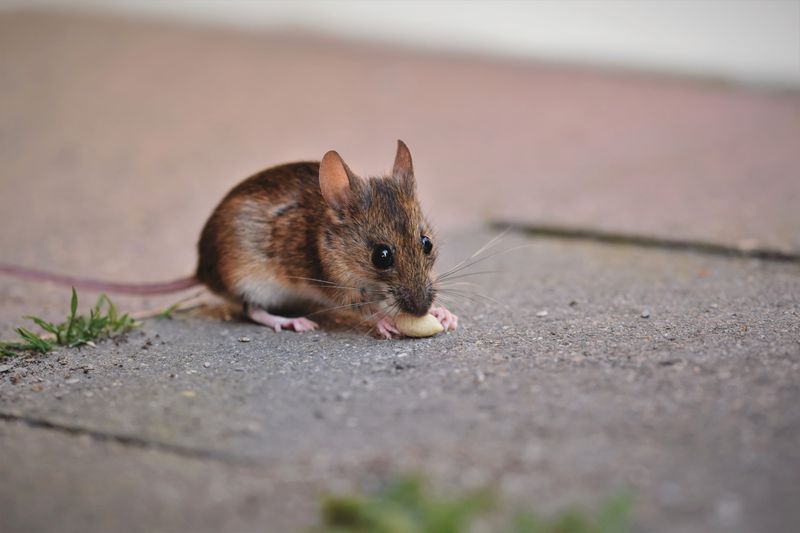
Red-tailed hawks primarily hunt small mammals. Mice, voles, chipmunks, squirrels, and rabbits are their top targets.
If your yard has bird feeders, you are likely attracting rodents without knowing it. Spilled seed on the ground draws mice and voles, which in turn draw the hawk right to your doorstep.
Garden beds, compost piles, and wood stacks also create cozy hiding spots for small mammals. A yard rich in these features is basically a hawk’s favorite restaurant.
Occasionally, red-tailed hawks will target small birds too. Sparrows and starlings that gather at feeders can become opportunistic snacks when the hawk is feeling bold.
Your Minnesota Garden Changes Every Week. Your Plan Should Too.
Gardening in Minnesota changes quickly throughout the season. Every Friday you’ll receive a simple weekly plan showing exactly what to plant, prune, fertilize, harvest, and protect so you never miss the right timing.
Rabbits are a particularly attractive target in suburban yards. If you have noticed rabbit activity near your garden, the hawk has almost certainly noticed it too.
Prey availability tends to be the strongest draw for repeat hawk visits. Reduce the food source, and the hawk will often move on to more productive territory.
But here is the interesting part: most homeowners do not want to eliminate every mouse or rabbit. Understanding this prey connection helps you decide how much hawk activity you actually want to encourage.
Your yard’s wildlife population is a direct invitation, and the hawk is simply responding to it.
What Their Behavior Tells You About Your Property
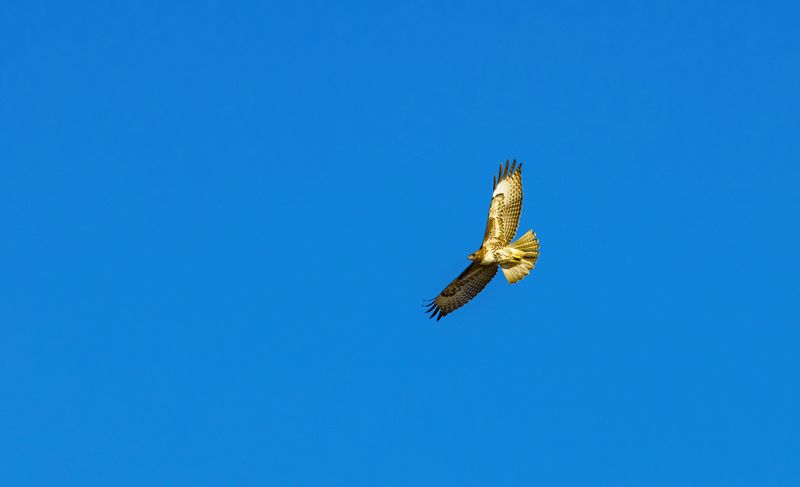
Watching how a hawk behaves in your yard is like reading a report card about your property’s ecosystem.
A hawk that sits quietly on a high perch for long stretches is actively hunting. A still, focused posture is rarely casual rest.
If the hawk circles overhead in slow, wide loops, it is mapping your yard from above. This aerial survey behavior means it has already identified your space as worth investigating.
A hawk that swoops, misses, and returns to its perch is likely recalibrating for another attempt, which suggests prey is active in the area.
Territorial calling, that sharp, piercing cry, means the hawk considers your yard part of its home range. It is warning other raptors to stay away from its claimed hunting ground.
Seeing two hawks together in late winter or early spring usually means a mating pair is nearby. A nesting site could be close, possibly in a large tree within a few blocks.
A hawk that lands on the ground briefly is going after something specific. Ground landings are not casual; they mean the bird spotted prey and committed to the strike.
Red-tailed hawks are efficient and purposeful hunters, most of their movements serve a clear function. Learning to read those behaviors gives you a fascinating window into what is actually living and moving through your yard each day.
Why Minnesota Yards Are Seeing More Hawks These Days
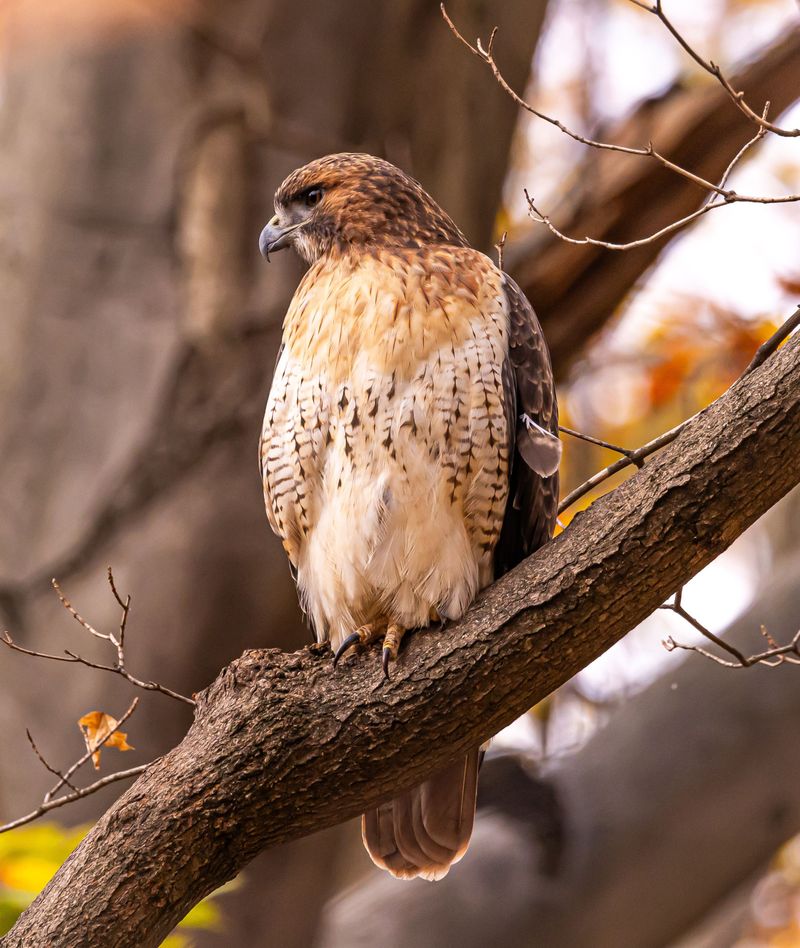
Red-tailed hawk populations have grown steadily over recent decades. Conservation efforts, cleaner environments, and reduced pesticide use have all helped raptor numbers bounce back.
Suburban sprawl has also played a surprising role. As neighborhoods expand into former farmland and forests, they create fragmented habitat that actually suits red-tailed hawks quite well.
Hawk populations adapt quickly to human-altered landscapes. Edge habitats, where open lawn meets wooded areas, closely mimic the natural environments these birds prefer in the wild.
Milder winters in some recent years may be keeping more hawks in the region year-round. When prey remains accessible under lighter snow cover, some birds skip the southern migration entirely.
Urban heat islands in cities like Minneapolis and Saint Paul tend to keep local temperatures slightly warmer, which can extend the season for prey activity. That warmth keeps prey animals active longer, giving hawks a reason to stay put through the cold months.
Increasing awareness among homeowners has led to fewer disturbances near hawk perches and nests. Hawks are learning that suburban yards are relatively safe places to hunt and raise young.
More hawks in the region means more hawks scouting for territory. If your yard offers food and structure, it will get added to a hawk’s regular patrol route sooner or later.
What To Do If The Visits Keep Happening
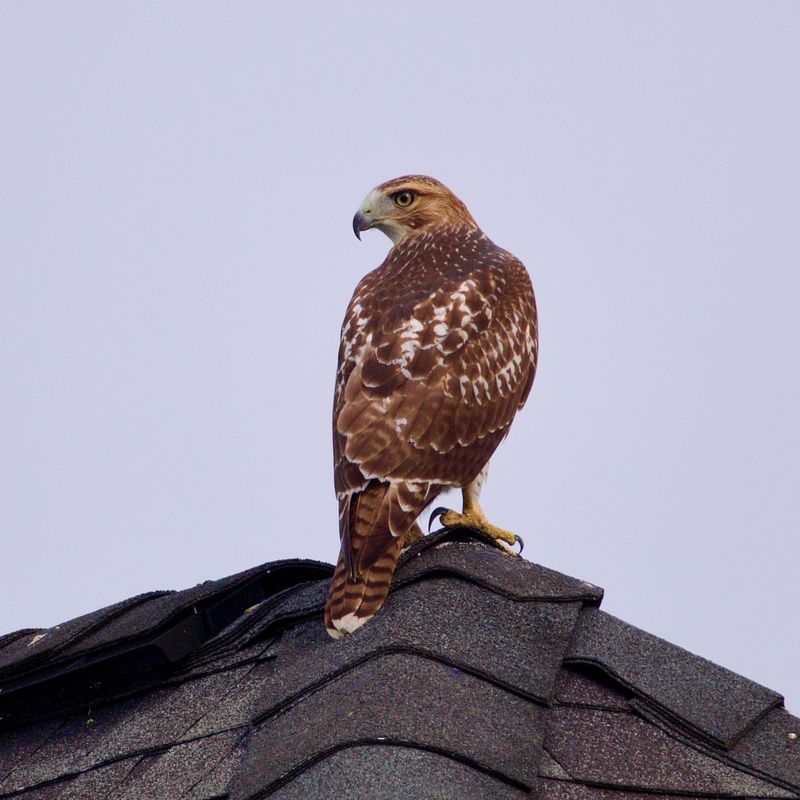
Regular hawk visits can feel thrilling at first, but they sometimes create concern, especially if you have small pets or backyard chickens.
Small dogs, cats, and chickens, particularly those under five or six pounds, may attract hawk attention. Supervising outdoor time for these animals during peak hawk activity hours is a smart precaution.
Dawn and late afternoon are prime hunting windows for red-tailed hawks. Keeping vulnerable pets indoors during those windows dramatically reduces any risk.
Covering chicken runs with hardware cloth or netting is the most effective physical barrier available. Hawks are persistent, but a well-covered run tends to redirect their attention elsewhere.
If you enjoy the hawk visits and want them to continue, resist the urge to approach or disturb the bird. Staying at a respectful distance keeps the hawk comfortable and likely to return.
Binoculars are your best friend for hawk watching. Observing from a window or from across the yard lets you enjoy the experience without stressing the bird.
Reporting your sightings to platforms like eBird or the Cornell Lab of Ornithology contributes to real wildlife research. Your backyard observations actually matter to scientists tracking raptor populations.
Hawks are federally protected under the Migratory Bird Treaty Act. Harassing or harming one is illegal, so working with their presence rather than against it is always the right call.
Enjoying the hawk is easier than fighting it, and far more rewarding in the long run.
Backyard Features That Make Hawks Come Back
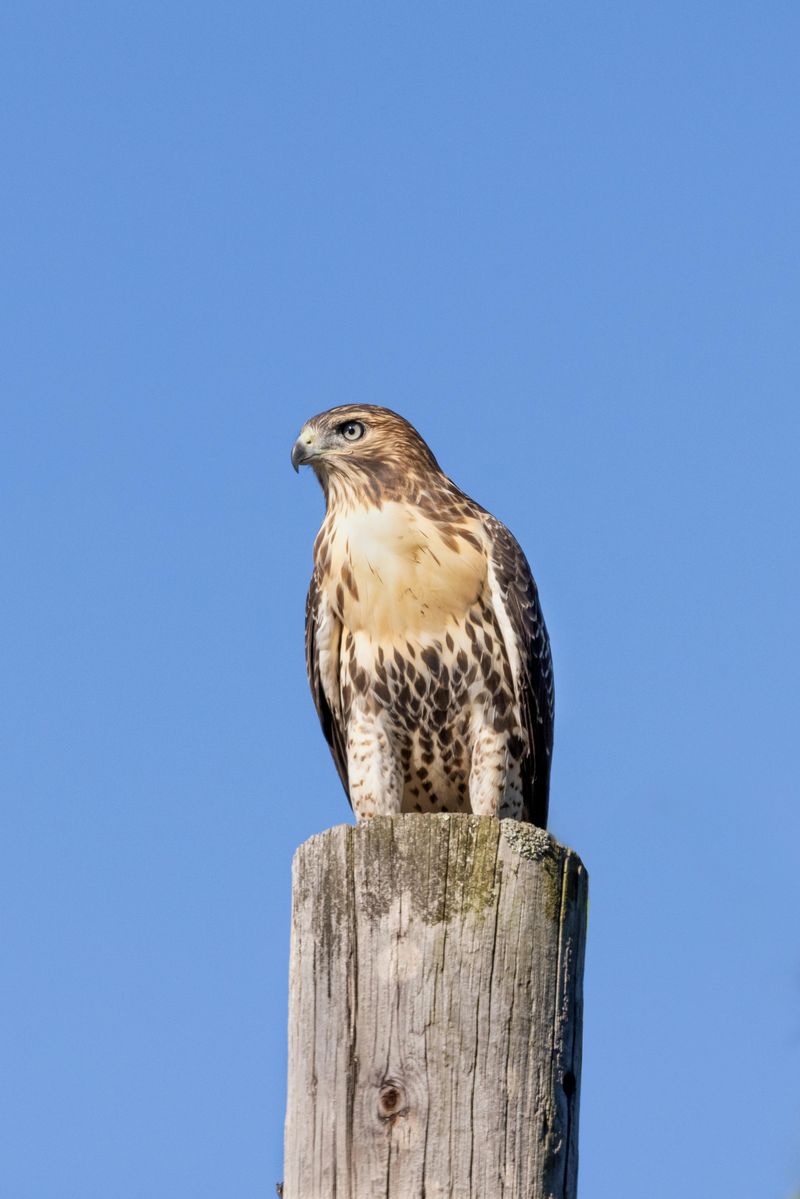
Some yards are hawk magnets, and the difference usually comes down to a few specific features that make hunting easy.
Tall, exposed perching spots tend to be one of the strongest draws for red-tailed hawks. An old tree snag, a wooden fence post, or even a roof peak gives the hawk the elevation it needs to survey the ground.
Open lawn space matters just as much. Heavily landscaped yards with dense shrubs everywhere actually deter hawks because prey can hide too easily.
Bird feeders bring in songbirds and scatter seed that attracts rodents. That combination creates a layered food web that keeps hawks circling back day after day.
Water features like birdbaths or small ponds attract a wide range of wildlife. More wildlife diversity means more potential prey, and more prey means more hawk interest.
Brush piles near the yard’s edge offer cover for small mammals like voles and shrews. Those animals become easy targets when they venture out into the open lawn nearby.
Fruit trees and berry bushes attract birds and small animals throughout the growing season. A yard that produces food for multiple species naturally supports a predator at the top of the food chain.
Tall native grasses planted in patches create habitat corridors that funnel small mammals across the yard. Hawks appear to pick up on these movement corridors and often position themselves nearby.
Building a hawk-friendly yard is really just building a healthy, biodiverse one, and the red-tailed hawk is your proof that it is working.